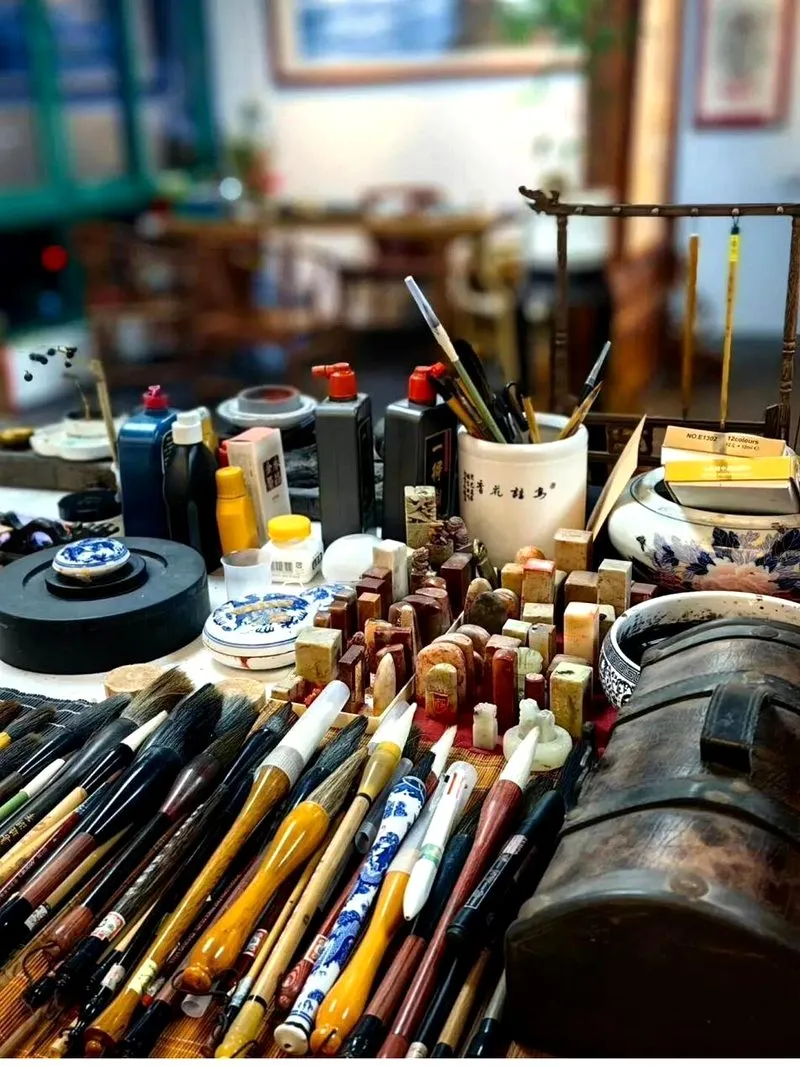
Anniversary Gifts
Chinese characters for the kind of love that has earned the years behind it.
Recommended characters
和顺 (Hé Shùn) — Harmony and Smooth Going
For the anniversary when you want to name what the years have actually built. 和顺 recognizes that sustained marriage produces a particular quality: accord that has become easy (和) and daily life that flows because the relationship is warm (顺). Neither comes from just showing up — they are what years of genuine effort looks like when it works.
恒 (Héng) — Constancy
For the anniversary when the gift should name the quality behind the years rather than add to the wishes. 恒 is not prospective — it does not wish harmony or ease (those are 和顺 and 和). It is a recognition: that the choice to remain in this relationship has been made consistently, through the particular conditions each year brought. That is what an anniversary marks.
忠 (Zhōng) — Loyalty
For the anniversary when the gift should name the interior quality behind the years rather than the years themselves. 忠 is not a wish for more harmony or ease — it names the centered-heart orientation that has made this marriage work: the commitment that ran before any specific promise was made and continued regardless of what each year brought. Where 恒 names constancy as a pattern of showing up, 忠 names the whole-person source from which that constancy flows.
和美 (Hé Měi) — Harmony and Beauty
For the anniversary when the gift should name what the years of genuine accord have made the marriage — not just that harmony has been maintained (和) but that it has ripened into something visible and particular (美). 和美 is the retrospective blessing: the 和 names what the couple has done across however many years (the daily adjustment, the long music of living together), and the 美 names what that doing has produced — the quality of the household and the partnership that is now, to anyone who sees it, worth noting. More particular than 幸福 (the feeling of happiness) and more earned than 如意 (things going as wished), it is the anniversary gift that names the beauty of what the two of them have actually built.
花好月圆 (Huā Hǎo Yuè Yuán) — Flowers in Full Bloom · Moon Full and Round
For the anniversary when the right move is not to analyze what the marriage has built but to name the occasion as complete in itself. 花好月圆 identifies the moment the way a classical painter would: flowers at their fullest, moon at its roundest, and the couple’s circle still unbroken. Where 和美 names the beauty the marriage has accumulated and 恒 recognizes the constancy behind the years, 花好月圆 names the present moment as one where everything has arrived at its best simultaneously — the phrase for the anniversary that should simply be held.
百年好合 (Bǎi Nián Hǎo Hé) — A Hundred Years of Harmonious Union
For the anniversary when the gift should ask about the union itself rather than name what it has produced. 百年好合 is distinct from 和美 (which names the beauty the accord has made) and 恒 (which recognizes the constancy behind the years): it asks whether the 合 — the fitting-together of two people — has remained genuinely 好. The wedding blessing that doubles as an anniversary question: the years have been the answer, and this occasion is the moment to name it.
圆满 (Yuán Mǎn) — Completeness · Perfect Wholeness
For the anniversary when the gift should name the shape of the marriage rather than its constancy or its harmony — whether the life the two have built comes out whole, the circle of the years closing with nothing left wanting. Where 百年好合 asks whether the union has stayed 好 and 恒 recognizes the constancy behind it, 圆满 wishes the satisfying roundness of the whole: full as well as long, the measure reaching the brim. The anniversary gift for the couple whose shared life you want to see arrive complete, full as the harvest moon.
温润 (Wēn Rùn) — Warm and Smooth as Jade
For the anniversary when the gift should name the actual feel of a long life together rather than its harmony (和美) or its constancy (恒). Jade is prized not for how it sparkles but for how it warms in the hand and wears smooth with handling — and 温润如玉, warm and smooth as jade, is exactly what the years do to two people. 温润 binds the warmth of 温 to the smooth luster of 润 and names the result: the rough edges rounded, the sheen now coming from inside. The recognition for a marriage that has become warm and even and smooth to the touch, the way jade does.
淳 (Chún) — Genuine and Unadorned
For the anniversary when what you want to name is the honesty that outlasted the romance — the warmth left when the performance fell away years ago and what remained was simply two people being straight with each other. Where 温润 names the smoothness the years wore in and 和美 names the beauty the accord produced, 淳 names the raw material both are made of: 淳厚, a genuine, unpretentious warmth, honest to the grain. The recognition for the marriage whose quiet, unshowy truthfulness has been its whole strength across the years.
睦 (Mù) — Household Harmony · Concord
For the anniversary when the gift should honor not the spark but the peace the couple has kept between them — 和睦, the settled, unstrained concord of two people years into a shared life. Where 百年好合 asks whether the union has stayed 好 and 温润 names the feel the years wore in, 睦 names the harmony itself: the absence of friction, the ease of a pair who long ago stopped keeping score. The character reads that ease off the face — its left half is 目, an eye, and the oldest dictionary defines 睦 as 目顺, “the eyes at ease.” The anniversary recognition for the marriage you can see is harmonious in a single glance across the room.
美满 (Měi Mǎn) — Happy and Full
For the anniversary when the gift should name the verdict a good marriage earns — not just that it lasted (恒) or stayed harmonious (和美), but that it was happy, a home full of the right things: 婚姻美满. Where 圆满 wishes the circle closed, 美满 wishes the warmth inside it — 美, good and fine, joined to 满, filled to the brim, the completeness measured by whether the years were happy rather than whether they were whole. The anniversary recognition for the marriage you can look back on as brimming — good as well as long.
永恒 (Yǒng Héng) — Eternal · Everlasting
For the anniversary when the gift should reach past what the years have built and name how long the marriage is meant to last. The anniversary page is full of words for the record — 恒 (the constancy behind the years), 圆满 (the whole they closed into), 美满 (the happiness they held) — and 永恒 names the vow instead. It is the register of the wedding scroll — 天长地久, 永结同心 — carried back into the anniversary as a renewal. Where 恒 recognizes the constancy already shown and 圆满 wishes the shared life its rounded shape, 永恒 answers with the promise underneath: a love the tradition swears by measuring against heaven and earth, meant to have no end.
幸福美满 (Xìng Fú Měi Mǎn) — Happy and Complete
For the anniversary when the gift should render the verdict the years have earned — from both sides at once. The anniversary page holds words for the record (恒, 圆满, 美满) and words for the vow (永恒); 幸福美满 is the summing praise: not merely that the home turned out full (美满) but that the couple were fortunate in it (幸福), spared the worst and given the best. Where 圆满 wishes the shared life its closed, rounded shape, 幸福美满 wishes its texture — happy, whole, and lucky to have been either. The plainest thing a long marriage can be told: 婚姻幸福美满, blessed as well as full.
同心 (Tóng Xīn) — Of One Heart
For the anniversary that follows a year you would not want to congratulate anybody on. Everything else on this page measures output — 恒 the constancy behind the years, 圆满 the whole they closed into, 美满 the happiness they held, 幸福美满 the fortune on top of it. Each of those quietly asserts the years went well. 同心 asserts nothing about the years. It describes the two people rather than the record: that through the move, the illness, the stretch when the money was wrong, both of them wanted the same things. That makes it one of the few blessings here you can give honestly at the end of a hard twelve months, and the one that credits both partners for having decided things the same way rather than praising the marriage as a finished object.
相濡以沫 (Xiāng Rú Yǐ Mò) — Keeping Each Other Alive in the Dry Year
This is the entry on the page that requires a bad year to have happened. It comes from a scene in 《庄子·大宗师》 — the water is gone, the fish are left on bare ground, and each keeps the other from drying out with the last moisture in its own body — and the requirement is written into the characters rather than merely implied, because 沫 is what is left when there is no water. At a golden wedding the fixed line is 相濡以沫五十年, fifty years of it, and what that sentence praises is not how the marriage turned out but what the two of them did during its worst stretch. 同心, further up this page, also refuses to credit either partner singly; the difference is what it credits. 同心 credits direction — that through the hard year both wanted the same things and decided them the same way. 相濡以沫 credits the rescue: that each was the other’s water. A couple can be 同心 through a life that was never difficult. Nobody is 相濡以沫 without something having gone wrong first.
岁月静好 (Suì Yuè Jìng Hǎo) — For the Year That Had No Story
An anniversary asks for an inventory, and most years do not have one. 相濡以沫, just above, requires that something went badly wrong first; 岁月静好 covers the years on either side of it — the bulk of any long marriage — and treats a stretch with nothing in it as the achievement rather than the gap in the record. That is a harder thing to put on a wall than it sounds. A year with nothing in it has no story to tell at the dinner, and the couple who had one usually apologise for it somewhere between the toast and the dessert. These four characters are the sentence that declines the apology.
和睦 (Hé Mù) — The Roster Only Gets Longer
夫妻和睦 is the odd item on this word’s list of subjects — the only pair on it who chose each other. Everything else 和睦 governs came attached: 一家和睦, 邻里和睦, 婆媳和睦, 上下和睦. And the attached ones multiply rather than thin out, which is what makes this an anniversary character rather than a wedding one. Parents age into the house. Siblings marry and arrive with people of their own. Children turn into adults with opinions. 睦, above, credits the ease between the two of them — and glosses itself as 和睦, the way dictionaries do — while 和顺 credits the warmth and workability of their days; 和睦 credits the record across everything the marriage kept adding, none of which was on the invitation list.
丹心 (Dān Xīn) — The Year That Took a Reading
An anniversary counts years, and 恒 and 永恒 elsewhere on this page are the characters built for counting them. 丹心 answers a different question: not how long, but what a specific year found. 丹 is cinnabar — the ore, not the colour word — valued because the red holds when the surface around it does not, so the compound is a claim about a reading taken under load rather than about a stretch of time. 相濡以沫, above, covers the year that went badly and credits both of you for getting through it together. This one separates the two of you out and credits a single person: the one for whom staying was, that year, the harder and costlier option, and who never presented it that way. 忠 names the orientation he came in with. This names what happened to it when something finally leaned on it.
天长地久 (Tiān Cháng Dì Jiǔ) — The Gift With No Number In It
An anniversary is a number before it is anything else. It takes an ordinal, it goes on a cake, and the round ones get the bigger dinner. What gets bought for it tends to inherit the arithmetic — the tenth is tin or diamond depending on whose list you use, the engraving carries the year, the card names the figure. These four characters carry no figure at all. Their measure is the sky and the ground, which nobody is counting, so the gift is not indexed to how far along the marriage happens to be and does not quietly rank this year against the last one. For the anniversary where the number is not the interesting part, or for the couple who have had enough of them that another milestone on its own has stopped meaning much.
笃 (Dǔ) — Not Whether, But How Much
日笃 — heavier by the day — is how 李密 described his grandmother’s illness in the memorial he sent the throne around 267, turning down a post at court to nurse her. What carries over to an anniversary is the grammar rather than the scene. 笃 is a quantity word, and a quantity can be taken again: the identical construction covers an attachment thickening. Whether the years held and whether the promise stood are both answerable yes or no, and both were just as answerable twelve months ago. 岁月静好 blesses a year with no story in it; 笃 measures what collected across all of them, the eventful ones included.
长情 (Cháng Qíng) — A Number That Refuses to Score
天长地久, two sections up, gets out of grading the marriage by carrying no figure at all — its measure is the sky and the ground, and nothing a marriage does can make the sentence untrue. 长情 does carry a figure. It says one person’s feeling has been running for years, and anybody can count them. What it will not do is mark them: the count comes back identical off a hard decade and an easy one, because a length is not a decision, not a joint achievement, and not evidence that either of you handled anything well. An anniversary gift with a real quantity inside it and no opinion attached is a rare object, and that is this one.
琴瑟 (Qín Sè) — The Year You Can Hear the Tuning
恒 credits one person for continuing to show up; 同心 asks whether the aim is still shared; 岁月静好 praises a year that produced nothing to report. 琴瑟 asks the musical question the Hanshu line makes audible: are the strings still in tune, or do they need to be loosened and set again? An anniversary is one of the few days the household can hear the answer without pretending. For the year when the gift should name the ensemble you actually have.
白头偕老 (Bái Tóu Xié Lǎo) — When the Hair Has Started to Answer
相濡以沫 needs a bad year already on the record; 岁月静好 covers the years with nothing to report; 笃 asks how thick the bond has grown. 白头偕老 is the anniversary toast that can change tense without changing words: what guests asked at the wedding can now be pointed at in the room if white has begun to show. For the year the gift should name the far end as something the body is already writing.
福 (Fú) — Blessing · Good Fortune · Happiness
A blessing for two people building a life together — for harmony, prosperity, and the years ahead.
See 福 →爱 (Ài) — Love · Affection · Devotion
A way to mark the years and the quiet devotion they hold — love expressed in ink, not words.
See 爱 →和 (Hé) — Harmony · Balance · Togetherness
Years together earn this character. A reminder of the warmth that comes from staying through it all.
See 和 →喜 (Xǐ) — Joy · Happiness · Celebration
Years into a marriage, "喜" is a quiet way to honor the joy that has stayed.
See 喜 →信 (Xìn) — Trust · Faithfulness · Integrity
An anniversary is evidence. The couple standing here has proven 信 — that the trust they pledged held through whatever the years delivered. 信 here is recognition as much as wish, and it names what the milestone actually represents.
See 信 →真 (Zhēn) — Authenticity · Genuineness · True to Oneself
An anniversary is the accumulated evidence of 真 — of genuine, consistent feeling across years when the easier choice was available. 真 on an anniversary names what the milestone actually represents: not the celebration but the record.
See 真 →Bring a hand-brushed piece home — choose how you'd like it brushed.
-
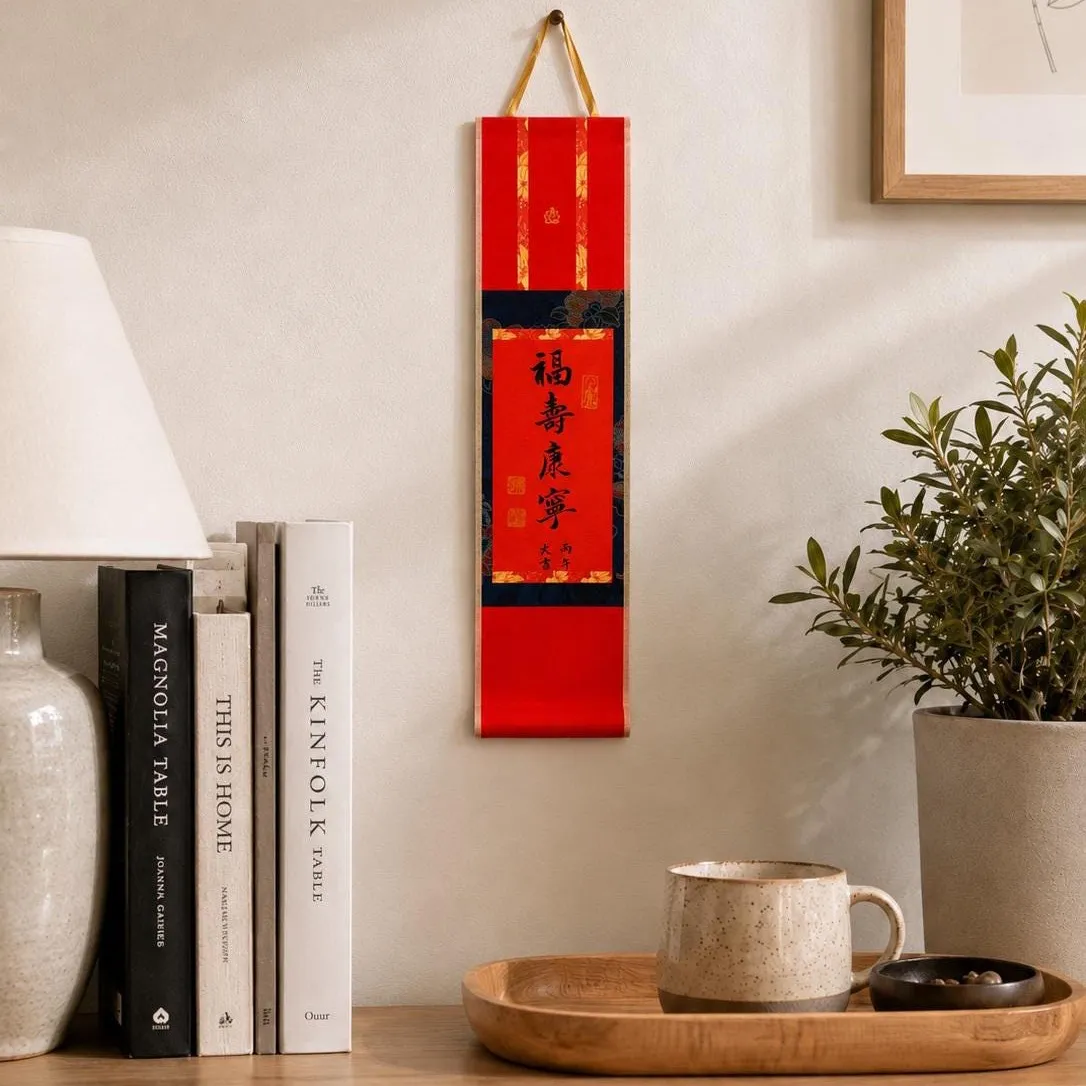
Photo shows a sample — yours will be brushed with the character you choose.
Wall Scroll — for walls & housewarmingsfrom $38→ -
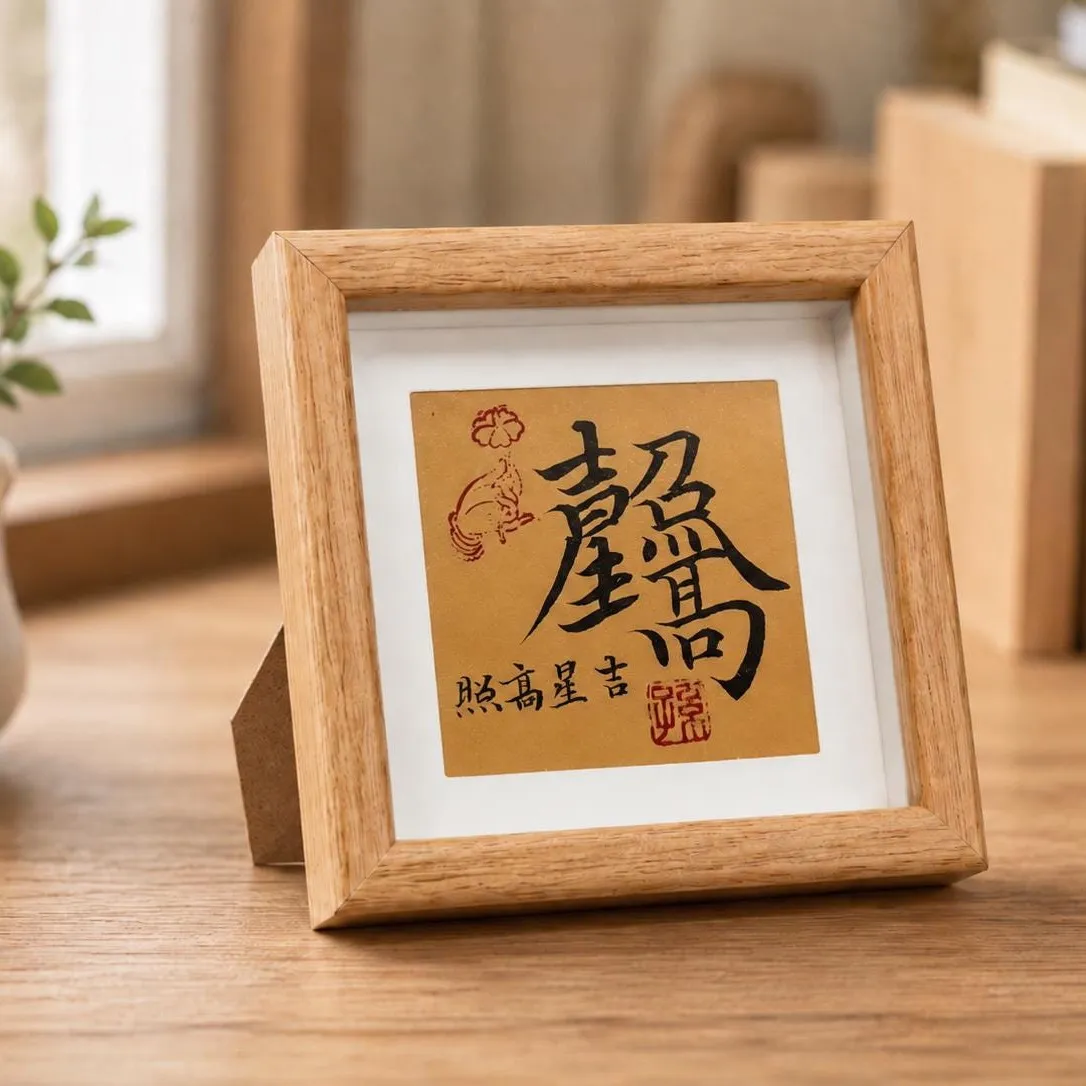
Photo shows a sample — yours will be brushed with the character you choose.
Desk Frame — for desks, studies & studiosfrom $44→ -
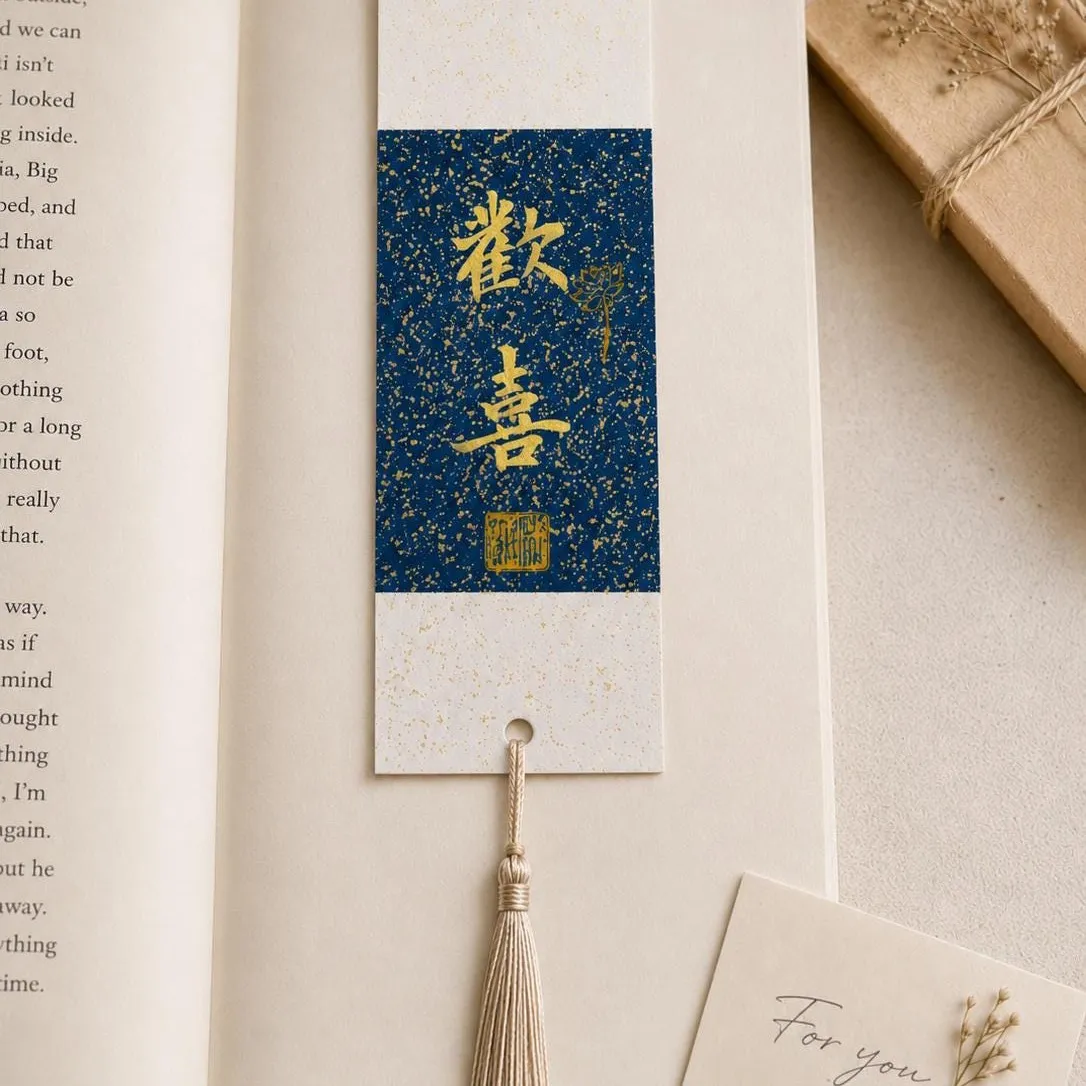
Photo shows a sample — yours will be brushed with the character you choose.
Bookmark — for readers & small thank-yousfrom $17→