温润 (wēn rùn) — Warm and Smooth as Jade · Gentle Warmth · Quiet Nourishing Grace
A two-character word, not a single character.
A diamond is judged the moment you see it; 温润 you can only judge over time. The pair binds the two qualities Chinese taste prizes most in a person and finds together in one stone: the warmth of See 温 → — body-temperature kindness, the felt warmth of a gentle presence — and the smooth, nourishing luster of See 润 → — moisture that soaks in and leaves a soft sheen. Warmth alone can be merely cozy; smoothness alone can be merely polished. Held together as 温润 they become the texture of jade itself, and the oldest standard for a cultivated character: 温润如玉, warm and smooth as jade. It is the opposite of anything that flashes — beauty that comes from within and rewards being close.
The image runs all through the language at its warmest. The cultivated person is 温润如玉; a fine voice or a well-turned phrase is 圆润, round and lustrous; a kind, even temperament is simply 温润. The 礼记 had Confucius give jade’s warm smoothness to 仁, benevolence; the 诗经 fixed the picture of a person worked smooth “as cut, as filed, as carved, as polished”; the age of the 世说新语 went so far as to call its most graceful man, Pei Kai, plainly “the jade person.” In every case the quality is the same: not the hard shine that carries across a room, but the warm, smooth glow you only feel up close.
A hand-brushed “温润” by Artist Lina Sun is the gift for the wife, husband, or mother whose warmth has been smoothed by the years into something jade-like — the partner whose affection long ago settled into an even, easy warmth, the mother whose care nourished you so quietly you measured it only later. On an anniversary, a Valentine’s Day, or Mother’s Day, it does not wish them anything. It recognizes the texture of a life spent near them: warm to the touch, and smooth.
The Story Behind the Character
When 子贡 asked Confucius why a gentleman prized jade over the rarer, flashier 珉 stone, the answer (recorded in the 礼记) began with two words before any of the others: 温润而泽,仁也 — "warm, smooth, and lustrous: this is benevolence." That single phrase, 温润, is where the pair was born. It was not coined as a list of two virtues. It was the name for one substance — the actual feel of jade in the hand, which is warmth and smoothness at the same time — and Confucius made that feel stand for the warmest of the virtues, 仁.
Each half carries its own long history into the pair. [See 温 →](/library/wen/) is warmth as a manner rather than a temperature — body-warmth, the kind you feel standing near a kind person; its oldest form (说文解字, c. 100 CE) showed a bowl of food offered to someone shut away, and glossed it 仁也, benevolence. [See 润 →](/library/run/) is moisture that does good — spring rain that soaks in unannounced (杜甫's 润物细无声), the soft sheen it leaves on a field or on stone. Bound together they describe a very exact texture: warmth that never runs hot, smoothness that is never slick. It is the feel of jade against the skin, and it became the feel of a cultivated character.
From the 礼记 forward the pair settled into one fixed phrase, 温润如玉 — "warm and smooth as jade" — the standard a refined person has been measured against ever since. The literati prized in jade exactly what they prized in a person: a glow that comes from within and rewards closeness, never a hard flash that carries across a room. The same word widened to a mellow, rounded voice (圆润), a soft and even light, a gentle temperament. In every use it keeps the original promise: warmth and smoothness held together, the way they are held together in stone.
Classical lines
- roughly 1,000 years
- c. 600 BCE 《诗经·卫风·淇奥》
- c. 600 BCE 《诗经·小雅·小宛》
- 5th c. CE 《世说新语·容止》
有匪君子,如切如磋,如琢如磨。 There is our refined lord
as cut, as filed, as carved, as polished. — The oldest image in Chinese of a cultivated person: someone worked smooth the way a craftsman works bone and jade, edge by edge, until what is left is even and lustrous. The smoothness of 温润 is not given; it is the result of all that patient grinding.
温温恭人,如集于木。 The warm, respectful man, careful as a bird settling on a branch.
温温 doubles the warmth into a steady, even glow, and pairs it with a light carefulness of bearing. It is the warm half of 温润 caught in the wild: a warmth so unforced that people relax around it, held together with a quiet attention to how one moves through the world.
见裴叔则,如玉山上行,光映照人。 To see Pei Shuze was like watching someone walk along a mountain of jade
the light off him fell on everyone near. — The era that made 温润如玉 a way of judging people left this portrait of Pei Kai, the man his contemporaries simply called 'the jade person.' It is the pair made flesh: warmth and smoothness you could see from across a room, glowing rather than glaring.
Why This Character Matters
Of all the stones the Chinese could have chosen to stand for the ideal character, they chose the one that does not sparkle. Jade is prized for the opposite of brilliance: held in the hand it warms to the body and gives nothing back but a smooth, even surface and a glow that seems to rise from inside. That is the whole of 温润 — warm to the touch, smooth to be near — and it is why 温润如玉, "warm and smooth as jade," became the highest compliment for a person's bearing rather than their looks. A diamond impresses a stranger; jade rewards the person who holds it a long time.
The phrase has stayed warm and exact for two thousand years. A 温润 voice is mellow and rounded, never shrill; a 温润 light is soft and even; a 温润 person is someone whose kindness you feel as a steady temperature and whose company smooths the day rather than sharpening it. It is most often said with quiet admiration of someone you know well — a spouse, a parent, an old friend — because, like the stone, the quality only really shows itself up close and over time. You do not notice 温润 across a crowded room. You notice it after years of standing near.
Not the heat of new romance but what warmth becomes once it has had years to smooth out.
- Not the heat of new romance but what warmth becomes once it has had years to smooth out. 温润 names the texture of jade applied to a person — warm to be near, smooth to live with — and it is the highest thing Chinese says about a tender character. For a partner whose affection long ago stopped running hot or cold and settled into something even, soft, and worn smooth, it says what 爱 cannot: not how much you are loved, but how it feels to be loved by them.
- Jade is the one stone prized not for how it sparkles but for how it warms in the hand and wears smooth with handling — and 温润如玉 is exactly what a long marriage does to two people. 温润 on an anniversary recognizes a warmth that the years have rounded and polished: the rough edges gone, the sheen now coming from inside. More specific than 和 (harmony) or 美满 (happy fullness), it names the actual feel of a settled life together — warm, even, and smooth to the touch.
- For the mother whose care was warm without ever being loud and nourishing without ever being announced — 温 the warmth you felt in the room, 润 the soaking, spring-rain kind of giving you only measured later, in how you turned out. 温润 binds the two into the quality jade is loved for: a glow that comes from within and rewards being close. Where 温 alone names her warmth and 润 alone names her quiet nourishment, 温润 names the whole texture of being raised by her.
Looking for a name? See Western names written in Chinese →
-
What does 温润 (wēn rùn) mean?
温润 (wēn rùn) is a two-character Chinese word for warm and smooth as jade, gentle warmth, quiet nourishing grace. A diamond is judged the moment you see it; 温润 you can only judge over time. The pair binds the two qualities Chinese taste prizes most in a person and finds together in one stone: the warmth of See 温 → — body-temperature kindness, the felt warmth of a gentle presence — and the smooth, nourishing luster of See 润 → — moisture that soaks in and leaves a soft sheen. Warmth alone can be merely cozy; smoothness alone can be merely polished. Held together as 温润 they become the texture of jade itself, and the oldest standard for a cultivated character: 温润如玉, warm and smooth as jade. It is the opposite of anything that flashes — beauty that comes from within and rewards being close. Of all the stones the Chinese could have chosen to stand for the ideal character, they chose the one that does not sparkle. Jade is prized for the opposite of brilliance: held in the hand it warms to the body and gives nothing back but a smooth, even surface and a glow that seems to rise from inside. That is the whole of 温润 — warm to the touch, smooth to be near — and it is why 温润如玉, "warm and smooth as jade," became the highest compliment for a person's bearing rather than their looks. A diamond impresses a stranger; jade rewards the person who holds it a long time.
-
What occasions is 温润 given for?
温润 is traditionally given for Valentine's Day, Anniversary, Mother's Day. Not the heat of new romance but what warmth becomes once it has had years to smooth out. 温润 names the texture of jade applied to a person — warm to be near, smooth to live with — and it is the highest thing Chinese says about a tender character. For a partner whose affection long ago stopped running hot or cold and settled into something even, soft, and worn smooth, it says what 爱 cannot: not how much you are loved, but how it feels to be loved by them. Jade is the one stone prized not for how it sparkles but for how it warms in the hand and wears smooth with handling — and 温润如玉 is exactly what a long marriage does to two people. 温润 on an anniversary recognizes a warmth that the years have rounded and polished: the rough edges gone, the sheen now coming from inside. More specific than 和 (harmony) or 美满 (happy fullness), it names the actual feel of a settled life together — warm, even, and smooth to the touch.
-
Who brushes the 温润 calligraphy?
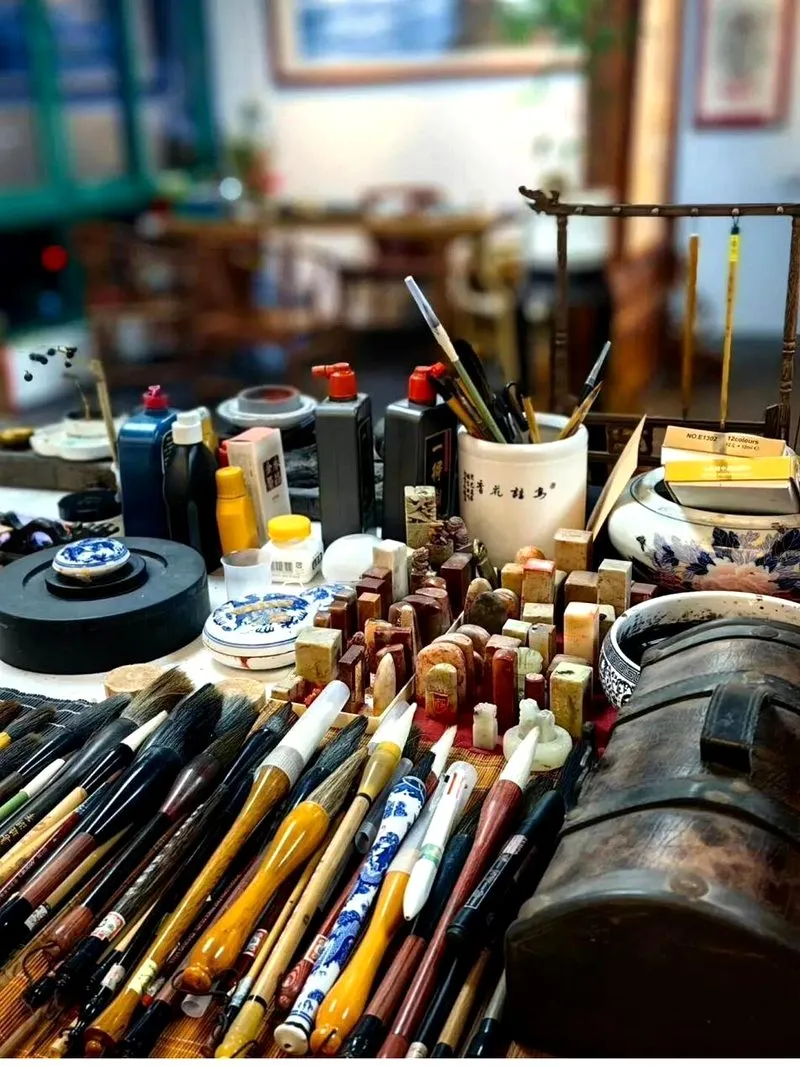
Each 温润 (Wēn Rùn) is hand-brushed to order by Artist Lina Sun in ink on rice paper — never printed, never repeated.
Bring 温润 home — choose how you'd like it brushed.
-
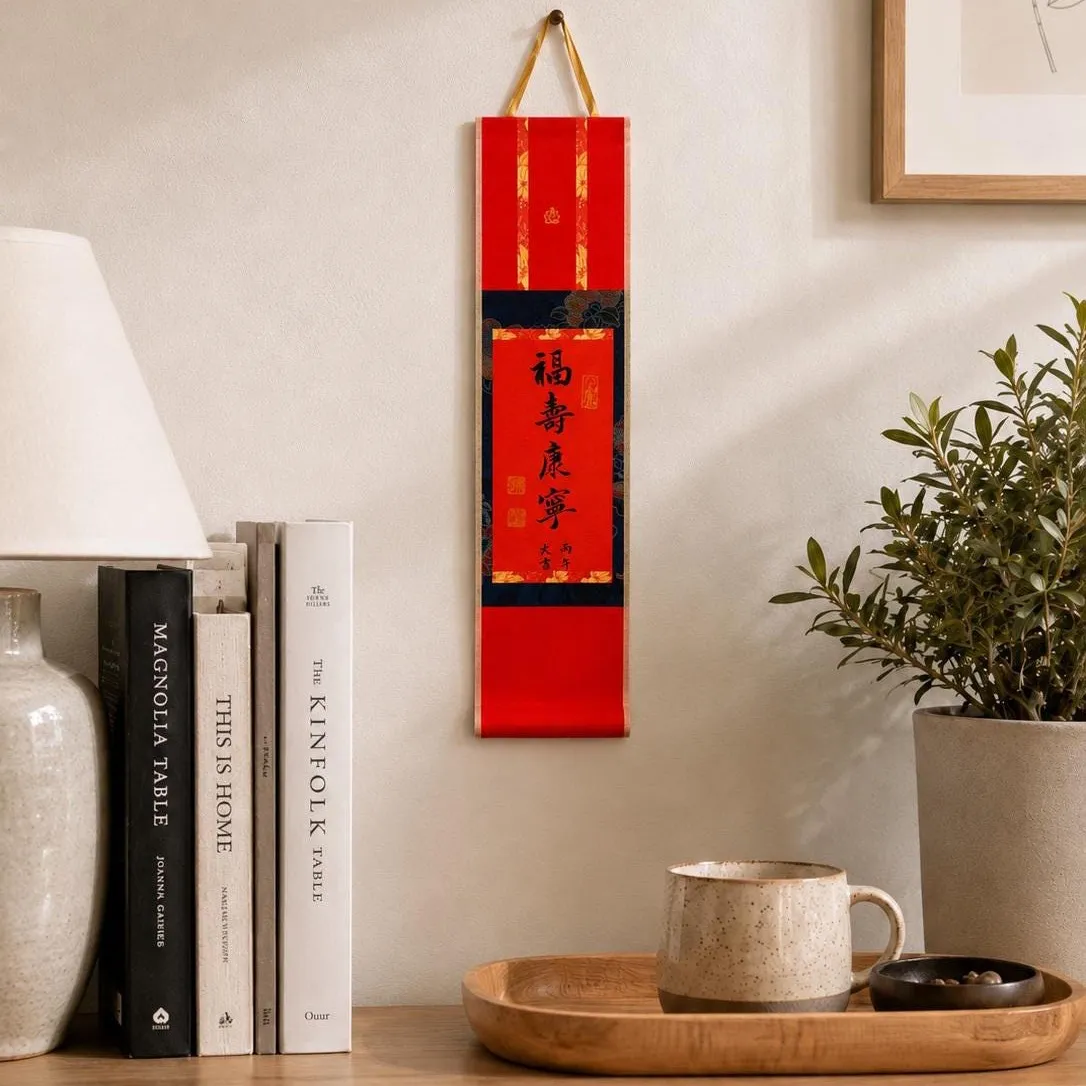
Photo shows a sample — yours will be brushed with 温润, or any character you choose.
Wall Scroll — for walls & housewarmingsfrom $38→ -
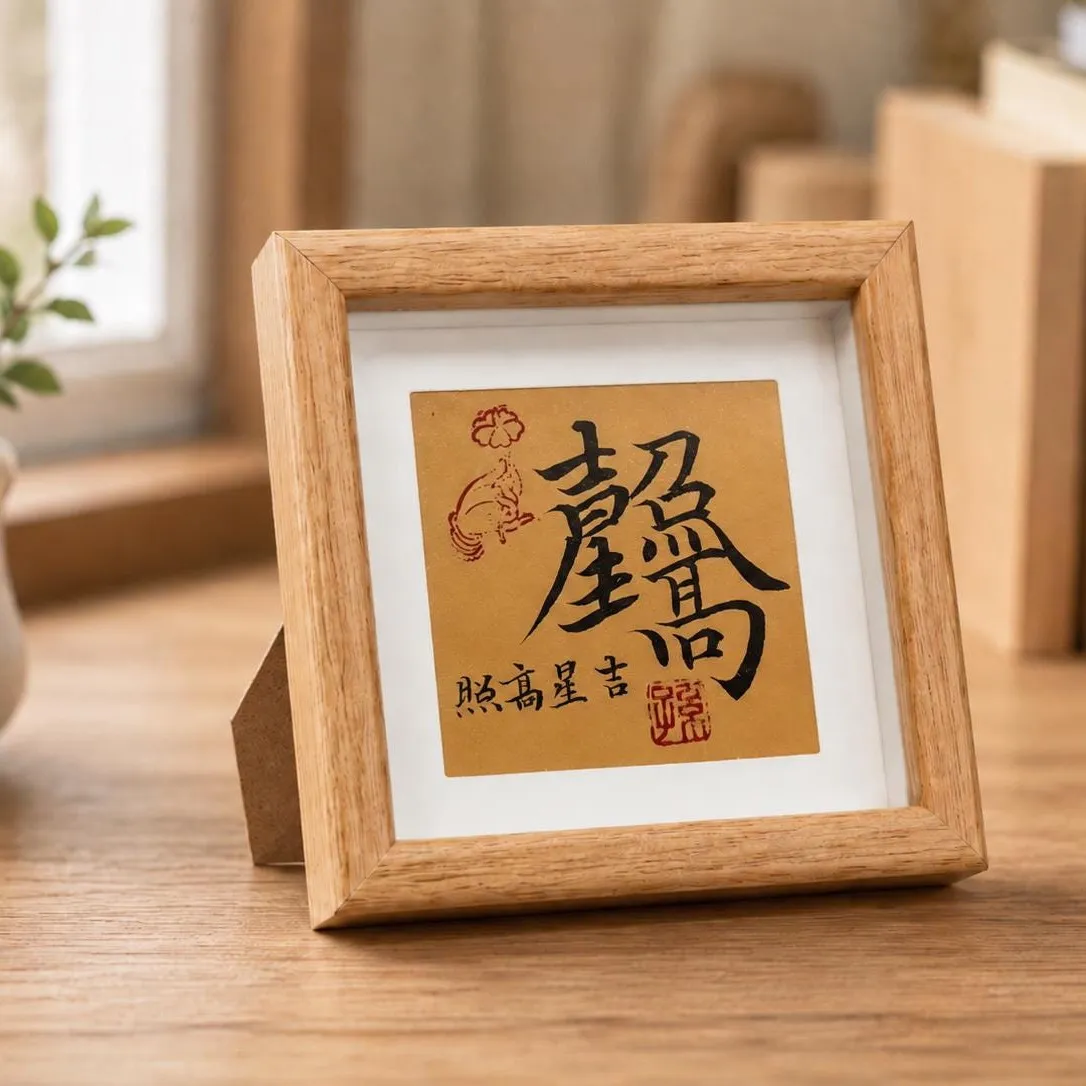
Photo shows a sample — yours will be brushed with 温润, or any character you choose.
Desk Frame — for desks, studies & studiosfrom $44→ -
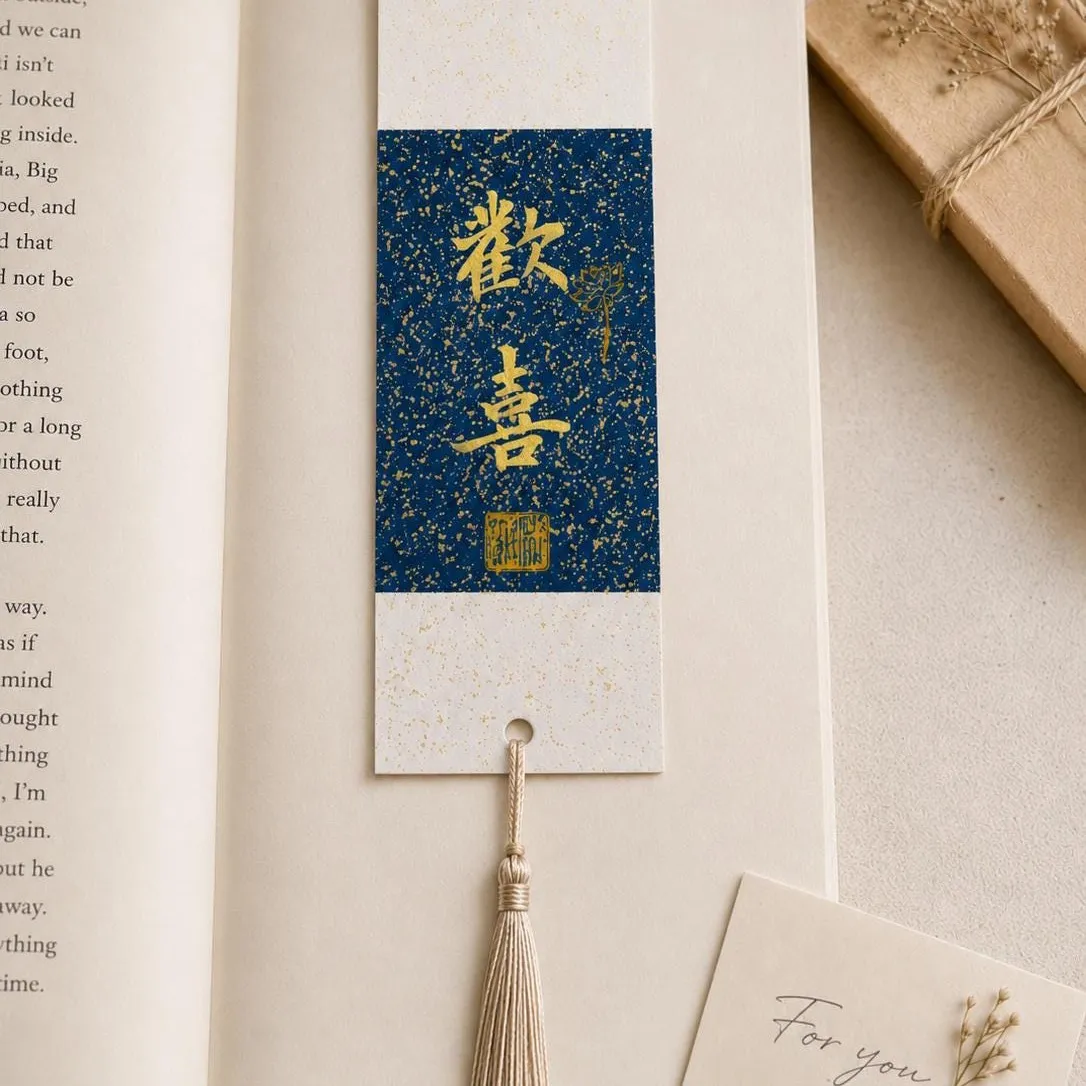
Photo shows a sample — yours will be brushed with 温润, or any character you choose.
Bookmark — for readers & small thank-yousfrom $17→
What people said after it arrived.
-
The item is fantastic. The customer service was genuine. Thanks!
— M.Verified purchase · from our Etsy shop reviews · -
They were great they gave me exactly what I asked for and then some. Thank you!!
— G.Verified purchase · from our Etsy shop reviews · -
It is well designed and customized. My daughter loves it. Amazing gift for family’s d friends
— S.Verified purchase · from our Etsy shop reviews ·
Each "温润" is hand-brushed by Artist Lina Sun on rice paper.
See 温润 (Wēn Rùn) on Etsy →