淳 (chún) — Genuine · Unadorned · Honest and Warm
A single character.
Some people are exactly what they appear to be — warm without motive, honest because pretending never occurred to them, the same in private as in company. That unmixed quality of nature is 淳. It is not 真, the genuine as opposed to the fake; not 诚, the truthfulness of what you say; not 温, the mild warmth of how you treat people. 淳 is the temperament underneath all of those: a nature left plain and full-strength, with nothing added and nothing thinned out.
The character carries that meaning in its bones. Its left side is 氵, water, and its right side is the same element inside 醇, the word for rich, undiluted wine — so 淳 began as a picture of a liquid kept pure, whatever it is at full strength with nothing mixed in. The step to describing people was short. 淳朴 is simple and honest; 淳厚 is genuine and warm, honesty with kindness folded in; 淳良 is a good nature with no guile in it. When Chinese speakers want to praise a place, the phrase is 民风淳朴 — the people there are straight with you, warm without calculation, exactly what they seem. It is one of the highest things you can say, and it carries a faint homesickness for a simpler time.
A hand-brushed 淳 by Artist Lina Sun is the gift for the person whose genuineness you have leaned on — the friend who never performed for anyone, the partner whose love never needed flowers to prove itself, the one whose warmth you trust precisely because there is nothing added to it. It does not wish them fortune or long life; those are other characters. It names the rarer thing: a nature that stayed simple, honest, and true all the way through — someone who could have learned to be devious and simply never did.
- genuine — exactly what it appears to be, nothing added
- unadorned simplicity — unspoiled, without pretense or performance
- honest and warm — 淳厚, kindness with no calculation in it
- unmixed, full-strength — the water's original sense of undiluted
- naive 淳 is unspoiled, not unaware. 淳厚 describes someone warm and honest who is entirely capable — what they lack is not sharpness but the wish to be devious. Simplicity of nature, not simplicity of mind.
- sincerity That is 诚 — truthfulness in what you say and mean. 淳 is a quality of your whole nature before any words: a temperament left plain and unmixed, honest because it never learned to be anything else.
- purity 淳 is warmer and more human than a clean abstraction. Its purity is the undiluted-wine kind — full-bodied, generous, thick with feeling — not the cold, spotless kind. There is kindness folded into it.
The short arms are the point: these readings don’t reach it.
- 氵 waterThe water radical, and the source of the character's oldest sense — a liquid that is pure and undiluted, with nothing mixed in. From clear water came the whole idea of a nature left unadulterated.
- 享 phonetic (the 醇 / 敦 family)The right side carries the sound and links 淳 to its relatives — 醇 (undiluted wine), 惇 and 敦 (honest, warm-hearted). The shared thread across the family is a thing kept whole and unmixed.
character
- 淳朴 chún pǔ simple and honest — unspoiled directness, of a person or a place
- 淳厚 chún hòu genuine and warm — honesty with generosity folded in
- 淳良 chún liáng honest and kind — a good nature with no guile in it
- 醇厚 chún hòu mellow and rich — of wine, and of a warm, unadulterated character
- 返璞归淳 fǎn pú guī chún to return to what is plain and genuine — to shed pretense and come back to the unspoiled
Cinnabar marks the characters 淳 actually contains. The dark row is a relative by meaning or by sound, not one shared stroke.
The Story Behind the Character
淳 begins in a cup, not a virtue. Its right side is the same element that sits inside 醇 — the character for rich, mellow, undiluted wine — and its left side is 氵, water. Put them together and the oldest sense is almost physical: a liquid that has had nothing mixed into it, thick and pure, whatever it is on its own and nothing else. Before 淳 described a person, it described that quality — unadulterated, full-strength, straight from the source.
The same phonetic runs through a small family of characters that all circle the same idea. 醇 is undiluted wine; 惇 and 敦 mean honest and warm-hearted; 淳 is water so clear nothing has been added to it. What ties them together is the sense of a thing kept whole and unmixed — no dilution, no adulteration, no clever addition to thin it out. The step from pure liquid to pure character was a short one for a language that already thought in these images: a person who is 淳 is one whose nature has not been mixed with pretense or calculation.
That is the meaning the character finally settled into. 淳朴 (chún pǔ) is simple and honest — the unspoiled directness of someone who never learned to perform. 淳厚 (chún hòu) is genuine and warm — honesty with generosity folded in. What both words keep is the water's original property: nothing has been added, nothing thinned out. To be 淳 is to be exactly what you appear to be, at full strength, with no dilution in between.
Classical lines
- roughly 700 years
- c. 300 BCE 《庄子·缮性》
- c. 410 CE 陶渊明《饮酒·其二十》
One further source is quoted below without a date printed, so it stays off the rail.
羲农去我久,举世少复真。汲汲鲁中叟,弥缝使其淳。 The ages of Fu Xi and Shennong are long behind us, and the world has little of its old truth left. But the earnest old man of Lu kept busy, patching and stitching, trying to make it 淳 again.
Tao Yuanming names 淳 as the thing a whole civilization can lose and one honest person can spend a life trying to mend: the unspoiled genuineness of an earlier, simpler world. The 'old man of Lu' is Confucius, and 弥缝使其淳 — mending to restore what is 淳 — is the finest one-line definition of the word.
浇淳散朴,离道以善,险德以行。 They watered down what was 淳 and scattered what was uncarved, left the Way for cleverness and put virtue at risk for display.
Zhuangzi's account of how the world went wrong: 浇淳 is literally 'to pour water on the pure,' to dilute genuineness until it thins into performance. The image is the exact reverse of the character — 淳 is the full-strength original that all this pouring-in destroys.
见素抱朴,少私寡欲。 See the undyed silk, hold to the uncarved wood; keep private wants few and desires small.
Laozi's picture of the 淳 life: 素 is silk before it is dyed, 朴 is wood before it is carved — both prized for being unworked, nothing added. 淳 belongs to the same family of blessings that value a thing kept simple and whole over a thing improved into something else.
Why This Character Matters
When people describe a place they trust, the phrase they reach for is 民风淳朴 — the local ways are honest and unspoiled. It is one of the highest things a Chinese speaker can say about a village, a town, or a whole region: not that it is rich or beautiful, but that the people there are straight with you, warm without motive, exactly what they seem. The word carries a faint homesickness — 淳 is often something felt to belong to an earlier, simpler time, which is why Tao Yuanming spent a lifetime writing toward it.
淳 also draws a quiet line that Chinese keeps carefully: 淳 is not 笨 (foolish). The simplicity it names is unspoiled, not unintelligent — the choice, or the good fortune, of a nature that never learned to be devious rather than one that never learned anything. A person who is 淳厚 is warm and honest and entirely capable; what they lack is not sharpness but the wish to use it against you. That is the character's real gift: it praises the rare person who could have learned to perform and simply never did.
淳 is an uncommon, understated tattoo choice — it lives in 淳朴 (simple and honest) and as a given name. A Chinese reader would see an unspoiled, genuine nature and read it as a quiet value someone holds — closer to a principle about staying true to yourself than a bold statement.
Calligraphy Styles for Tattoos
- Regular script (楷书 kǎishū) Best for tattoos
淳 has 11 strokes in a clean left-right build — the three-dot 氵 beside 享. Regular script keeps the water radical and the taller right side distinct and legible. Minimum recommended size: 1.5 inches.
- Running script (行书 xíngshū) Good for larger pieces
The flowing strokes suit 淳's soft, unforced sense, and the water radical takes especially well to a running hand. Works best at 2+ inches so the right side 享 keeps its structure.
- Cursive script (草书 cǎoshū) Only with an expert calligrapher
Cursive can dissolve the 氵 into a single sweep and blur the right side — legible only in skilled hands. Attempt only with a calligrapher experienced in cursive 淳.
Common Mistakes to Avoid
- Writing the relative 醇 (chún, mellow wine) insteadIntended: 淳 with the water radical 氵
淳 and 醇 share a right side and a sound, and both mean 'pure, undiluted.' But 淳 takes 氵 (water) and describes an honest nature, while 醇 takes 酉 (the wine-jar radical) and describes rich wine. Swapping the radical changes purity of character into quality of liquor.
- Cramping the right side 享 so the two halves collideIntended: 淳 with a narrow 氵 beside a full, upright 享
淳 is a balanced left-right character. The water radical should stay slim on the left and the taller 享 should keep its full height on the right. Letting them merge is the most common proportion error and muddies both halves.
Notes for Your Tattoo Artist
11 strokes, left-right structure: 氵 (3 strokes) beside 享 (8 strokes). Keep the water radical narrow and evenly spaced, and give 享 its full upright height so the character stays balanced. Minimum 1.5 inches to hold the right side's detail.
A few characters live near "淳" but mean something quieter, sharper, or more specific. Here's how to tell them apart.
a nature left simple and unmixed — honest because it never learned pretense
the genuine as against the false — real, not faked or counterfeit
the plainness of a whole temperament, before any words are spoken
truthfulness in what you say and mean — sincerity as an act of the will
honesty kept unspoiled — warm because it is genuine, with nothing added
gentleness of manner — the mild, even warmth of how a person treats others
For the love that never had to be performed.
- For the love that never had to be performed. 淳 is genuineness with nothing added — plain, honest, unshowy — the opposite of the grand gesture. Where 美 names a beauty you have watched grow specific, 淳 names the quality this occasion most quietly deserves: a partner whose affection is exactly what it looks like, no flowers required to prove it. Most apt for the one whose steadiness you trust precisely because there was never any performance in it.
- For the anniversary when what you want to name is the warmth that outlasted the romance. 淳厚 is genuine, weathered, unpretentious — the honest, thick-grained kindness of two people who never had to pretend for each other. Where 恒 names the constancy that held and 和顺 names the accord the years built, 淳 names the raw material underneath: a nature that stayed simple and true all the way through. The gift for the marriage whose quiet honesty is its whole strength.
Best Friend · Friend · Husband · or yourself
Looking for a name? See Western names written in Chinese →
-
What does 淳 (chún) mean?
淳 (chún) is the Chinese character for genuine, unadorned, honest and warm. Some people are exactly what they appear to be — warm without motive, honest because pretending never occurred to them, the same in private as in company. That unmixed quality of nature is 淳. It is not 真, the genuine as opposed to the fake; not 诚, the truthfulness of what you say; not 温, the mild warmth of how you treat people. 淳 is the temperament underneath all of those: a nature left plain and full-strength, with nothing added and nothing thinned out. When people describe a place they trust, the phrase they reach for is 民风淳朴 — the local ways are honest and unspoiled. It is one of the highest things a Chinese speaker can say about a village, a town, or a whole region: not that it is rich or beautiful, but that the people there are straight with you, warm without motive, exactly what they seem. The word carries a faint homesickness — 淳 is often something felt to belong to an earlier, simpler time, which is why Tao Yuanming spent a lifetime writing toward it.
-
What occasions is 淳 given for?
淳 is traditionally given for Valentine's Day, Anniversary. For the love that never had to be performed. 淳 is genuineness with nothing added — plain, honest, unshowy — the opposite of the grand gesture. Where 美 names a beauty you have watched grow specific, 淳 names the quality this occasion most quietly deserves: a partner whose affection is exactly what it looks like, no flowers required to prove it. Most apt for the one whose steadiness you trust precisely because there was never any performance in it. For the anniversary when what you want to name is the warmth that outlasted the romance. 淳厚 is genuine, weathered, unpretentious — the honest, thick-grained kindness of two people who never had to pretend for each other. Where 恒 names the constancy that held and 和顺 names the accord the years built, 淳 names the raw material underneath: a nature that stayed simple and true all the way through. The gift for the marriage whose quiet honesty is its whole strength.
-
Is 淳 a good Chinese tattoo?
淳 is an uncommon, understated tattoo choice — it lives in 淳朴 (simple and honest) and as a given name. A Chinese reader would see an unspoiled, genuine nature and read it as a quiet value someone holds — closer to a principle about staying true to yourself than a bold statement.
-
Who brushes the 淳 calligraphy?
Each 淳 (Chún) is hand-brushed to order by Artist Lina Sun in ink on rice paper — never printed, never repeated.
Bring 淳 home — choose how you'd like it brushed.
-
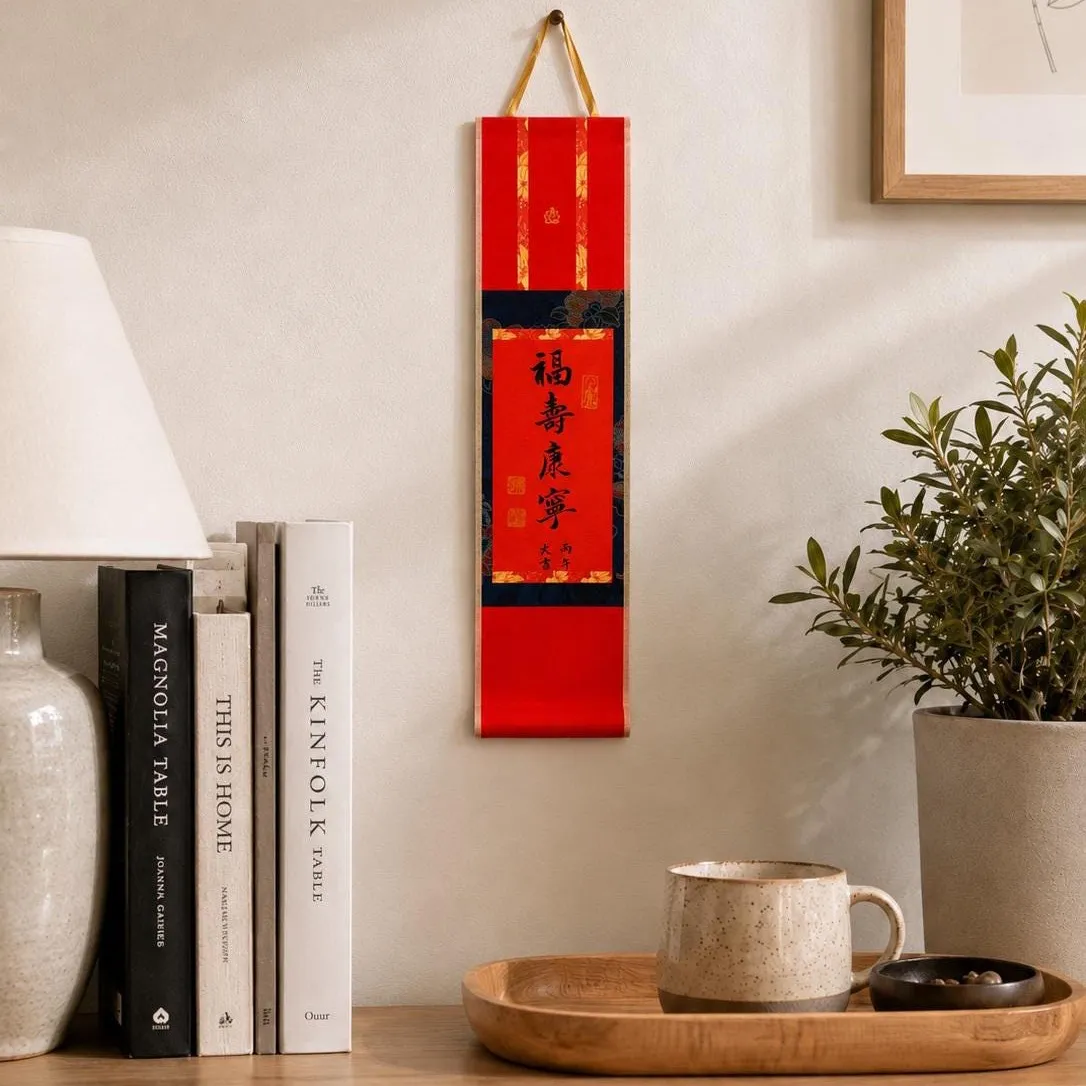
Photo shows a sample — yours will be brushed with 淳, or any character you choose.
Wall Scroll — for walls & housewarmingsfrom $38→ -
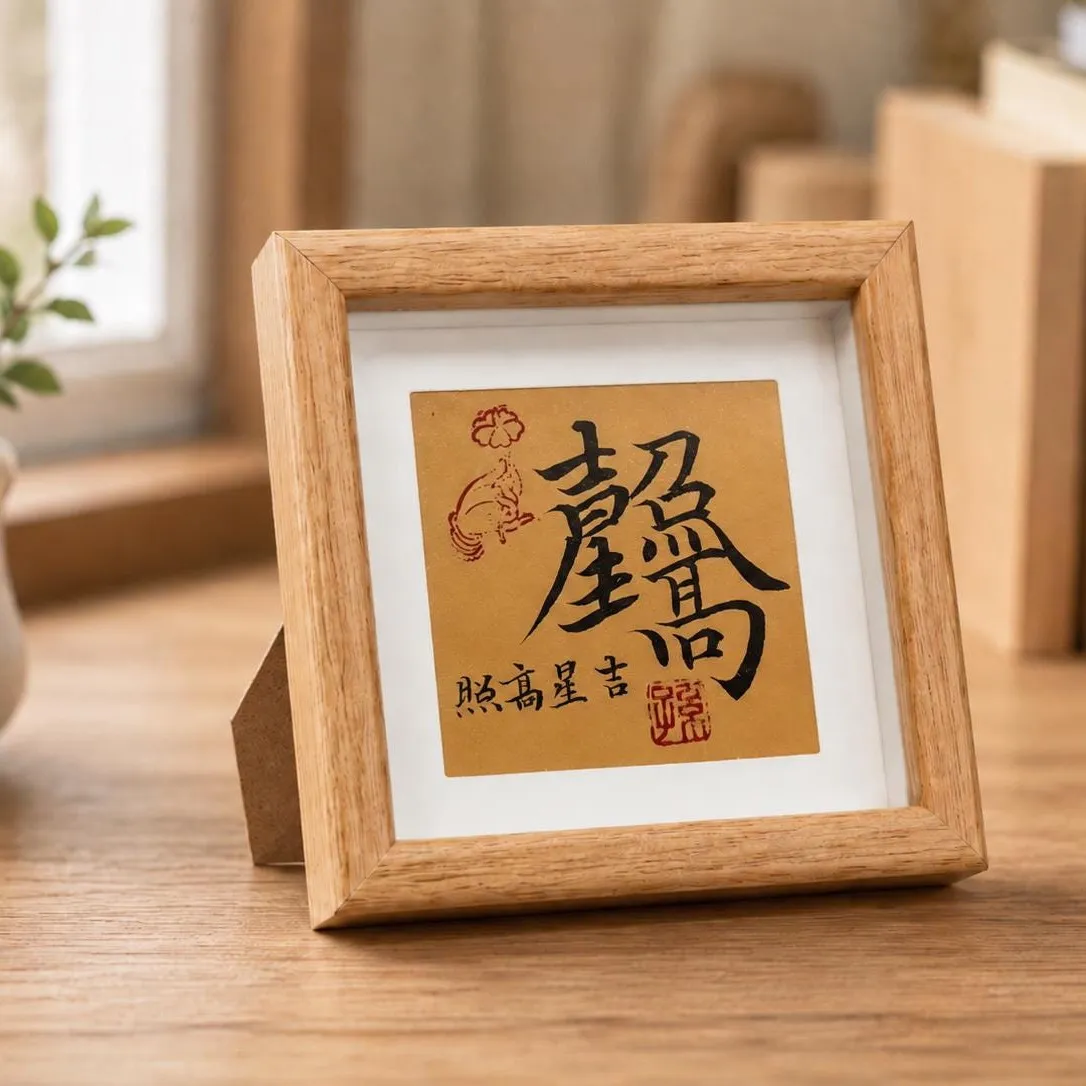
Photo shows a sample — yours will be brushed with 淳, or any character you choose.
Desk Frame — for desks, studies & studiosfrom $44→ -
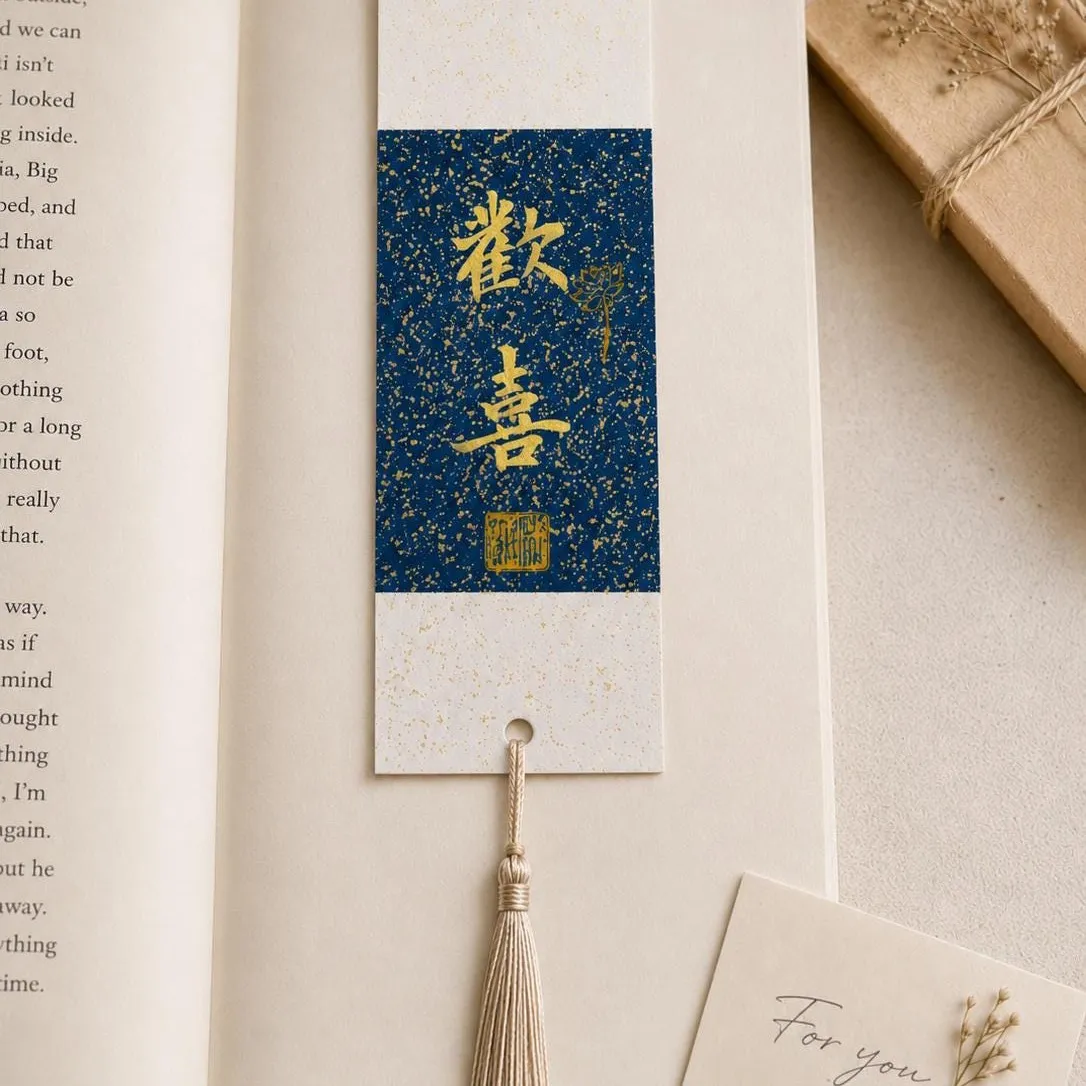
Photo shows a sample — yours will be brushed with 淳, or any character you choose.
Bookmark — for readers & small thank-yousfrom $17→
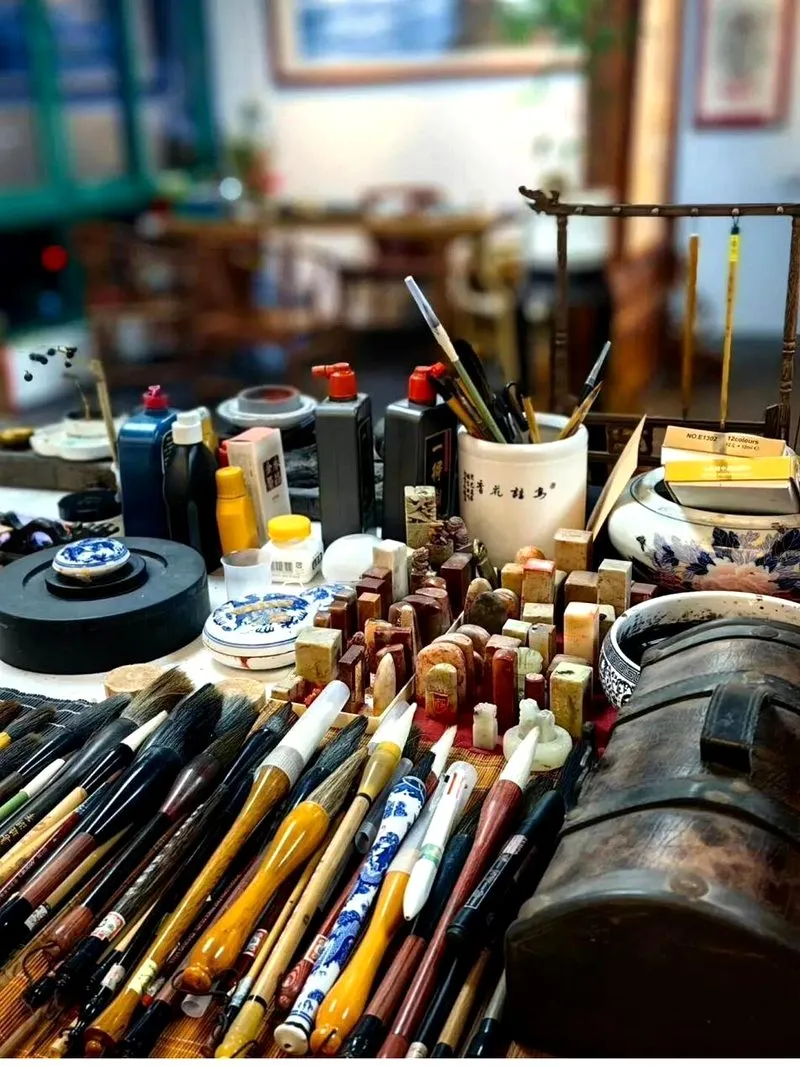
What people said after it arrived.
-
The item is fantastic. The customer service was genuine. Thanks!
— M.Verified purchase · from our Etsy shop reviews · -
They were great they gave me exactly what I asked for and then some. Thank you!!
— G.Verified purchase · from our Etsy shop reviews · -
It is well designed and customized. My daughter loves it. Amazing gift for family’s d friends
— S.Verified purchase · from our Etsy shop reviews ·
Each "淳" is hand-brushed by Artist Lina Sun on rice paper.
See 淳 (Chún) on Etsy →