恒 (héng) — Constancy · Steadfastness · Perseverance
A single character.
Day three hundred, same standard as day one — that, and not the burst of energy at the start, is what 恒 measures. It is the quality still present after the novelty has worn off and only the work remains. 持之以恒 — “hold to it, constantly” — is one of the most repeated phrases in Chinese education because it names the gap between the person who starts well and the person who finishes. 恒 is the character for what closes that gap.
In Chinese tradition, the I Ching devoted one of its 64 hexagrams entirely to constancy. Its image is wind and thunder — two forces sustaining each other’s movement without escalating, the pattern holding without drama or exhaustion. The hexagram’s lesson is not about endurance under hardship but about the unremarkable quality of continuing: showing up with the same standard on day three hundred as on day one. 恒心 (héngxīn, the constant heart) is the Chinese phrase for the inner source of that quality — not patience imposed from outside, but steadiness built into character.
A hand-brushed 恒 by FuBlessings is the gift for the long relationship — the marriage measured in decades, where what the years reveal is not passion but the sustained, deliberate choice to remain; the colleague who has given years to shared work without diminishing; the graduate entering a career that will test the same quality for a lifetime. It names what time will ask, and wishes for what time cannot take away.
- constancy
- steadfastness
- perseverance
- staying power
- stubbornness Stubbornness is refusing to change. 恒 is refusing to stop. One digs in against new information; the other keeps moving toward the same goal.
- endurance Endurance suggests suffering through hardship. 恒 carries no strain — it is the unremarkable, daily quality of continuing at the same standard, hardship or not.
- patience Patience is waiting calmly. 恒 is acting consistently. You can be patient by doing nothing; 恒 is the steady return to the work itself.
The short arms are the point: these readings don’t reach it.
- 忄 heartThe heart radical, the compressed side-form of 心. It marks 恒 as a quality of the inner life — constancy that comes from within the person, not patience imposed by circumstance.
- 亘 the sun's full spanThe sun (日) set between an upper and a lower line — the sky's limit above, the earth below. It pictures the sun's daily arc from one edge to the other without a break: something that spans the whole distance and does not stop partway.
character
- 永恒 yǒng héng eternal — lasting without end, the most absolute form of constancy
- 恒心 héng xīn the constant heart — the inner source of perseverance
- 持之以恒 chí zhī yǐ héng to hold to it constantly — the phrase for sustained, unbroken effort
- 恒久 héng jiǔ enduring and long-lasting — steady over a great stretch of time
- 恒温 héng wēn constant temperature — the everyday, physical sense of holding steady
The Story Behind the Character
The right side of 恒 is 亘 (gèn): the sun positioned between two horizontal lines, one above and one below — the sky's upper limit and the earth below. 亘 captures the sun's full daily arc, east to west without interruption, as the image of something that spans without break. Add the heart radical on the left (忄), and you have the heart that keeps going like the sun: constancy that comes from inside rather than from circumstance.
China's first dictionary (说文解字, c. 100 CE) defined 恒 plainly: 恒,常也 — "恒 means the constant state, the ordinary course." Not heroic endurance, not stoic suffering — simply the quality of not stopping. That restraint in the definition matters: 恒 is not dramatic persistence against all odds. It is the refusal, unremarkable and daily, to waver. The hexagram 恒 (the 32nd of the 64 in the I Ching) reinforces this: the image is wind and thunder — each sustaining the movement of the other, neither escalating nor flagging, the pattern holding indefinitely.
In classical usage, 恒 and 心 often appear together as 恒心 (héngxīn): the constant heart. The compound names the inner source of the quality — it is not patience from the outside in, but steadiness from the inside out. A person with 恒心 does not need external pressure to continue; the constancy is in the character, not in the conditions. That distinction is why, in Chinese pedagogy and family culture alike, 恒心 is treated as the foundational personal quality — the one that makes the others matter over time.
Classical lines
- roughly 300 years
- c. 800 BCE 《周易·恒卦》第三十二卦
- c. 500 BCE 《论语·子路》
One further source is quoted below without a date printed, so it stays off the rail.
人而无恒,不可以作巫医。 A person without constancy cannot become a healer or diviner.
Confucius was citing an older southern proverb when he quoted this, but he endorsed it without qualification. The point is not superstition: any practice that requires years to master disqualifies the person who keeps stopping.
恒:亨,无咎,利贞,利有攸往。 Constancy: flow and success, no blame, it benefits to hold to what is correct, it benefits to set out.
The I Ching reserved one of its 64 hexagrams for 恒 alone. Its judgment contains no drama — success arises not from the exceptional moment but from the quality that holds at month thirty exactly as it held on day one.
慎终如始,则无败事。 Be as careful at the end as at the beginning, and nothing will fail.
Laozi identified 恒's precise failure mode: high intensity at the start, slackness later. The person who maintains the same standard at the close of a project as at its opening is the one who finishes. 恒 is the name for that quality.
Why This Character Matters
持之以恒 — literally "hold to it, constantly" — is one of the most widely used four-character phrases in Chinese schoolrooms and business culture. It appears in graduation speeches, in parents' letters to children at boarding school, in the inscriptions teachers write on students' exercise books. It is not a compliment for cleverness or talent; it is the recognition reserved for the person who came back to the hard work even when they had a reason not to.
In the Confucian Five Constant Virtues (五常 — 仁义礼智信), 恒 does not appear by name. But it operates as the precondition: without 恒, none of the five virtues can be cultivated past their initial form. The I Ching's hexagram 恒 pairs wind (巽) above thunder (震): two forces that reinforce each other without escalating, their pattern holding without exhaustion. That is the technical image behind the philosophical idea — not intensity, but duration; not peak effort, but the refusal to stop.
恒 reads to a Chinese eye as serious and grounded — the word in 持之以恒 (hold to it constantly) and 恒心 (the constant heart), the quality teachers praise in a hard worker. As a tattoo it signals commitment to the long haul rather than a single dramatic moment, which makes it land well for a personal vow, a recovery milestone, or a lasting relationship. It feels earnest rather than flashy.
Calligraphy Styles for Tattoos
- Regular script (楷书 kǎishū) Best for tattoos
恒 is 9 strokes with a clear left-right split — the narrow heart radical 忄 beside the boxy 亘. Regular script keeps that split clean and the two horizontal lines of 亘 evenly spaced. Minimum recommended size: 1.5 inches.
- Running script (行书 xíngshū) Good for larger pieces
Running script suits 恒's meaning of unbroken continuation — the strokes flow without lifting. At under 2 inches the parallel lines inside 亘 can start to merge; give it room at 2.5+ inches.
- Cursive script (草书 cǎoshū) Only with an expert calligrapher
Cursive 恒 can collapse the heart radical and the sun-between-lines into a single sweep that reads as a different character. Only attempt with a calligrapher who can keep the 亘 structure recognizable.
Common Mistakes to Avoid
- Writing the heart radical 忄 as the water radical 氵Intended: 恒 with the upright heart radical 忄
Both are three-stroke radicals on the left side, but 忄 (heart) is a vertical stroke with two short marks beside it, while 氵 (water) is three slanting dots. Swapping them turns 恒 into an unrelated character — the heart is the whole point, since 恒 is constancy from within.
- Dropping one of the two horizontal lines in 亘Intended: 亘 with the sun 日 fully enclosed top and bottom
亘 needs both the upper and lower horizontal stroke — they are the sky's edge and the earth, the span the sun crosses. Leaving one out makes 亘 collapse toward 旦 (daybreak) or an incomplete shape, and the character no longer holds together.
Notes for Your Tattoo Artist
9 strokes. The character is built on a left-right balance: keep 忄 narrow and tall on the left, and let 亘 take the wider right share with its two horizontal lines kept parallel and evenly spaced. The most common proportion error is crowding 亘 so the enclosed 日 loses its squareness. Plan for at least 1.5 inches so the internal lines stay distinct.
A few characters live near "恒" but mean something quieter, sharper, or more specific. Here's how to tell them apart.
the steady, unbroken continuing — the same standard held over time
the resolve that pushes through a hard moment — willpower under pressure
the refusal to stop — duration, the long horizon
the diligence of working hard — effort and industriousness in the moment
constancy across time — day three hundred matching day one
firmness that does not break under force — solidity, hardness
恒 names the quality that anniversary years are actually made of — not the dramatic gesture at the beginning but the consistent choice, made again and again through the ordinary conditions of shared life.
- 恒 names the quality that anniversary years are actually made of — not the dramatic gesture at the beginning but the consistent choice, made again and again through the ordinary conditions of shared life. Where 和顺 wishes for harmony and ease in the household, 恒 recognizes the will beneath those conditions: the heart that did not waver. For the milestone anniversary, it is the more searching gift.
- 持之以恒 — hold to it constantly — is one of the most repeated phrases in Chinese education for a reason: it names the quality that separates outcomes over a decade from outcomes over a year. 恒 at graduation names what the years ahead will actually test, not what the degree certifies. A pointed graduation wish for the person whose persistence you have already seen in action.
Looking for a name? See Western names written in Chinese →
-
What does 恒 (héng) mean?
恒 (héng) is the Chinese character for constancy, steadfastness, perseverance. Day three hundred, same standard as day one — that, and not the burst of energy at the start, is what 恒 measures. It is the quality still present after the novelty has worn off and only the work remains. 持之以恒 — "hold to it, constantly" — is one of the most repeated phrases in Chinese education because it names the gap between the person who starts well and the person who finishes. 恒 is the character for what closes that gap. 持之以恒 — literally "hold to it, constantly" — is one of the most widely used four-character phrases in Chinese schoolrooms and business culture. It appears in graduation speeches, in parents' letters to children at boarding school, in the inscriptions teachers write on students' exercise books. It is not a compliment for cleverness or talent; it is the recognition reserved for the person who came back to the hard work even when they had a reason not to.
-
What occasions is 恒 given for?
恒 is traditionally given for Anniversary, Graduation. 恒 names the quality that anniversary years are actually made of — not the dramatic gesture at the beginning but the consistent choice, made again and again through the ordinary conditions of shared life. Where 和顺 wishes for harmony and ease in the household, 恒 recognizes the will beneath those conditions: the heart that did not waver. For the milestone anniversary, it is the more searching gift. 持之以恒 — hold to it constantly — is one of the most repeated phrases in Chinese education for a reason: it names the quality that separates outcomes over a decade from outcomes over a year. 恒 at graduation names what the years ahead will actually test, not what the degree certifies. A pointed graduation wish for the person whose persistence you have already seen in action.
-
Is 恒 a good Chinese tattoo?
恒 reads to a Chinese eye as serious and grounded — the word in 持之以恒 (hold to it constantly) and 恒心 (the constant heart), the quality teachers praise in a hard worker. As a tattoo it signals commitment to the long haul rather than a single dramatic moment, which makes it land well for a personal vow, a recovery milestone, or a lasting relationship. It feels earnest rather than flashy.
-
Who brushes the 恒 calligraphy?
FuBlessings hand-brushes each 恒 (Héng) to order, in ink on rice paper — never printed, never repeated.
Bring 恒 home — choose how you'd like it brushed.
-
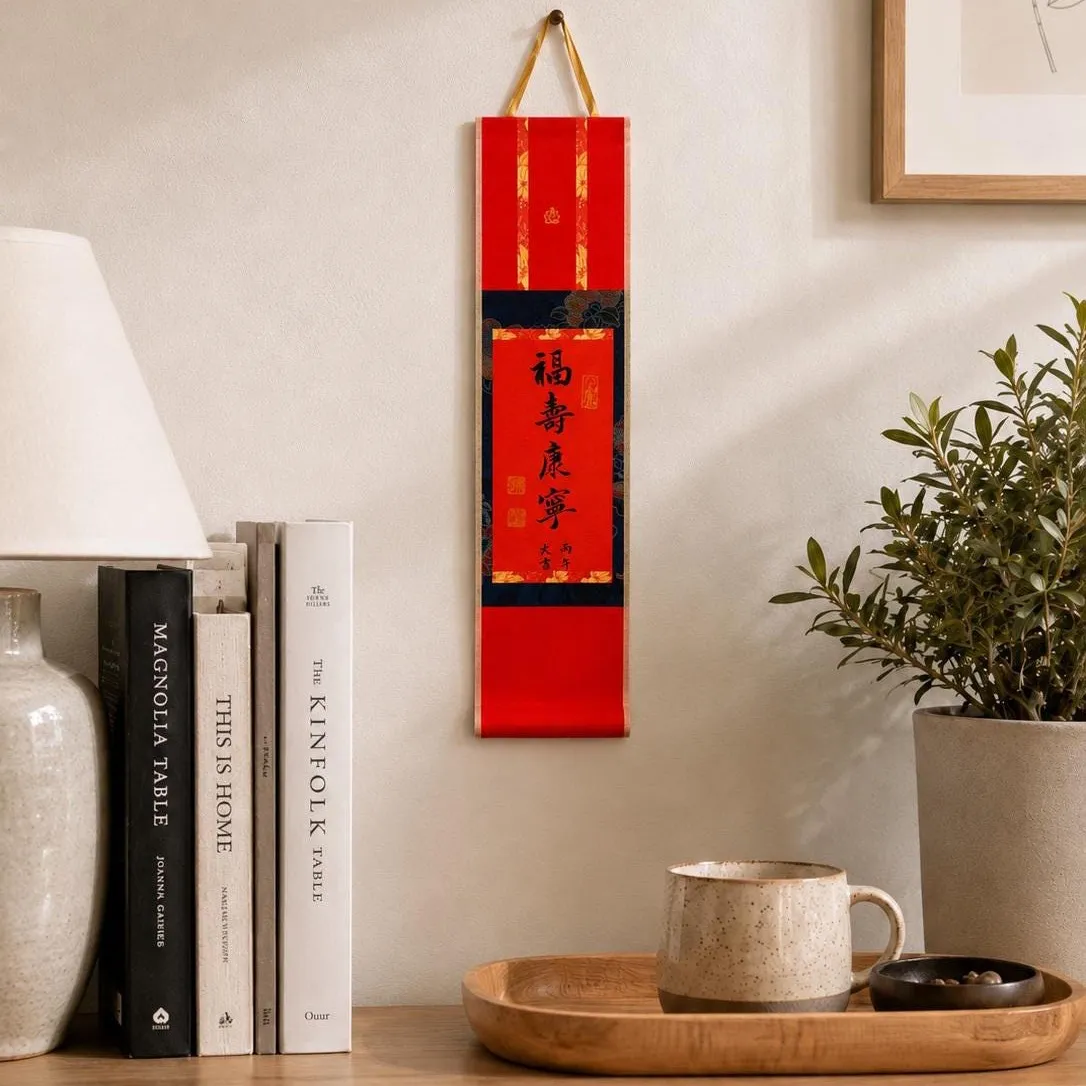
Photo shows a sample — yours will be brushed with 恒, or any character you choose.
Wall Scroll — for walls & housewarmingsfrom $38→ -
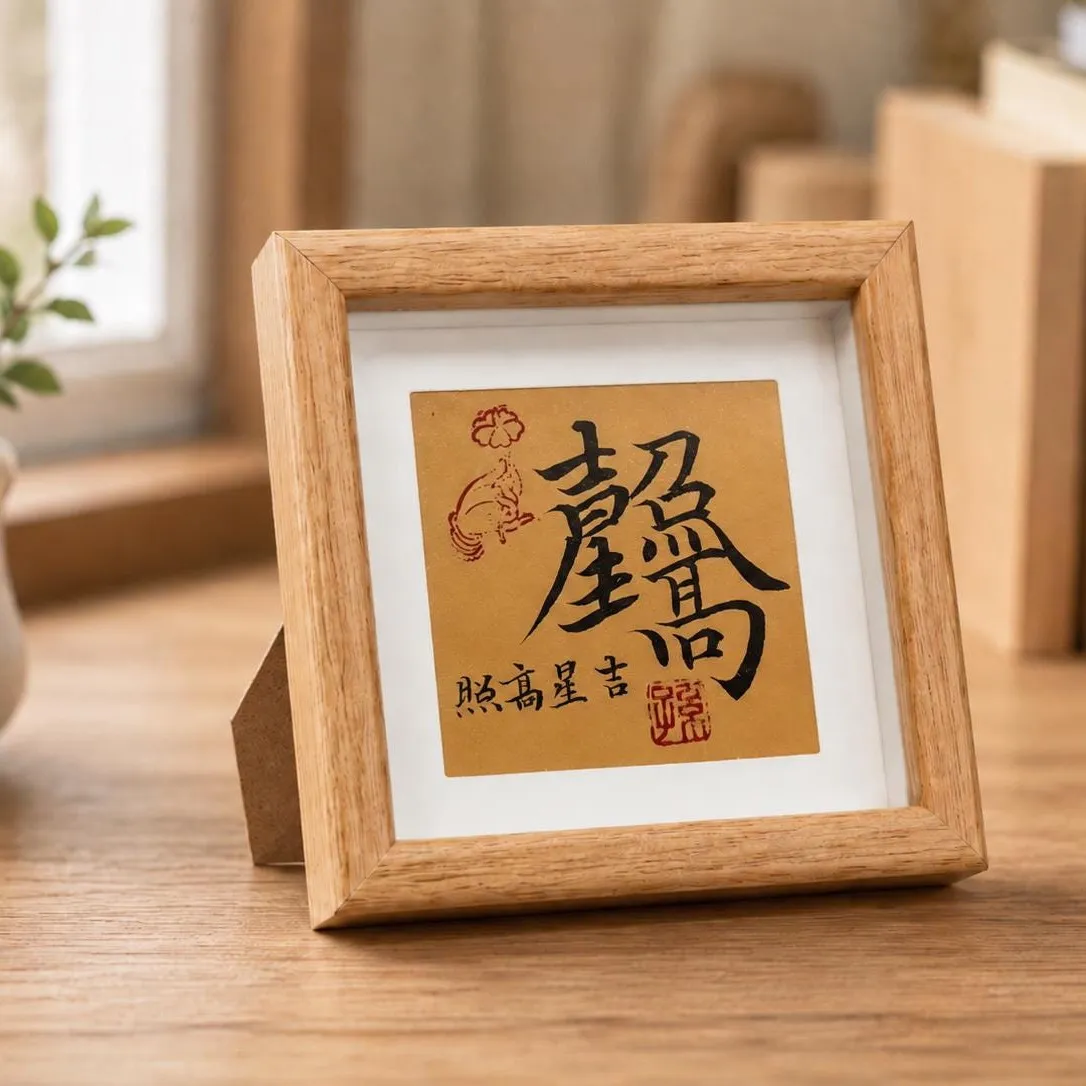
Photo shows a sample — yours will be brushed with 恒, or any character you choose.
Desk Frame — for desks, studies & studiosfrom $44→ -
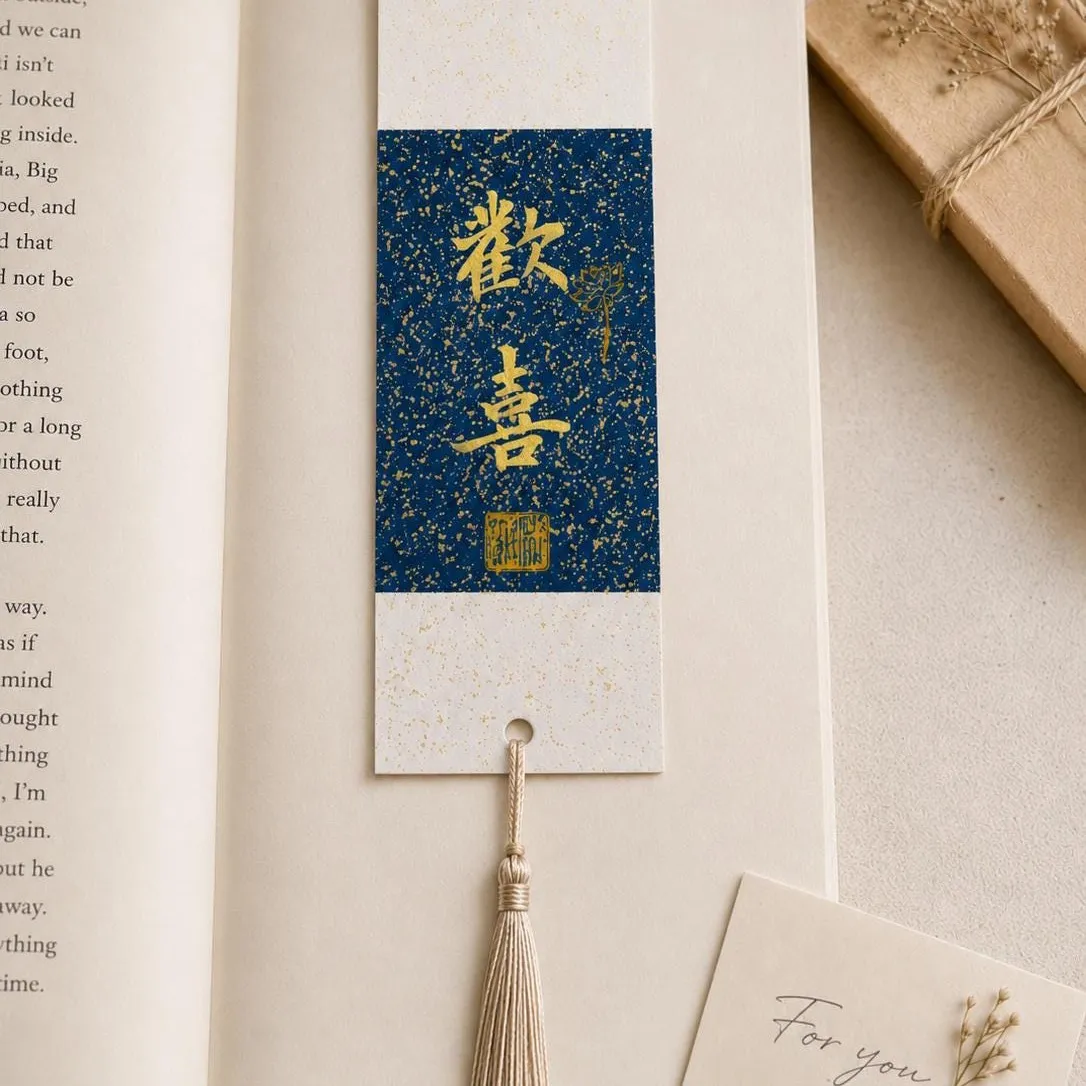
Photo shows a sample — yours will be brushed with 恒, or any character you choose.
Bookmark — for readers & small thank-yousfrom $14→

What people said after it arrived.
-
The item is fantastic. The customer service was genuine. Thanks!
— M.Verified purchase · from our Etsy shop reviews · -
They were great they gave me exactly what I asked for and then some. Thank you!!
— G.Verified purchase · from our Etsy shop reviews · -
It is well designed and customized. My daughter loves it. Amazing gift for family’s d friends
— S.Verified purchase · from our Etsy shop reviews ·
Each "恒" is hand-brushed by FuBlessings on rice paper.
See 恒 (Héng) on Etsy →