信 (xìn) — Trust · Faithfulness · Integrity
A single character.
Look at the character 信 and you can read its meaning without a dictionary: a person standing beside their word. That structural honesty is the point. This is the Chinese character for trust — not as a feeling, but as a track record. The accumulated evidence that someone means what they say.
Confucius named 信 as the virtue without which nothing else works. In the Analects, he returns to it again and again — in friendship, in governance, in the basic mechanics of how people live alongside each other. The most famous story about 信 in Chinese history involves a reformer who placed a post at a city gate and promised gold to whoever moved it, just to prove the government keeps its word. The entire Qin dynasty’s rise followed from that single demonstration.
A hand-brushed 信 by FuBlessings is a wedding or anniversary gift that skips past sentiment and names the foundation underneath. Where 喜 wishes joy and 爱 names love, this character addresses what holds a relationship together after the celebration ends — the quiet discipline of being someone whose word can be relied on.
- trust
- faithfulness
- reliability
- keeping one's word
- honesty Too narrow. Honesty is about telling the truth in the moment. 信 is about the record — the years of words that turned out to match the actions.
- loyalty Too one-directional. Loyalty is allegiance; 信 is mutual proof. It exists in the space between two people, sustained by both.
- faith Too belief-based. 信 isn't believing without evidence — it's the accumulated evidence itself, the track record that makes future trust rational.
The short arms are the point: these readings don’t reach it.
- 亻 a personThe standing-person radical, a simplified form of 人. It places the character's meaning squarely on human conduct — what a person does, not what they think.
- 言 speech, the spoken wordA picture of words emerging from a mouth. Side by side with 亻, the character becomes its own definition: a person standing beside what they said, accountable for it.
character
- 诚信 chéng xìn integrity — sincerity combined with a record of keeping one's word
- 信任 xìn rèn trust between people — relational confidence built over time
- 信用 xìn yòng credit — the practical, often financial, expression of 信
- 守信 shǒu xìn to keep one's word — to guard the trust that has been given
- 言而有信 yán ér yǒu xìn to speak with trust — words that can be relied on
The Story Behind the Character
The structure of 信 is its own definition: 人 (rén, person) standing beside 言 (yán, speech). A person next to their word. In its earliest bronze inscription forms, the character showed a figure with an open mouth — someone in the act of speaking — with the implication that what they say and what they do are the same thing.
By the time the first dictionary recorded it (说文解字, c. 100 CE), the definition was moral: "信,诚也" — faithfulness means sincerity. But the character's history reveals something more specific than sincerity. In the Spring and Autumn period, 信 was a political concept — the quality that allowed treaties to hold, alliances to function, states to cooperate without constant threat of betrayal. It was trust as infrastructure.
That practical dimension never left. Unlike 仁 (benevolence) or 义 (righteousness), which describe internal states, 信 is inherently relational. You cannot have 信 alone. It exists only in the space between two people, sustained over time — the accumulated proof that someone's word has weight.
Classical lines
- about a century
- c. 500 BCE 《论语·为政》
- c. 500 BCE 《论语·学而》
- c. 500 BCE 《论语·学而》
人而无信,不知其可也。 A person without trust
I don't know what they can accomplish. Confucius's image is the cart-pin: without the 輗 (ní) on a large cart or the 軏 (yuè) on a small one, the yoke has nothing to hold and the vehicle cannot move.
与朋友交,言而有信。 In dealings with friends, let your words carry trust.
One of Confucius's rules for friendship, and the simplest: if you say it, mean it.
信近于义,言可复也。 When trust is grounded in what is right, words can be honored.
Confucius adding a condition: keep your promises, but only make promises worth keeping.
Why This Character Matters
The most famous story about 信 in Chinese history is the tale of 商鞅立木 (Shāng Yāng and the wooden post). In 356 BCE, the reformer Shang Yang placed a wooden post at the south gate of the capital and promised fifty gold pieces to anyone who would carry it to the north gate. Nobody believed him — the task was too easy, the reward too large. When one man finally did it and received the gold, the point was made: the government keeps its word. Shang Yang then rolled out his legal reforms, and the people complied. The entire foundation of the Qin dynasty's rise rested on a single act of 信.
In modern Chinese, 信 still anchors the language of reliability. 信用 (xìnyòng) is credit — financial or personal. 诚信 (chéngxìn) is integrity in business. 信任 (xìnrèn) is the trust between people. In every compound, the word does the same work: it names the quality that makes relationships, contracts, and institutions possible. Without 信, the Confucian system acknowledged, none of the other virtues could function. It was the bolt that held the machine together.
信 is a character with real weight in Chinese culture — it's one of the Five Constant Virtues in Confucian thought. A Chinese person seeing this tattoo would find it serious and meaningful, not decorative. It suggests the wearer values their word and their relationships. One of the more respected choices for a character tattoo.
Calligraphy Styles for Tattoos
- Regular script (楷书 kǎishū) Best for tattoos
信 has only 9 strokes with a clear left-right split: the person radical 亻 and 言 (speech). Regular script keeps this structural honesty visible — you can literally read the meaning in the composition.
- Running script (行书 xíngshū) Excellent for tattoos
Running script adds warmth to 信 without sacrificing legibility. The person radical and speech component remain distinct even with flowing strokes. Works well at 1.5+ inches.
Common Mistakes to Avoid
- Writing the right side as 文 (writing/culture) instead of 言 (speech)Intended: 信 with 言 meaning a person standing by their word
The right component must be 言 (speech), with its specific stroke structure including the upper horizontal strokes and the mouth radical 口 at the bottom. Replacing it with 文 changes the character entirely.
- Making the person radical 亻 too large relative to 言Intended: 信 with a slim person radical and a broader speech component
The person radical 亻 should be narrow — just two strokes taking up about one-quarter of the width. If it's too wide, the character looks unbalanced and the 言 component gets cramped, making it harder to read.
Notes for Your Tattoo Artist
9 strokes. The left-right structure is straightforward: 亻 takes about one-quarter of the width, 言 takes three-quarters. The 言 component has a precise internal structure — four horizontal strokes of varying length topped by a dot, with 口 at the base. Minimum size 1.5 inches. Key challenge: keeping the horizontal strokes of 言 distinct and evenly spaced.
A few characters live near "信" but mean something quieter, sharper, or more specific. Here's how to tell them apart.
the external proof — the accumulated record that your word holds
the internal source — the inward sincerity that makes 信 possible to maintain
Full comparison →trust as a contract between people — relational, demonstrated over time
authenticity as a quality of a person — what remains when every performance ends
信 is a pointed wedding gift because it names what every marriage will eventually be tested on.
- 信 is a pointed wedding gift because it names what every marriage will eventually be tested on. Love and joy are easy to promise at the altar; trust is what must be maintained in the ordinary years that follow. Giving 信 is a wish for the more difficult and more necessary thing.
- An anniversary is evidence. The couple standing here has proven 信 — that the trust they pledged held through whatever the years delivered. 信 here is recognition as much as wish, and it names what the milestone actually represents.
Best Friend · Husband · Wife · or yourself
信 is one of the characters we use to write Western names in Chinese. See it at work:
-
What does 信 (xìn) mean?
信 (xìn) is the Chinese character for trust, faithfulness, integrity. Look at the character 信 and you can read its meaning without a dictionary: a person standing beside their word. That structural honesty is the point. This is the Chinese character for trust — not as a feeling, but as a track record. The accumulated evidence that someone means what they say. The most famous story about 信 in Chinese history is the tale of 商鞅立木 (Shāng Yāng and the wooden post). In 356 BCE, the reformer Shang Yang placed a wooden post at the south gate of the capital and promised fifty gold pieces to anyone who would carry it to the north gate. Nobody believed him — the task was too easy, the reward too large. When one man finally did it and received the gold, the point was made: the government keeps its word. Shang Yang then rolled out his legal reforms, and the people complied. The entire foundation of the Qin dynasty's rise rested on a single act of 信.
-
What occasions is 信 given for?
信 is traditionally given for Wedding, Anniversary. 信 is a pointed wedding gift because it names what every marriage will eventually be tested on. Love and joy are easy to promise at the altar; trust is what must be maintained in the ordinary years that follow. Giving 信 is a wish for the more difficult and more necessary thing. An anniversary is evidence. The couple standing here has proven 信 — that the trust they pledged held through whatever the years delivered. 信 here is recognition as much as wish, and it names what the milestone actually represents.
-
Is 信 a good Chinese tattoo?
信 is a character with real weight in Chinese culture — it's one of the Five Constant Virtues in Confucian thought. A Chinese person seeing this tattoo would find it serious and meaningful, not decorative. It suggests the wearer values their word and their relationships. One of the more respected choices for a character tattoo.
-
Who brushes the 信 calligraphy?
FuBlessings hand-brushes each 信 (Xìn) to order, in ink on rice paper — never printed, never repeated.
Bring 信 home — choose how you'd like it brushed.
-
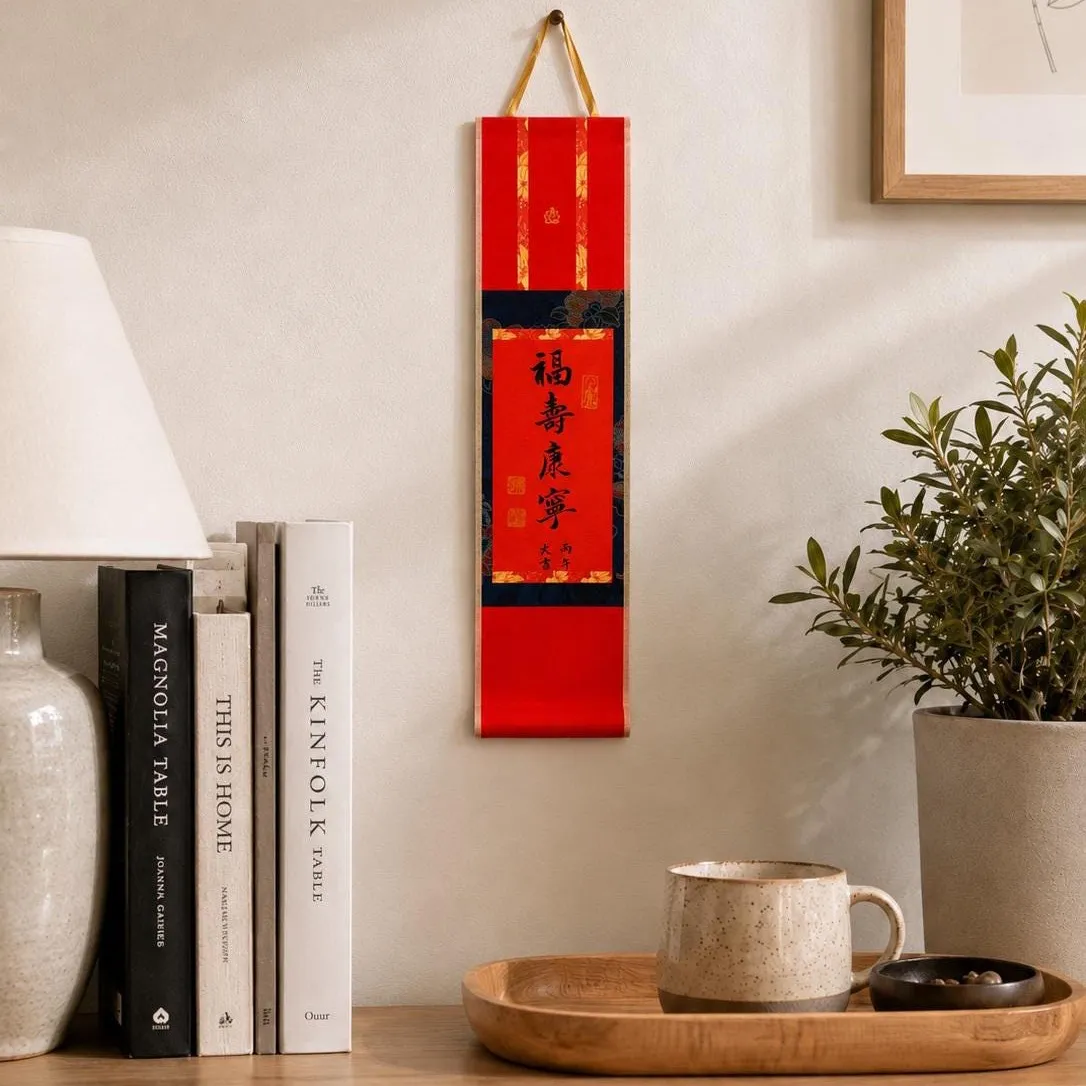
Photo shows a sample — yours will be brushed with 信, or any character you choose.
Wall Scroll — for walls & housewarmingsfrom $38→ -
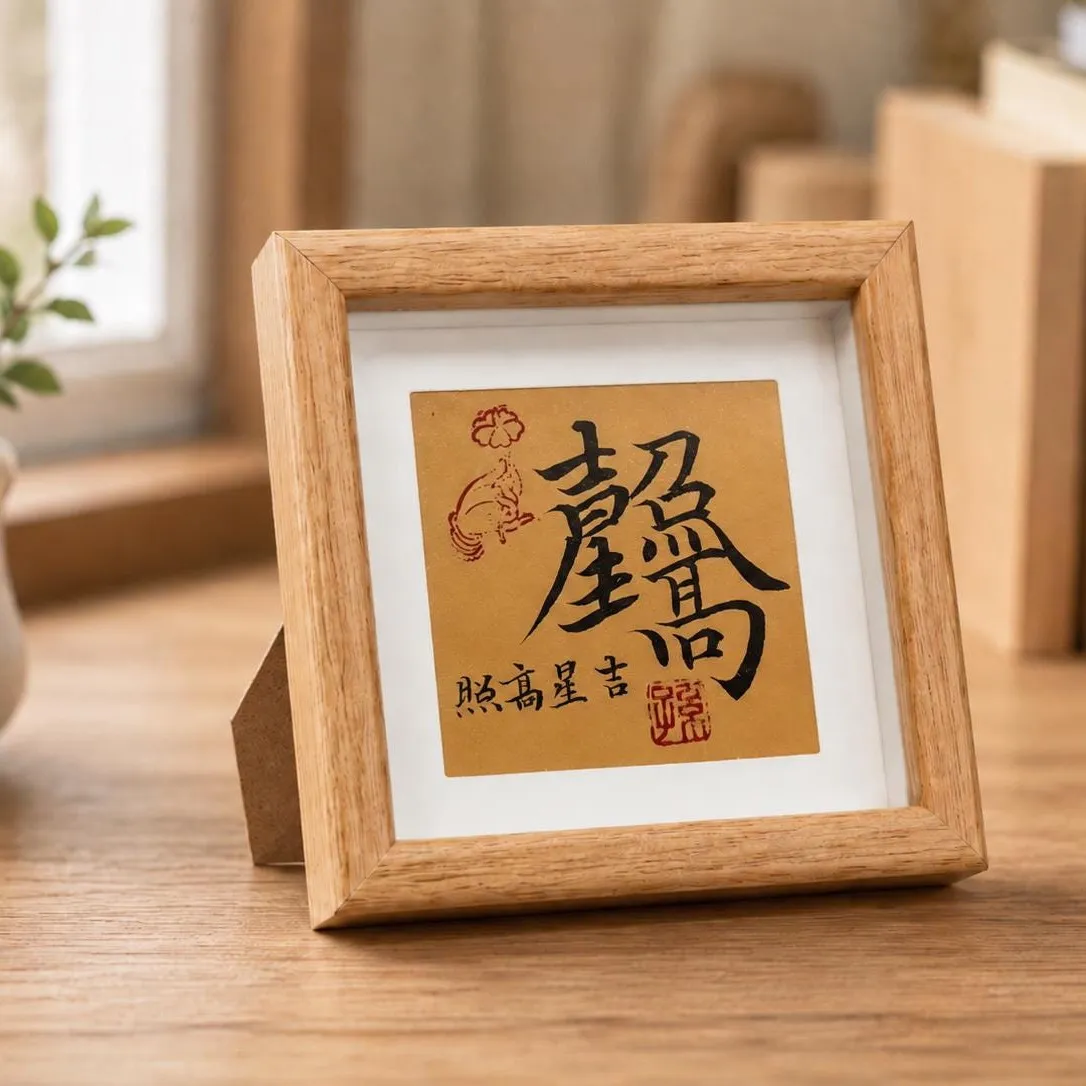
Photo shows a sample — yours will be brushed with 信, or any character you choose.
Desk Frame — for desks, studies & studiosfrom $44→ -
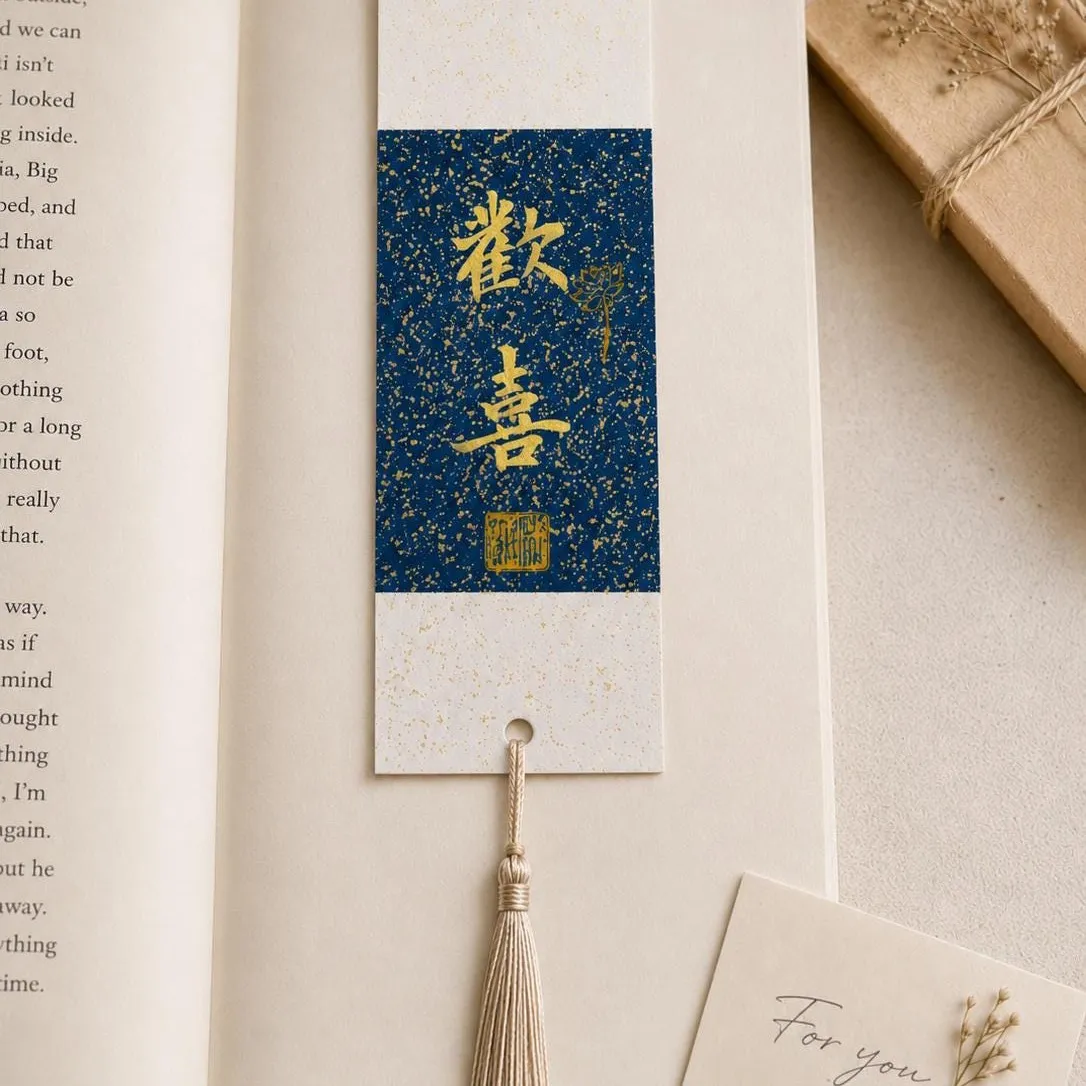
Photo shows a sample — yours will be brushed with 信, or any character you choose.
Bookmark — for readers & small thank-yousfrom $14→

What people said after it arrived.
-
The item is fantastic. The customer service was genuine. Thanks!
— M.Verified purchase · from our Etsy shop reviews · -
They were great they gave me exactly what I asked for and then some. Thank you!!
— G.Verified purchase · from our Etsy shop reviews · -
It is well designed and customized. My daughter loves it. Amazing gift for family’s d friends
— S.Verified purchase · from our Etsy shop reviews ·
Each "信" is hand-brushed by FuBlessings on rice paper.
See 信 (Xìn) on Etsy →