真 (zhēn) — Authenticity · Genuineness · True to Oneself
A single character.
Zhuangzi set the bar for 真 twenty-three centuries ago: without complete genuineness, you cannot move another person. This is the character for what survives when every performance has ended — what is left when you stop curating, managing, and presenting, and just are.
The Daoists built an entire philosophy around 真. Their ideal human — the 真人, the “true person” — wasn’t moral or powerful or even wise in the conventional sense. They were simply authentic in a way that could not be faked. That concept lives on in modern Chinese: 真诚 for sincerity without an agenda, 真心 for feeling that goes all the way down, 真实 for the person who is exactly what they appear to be.
A hand-brushed 真 by FuBlessings is not the gift that says “I wish you well.” It is the gift that says “I know you” — the real version, the unperformed one. It belongs in the long friendship, the tested marriage, the relationship where both people have stopped needing to impress each other and are better for it.
- authentic
- genuine
- the real version
- true to oneself
- honest Too verbal. Honesty is about what you say; 真 is about what you are. A person can be technically honest while still performing — 真 names the absence of performance itself.
- factual Too literal. 真 isn't about accuracy of information — it's about authenticity of being. The factual report can be 真实, but 真 itself describes a person, not a fact.
- natural Too passive. 真 is the result of refinement, not an absence of effort. The Daoist 真人 became authentic through cultivation, not by skipping it.
The short arms are the point: these readings don’t reach it.
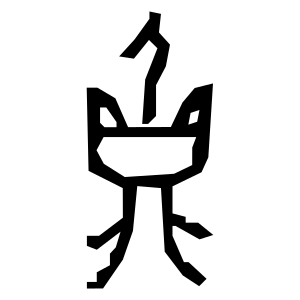
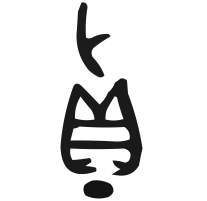
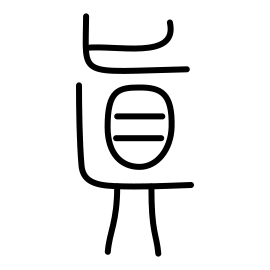
- 匕 transformation, a turningThe top component is read by many scholars as a sign of change or refinement — the moment something is altered into a more essential form. It frames 真 as the result of a process, not a starting point.
- 目 an eyeAn eye placed mid-character — what the process is observed by, or what remains looking out from the center. Sight as the test: what survives being looked at directly.
- 八 a base, the groundThe bottom strokes plant the character — what is left when refinement is complete. Together with 匕 and 目, the picture is what remains after pretense is burned off: the essence under examination.
character
- 真诚 zhēn chéng sincerity — 真 combined with the inward honesty of 诚
- 真心 zhēn xīn wholehearted, the true heart — feeling all the way down
- 真实 zhēn shí real, actual — what is genuinely the case
- 认真 rèn zhēn earnest, taking seriously — meeting something with one's real self
- 真人 zhēn rén the true person — the Daoist ideal of someone fully, irreducibly themselves
The Story Behind the Character
The early form of 真 in bronze inscriptions shows a figure being transformed — a person (人) placed inside a vessel or crucible (鼎), undergoing a process of refinement. Some scholars read it as an image from Daoist alchemy: the human being purified until only what is genuine remains. Others see a simpler picture — a person standing on solid ground, planted and unshakable.
The first dictionary (说文解字, c. 100 CE) took an unexpected angle: "真,仙人变形而登天也" — the realized person who transforms and ascends to heaven. This Daoist definition placed 真 at the end of a spiritual journey: you start as a raw, confused human, and through cultivation you become 真 — authentically, completely yourself. The 真人 (zhēnrén, "true person") was the highest attainment in Daoist thought.
But the most enduring meaning is the simplest one: 真 is what is left when pretense is removed. Not perfection — authenticity. The character asks a blunt question: if you stripped away everything performed, everything done for an audience, what would remain? Whatever that is, that's 真.
Classical lines
- about a century
- c. 300 BCE 《庄子·渔父》
- c. 300 BCE 《庄子·齐物论》
真者,精诚之至也,不精不诚,不能动人。 To be true is to reach the peak of sincerity. Without complete genuineness, you cannot move another person.
Zhuangzi's test for authenticity: if it doesn't come from the core, people will feel the hollow center.
不知周之梦为蝴蝶与,蝴蝶之梦为周与? Was Zhuang Zhou dreaming he was a butterfly, or is the butterfly now dreaming it is Zhuang Zhou?
The most famous passage in Daoist philosophy, asking what is truly real. The question is the point.
Why This Character Matters
In Daoist tradition, the highest form of human development is the 真人 (zhēnrén) — the "true person" who has shed all artifice and become fully, irreducibly themselves. This isn't a moral achievement like Confucian virtue. It's closer to the idea of someone who has stopped performing for anyone, including themselves. The great Daoist thinker Zhuangzi used 真 as his ultimate standard: he argued that you cannot move another person unless your sincerity reaches all the way down.
In everyday Chinese, 真 is the word people reach for when they want to say someone is the real deal. 真诚 (zhēnchéng) is sincerity with no hidden agenda. 真心 (zhēnxīn) is wholeheartedness — feeling something all the way through, not just on the surface. 真实 (zhēnshí) is the quality of being reliable because you are actually what you appear to be. When Chinese families give 真, they are not wishing for something. They are saying: we have seen past every possible performance, and what we found there is genuine.
真 carries Daoist philosophical depth — the concept of the 真人 (true person) is one of the most revered ideas in Chinese thought. A Chinese person seeing this tattoo would think the wearer is thoughtful and values substance over appearance. It's an uncommon tattoo choice, which makes it feel more personal and less like a tourist decision.
Calligraphy Styles for Tattoos
- Regular script (楷书 kǎishū) Best for tattoos
真 has 10 strokes with a vertically stacked structure — the top transformative element, 目 (eye) in the middle, and the base strokes below. Regular script keeps each layer distinct and the internal 目 clearly legible.
- Running script (行书 xíngshū) Good for larger pieces
Running script gives 真 an organic, unforced quality that mirrors its meaning of authenticity. At 2.5+ inches, the eye radical 目 stays readable while the surrounding strokes gain natural flow.
- Cursive script (草书 cǎoshū) Only with an expert calligrapher
Cursive 真 has a strong Daoist aesthetic — the character looks like it was written without trying, which is exactly the point. But the internal 目 can vanish entirely in loose brushwork, making the character unreadable.
Common Mistakes to Avoid
- Confusing 真 with 直 (straight/direct) which has a similar vertical structureIntended: 真 meaning authentic/genuine
真 and 直 share the internal 目 radical and look similar at a glance. The difference is in the top and bottom strokes. 直 means 'straight' — a fine character, but not what you wanted if the meaning was authenticity. Double-check the top component.
- Writing the bottom strokes as a single horizontal line instead of the distinct 八-shaped baseIntended: 真 with the proper base structure
The bottom of 真 has two strokes that spread outward, giving the character a planted, stable base. Collapsing them into a single line makes the character look like it's floating — and loses the visual metaphor of something grounded in truth.
Notes for Your Tattoo Artist
10 strokes. The character stacks vertically with 目 as the visual anchor in the middle. The internal rectangles of 目 must be clearly defined — if they blur, the character loses its identity. Minimum size 1.5 inches. Key challenge: the top-to-bottom proportions need three roughly equal zones (top element, eye, base) to look balanced.
A few characters live near "真" but mean something quieter, sharper, or more specific. Here's how to tell them apart.
what remains when every performance ends — authenticity as a state of being
the alignment between inside and outside — sincerity as a practice of consistency
the quality of the person underneath the words
the record their words have built — trust as accumulated evidence
An anniversary is the accumulated evidence of 真 — of genuine, consistent feeling across years when the easier choice was available.
- An anniversary is the accumulated evidence of 真 — of genuine, consistent feeling across years when the easier choice was available. 真 on an anniversary names what the milestone actually represents: not the celebration but the record.
- 真 at a wedding is a wish that what is genuine between this couple now does not require the years ahead to manufacture. The quietest of the wedding characters, and in that quietness, the most specific.
Best Friend · Husband · Wife · or yourself
真 is one of the characters we use to write Western names in Chinese. See it at work:
-
What does 真 (zhēn) mean?
真 (zhēn) is the Chinese character for authenticity, genuineness, true to oneself. Zhuangzi set the bar for 真 twenty-three centuries ago: without complete genuineness, you cannot move another person. This is the character for what survives when every performance has ended — what is left when you stop curating, managing, and presenting, and just are. In Daoist tradition, the highest form of human development is the 真人 (zhēnrén) — the "true person" who has shed all artifice and become fully, irreducibly themselves. This isn't a moral achievement like Confucian virtue. It's closer to the idea of someone who has stopped performing for anyone, including themselves. The great Daoist thinker Zhuangzi used 真 as his ultimate standard: he argued that you cannot move another person unless your sincerity reaches all the way down.
-
What occasions is 真 given for?
真 is traditionally given for Anniversary, Wedding. An anniversary is the accumulated evidence of 真 — of genuine, consistent feeling across years when the easier choice was available. 真 on an anniversary names what the milestone actually represents: not the celebration but the record. 真 at a wedding is a wish that what is genuine between this couple now does not require the years ahead to manufacture. The quietest of the wedding characters, and in that quietness, the most specific.
-
Is 真 a good Chinese tattoo?
真 carries Daoist philosophical depth — the concept of the 真人 (true person) is one of the most revered ideas in Chinese thought. A Chinese person seeing this tattoo would think the wearer is thoughtful and values substance over appearance. It's an uncommon tattoo choice, which makes it feel more personal and less like a tourist decision.
-
Who brushes the 真 calligraphy?
FuBlessings hand-brushes each 真 (Zhēn) to order, in ink on rice paper — never printed, never repeated.
Bring 真 home — choose how you'd like it brushed.
-
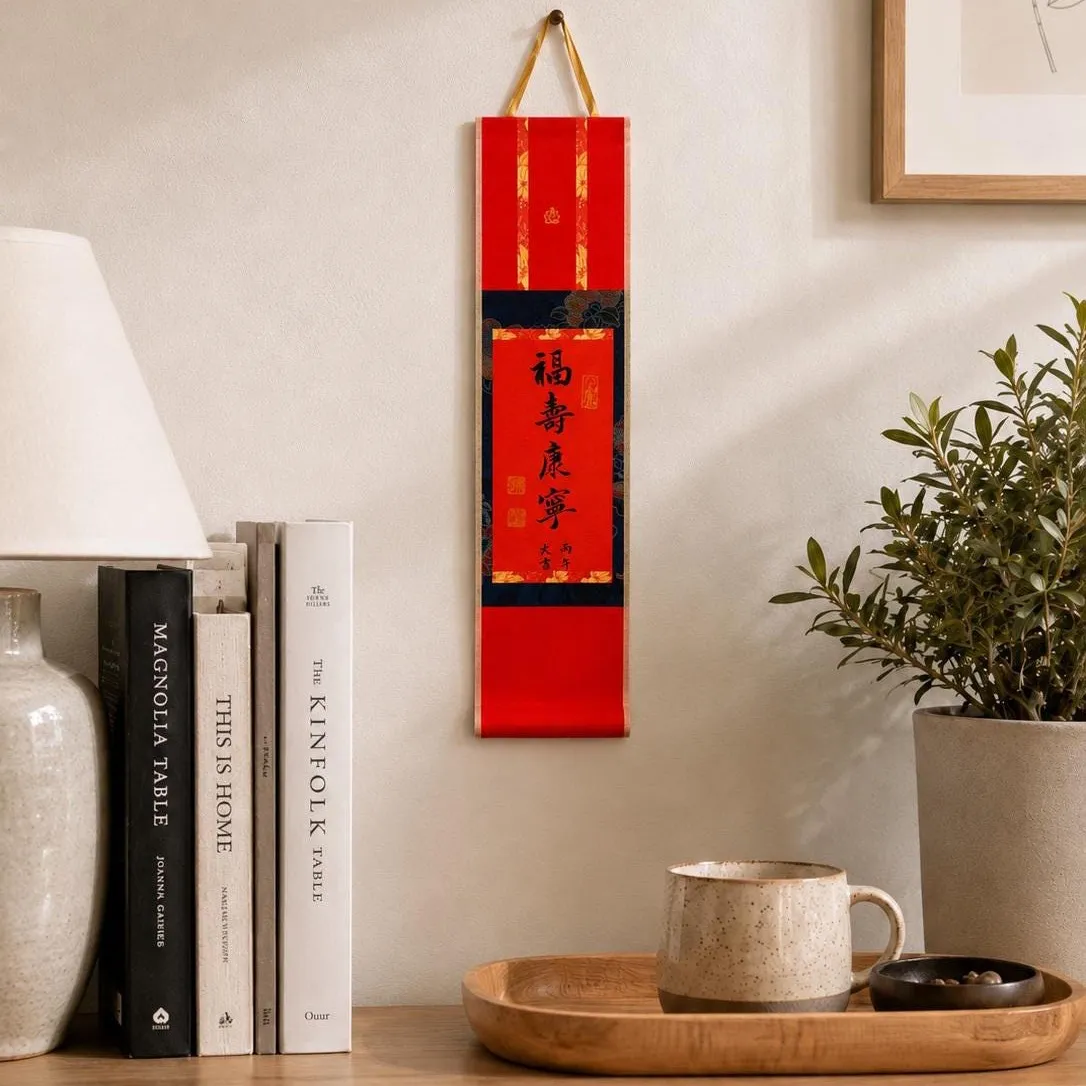
Photo shows a sample — yours will be brushed with 真, or any character you choose.
Wall Scroll — for walls & housewarmingsfrom $38→ -
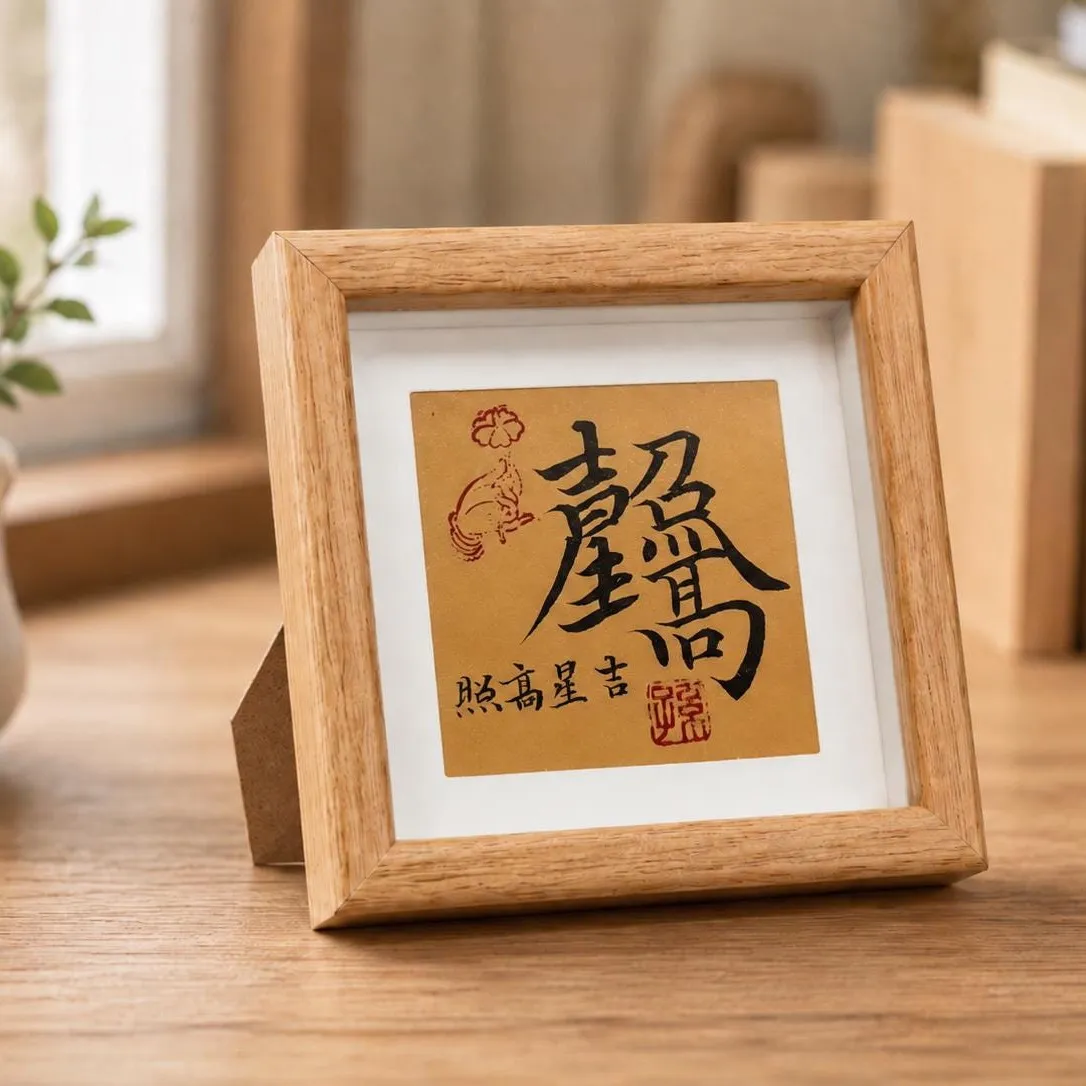
Photo shows a sample — yours will be brushed with 真, or any character you choose.
Desk Frame — for desks, studies & studiosfrom $44→ -
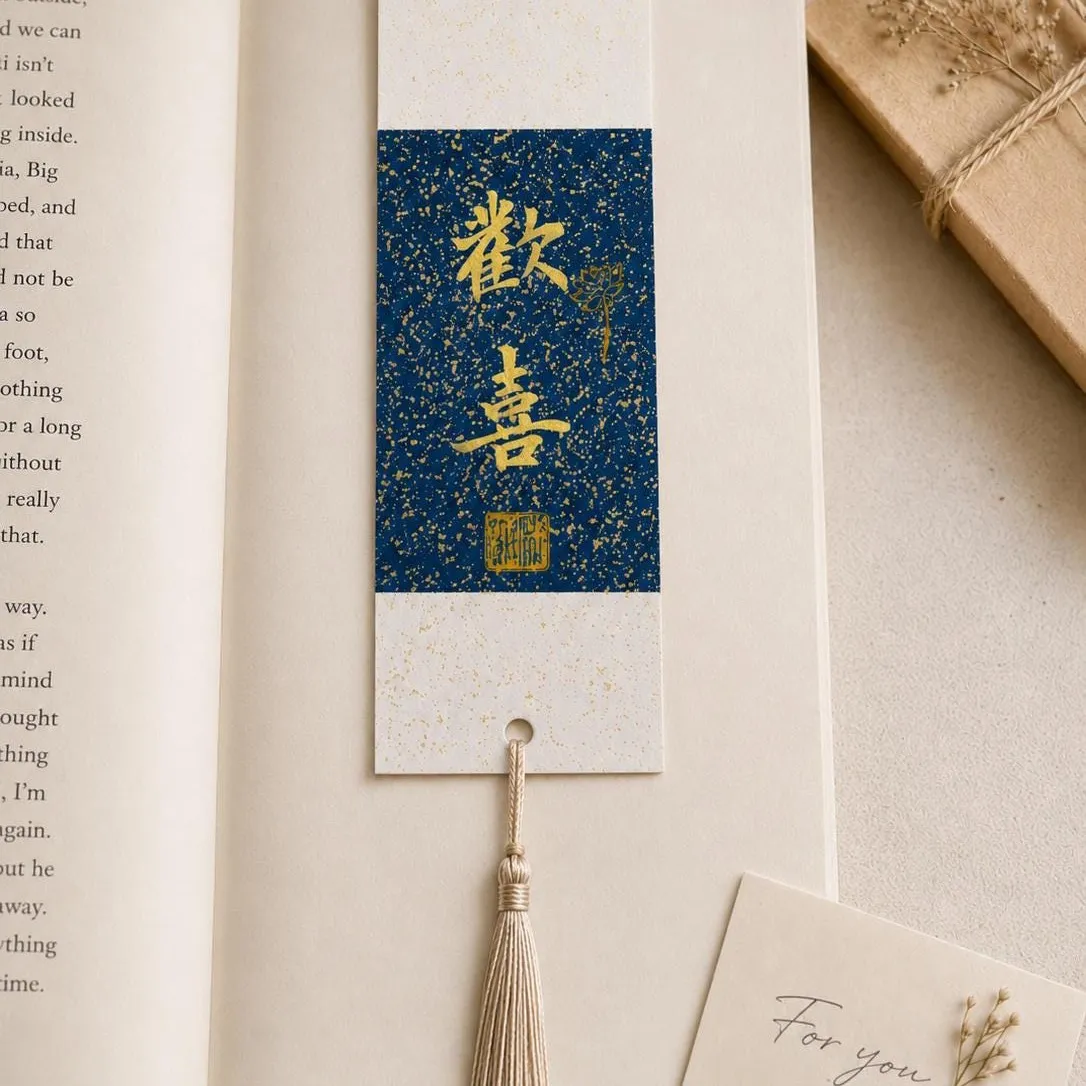
Photo shows a sample — yours will be brushed with 真, or any character you choose.
Bookmark — for readers & small thank-yousfrom $14→
What people said after it arrived.
-
The item is fantastic. The customer service was genuine. Thanks!
— M.Verified purchase · from our Etsy shop reviews · -
They were great they gave me exactly what I asked for and then some. Thank you!!
— G.Verified purchase · from our Etsy shop reviews · -
It is well designed and customized. My daughter loves it. Amazing gift for family’s d friends
— S.Verified purchase · from our Etsy shop reviews ·
Each "真" is hand-brushed by FuBlessings on rice paper.
See 真 (Zhēn) on Etsy →