和 (hé) — Harmony · Balance · Togetherness
A single character.
和 is the only character in the Chinese blessing vocabulary that started as a sound. Before it meant harmony, it meant music — specifically, the sound of a reed mouth organ where each pipe plays a different note and all of them fit together. Confucius borrowed that image for his most famous ethical distinction: harmony is not everyone playing the same note. It is different notes arranged so they belong.
You hear 和 invoked at every gathering that matters in Chinese life. At weddings, it is the wish whispered beneath the toasts. At family dinners, it is the reason the round table exists — no head, no foot, everyone equidistant from the center. At New Year, the proverb 家和万事兴 goes up in kitchens across the Chinese-speaking world: when the family is at peace, everything else follows. Mencius ranked it above geography, above timing, above every other advantage. People working together, he said, beats everything.
A hand-brushed 和 by Artist Lina Sun is the gift for any relationship built on the understanding that differences are the point. For a couple learning to share a life, it is a reminder that the goal was never to agree on everything. For a family coming back together, it is the wish that the table holds. For a new home, it is the first word on the wall — and the one that makes the house worth living in.
- harmony
- togetherness
- peaceful coexistence
- the warmth that holds a household together
- agreement Too narrow. 和 is not everyone holding the same view — Confucius was explicit that real harmony requires difference.
- peace Too still. 和 is not the absence of conflict but the active fitting-together of different parts, like notes in a chord.
- unity Too uniform. Unity flattens differences; 和 arranges them so they belong to one another.
The short arms are the point: these readings don’t reach it.
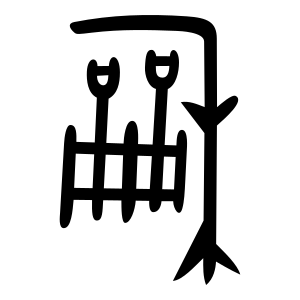
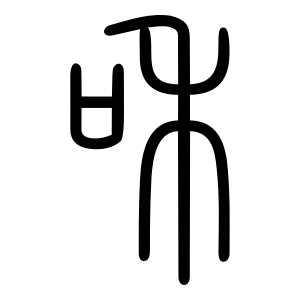
- 禾 stalk of grainA picture of grain bending under its own weight at harvest. The crop that fed the household — and the literal subject around which the family gathered.
- 口 mouthThe mouth that eats and the mouth that speaks. Paired with grain, it points to the shared meal: the place where a family becomes a family three times a day.
character
- 和平 hé píng peace — harmony at the scale of nations or eras
- 和谐 hé xié harmonious — the felt quality of things in good arrangement
- 和睦 hé mù warm and close — used most often of families and close relationships
- 和气 hé qì good-natured air — the gentle quality that makes someone easy to be around
- 家和万事兴 jiā hé wàn shì xīng when the family is in harmony, everything prospers — the most cited household proverb
The Story Behind the Character
The character 和 tells its story in two halves. On the left stands 禾 (hé, a stalk of grain bending under its own weight). On the right sits 口 (kǒu, a mouth). Grain and mouth — food shared, hunger answered. The earliest bronze-age forms show the same pairing, and the message has not changed in three thousand years: harmony starts at the table.
But 和 had a second, older life before it meant harmony. In its earliest appearances on oracle bones (甲骨文), the character referred to a specific musical instrument — a small reed mouth organ called a 龢. The left component was not grain but bamboo pipes; the right was the mouth blowing into them. Harmony, before it was a philosophy, was a sound: multiple pipes producing different notes that fit together. China's first dictionary (Shuowen Jiezi, c. 100 CE) preserved both meanings side by side — music and peace, tuning and agreement.
That musical origin left its mark on every later use of the word. When Confucius praised 和 as the highest social virtue, he was explicit about what it was not. "The gentleman seeks harmony, not sameness" (君子和而不同). Harmony did not mean everyone playing the same note. It meant different notes, different people, different views — arranged so they sound right together.
Classical lines
- roughly 200 years
- c. 500 BCE 《尚书·舜典》
- c. 400 BCE 《论语·子路》
- c. 300 BCE 《孟子·公孙丑下》
君子和而不同,小人同而不和。 A person of character seeks harmony without sameness; a lesser person demands sameness without harmony.
Confucius drawing the sharpest possible line between genuine agreement and forced conformity.
天时不如地利,地利不如人和。 Good timing matters less than good ground. Good ground matters less than people working together.
Mencius ranking the factors that determine whether anything succeeds. Human harmony wins.
八音克谐,无相夺伦,神人以和。 The eight timbres are brought into accord, none usurping another's place, and gods and people are in harmony.
One of the oldest descriptions of 和, and it is musical: many instruments, no single one drowning out the rest. The character began as a sound before it became an idea — harmony as different notes arranged so they belong.
Why This Character Matters
The phrase 家和万事兴 ("when the family is in harmony, everything prospers") may be the most widely displayed proverb in the Chinese-speaking world. It hangs in kitchens, living rooms, and above restaurant counters. It appears on the red couplets pasted to doorframes at New Year. It is the first piece of advice given at weddings and the last thing grandparents say before a family dinner. If 福 is the most popular single character in China, 和 is the most popular idea.
What makes 和 distinctive in Chinese philosophy is its insistence that harmony is not the same as agreement. Confucius made this the centerpiece of his ethics: real harmony requires differences. A pot of soup needs different ingredients; an orchestra needs different instruments. People who simply agree with each other — who avoid all conflict and echo every opinion — are producing 同 (sameness), not 和 (harmony). This distinction matters in Chinese gift culture because giving someone 和 is not wishing them a life without disagreement. It is wishing them a household, a partnership, or a family where the differences make the whole thing richer.
和 is one of the few characters that Chinese people genuinely approve of as a tattoo. It's not flashy, not trying too hard, and the meaning — peaceful coexistence — is something most people can respect. The character appears on everything from teahouses to diplomatic communiqués.
Calligraphy Styles for Tattoos
- Regular script (楷书 kǎishū) Best for tattoos
Eight strokes with a natural left-right balance (禾 grain + 口 mouth). The character's meaning — harmony — is reflected in its balanced visual structure.
- Seal script (篆书 zhuànshū) Good for a classical feel
The seal form shows the two components more distinctly separated, creating an elegant paired composition. Works well as a standalone design element.
Notes for Your Tattoo Artist
The left component 禾 (grain) should take about 60% of the width, with 口 (mouth) fitting neatly in the remaining space. Equal-width halves make the character look unnatural.
A few characters live near "和" but mean something quieter, sharper, or more specific. Here's how to tell them apart.
harmony between people — different parts fitting together
the felt warmth of being with the right people
the relational ingredient of a good life — how people fit
A blessing for two people choosing each other — and the harmony they will build, day after day.
- A blessing for two people choosing each other — and the harmony they will build, day after day.
- Years together earn this character. A reminder of the warmth that comes from staying through it all.
- Family ReunionFor the gathering that matters most — when family comes back together, "和" is the wish for what holds.
- For the partner whose presence makes ordinary days feel whole. 和 names the harmony between two people — the balance that holds when the celebration is over.
- A meaningful welcome for a new home, where harmony and shared meals will fill the rooms.
Wife · Husband · Parent · Family · New Couple · Best Friend · or yourself
和 is one of the characters we use to write Western names in Chinese. See it at work:
-
What does 和 (hé) mean?
和 (hé) is the Chinese character for harmony, balance, togetherness. 和 is the only character in the Chinese blessing vocabulary that started as a sound. Before it meant harmony, it meant music — specifically, the sound of a reed mouth organ where each pipe plays a different note and all of them fit together. Confucius borrowed that image for his most famous ethical distinction: harmony is not everyone playing the same note. It is different notes arranged so they belong. The phrase 家和万事兴 ("when the family is in harmony, everything prospers") may be the most widely displayed proverb in the Chinese-speaking world. It hangs in kitchens, living rooms, and above restaurant counters. It appears on the red couplets pasted to doorframes at New Year. It is the first piece of advice given at weddings and the last thing grandparents say before a family dinner. If 福 is the most popular single character in China, 和 is the most popular idea.
-
What occasions is 和 given for?
和 is traditionally given for Wedding, Anniversary, Family Reunion, Valentine's Day, Housewarming. A blessing for two people choosing each other — and the harmony they will build, day after day. Years together earn this character. A reminder of the warmth that comes from staying through it all.
-
Is 和 a good Chinese tattoo?
和 is one of the few characters that Chinese people genuinely approve of as a tattoo. It's not flashy, not trying too hard, and the meaning — peaceful coexistence — is something most people can respect. The character appears on everything from teahouses to diplomatic communiqués.
-
Who brushes the 和 calligraphy?
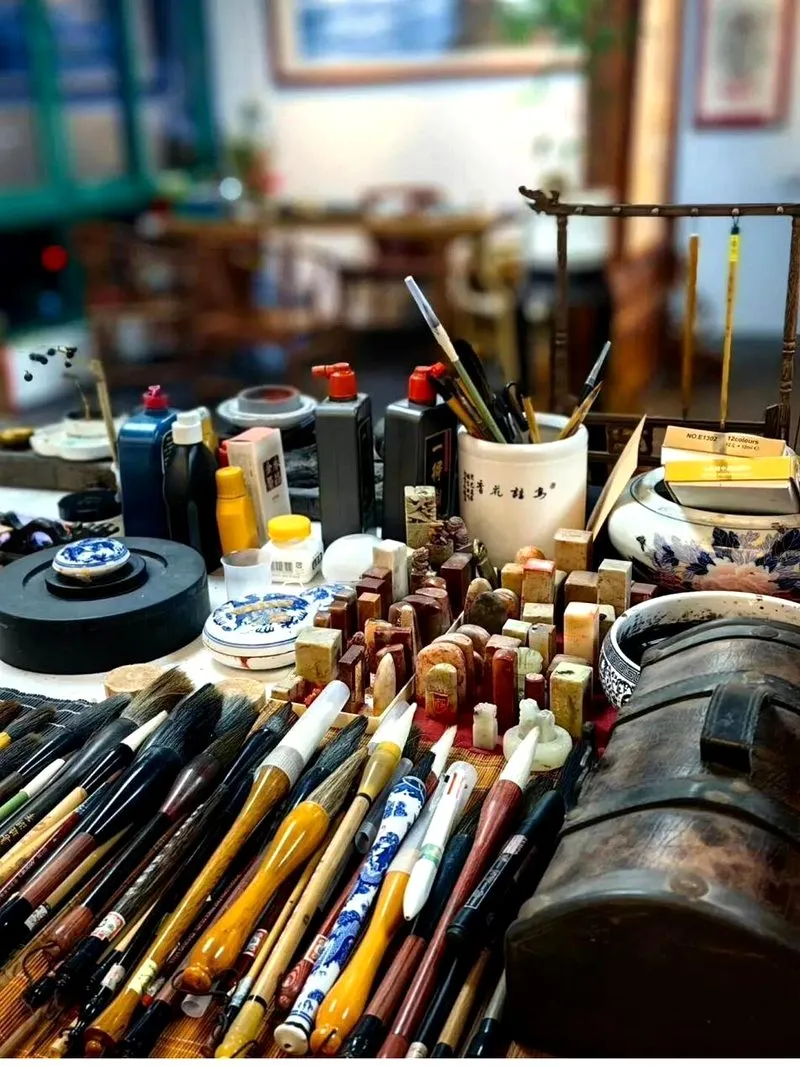
Each 和 (Hé) is hand-brushed to order by Artist Lina Sun in ink on rice paper — never printed, never repeated.
Bring 和 home — choose how you'd like it brushed.
-
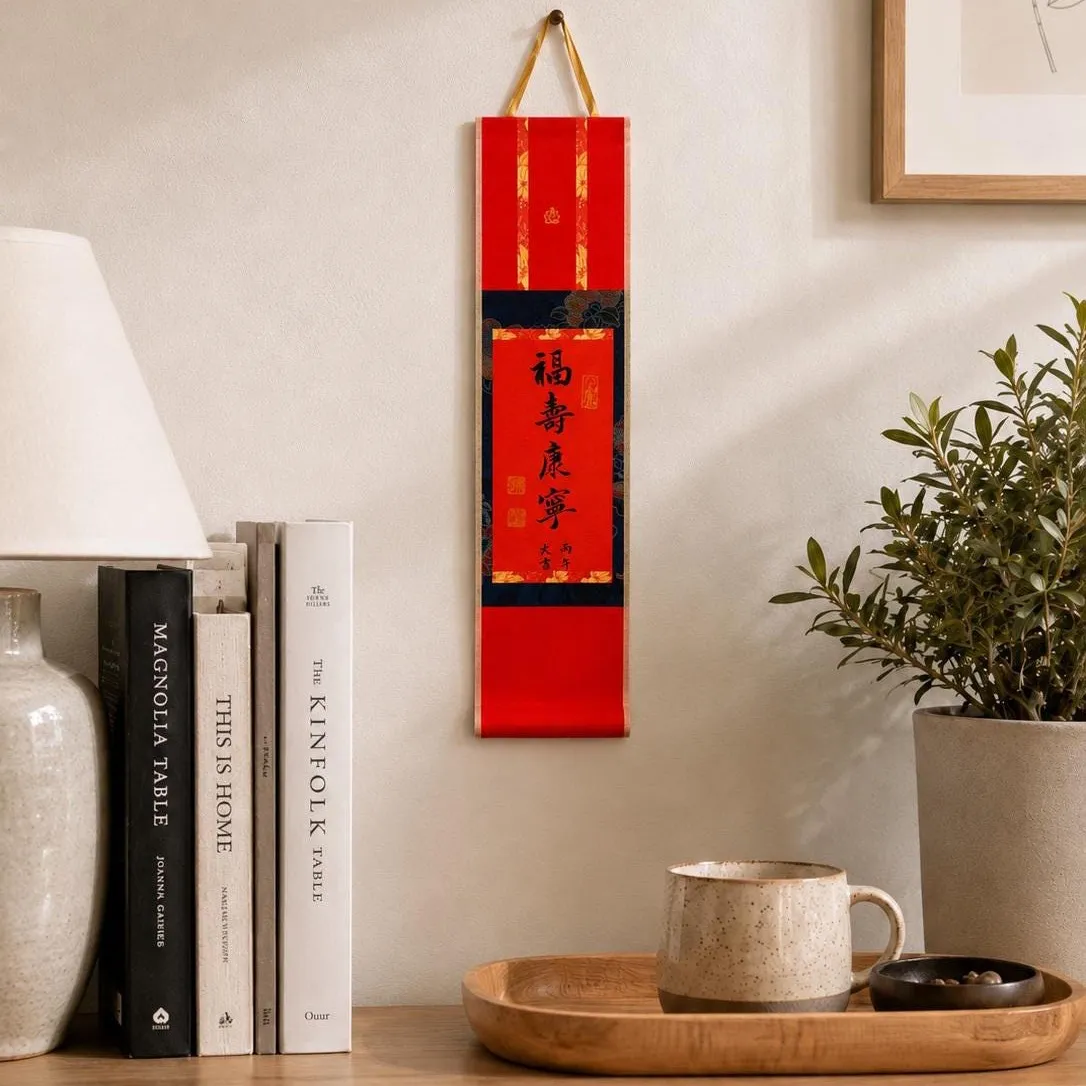
Photo shows a sample — yours will be brushed with 和, or any character you choose.
Wall Scroll — for walls & housewarmingsfrom $38→ -
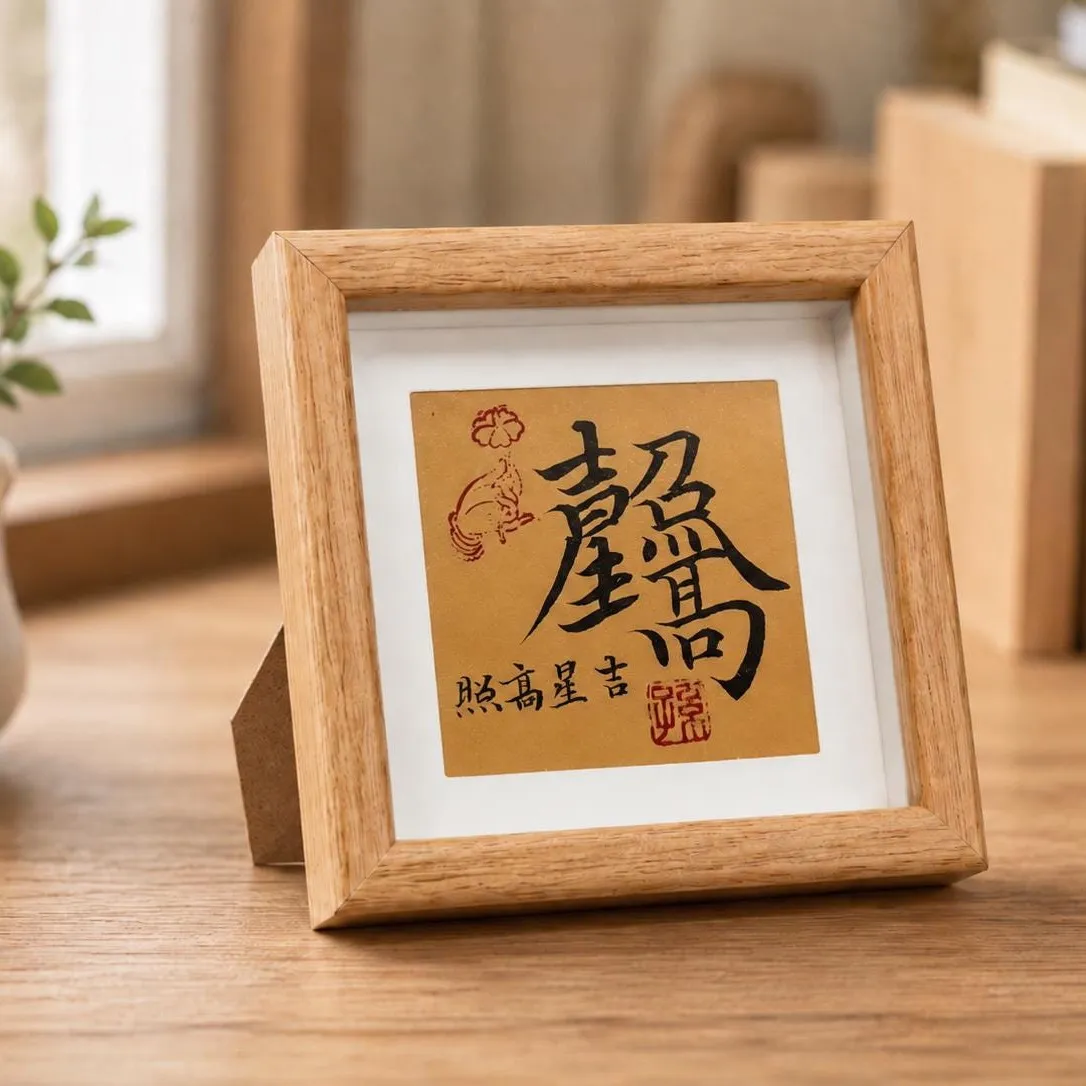
Photo shows a sample — yours will be brushed with 和, or any character you choose.
Desk Frame — for desks, studies & studiosfrom $44→ -
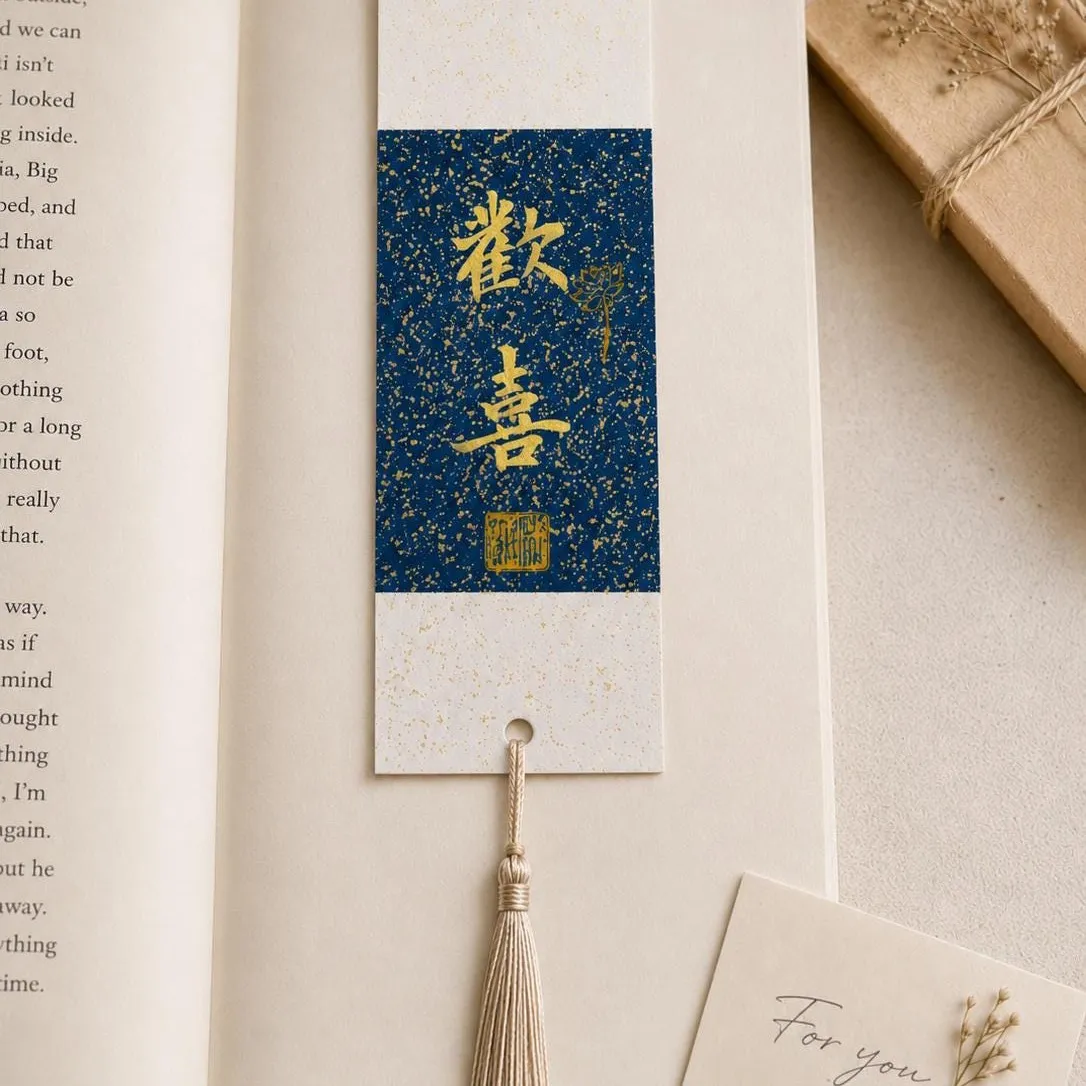
Photo shows a sample — yours will be brushed with 和, or any character you choose.
Bookmark — for readers & small thank-yousfrom $17→
What people said after it arrived.
-
The item is fantastic. The customer service was genuine. Thanks!
— M.Verified purchase · from our Etsy shop reviews · -
They were great they gave me exactly what I asked for and then some. Thank you!!
— G.Verified purchase · from our Etsy shop reviews · -
It is well designed and customized. My daughter loves it. Amazing gift for family’s d friends
— S.Verified purchase · from our Etsy shop reviews ·
Each "和" is hand-brushed by Artist Lina Sun on rice paper.
See 和 (Hé) on Etsy →