福 (fú) — Blessing · Good Fortune · Happiness
A single character.
福 (fú) means blessing, good fortune, and happiness in Chinese. It names a complete life where nothing important is missing — health, peace, family, and well-being held together — not one lucky break. English luck is too random; prosperity is too narrow. Artist Lina Sun hand-brushes each 福 on rice paper.
If you could pick only one Chinese character to give someone — one that covers health, happiness, family, prosperity, and peace all at once — this is the one. “福” (fú) is the character Chinese families have chosen for that purpose for over three thousand years.
Every Lunar New Year, it goes up on front doors across China. At weddings, it’s written in gold. At birthdays, it’s the wish that says everything without needing to pick just one thing. 福 doesn’t specialize — it’s the blessing that holds all the other blessings inside it.
That’s what makes it the right starting point if you’re not sure which character to choose. A hand-brushed “福” by Artist Lina Sun is the most universal wish you can give: a whole good life, in a single stroke of ink.
- blessing
- a whole good life
- well-being
- the wish that holds all other wishes
- luck Too random. 福 isn't a lucky break — it's the slow accumulation of a life that works.
- prosperity Too narrow. Prosperity is one piece of 福. Health, peace, family, and a good heart are the others.
- happiness Close, but happiness is a feeling. 福 is the conditions under which happiness becomes possible.
The short arms are the point: these readings don’t reach it.
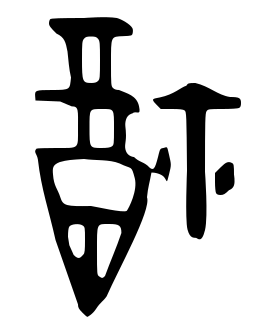
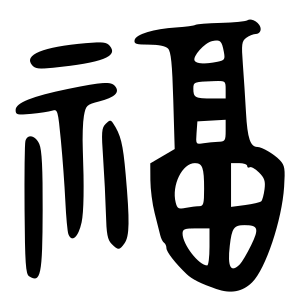
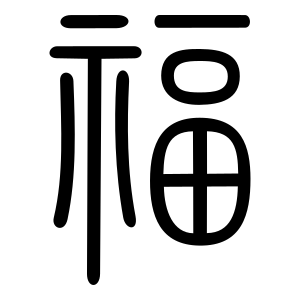
- 礻 altar / reverenceA simplified form of 示 — an ancestral altar. The signal that this character is about reverence and what's offered up to it.
- 畐 a full vesselOriginally a picture of a jar brimming with wine, raised in offering. Over time it came to mean abundance, fullness, a life with nothing missing.
character
- 幸福 xìng fú happiness — the felt experience of 福
- 祝福 zhù fú to bless — to wish 福 upon someone
- 福气 fú qì the air of being blessed — what others sense in a fortunate person
- 五福 wǔ fú the Five Blessings — the classical inventory of a good life
- 福寿 fú shòu blessing + long life — the most traditional wish for elders
The Story Behind the Character
Over three thousand years ago, someone carved a tiny picture into a turtle shell: a pair of hands raising a jar of wine before an altar. It was a prayer — an offering to the gods, asking for good things to come. That picture is the oldest known form of 福.
The wine jar eventually simplified, the hands disappeared, but the shape kept its meaning through every dynasty that followed. By the time China's first dictionary was written (Shuowen Jiezi, c. 100 CE), the definition was simple: "福,祐也" — blessing means to be watched over, to be protected by something larger than yourself.
But the most interesting reading came later: a scholar named Duan Yucai argued that the original meaning wasn't protection at all — it was completeness. "福者備也": to have 福 is to have nothing missing. Not one lucky break, but a life where all the important pieces are in place.
Classical lines
- roughly 400 years
- c. 200 BCE 《礼记·祭统》
- c. 208 CE 曹操《龟虽寿》
One further source is quoted below without a date printed, so it stays off the rail.
福者,备也;备者,百顺之名也。 Blessing means completeness; and completeness is the name for everything going right.
The classical definition that anchors the deepest reading of 福: not a single lucky break but a life where nothing important is missing. This is the source behind the scholar Duan Yucai's claim that 福 means 备 — to have it all in place.
祸兮,福之所倚;福兮,祸之所伏。 Bad luck leans against good luck; good luck hides bad luck inside it.
Laozi's way of saying: fortune and misfortune are never far apart. The wisest response to either is the same — stay steady.
养怡之福,可得永年。 The blessing of a contented heart can stretch your years.
Cao Cao wrote this in his fifties, already a warlord and poet. His point: inner peace is the one blessing that compounds over time.
Why This Character Matters
Every Chinese New Year, hundreds of millions of families paste a 福 on their front door. Many hang it upside-down on purpose — because "upside-down" (倒, dào) sounds exactly like "arrived" (到, dào) in Chinese. An upside-down 福 is a visual pun: blessings have arrived. Guests see it, smile, and say "福到了!" It's one of the oldest and most playful traditions still alive today.
But 福 isn't just a New Year decoration. In Chinese thought, it represents something closer to "a life where nothing important is missing." Over 2,500 years ago, the Book of Documents listed five things that together make up 福: a long life, enough to live on, health and peace of mind, a good heart, and a gentle end. Not one lucky moment — a whole life that works. That's the wish you're giving when you give someone a 福.
福 is THE most common blessing character in Chinese culture — it appears on doors, red envelopes, ceramics, everywhere. A Chinese person seeing it as a tattoo would find it wholesome but very common, like getting the word 'Blessed' tattooed in English. The calligraphy quality matters more than the character choice, because everyone knows exactly what 福 should look like.
Calligraphy Styles for Tattoos
- Regular script (楷书 kǎishū) Best for tattoos
The complex structure of 福 demands clarity — 13 strokes with a dense right side. Regular script keeps every radical legible. Minimum recommended size: 2 inches.
- Running script (行书 xíngshū) Good for larger pieces
Adds fluid energy to the character, but at smaller sizes the dense right side 畐 can blur together. Works best at 3+ inches where the strokes have room to breathe.
- Cursive script (草书 cǎoshū) Only with an expert calligrapher
With multiple radicals packed into one character, cursive 福 risks becoming unreadable. The left radical 礻 and the right side 畐 can merge into an indistinct shape. Only attempt this with a calligrapher who specializes in cursive.
Common Mistakes to Avoid
- Getting 福 tattooed upside down (倒福)Intended: Blessing or good fortune
In Chinese culture, hanging 福 upside down on doors is intentional — 倒 (dào, upside down) sounds like 到 (dào, arrive), so it means 'fortune has arrived.' But as a permanent tattoo, this cultural pun is almost always misunderstood. It just looks like you got the character the wrong way up.
- Writing the left radical as 衤 (clothing) instead of 礻 (altar)Intended: 福 with the altar radical 示
The left side of 福 is 礻, a simplified form of 示 (altar/spirit). It has one dot on the left. The clothing radical 衤 has two dots. Mixing them up changes the character's meaning entirely — from a blessing tied to the altar to something related to garments.
Notes for Your Tattoo Artist
13 strokes. The right side 畐 is dense and needs room to breathe — a cramped right side is the most common proportion error. The left radical 礻 is only 4 strokes and should be kept narrow. Plan for a minimum of 2 inches to keep the radical structure legible.
A few characters live near "福" but mean something quieter, sharper, or more specific. Here's how to tell them apart.
a whole life that works — quiet, lasting, accumulated
a life with nothing important missing
material wealth, specifically — money, abundance of things
the full picture — health, peace, family, longevity together
The most traditional moment for "福" — a heartfelt wish for a year of joy, harmony, and peace ahead.
- The most traditional moment for "福" — a heartfelt wish for a year of joy, harmony, and peace ahead.
- Housewarming · A New HomeA meaningful welcome for a friend or family beginning a new chapter — expressing wishes for warmth and belonging in their new space.
- For the parents who have shaped your life. "福" is a quiet way to wish them health, peace, and the comfort of a life well lived.
- For a birthday — especially a milestone — 福 is the most encompassing wish available: health, peace, comfort, family, all gathered in a single character. If you're unsure where to start, start here.
- A blessing for two people building a life together — for harmony, prosperity, and the years ahead.
Mom · Dad · Wife · Husband · Friend · Best Friend · Coworker · Boss · Parent · Grandparent · New Couple · New Homeowner · or yourself
福 is one of the characters we use to write Western names in Chinese. See it at work:
-
What does 福 mean in Chinese?
福 (fú) means blessing, good fortune, and happiness in Chinese. It names a complete life where nothing important is missing — health, peace, family, and well-being held together — not one lucky break. English luck is too random; prosperity is too narrow. Artist Lina Sun hand-brushes each 福 on rice paper.
-
What occasions is 福 given for?
福 is traditionally given for Chinese New Year, Housewarming · A New Home, Mother's Day · Father's Day, Birthday, Wedding · Anniversary. The most traditional moment for "福" — a heartfelt wish for a year of joy, harmony, and peace ahead. A meaningful welcome for a friend or family beginning a new chapter — expressing wishes for warmth and belonging in their new space.
-
Is 福 a good Chinese tattoo?
福 is THE most common blessing character in Chinese culture — it appears on doors, red envelopes, ceramics, everywhere. A Chinese person seeing it as a tattoo would find it wholesome but very common, like getting the word 'Blessed' tattooed in English. The calligraphy quality matters more than the character choice, because everyone knows exactly what 福 should look like.
-
Who brushes the 福 calligraphy?
Each 福 (Fú) is hand-brushed to order by Artist Lina Sun in ink on rice paper — never printed, never repeated.
Bring 福 home — choose how you'd like it brushed.
-
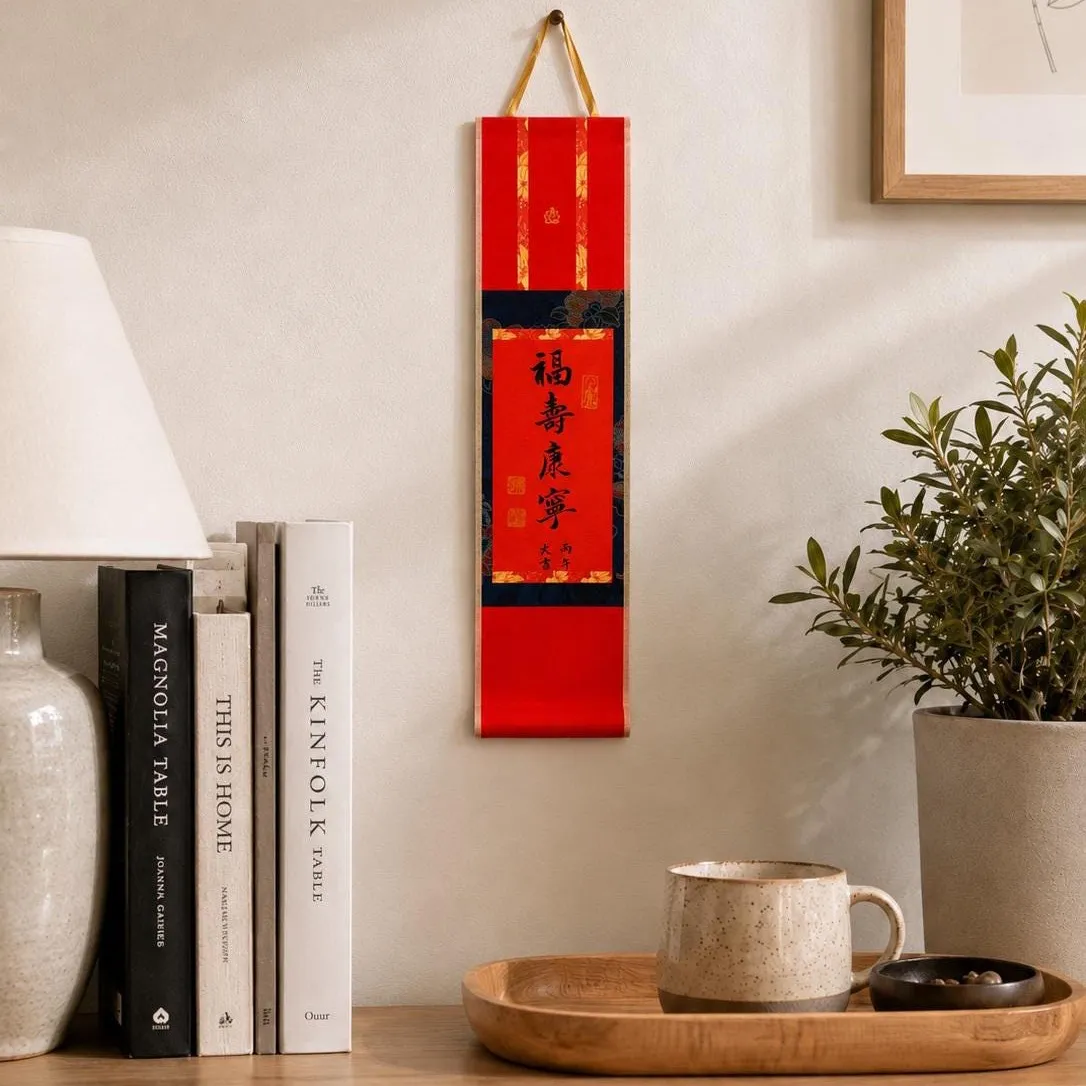
Photo shows a sample — yours will be brushed with 福, or any character you choose.
Wall Scroll — for walls & housewarmingsfrom $38→ -
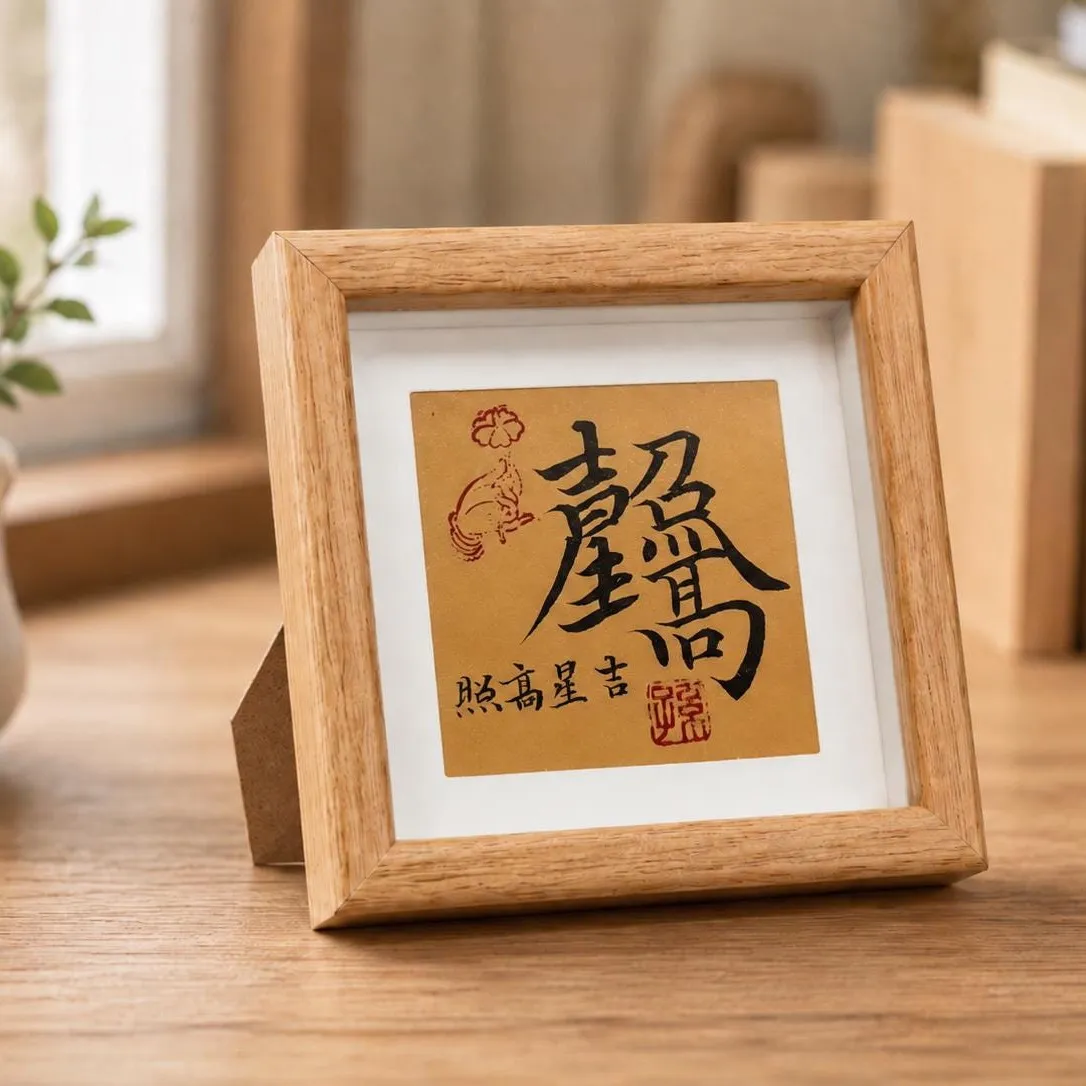
Photo shows a sample — yours will be brushed with 福, or any character you choose.
Desk Frame — for desks, studies & studiosfrom $44→ -
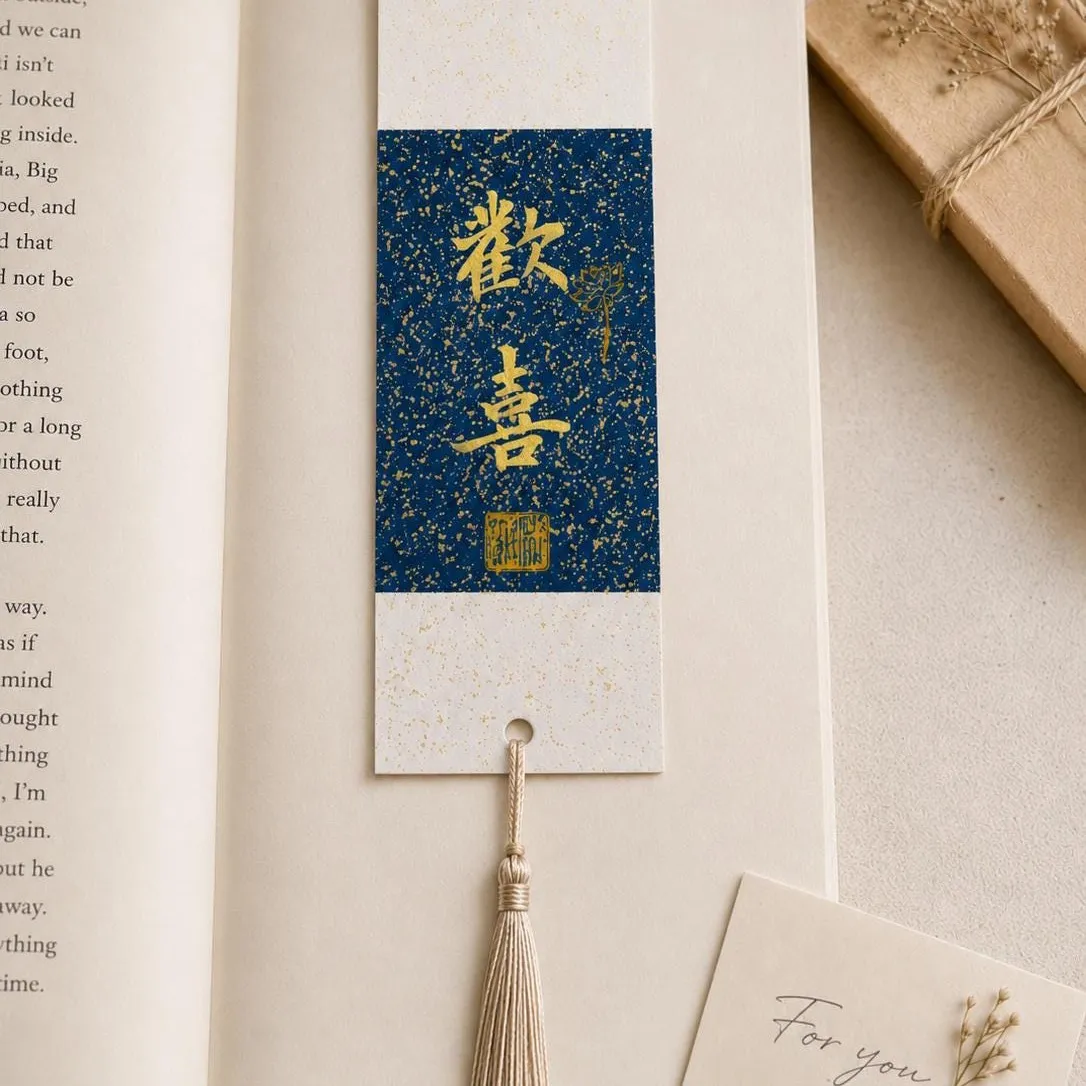
Photo shows a sample — yours will be brushed with 福, or any character you choose.
Bookmark — for readers & small thank-yousfrom $17→
What people said after it arrived.
-
The item is fantastic. The customer service was genuine. Thanks!
— M.Verified purchase · from our Etsy shop reviews · -
They were great they gave me exactly what I asked for and then some. Thank you!!
— G.Verified purchase · from our Etsy shop reviews · -
It is well designed and customized. My daughter loves it. Amazing gift for family’s d friends
— S.Verified purchase · from our Etsy shop reviews ·
Each "福" is hand-brushed by Artist Lina Sun on rice paper.
See 福 (Fú) on Etsy →