永恒 (yǒng héng) — Eternal · Everlasting · Beyond the Reach of Time
A two-character word, not a single character.
永远 and 长久 both point at a long time, but 永恒 is not really a length at all — it is a love lifted out of time. What sets it apart from its cousins 长久 and 恒久 is that those name stretches, however great, that still live inside the clock and could, in principle, run out; 永恒 names the forever that has no end and no change, the kind Chinese has always reserved for heaven and earth rather than for anything human. To write it over a marriage or a friendship is to borrow the largest word the language keeps and stake an ordinary love on it. It is built from 永, the long watercourse that runs on past the frame, and 恒, the steady heart that does not waver — endlessness and unchangingness fused into one. See 恒 →
That is why the tradition swears eternity by pointing at what would have to break first. The Han folk oath 《上邪》 promises love 长命无绝衰 — without end, without fading — and lasting until the hills flatten, the rivers run dry, and snow falls in summer. Laozi’s 天长地久, “as lasting as heaven, as enduring as earth,” became the plainest phrase a couple could carve on a gift, and 白居易 drew the same forever as two birds sharing one pair of wings and two branches grown into a single grain. Written four characters wide as 永结同心 — forever joined of one heart — it goes on wedding scrolls and the knots tied into red gift-cord, the promise one person makes another that this is meant to have no end.
A hand-brushed “永恒” by FuBlessings is the gift for the marriage renewed on its anniversary, the partner on Valentine’s Day, or the oldest friend who has been in your life longer than most relatives have. It does not wish them a long time — long times end. It wishes them the other kind: the love the language places beyond the reach of the clock, sworn the way it has always been sworn, against everything that would have to fail before it did.
- eternal — lasting forever, with no end
- everlasting and unchanging at once
- placed outside time, the way heaven and earth are
- the forever of a vow — 天长地久, 永结同心
- long-lasting 长久 and 恒久 are long stretches of time — real, but finite; they live inside time and could still end. 永恒 is length made absolute, without any end at all.
- 恒 恒 is constancy within time — showing up at day three hundred with the same standard as day one. 永恒 adds the endlessness: not just steady while it lasts, but meant never to stop.
- immortal 长生 / 不朽 is about not dying — a body or a name outlasting death. 永恒 is about a quality or a bond having no end in time; it need not be alive to be eternal.
The short arms are the point: these readings don’t reach it.
- 永 long / lasting / foreverA long watercourse — a stream branching and running on past the frame. 《说文》: 长也 — long. From water that does not stop, it became length in time itself: forever.
- 恒 constant / steady / unchangingThe heart radical 忄 beside 亘, the sun crossing the full span between an upper and lower line. 《说文》: 常也 — the constant state. Duration that holds without wavering.
characters
- 永远 yǒng yuǎn forever, always — the everyday spoken word for without-end, less absolute than 永恒
- 永久 yǒng jiǔ permanent, perpetual — lasting indefinitely, the practical cousin of 永恒
- 天长地久 tiān cháng dì jiǔ as lasting as heaven and earth — the four-word phrase for eternal love, from Laozi
- 永结同心 yǒng jié tóng xīn forever joined of one heart — the wedding blessing written on scrolls and gift knots
- 海枯石烂 hǎi kū shí làn till the seas dry and the rocks crumble — a love that ends only when nature does
Cinnabar marks the characters 永恒 actually contains. The dark row is a relative by meaning or by sound, not one shared stroke.
The Story Behind the Character
永 begins in water. 《说文解字》(c. 100 CE) glossed it plainly as 长也 — "long" — and read its shape as 象水巠理之长, the picture of a long watercourse: a main stream throwing off a branch, the current running on and on past the edge of the frame. Some scholars read the oldest bone-script form as a figure swimming in that current — the water so long it can only be crossed by swimming, which is why 永 became the phonetic root of 泳, to swim. Either way the image is the same: length that does not stop, a line of water carrying past every visible bound. From long water, 永 grew its abstract sense — long in time, lasting, forever.
恒 supplies what 永 alone cannot: not just length but steadiness. Its right side is 亘 (gèn), the sun set between an upper line and a lower one — the sky's limit above, the earth below — picturing the sun's daily arc crossing the whole span without a break. Add the heart radical 忄 and you have the heart that keeps going like the sun: 《说文》 reads 恒 as 常也, the constant state, the ordinary course that does not waver. 永 is duration without end; 恒 is duration without change. [See 恒 →](/library/heng/)
Bound together, 永恒 names the thing that is both — endless and unaltering, lasting forever precisely because nothing in it turns. This is why Chinese reserves 永恒 for a different order of thing than 长久 (long-lasting) or 恒久 (enduring): those live inside time and could still, in principle, end. 永恒 is placed outside it. When two people write 永恒 on a wedding scroll or engrave it inside a ring, they are not wishing each other a long time together. They are borrowing the word the language keeps for what time cannot touch, and staking a human love on it.
Classical lines
- roughly 1,100 years
- c. 300 BCE 《庄子·大宗师》
- c. 1st c. BCE 《上邪》汉乐府
- 806 《长恨歌》白居易
上邪!我欲与君相知,长命无绝衰。山无陵,江水为竭,冬雷震震,夏雨雪,天地合,乃敢与君绝。 By Heaven above! I want to know you, our lives long and never fading. Only when the hills flatten, the rivers run dry, thunder rolls in winter and snow falls in summer, when heaven and earth fuse together
only then will I part from you. — The most absolute love oath in Chinese, sworn not by a poet but in the voice of an ordinary woman. Eternity is defined by stacking impossibilities: the love ends only when nature itself does. It is 永恒 spoken as a vow.
先天地生而不为久,长于上古而不为老。 It was born before heaven and earth, and is not counted as having lasted long; it is older than the earliest ages, and is not counted old.
Zhuangzi is describing 道, and the odd grammar is the whole point: the thing with no end cannot be complimented on its duration, because duration is a ruler it was never laid against. That is the distinction 永恒 inherits — 长久 is a great many years, 永恒 is not a number of years at all.
在天愿作比翼鸟,在地愿为连理枝。 In heaven, may we be birds that fly on shared wings; on earth, may we be branches grown into one.
The vow Bai Juyi gives his separated lovers: two birds that each have only one wing and must fly joined, two boughs fused into a single grain. It became the classic image of a bond meant to be permanent — 永恒 drawn not as a span of time but as two things made one.
Why This Character Matters
The single most common phrase for "forever" in Chinese is not abstract at all — it is 天长地久, "as long as heaven, as enduring as earth," and it comes straight from Laozi's chapter on why the cosmos lasts. When a couple wants to say their love will have no end, they do not reach for a word about time; they reach for the two oldest, largest, most permanent things they can name and measure the love against them. The same instinct runs through 海枯石烂 (till the seas dry and the rocks crumble) and the oath of 《上邪》: eternity in Chinese is almost always sworn by pointing at what would have to break first.
Because 永恒 sits just outside ordinary time, it carries a faint weight the lighter blessings do not. 白居易 titled his great love poem 长恨歌 — the Song of Everlasting Regret — and closed it on the line 天长地久有时尽,此恨绵绵无绝期: even heaven and earth's endurance runs out someday, but this longing has no end. The poem is a reminder that the Chinese imagination knows eternity cuts both ways — a love placed beyond time, and a grief that outlasts it. To give 永恒 is to choose the first meaning deliberately: to wish someone the version of forever that is a promise, not a wound.
A few characters live near "永恒" but mean something quieter, sharper, or more specific. Here's how to tell them apart.
endlessness — a love meant to have no stopping point at all, placed outside time
constancy inside time — the steady, unwavering showing-up, day three hundred like day one
the duration the bond is promised — forever, without end
the feeling itself — the love that hopes to be given that forever
Most anniversary blessings measure what the years have built — 恒 the constancy behind them, 圆满 the whole they closed into, 美满 the happiness they held.
- Most anniversary blessings measure what the years have built — 恒 the constancy behind them, 圆满 the whole they closed into, 美满 the happiness they held. 永恒 measures something else: not what the marriage has accumulated but how long it means to last. It is the vow register — 天长地久, 永结同心, the language of rings and wedding scrolls — carried into the anniversary as a renewal. Where 恒 recognizes that he or she has shown up year after year, 永恒 answers with the promise underneath that record: not just that the love has lasted, but that it is meant to have no end.
- Valentine's tends toward the warmth of the present — 温 the steady heat of a long love, 美 the quality you observe up close. 永恒 reaches past the present entirely and names the one thing the day is secretly asking: will this last? It is the word behind every oath in the tradition, from the Han folk singer who swore to love 长命无绝衰 — without end, without fading — until rivers run dry and summer thunders with snow. For the partner you want to promise not the feeling of tonight but a love placed beyond the reach of time.
Husband · Wife · Best Friend · or yourself
Looking for a name? See Western names written in Chinese →
-
What does 永恒 (yǒng héng) mean?
永恒 (yǒng héng) is a two-character Chinese word for eternal, everlasting, beyond the reach of time. 永远 and 长久 both point at a long time, but 永恒 is not really a length at all — it is a love lifted out of time. What sets it apart from its cousins 长久 and 恒久 is that those name stretches, however great, that still live inside the clock and could, in principle, run out; 永恒 names the forever that has no end and no change, the kind Chinese has always reserved for heaven and earth rather than for anything human. To write it over a marriage or a friendship is to borrow the largest word the language keeps and stake an ordinary love on it. It is built from 永, the long watercourse that runs on past the frame, and 恒, the steady heart that does not waver — endlessness and unchangingness fused into one. See 恒 → The single most common phrase for "forever" in Chinese is not abstract at all — it is 天长地久, "as long as heaven, as enduring as earth," and it comes straight from Laozi's chapter on why the cosmos lasts. When a couple wants to say their love will have no end, they do not reach for a word about time; they reach for the two oldest, largest, most permanent things they can name and measure the love against them. The same instinct runs through 海枯石烂 (till the seas dry and the rocks crumble) and the oath of 《上邪》: eternity in Chinese is almost always sworn by pointing at what would have to break first.
-
What occasions is 永恒 given for?
永恒 is traditionally given for Anniversary, Valentine's Day. Most anniversary blessings measure what the years have built — 恒 the constancy behind them, 圆满 the whole they closed into, 美满 the happiness they held. 永恒 measures something else: not what the marriage has accumulated but how long it means to last. It is the vow register — 天长地久, 永结同心, the language of rings and wedding scrolls — carried into the anniversary as a renewal. Where 恒 recognizes that he or she has shown up year after year, 永恒 answers with the promise underneath that record: not just that the love has lasted, but that it is meant to have no end. Valentine's tends toward the warmth of the present — 温 the steady heat of a long love, 美 the quality you observe up close. 永恒 reaches past the present entirely and names the one thing the day is secretly asking: will this last? It is the word behind every oath in the tradition, from the Han folk singer who swore to love 长命无绝衰 — without end, without fading — until rivers run dry and summer thunders with snow. For the partner you want to promise not the feeling of tonight but a love placed beyond the reach of time.
-
Who brushes the 永恒 calligraphy?
FuBlessings hand-brushes each 永恒 (Yǒng Héng) to order, in ink on rice paper — never printed, never repeated.
Bring 永恒 home — choose how you'd like it brushed.
-
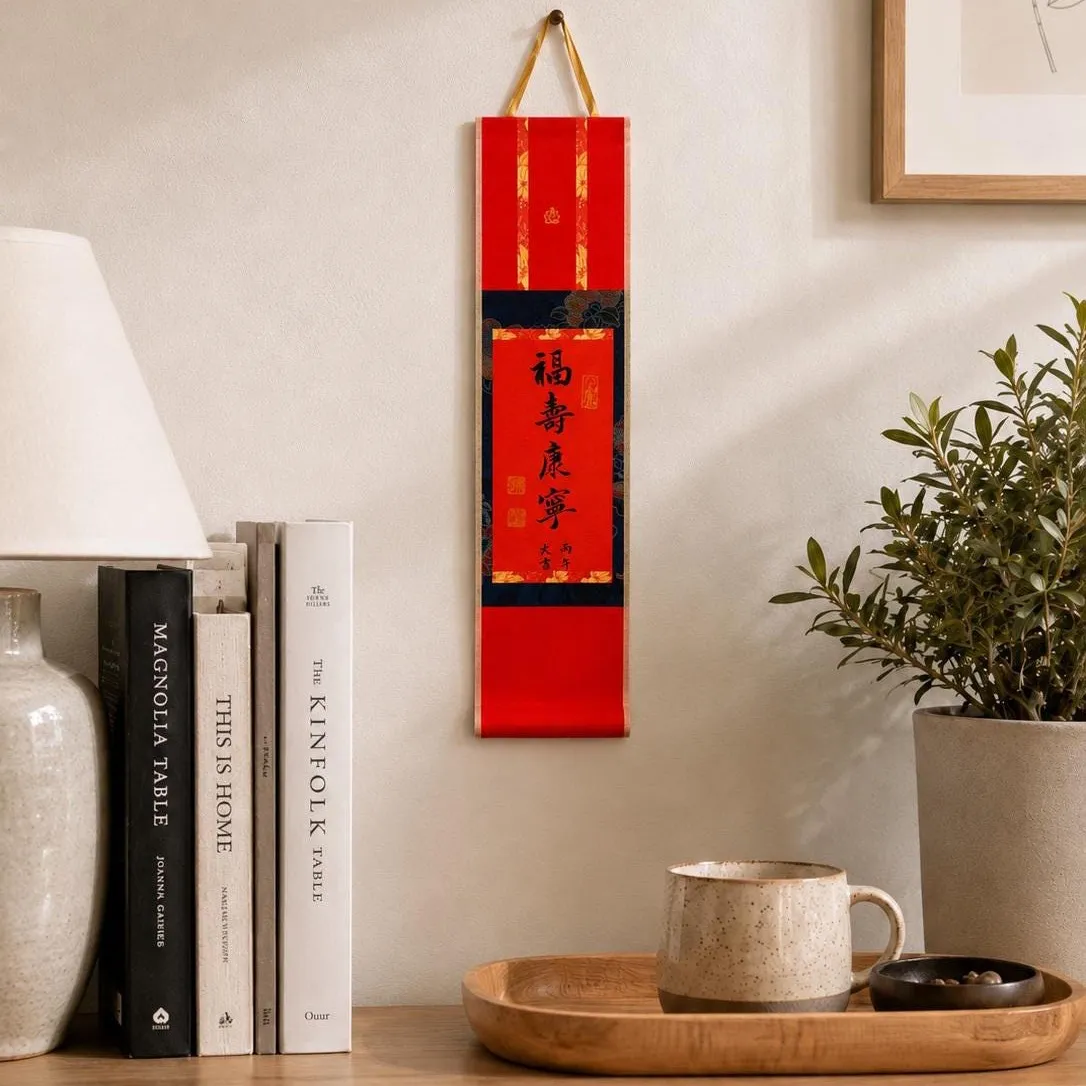
Photo shows a sample — yours will be brushed with 永恒, or any character you choose.
Wall Scroll — for walls & housewarmingsfrom $38→ -
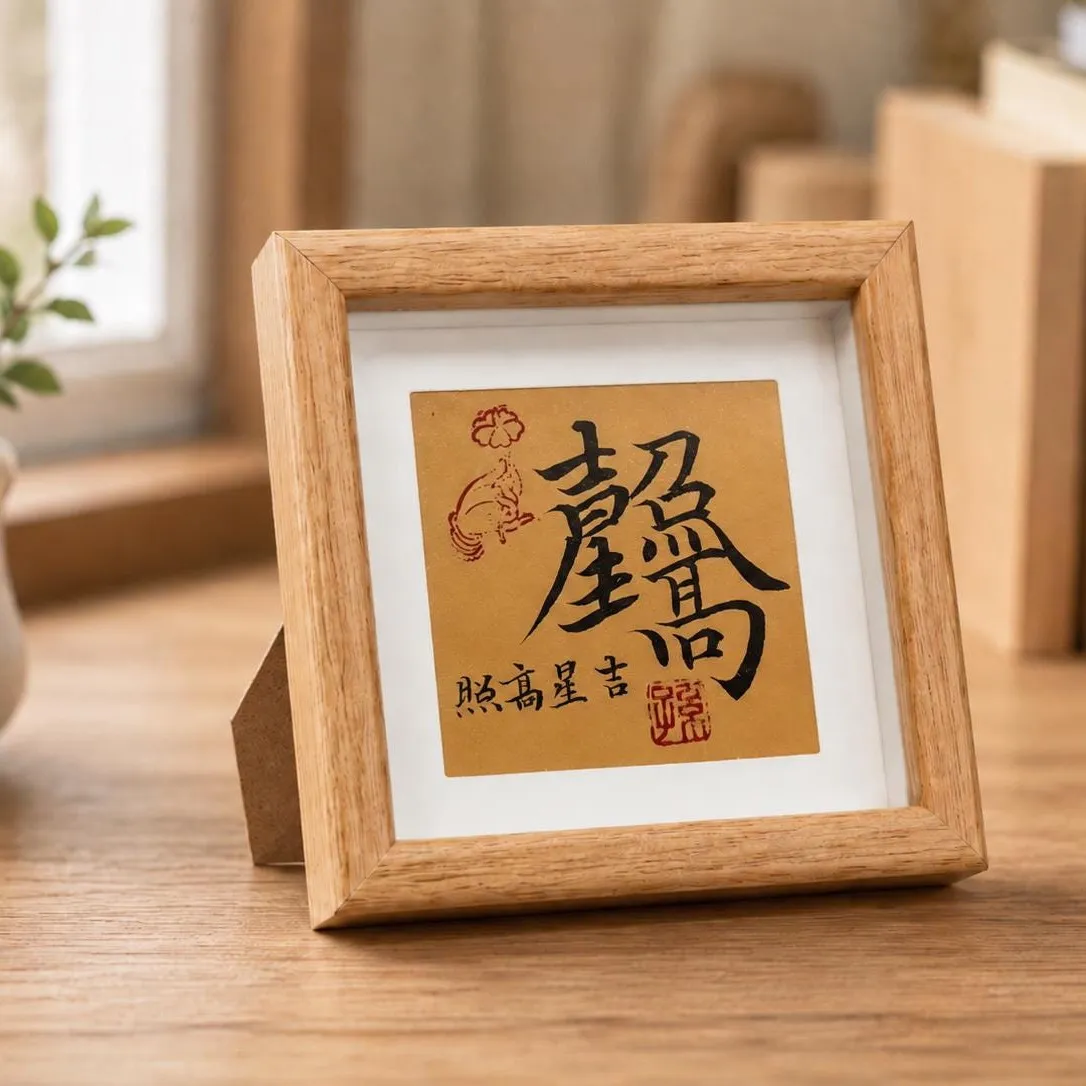
Photo shows a sample — yours will be brushed with 永恒, or any character you choose.
Desk Frame — for desks, studies & studiosfrom $44→ -
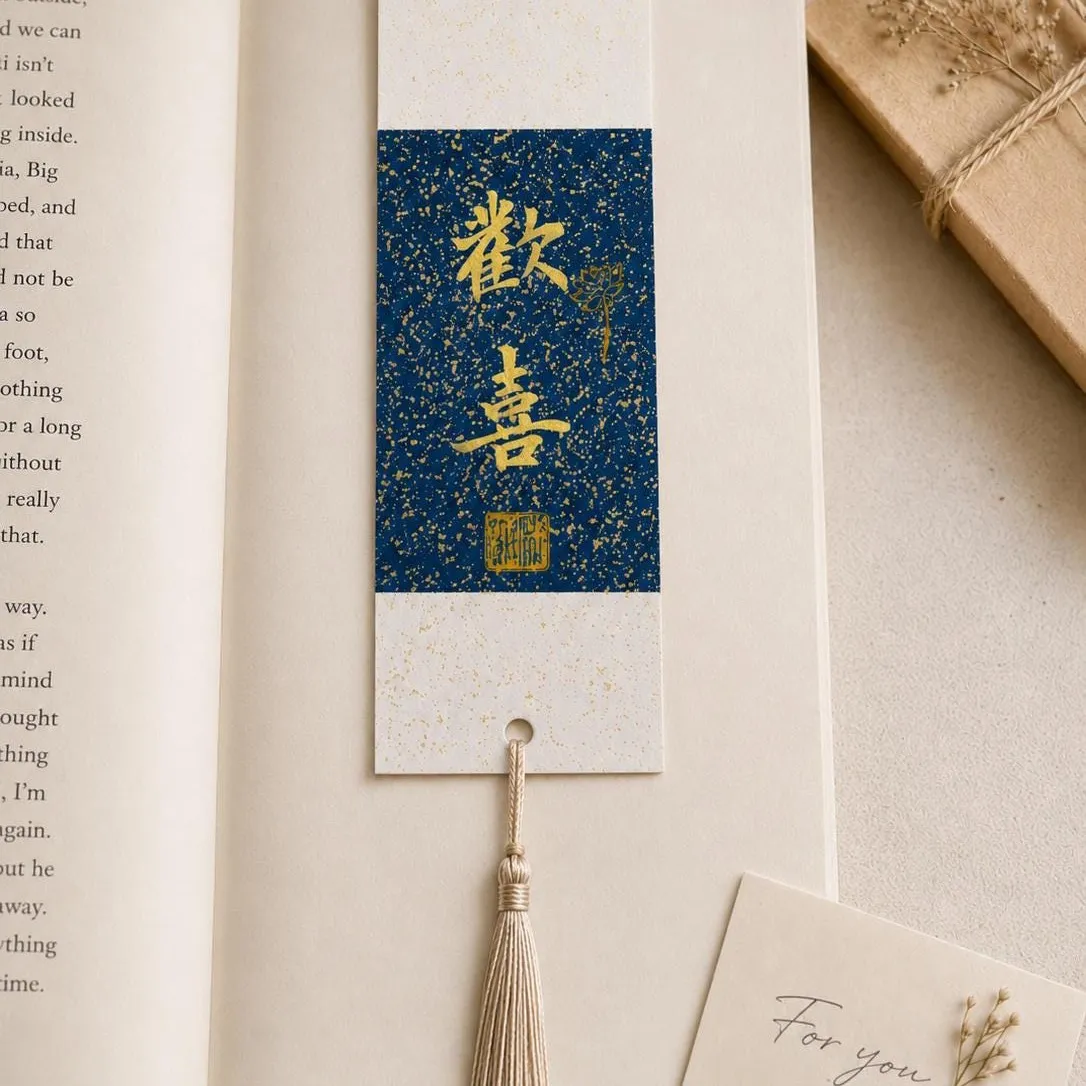
Photo shows a sample — yours will be brushed with 永恒, or any character you choose.
Bookmark — for readers & small thank-yousfrom $14→
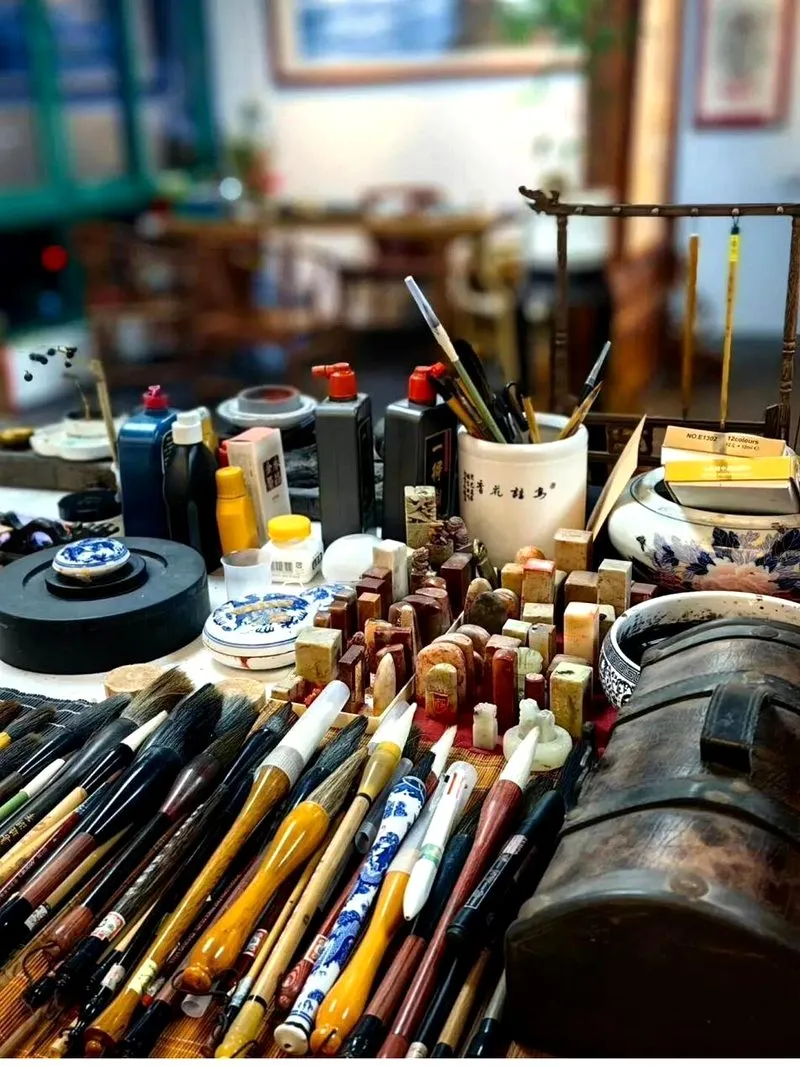
What people said after it arrived.
-
The item is fantastic. The customer service was genuine. Thanks!
— M.Verified purchase · from our Etsy shop reviews · -
They were great they gave me exactly what I asked for and then some. Thank you!!
— G.Verified purchase · from our Etsy shop reviews · -
It is well designed and customized. My daughter loves it. Amazing gift for family’s d friends
— S.Verified purchase · from our Etsy shop reviews ·
Each "永恒" is hand-brushed by FuBlessings on rice paper.
See 永恒 (Yǒng Héng) on Etsy →