忠 (zhōng) — Loyalty · Faithfulness · Wholehearted Devotion
A single character.
Every evening, Confucius’s disciple Zengzi examined himself on three questions, and the first one he asked was about 忠: had he been faithful in his dealings with others? Before health, before success, before propriety — this came first. That ranking tells you what the character is. 忠 is not one more word for reliability alongside 信 (the friend who keeps their word) or 诚 (the person who means what they say). It is something more fundamental: the orientation of the whole heart toward another person — the faithfulness that runs before any specific promise was made and continues after any particular expectation has been met. Confucius called it, together with 恕 (understanding of others), the single thread running through all of ethics. Not a rule, not a contract — a direction.
The character itself encodes this. 中 (center) sits above 心 (heart): a centered heart, pointed toward something outside itself. In Chinese, calling someone 忠厚 or 忠实 names the quality that shows up at inconvenient moments, not just comfortable ones — the colleague who tells you an unwelcome truth because they are oriented toward your actual good rather than toward their own ease. The loyal person in the Confucian tradition is not the one who always agrees. It is the one whose care runs deep enough to be honest.
A hand-brushed 忠 by FuBlessings is the gift for someone whose faithfulness has been a fact rather than a declaration — the partner whose choice to remain has been made again, quietly, across all the years. On an anniversary, it names what the date actually marks. Given to a close friend or a mentor, it recognizes a quality that most people do not name while they are receiving it.
- wholehearted faithfulness
- committed orientation toward another
- loyalty without calculation
- the centered-heart quality in a lasting relationship
- obedience Too passive. Confucian 忠 explicitly includes honest counsel and even disagreement — the loyal minister who tells the ruler a hard truth, not the one who agrees with everything.
- trustworthiness That is 信 — reliability in what was promised. 忠 is the deeper orientation from which 信 arises: not just keeping specific commitments but being genuinely centered on the other person's wellbeing.
- devotion Close, but devotion implies intensity of feeling. 忠 is more structural — the direction the heart faces, steadily, regardless of the emotional weather of any given day.
The short arms are the point: these readings don’t reach it.
- 中 center, middleA pole marking the center of a gathering place — the axis around which a community oriented. Set above the heart, it makes loyalty a matter of direction: the heart pointed toward its center, not pulled sideways by self-interest.
- 心 heart, mindThe source of all inner states in Chinese thought — intention, feeling, decision. 心 at the base of 忠 makes faithfulness a quality of the whole person, not just a behavior.
character
- 忠诚 zhōng chéng absolute loyalty — the most complete form of 忠, combined with 诚 (sincerity)
- 忠实 zhōng shí loyal and honest — faithful in both relationship and word
- 忠厚 zhōng hòu loyal and substantial — the kind of reliability that is felt as weight, not just promised
- 忠告 zhōng gào honest counsel — the advice given faithfully, even when it is unwelcome
- 精忠 jīng zhōng utter, refined loyalty — the term used for the highest degree of 忠, as in 精忠报国
The Story Behind the Character
The character 忠 is built from 中 (zhōng, middle, center) on top and 心 (xīn, heart) below — literally, a centered heart. The earliest bronze inscriptions show 中 as a pole marking the center of a gathering place: the spot where a community oriented itself. Set that image above the heart, and the meaning becomes precise. To be 忠 is not to submit or obey — it is to act from the center of one's heart, without deviation toward self-interest or calculation.
China's first dictionary (说文解字, c. 100 CE) defined 忠 as 敬也 — reverence, seriousness. But the character's real philosophical weight came through Confucius, who used it to describe the first principle of how to treat others. When his disciple Zengzi was asked to name the single thread running through all the Master's teaching, he replied: 忠恕而已矣 — "faithfulness to others and understanding of others — that is all." 忠 came first because it governed the direction of the whole relationship: toward the other, not toward oneself.
What distinguishes 忠 in the Chinese ethical tradition is this: it is not obedience. Classical Confucian texts consistently separate 忠 from flattery (佞, nìng). The truly loyal minister is the one who tells the ruler an uncomfortable truth — because telling the truth is what faithfulness to the relationship actually requires. 忠 is the quality of a friend who says what you need to hear, the mentor who does not simply affirm, and the partner whose care has never been transactional.
Classical lines
- roughly 1,800 years
- c. 500 BCE 《论语·学而》
- c. 500 BCE 《论语·颜渊》
- c. 1279 CE 文天祥《过零丁洋》
吾日三省吾身:为人谋而不忠乎?与朋友交而不信乎?传不习乎? Each day I examine myself on three points: have I been faithful in my dealings with others? Have I been sincere with friends? Have I practiced what I was taught?
Zengzi, Confucius's closest disciple, made 忠 the first question in his daily self-examination. Not health, not success, not propriety — faithfulness to others comes first.
主忠信,徙义,崇德也。 Hold loyalty and faithfulness as your first principles, and always be moving toward what is right
this is how you exalt virtue. — Confucius here treating 忠 not as a feeling but as a foundation: the practice on which moral development rests. You start by orienting faithfully toward others; everything else is built on that.
人生自古谁无死?留取丹心照汗青。 Since time began, who has ever lived without dying? Better to leave behind a loyal heart written in the history books.
The Song dynasty loyalist Wén Tiānxiáng, captured at Wǔpōlǐng in 1278, composed this the following year aboard a Yuan warship carrying him north past Língdīng Bay. He was held for four years and executed in 1283 after refusing to submit. In Chinese cultural memory, no verse better defines 忠: the commitment that outlasts the person who holds it.
Why This Character Matters
The idiom 精忠报国 (jīng zhōng bào guó — "utter loyalty, serve the country") was allegedly stitched onto the back of the Song general Yue Fei by his mother before he left for war. Whether the story is historical or legendary, the idiom has been quoted for eight centuries as the most concentrated expression of 忠 in Chinese life. It appears in school textbooks, on monuments, and in the titles of historical dramas — the four characters that most Chinese people would name if asked what 忠 means at its fullest.
But 忠 does not belong to the state alone. Its Confucian meaning is personal and relational before it is civic. Zengzi's daily self-examination — was I faithful? — is asked about dealings with individuals, not governments. The loyalty valued in Chinese marriages, friendships, and working relationships operates by the same logic: not the performance of commitment, but the centered-heart orientation that makes the commitment genuine over time. In Chinese, calling someone 忠实 (zhōng shí, loyal and honest) or 忠厚 (zhōng hòu, loyal and substantial) names a quality of whole-person reliability — the person who, in the language of the street, "would come through even if you didn't ask."
忠 is a character Chinese people associate with historical loyalty stories — Yue Fei, Zhuge Liang, Wen Tianzhang — and with the value 忠诚 in modern relationships. A Chinese person seeing this tattoo would read it as a statement about personal faithfulness rather than patriotism, which is the more interesting interpretation for contemporary gifting. It carries weight: choosing 忠 says something specific about the wearer's relationship to loyalty as a practice.
Calligraphy Styles for Tattoos
- Regular script (楷书 kǎishū) Best for tattoos
忠 has 8 strokes in a top-bottom structure: 中 (4 strokes) above 心 (4 strokes). Regular script keeps both components clearly readable and the character's structural logic — center above heart — visually legible.
- Running script (行书 xíngshū) Good for larger pieces
Running script gives 忠 a fluid, continuous quality. The 心 base flows naturally. At 2+ inches the connection between 中 and 心 gains expressiveness without losing legibility.
- Cursive script (草书 cǎoshū) Only with an expert calligrapher
In cursive, the 中 and 心 components can merge into an illegible mark unless the calligrapher is practiced with this specific character. The 心 base must remain identifiable.
Common Mistakes to Avoid
- Writing 中 without the center stroke fully enclosed (making it look like 口 with a line)Intended: 忠 with 中 properly centered: a vertical stroke through an enclosing frame
The distinctive feature of 中 is a vertical stroke that passes through and extends above and below an enclosing shape. If the vertical stroke does not extend, 中 collapses into 口 (mouth), and the character's meaning — centered heart — is lost.
- Drawing 心 with only 2 dots instead of 3Intended: 忠 with 心 correctly written: curved stroke and 3 dots
心 (heart) has exactly 3 dots. Reducing to 2 is a very common calligraphy error that makes 心 look incomplete and signals unfamiliarity with the character to any Chinese reader.
Notes for Your Tattoo Artist
8 strokes. Clean top-bottom structure: 中 (4 strokes) over 心 (4 strokes including 3 dots). The character is relatively compact and works well at 1.5+ inches. Main proportion challenge: give 心 enough height at the base — if it's compressed, the whole character looks like it's standing on nothing.
A few characters live near "忠" but mean something quieter, sharper, or more specific. Here's how to tell them apart.
the centered-heart orientation behind all faithfulness — loyalty as a way of being
trustworthiness in what was specifically promised — reliability in commitments made
faithful orientation toward another person — the relational quality
sincerity in what is stated — the interior honesty that makes speech trustworthy
the wholehearted direction of the relationship — loyalty as orientation
constancy as a pattern of showing up — persistence over time
An anniversary marks the fact of commitment — the years that have passed because someone kept choosing the relationship.
- An anniversary marks the fact of commitment — the years that have passed because someone kept choosing the relationship. 忠 names the interior condition behind that fact: not the habit of proximity, but the centered orientation of heart that sustained the choice through whatever those years asked. Where 恒 names constancy as a behavioral pattern, 忠 names the source from which constancy flows.
- For the husband, close friend, or mentor whose faithfulness to you has been a quiet gift rather than a declared one. 忠 on a birthday is a recognition before it is a wish — naming the wholehearted orientation that has made this person genuinely present in your life, not just occasional or convenient. The right choice when you want to name something real rather than wish for something prospective.
Husband · Best Friend · Boss · or yourself
Looking for a name? See Western names written in Chinese →
-
What does 忠 (zhōng) mean?
忠 (zhōng) is the Chinese character for loyalty, faithfulness, wholehearted devotion. Every evening, Confucius's disciple Zengzi examined himself on three questions, and the first one he asked was about 忠: had he been faithful in his dealings with others? Before health, before success, before propriety — this came first. That ranking tells you what the character is. 忠 is not one more word for reliability alongside 信 (the friend who keeps their word) or 诚 (the person who means what they say). It is something more fundamental: the orientation of the whole heart toward another person — the faithfulness that runs before any specific promise was made and continues after any particular expectation has been met. Confucius called it, together with 恕 (understanding of others), the single thread running through all of ethics. Not a rule, not a contract — a direction. The idiom 精忠报国 (jīng zhōng bào guó — "utter loyalty, serve the country") was allegedly stitched onto the back of the Song general Yue Fei by his mother before he left for war. Whether the story is historical or legendary, the idiom has been quoted for eight centuries as the most concentrated expression of 忠 in Chinese life. It appears in school textbooks, on monuments, and in the titles of historical dramas — the four characters that most Chinese people would name if asked what 忠 means at its fullest.
-
What occasions is 忠 given for?
忠 is traditionally given for Anniversary, Birthday. An anniversary marks the fact of commitment — the years that have passed because someone kept choosing the relationship. 忠 names the interior condition behind that fact: not the habit of proximity, but the centered orientation of heart that sustained the choice through whatever those years asked. Where 恒 names constancy as a behavioral pattern, 忠 names the source from which constancy flows. For the husband, close friend, or mentor whose faithfulness to you has been a quiet gift rather than a declared one. 忠 on a birthday is a recognition before it is a wish — naming the wholehearted orientation that has made this person genuinely present in your life, not just occasional or convenient. The right choice when you want to name something real rather than wish for something prospective.
-
Is 忠 a good Chinese tattoo?
忠 is a character Chinese people associate with historical loyalty stories — Yue Fei, Zhuge Liang, Wen Tianzhang — and with the value 忠诚 in modern relationships. A Chinese person seeing this tattoo would read it as a statement about personal faithfulness rather than patriotism, which is the more interesting interpretation for contemporary gifting. It carries weight: choosing 忠 says something specific about the wearer's relationship to loyalty as a practice.
-
Who brushes the 忠 calligraphy?
FuBlessings hand-brushes each 忠 (Zhōng) to order, in ink on rice paper — never printed, never repeated.
Bring 忠 home — choose how you'd like it brushed.
-
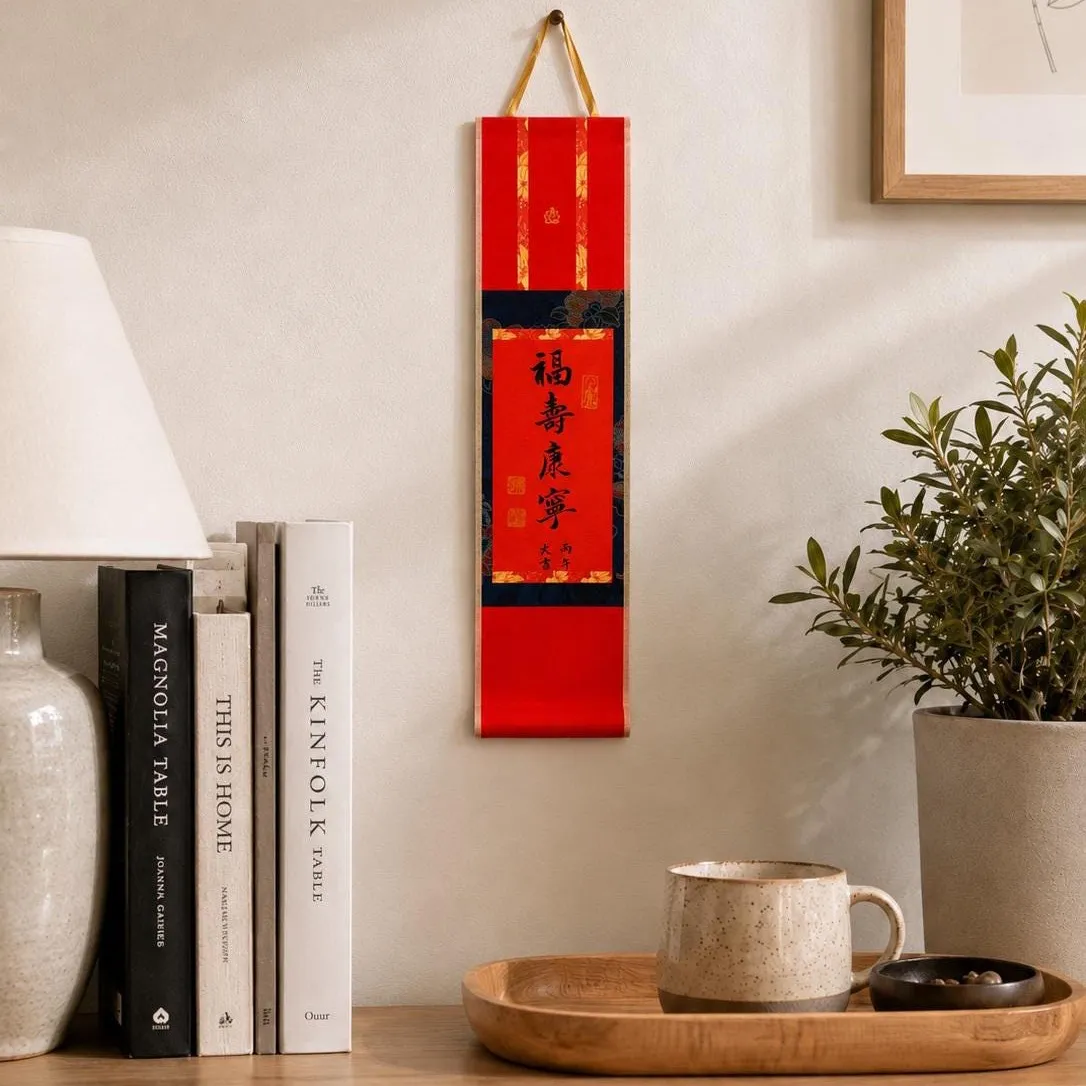
Photo shows a sample — yours will be brushed with 忠, or any character you choose.
Wall Scroll — for walls & housewarmingsfrom $38→ -
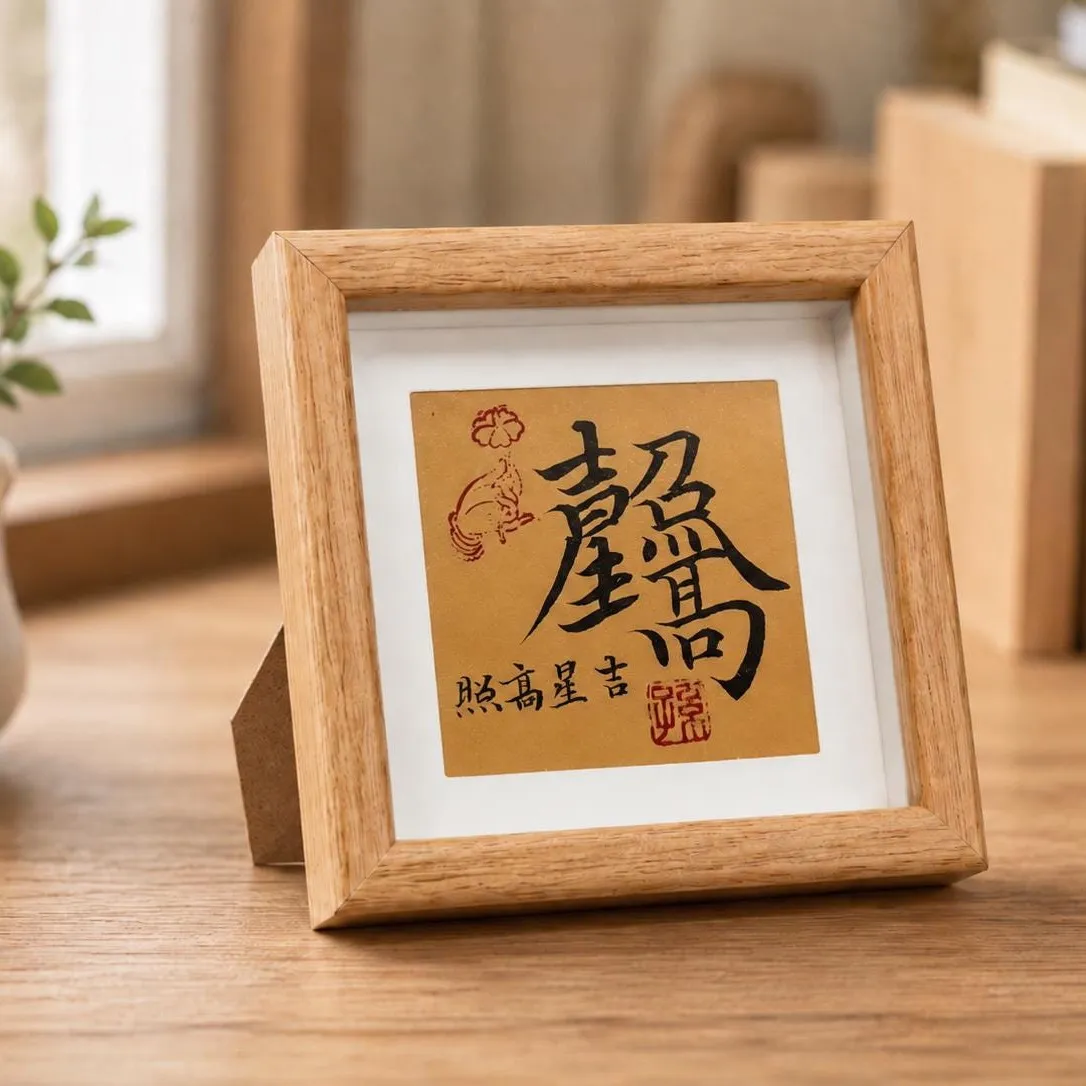
Photo shows a sample — yours will be brushed with 忠, or any character you choose.
Desk Frame — for desks, studies & studiosfrom $44→ -
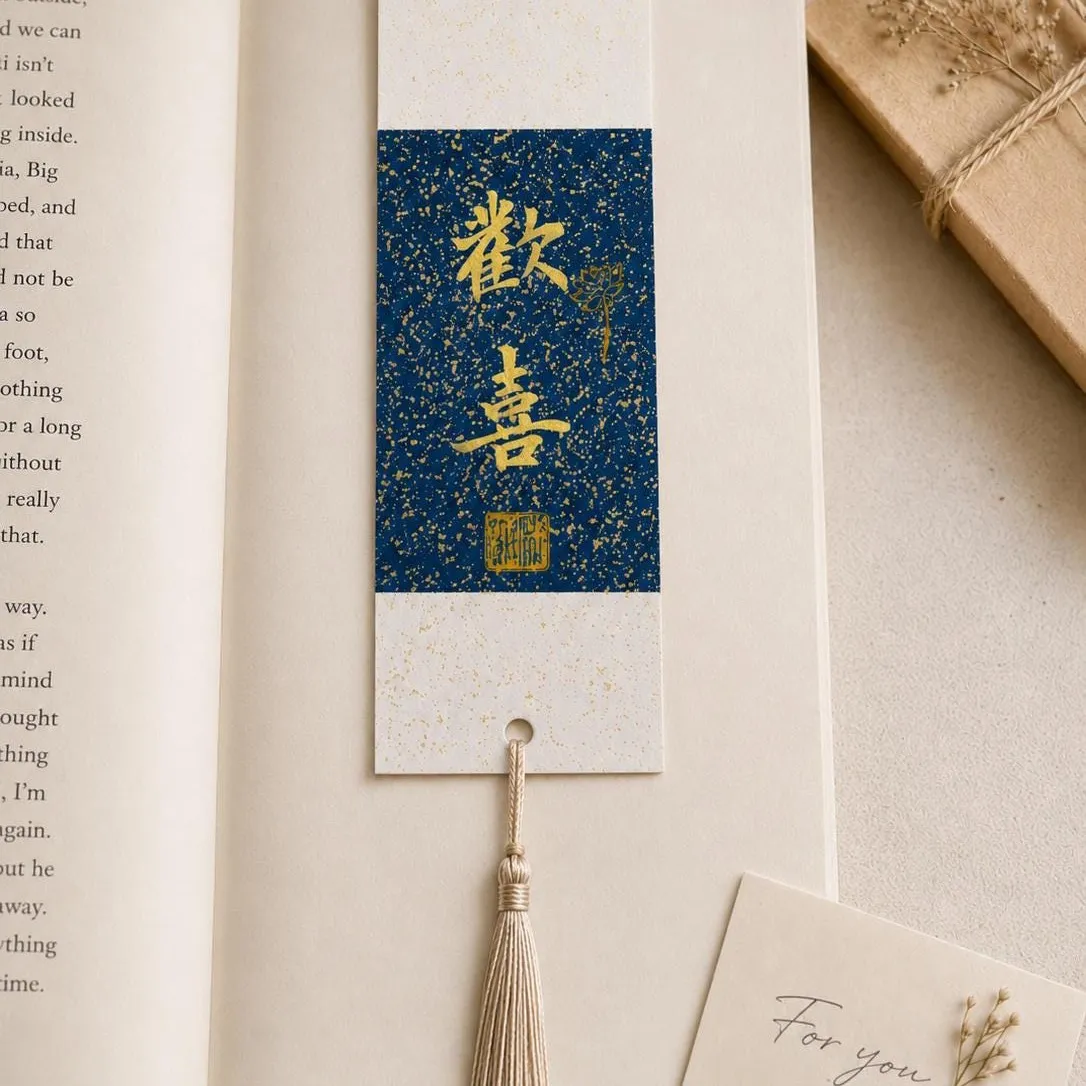
Photo shows a sample — yours will be brushed with 忠, or any character you choose.
Bookmark — for readers & small thank-yousfrom $14→

What people said after it arrived.
-
The item is fantastic. The customer service was genuine. Thanks!
— M.Verified purchase · from our Etsy shop reviews · -
They were great they gave me exactly what I asked for and then some. Thank you!!
— G.Verified purchase · from our Etsy shop reviews · -
It is well designed and customized. My daughter loves it. Amazing gift for family’s d friends
— S.Verified purchase · from our Etsy shop reviews ·
Each "忠" is hand-brushed by FuBlessings on rice paper.
See 忠 (Zhōng) on Etsy →