相濡以沫 (xiāng rú yǐ mò) — Keeping Each Other Wet · What Two People Did in the Dry Year
A 4-character phrase, not a single character.
Almost every blessing a Chinese family gives asserts that something went well. 相濡以沫 is the one that begins by admitting something went badly. It requires a drought — the layoff year, the illness, the decade when the money was wrong — and it says that during it two people kept each other alive on very little. That requirement is unusual enough to change what the gift means. 恒 credits one person for continuing to show up. See 恒 → 忠 credits one person’s faithfulness toward another. See 忠 → 同心 credits both, but for direction: that they wanted the same things. This phrase credits the help itself, and there is no version of it that one person can be given alone.
In practice it lives at the far end of a marriage rather than the start of one. The fixed line at a golden wedding is 相濡以沫五十年 — fifty years of it — and the four characters go into the toast, onto the red 贺幛 hung at the banquet, and under the photograph in the album the children put together. They turn up in retirement tributes and in the speech a colleague gives after thirty years. What they never appear on is a wedding banner, because a phrase that presupposes the drought reads there as a forecast. Chinese set two texts beside it early. 宋弘, asked by an emperor to divorce his wife and marry the emperor’s widowed sister, answered that a wife who ate chaff with you is not sent from the hall — and the emperor dropped it. 元稹 wrote the domestic version: seeing him without a coat she went through the wicker trunk, and when he wanted wine money she pulled the pin out of her hair.
A hand-brushed “相濡以沫” by Artist Lina Sun is for the anniversary that comes after a year nobody wants to congratulate anyone on, for the partner whose real contribution was made in a year neither of you talks about much, and for the friend who was there when everything fell apart — the fish in the story were never a married couple, and the phrase has always been at home among friends, comrades and colleagues who got each other through something. Given to a couple whose life has been smooth it lands slightly off, aimed at a year that never happened. Given to the ones who had the hard years, it is close to the warmest thing available, and both of them will know exactly which year you mean.
- mutual sustenance in hard conditions — each keeping the other going
- a bond formed in, and proved by, a bad stretch
- help given out of a short supply, at cost to the giver
- the standard phrase for a long marriage that came through something
- devotion Devotion can flow one way and needs no occasion. 相濡以沫 requires two people acting on each other, and it requires the drought. Take away the dry spring and there is no phrase left.
- 同心 同心 credits direction — that both wanted the same things — and can be true of a couple whose life was never hard. 相濡以沫 credits the rescue itself, and only exists because something went wrong. Aim versus water.
- a wedding wish Wrong occasion, and not a small miss. The phrase presupposes the drought, so written on a wedding banner it would read as a forecast of lean years ahead. It belongs to the anniversary and the golden wedding, where the hard stretch is already behind them.
The short arms are the point: these readings don’t reach it.
- 相 mutually, each toward the otherThe character that makes the phrase impossible to say about one person. Everything after it is reciprocal — not what one did for the other, but what each did for each.
- 濡 to wet, to soakThe water radical 氵 with 需. Not to give a drink but to dampen a surface — keeping something from drying out rather than satisfying its thirst. The verb is doing careful work: this is holding off a death, not relieving a want.
- 沫 froth, foam, spittleIn ordinary Chinese 沫 is the humblest kind of wet thing — 泡沫 the bubbles on a liquid, 唾沫 the spit in a mouth. The phrase reaches for the least valuable substance in the language on purpose: this is help offered from a body that has nothing better to offer.
characters
- 相忘于江湖 xiāng wàng yú jiāng hú to forget each other in the rivers and lakes — the other half of Zhuangzi's sentence, now used for an amicable parting
- 涸辙之鲋 hé zhé zhī fù the carp in the dried wheel-rut — Zhuangzi's other stranded fish, and the picture of urgent need
- 患难与共 huàn nàn yǔ gòng sharing trouble and danger together — the plainer, more public register of the same claim
- 同甘共苦 tóng gān gòng kǔ sharing the sweet and the bitter alike — the phrase for a whole life, where this one is for a season
- 糟糠之妻 zāo kāng zhī qī the wife of the chaff years — Song Hong's answer to an emperor, and a near relative of this phrase
Cinnabar marks the characters 相濡以沫 actually contains. The dark row is a relative by meaning or by sound, not one shared stroke.
The Story Behind the Character
The phrase opens on two characters of stage direction: 泉涸 — the spring has dried up. In 《庄子·大宗师》 (c. 300 BCE) the fish that lived in it are left on bare ground, and what they do there takes fourteen characters: 鱼相与处于陆,相呴以湿,相濡以沫 — they lie together on the land, they breathe damp air over one another, they wet one another with the froth from their own mouths. It is not a metaphor Zhuangzi builds toward; it is a scene he sets in one breath, and its force comes from the smallness of what the fish have to give. 沫 is not water. It is the last moisture in a body that is itself drying out, which means the help costs the giver exactly what it saves.
Then comes the part almost nobody quotes: 不如相忘于江湖 — better than this would be to forget each other in the rivers and lakes. Zhuangzi is not praising the fish. He is using them to argue that mutual devotion is a symptom of a situation that should never have arisen, and that the finer condition is a world wide enough that no one has to be anyone's water. The passage is about letting go of what cannot be held, and the stranded pair are his example of the consolation prize.
Chinese kept the image and left the verdict behind. The four characters broke free of the sentence they came from and became, in ordinary use, one of the warmest things that can be said about a marriage — spoken at a 金婚 banquet, written into the toast, printed under the photograph. The reinterpretation was less a misreading than a disagreement. Zhuangzi wrote from the position that the drought is avoidable. Most people have found that it is not, and that what matters is who was still beside you in it.
Classical lines
- roughly 1,100 years
- c. 300 BCE 《庄子·大宗师》
- 5th c. CE 《后汉书·宋弘传》
- c. 811 CE 元稹《遣悲怀三首·其一》
泉涸,鱼相与处于陆,相呴以湿,相濡以沫,不如相忘于江湖。 When the spring dries up, the fish are left together on dry land, breathing damp on one another, wetting one another with their froth
better than this would be to forget one another in the rivers and lakes. — The passage the phrase comes from, including the half that is almost never quoted. Zhuangzi's point was that needing each other this badly is a sign something has gone wrong. Chinese took the picture and left the argument behind, and has been using it as praise ever since.
臣闻贫贱之知不可忘,糟糠之妻不下堂。 I have heard that a friend known in the poor years is not to be forgotten, and a wife who ate chaff with you is not to be sent from the hall.
Emperor Guangwu had a widowed sister and wanted Song Hong to divorce his wife for her. Song Hong answered with this and the emperor dropped it. Both halves matter here: the received text reads 贫贱之知, a friend from the lean years, which is why the phrase has never belonged to marriages alone.
顾我无衣搜荩箧,泥他沽酒拔金钗。 Seeing me without a coat, she went digging through the wicker trunk; when I pestered her for wine money, she pulled the gold pin from her hair.
The most concrete picture Chinese poetry has of what this looks like day to day: no grand vows, just a rummaged trunk and a sold hairpin. Yuan Zhen was writing about his wife Wei Cong, and only got the words down years afterward, once she was gone.
Why This Character Matters
There is a small industry of Chinese essays arguing that everyone uses this phrase wrong, and strictly speaking they are right: 《庄子》 offers the stranded fish as the inferior option and 相忘于江湖 as the better one. The counterargument has won by use. 相濡以沫 now runs through golden-wedding toasts, tributes read at retirements, and the captions under photographs of couples who came through a bad decade — while 相忘于江湖 has drifted into a separate life of its own, meaning something closer to an amicable parting between people who once mattered to each other. One sentence, split in two, arguing with itself in different rooms.
What the phrase asks for is worth being precise about, because it is narrower than it sounds. It is not a word for closeness and not a word for love in general — Chinese has 恩爱 and 情深 for those, and no drought is needed. 相濡以沫 makes a claim about circumstances: things were bad, resources were thin, and what each person gave the other came out of a short supply. The requirement is written into the characters rather than merely implied, since 沫 is what is left when there is no water. Modern use has loosened a little — journalism will reach for 相濡以沫的爱情 for any long marriage — but said of a couple whose life has been smooth it still lands slightly off, like a compliment aimed at the wrong year.
A few characters live near "相濡以沫" but mean something quieter, sharper, or more specific. Here's how to tell them apart.
what two people did for each other in the year it went wrong
one person's constancy, held steady across years whether or not they were hard
reciprocal by construction — 相 makes it unsayable about a single person
faithfulness running one direction, from a person toward someone or something
two people keeping each other alive with what little was left
one person holding under load, not breaking
Most of what gets given on an anniversary quietly assumes the years went well — 圆满 the shape they closed into, 美满 the fullness they held, 幸福美满 the good luck on top of it, 恒 the constancy that carried them.
- Most of what gets given on an anniversary quietly assumes the years went well — 圆满 the shape they closed into, 美满 the fullness they held, 幸福美满 the good luck on top of it, 恒 the constancy that carried them. 相濡以沫 assumes the reverse and makes a virtue of it: that the water ran out, and neither of you crawled off. At a golden wedding the fixed line is 相濡以沫五十年, and note what it is doing — not praising how the marriage turned out, but reporting what the two of them did during its worst stretch. 同心 also credits both partners rather than one, but it credits direction: that they wanted the same things and decided them together. This one credits the rescue — that each was the other's water. A couple can be 同心 through a life that was never hard. Nobody is 相濡以沫 without something having gone wrong first, which is why it is the phrase for the anniversary that arrives at the end of a year you would not congratulate anyone on.
- There are two ways to be the unromantic gift on this page and they are not the same one. 同心 is unromantic because it talks about direction instead of feeling — where the two of you are headed. 相濡以沫 is unromantic because it talks about a specific bad year: the layoff, the illness, the stretch when one of you was not fine and the other did not leave. Its picture is not a rose but two fish on dry ground, wetting each other with what little they have left, and Chinese reaches for it exactly when the romance vocabulary would be embarrassing. 美 observes a quality in the person, 温 names the steady heat, 永恒 promises the duration. 相濡以沫 says: there was a bad year, and you were what I had. For the partner who would find flowers beside the point.
Husband · Wife · Best Friend · or yourself
Looking for a name? See Western names written in Chinese →
-
What does 相濡以沫 (xiāng rú yǐ mò) mean?
相濡以沫 (xiāng rú yǐ mò) is a 4-character Chinese phrase for keeping each other wet, what two people did in the dry year. Almost every blessing a Chinese family gives asserts that something went well. 相濡以沫 is the one that begins by admitting something went badly. It requires a drought — the layoff year, the illness, the decade when the money was wrong — and it says that during it two people kept each other alive on very little. That requirement is unusual enough to change what the gift means. 恒 credits one person for continuing to show up. See 恒 → 忠 credits one person's faithfulness toward another. See 忠 → 同心 credits both, but for direction: that they wanted the same things. This phrase credits the help itself, and there is no version of it that one person can be given alone. There is a small industry of Chinese essays arguing that everyone uses this phrase wrong, and strictly speaking they are right: 《庄子》 offers the stranded fish as the inferior option and 相忘于江湖 as the better one. The counterargument has won by use. 相濡以沫 now runs through golden-wedding toasts, tributes read at retirements, and the captions under photographs of couples who came through a bad decade — while 相忘于江湖 has drifted into a separate life of its own, meaning something closer to an amicable parting between people who once mattered to each other. One sentence, split in two, arguing with itself in different rooms.
-
What occasions is 相濡以沫 given for?
相濡以沫 is traditionally given for Anniversary, Valentine's Day. Most of what gets given on an anniversary quietly assumes the years went well — 圆满 the shape they closed into, 美满 the fullness they held, 幸福美满 the good luck on top of it, 恒 the constancy that carried them. 相濡以沫 assumes the reverse and makes a virtue of it: that the water ran out, and neither of you crawled off. At a golden wedding the fixed line is 相濡以沫五十年, and note what it is doing — not praising how the marriage turned out, but reporting what the two of them did during its worst stretch. 同心 also credits both partners rather than one, but it credits direction: that they wanted the same things and decided them together. This one credits the rescue — that each was the other's water. A couple can be 同心 through a life that was never hard. Nobody is 相濡以沫 without something having gone wrong first, which is why it is the phrase for the anniversary that arrives at the end of a year you would not congratulate anyone on. There are two ways to be the unromantic gift on this page and they are not the same one. 同心 is unromantic because it talks about direction instead of feeling — where the two of you are headed. 相濡以沫 is unromantic because it talks about a specific bad year: the layoff, the illness, the stretch when one of you was not fine and the other did not leave. Its picture is not a rose but two fish on dry ground, wetting each other with what little they have left, and Chinese reaches for it exactly when the romance vocabulary would be embarrassing. 美 observes a quality in the person, 温 names the steady heat, 永恒 promises the duration. 相濡以沫 says: there was a bad year, and you were what I had. For the partner who would find flowers beside the point.
-
Who brushes the 相濡以沫 calligraphy?
Each 相濡以沫 (Xiāng Rú Yǐ Mò) is hand-brushed to order by Artist Lina Sun in ink on rice paper — never printed, never repeated.
Bring 相濡以沫 home — choose how you'd like it brushed.
-
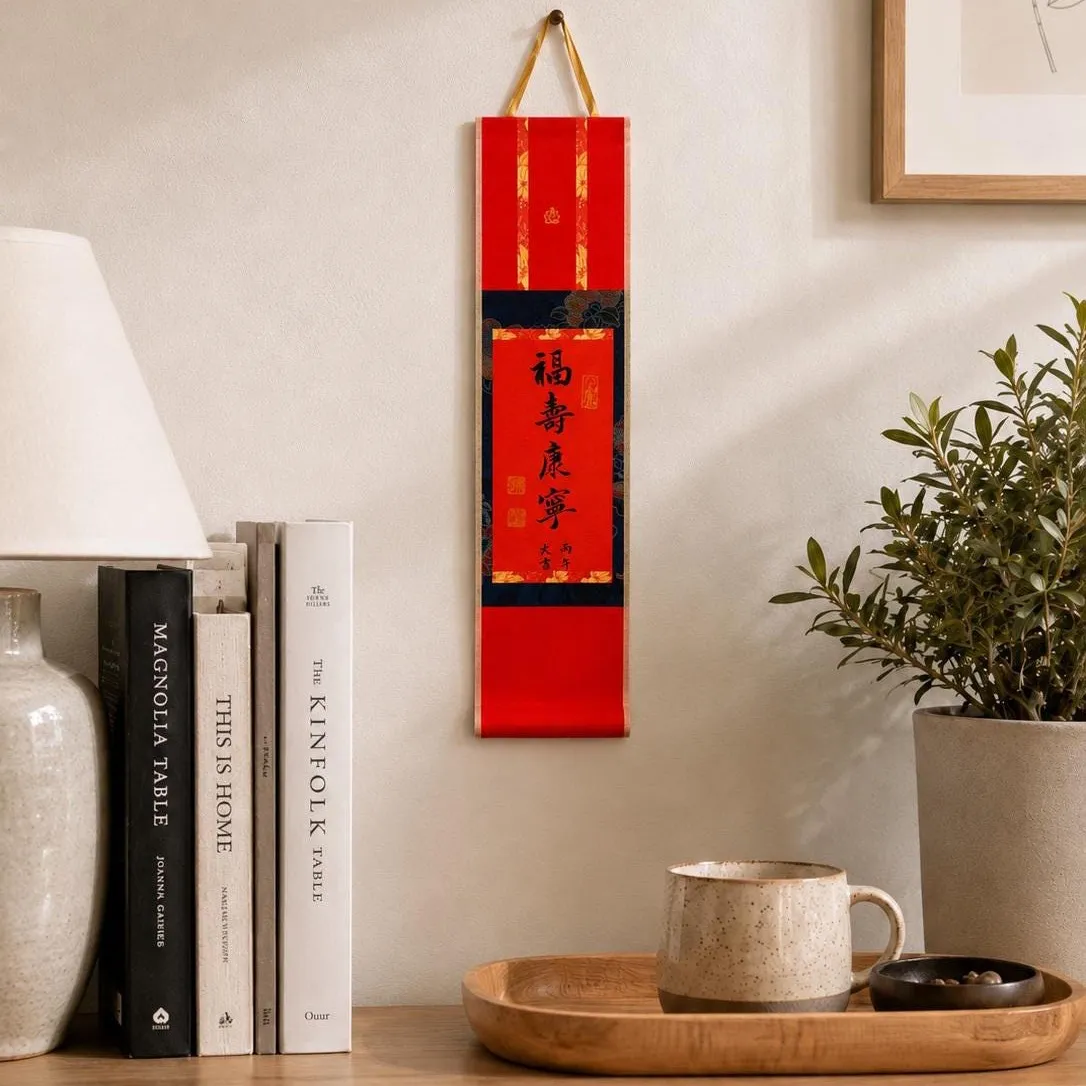
Photo shows a sample — yours will be brushed with 相濡以沫, or any character you choose.
Wall Scroll — for walls & housewarmingsfrom $38→ -
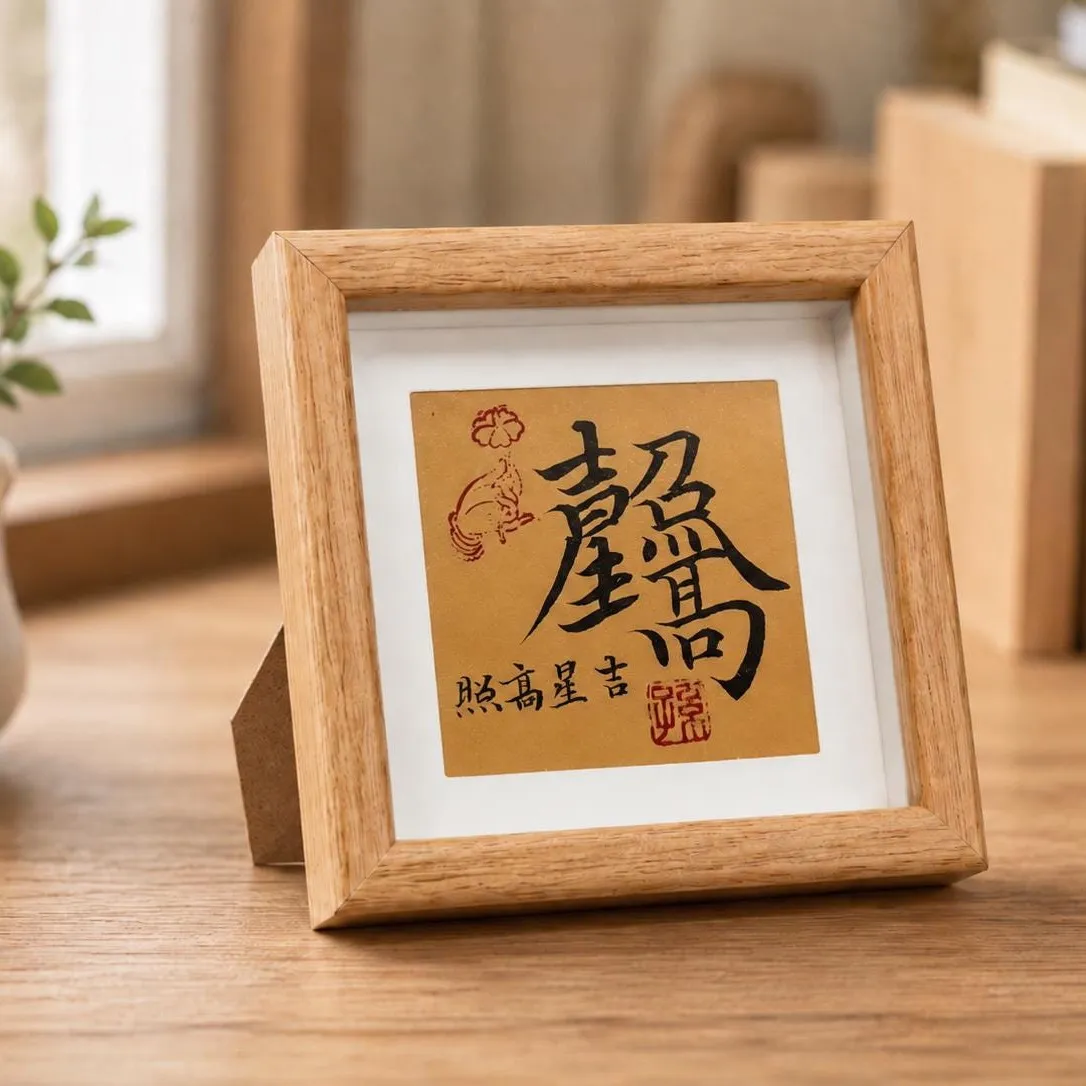
Photo shows a sample — yours will be brushed with 相濡以沫, or any character you choose.
Desk Frame — for desks, studies & studiosfrom $44→ -
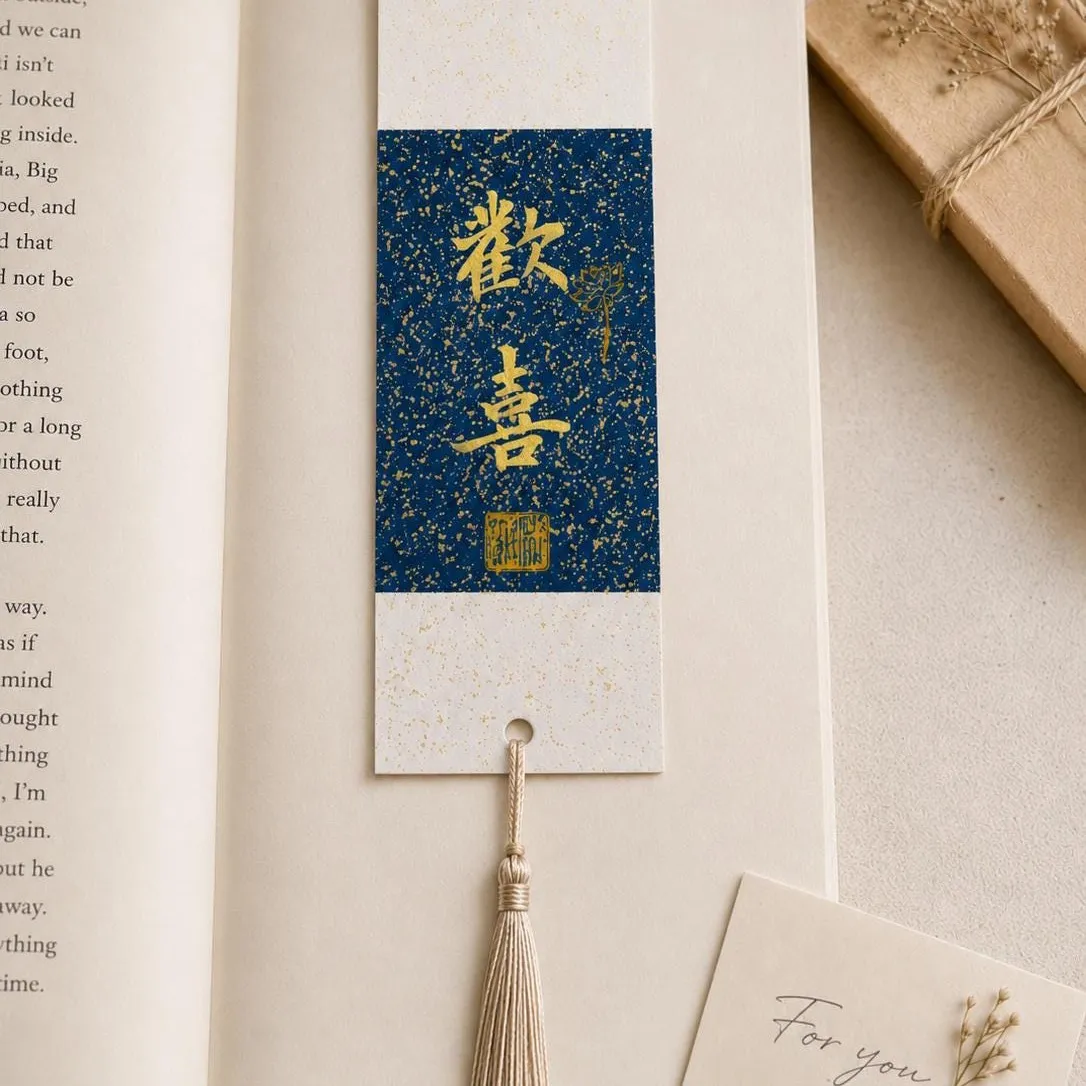
Photo shows a sample — yours will be brushed with 相濡以沫, or any character you choose.
Bookmark — for readers & small thank-yousfrom $17→
What people said after it arrived.
-
The item is fantastic. The customer service was genuine. Thanks!
— M.Verified purchase · from our Etsy shop reviews · -
They were great they gave me exactly what I asked for and then some. Thank you!!
— G.Verified purchase · from our Etsy shop reviews · -
It is well designed and customized. My daughter loves it. Amazing gift for family’s d friends
— S.Verified purchase · from our Etsy shop reviews ·
Each "相濡以沫" is hand-brushed by Artist Lina Sun on rice paper.
See 相濡以沫 (Xiāng Rú Yǐ Mò) on Etsy →