睦 (mù) — Harmony · Concord · Household Peace
A single character.
Look closely at 睦 and you find an eye. Its left half is 目, and China’s oldest dictionary defines the whole character in three words — 目顺, “the eyes at ease.” That is where this blessing lives: not in a vow or a feeling but in how two people look at one another across a room. 睦 is 和睦 — the warm, unstrained concord of a household where everyone is at ease. It is not the promise that binds a marriage (信) or the affection at its center (爱), but the daily peace between people who have long since stopped keeping score. You can tell whether a home has it by the way its people meet each other’s eyes.
That is why 睦 has always been a virtue of close quarters. The Rites of Zhou counted it among the 六行, the six conducts every person was to be taught, and the old commentators glossed it as 亲于九族 — closeness with the nine branches of one’s kin. It scales outward without losing its warmth: 睦邻 is good-neighborliness, 敦睦 the word for cordial relations between whole nations. But its home is the home. Wedding couplets ask for 家庭和睦; the four-word hope 家和万事兴 promises that when a household is harmonious, everything else follows. See 和 → for harmony as balance — the wider principle 睦 makes personal and domestic.
A hand-brushed 睦 by Artist Lina Sun is the gift for a couple building a home, or two people years into keeping one. It does not wish them passion or fortune — those are other characters. It names the rarer, steadier thing a marriage is actually made of: a house where the people are at ease with one another, harmony you could read in a single glance across the room.
- concord — the warm, unstrained peace among people who live close together
- harmony at home — 和睦, the felt ease of a household
- good relations — the settled goodwill between kin, or between neighbors
- amity — friendly accord kept on purpose, not by luck
- love 睦 is not affection but accord. A couple can love each other and still not be 和睦 — 睦 is the day-to-day ease between them, the absence of friction, not the warmth of feeling. It names how a household runs, not how a heart beats.
- peace Too broad, and too much about absence. 睦 is not merely the lack of conflict but a positive, warm regard — people at ease with one another, not just people not fighting.
- unity 睦 is not oneness or a merging of wills. A harmonious family keeps its differences; 睦 is the goodwill that lets those differences sit side by side without strain, not the erasing of them.
The short arms are the point: these readings don’t reach it.
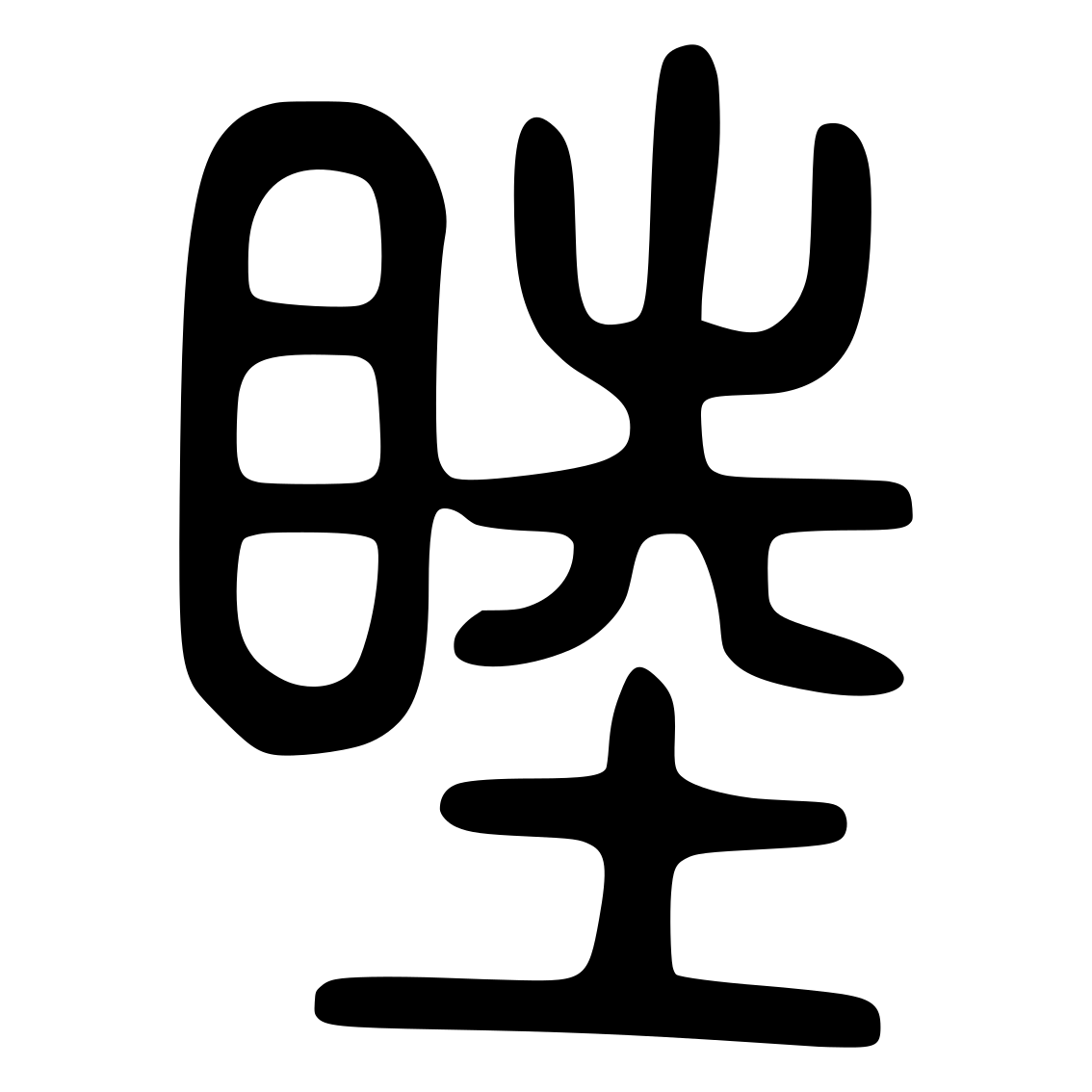
- 目 eyeThe pictograph of a human eye, on the left. It is the whole reason 睦 means what it does — the Shuowen defines 睦 as 目顺, 'the eyes at ease.' Harmony you can read in a person's gaze.
- 坴 phonetic (mounds of earth)An old graph for clods and built-up earth, here carrying the sound rather than the sense. The meaning stays with the eye; 坴 lends 睦 its pronunciation.
character
- 和睦 hé mù harmonious, in concord — the standard word for a warm, unstrained household
- 亲睦 qīn mù close and harmonious — the concord of people who are both near and at ease
- 睦邻 mù lín good-neighborliness — concord kept with those across the wall
- 敦睦 dūn mù to deepen concord — cordial relations, from a family to a nation
- 家庭和睦 jiā tíng hé mù a harmonious family — the household blessing carried on wedding couplets
The Story Behind the Character
The character carries an eye. Its left half is 目 — the pictograph of a human eye, turned upright — and that is where the whole meaning begins. China's first dictionary (Shuowen Jiezi, c. 100 CE) defines 睦 in three words: 目顺也, "the eyes at ease." Before harmony was a principle it was a look — a gaze that rests easy on another person, without wariness or the flicker of a grudge. 睦 locates concord not in agreement but in the face: you can see whether two people are at peace by how their eyes meet.
The right half, 坴, is the phonetic — an old graph for clods and mounds of built-up earth — but the Shuowen preserves a second gloss that keeps the meaning human: 一曰敬和也, "or: respectful harmony." Wherever 睦 is used, it is about people at close range. Not nations or abstractions, but the ones you live beside — 九族, the nine branches of a family; the household under one roof; the neighbor across the wall. It is the harmony of proximity, the peace you keep with the people you cannot get away from.
From there 睦 became a named virtue, not just a mood. The Rites of Zhou lists it among the 六行, the six virtuous conducts a person was to be taught — 孝、友、睦、姻、任、恤 — and the commentator Zheng Xuan glossed 睦 as 亲于九族, "to be close with the nine kindred." That is the character's quiet insistence: concord is not something that happens to a lucky family. It is a thing practiced — a daily conduct of keeping the peace with the ones nearest you.
Classical lines
- about a century
- c. 300 BCE 《孟子·滕文公上》
- c. 300 BCE 《周礼·地官·大司徒》
- c. 300 BCE 《周易·序卦》
乡田同井,出入相友,守望相助,疾病相扶持,则百姓亲睦。 When those who share the fields of a village go out and come home as friends, keep watch and help one another, and support each other through illness, then the people grow close and harmonious.
Mencius's picture of the well-field community: 亲睦 is not decreed from above but built from the small mutual acts of people who live side by side. Harmony as something a neighborhood does, not something it is given.
孝、友、睦、姻、任、恤。 Devotion to parents, kindness to siblings, concord with kin, warmth toward relatives by marriage, trustworthiness, and care for the needy.
The six virtuous conducts (六行) the state was to teach every person. 睦 sits third, and the commentator Zheng Xuan defined it as 亲于九族, closeness with the nine branches of family. Proof that concord was treated not as luck but as a skill to be cultivated like devotion or honesty.
有男女然后有夫妇,有夫妇然后有父子。 Only after there are man and woman are there husband and wife; only after there are husband and wife are there parent and child.
The Xugua traces the whole order of the family back to a single joined pair. It is the classical reason a wedding carries such weight: the harmony of one couple is the root from which an entire household, and its peace, grows.
Why This Character Matters
睦 almost never travels alone. In everyday Chinese it lives inside 和睦 (hé mù) — the standard word for a harmonious household — the phrase a family reaches for to say that things at home are warm and unstrained: 一家和睦, "a whole family in concord." It widens naturally outward: 睦邻 (mù lín) is good-neighborliness, and 敦睦 (dūn mù) — to deepen concord — is the word diplomats still use for cordial relations between states. The same character scales from a marriage to a nation, and at every scale it means the same thing: peace kept, on purpose, among people at close quarters.
What makes 睦 a distinctly domestic blessing is that eye at its heart. Grander words for accord exist — 和 for balance, 谐 for things fitting together — but 睦 stays personal and warm, a harmony measured in how a household feels rather than how it functions. It is the wish carried by wedding couplets that ask for 家庭和睦, and by the old four-word hope 家和万事兴 — when the home is harmonious, everything prospers. To give 睦 is to wish someone not excitement or fortune but the rarer, steadier thing: a house where the people are at ease with one another.
睦 reads as 和睦 — family harmony, a warm and slightly bookish choice that also lives as a given name. A Chinese person seeing it as a tattoo would read domestic peace, concord, or good relations, and find it gentle and values-driven rather than bold — closer to a quiet ideal someone carries than a statement they make. It is an uncommon tattoo choice, which gives it a thoughtful, personal feel.
Calligraphy Styles for Tattoos
- Regular script (楷书 kǎishū) Best for tattoos
睦 has 13 strokes in a left-right build — the narrow eye 目 beside the denser 坴. Regular script keeps both halves legible and the proportion clean. Minimum recommended size: 2 inches.
- Running script (行书 xíngshū) Good for larger pieces
The connected strokes suit 睦's warm, unhurried sense, but the eye radical 目 needs to keep its internal lines distinct. Works best at 2.5+ inches where the left side has room to stay readable.
- Cursive script (草书 cǎoshū) Only with an expert calligrapher
In cursive the right element 坴 can collapse into an indistinct shape and blur against the eye radical. Attempt only with a calligrapher experienced in cursive 睦.
Common Mistakes to Avoid
- Writing the left radical as 月 (moon/flesh) instead of 目 (eye)Intended: 睦 with the eye radical 目
睦's left side is 目, an eye — the very source of its meaning (目顺, 'the eyes at ease'). The eye radical 目 has two inner strokes; the flesh radical 月 rounds off at the bottom. Swap them and the character loses the eye that makes 睦 mean concord at all.
- Cramping the eye radical 目 too wideIntended: 睦 with a narrow 目 beside a fuller 坴
In a left-right character the eye radical 目 should stay tall and narrow, leaving the right half room. A 目 stretched wide throws the balance off and reads as an unpracticed hand to anyone who knows the character.
Notes for Your Tattoo Artist
13 strokes. Left-right structure: the eye radical 目 (5 strokes) narrow on the left, 坴 (8 strokes) fuller on the right. Keep 目 tall and slim so the right half has room; the most common error is a 目 stretched too wide. Mind the horizontal balance so neither half crowds the other. Minimum 2 inches to keep the eye radical's inner strokes legible.
A few characters live near "睦" but mean something quieter, sharper, or more specific. Here's how to tell them apart.
the warm concord among people at close range — kin, spouse, neighbor
harmony as balance — different elements brought into proportion, from music to seasons
mutual, two-sided ease — people at peace with one another
smooth going — one thing moving without obstruction, often one party yielding to another
warmth among equals and family — concord kept side by side
reverence directed upward — respect owed to elders, teachers, what is above you
For the couple starting a household, when the gift should name the thing a marriage is actually made of day to day.
- For the couple starting a household, when the gift should name the thing a marriage is actually made of day to day. 睦 is not the vow (信) or the romance (爱) — it is 和睦, the warm concord of two people who stay at ease with each other through the small frictions of a shared life, and whose calm reaches outward to both families joining. A wedding joins two 姓 (surnames); 睦 is the wish that the joined house holds together warmly, not just legally.
- For the couple years in, when what deserves honoring is not the spark but the peace they have kept between them. 睦 is harmony you can see in how two people look at each other — the Shuowen defines it as 目顺, the eyes at ease — the settled, unwary regard of a pair who have long since stopped keeping score. An anniversary gift that names the quiet achievement of a household that has stayed harmonious, and the ease that a lifetime of small forgivenesses leaves behind.
New Couple · Husband · Wife · or yourself
Looking for a name? See Western names written in Chinese →
-
What does 睦 (mù) mean?
睦 (mù) is the Chinese character for harmony, concord, household peace. Look closely at 睦 and you find an eye. Its left half is 目, and China's oldest dictionary defines the whole character in three words — 目顺, "the eyes at ease." That is where this blessing lives: not in a vow or a feeling but in how two people look at one another across a room. 睦 is 和睦 — the warm, unstrained concord of a household where everyone is at ease. It is not the promise that binds a marriage (信) or the affection at its center (爱), but the daily peace between people who have long since stopped keeping score. You can tell whether a home has it by the way its people meet each other's eyes. 睦 almost never travels alone. In everyday Chinese it lives inside 和睦 (hé mù) — the standard word for a harmonious household — the phrase a family reaches for to say that things at home are warm and unstrained: 一家和睦, "a whole family in concord." It widens naturally outward: 睦邻 (mù lín) is good-neighborliness, and 敦睦 (dūn mù) — to deepen concord — is the word diplomats still use for cordial relations between states. The same character scales from a marriage to a nation, and at every scale it means the same thing: peace kept, on purpose, among people at close quarters.
-
What occasions is 睦 given for?
睦 is traditionally given for Wedding, Anniversary. For the couple starting a household, when the gift should name the thing a marriage is actually made of day to day. 睦 is not the vow (信) or the romance (爱) — it is 和睦, the warm concord of two people who stay at ease with each other through the small frictions of a shared life, and whose calm reaches outward to both families joining. A wedding joins two 姓 (surnames); 睦 is the wish that the joined house holds together warmly, not just legally. For the couple years in, when what deserves honoring is not the spark but the peace they have kept between them. 睦 is harmony you can see in how two people look at each other — the Shuowen defines it as 目顺, the eyes at ease — the settled, unwary regard of a pair who have long since stopped keeping score. An anniversary gift that names the quiet achievement of a household that has stayed harmonious, and the ease that a lifetime of small forgivenesses leaves behind.
-
Is 睦 a good Chinese tattoo?
睦 reads as 和睦 — family harmony, a warm and slightly bookish choice that also lives as a given name. A Chinese person seeing it as a tattoo would read domestic peace, concord, or good relations, and find it gentle and values-driven rather than bold — closer to a quiet ideal someone carries than a statement they make. It is an uncommon tattoo choice, which gives it a thoughtful, personal feel.
-
Who brushes the 睦 calligraphy?
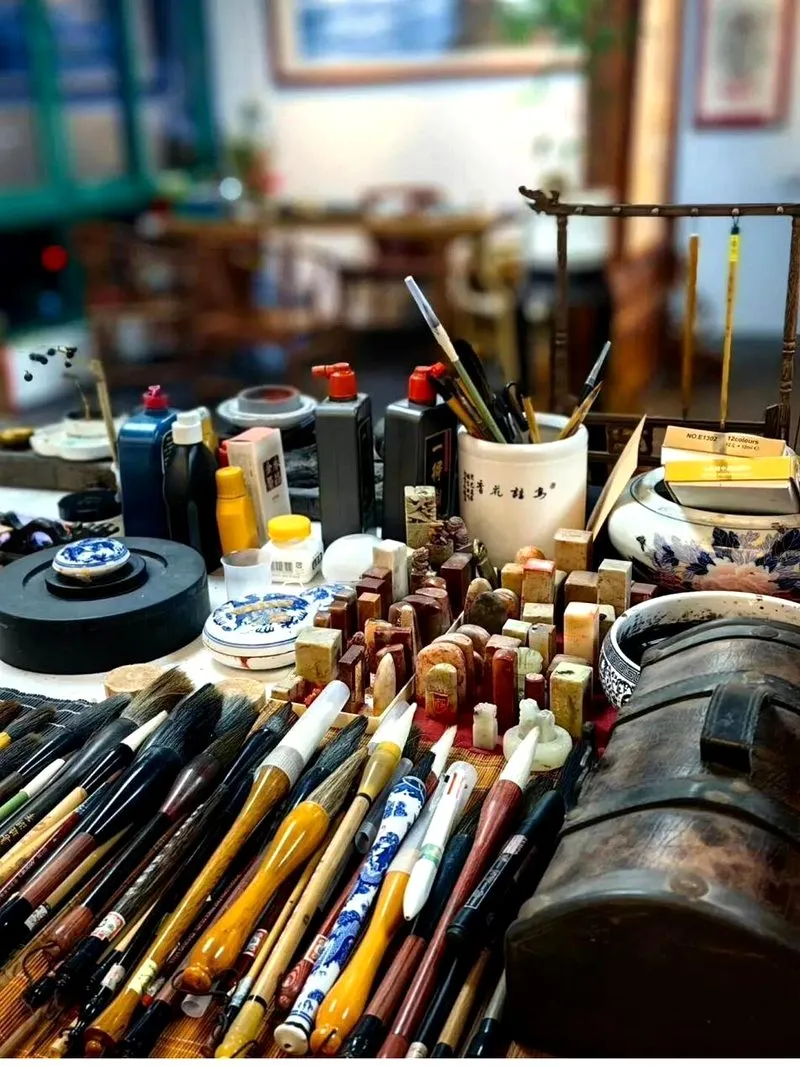
Each 睦 (Mù) is hand-brushed to order by Artist Lina Sun in ink on rice paper — never printed, never repeated.
Bring 睦 home — choose how you'd like it brushed.
-
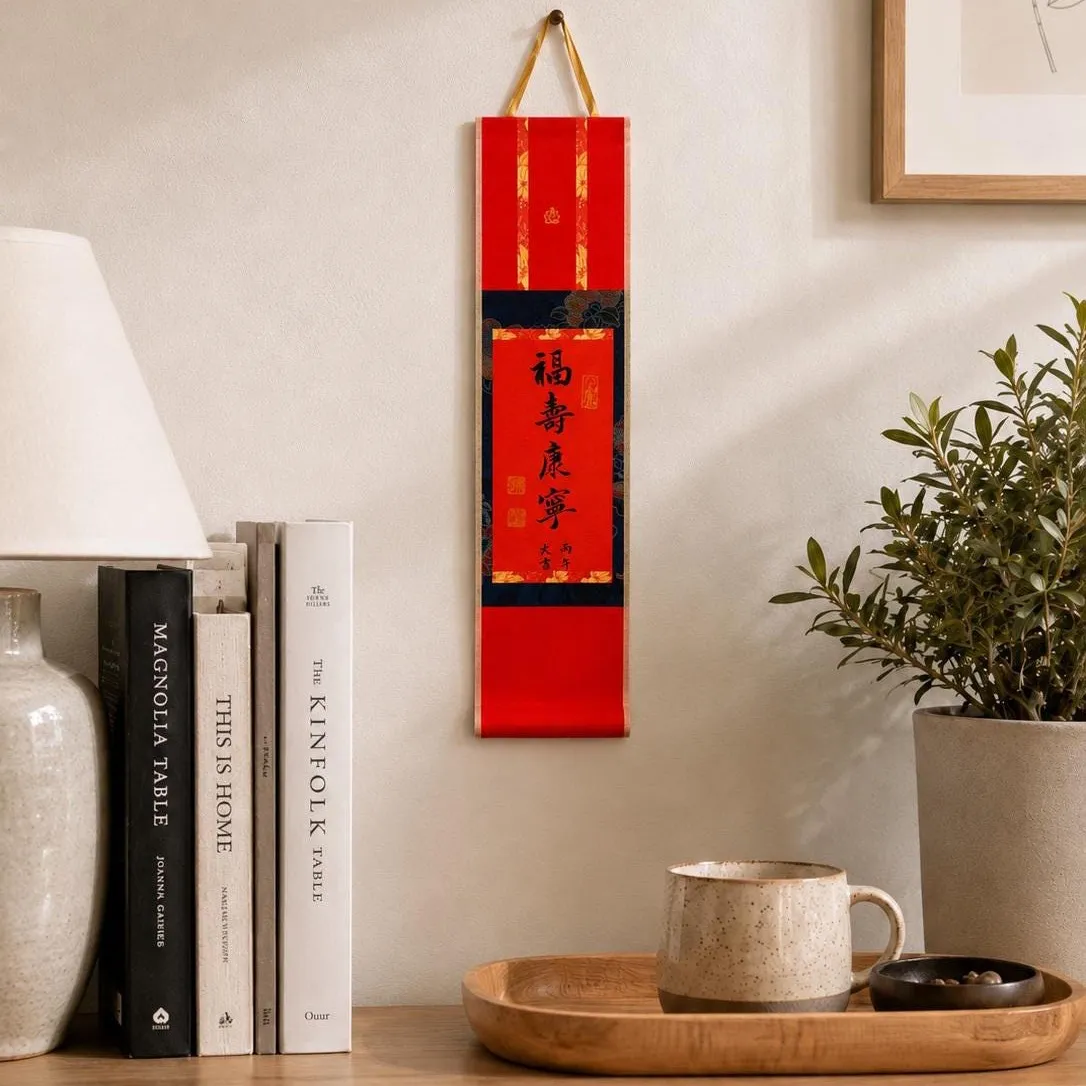
Photo shows a sample — yours will be brushed with 睦, or any character you choose.
Wall Scroll — for walls & housewarmingsfrom $38→ -
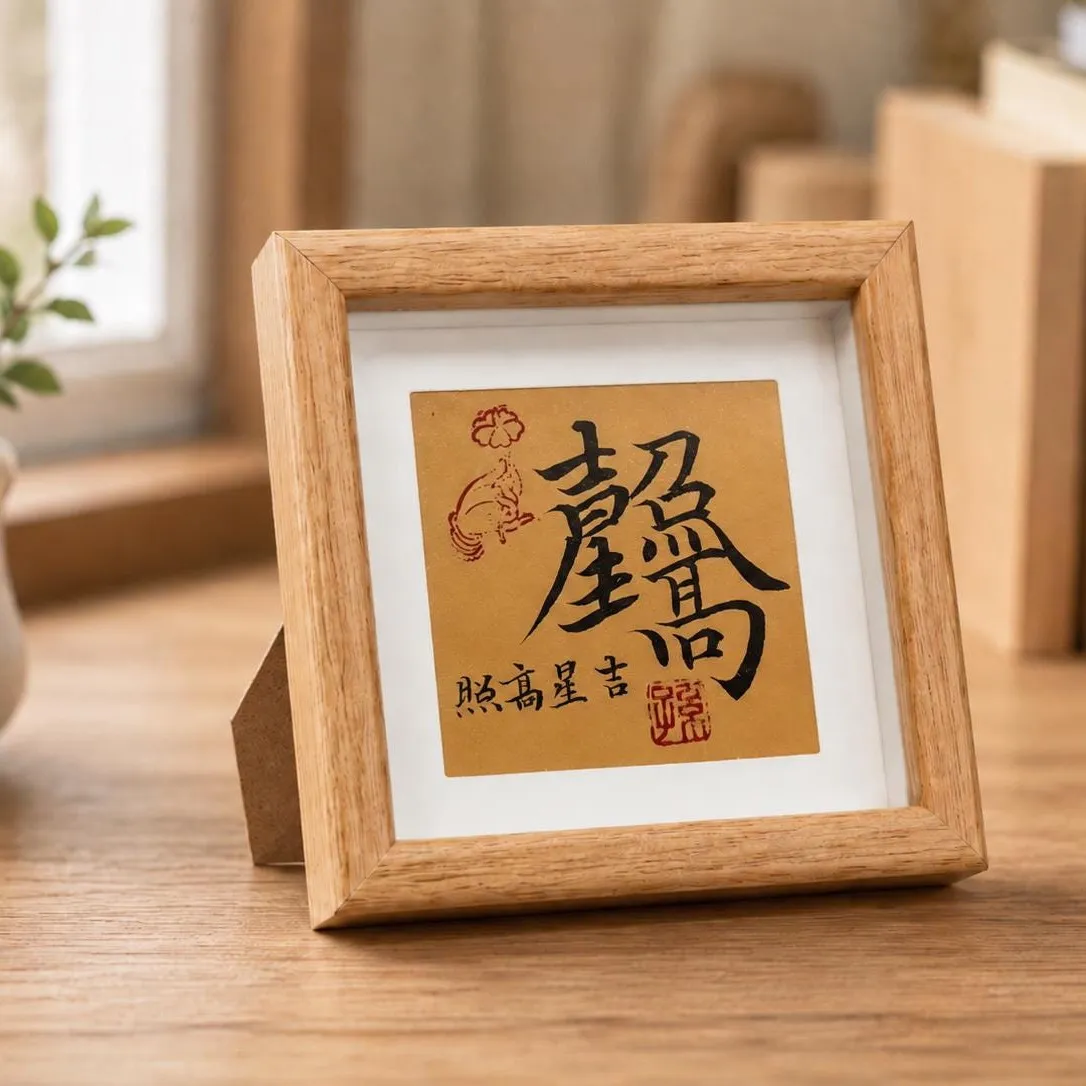
Photo shows a sample — yours will be brushed with 睦, or any character you choose.
Desk Frame — for desks, studies & studiosfrom $44→ -
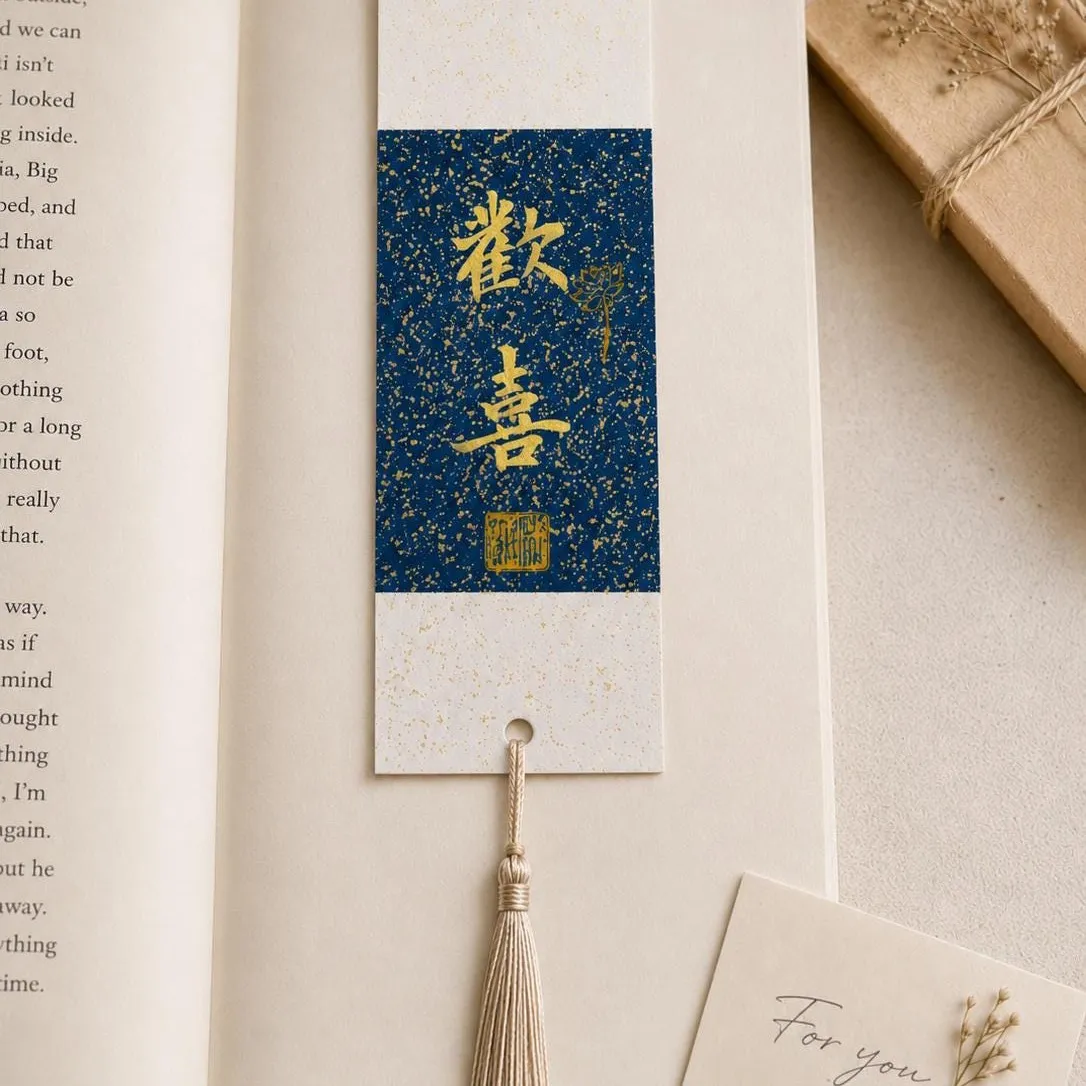
Photo shows a sample — yours will be brushed with 睦, or any character you choose.
Bookmark — for readers & small thank-yousfrom $17→
What people said after it arrived.
-
The item is fantastic. The customer service was genuine. Thanks!
— M.Verified purchase · from our Etsy shop reviews · -
They were great they gave me exactly what I asked for and then some. Thank you!!
— G.Verified purchase · from our Etsy shop reviews · -
It is well designed and customized. My daughter loves it. Amazing gift for family’s d friends
— S.Verified purchase · from our Etsy shop reviews ·
Each "睦" is hand-brushed by Artist Lina Sun on rice paper.
See 睦 (Mù) on Etsy →