和顺 (hé shùn) — Harmony and Smooth Going · Accord at Home
A two-character word, not a single character.
和顺 is the marriage blessing that refuses to be sentimental. Where 幸福 (happiness) and 美满 (perfection) wish for feelings, 和顺 names the mechanical condition that keeps a household intact across decades: warmth between the people in it, and daily operations that do not grind against each other. See 和 → See 顺 → It is the phrase recited in formal wedding toasts, inscribed on the red plaques presented to newlyweds, and written on the 楹联 (vertical couplets) pasted to the doorframe of a couple’s first home. Its selection over other blessings is never accidental — the families who choose 家庭和顺 are making a specific statement about what they believe marriage requires.
In Chinese daily life, the distinction 和顺 draws is immediately practical. The couple who loves each other deeply but cannot get through a week without logistical collision — conflicting schedules, mismatched expectations about housework, arguments over money that neither person wants to have — has 和 without 顺. The couple who runs their household with seamless efficiency but has stopped talking about anything that matters has 顺 without 和. Chinese wedding culture developed 和顺 as a compound blessing precisely because it observed, over centuries, that most marriages fail not from a lack of love or a lack of competence, but from the absence of whichever one the couple assumed they could do without.
A hand-brushed “和顺” by FuBlessings is the wedding or anniversary gift that names what a household actually needs — not a wish for romance, but for the compound condition of warmth and workability that keeps a marriage alive across years, written in the classical tradition that understood this better than most modern advice.
- domestic accord
- warmth that works
- smooth-running household
- the home that holds together
- romance Too narrow. 和顺 is not about passion — it is the structural condition that lets a marriage last across decades.
- obedience Too one-sided. 顺 here is not submission but mutual flow — both people moving without grinding against each other.
The short arms are the point: these readings don’t reach it.
- 和 harmony / warmth between peopleVoices agreeing over a shared meal — the most basic unit of domestic accord. Names the relational quality: warmth that absorbs disagreement without breaking.
- 顺 smooth flow / unobstructed daily lifeA river following its natural course — water that does not fight the landscape. Names the operational quality: daily life running without friction, logistics that do not collide.
characters
- 家庭和顺 jiā tíng hé shùn household in accord and smooth-running — the standard wedding toast
- 和顺美满 hé shùn měi mǎn accord, smooth running, and fulfillment — the full marriage blessing
- 百事和顺 bǎi shì hé shùn may a hundred matters run in accord — daily life unobstructed
- 和气生财 hé qì shēng cái harmony breeds wealth — the merchant family's version, accord as the foundation of prosperity
- 顺心如意 shùn xīn rú yì smooth in heart, aligned with will — when 顺 extends from household to personal life
The Story Behind the Character
和顺 entered Chinese wedding culture not as a vague wish but as a specific diagnosis of what makes households fail. The phrase appears in the Liji (Book of Rites), where family rituals are described not as ceremonies but as infrastructure — the repeated practices that keep a household from fracturing under the weight of daily proximity. 和 (harmony, accord) originally depicted a mouth beside grain: voices agreeing over a shared meal, the most basic unit of domestic life. 顺 (flowing, compliant) showed a river following its natural course — water that does not fight the landscape but finds the path that works.
The combination is more demanding than either character alone. 和 without 顺 describes a family that genuinely cares for each other but cannot get through a week without logistical collision — love under chronic friction. 顺 without 和 describes efficiency without warmth — the household that runs on schedule but feels like a business arrangement. Classical wedding inscriptions chose 和顺 precisely because it refused to let couples settle for half: you need the warmth and the workability, or the structure eventually fails.
By the Ming and Qing dynasties, 家庭和顺 had become the standard inscription on red wedding plaques and the phrase recited in formal toasts. It was not interchangeable with 幸福 (happiness) or 美满 (perfection). It named a specific mechanical condition: a household where the relationships are warm enough to absorb disagreement, and the daily operations smooth enough that warmth is not consumed by friction.
Classical lines
- roughly 400 years
- c. 800 BCE 《诗经·大雅·民劳》
- c. 400 BCE 《道德经》第四十二章
- c. 400 BCE 《国语·郑语》
民亦劳止,汔可小康。惠此中国,以绥四方。 The people toil
grant them a little ease. Show kindness to this central realm and bring peace to the four quarters. — The earliest literary articulation of 和 as a governing principle: accord is not passive contentment but active relief of friction.
万物负阴而抱阳,冲气以为和。 All things carry yin and embrace yang; through the blending of vital breath they achieve harmony.
Laozi naming the physics of 和: it is not agreement, but the dynamic balance of opposing forces held in productive tension.
夫和实生物,同则不继。 Harmony generates life; sameness produces nothing.
Shi Bo's warning to the Duke of Zheng: 和 is not everyone agreeing. It is differences held together in a way that creates something new.
Why This Character Matters
In traditional Chinese weddings, the character pair 和顺 appears in a context most Western guests never notice: not on the decorations, but on the 楹联 (yíng lián) — the vertical calligraphic couplets pasted to the doorframe of the new couple's home. These couplets are selected by the groom's parents, and the choice of 家庭和顺 over other blessings is a deliberate statement. It says: we are not wishing you passion or excitement. We are wishing you the thing that actually keeps households intact across decades.
The phrase also carries weight in Chinese medicine and philosophy, where 和 describes the balanced state the body needs to maintain health, and 顺 describes the unobstructed flow of qi. A household that is 和顺 is, in this older framework, literally a healthy organism — one where the energy circulates without blockage and the parts work together without fighting. This medical metaphor is not accidental. The families who chose this inscription understood something about marriage that modern relationship science is only now confirming: chronic low-level friction is more destructive than occasional conflict, and warmth without functional cooperation eventually burns out.
A few characters live near "和顺" but mean something quieter, sharper, or more specific. Here's how to tell them apart.
warmth and smooth running — the compound marriage requires
the household in accord — the foundational state, before any specific outcome
warmth applied to a marriage, paired with operational ease
the concept of harmony itself — applicable to music, society, philosophy
smooth flow paired with warmth — the marriage-specific compound
smooth flow alone — moving with the current, no obstruction
家庭和顺 is the standard phrase in Chinese wedding toasts — a blessing for a household that is both warm in its relationships (和) and unobstructed in its daily life (顺).
- 家庭和顺 is the standard phrase in Chinese wedding toasts — a blessing for a household that is both warm in its relationships (和) and unobstructed in its daily life (顺). Where single characters like 和 wish for harmony alone, 和顺 names what a household actually needs from the start: both qualities together.
- For the couple who has built a rhythm over years, 和顺 names what that rhythm should look like: accord that has become easy, and daily life that flows because the relationship holding it is warm. An apt recognition of what sustained marriage produces.
- A new home invites both wishes. 和顺 asks that the household be warm in its relationships and unobstructed in its daily running — the particular combination that turns a space into a home rather than just a residence.
New Couple · Husband · Wife · or yourself
Looking for a name? See Western names written in Chinese →
-
What does 和顺 (hé shùn) mean?
和顺 (hé shùn) is a two-character Chinese word for harmony and smooth going, accord at home. 和顺 is the marriage blessing that refuses to be sentimental. Where 幸福 (happiness) and 美满 (perfection) wish for feelings, 和顺 names the mechanical condition that keeps a household intact across decades: warmth between the people in it, and daily operations that do not grind against each other. See 和 → See 顺 → It is the phrase recited in formal wedding toasts, inscribed on the red plaques presented to newlyweds, and written on the 楹联 (vertical couplets) pasted to the doorframe of a couple's first home. Its selection over other blessings is never accidental — the families who choose 家庭和顺 are making a specific statement about what they believe marriage requires. In traditional Chinese weddings, the character pair 和顺 appears in a context most Western guests never notice: not on the decorations, but on the 楹联 (yíng lián) — the vertical calligraphic couplets pasted to the doorframe of the new couple's home. These couplets are selected by the groom's parents, and the choice of 家庭和顺 over other blessings is a deliberate statement. It says: we are not wishing you passion or excitement. We are wishing you the thing that actually keeps households intact across decades.
-
What occasions is 和顺 given for?
和顺 is traditionally given for Wedding, Anniversary, Housewarming. 家庭和顺 is the standard phrase in Chinese wedding toasts — a blessing for a household that is both warm in its relationships (和) and unobstructed in its daily life (顺). Where single characters like 和 wish for harmony alone, 和顺 names what a household actually needs from the start: both qualities together. For the couple who has built a rhythm over years, 和顺 names what that rhythm should look like: accord that has become easy, and daily life that flows because the relationship holding it is warm. An apt recognition of what sustained marriage produces.
-
Who brushes the 和顺 calligraphy?
FuBlessings hand-brushes each 和顺 (Hé Shùn) to order, in ink on rice paper — never printed, never repeated.
Bring 和顺 home — choose how you'd like it brushed.
-
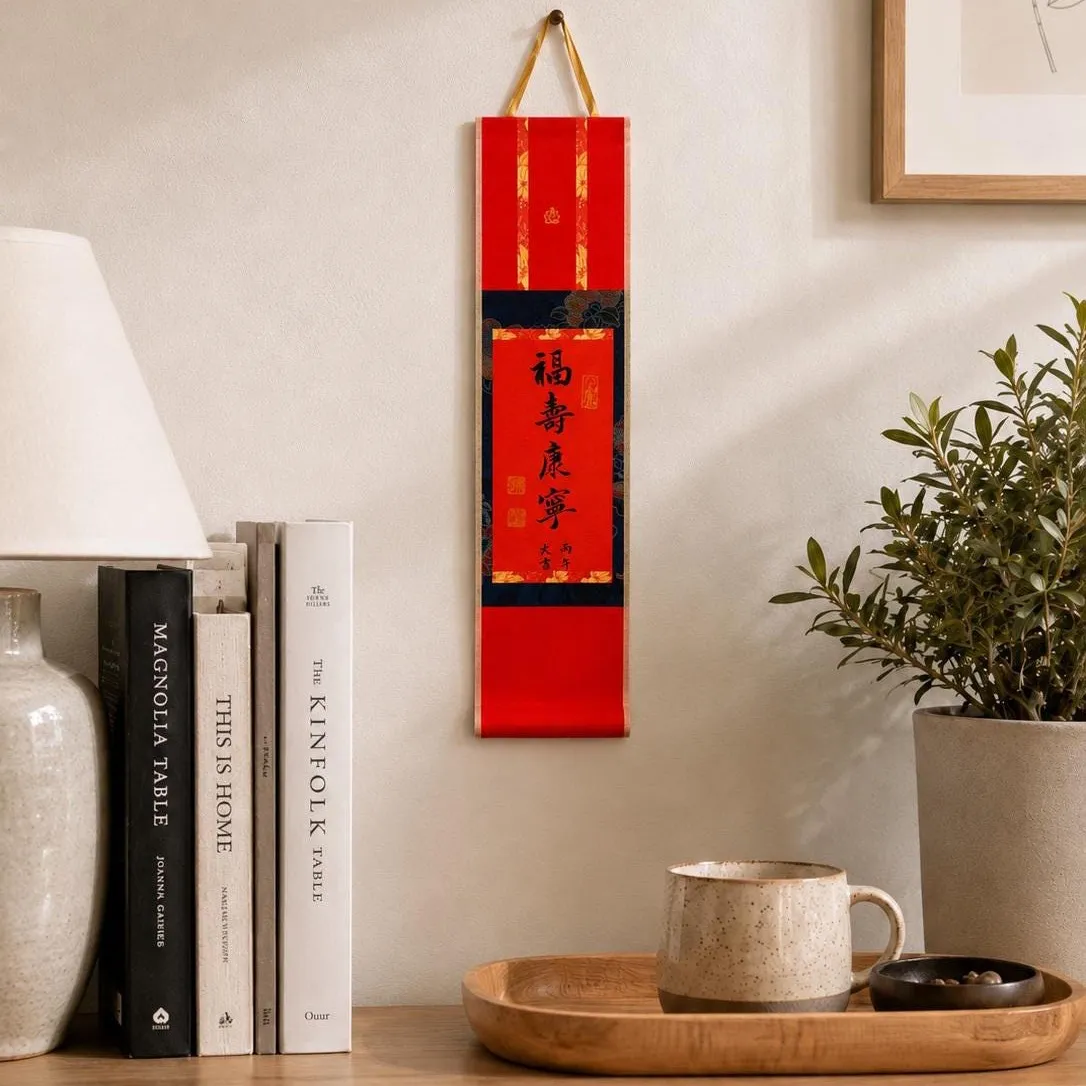
Photo shows a sample — yours will be brushed with 和顺, or any character you choose.
Wall Scroll — for walls & housewarmingsfrom $38→ -
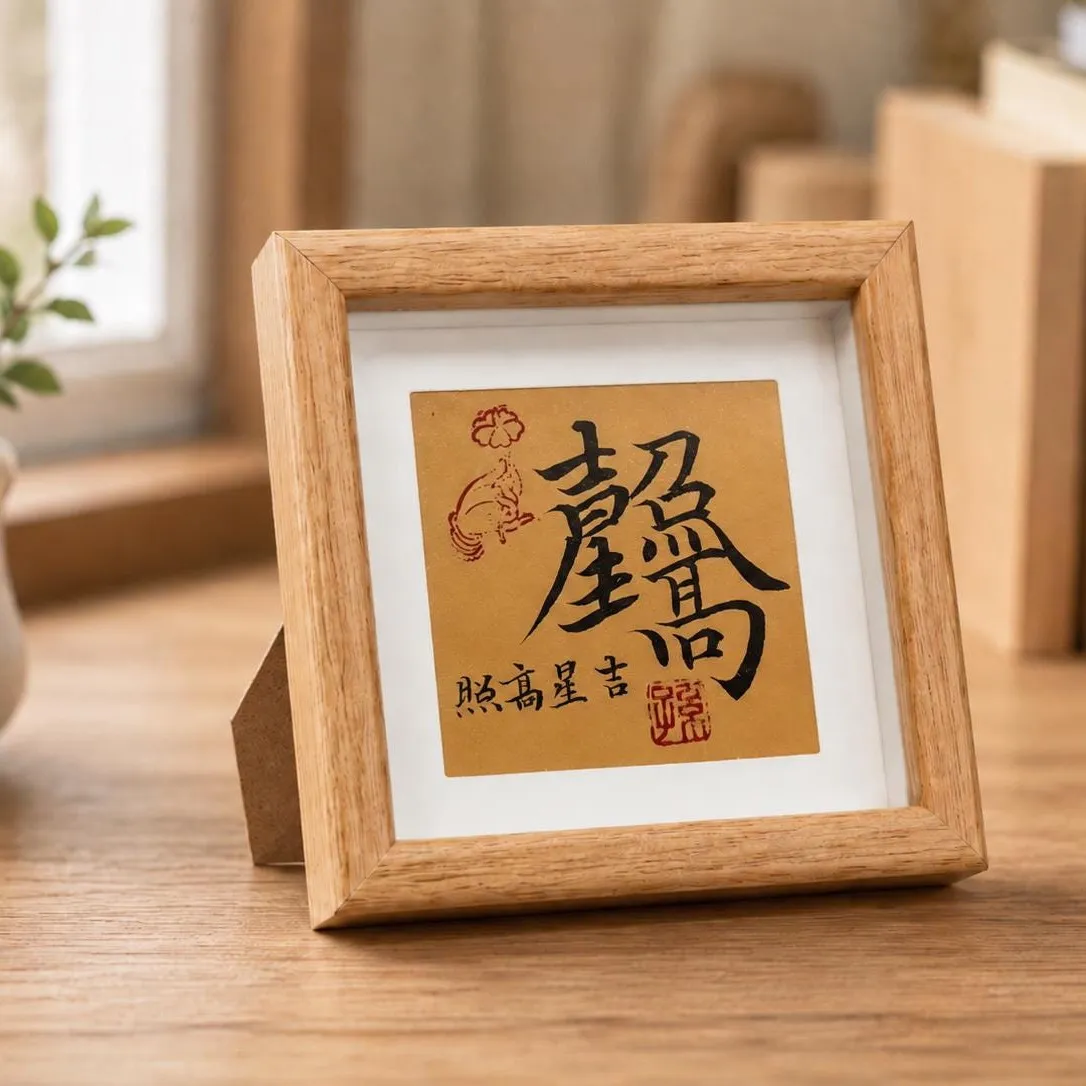
Photo shows a sample — yours will be brushed with 和顺, or any character you choose.
Desk Frame — for desks, studies & studiosfrom $44→ -
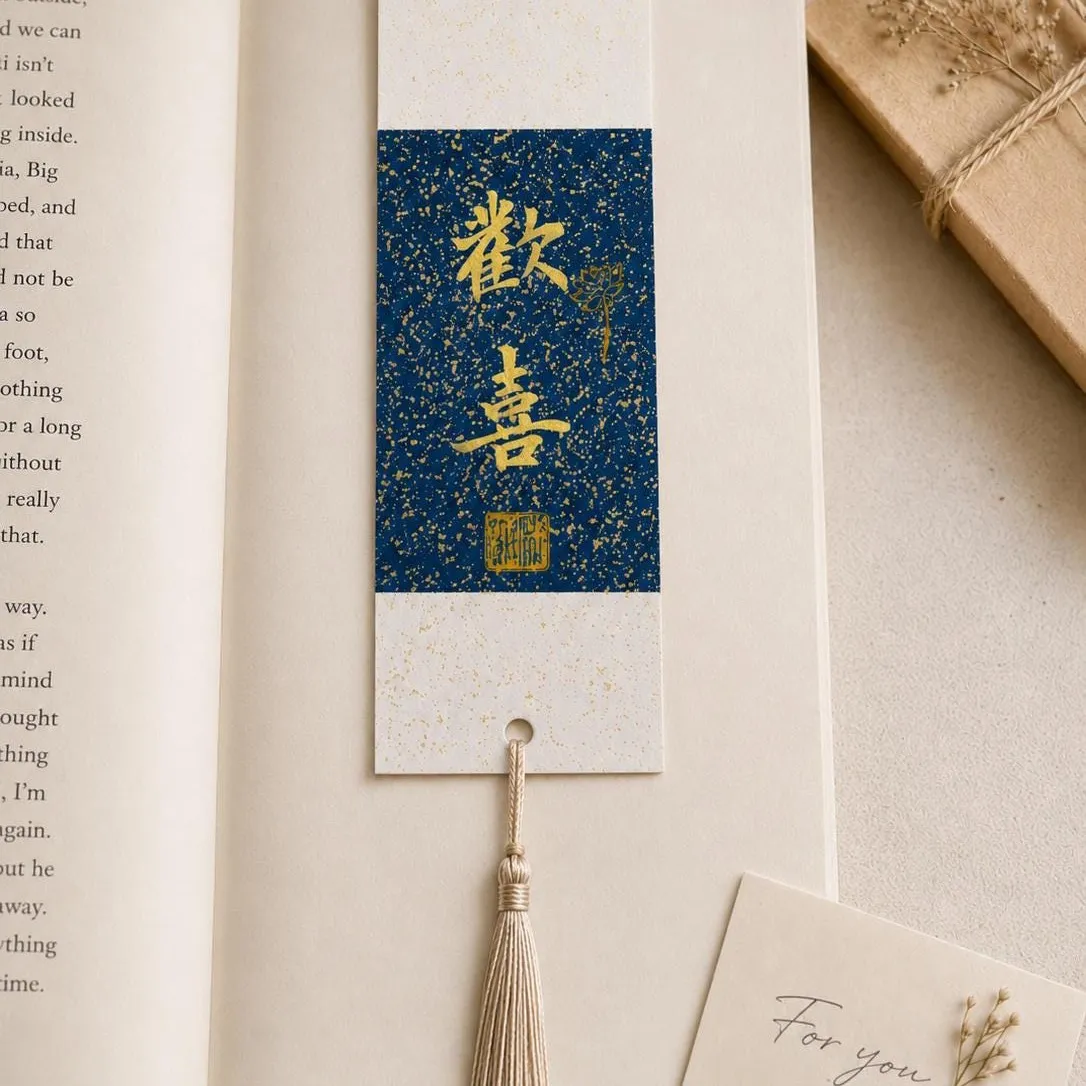
Photo shows a sample — yours will be brushed with 和顺, or any character you choose.
Bookmark — for readers & small thank-yousfrom $14→
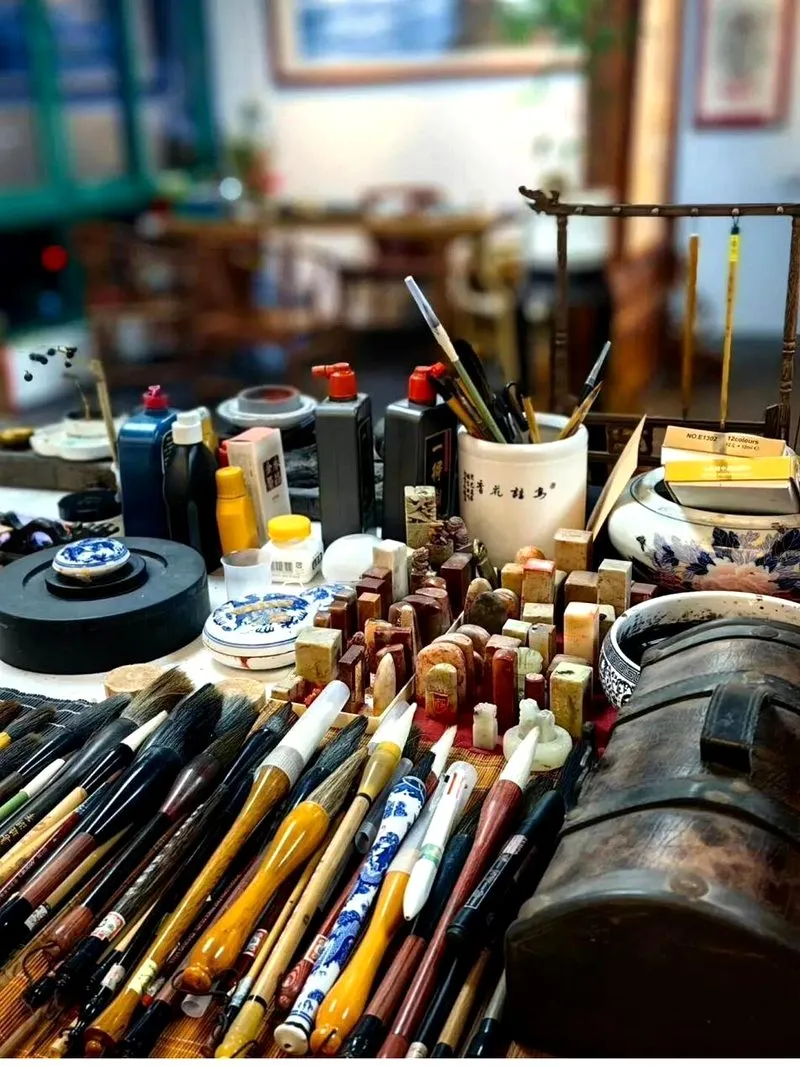
What people said after it arrived.
-
The item is fantastic. The customer service was genuine. Thanks!
— M.Verified purchase · from our Etsy shop reviews · -
They were great they gave me exactly what I asked for and then some. Thank you!!
— G.Verified purchase · from our Etsy shop reviews · -
It is well designed and customized. My daughter loves it. Amazing gift for family’s d friends
— S.Verified purchase · from our Etsy shop reviews ·
Each "和顺" is hand-brushed by FuBlessings on rice paper.
See 和顺 (Hé Shùn) on Etsy →