正直 (zhèng zhí) — Upright and Straight · Correct by an Outside Standard
A two-character word, not a single character.
The old 直 is an eye with a single stroke standing straight up out of it: a sightline, drawn. It is the carpenter’s test — one eye shut, look along the edge of the board, see whether it runs true — and it measures a thing against itself. 正 measures the other way round. Its graph is a foot moving on a walled town, and what the word settled on is a fit rather than a shape: 正鹄 names the centre of an archery butt, and to be 正 is to have landed where something other than you says the centre is. 正直 welds the two together and then requires both. A person can be correct by every rule in the building and never say the thing they saw; a person can say the thing they saw and be wrong about it. Only the pair is worth hanging on a wall.
The word turns up wherever somebody is being vouched for. 为人正直 is the line in a reference letter and in the four characters read out at a funeral; it is what a village says about the man everyone took their disputes to. 洪范 put it at the head of the three virtues — 一曰正直 — and then used it, oddly, about a road: 无反无侧,王道正直, a way that neither doubles back nor leans aside. Roads can be inspected, which is the point of choosing one. The 诗经 is warmer about it, telling an official to 好是正直, to be fond of uprightness, and 孔子 gave it its sharpest portrait in a single sentence about 史鱼 — 邦有道,如矢;邦无道,如矢, an arrow when the state was good, an arrow when it was not. The praise is entirely in the clause that does not change. 诚 keeps a person’s words and the facts in line with each other; 正直 is about the shape they hold when keeping them in line has become expensive. See 诚 →
A hand-brushed 正直 by FuBlessings is for the person other people check things with: the father who answered the awkward question the same way whoever happened to be in the room, the manager who told you the budget was gone before you heard it from anywhere else, the colleague who is the reason a decision got made properly rather than quietly. It works as well for the graduate about to start somewhere that will, at some point in the first year, ask them to sign off on something they do not agree with. This is not a flattering word and it is not meant to be warm. It is what people reach for when they are asked what someone is actually like and want to say the plain thing, undecorated.
- right by a standard somebody else can apply, and straight in the saying — both, or neither counts
- the quality a person gets vouched for in, never one they announce
- an answer that does not change with who is in the room
- being safe to ask a question you would rather not hear answered
- honest 诚实 covers not lying, and lying is something a person does while speaking. 正直 governs the silences too — the meeting where saying nothing is accurate and still leaves the room misinformed.
- blunt 直率 and 心直口快 name a temperament: the gap between seeing and saying, and how short it is. 论语 files that on its own as a risk — 直而无礼则绞 — and 正 is the half of this word that keeps it aimed.
- righteous 义 is a decision, the obligation someone takes on when nothing required it of them. 正直 is not an act at all — it is what stays constant between the acts, which is why it gets diagnosed rather than performed.
- upright bearing That is 端 — 品行端正, uprightness carried in the posture and the conduct, legible before anybody has spoken. 正直 makes no claim about how a person stands or sits. It attaches to the account they give: what was said, what was left out of it, and whether it was right.
- principled A principle can be held entirely in private and still be held. 正 measures against something outside the person, so this word is checkable, and it fails the moment the account given depends on who is listening.
The short arms are the point: these readings don’t reach it.
- 正 aligned to the standardA foot — 止 — moving on a walled town in the oracle bones, which is why the graph first wrote 征, to campaign against. 许慎 gives the settled character in two syllables, 正,是也, being so — a claim that needs a second thing present before it will work at all.
- 直 straight to the eyeAn eye with one vertical stroke rising out of it — a sightline. 许慎 defines it with the other half of this very word, 直,正見也, correct seeing, and 荀子 supplies the tool: 木直中绳, timber straight enough to meet the carpenter's inked cord.
characters
- 刚正不阿 gāng zhèng bù ē firm and upright, bending to nobody — 阿 is the verb for currying favour, so the phrase names what 正直 refuses rather than what it is
- 正大光明 zhèng dà guāng míng upright, large, bright — nothing conducted in the dark; the four characters were hung on a board in the 乾清宫, behind which the Qing succession edict was kept
- 直言不讳 zhí yán bù huì saying it straight with nothing avoided — 讳 is the taboo one is supposed to step around, so the phrase is about what does not get stepped around
- 是非曲直 shì fēi qū zhí right and wrong, crooked and straight — the courtroom pairing, where 直 stops being a manner and becomes a finding
- 正人君子 zhèng rén jūn zǐ an upright person, a gentleman — the same 正 applied to a whole person; modern speech often says it with an edge on it
- 耿介 gěng jiè upright and unwilling to go along — related by sense and sharing no character with the headword; 屈原 uses it in 《离骚》 of the former kings, and it carries the loneliness 正直 leaves out
Cinnabar marks the characters 正直 actually contains. The dark row is a relative by meaning or by sound, not one shared stroke.
The Story Behind the Character
正 begins as a march. The oracle-bone graph sets a foot — 止 — beneath a small enclosed square, and the square is a walled settlement: the picture is a column moving on a town, which is why the word the graph first wrote is the one now spelled 征, to campaign against. The archery vocabulary keeps the settled sense cleanest: 正鹄 is the centre of the butt, and 正 is where the arrow is once it has answered to something outside itself. 许慎 glosses the character in two syllables — 正,是也, 正 is being so — and reads the graph as 从止,一以止, a foot brought up by a line. Every later use keeps that line somewhere in it. 正月 is the month the calendar is set from; 正 as a verb is to correct one thing by another; a 正楷 stroke is one that answers to a model. The character never names a property a person holds alone. It names a relation to a standard somebody else can check.
直 begins as a look. Its oracle-bone form is an eye with a single vertical stroke rising straight out of it — a sightline, drawn — and the plainest job a sightline does is test a board: shut one eye, sight along the edge, see whether it runs true. Seal script adds the 乚 the modern character still carries at its lower left. 许慎's gloss is the detail worth keeping: 直,正見也, straight is correct seeing, which means one half of this word was already being defined by the other by 100 CE. 荀子 supplies the tool some three centuries earlier — 木直中绳,輮以为轮, timber straight enough to meet the marking line can still be steamed into a wheel — and 绳 there is the carpenter's inked cord, snapped against the wood. 直 is what survives that comparison.
Welded together, the two keep measuring in different directions, and the compound insists on both. The 诗经 carries it in a 小雅 poem where it is what an official is told to be fond of — 靖共尔位,好是正直 — and 洪范 uses it without a person anywhere in the sentence: 无反无侧,王道正直, the king's road neither doubling back nor leaning aside. A road can be walked and inspected, which is the whole point of putting the word there. The same chapter opens its list of the 三德 with 一曰正直, ranking it above firmness and above mildness, and that ordering has held ever since: the other two are corrections, and this is what they correct toward.
Classical lines
- roughly 400 years
- c. 8th c. BCE 《诗经·小雅·小明》
- c. 500 BCE 《论语·卫灵公》
- c. 4th c. BCE 《尚书·洪范》
靖共尔位,好是正直。神之听之,介尔景福。 Be still and careful in your post; be fond of this uprightness. The spirits, hearing of it, will enlarge your blessing.
The poem is spoken by a minor official posted far from the capital on an assignment he did not want, and this stanza is what he sends back to the colleagues still at court. 好是正直 puts uprightness in the position of a thing to like rather than a rule handed down from above — the word enters the written language as an appetite rather than a prohibition.
直哉史鱼!邦有道,如矢;邦无道,如矢。 Straight indeed, Shi Yu
when the state kept to the Way, an arrow; when the state lost it, an arrow. — The praise sits entirely in the repetition. Confucius names the quality once and then gives the identical clause twice with the condition reversed, which is the definition: not that Shi Yu was right, but that he did not change shape when the room did. Shi Yu was an official of Wei, remembered in later accounts for staging one last remonstrance with his own unburied body.
无偏无党,王道荡荡;无党无偏,王道平平;无反无侧,王道正直。 Without bias and without faction, the king's way is broad; without faction and without bias, the king's way is level; without doubling back and without leaning, the king's way is upright and straight.
Three clauses saying one thing by ruling out three separate ways of going crooked, and the subject throughout is a road rather than a man. Putting the word on a road rather than a person is what makes it inspectable in the first place.
Why This Character Matters
The tradition's most famous test case is one Confucius declines to pass. 叶公 tells him that his own district has a man called 直躬, straight-in-his-own-person, whose father took in a stray sheep and who gave evidence against him. Confucius answers that the straight men where he comes from are different: 父为子隐,子为父隐,直在其中矣, the father covers for the son and the son for the father, and straightness is in there. The passage has never settled. It resurfaced in the argument over the 2012 revision of China's criminal procedure law, which stopped short of compelling a spouse, parent, or child to appear in court against a defendant. Read at its least comfortable, it is not a licence for cover-ups so much as a refusal to let 直 collapse into procedure: a man who informs on his father has satisfied a rule and lost the thing the rule was for. Whatever 正直 is, it is not the same as compliance.
In use it is the plainest praise available, and it is nearly always spoken by a third party. 为人正直 — upright in his dealings — is the line in a reference letter, in the short appraisal a work unit keeps on file, and in the couplet hung at a funeral; 我很正直 said about oneself lands as a joke, because the word is a finding and the person concerned is not the one who gets to make it. The compound also does repair work on its own second half. 直 alone is a temperament — 直性子, 心直口快, the person who says it before deciding whether to — and 论语 files that under hazards, alongside courage and caution: 直而无礼则绞, straightness with no manners on it strangles. 正 is the correction. It puts the sightline back against a standard outside the speaker, so that what gets said straight is also, checkably, right.
A few characters live near "正直" but mean something quieter, sharper, or more specific. Here's how to tell them apart.
what a person's answers turn out to have in common once a few have been collected
the direction the heart is pointed — 中 over 心, aimed at something outside itself
covers judgment as well as speech: right by an outside standard, not only truthful
covers the match between what a person says and what is actually so
the standing shape between the acts, which other people are the ones to report
the single decision to take on an obligation nothing required
the whole account a person gives, silences and judgment included
the bearing — a correctness a room reads inside the first minute
a line that can be put to the test by anybody it lands on
holds because nothing on offer moves it — 孔子 said he had never met the man who managed it
A first job is where a person finds out what their 正直 costs, usually within the year.
- A first job is where a person finds out what their 正直 costs, usually within the year. Nothing at school tests it — the rules are posted, the marking is done by somebody else, and being right and being straight almost never come apart. Work separates them in the first month: the number that is not quite what was measured, the report accurate in every clause and misleading in total, the meeting where the correct thing to say is also the thing nobody wants said. 洪范 sets 正直 ahead of 刚克 and 柔克, firmness and mildness, because those two are adjustments and this is the baseline they adjust from. Given at graduation it is not a remark about the degree. It is a note about the part of the work that was not in the training.
- Children learn what straight means by watching one adult handle being wrong. Long before a father explains a principle he is under observation: how he answers the question he would rather not, whether the account of the day changes depending on who is listening, what he does about the extra change the shop handed back. 正直 is the word Chinese uses in exactly that register — third-person and plain, 为人正直, the sentence a family gives when somebody outside asks what he is like. It is not the loud virtue and it does not photograph well. It is the one his children turn out to have copied anyway, usually noticing around the age they start being asked the same questions themselves.
Looking for a name? See Western names written in Chinese →
-
What does 正直 (zhèng zhí) mean?
正直 (zhèng zhí) is a two-character Chinese word for upright and straight, correct by an outside standard. The old 直 is an eye with a single stroke standing straight up out of it: a sightline, drawn. It is the carpenter's test — one eye shut, look along the edge of the board, see whether it runs true — and it measures a thing against itself. 正 measures the other way round. Its graph is a foot moving on a walled town, and what the word settled on is a fit rather than a shape: 正鹄 names the centre of an archery butt, and to be 正 is to have landed where something other than you says the centre is. 正直 welds the two together and then requires both. A person can be correct by every rule in the building and never say the thing they saw; a person can say the thing they saw and be wrong about it. Only the pair is worth hanging on a wall. The tradition's most famous test case is one Confucius declines to pass. 叶公 tells him that his own district has a man called 直躬, straight-in-his-own-person, whose father took in a stray sheep and who gave evidence against him. Confucius answers that the straight men where he comes from are different: 父为子隐,子为父隐,直在其中矣, the father covers for the son and the son for the father, and straightness is in there. The passage has never settled. It resurfaced in the argument over the 2012 revision of China's criminal procedure law, which stopped short of compelling a spouse, parent, or child to appear in court against a defendant. Read at its least comfortable, it is not a licence for cover-ups so much as a refusal to let 直 collapse into procedure: a man who informs on his father has satisfied a rule and lost the thing the rule was for. Whatever 正直 is, it is not the same as compliance.
-
What occasions is 正直 given for?
正直 is traditionally given for Graduation, Father's Day. A first job is where a person finds out what their 正直 costs, usually within the year. Nothing at school tests it — the rules are posted, the marking is done by somebody else, and being right and being straight almost never come apart. Work separates them in the first month: the number that is not quite what was measured, the report accurate in every clause and misleading in total, the meeting where the correct thing to say is also the thing nobody wants said. 洪范 sets 正直 ahead of 刚克 and 柔克, firmness and mildness, because those two are adjustments and this is the baseline they adjust from. Given at graduation it is not a remark about the degree. It is a note about the part of the work that was not in the training. Children learn what straight means by watching one adult handle being wrong. Long before a father explains a principle he is under observation: how he answers the question he would rather not, whether the account of the day changes depending on who is listening, what he does about the extra change the shop handed back. 正直 is the word Chinese uses in exactly that register — third-person and plain, 为人正直, the sentence a family gives when somebody outside asks what he is like. It is not the loud virtue and it does not photograph well. It is the one his children turn out to have copied anyway, usually noticing around the age they start being asked the same questions themselves.
-
Who brushes the 正直 calligraphy?
FuBlessings hand-brushes each 正直 (Zhèng Zhí) to order, in ink on rice paper — never printed, never repeated.
Bring 正直 home — choose how you'd like it brushed.
-
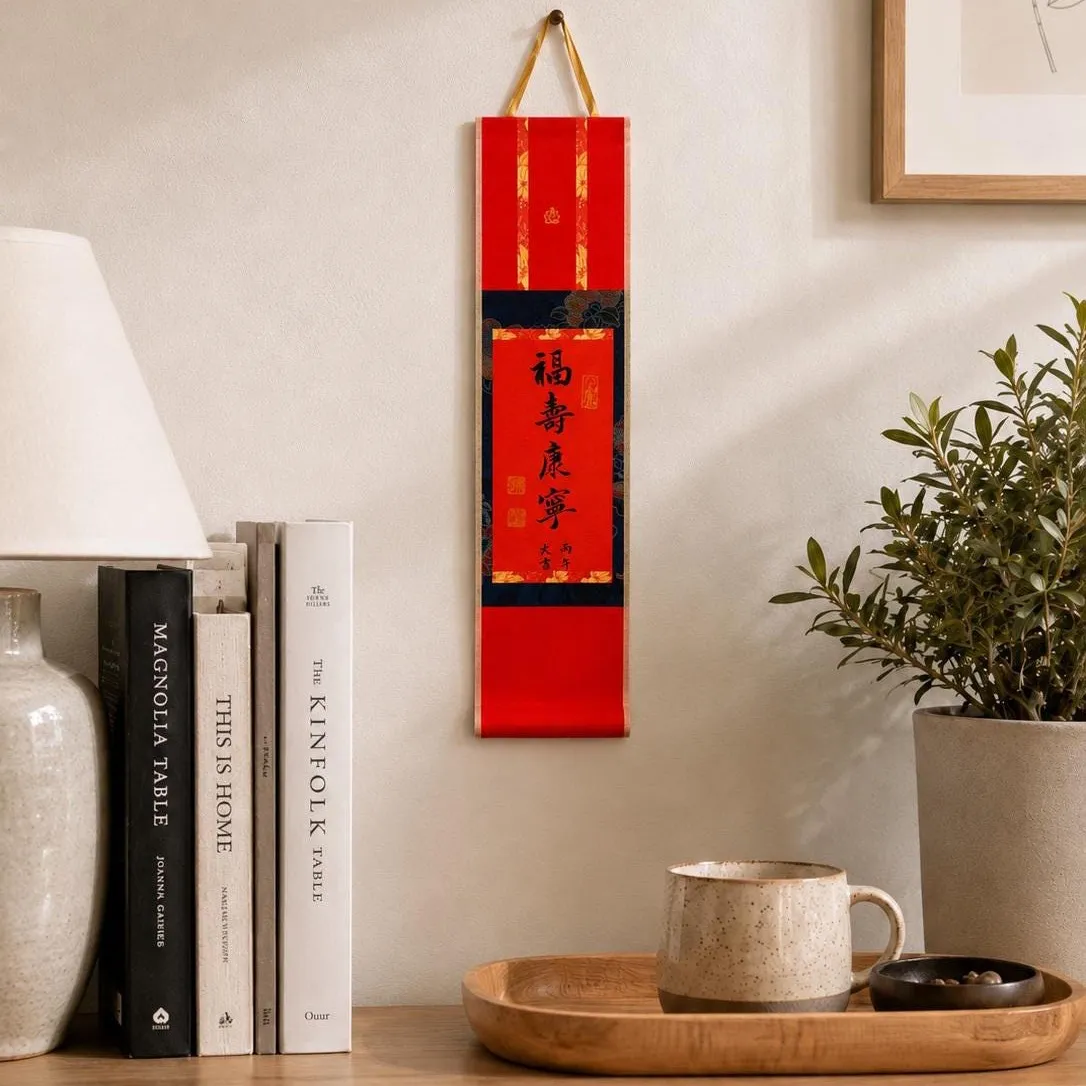
Photo shows a sample — yours will be brushed with 正直, or any character you choose.
Wall Scroll — for walls & housewarmingsfrom $38→ -
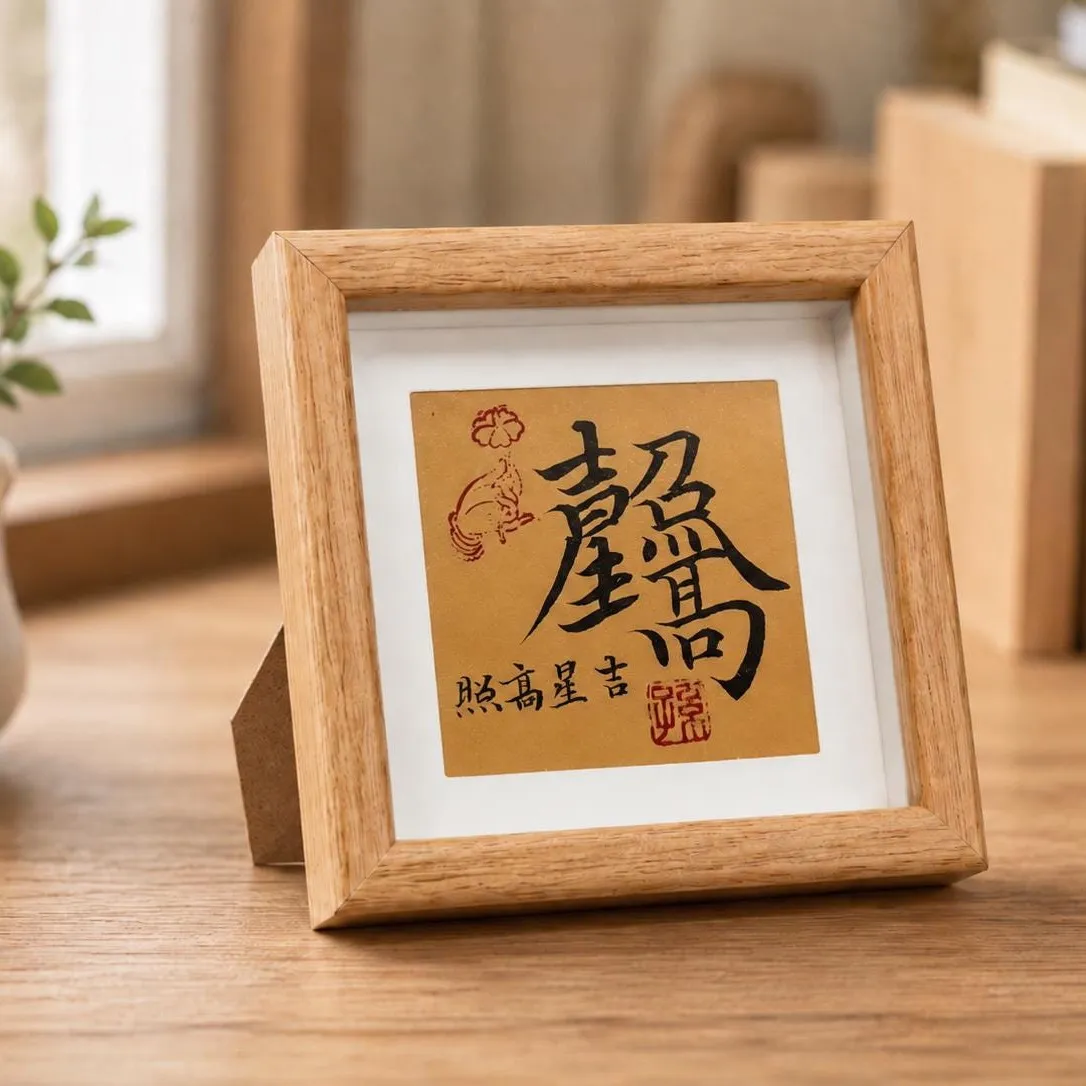
Photo shows a sample — yours will be brushed with 正直, or any character you choose.
Desk Frame — for desks, studies & studiosfrom $44→ -
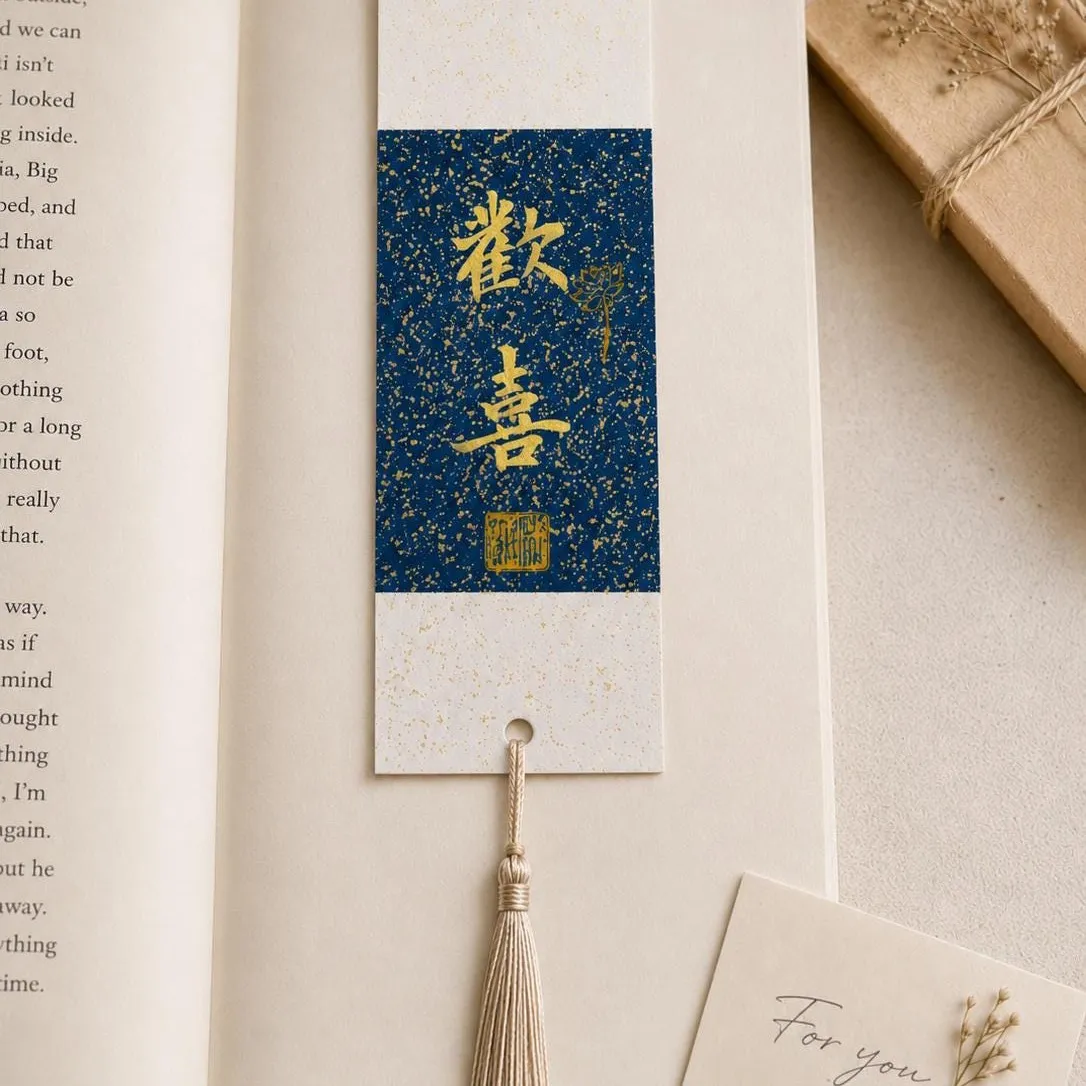
Photo shows a sample — yours will be brushed with 正直, or any character you choose.
Bookmark — for readers & small thank-yousfrom $14→
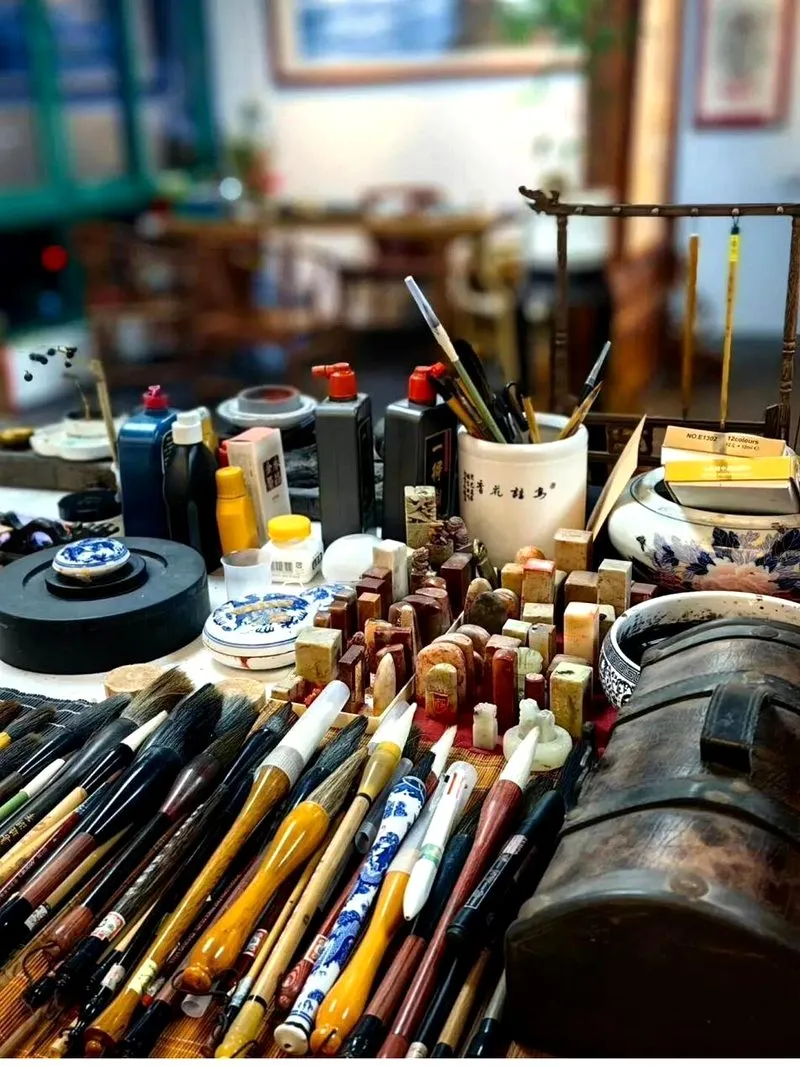
What people said after it arrived.
-
The item is fantastic. The customer service was genuine. Thanks!
— M.Verified purchase · from our Etsy shop reviews · -
They were great they gave me exactly what I asked for and then some. Thank you!!
— G.Verified purchase · from our Etsy shop reviews · -
It is well designed and customized. My daughter loves it. Amazing gift for family’s d friends
— S.Verified purchase · from our Etsy shop reviews ·
Each "正直" is hand-brushed by FuBlessings on rice paper.
See 正直 (Zhèng Zhí) on Etsy →