刚 (gāng) — Principled Firmness · Inner Strength · Unyielding Character
A single character.
Confucius made one admission in the Analects that he made about no other virtue: 吾未见刚者 — “I have never met a truly 刚 person.” A disciple offered a candidate. Confucius dismissed him in a sentence: that man has too many desires — how could he be 刚? The exchange is the whole definition. 刚 is not the effort sustained over time (that is 恒), not the resolve that holds in adversity (毅), not faithfulness to another (忠). It is the quality of an interior that cannot be moved by external inducement — and Confucius had never seen it, because it requires a freedom from wanting that almost no one reaches. The person he was looking for would be unmoved by wealth, unshaken by poverty, unbowed by force: three tests from three directions, and the interior the same throughout.
In Chinese life, 刚 shows up most distinctly in the compound 刚正不阿 (gāng zhèng bù ē) — firm, upright, and not inclining toward power — the honorific for the official or mentor who held their position when accommodation to authority would have been easy and advantageous. The ideal type is 外柔内刚 (wài róu nèi gāng): gentle on the surface, uncompromising in the interior. A father described as 外柔内刚 did not make firmness a posture — he was available, even-tempered, genuinely accommodating in daily life. But the standard he held in the matters that counted was never negotiated. The quality shows itself over years, in the consistency of that standard across circumstances where relaxing it would have been understandable.
A hand-brushed 刚 by FuBlessings is the recognition for the father, partner, or mentor whose interior position has not been moved — by the pressures that offered reasonable justifications for compromise, by the circumstances that made accommodation convenient. Not the dramatic gesture of holding firm in crisis (that is 毅), but the quieter firmness of the person whose standard has simply never been negotiable. Given at Father’s Day or a milestone birthday, it names what the years of consistency, observed across varied circumstances, finally make legible.
- principled firmness — the interior that does not move when pressure is applied
- the quality of the person who does not need what compromise would provide
- unyielding in the matters that count, without announcing it
- the maintained edge — not rigidity but the blade that does not soften
- toughness Toughness names endurance of hardship. 刚 names firmness of position — what the person does not concede, not what they endure.
- stubbornness Stubbornness holds because it cannot change. 刚 holds because it has decided not to — the distinction Confucius drew: desire is what makes 刚 impossible, not inability to see alternatives.
- resolve Resolve (毅, yì) reaffirms commitment when adversity arrives. 刚 names the interior that was not moved in the first place — the condition that makes resolve unnecessary.
The short arms are the point: these readings don’t reach it.
- 冈 mountain ridgelineThe upper continuous edge of a slope — not the mountain's mass but the line it holds. Contributes both the sound (gāng) and the image of a form that maintains itself regardless of what happens below.
- 刂 blade radicalThe knife/blade component that specifies maintained edge. Combined with the ridgeline, the composite names hardness in service of holding a line.
character
- 刚强 gāng qiáng firm and strong — the combination of interior firmness and outer capacity
- 刚毅 gāng yì firm and resolute — 刚's principled unmovability paired with 毅's adversity-specific determination
- 刚正不阿 gāng zhèng bù ē firm, upright, and not inclining toward power — the classical honorific for the official who held their position
- 外柔内刚 wài róu nèi gāng gentle exterior, firm interior — the ideal resolution of the tension between flexibility and firmness
- 刚直 gāng zhí firm and upright — principled directness without yielding to social pressure
The Story Behind the Character
The traditional form 剛 is built from two elements: 冈 (gāng), the ridgeline of a mountain, and 刂, the blade radical. The ridgeline is the continuous upper edge of a slope — not the mountain's bulk but its highest line, the form that holds against every change in weather below it. Paired with a blade, the composite names a specific quality: the edge that maintains itself. China's first dictionary (说文解字, c. 100 CE) defined 剛 as 彊斷也 — "forceful, decisive cutting" — the quality of the blade that does not soften with use.
The character's most significant cultural moment is also one of Confucius's most surprising admissions. In the Analects (Chapter 5), he says simply: 吾未见刚者 — "I have never met a truly 刚 person." When a disciple proposes a candidate, Confucius replies: that person has too many desires — how can he be 刚? The observation defines the character precisely. 刚 is not strength of will in adversity (that is 毅, yì) or sustained constancy of effort (that is 恒, héng). It is the quality of the person whose position cannot be moved by external inducement: wealth, recognition, praise, social pressure. Desire — the wish for things that require compromise — is what makes 刚 nearly impossible to maintain, and why Confucius said he had never seen it.
In Chinese ethical thought, 刚 found its resolution in the compound 外柔内刚 (wài róu nèi gāng) — a gentle exterior with an uncompromising interior. The person praised as 外柔内刚 does not appear rigid or unyielding; they handle the world with accommodation on the surface. But when the core is tested, it does not move. This was the resolution of Laozi's observation that the hard and rigid belong to death, the soft and flexible to life: 刚 as a character quality is not brittleness — it is the firmness that lives inside a person who appears completely accommodating.
Classical lines
- roughly 200 years
- c. 500 BCE 《论语·子路》
- c. 500 BCE 《论语·公冶长》
- c. 300 BCE 《孟子·滕文公下》
刚、毅、木、讷,近仁。 Hardness, resolve, plainness, and slow speech are near to benevolence.
Confucius placing 刚 first in a list of four qualities adjacent to 仁. Not the same as 仁 — Confucius was precise about that — but in its neighborhood. The character of the person who does not bend when pressure is applied tends, over time, to produce the conditions that benevolence requires.
吾未见刚者。或对曰:'申枨。'子曰:'枨也欲,焉得刚?' I have never met a truly 刚 person. When a disciple suggested Shen Cheng, Confucius replied: Cheng has too many desires
how can he be 刚? — Confucius's most demanding definition of the character. 刚 is not toughness or determination: it is the quality of the person who does not need the things that require compromise. The standard is difficult precisely because desire is universal — and Confucius's own admission that he had never seen it met is part of the character's weight.
富贵不能淫,贫贱不能移,威武不能屈,此之谓大丈夫。 Wealth and status cannot corrupt him; poverty cannot sway him; power and force cannot bend him
this is what is called a person of true character. — Mencius did not use 刚 directly, but the 大丈夫 he describes is 刚 in every particular: unmoved by inducement from any direction. Three separate tests — upward (wealth), downward (poverty), and lateral (force) — and the answer to all three is the same: the interior does not move. The most complete statement of what 刚 names.
Why This Character Matters
In Chinese name-giving, 刚 appears among the most common characters in male given names — an index of how central principled firmness has been to Chinese notions of character. But the compound that captures its meaning most precisely is 外柔内刚 (wài róu nèi gāng), used as both a personality description and a leadership ideal: the person who handles the world with apparent softness but whose interior does not bend. The phrase addresses the tension Laozi identified — that rigidity belongs to death, flexibility to life — by resolving it: 刚 as a gift character names the interior firmness, not the exterior posture.
The honorific 刚正不阿 (gāng zhèng bù ē) — firm, upright, and not inclining toward power — has named the Chinese official who held a principled position under political pressure for centuries of historical writing. Its opposite was 趋炎附势 (qū yán fù shì, following heat and leaning on power), and the contrast was stated explicitly to distinguish the person who held a position because it was correct from the one who accommodated whoever happened to be in authority. 刚 in this context names something very specific: the firmness that exists because it does not need anything from the people applying pressure.
刚 is a confident, masculine choice that a Chinese person reads as principled firmness — the interior that does not bend under pressure. It is an extremely common character in men's given names, so it carries a familiar, grounded feeling rather than anything flashy. Read as a tattoo, it comes across as a personal standard rather than a boast: 'I hold my line.' It pairs the hardness of a blade with the steadiness of a mountain ridge, and native readers feel both.
Calligraphy Styles for Tattoos
- Regular script (楷书 kǎishū) Best for tattoos
The simplified 刚 has 6 strokes split into two clear parts: the 冈 enclosure on the left and the 刂 blade on the right. Regular script keeps both parts square and legible, and the blade radical reads cleanly as two vertical strokes. A strong choice that holds up at smaller sizes.
- Clerical script (隶书 lìshū) Excellent for tattoos
Clerical script gives 刚 a broad, grounded base and flattens the strokes into confident horizontals — a good visual match for a character about a firmness that does not move. The blade radical on the right gains weight, which suits the meaning. Works well at 2+ inches.
- Running script (行书 xíngshū) Good for medium and larger pieces
Running script adds momentum to the 冈 enclosure, but the two vertical strokes of the 刂 blade need room to stay distinct from the enclosure beside them. Reliable at 2.5+ inches; below that the right side can crowd.
Common Mistakes to Avoid
- Drawing the 刂 (right blade radical) as a single vertical stroke instead of twoIntended: 刚 with 刂 as a short vertical plus a longer hooked vertical on its right
The blade radical 刂 is two strokes, not one. Collapsing it into a single line turns the right side into something that no longer reads as the blade component, and the character stops looking like 刚.
- Leaving the 冈 enclosure open at the bottomIntended: 刚 with the left enclosure framing the small element inside it
The 冈 part frames an inner element on three sides. If the frame is drawn incomplete or too loose, the left half loses its structure and the whole character reads as unbalanced.
Notes for Your Tattoo Artist
6 strokes (simplified 刚) or 10 strokes (traditional 剛). The two-part left/right structure is the main challenge: the 冈 enclosure and the 刂 blade should share equal vertical height, with a clear gap between them so the blade does not merge into the enclosure. Minimum size 1.5 inches for simplified; 2.5 inches for traditional, whose inner strokes are dense. The two verticals of 刂 should be the rightmost, cleanest lines in the character.
A few characters live near "刚" but mean something quieter, sharper, or more specific. Here's how to tell them apart.
interior firmness that cannot be bent by inducement — wealth, pressure, authority
resolve that reaffirms commitment when adversity arrives — what holds the determination intact under genuine difficulty
the quality of what the interior does not do — yield to what surrounds it
constancy as a long-duration pattern — the steady return to difficult work
the property of being unmoved by external pressure or inducement
the whole-person orientation toward others — faithfulness that flows from a centered heart
For Father's Day when the gift should name the interior firmness behind the years — the quality that kept the household's standard consistent through circumstances where relaxing it would have been understandable.
- For Father's Day when the gift should name the interior firmness behind the years — the quality that kept the household's standard consistent through circumstances where relaxing it would have been understandable. 刚 names not the father who is visibly unyielding but the one whose position, in the matters that counted, has simply never been negotiable. A sharper alternative to 德 (which names accumulated moral character) for the father whose particular quality is this specific firmness of interior.
- For the husband, father, or mentor at a milestone birthday when the gift should name what the years have verified rather than wish for something prospective. 刚 is the recognition for the person whose interior position has not been moved — by wealth that offered a shortcut, by pressure that offered an excuse, by authority that could have made accommodation convenient. Most specific when the relationship is close enough to have observed the quality directly.
刚 is one of the characters we use to write Western names in Chinese. See it at work:
-
What does 刚 (gāng) mean?
刚 (gāng) is the Chinese character for principled firmness, inner strength, unyielding character. Confucius made one admission in the Analects that he made about no other virtue: 吾未见刚者 — "I have never met a truly 刚 person." A disciple offered a candidate. Confucius dismissed him in a sentence: that man has too many desires — how could he be 刚? The exchange is the whole definition. 刚 is not the effort sustained over time (that is 恒), not the resolve that holds in adversity (毅), not faithfulness to another (忠). It is the quality of an interior that cannot be moved by external inducement — and Confucius had never seen it, because it requires a freedom from wanting that almost no one reaches. The person he was looking for would be unmoved by wealth, unshaken by poverty, unbowed by force: three tests from three directions, and the interior the same throughout. In Chinese name-giving, 刚 appears among the most common characters in male given names — an index of how central principled firmness has been to Chinese notions of character. But the compound that captures its meaning most precisely is 外柔内刚 (wài róu nèi gāng), used as both a personality description and a leadership ideal: the person who handles the world with apparent softness but whose interior does not bend. The phrase addresses the tension Laozi identified — that rigidity belongs to death, flexibility to life — by resolving it: 刚 as a gift character names the interior firmness, not the exterior posture.
-
What occasions is 刚 given for?
刚 is traditionally given for Father's Day, Birthday. For Father's Day when the gift should name the interior firmness behind the years — the quality that kept the household's standard consistent through circumstances where relaxing it would have been understandable. 刚 names not the father who is visibly unyielding but the one whose position, in the matters that counted, has simply never been negotiable. A sharper alternative to 德 (which names accumulated moral character) for the father whose particular quality is this specific firmness of interior. For the husband, father, or mentor at a milestone birthday when the gift should name what the years have verified rather than wish for something prospective. 刚 is the recognition for the person whose interior position has not been moved — by wealth that offered a shortcut, by pressure that offered an excuse, by authority that could have made accommodation convenient. Most specific when the relationship is close enough to have observed the quality directly.
-
Is 刚 a good Chinese tattoo?
刚 is a confident, masculine choice that a Chinese person reads as principled firmness — the interior that does not bend under pressure. It is an extremely common character in men's given names, so it carries a familiar, grounded feeling rather than anything flashy. Read as a tattoo, it comes across as a personal standard rather than a boast: 'I hold my line.' It pairs the hardness of a blade with the steadiness of a mountain ridge, and native readers feel both.
-
Who brushes the 刚 calligraphy?
FuBlessings hand-brushes each 刚 (Gāng) to order, in ink on rice paper — never printed, never repeated.
Bring 刚 home — choose how you'd like it brushed.
-
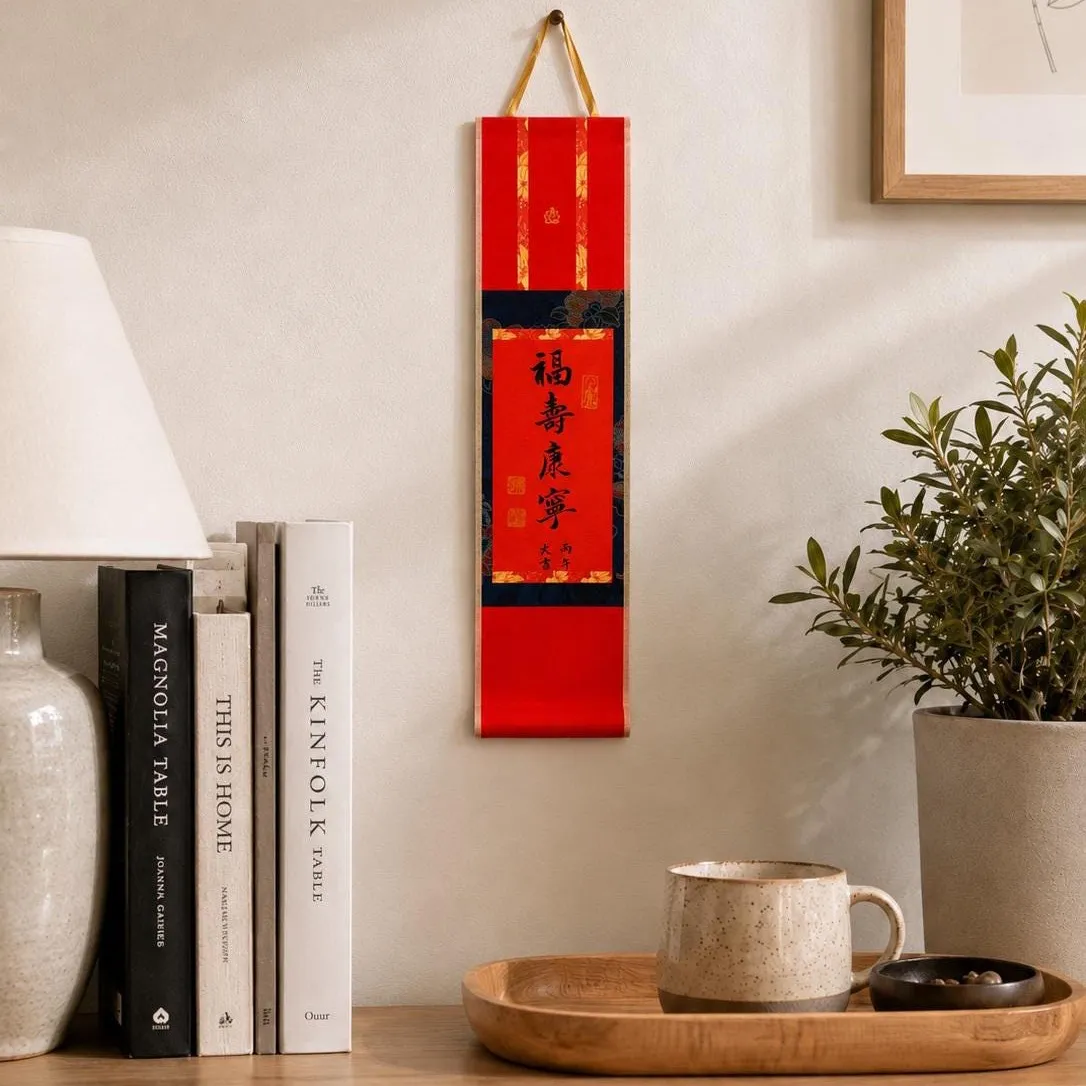
Photo shows a sample — yours will be brushed with 刚, or any character you choose.
Wall Scroll — for walls & housewarmingsfrom $38→ -
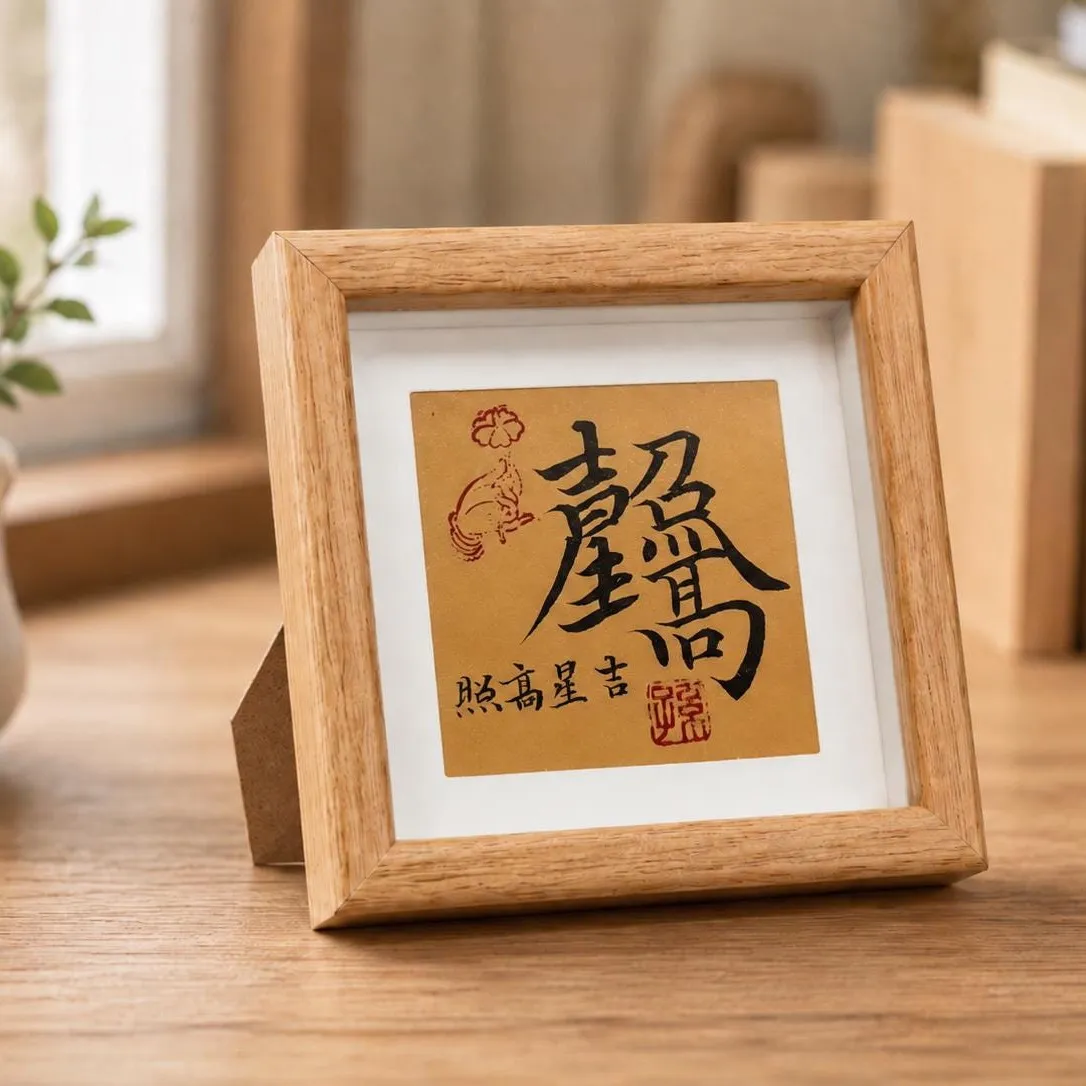
Photo shows a sample — yours will be brushed with 刚, or any character you choose.
Desk Frame — for desks, studies & studiosfrom $44→ -
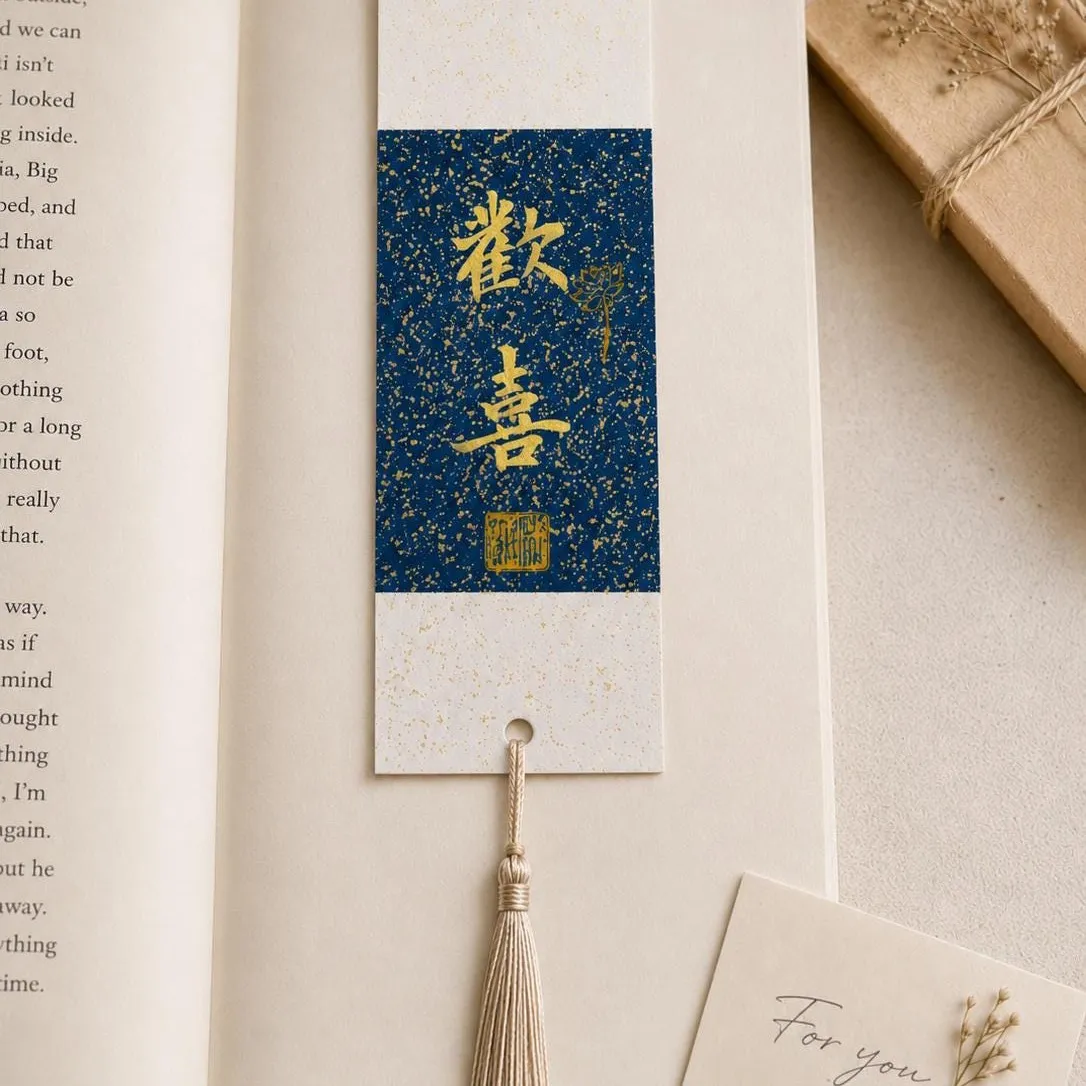
Photo shows a sample — yours will be brushed with 刚, or any character you choose.
Bookmark — for readers & small thank-yousfrom $14→
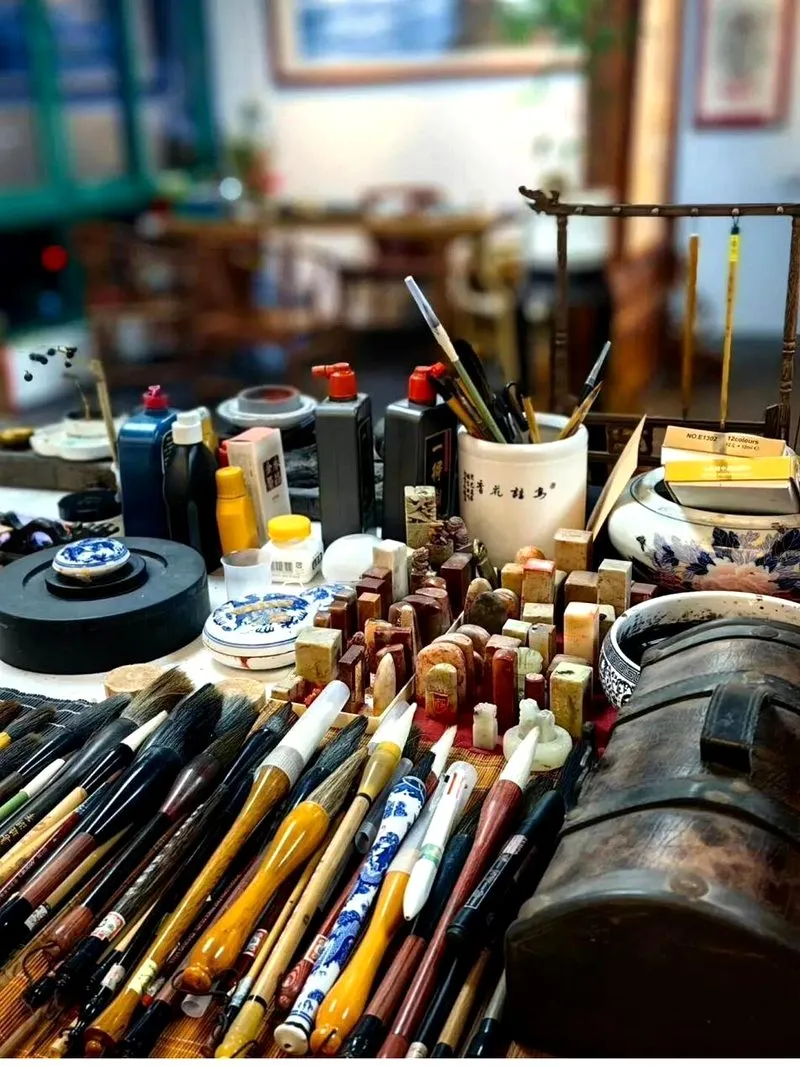
What people said after it arrived.
-
The item is fantastic. The customer service was genuine. Thanks!
— M.Verified purchase · from our Etsy shop reviews · -
They were great they gave me exactly what I asked for and then some. Thank you!!
— G.Verified purchase · from our Etsy shop reviews · -
It is well designed and customized. My daughter loves it. Amazing gift for family’s d friends
— S.Verified purchase · from our Etsy shop reviews ·
Each "刚" is hand-brushed by FuBlessings on rice paper.
See 刚 (Gāng) on Etsy →