诚 (chéng) — Sincerity · Honesty · Integrity
A single character.
诚 is the character that sits at the intersection of saying and doing. Its two components spell it out: 言 (speech) and 成 (to complete). Words that finish what they started. In a language with dozens of characters for honesty and trust, 诚 is the precise one — the one about the distance between intention and action, given to the person who has already closed that gap.
In Chinese daily life, 诚 appears in the vocabulary of reliability: 诚信 (integrity) on business charters, 诚实 (honest) in character references, 真诚 (sincere) in the descriptions of people you actually want in the room when things get difficult. It is also the character at the heart of the Doctrine of the Mean, where Confucius elevated it to a cosmic principle — nature is already sincere, he argued, and the human project is to match it. Rocks do not perform. Rivers do not exaggerate. 诚 is the effort to be that straightforward.
A hand-brushed 诚 by FuBlessings is not a general blessing. It is a pointed recognition — for the graduate whose work ethic was never a performance, for the friend whose word has never needed testing, for the colleague who makes trust easy because they have never given you a reason to withhold it. It says: I see what you are, and I am naming it.
- sincerity
- alignment of word and deed
- being the same person in private as in public
- honesty that you can build on
- honesty Close, but honesty is mostly about not lying. 诚 is about the harder thing — making your actions complete the sentence your words started.
- earnestness Too eager. Earnestness is a tone. 诚 is a structural property — a person whose inside and outside are the same shape.
- transparency Too informational. Transparency is about what others can see. 诚 is about what is actually there to be seen.
The short arms are the point: these readings don’t reach it.
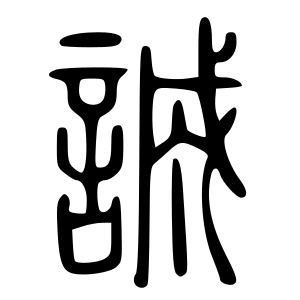
- 讠 speech (the simplified form of 言)On the left, the radical for words spoken — every character about saying, promising, telling, debating carries it. 诚 places speech at the front because honesty is, first of all, a property of what comes out of your mouth.
- 成 to complete, to bring aboutOn the right, the character for accomplishment. Not "to try" or "to mean well" — to finish. The pairing is the whole definition: words that complete themselves, speech that does what it promised.
character
- 诚信 chéng xìn integrity — the standard term for business and personal trustworthiness
- 真诚 zhēn chéng genuinely sincere — used of people whose warmth is not performed
- 诚实 chéng shí honest — the everyday word, the one on every character reference
- 诚恳 chéng kěn sincere and earnest — sincerity made visible in how someone speaks to you
- 忠诚 zhōng chéng loyal and true — devotion that has been tested and held
- 精诚 jīng chéng perfect, absolute sincerity — the kind the proverb says can split metal and stone
The Story Behind the Character
The character 诚 is composed of 言 (yán, speech) on the left and 成 (chéng, to accomplish or complete) on the right. Read it literally and you get a definition sharper than any dictionary entry: words that finish what they started. Speech that does what it promised. In a culture that produced dozens of characters related to honesty, trust, and truth, 诚 carved out a specific niche — it is the one about the gap between saying and doing, and the person who has closed it.
China's first dictionary (Shuowen Jiezi, c. 100 CE) defined 诚 simply as 信也 — "it means trustworthy." But the Confucian classic that gave 诚 its real weight was the Doctrine of the Mean (中庸), which elevated it far beyond personal honesty: 诚者,天之道也 — "sincerity is the Way of Heaven itself." The natural world does not pretend. Rivers do not perform. The sun does not exaggerate. 诚, in this reading, is the human effort to match that standard — to make your interior and your exterior the same thing.
What makes this etymology distinctive is its emphasis on completion. The 成 component does not mean "to try" or "to intend." It means "to finish, to bring about." Sincerity, for the scholars who shaped this character, was never about having good intentions. It was about intentions that became real — promises kept, words honored, inner conviction made visible through action over time.
Classical lines
- roughly 800 years
- c. 400 BCE 《中庸》第二十章
- c. 400 BCE 《中庸》第二十五章
- c. 445 CE 《后汉书·广陵思王荆传》
诚者,天之道也;诚之者,人之道也。 Sincerity is the Way of Heaven. Making oneself sincere is the Way of humanity.
The Doctrine of the Mean declaring that nature is already honest and our job is to catch up.
精诚所至,金石为开。 Where perfect sincerity reaches, even metal and stone will crack open.
A line about a general whose focus was so absolute that he split a boulder with an arrow. The metaphor stuck: genuine commitment breaks through anything.
诚者自成也,而道自道也。 Sincerity completes itself, and the Way guides itself.
The Confucian insight that real honesty is not effortful. Once you stop pretending, things simply work.
Why This Character Matters
In modern Chinese, the compound 诚信 (chéngxìn) — sincerity plus trust — is the standard term for business integrity, and it appears on storefronts, company charters, and government slogans nationwide. But the character's deepest hold on Chinese culture comes from an older idea: the belief that sincerity has material force. The phrase 精诚所至,金石为开 ("perfect sincerity can split metal and stone") is still quoted to describe anyone whose commitment is so genuine that obstacles simply give way. It is less a metaphor than an article of faith.
What sets 诚 apart from its near-synonyms — 信 (trust), 实 (truthfulness), 真 (authenticity) — is its focus on alignment. 信 is about whether others can rely on you. 真 is about whether something is genuine. 诚 is about whether the inside matches the outside — whether you are the same person in private that you are in public. In gift-giving, this makes 诚 unusually specific. You are not wishing someone a quality. You are recognizing one you have already observed.
诚 is a character that Chinese people genuinely respect. It carries Confucian weight — sincerity as a life practice, not a sentiment. As a tattoo, a Chinese person would read it as someone with philosophical depth, not just decorative taste. It's an uncommon and intelligent choice.
Calligraphy Styles for Tattoos
- Regular script (楷书 kǎishū) Best for tattoos
诚 has 8 strokes with a clean left-right structure — the speech radical 讠 and the completion component 成. Regular script keeps the two halves balanced and each stroke distinct.
- Running script (行书 xíngshū) Good for larger pieces
Running script gives 诚 a sense of movement that suits its meaning of words-becoming-action. The 成 side flows well, but the speech radical 讠 on the left needs to stay recognizable. Best at 2+ inches.
- Cursive script (草书 cǎoshū) Only with an expert calligrapher
In cursive, the speech radical can disappear into the flowing strokes of 成, making the character unreadable. The whole point of 诚 is clarity of expression — an illegible version undercuts the meaning.
Common Mistakes to Avoid
- Writing the speech radical as 言 (full form) when using simplified 诚Intended: Consistent simplified form with 讠 on the left
In simplified Chinese, the speech radical is 讠 (2 strokes), not the full 言 (7 strokes). Mixing the traditional radical 言 with the simplified right side creates a hybrid that doesn't exist in either system. Use either 诚 (simplified) or 誠 (traditional) — never a mix.
- Confusing 诚 (sincerity) with 城 (city wall)Intended: 诚 with the speech radical 讠
城 uses the earth radical 土 on the left instead of 讠, and means 'city' or 'wall.' Same right side 成, same pronunciation chéng. A misplaced radical turns your sincerity tattoo into a city tattoo.
Notes for Your Tattoo Artist
8 strokes. Left-right composition where the speech radical 讠 should be narrow (about 30% of width) and the 成 component broader (about 70%). The diagonal hook in 成 is the character's most dramatic stroke — give it room to sweep. Minimum size: 1.5 inches.
A few characters live near "诚" but mean something quieter, sharper, or more specific. Here's how to tell them apart.
the alignment itself — whether your inside matches your outside
a property of a person — being who you say you are, across years
a property of a thing — being what it claims to be, the genuine article
honesty turned inward — making yourself the same on both sides of the door
respect turned outward — meeting another person with seriousness and care
诚 is a graduation gift that names what sustained the work — not talent or circumstance but the honest alignment of intentions with daily effort.
- 诚 is a graduation gift that names what sustained the work — not talent or circumstance but the honest alignment of intentions with daily effort. For the graduate entering professional life, it is also a pointed wish: that they carry this quality into a world that will notice when it is missing.
- For the person whose word you have never had to test. 诚 on a birthday is recognition before it is a wish — it names the quality that makes the relationship easy to be inside, and says you see it clearly enough to name it.
Best Friend · Friend · Coworker · or yourself
Looking for a name? See Western names written in Chinese →
-
What does 诚 (chéng) mean?
诚 (chéng) is the Chinese character for sincerity, honesty, integrity. 诚 is the character that sits at the intersection of saying and doing. Its two components spell it out: 言 (speech) and 成 (to complete). Words that finish what they started. In a language with dozens of characters for honesty and trust, 诚 is the precise one — the one about the distance between intention and action, given to the person who has already closed that gap. In modern Chinese, the compound 诚信 (chéngxìn) — sincerity plus trust — is the standard term for business integrity, and it appears on storefronts, company charters, and government slogans nationwide. But the character's deepest hold on Chinese culture comes from an older idea: the belief that sincerity has material force. The phrase 精诚所至,金石为开 ("perfect sincerity can split metal and stone") is still quoted to describe anyone whose commitment is so genuine that obstacles simply give way. It is less a metaphor than an article of faith.
-
What occasions is 诚 given for?
诚 is traditionally given for Graduation, Birthday. 诚 is a graduation gift that names what sustained the work — not talent or circumstance but the honest alignment of intentions with daily effort. For the graduate entering professional life, it is also a pointed wish: that they carry this quality into a world that will notice when it is missing. For the person whose word you have never had to test. 诚 on a birthday is recognition before it is a wish — it names the quality that makes the relationship easy to be inside, and says you see it clearly enough to name it.
-
Is 诚 a good Chinese tattoo?
诚 is a character that Chinese people genuinely respect. It carries Confucian weight — sincerity as a life practice, not a sentiment. As a tattoo, a Chinese person would read it as someone with philosophical depth, not just decorative taste. It's an uncommon and intelligent choice.
-
Who brushes the 诚 calligraphy?
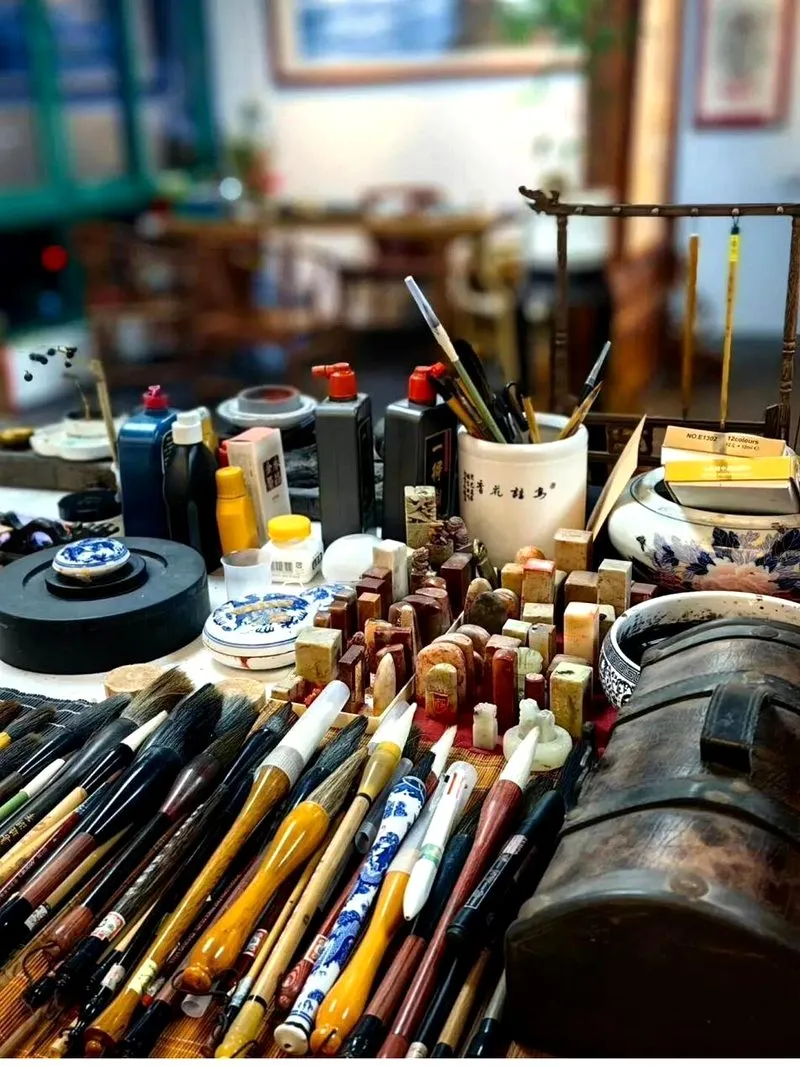
FuBlessings hand-brushes each 诚 (Chéng) to order, in ink on rice paper — never printed, never repeated.
Bring 诚 home — choose how you'd like it brushed.
-
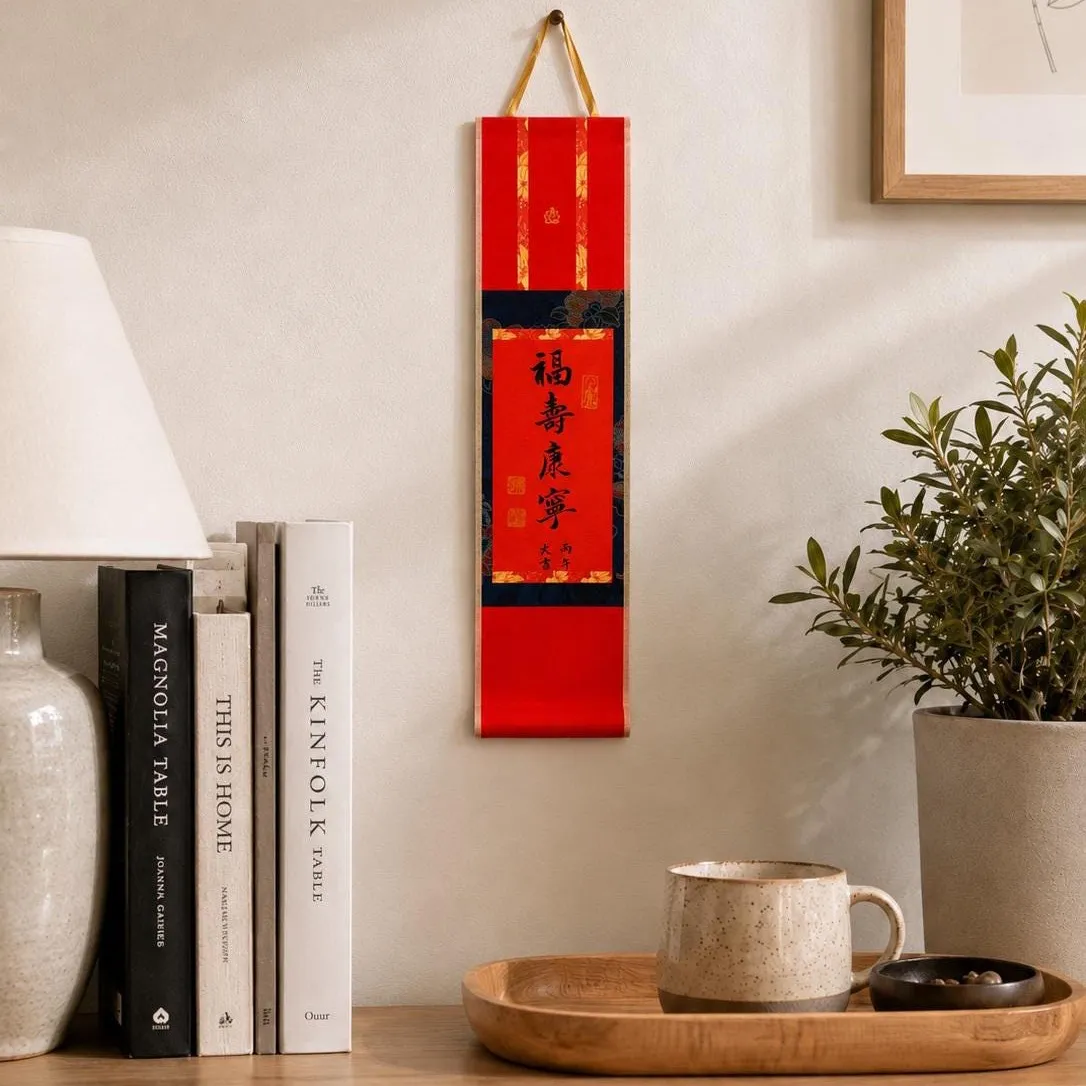
Photo shows a sample — yours will be brushed with 诚, or any character you choose.
Wall Scroll — for walls & housewarmingsfrom $38→ -
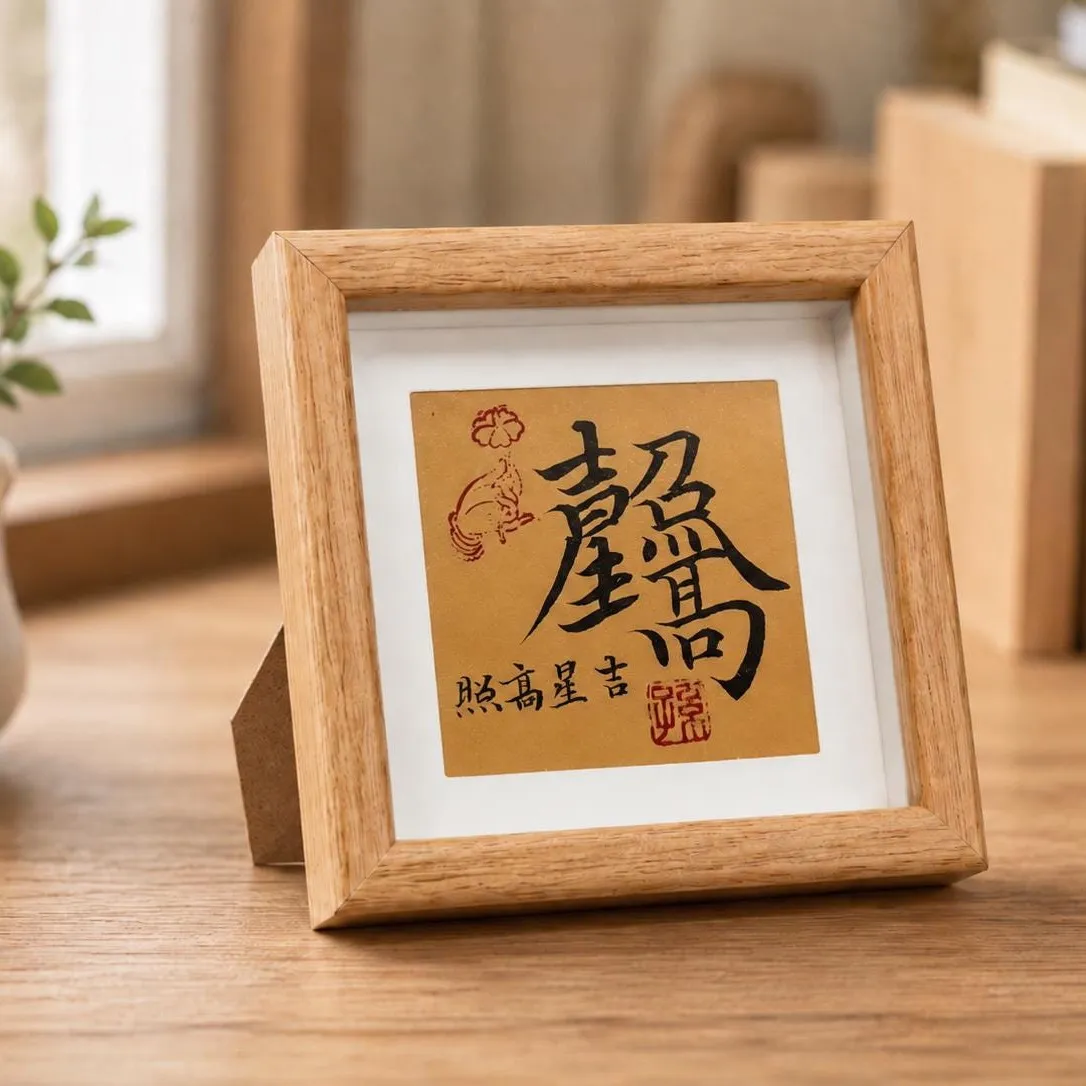
Photo shows a sample — yours will be brushed with 诚, or any character you choose.
Desk Frame — for desks, studies & studiosfrom $44→ -
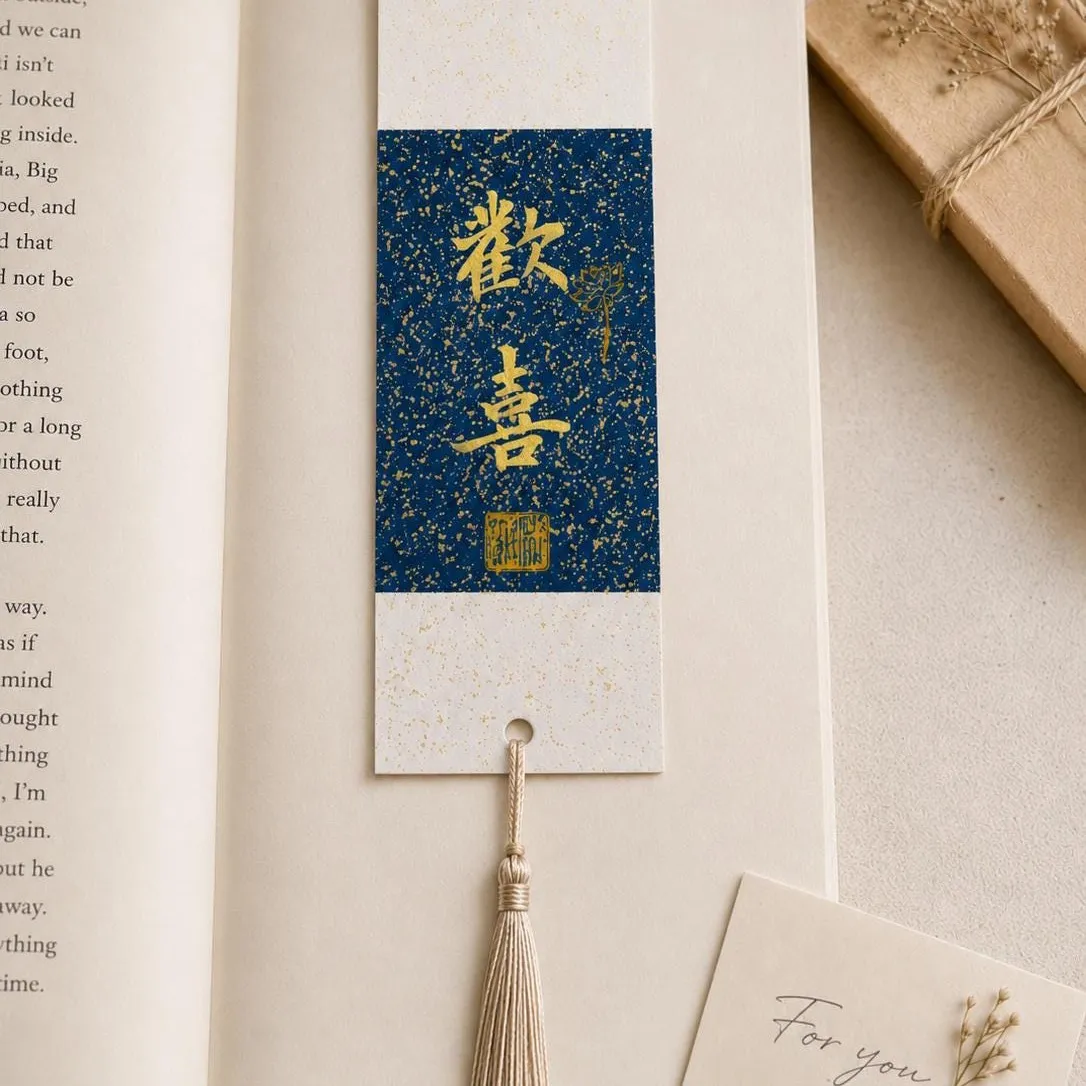
Photo shows a sample — yours will be brushed with 诚, or any character you choose.
Bookmark — for readers & small thank-yousfrom $14→
What people said after it arrived.
-
The item is fantastic. The customer service was genuine. Thanks!
— M.Verified purchase · from our Etsy shop reviews · -
They were great they gave me exactly what I asked for and then some. Thank you!!
— G.Verified purchase · from our Etsy shop reviews · -
It is well designed and customized. My daughter loves it. Amazing gift for family’s d friends
— S.Verified purchase · from our Etsy shop reviews ·
Each "诚" is hand-brushed by FuBlessings on rice paper.
See 诚 (Chéng) on Etsy →