端 (duān) — Uprightness · Propriety · Dignified Bearing
A single character.
Some people are upright in a way you can see before they say a word — in how they stand, how they sit, how they hold their conduct straight when leaning would be easier. That visible uprightness is 端. It is not 诚, the inner sincerity that may never show; not 敬, the reverence you turn toward others; not 谦, the modesty that keeps your worth quiet. 端 is bearing and conduct made correct and dignified — proper, square, the same from every angle. And beneath it runs a sense the character never lost: 端 is also the beginning, the tip where a thing first emerges. To be 端 is to be right from the very start.
The two meanings share one root. Before 立 (to stand) was added on its left, the character was 耑 — a sprout: the shoot pushing up, the roots reaching down, a thing at the first instant of growth. Add a standing figure and you get both readings at once — to stand upright, and the upright beginning of things. Chinese kept both. 开端 is the opening of anything; 端倪 is the first faint clue; and Mencius named conscience itself the 四端, the four sprouts from which benevolence, duty, courtesy, and judgment grow. On the side of conduct, the words turn up wherever character is weighed: 品行端正 (upright in conduct), 端庄 (dignified, composed), 端方 (principled and square). The classical manual of bearing even ruled the eyes — 目容端, let the gaze be level and steady, never shifty.
A hand-brushed 端 by Artist Lina Sun is the gift for the person whose uprightness you could read without being told — the father who was the same in every room, the mentor whose conduct set the line, the graduate you want to send out standing straight. It does not wish them fortune or long life; those are other characters. It names the rarer thing: a life kept proper and dignified from the beginning, and the quiet backbone it takes to hold that line when leaning would be easier.
- uprightness of conduct — proper, principled, straight
- dignified bearing — composure and gravity in how one carries oneself
- correctness — proper and regular, not deviant or crooked
- the beginning — the first sprout, the origin from which a thing grows
- stiffness 端 is upright, not rigid. 端庄 is composed self-possession — a steady, dignified poise — not the stiffness of someone braced against the world. The straightness is settled, not tense.
- sincerity That is 诚 — inner truthfulness that may never show. 端 is the outward uprightness of conduct and bearing, the correctness a person can actually see in how you stand, act, and keep your word.
- pride 端庄 is dignity, not disdain. Its gravity comes from being settled in oneself, not from looking down on anyone — the composure of a person at ease with who they are, not above others.
The short arms are the point: these readings don’t reach it.
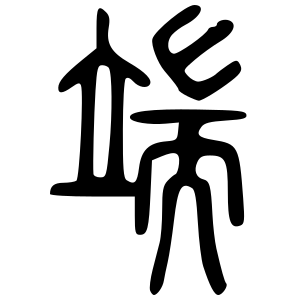
- 立 to standA person standing upright on the ground. Added to the older 耑, it gave the character its core meaning — 端,直也, to stand straight — from which the whole family of uprightness and propriety grows. Fittingly, a character about standing straight is built on the figure of someone standing.
- 耑 sprout / origin (also the phonetic)The original character on its own. The Shuowen reads it as a plant at first growth — the top the emerging shoot, the bottom its roots. It carries 端's second life: the tip, the origin, the beginning of things, as in 开端 and Mencius's 四端.
character
- 端正 duān zhèng upright, proper — of conduct, features, or attitude
- 端庄 duān zhuāng dignified and composed — of a person's bearing
- 端方 duān fāng upright and square — principled, morally straight
- 开端 kāi duān the beginning, the opening of something
- 端详 duān xiáng to look at closely and steadily; a careful, level examination
The Story Behind the Character
Before it meant a straight character, 端 was a plant. Strip away the 立 on its left and you are left with 耑 — the original character, and a picture: a shoot pushing up out of the ground, roots reaching down beneath it, caught at the first instant of growth. China's first dictionary (Shuowen Jiezi, c. 100 CE) reads it exactly that way — 物初生之題也,上象生形,下象其根也 — the tip of a thing when it first grows, the top its sprouting form, the bottom its roots. Long before it was a virtue, 端 was a beginning.
Then someone stood a person beside the sprout. Adding 立 (to stand) produced 端, and the Shuowen defines the new character in a single word: 端,直也 — 端 means straight. The two ideas fused and never came apart. On one side, 端 kept the sprout's sense of origin: 开端 is the opening of anything, 端倪 the first faint clue, and Mencius named the seeds of conscience the 四端 — the four beginnings from which benevolence, duty, courtesy, and judgment grow. On the other, it became the word for uprightness you can see: not a hidden intention but conduct and bearing held correct and square.
What the character finally came to name is rectitude made visible. A person who is 端 does not merely mean well; they stand well, sit well, keep their conduct proper when leaning would be easier. The uprightness is in the posture and in the life at once — which is why the same character can name the way a sprout stands straight out of the earth and the way a person stands straight through a life. To be 端 is to be right from the very beginning, and to keep that line all the way up.
Classical lines
- roughly 2,200 years
- c. 300 BCE 《孟子·公孙丑上》
- c. 100 BCE 《礼记·玉藻》
- 1858 曾国藩
恻隐之心,仁之端也;羞恶之心,义之端也;辞让之心,礼之端也;是非之心,智之端也。 The heart that cannot bear another's suffering is the sprout of benevolence; the heart of shame, the sprout of duty; the heart that yields, the sprout of courtesy; the heart that tells right from wrong, the sprout of wisdom.
This is 端 in its deepest sense: the beginning, the first shoot from which each virtue grows. Mencius argued that these four sprouts are already in everyone at birth — character is not installed but cultivated from a start that is present from the very beginning.
目容端,口容止,声容静,头容直。 Let the eyes be level and steady, the mouth composed, the voice quiet, the head held straight.
Four of the classical 九容, the nine deportments of a well-carried person. 端 is the rule for the eyes: a gaze that is level and direct, never shifty or darting. It is the oldest evidence that Chinese thought of uprightness as something visible in the body — you could read a person's 端 in how they held their own face.
端庄厚重是贵相。 Dignity and gravity are the marks of a worthy person.
The Qing statesman Zeng Guofan, famous for reading character, put 端庄 (dignified composure) first among the signs of someone destined to amount to something. Not cleverness, not charm — the steady, upright bearing of a person settled in themselves. It is the clearest classical warrant for giving 端 to a father, a mentor, or anyone whose worth shows in how they carry themselves.
Why This Character Matters
There is a stock phrase Chinese parents reach for when they size up anyone their child brings home: 品行端正 — upright in conduct. It is not a compliment about talent or success; it is the floor, the one thing that has to be true before anything else counts. To be judged 端正 is to be found straight — reliable, principled, the same whether or not anyone is watching. The gift of 端 hands someone that verdict directly: it says the thing every family hopes to be able to say and cannot always say of the people it loves.
The character also draws a line Chinese is careful about: 端庄 (dignified) is not 高傲 (haughty). Its gravity comes from self-possession, not from looking down — the composure of someone settled enough not to need to prove anything. That is why 端 pairs so naturally with warmth rather than against it; the 端庄厚重 of Zeng Guofan's ideal is dignity with weight and substance behind it, not coldness. A person can be entirely 端 — upright, proper, impossible to knock off their line — and still be the most approachable person in the room.
端 is an uncommon, thoughtful tattoo choice — it lives in 端正 (upright), 端庄 (dignified), and as a given name. A Chinese reader would see uprightness of character and dignified bearing, and take it as a quiet value someone holds rather than a bold statement — closer to a principle a person lives by than a slogan.
Calligraphy Styles for Tattoos
- Regular script (楷书 kǎishū) Best for tattoos
端 has 14 strokes in a balanced left-right build — 立 (stand) beside 耑. Regular script keeps both halves distinct and the standing radical genuinely upright, which matters for a character that means upright. Minimum recommended size: 2 inches.
- Running script (行书 xíngshū) Good for larger pieces
The flowing strokes suit 端's poised, dignified sense, but the busy right side 耑 needs room to stay legible. Works best at 2.5+ inches.
- Cursive script (草书 cǎoshū) Only with an expert calligrapher
Cursive can blur the right side 耑 into an indistinct knot and cost the left 立 its uprightness — a bad trade for a character whose whole meaning is standing straight. Attempt only with a calligrapher experienced in cursive 端.
Common Mistakes to Avoid
- Swapping the left radical and writing 瑞 (ruì) or 湍 (tuān) insteadIntended: 端 with 立 on the left
Many characters share the right side 耑 — 瑞 (auspicious jade), 湍 (rapids), 喘 (to pant). 端 is the one with 立 (stand) on the left. Change the left radical and you have written a different character entirely, and a Chinese reader catches it instantly.
- Cramping the left 立 so the two halves mergeIntended: 端 with a distinct, upright 立 beside a roomy 耑
端 is a balanced left-right character. The standing 立 on the left should stay narrow, vertical, and clearly separate from the busier 耑 on the right. Letting them collide is the most common proportion error — and a leaning 立 quietly contradicts a character that means standing straight.
Notes for Your Tattoo Artist
14 strokes, left-right structure: 立 (5 strokes) beside 耑 (9 strokes). Keep the left 立 truly vertical — a leaning 立 undercuts a character that means standing straight — and give the denser right side room so it does not crowd. Minimum 2 inches to hold 耑's detail.
A few characters live near "端" but mean something quieter, sharper, or more specific. Here's how to tell them apart.
the uprightness others can see — conduct and bearing kept proper and straight
the inner truthfulness that need never show — sincerity as a state of the heart
how you hold yourself — upright, dignified, correct in your own conduct
the reverence you direct outward — the seriousness you bring to people, tasks, and rites
the dignity that lets your bearing stand straight and be seen
the modesty that keeps your own worth low and quiet
For the new graduate stepping into the working world, when the wish should be about how you carry yourself, not what you achieve.
- For the new graduate stepping into the working world, when the wish should be about how you carry yourself, not what you achieve. 端 is uprightness made visible — the composure to stand straight, keep your conduct proper, and let your bearing say what a résumé cannot. It carries a second gift the moment deserves: 端 also means the beginning, the first sprout — Mencius called conscience itself the 四端, the four beginnings of virtue. To start out 端 is to start out with both: the correct footing and the character to keep it.
- For the father whose defining quality was that he was straight — principled, dignified, the same in every room. 端 names 品行端正, upright conduct: not the warmth of 慈 or the breadth of 宽, but the moral square-corner a child measures themselves against for life. Most apt for the dad who never had to say what was right because you could read it in how he stood, sat, and kept his word — the bearing that made 'be a proper person' something you saw long before you were told.
Looking for a name? See Western names written in Chinese →
-
What does 端 (duān) mean?
端 (duān) is the Chinese character for uprightness, propriety, dignified bearing. Some people are upright in a way you can see before they say a word — in how they stand, how they sit, how they hold their conduct straight when leaning would be easier. That visible uprightness is 端. It is not 诚, the inner sincerity that may never show; not 敬, the reverence you turn toward others; not 谦, the modesty that keeps your worth quiet. 端 is bearing and conduct made correct and dignified — proper, square, the same from every angle. And beneath it runs a sense the character never lost: 端 is also the beginning, the tip where a thing first emerges. To be 端 is to be right from the very start. There is a stock phrase Chinese parents reach for when they size up anyone their child brings home: 品行端正 — upright in conduct. It is not a compliment about talent or success; it is the floor, the one thing that has to be true before anything else counts. To be judged 端正 is to be found straight — reliable, principled, the same whether or not anyone is watching. The gift of 端 hands someone that verdict directly: it says the thing every family hopes to be able to say and cannot always say of the people it loves.
-
What occasions is 端 given for?
端 is traditionally given for Graduation, Father's Day. For the new graduate stepping into the working world, when the wish should be about how you carry yourself, not what you achieve. 端 is uprightness made visible — the composure to stand straight, keep your conduct proper, and let your bearing say what a résumé cannot. It carries a second gift the moment deserves: 端 also means the beginning, the first sprout — Mencius called conscience itself the 四端, the four beginnings of virtue. To start out 端 is to start out with both: the correct footing and the character to keep it. For the father whose defining quality was that he was straight — principled, dignified, the same in every room. 端 names 品行端正, upright conduct: not the warmth of 慈 or the breadth of 宽, but the moral square-corner a child measures themselves against for life. Most apt for the dad who never had to say what was right because you could read it in how he stood, sat, and kept his word — the bearing that made 'be a proper person' something you saw long before you were told.
-
Is 端 a good Chinese tattoo?
端 is an uncommon, thoughtful tattoo choice — it lives in 端正 (upright), 端庄 (dignified), and as a given name. A Chinese reader would see uprightness of character and dignified bearing, and take it as a quiet value someone holds rather than a bold statement — closer to a principle a person lives by than a slogan.
-
Who brushes the 端 calligraphy?
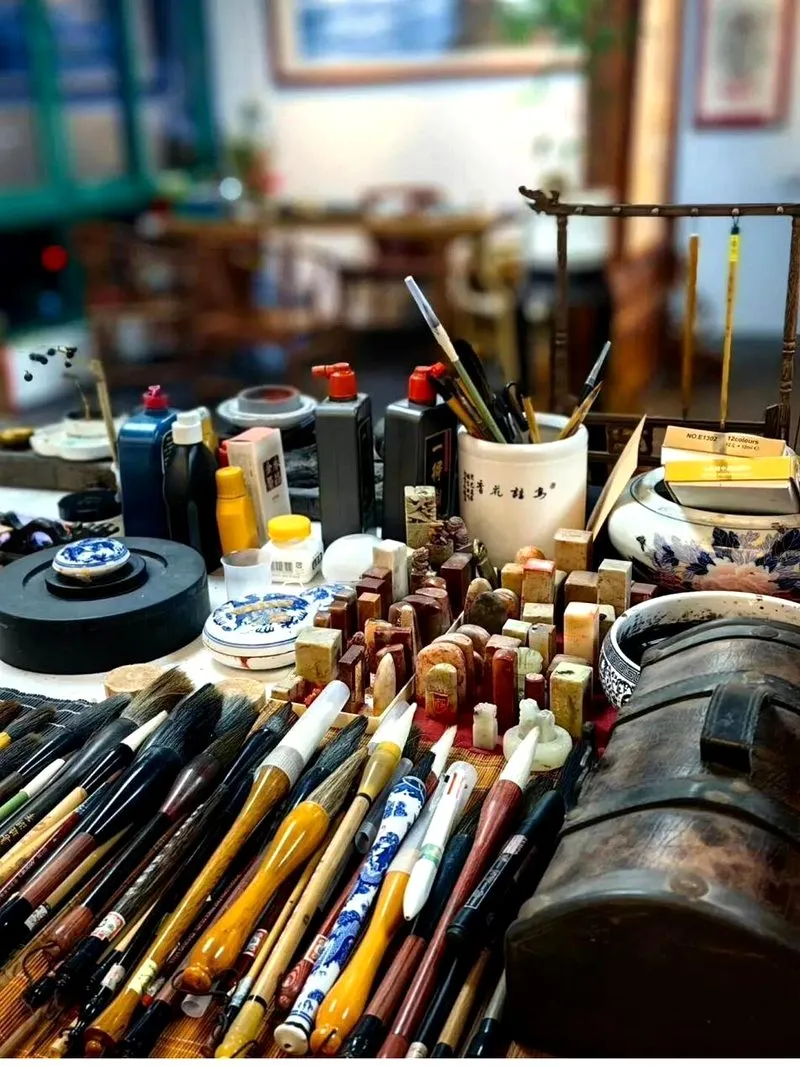
Each 端 (Duān) is hand-brushed to order by Artist Lina Sun in ink on rice paper — never printed, never repeated.
Bring 端 home — choose how you'd like it brushed.
-
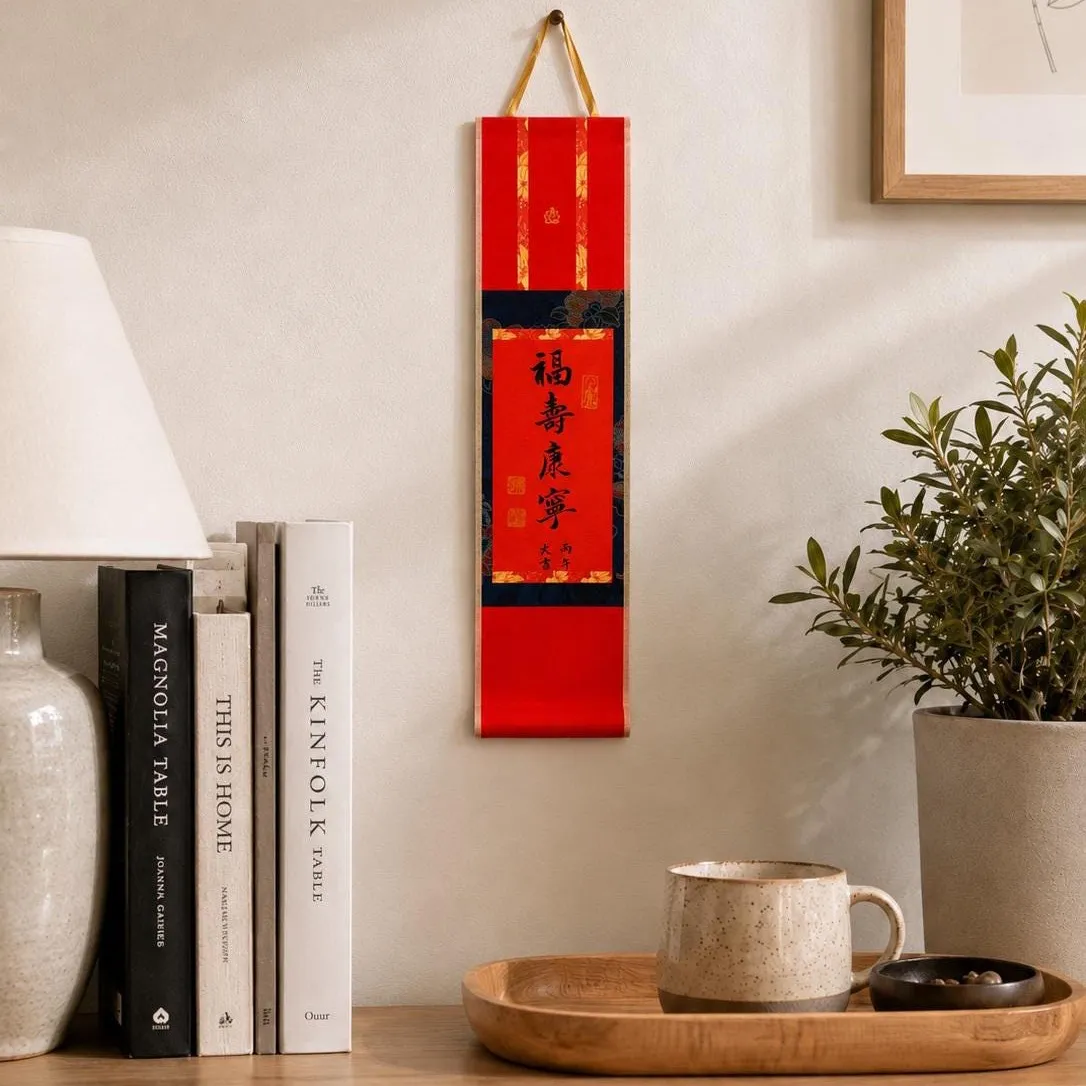
Photo shows a sample — yours will be brushed with 端, or any character you choose.
Wall Scroll — for walls & housewarmingsfrom $38→ -
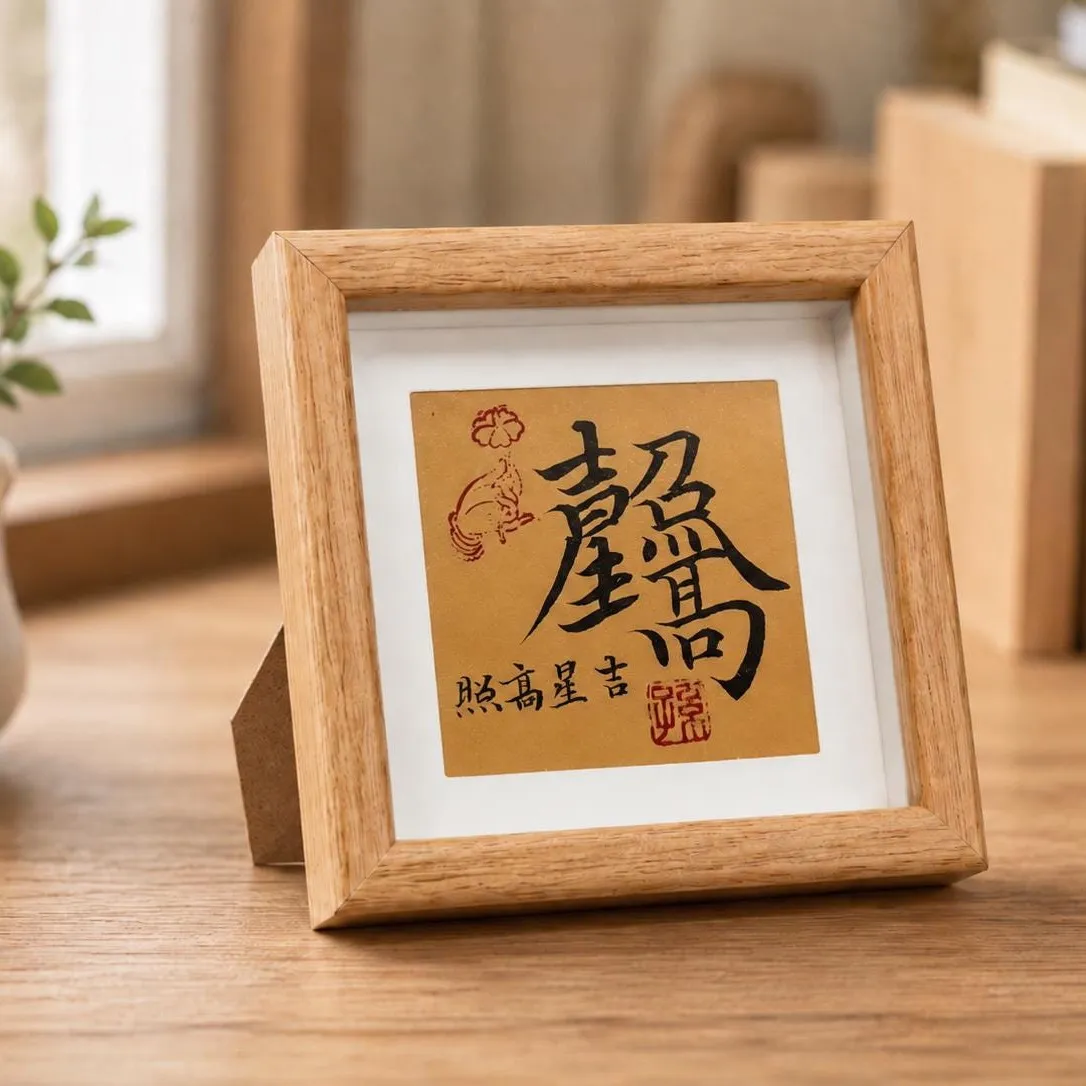
Photo shows a sample — yours will be brushed with 端, or any character you choose.
Desk Frame — for desks, studies & studiosfrom $44→ -
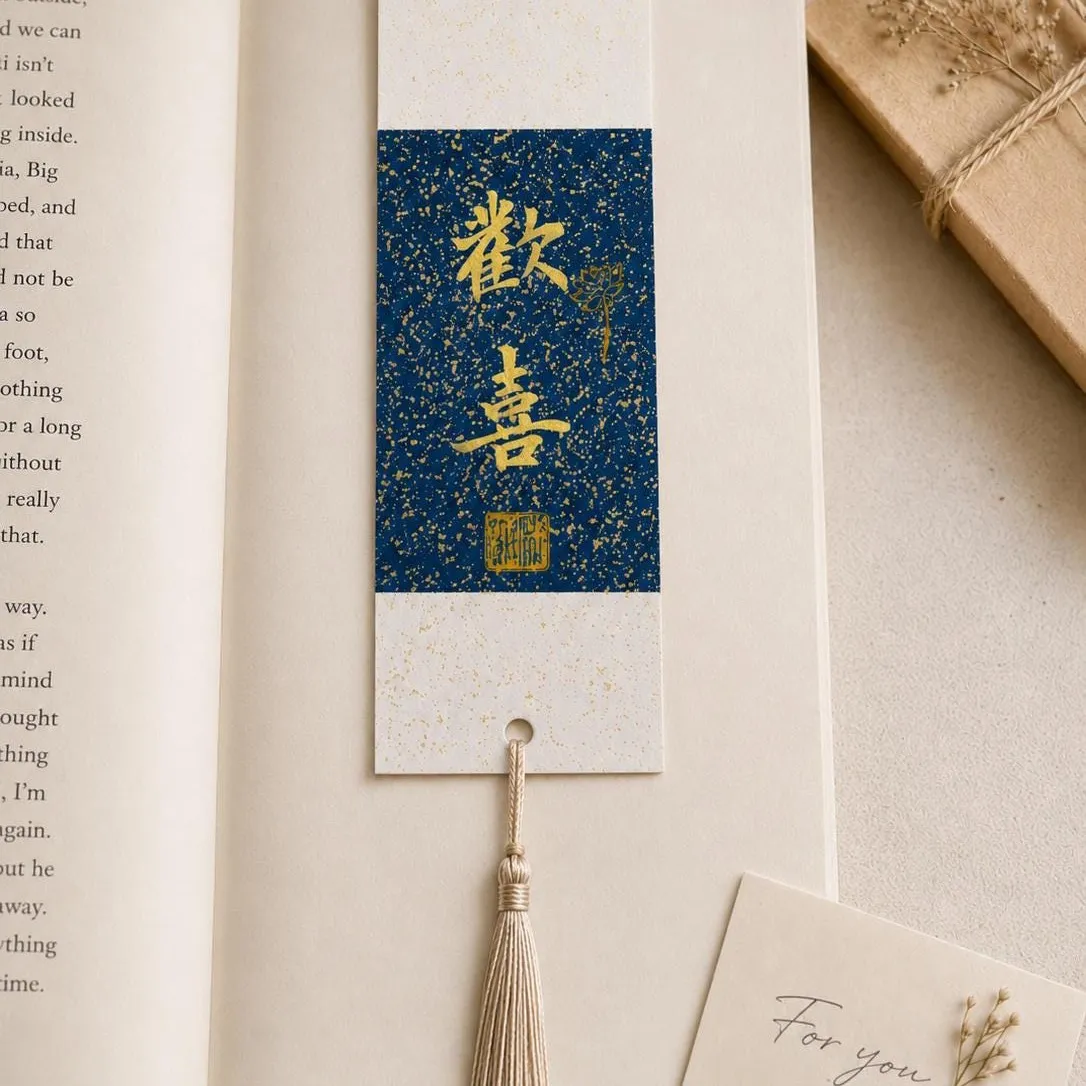
Photo shows a sample — yours will be brushed with 端, or any character you choose.
Bookmark — for readers & small thank-yousfrom $17→
What people said after it arrived.
-
The item is fantastic. The customer service was genuine. Thanks!
— M.Verified purchase · from our Etsy shop reviews · -
They were great they gave me exactly what I asked for and then some. Thank you!!
— G.Verified purchase · from our Etsy shop reviews · -
It is well designed and customized. My daughter loves it. Amazing gift for family’s d friends
— S.Verified purchase · from our Etsy shop reviews ·
Each "端" is hand-brushed by Artist Lina Sun on rice paper.
See 端 (Duān) on Etsy →