龙马精神 (lóng mǎ jīng shén) — The Vigor of the Dragon and Horse · Tireless Spirit
A 4-character phrase, not a single character.
龙马精神 is the only four-character blessing that names a mythological creature as its standard of comparison. The 龙马 — the dragon-horse that rose from the Yellow River carrying the diagram that became the foundation of the Book of Changes — was not merely powerful. It was the animal that delivered the operating system of Chinese cosmology. To wish someone 龙马精神 is to measure their vitality against a creature that carried civilization on its back. Where 健康长寿 hopes for sound health and 福寿安康 covers the full spectrum of elder wellbeing, 龙马精神 singles out one quality and refuses to be modest about it: the raw, visible, unmistakable spark of a person who is fully alive. See 龙 →
The phrase works as both a wish and a compliment — and in practice, it leans toward the latter. You give 龙马精神 to the grandmother who still tends her garden at eighty-five, the father who retires and immediately starts a second career, the colleague whose energy at seventy makes everyone else feel slow. It appears as a New Year toast (particularly in dragon years and horse years of the zodiac), as a birthday inscription for elders whose vitality has earned it, and as the inscription on retirement gifts for the person everyone knows will not actually slow down. The phrase carries admiration that other health blessings do not — it is a statement of fact dressed as a wish.
A hand-brushed “龙马精神” by FuBlessings is for the person whose energy you have been noticing for years — the parent, grandparent, or mentor whose vitality is not dimming and whose appetite for life you hope will outlast every prediction. It is the blessing that says: I see how alive you are, and I want it to stay.
- tireless vitality
- the vigor of someone who does not act their age
- spirit with mythological scale
- energy Too neutral. 龙马精神 is not generic stamina — it is the visible spark that medicine and Daoism both treat as a quality you can read on a person's face.
- spirit Too abstract. 精神 includes the body's stored essence, not just an attitude or mood.
The short arms are the point: these readings don’t reach it.
- 龙马 the dragon-horse, mythological standard of vigorNot a metaphorical blend but the named creature of the River Map accounts — the animal that rose from the Yellow River carrying the diagram later read as the foundation of the I Ching.
- 精神 essence plus animating intelligenceA term from Chinese medicine. 精 is concentrated vital substance the body stores; 神 is the intelligence that directs it. Together: the visible spark in a person who is fully alive — bright eyes, quick movement, appetite for the day.
characters
- 龙马 lóng mǎ the dragon-horse — the creature that delivered the River Map
- 精神 jīng shén essence and animating intelligence — the visible vitality of a living body
- 河图 hé tú the River Map — the diagram the dragon-horse carried out of the Yellow River
- 自强不息 zì qiáng bù xī never stop striving — the I Ching phrase 龙马精神 evokes
Cinnabar marks the characters 龙马精神 actually contains. The dark row is a relative by meaning or by sound, not one shared stroke.
The Story Behind the Character
龙马精神 traces its origin to one of the foundational myths of Chinese civilization. The 龙马 (lóng mǎ) — the dragon-horse — appears in the Book of Changes commentary and in historical texts as the creature that rose from the Yellow River carrying the 河图 (Hé Tú), the "River Map," on its back. This diagram was said to contain the numerical patterns that became the basis of the Eight Trigrams (八卦), the I Ching, and ultimately the entire Chinese cosmological system. The dragon-horse was not merely strong or fast — it was the animal that delivered civilization's operating manual.
The phrase 龙马精神 crystallized during the late imperial period as a New Year and birthday blessing, but its components are far older. 精神 (jīng shén) is a term from traditional Chinese medicine and Daoist philosophy that names something more specific than the English "spirit" suggests. 精 is essence — the concentrated vital substance the body stores and spends. 神 is the animating intelligence that directs it. Together, 精神 describes the visible spark in a person who is fully alive: bright eyes, quick movement, an appetite for the day. When you say someone has 精神, you are making a medical observation as much as a compliment.
What makes 龙马精神 distinctive among four-character blessings is its refusal to be modest. Where 健康长寿 wishes for health and years, and 福寿安康 covers the full spectrum of wellbeing, 龙马精神 singles out one quality and amplifies it to mythological proportions. It does not wish for mere health — it wishes for the vigor of the creature that carried Heaven's blueprint out of the river. It is a blessing with a swagger, and it is reserved for the person whose energy you find genuinely impressive.
Classical lines
- roughly 1,600 years
- c. 800 BCE 《周易·乾卦·九三》
- c. 208 CE 曹操《步出夏门行·龟虽寿》
- c. 850 CE 唐·李郢《上裴晋公》
君子终日乾乾,夕惕若厉,无咎。 The noble person is vigorous all day and stays watchful into the evening; though the ground feels dangerous, no harm comes.
The line is from 乾, the Heaven hexagram — the same hexagram whose Image commentary gives 自强不息 — not the source of the dragon-horse story. 乾乾 is the doubled word for tireless, self-renewing energy — exactly the spark 龙马精神 names.
老骥伏枥,志在千里。烈士暮年,壮心不已。 An old war horse in the stable still dreams of the thousand-mile road. A hero in his twilight years never lets his bold heart rest.
Cao Cao at fifty-three, insisting that age cannot extinguish ambition.
龙马精神海鹤姿。 The vigor of the dragon-horse, the bearing of a sea crane.
A Tang dynasty poet praising an elder statesman's energy, the earliest known literary use of the full phrase 龙马精神.
Why This Character Matters
The dragon-horse (龙马) is not a metaphorical blend. The Book of Changes commentary records that the Yellow River gave forth the map; the Record of Rites names the horse that carried it; later texts call the creature 龙马负图 — the dragon-horse bearing the diagram. The image was stamped onto Han dynasty bronze mirrors and carved into Tang dynasty tomb walls. When Chinese speakers say 龙马精神, they are invoking a specific creature with a documented pedigree — not just combining two animal words for emphasis.
In everyday use, 龙马精神 is the compliment Chinese families pay to the elder who does not act their age. It is what grandchildren say about the grandmother who still tends her garden at eighty-five, what colleagues toast to the boss who retires and immediately starts a second career. The phrase carries an element of admiration that other health blessings do not: 健康长寿 is a hope, 福寿安康 is a tribute, but 龙马精神 is a statement of fact dressed as a wish. You give it to someone who already has the quality you are naming — and you hope, out loud, that it stays.
A few characters live near "龙马精神" but mean something quieter, sharper, or more specific. Here's how to tell them apart.
vitality and tireless spirit — the spark that animates daily life
courage — the willingness to act despite fear, focused on hard moments
celebrates the visible spark — admiration as much as wish
asks for health and years — the quieter, more direct elder blessing
singles out one quality and amplifies it to mythological scale
covers the full spectrum of elder wellbeing in ceremonial order
龙马精神 is a classical New Year and birthday wish for elders — particularly fitting in years governed by the dragon or the horse.
- A Milestone Birthday龙马精神 is a classical New Year and birthday wish for elders — particularly fitting in years governed by the dragon or the horse. Where 健康长寿 wishes for sound health, 龙马精神 wishes for the spark within it.
- A frequent New Year toast and inscription — the wish that the recipient meets the new year with the energy of the two animals who never tire.
- RetirementAfter a long career, 龙马精神 honors the kind of strength that animates rather than merely endures — a tribute to the elder whose verve has impressed you for years.
- For the parent who never stops, 龙马精神 names the quality you have noticed and wishes it forward — vitality that keeps showing up, year after year.
Mom · Dad · Grandparent · Parent · Boss · Mentor · Coworker · or yourself
Looking for a name? See Western names written in Chinese →
-
What does 龙马精神 (lóng mǎ jīng shén) mean?
龙马精神 (lóng mǎ jīng shén) is a 4-character Chinese phrase for the vigor of the dragon and horse, tireless spirit. 龙马精神 is the only four-character blessing that names a mythological creature as its standard of comparison. The 龙马 — the dragon-horse that rose from the Yellow River carrying the diagram that became the foundation of the Book of Changes — was not merely powerful. It was the animal that delivered the operating system of Chinese cosmology. To wish someone 龙马精神 is to measure their vitality against a creature that carried civilization on its back. Where 健康长寿 hopes for sound health and 福寿安康 covers the full spectrum of elder wellbeing, 龙马精神 singles out one quality and refuses to be modest about it: the raw, visible, unmistakable spark of a person who is fully alive. See 龙 → The dragon-horse (龙马) is not a metaphorical blend. The Book of Changes commentary records that the Yellow River gave forth the map; the Record of Rites names the horse that carried it; later texts call the creature 龙马负图 — the dragon-horse bearing the diagram. The image was stamped onto Han dynasty bronze mirrors and carved into Tang dynasty tomb walls. When Chinese speakers say 龙马精神, they are invoking a specific creature with a documented pedigree — not just combining two animal words for emphasis.
-
What occasions is 龙马精神 given for?
龙马精神 is traditionally given for A Milestone Birthday, Chinese New Year, Retirement, Mother's Day · Father's Day. 龙马精神 is a classical New Year and birthday wish for elders — particularly fitting in years governed by the dragon or the horse. Where 健康长寿 wishes for sound health, 龙马精神 wishes for the spark within it. A frequent New Year toast and inscription — the wish that the recipient meets the new year with the energy of the two animals who never tire.
-
Who brushes the 龙马精神 calligraphy?
FuBlessings hand-brushes each 龙马精神 (Lóng Mǎ Jīng Shén) to order, in ink on rice paper — never printed, never repeated.
Bring 龙马精神 home — choose how you'd like it brushed.
-
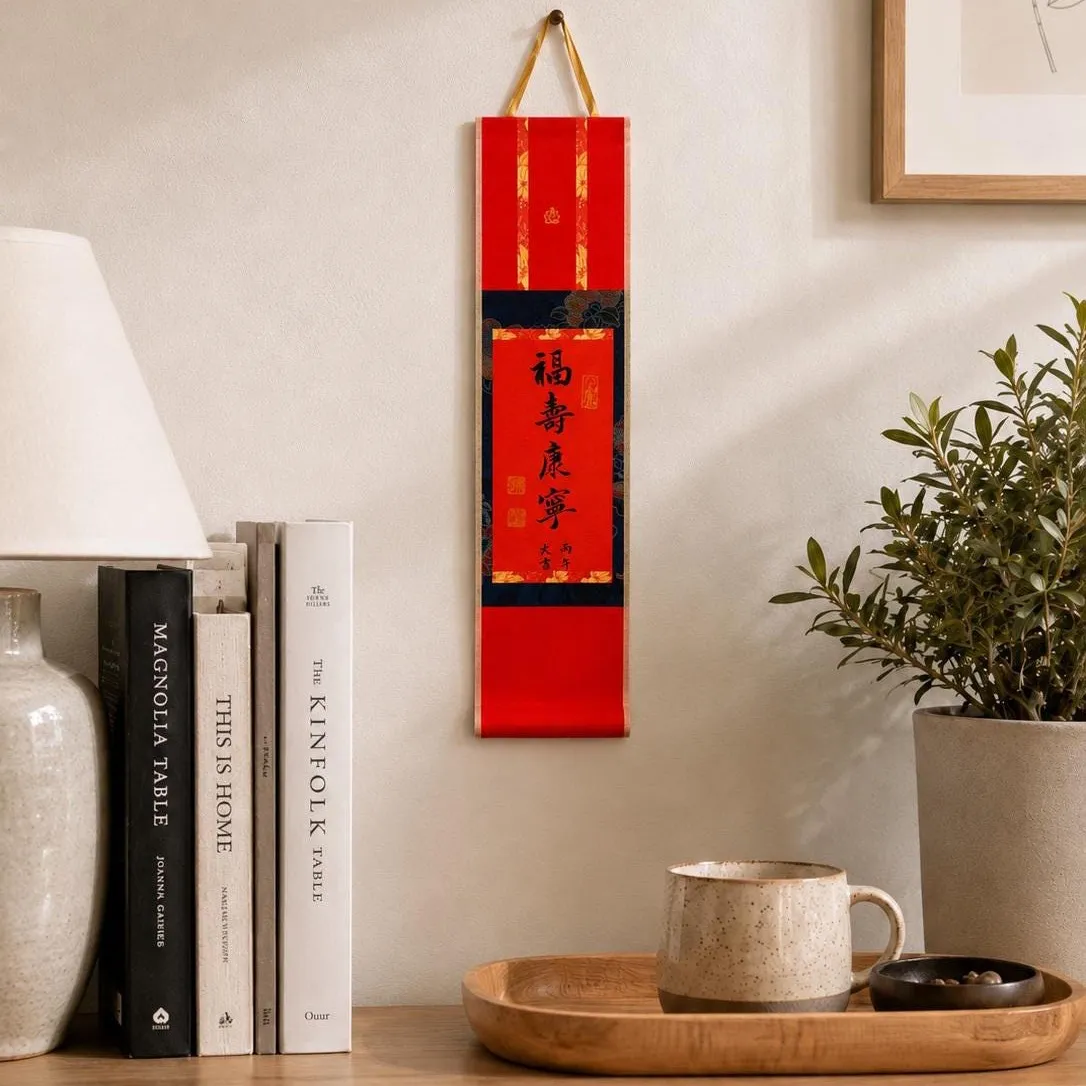
Photo shows a sample — yours will be brushed with 龙马精神, or any character you choose.
Wall Scroll — for walls & housewarmingsfrom $38→ -
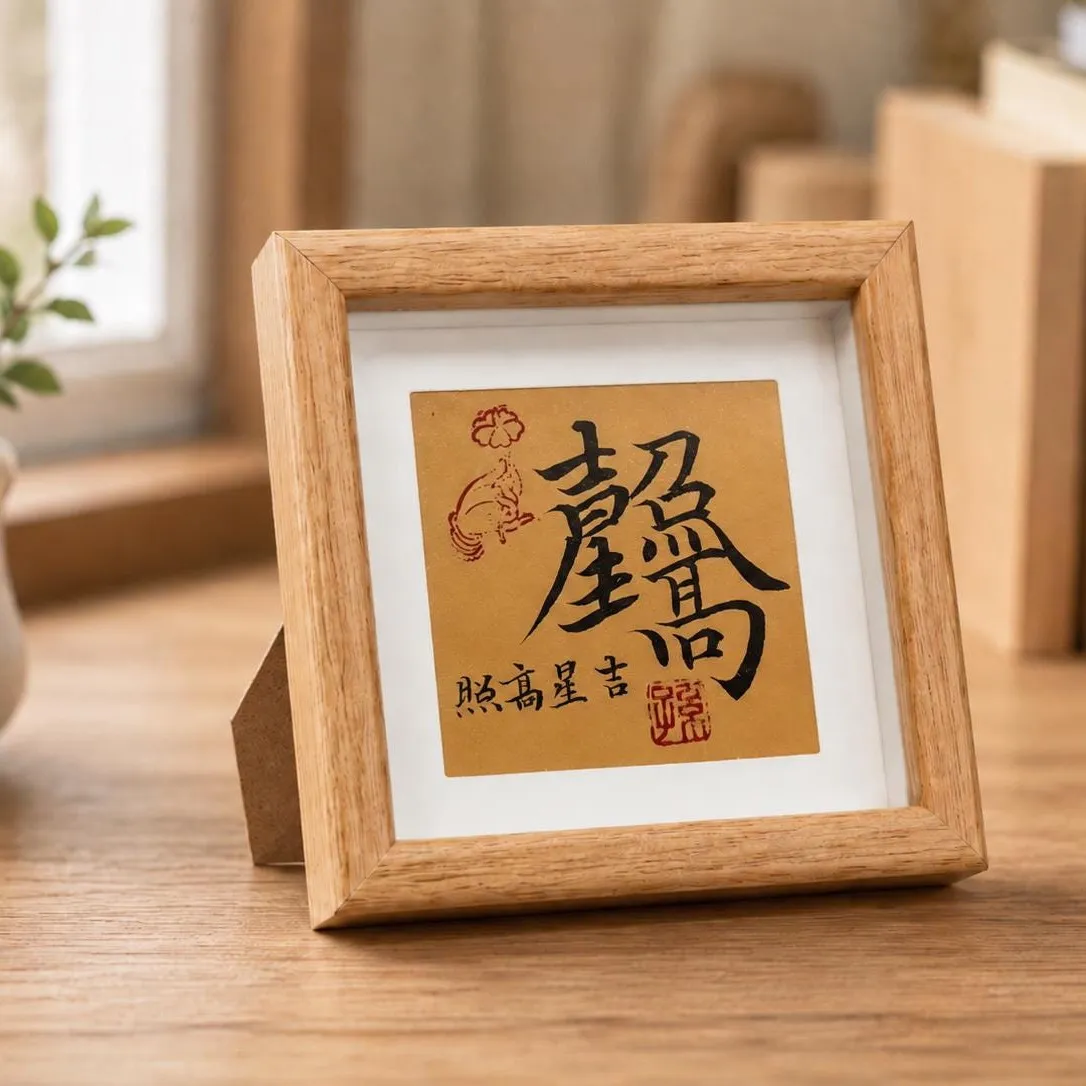
Photo shows a sample — yours will be brushed with 龙马精神, or any character you choose.
Desk Frame — for desks, studies & studiosfrom $44→ -
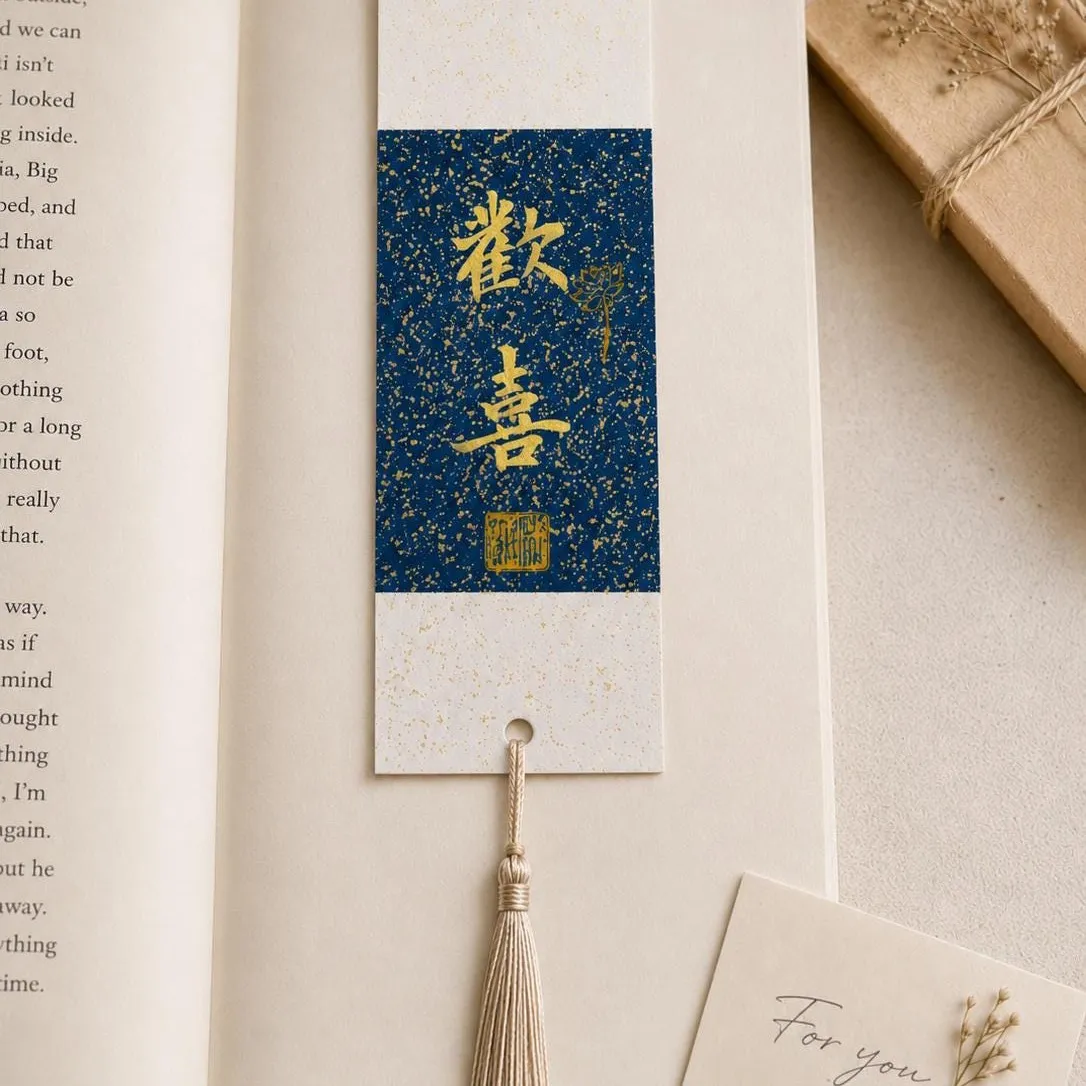
Photo shows a sample — yours will be brushed with 龙马精神, or any character you choose.
Bookmark — for readers & small thank-yousfrom $14→
What people said after it arrived.
-
The item is fantastic. The customer service was genuine. Thanks!
— M.Verified purchase · from our Etsy shop reviews · -
They were great they gave me exactly what I asked for and then some. Thank you!!
— G.Verified purchase · from our Etsy shop reviews · -
It is well designed and customized. My daughter loves it. Amazing gift for family’s d friends
— S.Verified purchase · from our Etsy shop reviews ·
Each "龙马精神" is hand-brushed by FuBlessings on rice paper.
See 龙马精神 (Lóng Mǎ Jīng Shén) on Etsy →