福寿安康 (fú shòu ān kāng) — Blessing · Longevity · Peace · Health
A 4-character phrase, not a single character.
福寿安康 is the inscription you reach for when a single character is not enough and a speech is too much. Other elder blessings name one quality — 寿 for longevity, 福 for fortune, 康 for health — but 福寿安康 refuses to choose. It stacks all four into a sequence that reads like an argument: you have been blessed, you have lived long, now may the years ahead be peaceful and the body holding them stay sound. It is the difference between a toast and a verdict — a complete statement about what a good long life requires. See 福 → See 寿 → See 安 → See 康 →
The phrase belongs to the 寿宴 — the formal birthday banquet Chinese families hold for their most senior members. At sixty, the guest of honor completes one full cycle of the Chinese zodiac calendar and sits at the head of a table surrounded by every generation they helped create. The calligraphy banner behind them almost always reads 福寿安康, brushed in gold on red silk, commissioned weeks earlier by the children or grandchildren. It is also the inscription inside the cards that adult children send on Mother’s Day and Father’s Day — the full wish, unabbreviated, for the parent whose wellbeing they think about every day.
A hand-brushed “福寿安康” by FuBlessings is the gift a family keeps on the wall for decades — a four-character inscription that says everything one generation can wish for the one above it. For a milestone birthday, for a parent or grandparent whose long life you want to honor and continue, it is the complete blessing: fortune, years, peace, and the health to enjoy them all.
- the full elder blessing
- the complete birthday wish
- all four dimensions of wellbeing
- long life Too narrow. 福寿安康 covers four dimensions, not one. Length of years is only the second character.
- good health Too thin. Health alone is just 康. The full phrase argues that fortune, time, peace, and health depend on each other.
The short arms are the point: these readings don’t reach it.
- 福寿 fortune and longevityThe backward-looking half — what has already been given. A life that has been blessed and long, named in the order tradition prefers: fortune first, because it is the foundation from which length of years grows.
- 安康 peace and healthThe forward-looking half — what is still needed. Not just more years but years that are livable: the body sound, the days undisturbed. The wish that the remaining time feels worth having.
characters
- 福寿 fú shòu fortune and longevity — the first half, often used alone on plaques
- 安康 ān kāng peace and health — the second half, the everyday wellbeing pair
- 寿宴 shòu yàn the formal birthday banquet where 福寿安康 is hung as inscription
- 六十大寿 liù shí dà shòu the 60th birthday — completion of one full cycle of the Chinese calendar
- 五福 wǔ fú the Five Blessings — the Book of Documents catalogue 福寿安康 draws from
The Story Behind the Character
福寿安康 is not four separate wishes lined up — it is a single sentence with a deliberate architecture. The phrase emerged from the tradition of 祝寿 (zhù shòu), the formal birthday celebration for elders, where inscriptions on silk banners and lacquered plaques needed to compress an entire generation's gratitude into the fewest possible characters. Where a speech could wander, the inscription had to be exact. 福寿安康 became the standard because it solved a structural problem: it covers every dimension of what one generation can wish for the one above it, and it does so in an order that makes logical sense.
The four characters divide into two pairs that mirror each other. 福寿 (blessing and longevity) addresses what has already been given — a life that has been fortunate and long. 安康 (peace and health) addresses what is still needed — that the remaining years feel livable, not merely endured. The first pair looks backward with gratitude; the second looks forward with hope. This two-part structure reflects a principle in traditional Chinese birthday culture: honoring what has been before asking for what will be.
The phrase gained its widest circulation through 寿宴 (shòu yàn) banquet inscriptions during the Ming and Qing dynasties, when elaborate birthday celebrations for clan elders became a centerpiece of family ritual. Calligraphers were commissioned months in advance; the four characters were brushed on red silk and hung behind the seat of the honored elder. Over time, 福寿安康 became so closely associated with elder birthdays that using it for anyone under fifty would sound strange — not wrong, exactly, but misapplied, like calling someone "venerable" at thirty-five.
Classical lines
- roughly 500 years
- c. 700 BCE 《诗经·商颂·烈祖》
- c. 700 BCE 《诗经·大雅·行苇》
- c. 200 BCE 《黄帝内经·素问·上古天真论》
绥我眉寿,黄耇无疆。 Grant us long life to white-browed age, years without limit.
One of the oldest longevity blessings preserved in the Book of Songs. 眉寿 — old enough that the brows have whitened — is the elder-birthday wish 福寿安康 carries forward.
恬淡虚无,真气从之,精神内守,病安从来。 Calm and free of craving, the body's true energy follows; keep the spirit settled within, and how would illness find its way in?
The founding text of Chinese medicine on the 安康 half of the phrase: health is not only the body's business but the mind's. A settled spirit is the first medicine.
寿考维祺,以介景福。 Long life and good fortune together bring the greatest blessing.
A Bronze Age inscription linking longevity to happiness, the exact logic behind the pairing of 寿 and 福.
Why This Character Matters
The 60th birthday (六十大寿) in Chinese culture is not an arbitrary milestone — it marks the completion of one full cycle of the 天干地支 (Heavenly Stems and Earthly Branches) calendar, a sixty-year rotation that has governed Chinese timekeeping since the Shang dynasty. To reach sixty means you have lived through every possible combination of the twelve zodiac animals and ten celestial stems. You have, in a sense, completed one full turn of the cosmic wheel. 福寿安康 is the inscription most often commissioned for this occasion precisely because it matches the scale of the event — four characters to mark a complete cycle.
In practice, 福寿安康 is the inscription children and grandchildren commission for the family elder's birthday, not a phrase peers exchange between themselves. It carries a specific directionality: it flows upward, from younger to older, from those who owe to those who gave. This is why the same four characters appear on the plaques hung in ancestral halls and in the calligraphy displayed behind the elder's chair at a 寿宴. To give someone 福寿安康 is to acknowledge them as the person whose wellbeing matters most to the family — the root the branches depend on.
A few characters live near "福寿安康" but mean something quieter, sharper, or more specific. Here's how to tell them apart.
the full four-fold elder inscription — backward gratitude plus forward hope
only the backward half — what has already been given, fortune and length of years
the complete birthday wish for an elder, ceremonial in register
the everyday wellbeing pair, used between peers and in casual greetings
the formal four-dimensional inscription — used on plaques and banners
the direct, unceremonial version — health and years named without metaphor
福寿安康 is the four-fold inscription traditional Chinese culture reserves for the most respected birthdays — particularly the 60th, 70th, and 80th.
- A Milestone Birthday福寿安康 is the four-fold inscription traditional Chinese culture reserves for the most respected birthdays — particularly the 60th, 70th, and 80th. The order is deliberate: blessing first, length of years next, then peace and health to make those years livable.
- For the parents whose lives have shaped your own, 福寿安康 is the full wish — not abbreviated, not narrowed to one virtue. The whole blessing, named in full.
- Family ReunionWhen generations gather, 福寿安康 is the inscription children commission for the family elder — a tribute as much as a wish, hung where the family will see it for years to come.
Mom · Dad · Grandparent · Parent · Mother-in-law · Father-in-law · or yourself
Looking for a name? See Western names written in Chinese →
-
What does 福寿安康 (fú shòu ān kāng) mean?
福寿安康 (fú shòu ān kāng) is a 4-character Chinese phrase for blessing, longevity, peace, health. 福寿安康 is the inscription you reach for when a single character is not enough and a speech is too much. Other elder blessings name one quality — 寿 for longevity, 福 for fortune, 康 for health — but 福寿安康 refuses to choose. It stacks all four into a sequence that reads like an argument: you have been blessed, you have lived long, now may the years ahead be peaceful and the body holding them stay sound. It is the difference between a toast and a verdict — a complete statement about what a good long life requires. See 福 → See 寿 → See 安 → See 康 → The 60th birthday (六十大寿) in Chinese culture is not an arbitrary milestone — it marks the completion of one full cycle of the 天干地支 (Heavenly Stems and Earthly Branches) calendar, a sixty-year rotation that has governed Chinese timekeeping since the Shang dynasty. To reach sixty means you have lived through every possible combination of the twelve zodiac animals and ten celestial stems. You have, in a sense, completed one full turn of the cosmic wheel. 福寿安康 is the inscription most often commissioned for this occasion precisely because it matches the scale of the event — four characters to mark a complete cycle.
-
What occasions is 福寿安康 given for?
福寿安康 is traditionally given for A Milestone Birthday, Mother's Day · Father's Day, Family Reunion. 福寿安康 is the four-fold inscription traditional Chinese culture reserves for the most respected birthdays — particularly the 60th, 70th, and 80th. The order is deliberate: blessing first, length of years next, then peace and health to make those years livable. For the parents whose lives have shaped your own, 福寿安康 is the full wish — not abbreviated, not narrowed to one virtue. The whole blessing, named in full.
-
Who brushes the 福寿安康 calligraphy?
FuBlessings hand-brushes each 福寿安康 (Fú Shòu Ān Kāng) to order, in ink on rice paper — never printed, never repeated.
Bring 福寿安康 home — choose how you'd like it brushed.
-
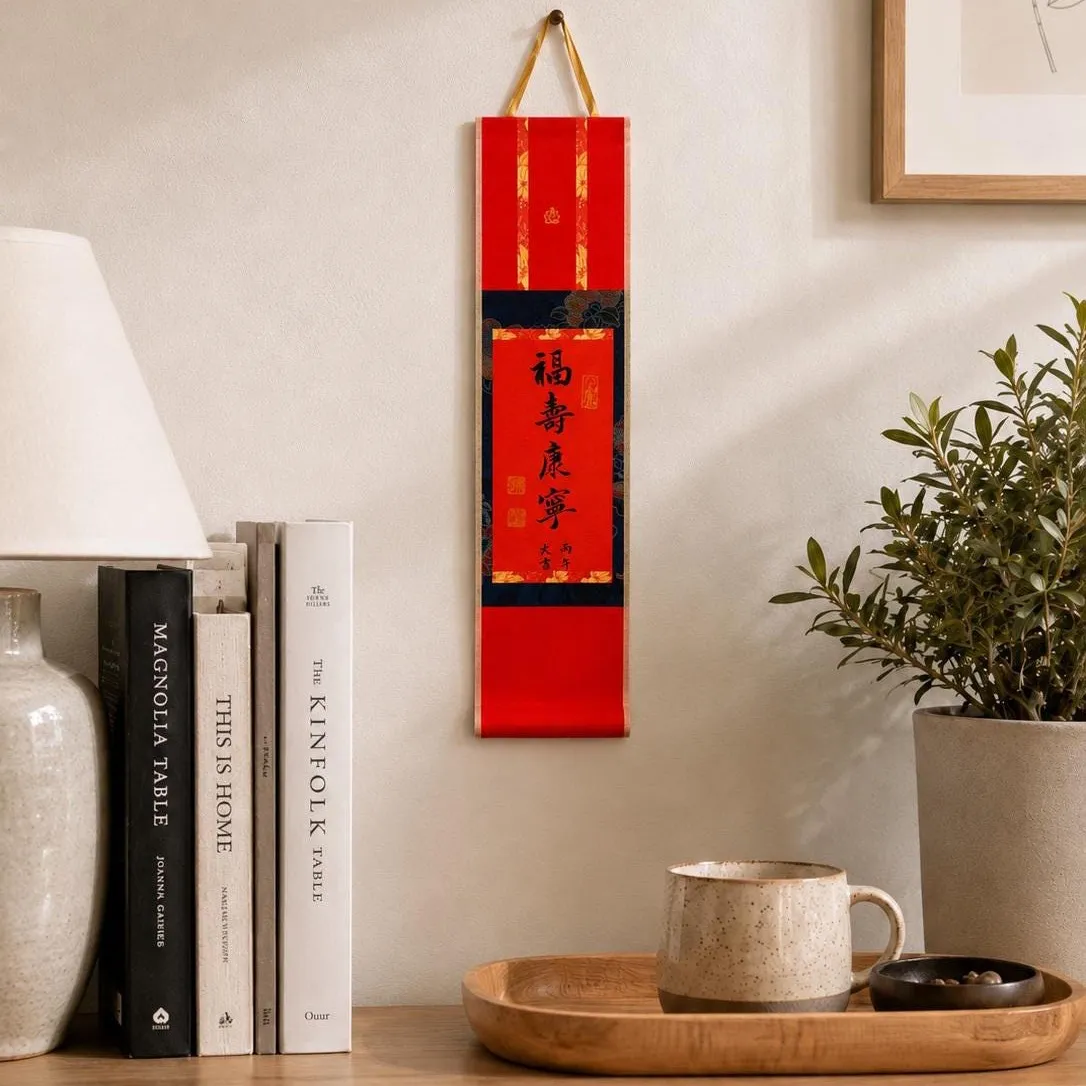
Photo shows a sample — yours will be brushed with 福寿安康, or any character you choose.
Wall Scroll — for walls & housewarmingsfrom $38→ -
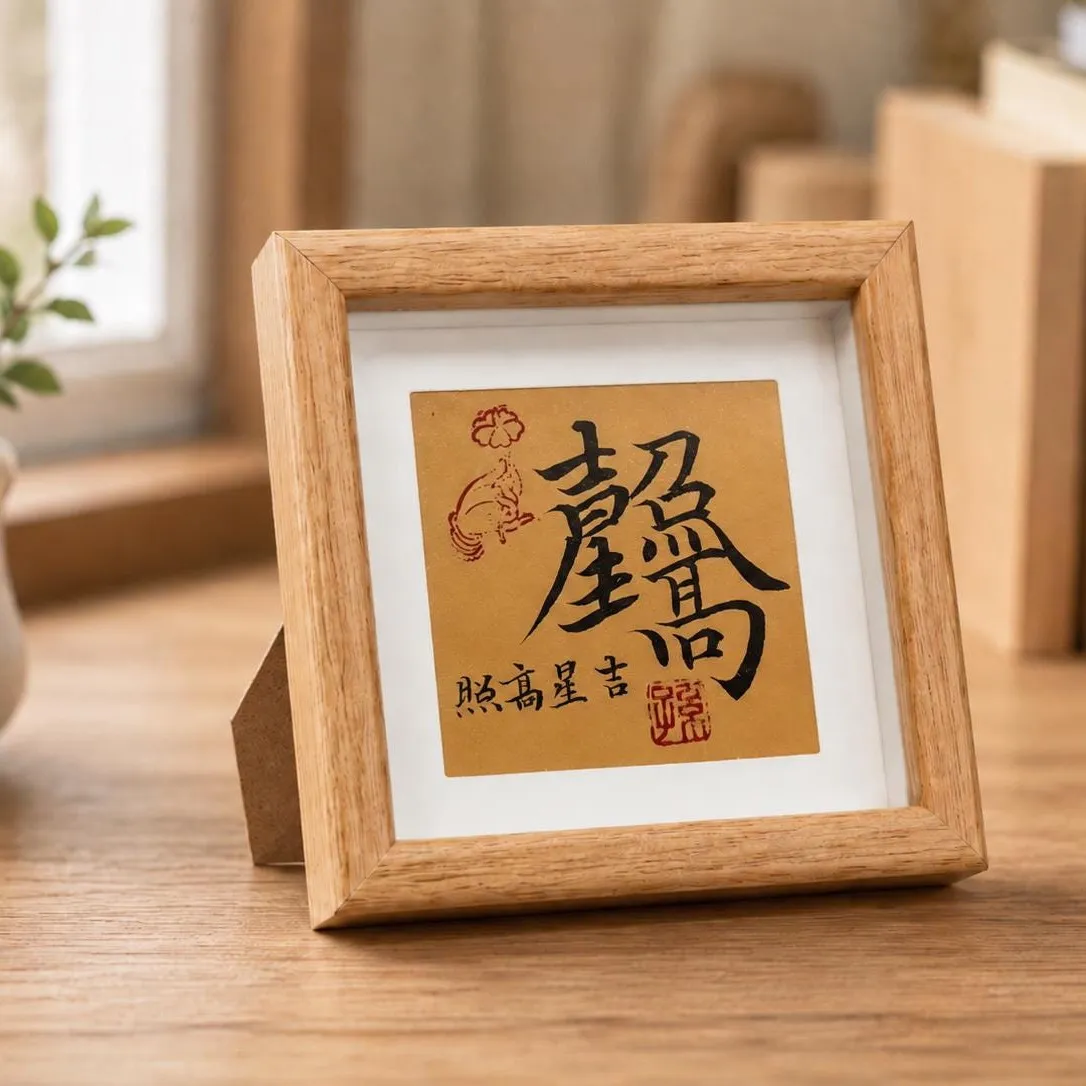
Photo shows a sample — yours will be brushed with 福寿安康, or any character you choose.
Desk Frame — for desks, studies & studiosfrom $44→ -
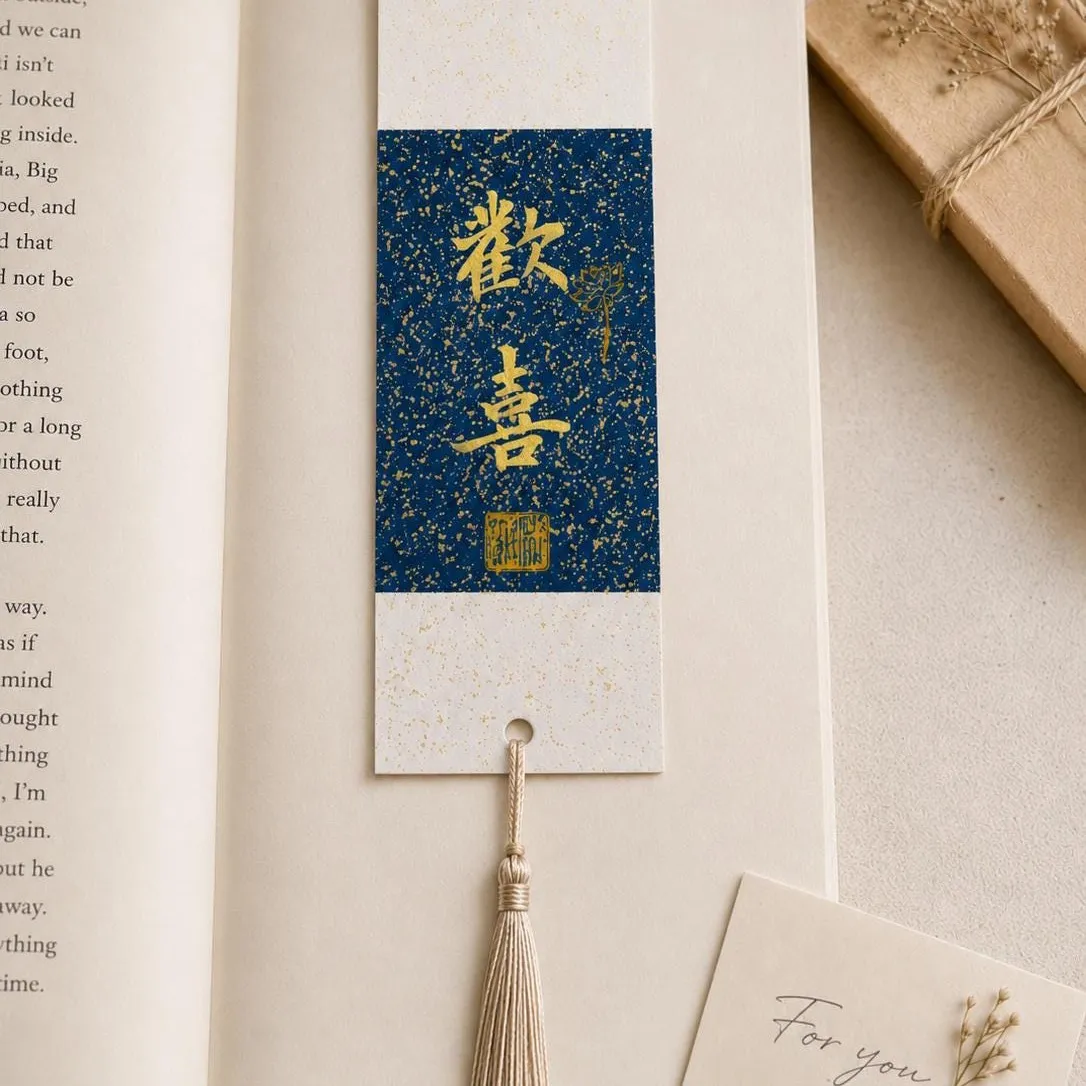
Photo shows a sample — yours will be brushed with 福寿安康, or any character you choose.
Bookmark — for readers & small thank-yousfrom $14→
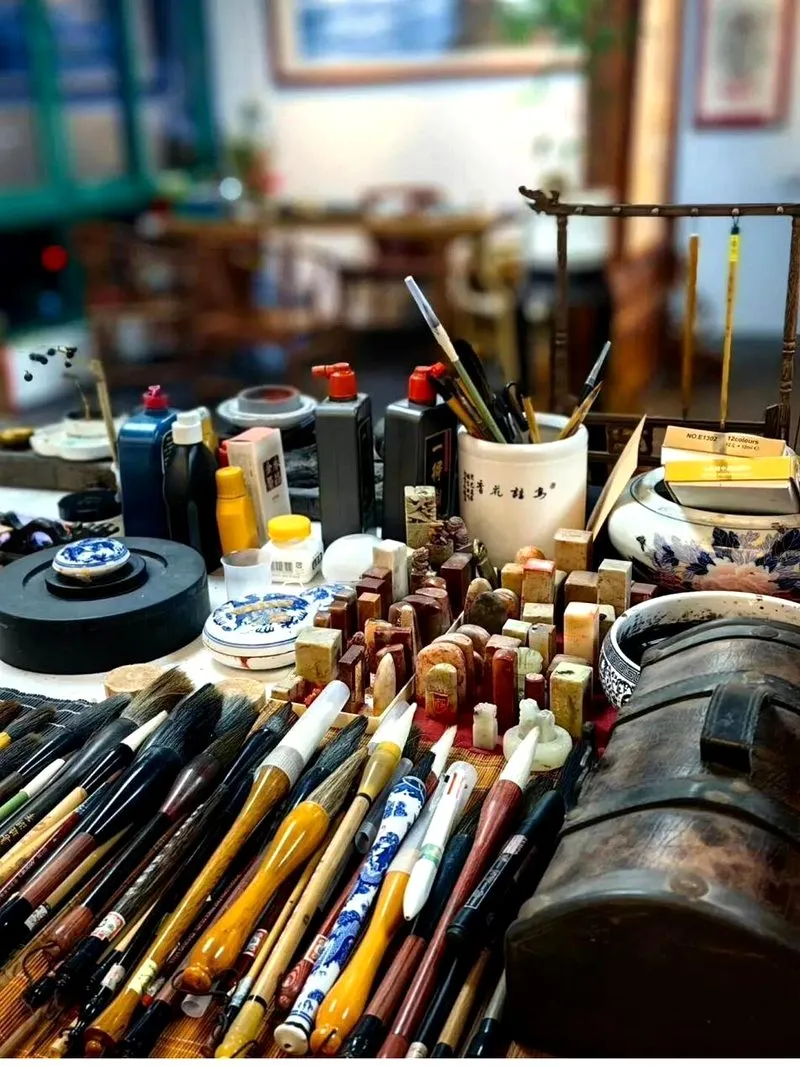
What people said after it arrived.
-
The item is fantastic. The customer service was genuine. Thanks!
— M.Verified purchase · from our Etsy shop reviews · -
They were great they gave me exactly what I asked for and then some. Thank you!!
— G.Verified purchase · from our Etsy shop reviews · -
It is well designed and customized. My daughter loves it. Amazing gift for family’s d friends
— S.Verified purchase · from our Etsy shop reviews ·
Each "福寿安康" is hand-brushed by FuBlessings on rice paper.
See 福寿安康 (Fú Shòu Ān Kāng) on Etsy →