勇 (yǒng) — Courage · Strength · Bravery
A single character.
Zengzi, quoting Confucius, said it in seven characters: “Even if a multitude stand against me, I go forward.” That’s 勇. Not the loud, chest-beating kind of bravery — the kind where you see the full weight of what’s ahead and decide to walk into it anyway.
Confucius had a specific test for whether courage was real: does it come with a conscience? A soldier charging blindly is brave but incomplete. A person who speaks up when the room is silent, who does what’s right when doing nothing is easier — that’s the 勇 the Chinese philosophers cared about. Every martial arts training hall lists it among its core values, but always next to wisdom, because courage without judgment is just recklessness.
A hand-brushed 勇 by Artist Lina Sun is the gift for the person in the middle of something hard — the graduate stepping into uncertainty, the friend who took the difficult path, the father whose quiet daily courage you want to finally name out loud. This character doesn’t wish for strength. It says: I already see yours.
- courage
- the will to act when action is hard
- moral nerve
- going forward into resistance
- fearlessness Wrong direction. 勇 is not the absence of fear — it is the willingness to move forward while fully aware of what's ahead. The fearless person isn't being brave, just numb.
- strength Too physical. Strength is capacity; 勇 is the decision to use it when doing nothing would be easier. Confucius dismissed strength without conscience as not really 勇 at all.
- boldness Too brash. Boldness can be reckless; 勇 in the Chinese sense always includes judgment. Courage without wisdom is just rashness — a separate word.
The short arms are the point: these readings don’t reach it.
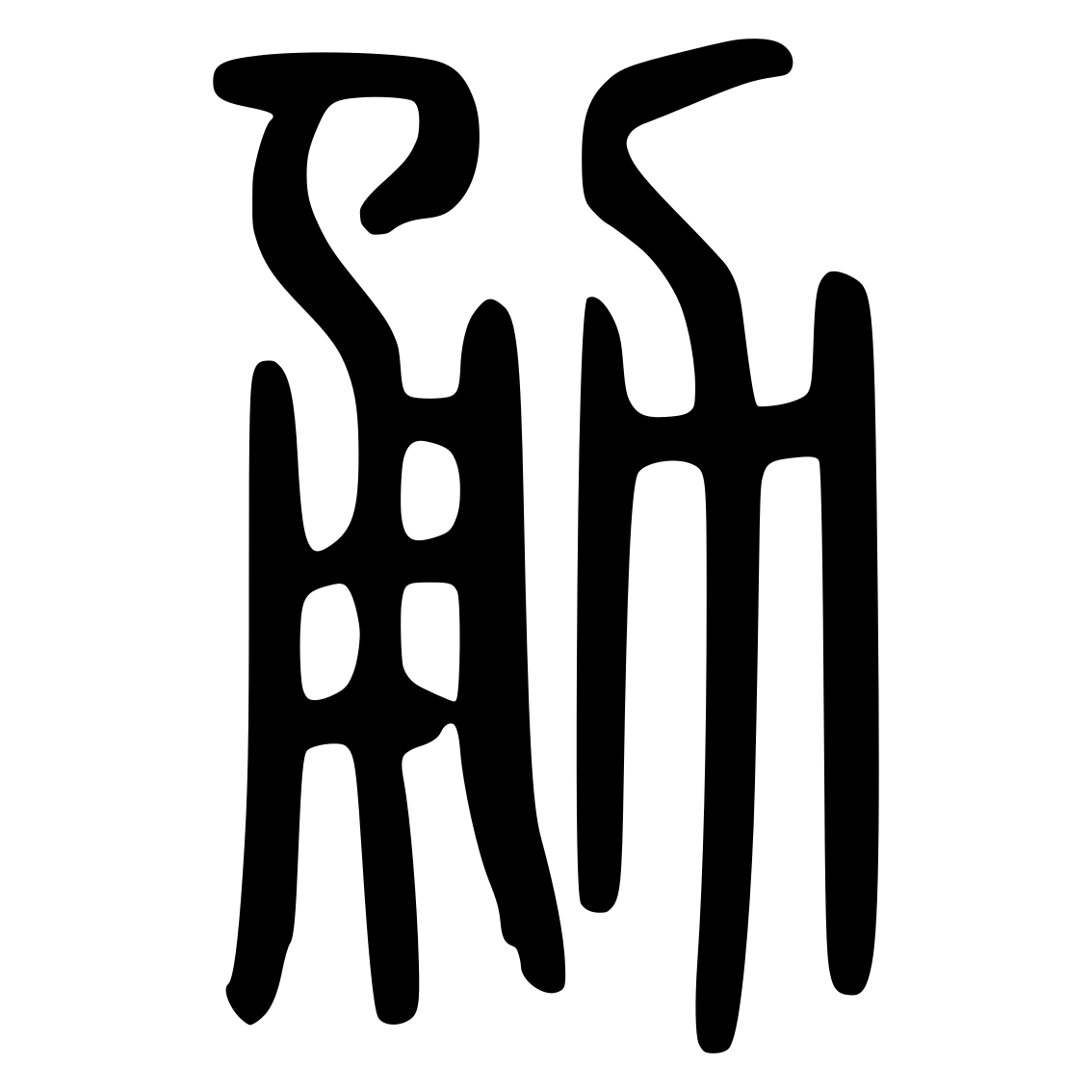
- 甬 a bell, an upward channelThe top component shows what scholars read as either a bronze bell or a rising passageway. Either way, the image is force gathered with direction — energy pointed somewhere on purpose.
- 力 strength, muscleA pictograph of a flexed arm or a plow being pushed. Beneath 甬, it becomes the engine: raw power placed under the upward-pointing channel. 勇 is what happens when strength acquires direction.
character
- 勇敢 yǒng gǎn brave, courageous — the most common everyday form
- 勇气 yǒng qì courage, the spirit of 勇 — the inner force that translates into action
- 勇士 yǒng shì a brave warrior — someone whose 勇 is proven
- 英勇 yīng yǒng heroic courage — bravery elevated to something memorable
- 见义勇为 jiàn yì yǒng wéi to see what is right and act bravely — Confucius's definition of real 勇
The Story Behind the Character
The earliest forms of 勇 in bronze inscriptions show 甬 (yǒng, a kind of bell or column) above 力 (lì, strength). Some scholars read the upper part as a figure rising upward — force directed with purpose. Others see the bell shape and connect it to the bronze bells that sounded before battle. Either way, the character couples raw power with direction: not just strength, but strength that moves forward.
The first dictionary (说文解字, c. 100 CE) defined 勇 simply as "气也" — spirit, vital force. This surprised later commentators, who expected a definition about bravery. But the original concept wasn't about facing danger — it was about having enough internal force to act when action is needed. Fear wasn't part of the equation yet.
That dimension came from the philosophers. Confucius split courage into three grades: the reckless courage of someone who doesn't think, the physical courage of a soldier, and the moral courage of someone who does what is right when doing nothing would be easier. Only the third one counted as real 勇. That distinction — courage as a moral act, not a physical one — is what separates the Chinese concept from the Western one.
Classical lines
- roughly 200 years
- c. 500 BCE 《论语·子罕》
- c. 500 BCE 《论语·宪问》
- c. 300 BCE 《孟子·公孙丑上》
知者不惑,仁者不忧,勇者不惧。 The wise are free from doubt, the kind are free from worry, the courageous are free from fear.
Confucius naming the three virtues that quiet the mind. He put courage last, but it may be the hardest to achieve.
仁者必有勇,勇者不必有仁。 A compassionate person always has courage, but a courageous person may lack compassion.
Confucius arguing that real kindness requires bravery, because doing right is almost never the easy path.
虽千万人,吾往矣。 Even if a multitude stand against me, I go forward.
Zengzi quoting Confucius (the Master) on what great courage looks like. Not the absence of opposition, but the willingness to walk into it.
Why This Character Matters
In Chinese martial arts tradition, every training hall has a code, and 勇 is almost always on the list. But the character occupies a complicated position: it is praised when combined with wisdom and restraint, and distrusted when it stands alone. A person described as 有勇无谋 (yǒu yǒng wú móu — "courage without strategy") is not being complimented. The Chinese ideal is courage held in check by intelligence, deployed only when the cause is right.
This nuance shows up in how 勇 is given as a gift. It is not a wish for someone to become brave — it is recognition that they already are. Chinese families give 勇 to graduates facing an uncertain job market, to children leaving home for the first time, to friends in the middle of something hard. The message is not "be strong." The message is "I have watched you carry something heavy, and I see it."
勇 reads well as a tattoo — it has weight and meaning without being cliché. In Chinese culture, 勇 implies moral courage more than physical bravery. A soldier charges forward with 勇, but so does a person who speaks an unpopular truth.
Calligraphy Styles for Tattoos
- Regular script (楷书 kǎishū) Best for tattoos
Nine strokes with a good mix of horizontal, vertical, and angular lines. The character has natural visual weight — it looks strong on skin without needing to be oversized.
- Running script (行书 xíngshū) Good for medium to large pieces
Adds energy and movement to the character, which suits its meaning. The upper component (甬) should flow into the lower (力) without breaking.
Common Mistakes to Avoid
- Writing 勇 with 男 (man) instead of 甬 on topIntended: Courage
Some references incorrectly show the top component as 男 (man). The correct structure is 甬 (a kind of pathway) over 力 (strength). The meaning of courage comes from strength channeled through a specific direction — not from masculinity.
Notes for Your Tattoo Artist
The bottom component 力 should be slightly wider than the top 甬 to give the character a stable, grounded appearance. Top-heavy versions look precarious — the opposite of what 'courage' should convey.
A few characters live near "勇" but mean something quieter, sharper, or more specific. Here's how to tell them apart.
the willingness to act when the situation is hard
the whole character that produces such willingness — moral force as a settled trait
the courage to face a hard moment — the decision in front of resistance
For the student stepping into adulthood — "勇" is a quiet reminder of the strength they've already shown, and the strength ahead.
- For the student stepping into adulthood — "勇" is a quiet reminder of the strength they've already shown, and the strength ahead.
- New JobFor someone starting over, or starting up — courage made visible, on a wall they'll see every day.
- EncouragementWhen someone in your life is facing something hard. "勇" is the wish that says: I believe in you, even when it's hard.
- For the father whose quiet courage — the kind that shows up every day without asking for recognition — you want to honor. 勇 names the strength you've watched him carry.
- For the friend or family member who keeps going — "勇" honors the quiet courage of an everyday life.
Son · Daughter · Brother · Friend · Best Friend · Coworker · Student · or yourself
Looking for a name? See Western names written in Chinese →
-
What does 勇 (yǒng) mean?
勇 (yǒng) is the Chinese character for courage, strength, bravery. Zengzi, quoting Confucius, said it in seven characters: "Even if a multitude stand against me, I go forward." That's 勇. Not the loud, chest-beating kind of bravery — the kind where you see the full weight of what's ahead and decide to walk into it anyway. In Chinese martial arts tradition, every training hall has a code, and 勇 is almost always on the list. But the character occupies a complicated position: it is praised when combined with wisdom and restraint, and distrusted when it stands alone. A person described as 有勇无谋 (yǒu yǒng wú móu — "courage without strategy") is not being complimented. The Chinese ideal is courage held in check by intelligence, deployed only when the cause is right.
-
What occasions is 勇 given for?
勇 is traditionally given for Graduation, New Job, Encouragement, Father's Day, Birthday. For the student stepping into adulthood — "勇" is a quiet reminder of the strength they've already shown, and the strength ahead. For someone starting over, or starting up — courage made visible, on a wall they'll see every day.
-
Is 勇 a good Chinese tattoo?
勇 reads well as a tattoo — it has weight and meaning without being cliché. In Chinese culture, 勇 implies moral courage more than physical bravery. A soldier charges forward with 勇, but so does a person who speaks an unpopular truth.
-
Who brushes the 勇 calligraphy?
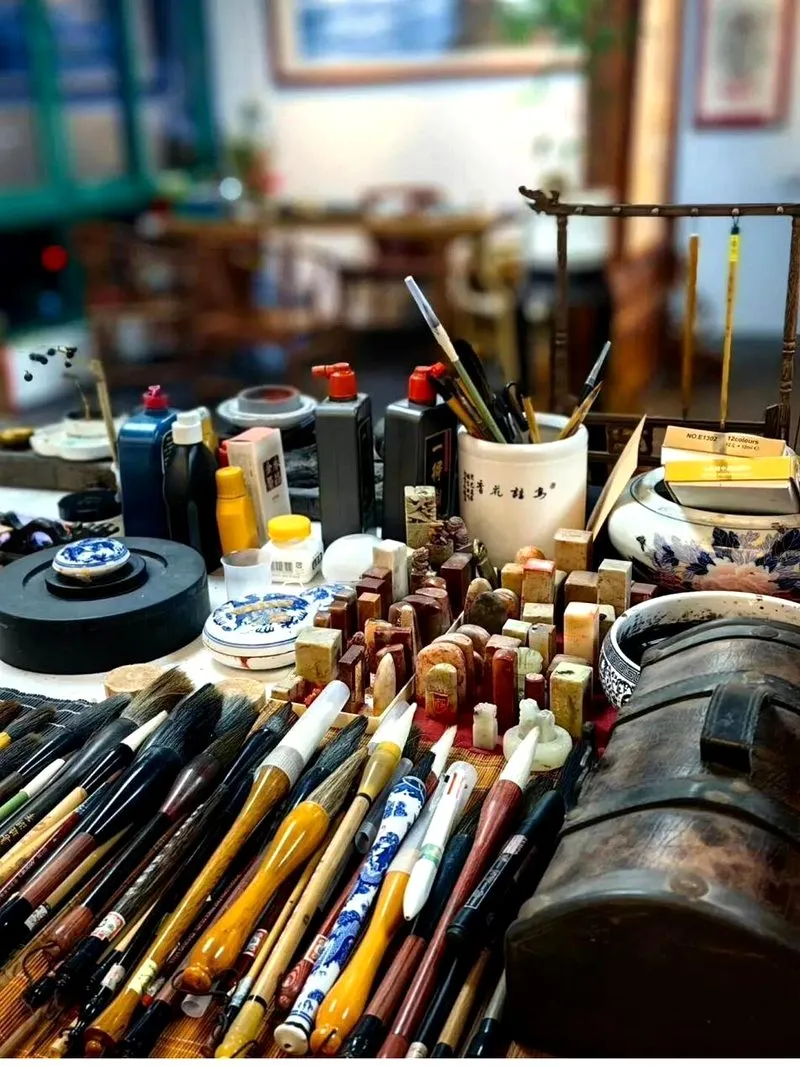
Each 勇 (Yǒng) is hand-brushed to order by Artist Lina Sun in ink on rice paper — never printed, never repeated.
Bring 勇 home — choose how you'd like it brushed.
-
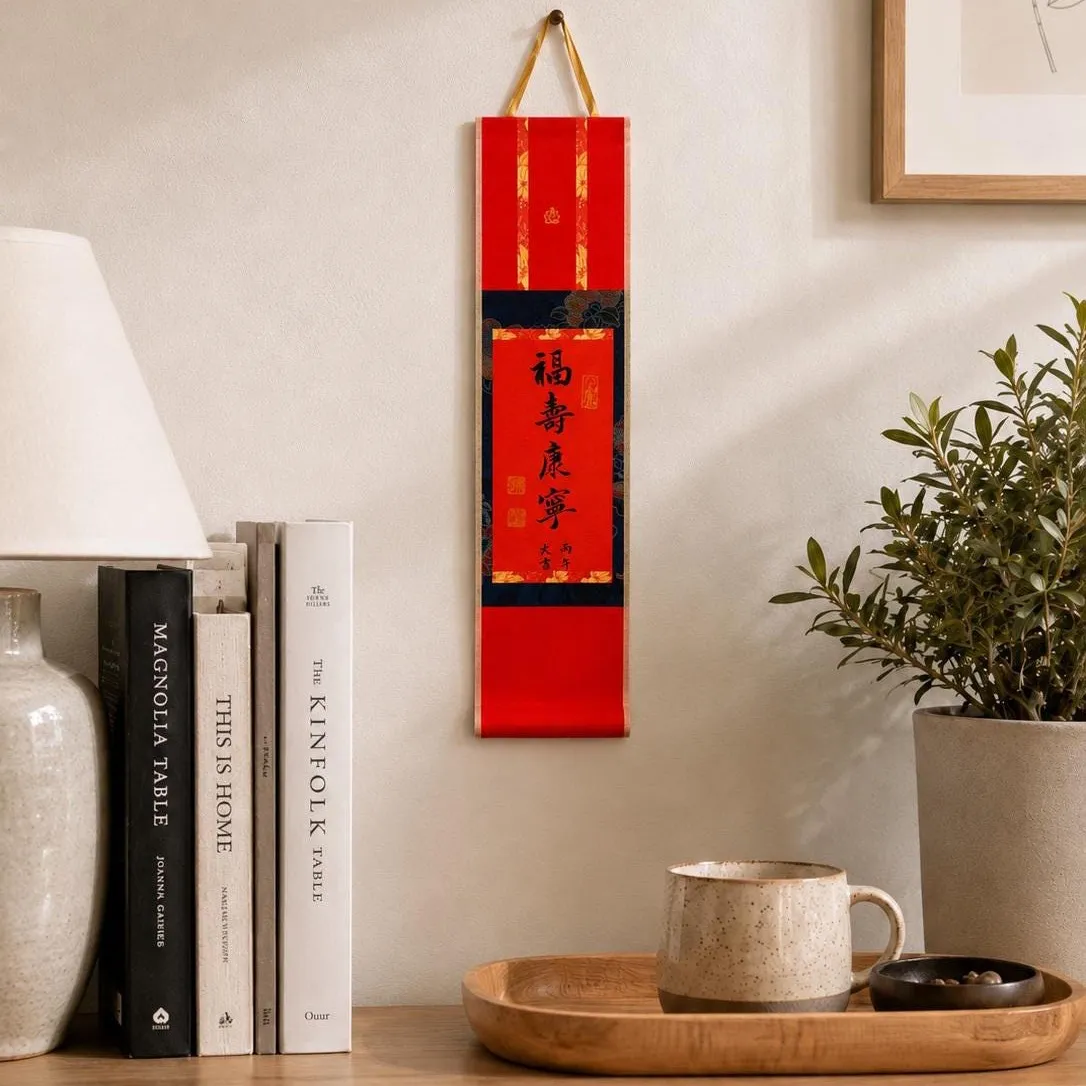
Photo shows a sample — yours will be brushed with 勇, or any character you choose.
Wall Scroll — for walls & housewarmingsfrom $38→ -
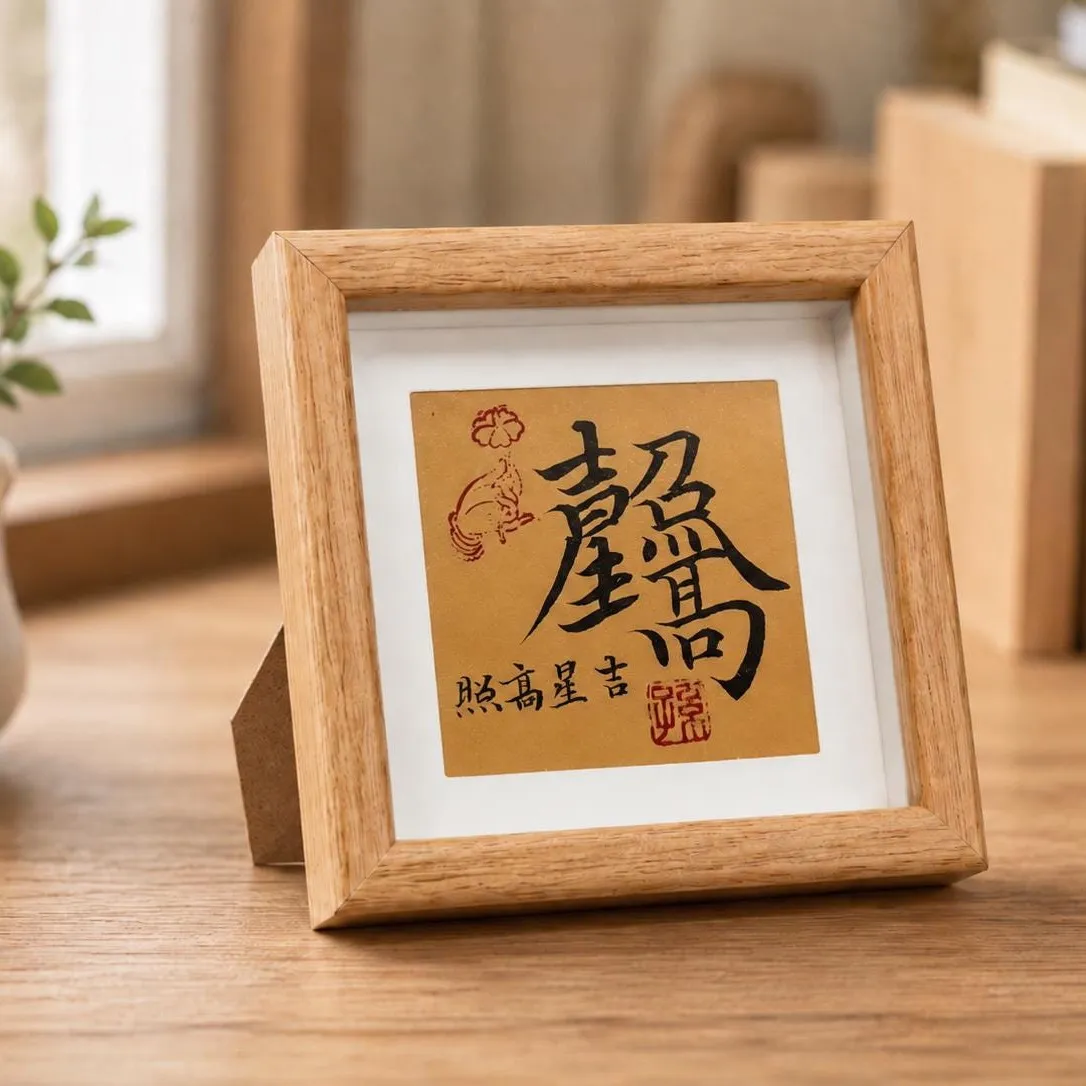
Photo shows a sample — yours will be brushed with 勇, or any character you choose.
Desk Frame — for desks, studies & studiosfrom $44→ -
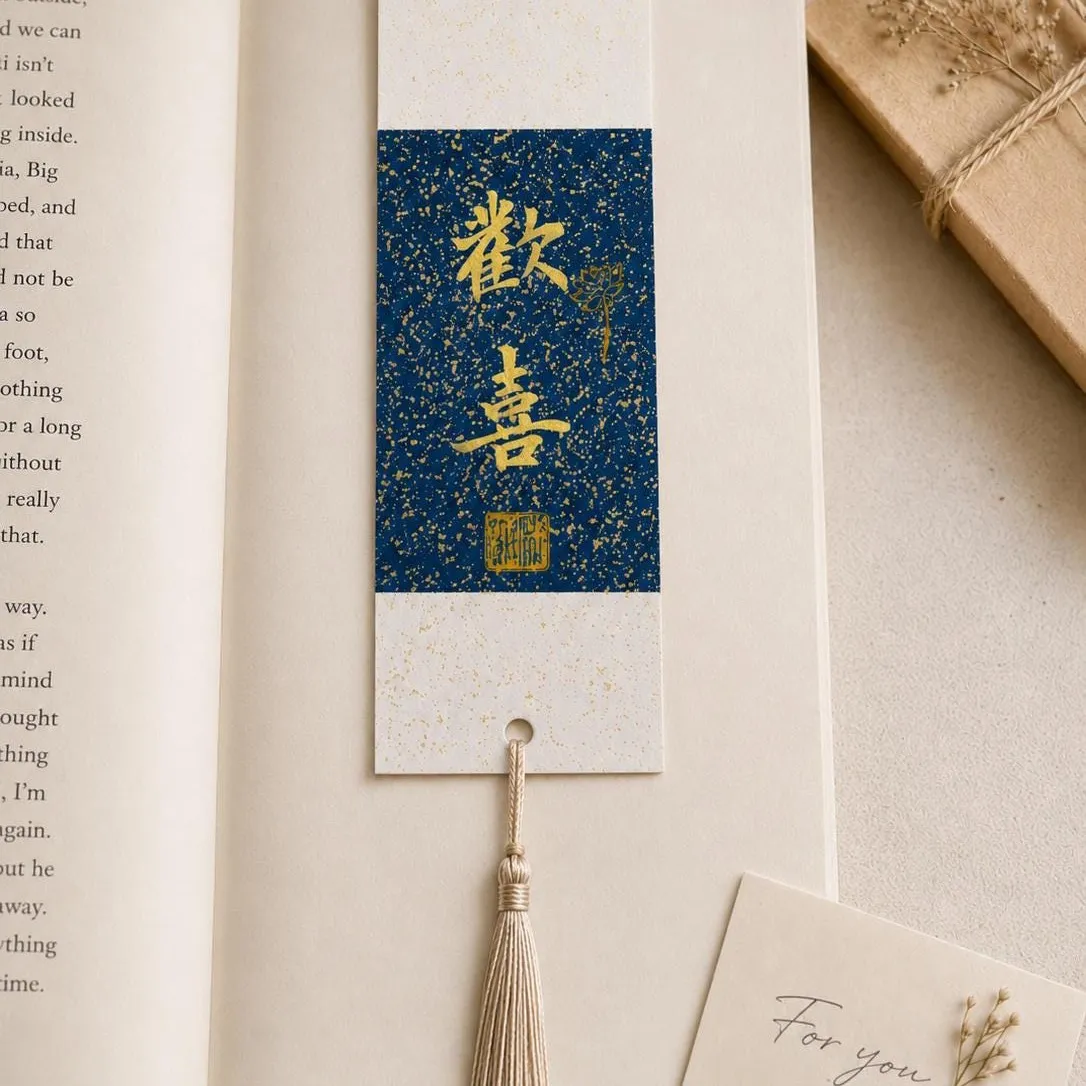
Photo shows a sample — yours will be brushed with 勇, or any character you choose.
Bookmark — for readers & small thank-yousfrom $17→
What people said after it arrived.
-
The item is fantastic. The customer service was genuine. Thanks!
— M.Verified purchase · from our Etsy shop reviews · -
They were great they gave me exactly what I asked for and then some. Thank you!!
— G.Verified purchase · from our Etsy shop reviews · -
It is well designed and customized. My daughter loves it. Amazing gift for family’s d friends
— S.Verified purchase · from our Etsy shop reviews ·
Each "勇" is hand-brushed by Artist Lina Sun on rice paper.
See 勇 (Yǒng) on Etsy →