健康长寿 (jiàn kāng cháng shòu) — Good Health · Long Life
A 4-character phrase, not a single character.
健康长寿 is the most direct of the four-character elder blessings — it strips away ceremony and says what the giver actually means. Where 福寿安康 covers the full spectrum of wellbeing and 龙马精神 celebrates vitality with mythological flair, 健康长寿 narrows to the two things that depend on each other and refuses to discuss anything else: a body that works, and years enough to use it. It is the inscription children choose when they want to cut through the formality of birthday culture and say something that sounds like a conversation, not a plaque. See 康 → See 寿 →
The phrase is the standard inscription on the 寿桃 (shòu táo) — the peach-shaped buns served at elder birthday banquets — and on the banners hung behind the guest of honor’s chair at 寿宴. The peach connection is not decorative: in Chinese mythology, the Queen Mother of the West (西王母) tended a garden of immortality peaches that ripened once every three thousand years. Surrounding an elder with peach-shaped food and the words 健康长寿 is an act of sympathetic magic that has survived into the twenty-first century. The same four characters appear inside the cards that adult children send on Mother’s Day and Father’s Day, and as the toast raised at family dinners when the oldest member is present. It is the wish underneath every other wish: without health and years, the rest is academic.
A hand-brushed “健康长寿” by FuBlessings is for the parent or grandparent you want to keep — a clear, unsentimental wish from the person whose world depends on the answer. For a milestone birthday, a get-well gift, or simply because the wish is true every day, it says what matters most and stops there.
- sound body, many years
- the two things every other elder wish depends on
- what children mean when they cut through ceremony
- wellness Too soft. 健康 includes the active, capable body, not just the absence of illness.
- long life Only the second half. 健康长寿 insists that years without health are not the wish.
The short arms are the point: these readings don’t reach it.
- 健康 active and passive health combined健 is active health — strong, vigorous, able to climb stairs without stopping. 康 is passive health — at ease, the body without complaint. Together: a body that works when asked, and does not trouble you when at rest.
- 长寿 exceptional longevity寿 alone is longevity; 长 (long) is the modifier that pushes it past 'adequate' into 'remarkable.' Not 'may you live long enough' but 'may the length of your years surprise even you.'
characters
- 健康 jiàn kāng health — both active vigor and freedom from disease
- 长寿 cháng shòu long life — longevity that exceeds the ordinary
- 寿桃 shòu táo peach-shaped birthday buns — the dish 健康长寿 sits behind
- 祝寿 zhù shòu to celebrate an elder's birthday — the ritual context for the inscription
- 五福 wǔ fú the Five Blessings — longevity is listed first
Cinnabar marks the characters 健康长寿 actually contains. The dark row is a relative by meaning or by sound, not one shared stroke.
The Story Behind the Character
健康长寿 is built from two compound words, each of which carries a subtle internal argument. 健康 (jiàn kāng) pairs 健 (strong, vigorous, capable of exertion) with 康 (at ease, thriving, the body functioning as it should). The distinction matters: 健 is active health — the ability to move, to do, to climb stairs without stopping — while 康 is passive health — the absence of disease, the body at rest without complaint. Together they describe the full picture: a body that works when you ask it to and does not trouble you when you do not.
长寿 (cháng shòu) is older than the concept of modern medicine. 寿 appears as one of the 五福 (Five Blessings) in the Book of Documents (《尚书·洪范》), a chapter whose received text took shape in the Warring States period, where it is listed first among the five conditions that define a complete life. 长 (long) is a modifier that would seem redundant — 寿 already implies longevity — but it serves a purpose: it extends the wish beyond a merely adequate lifespan into the territory of the exceptional. 长寿 is not "may you live long enough" but "may the length of your years surprise even you."
The four characters fused into a standard phrase through the culture of 祝寿 — the formal birthday celebrations that Chinese families hold for elders at major milestones. In this context, 健康长寿 emerged as the direct counterpart to 福寿安康: where the latter covers the full breadth of blessings (fortune, longevity, peace, health), 健康长寿 narrows to the two that are most physically urgent. It became the phrase children use when they want to cut through ceremony and say what they actually mean: stay well, stay with us.
Classical lines
- roughly 200 years
- c. 400 BCE 《论语·雍也》
- c. 4th c. BCE 《尚书·洪范》
- c. 200 BCE 《黄帝内经·素问》
一曰寿,二曰富,三曰康宁。 First longevity, second wealth, third peace and health.
Longevity listed first among the five blessings, the priority 健康长寿 inherits.
上古之人,春秋皆度百岁,而动作不衰。 The people of high antiquity all lived past a hundred, and their movements never weakened.
The oldest Chinese medical text describing what 健康长寿 looks like in practice: not just long life, but vitality preserved.
知者乐,仁者寿。 The wise find joy; the kind live long.
Confucius's oldest theory of longevity, and it is not medical: a settled, generous heart is what carries a person into old age. 健康长寿 inherits that claim — health and years grow from the kind of life lived, not only from the body.
Why This Character Matters
In the town of Bama, in Guangxi province, the ratio of centenarians to the general population is among the highest in the world — roughly 30 per 100,000, more than four times the international average. The town has become a pilgrimage site for Chinese families seeking the secret of 长寿, and the local economy runs on longevity tourism: mineral water bottled from local springs, air quality certificates, guided tours of centenarians' homes. The Chinese obsession with 长寿 is not abstract — it has a zip code, and you can visit.
健康长寿 is the inscription most commonly found on 寿桃 (shòu táo) — the peach-shaped buns served at elder birthday banquets. The peach is the fruit of immortality in Chinese mythology, associated with the Queen Mother of the West (西王母), whose peach garden was said to produce fruit only once every three thousand years. Serving peach-shaped food at a birthday and inscribing 健康长寿 on the banner behind the table is an act of sympathetic magic that has survived into the twenty-first century: you surround the elder with symbols of long life, and you speak the wish out loud, because saying it matters.
A few characters live near "健康长寿" but mean something quieter, sharper, or more specific. Here's how to tell them apart.
health plus years — the two paired, each making the other worth having
only the years — longevity without the explicit demand that the body work
specific to elder birthdays — vigor plus exceptional years
everyday wellbeing — peace and health for any age, in any season
the direct, unceremonial version — health and years named without metaphor
the formal four-fold inscription — fortune, longevity, peace, health in ceremonial order
健康长寿 is the most direct of the elder birthday inscriptions — not metaphor, not poetry, just the two things you most want for the person whose long life matters to you.
- A Milestone Birthday健康长寿 is the most direct of the elder birthday inscriptions — not metaphor, not poetry, just the two things you most want for the person whose long life matters to you.
- For the parents whose continued health is the gift you most want to give back. 健康长寿 names what every other blessing for them ultimately rests on.
- Get Well SoonFor an elder recovering, 健康长寿 is the steady wish underneath the immediate one — that the recovery hold, and that many good years follow it.
- Just BecauseSometimes the most meaningful gift to a parent is the one without an occasion — a quiet standing wish for what you want for them every day.
Mom · Dad · Grandparent · Parent · Mother-in-law · Father-in-law · or yourself
Looking for a name? See Western names written in Chinese →
-
What does 健康长寿 (jiàn kāng cháng shòu) mean?
健康长寿 (jiàn kāng cháng shòu) is a 4-character Chinese phrase for good health, long life. 健康长寿 is the most direct of the four-character elder blessings — it strips away ceremony and says what the giver actually means. Where 福寿安康 covers the full spectrum of wellbeing and 龙马精神 celebrates vitality with mythological flair, 健康长寿 narrows to the two things that depend on each other and refuses to discuss anything else: a body that works, and years enough to use it. It is the inscription children choose when they want to cut through the formality of birthday culture and say something that sounds like a conversation, not a plaque. See 康 → See 寿 → In the town of Bama, in Guangxi province, the ratio of centenarians to the general population is among the highest in the world — roughly 30 per 100,000, more than four times the international average. The town has become a pilgrimage site for Chinese families seeking the secret of 长寿, and the local economy runs on longevity tourism: mineral water bottled from local springs, air quality certificates, guided tours of centenarians' homes. The Chinese obsession with 长寿 is not abstract — it has a zip code, and you can visit.
-
What occasions is 健康长寿 given for?
健康长寿 is traditionally given for A Milestone Birthday, Mother's Day · Father's Day, Get Well Soon, Just Because. 健康长寿 is the most direct of the elder birthday inscriptions — not metaphor, not poetry, just the two things you most want for the person whose long life matters to you. For the parents whose continued health is the gift you most want to give back. 健康长寿 names what every other blessing for them ultimately rests on.
-
Who brushes the 健康长寿 calligraphy?
FuBlessings hand-brushes each 健康长寿 (Jiàn Kāng Cháng Shòu) to order, in ink on rice paper — never printed, never repeated.
Bring 健康长寿 home — choose how you'd like it brushed.
-
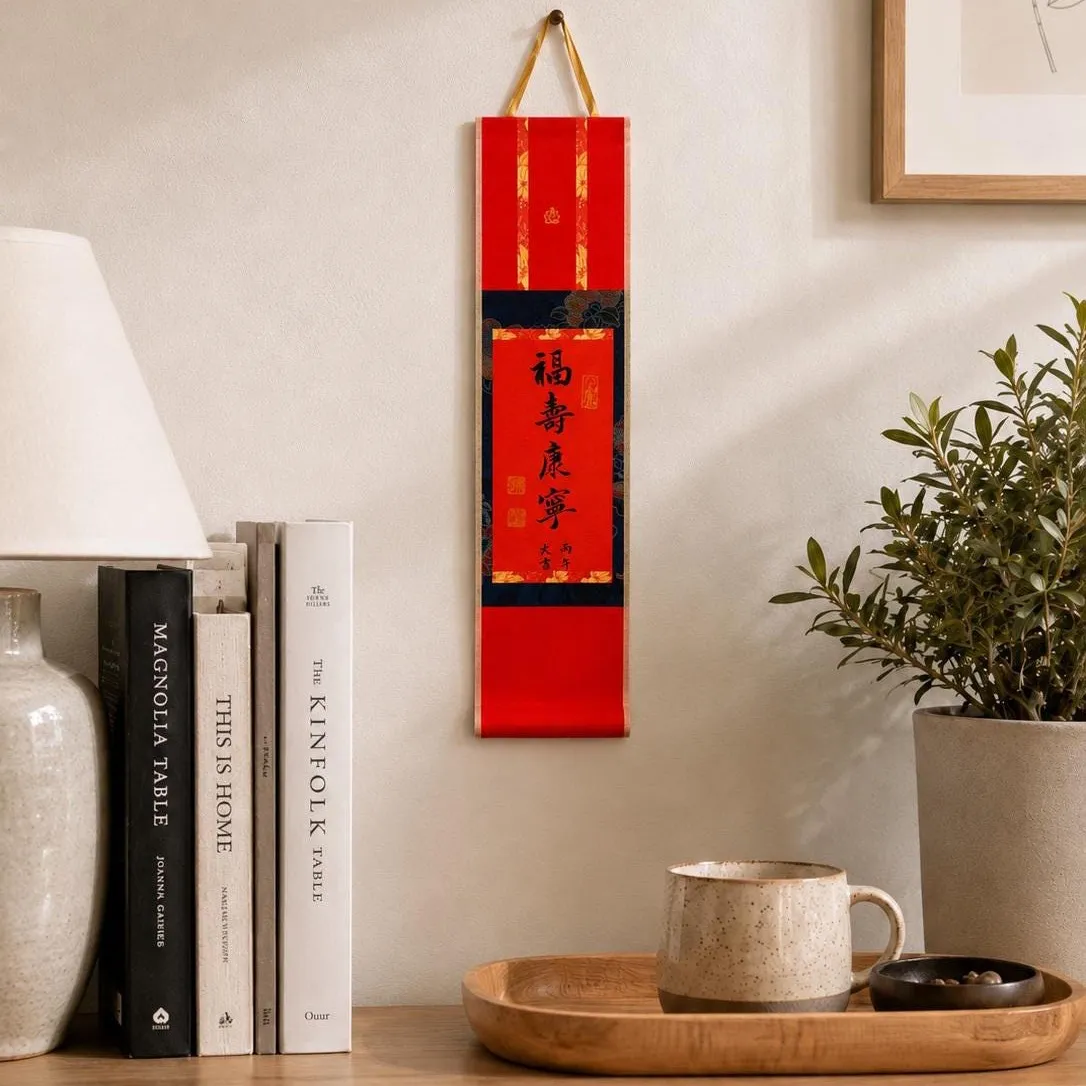
Photo shows a sample — yours will be brushed with 健康长寿, or any character you choose.
Wall Scroll — for walls & housewarmingsfrom $38→ -
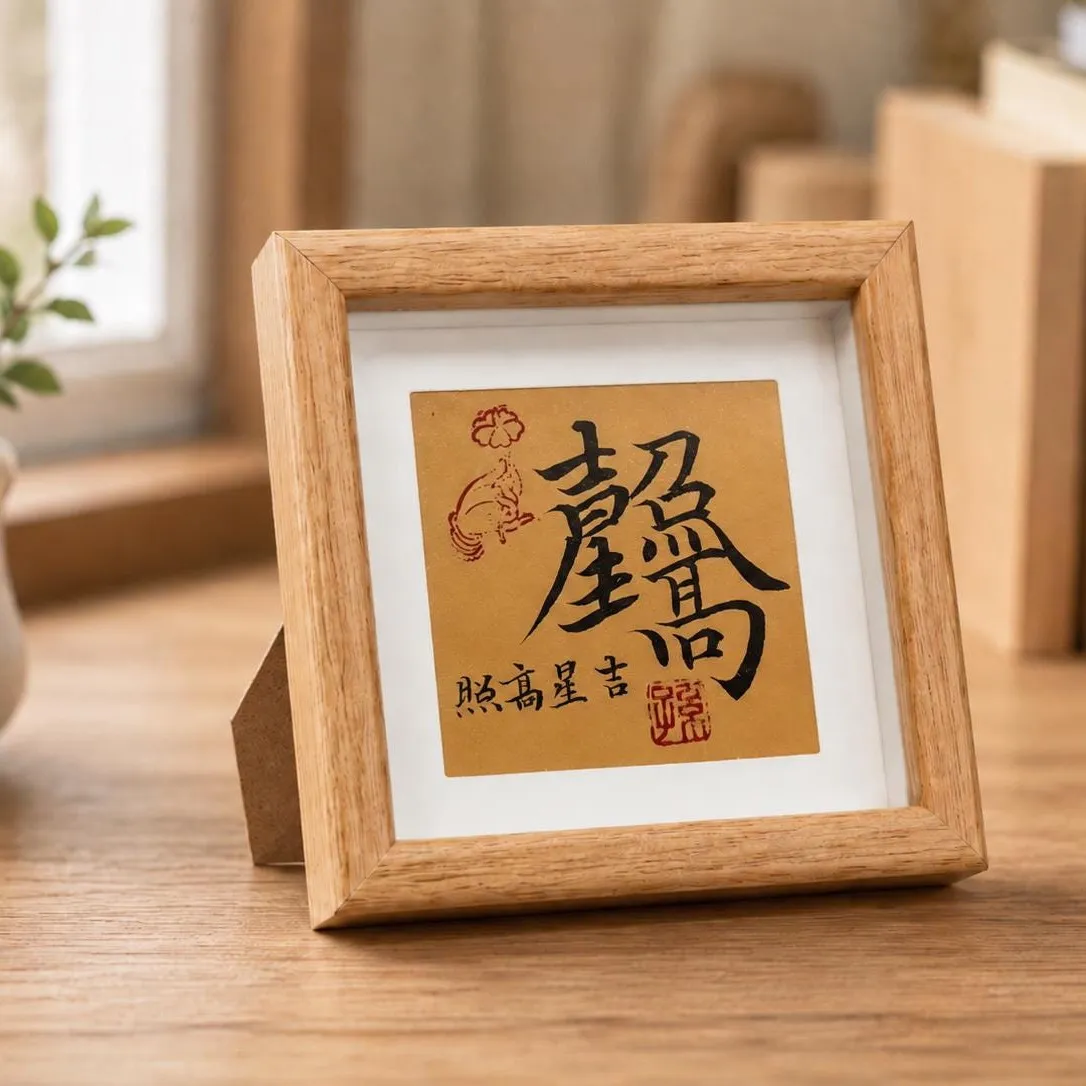
Photo shows a sample — yours will be brushed with 健康长寿, or any character you choose.
Desk Frame — for desks, studies & studiosfrom $44→ -
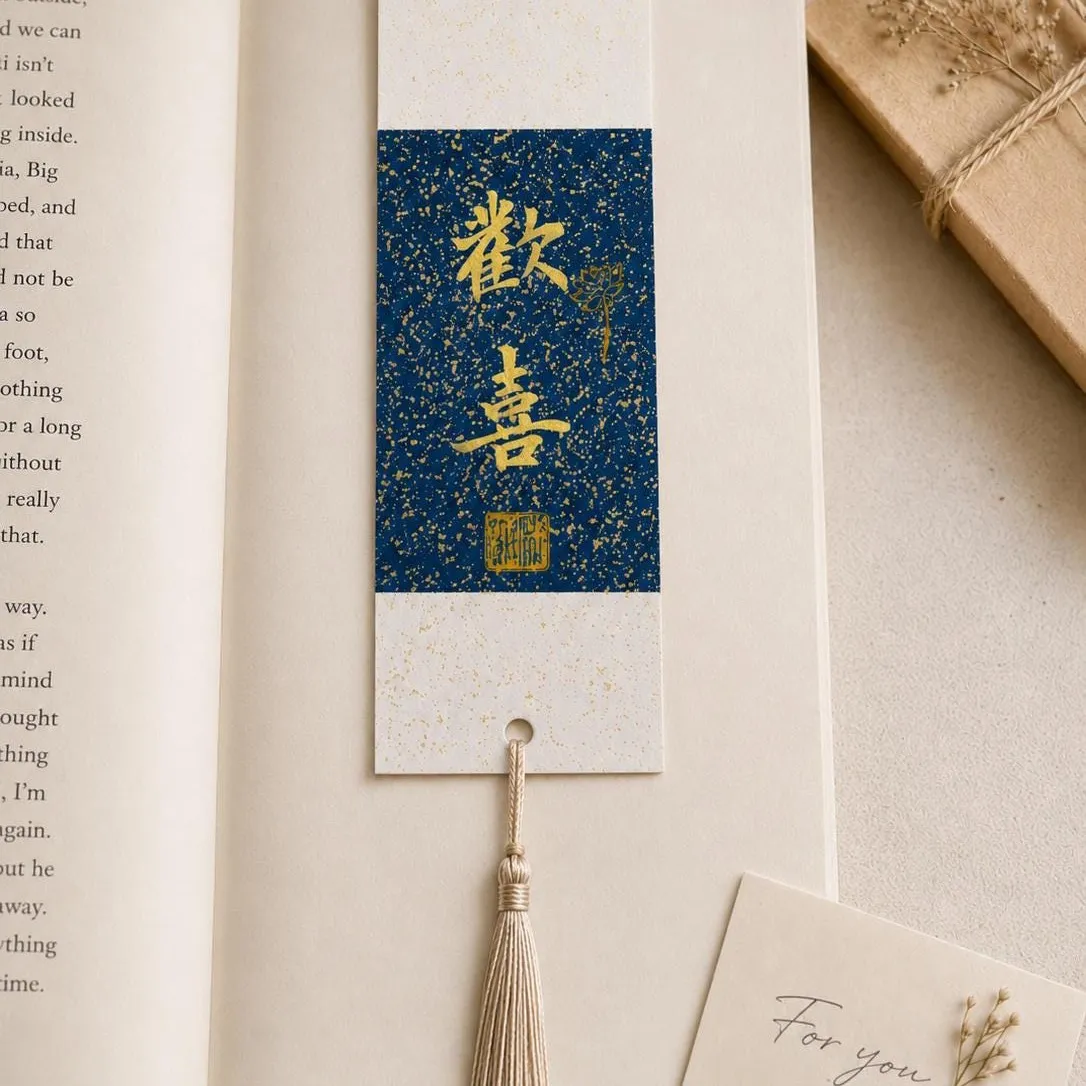
Photo shows a sample — yours will be brushed with 健康长寿, or any character you choose.
Bookmark — for readers & small thank-yousfrom $14→
What people said after it arrived.
-
The item is fantastic. The customer service was genuine. Thanks!
— M.Verified purchase · from our Etsy shop reviews · -
They were great they gave me exactly what I asked for and then some. Thank you!!
— G.Verified purchase · from our Etsy shop reviews · -
It is well designed and customized. My daughter loves it. Amazing gift for family’s d friends
— S.Verified purchase · from our Etsy shop reviews ·
Each "健康长寿" is hand-brushed by FuBlessings on rice paper.
See 健康长寿 (Jiàn Kāng Cháng Shòu) on Etsy →