康 (kāng) — Health · Well-being · Wholeness
A single character.
康 began its life meaning “full granary” and ended up meaning “health” — and that journey tells you everything about how the Chinese tradition thinks about well-being. Health isn’t a body that passes a test. It’s a life where nothing essential is missing: enough food, enough rest, enough ease to enjoy both. When you give someone 康, you’re not wishing them a clean bill of health. You’re wishing them the kind of life where health comes naturally.
The character appears at every milestone where the body matters. Birthday banners for a grandparent turning eighty. Get-well calligraphy hung in a recovery room. The toast at a retirement dinner where someone raises a glass and says 祝您健康 — “wishing you health.” In Chinese families, 康 becomes more important as parents age. Where a young person’s birthday might call for 福 or 乐, an elder’s birthday almost always calls for 康. It is the wish that says: we need you here, comfortable and well, for as long as possible.
A hand-brushed 康 by FuBlessings carries the specific weight of a child’s concern for a parent. For a mother on Mother’s Day, it says: I notice how much you carry, and I want your body to feel easy. For a father’s birthday, it says: the years ahead should not be a test of endurance but a season of comfort. It is the most direct health wish in the library — no metaphor, no abstraction, just the hope that this person feels well.
- health
- well-being
- ease in the body
- a life with enough
- strength Too narrow. 康 isn't about a strong body — it's about a body that moves through its days without strain, whatever its age.
- wellness Wellness sounds like a regimen. 康 is the result — the state where the body works and the pantry is full, without effort showing.
- fitness Fitness is a measurement. 康 is a condition of life: enough food, enough rest, enough ease to enjoy both.
The short arms are the point: these readings don’t reach it.
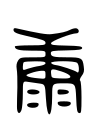
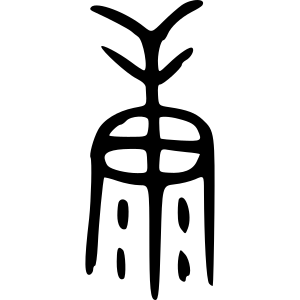
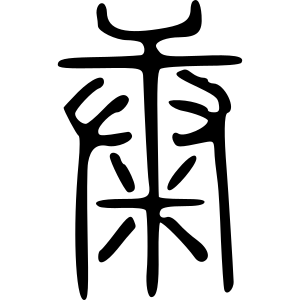
- 庚 the harvest frameOriginally read by some scholars as a pestle or threshing tool, by others as a granary structure. Either way it points to the moment grain comes in — the season when storehouses fill.
- 米 / 八 grain falling / husks scatteringThe small strokes beneath were read by early scholars as husks of grain spilling from a full vessel. The picture as a whole: a granary overflowing, the original image of having enough.
character
- 健康 jiàn kāng robust health — the everyday word, the most common birthday wish in China
- 安康 ān kāng peaceful well-being — the warmer, more traditional phrase for an elder
- 小康 xiǎo kāng modest comfort — a livable life, also the name of China's national development goal
- 康宁 kāng níng health and peace of mind — the third of the classical Five Blessings
- 康复 kāng fù to recover — to return to 康 after illness
The Story Behind the Character
The earliest bronze inscriptions show 康 as an image that scholars have debated for centuries. The most widely accepted reading: a set of grain husks flanking a central structure — the image of a granary full to the point of overflowing. Health, the early scribes were saying, starts with having enough to eat. Not medicine, not luck — grain in the storehouse.
China's first dictionary (Shuowen Jiezi, c. 100 CE) defined 康 as "穅也" — the chaff or husk of grain, the outer shell that protects the seed. But Duan Yucai, the great Qing dynasty commentator, argued the meaning had already shifted long before the dictionary was written. By the Zhou dynasty, 康 had moved from describing physical abundance to describing the state of a person who has it: ease, comfort, the relaxed bearing of someone whose basic needs are met.
The character's journey from "grain husk" to "health" reveals something about how the Chinese tradition thinks about well-being. Health was never purely physical. It started with material security, extended through bodily ease, and arrived at a state where a person could simply live without strain. 康 carries all three layers at once.
Classical lines
- roughly 600 years
- c. 800 BCE 《诗经·大雅·民劳》
- c. 300 BCE 《礼记·大学》
- c. 200 BCE 《黄帝内经》
富润屋,德润身,心广体胖。 Wealth makes a house handsome; virtue makes a person whole; a generous, settled mind puts the body at ease.
The Great Learning tracing the same path 康 traces — from having enough, through inner steadiness, to a body that simply feels well. Health, in this reading, is what a settled life looks like from the outside.
民亦劳止,汔可小康。 The people have labored so long
let them have a little ease. — One of the oldest surviving poems in any language, asking not for greatness but for 小康: a modest, comfortable, livable life. China's modern government still uses this phrase as a national goal.
上医治未病。 The best doctor treats what hasn't gone wrong yet.
The foundational text of Chinese medicine, arguing that real health isn't about fixing problems. It's about living in a way that prevents them.
Why This Character Matters
The word 小康 — literally "small康," meaning modest prosperity and good health — is one of the most politically significant phrases in modern China. Deng Xiaoping adopted it in the 1980s as the national development goal: not utopia, but a country where ordinary families have enough to eat, a roof overhead, and access to medical care. When China declared in 2021 that it had achieved 小康社会 (a moderately prosperous society), the announcement was front-page news for weeks. The word 康, born from grain husks three thousand years ago, had become the benchmark for a nation.
In Chinese gift culture, 康 carries a weight that "health" alone doesn't capture in English. When you wish someone 健康 (robust health) or 安康 (peaceful well-being), you're wishing for a state where the body works, the pantry is full, and the days feel unhurried. It's the reason 康 appears so often in birthday wishes for elders: by that age, everyone understands that health is not about strength but about ease — the ability to move through a day without strain, to enjoy a meal without worry, to sleep without waking.
康 is a warm, genuine character that Chinese people use constantly in well-wishes — 健康 (health), 安康 (peaceful well-being), 小康 (modest prosperity). As a tattoo, it would read as a sincere wish for well-being, not flashy or pretentious. A Chinese person might find it slightly old-fashioned — it's the kind of word grandparents use — but always in a positive way.
Calligraphy Styles for Tattoos
- Regular script (楷书 kǎishū) Best for tattoos
康 is 11 strokes with a semi-enclosure structure — the shelter radical 广 frames the interior elements. Regular script keeps the proportions clean and the internal strokes distinct.
- Running script (行书 xíngshū) Good for larger pieces
Running script 康 works well because the shelter radical 广 provides a strong visual frame that holds the character together even as the inner strokes flow. Best at 2+ inches.
- Cursive script (草书 cǎoshū) Only with an expert calligrapher
The interior of 康 has several similar-looking horizontal and vertical strokes that cursive can turn into indistinct marks. The shelter radical helps, but the bottom half is at risk of becoming unreadable.
Common Mistakes to Avoid
- Confusing 康 (health) with 庸 (mediocre/ordinary)Intended: 康 with its distinctive lower structure
Both 康 and 庸 share the shelter radical 广 on top, but their interiors are completely different. Getting your 'health' tattoo to accidentally say 'mediocre' would be unfortunate. Verify the internal structure carefully with a reference.
- Crowding the strokes inside the 广 shelter, making the bottom half illegibleIntended: Clear spacing between all internal horizontal and vertical strokes
康 has several horizontal strokes in its lower half that must be evenly spaced. When compressed, they blur together and the character looks like a dark block under a roof. Give the interior room to breathe.
Notes for Your Tattoo Artist
11 strokes. The shelter radical 广 creates a frame — the diagonal stroke should extend far enough to visually contain the interior elements. The lower portion contains multiple horizontal strokes that need even spacing. Minimum size: 2 inches. The key proportion challenge is the ratio of the 广 overhang to the interior density.
A few characters live near "康" but mean something quieter, sharper, or more specific. Here's how to tell them apart.
health itself — a body that feels easy day to day
the length of time, the years accumulating — longevity without specifying how it feels
Full comparison →the body at ease — physical well-being, the pantry full
康 is the birthday wish for continued good health — particularly for parents and grandparents entering another year.
- 康 is the birthday wish for continued good health — particularly for parents and grandparents entering another year. It asks not for more time alone, but for that time to feel easy and whole.
- For the father whose daily effort you want to acknowledge. 康 is a specific wish: that his body stays capable and his days feel unencumbered, year after year.
- For the mother who has carried more than most people see. 康 is a precise wish — not for anything grand, but for her days to feel well and unhurried.
Grandparent · Mom · Dad · Best Friend · New Parent · or yourself
康 is one of the characters we use to write Western names in Chinese. See it at work:
-
What does 康 (kāng) mean?
康 (kāng) is the Chinese character for health, well-being, wholeness. 康 began its life meaning "full granary" and ended up meaning "health" — and that journey tells you everything about how the Chinese tradition thinks about well-being. Health isn't a body that passes a test. It's a life where nothing essential is missing: enough food, enough rest, enough ease to enjoy both. When you give someone 康, you're not wishing them a clean bill of health. You're wishing them the kind of life where health comes naturally. The word 小康 — literally "small康," meaning modest prosperity and good health — is one of the most politically significant phrases in modern China. Deng Xiaoping adopted it in the 1980s as the national development goal: not utopia, but a country where ordinary families have enough to eat, a roof overhead, and access to medical care. When China declared in 2021 that it had achieved 小康社会 (a moderately prosperous society), the announcement was front-page news for weeks. The word 康, born from grain husks three thousand years ago, had become the benchmark for a nation.
-
What occasions is 康 given for?
康 is traditionally given for Birthday, Father's Day, Mother's Day. 康 is the birthday wish for continued good health — particularly for parents and grandparents entering another year. It asks not for more time alone, but for that time to feel easy and whole. For the father whose daily effort you want to acknowledge. 康 is a specific wish: that his body stays capable and his days feel unencumbered, year after year.
-
Is 康 a good Chinese tattoo?
康 is a warm, genuine character that Chinese people use constantly in well-wishes — 健康 (health), 安康 (peaceful well-being), 小康 (modest prosperity). As a tattoo, it would read as a sincere wish for well-being, not flashy or pretentious. A Chinese person might find it slightly old-fashioned — it's the kind of word grandparents use — but always in a positive way.
-
Who brushes the 康 calligraphy?
FuBlessings hand-brushes each 康 (Kāng) to order, in ink on rice paper — never printed, never repeated.
Bring 康 home — choose how you'd like it brushed.
-
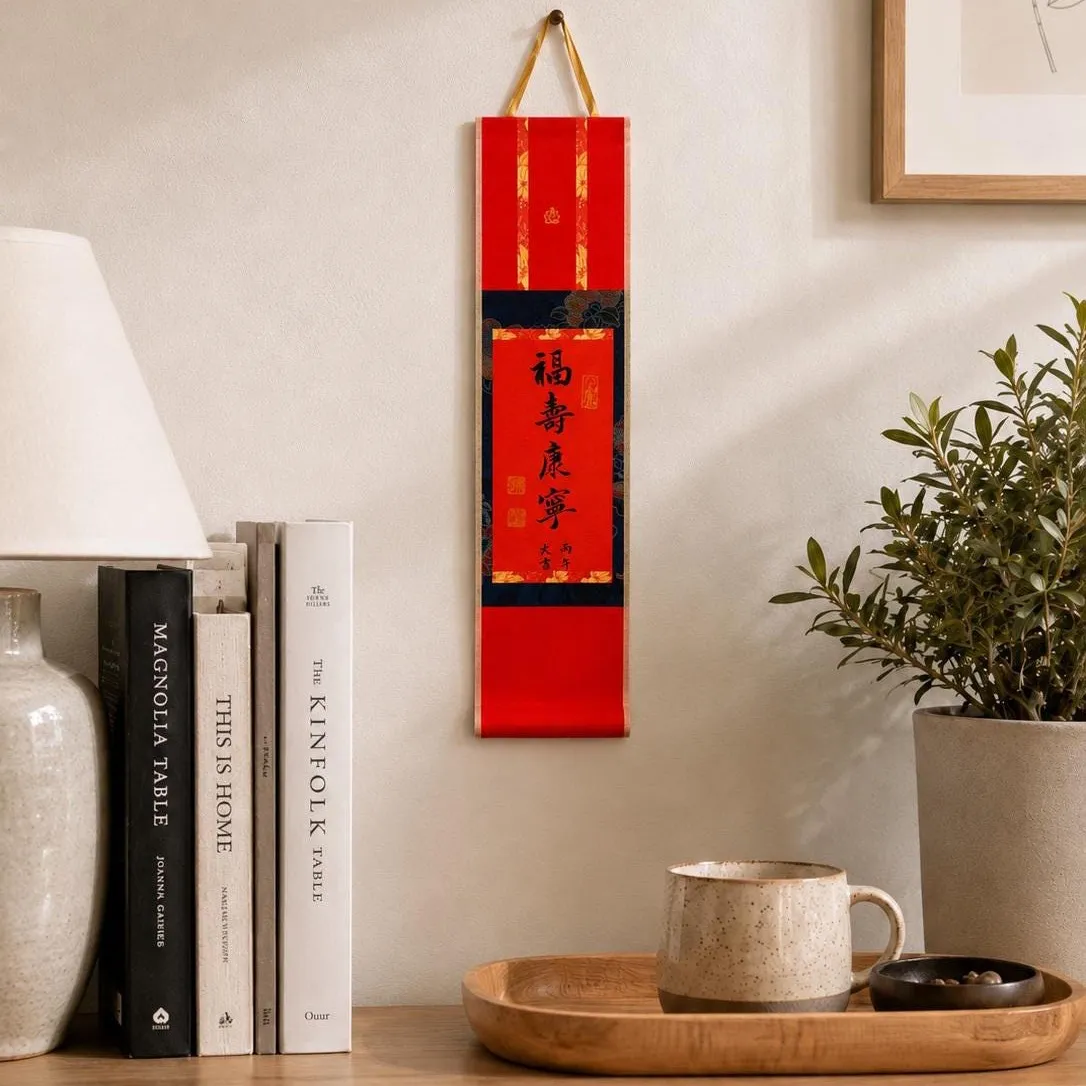
Photo shows a sample — yours will be brushed with 康, or any character you choose.
Wall Scroll — for walls & housewarmingsfrom $38→ -
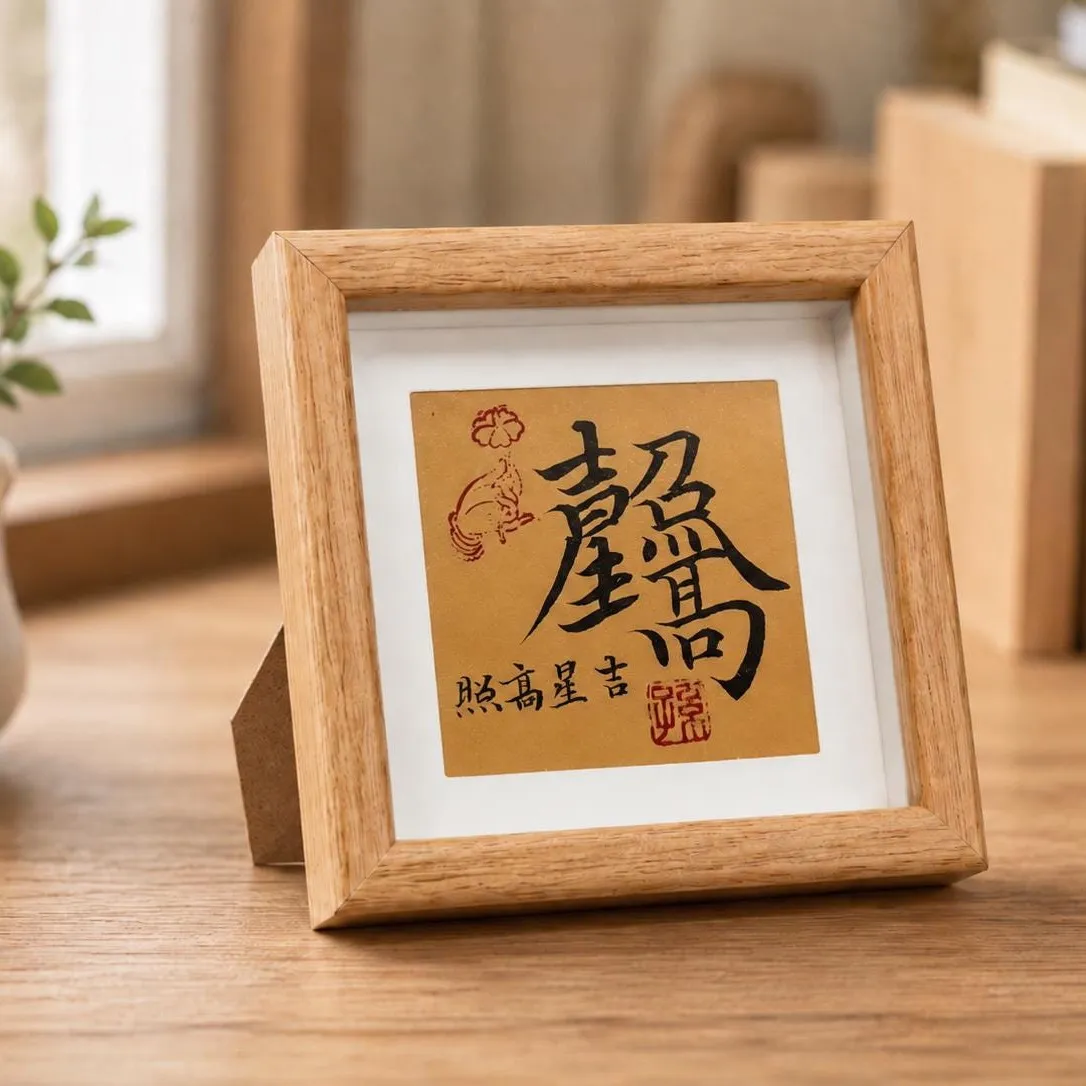
Photo shows a sample — yours will be brushed with 康, or any character you choose.
Desk Frame — for desks, studies & studiosfrom $44→ -
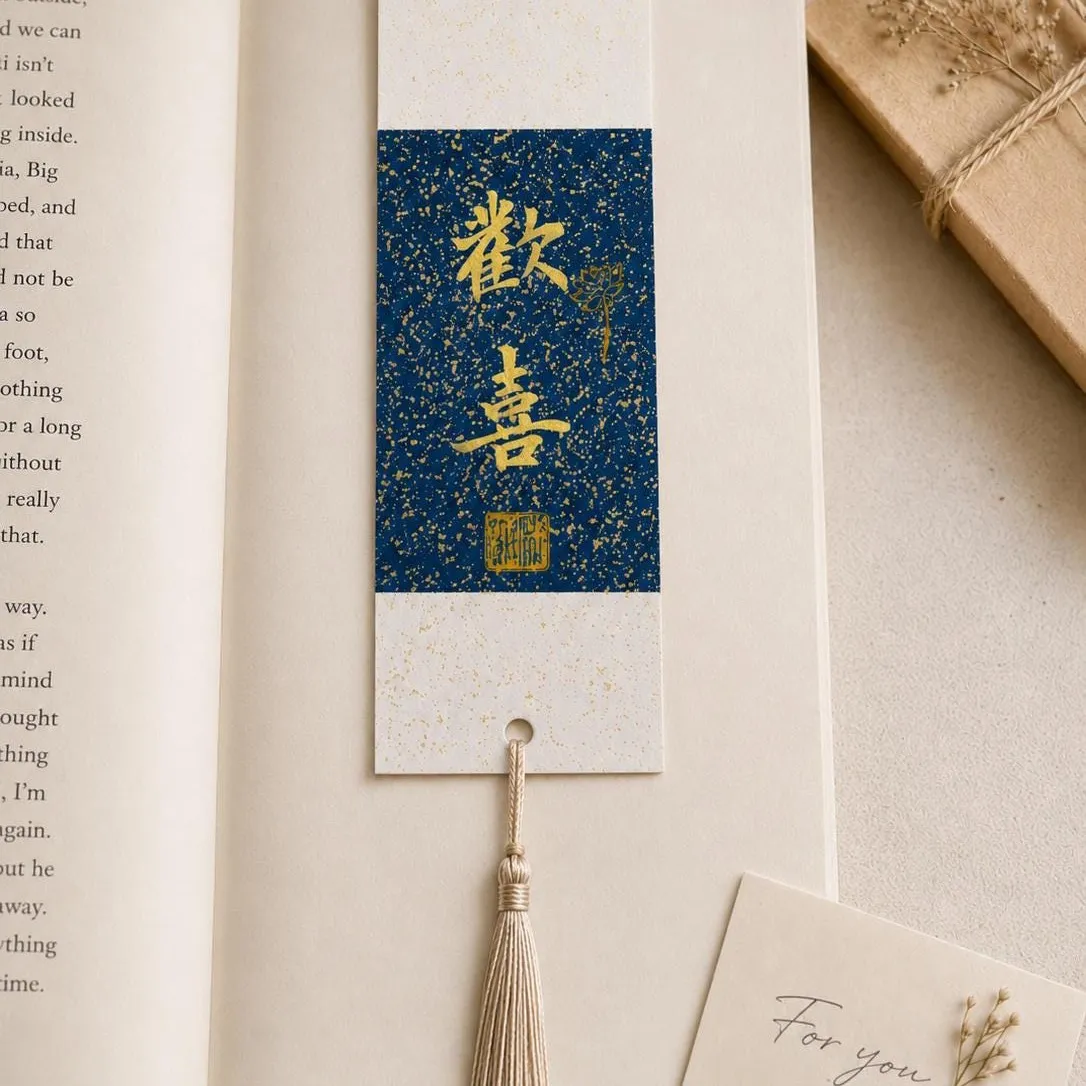
Photo shows a sample — yours will be brushed with 康, or any character you choose.
Bookmark — for readers & small thank-yousfrom $14→
What people said after it arrived.
-
The item is fantastic. The customer service was genuine. Thanks!
— M.Verified purchase · from our Etsy shop reviews · -
They were great they gave me exactly what I asked for and then some. Thank you!!
— G.Verified purchase · from our Etsy shop reviews · -
It is well designed and customized. My daughter loves it. Amazing gift for family’s d friends
— S.Verified purchase · from our Etsy shop reviews ·
Each "康" is hand-brushed by FuBlessings on rice paper.
See 康 (Kāng) on Etsy →