安康 (ān kāng) — Peace · Health · Wholeness of Body and Mind
A two-character word, not a single character.
安康 is the blessing that refuses to split body from spirit. Where 健康 (jiàn kāng) focuses on physical health and 平安 (píng ān) guards against external danger, 安康 insists on wholeness — a body that functions well inside a mind that is at rest. It is the word Chinese families reach for when the stakes are real: not a breezy “feel better” but a grounded wish that the person you love is sound in every sense that matters. See 安 → See 康 →
The pairing shows up at the moments when cheerfulness would ring hollow. It is the inscription on an elder’s milestone birthday, when everyone in the room understands that the wish for more years is only meaningful if those years feel livable. It is the Dragon Boat Festival greeting (端午安康) chosen over 快乐 because the holiday’s origins in warding off pestilence demand a heavier word. And it is the phrase a child writes to a parent recovering from illness — not hoping for mere survival, but for the return of settledness, the body and mind working together again.
A hand-brushed “安康” by FuBlessings carries that weight in ink — a gift for the parent, grandparent, or mentor whose wellbeing you think about in full. Not a wish for one good day, but for the deep, daily soundness that makes a long life worth having.
- wholeness
- soundness
- wellbeing
- body and mind together
- healthy Too narrow. 健康 covers the body alone. 安康 refuses to separate body from spirit — it names both at once.
- safe Too defensive. 平安 wards off external harm. 安康 names the internal condition: settled within, functioning well.
The short arms are the point: these readings don’t reach it.
- 安 peace / settledness of mindSets the foundation: inner calm comes first. A woman under a roof — the image of a person sheltered, undisturbed. In medical philosophy, the mind at ease is the precondition for the body to heal.
- 康 health / bodily easeThe physical dimension — a body that functions without strain. Not merely the absence of illness, but the ease of full functioning, with the spirit undisturbed alongside it.
characters
- 身体安康 shēn tǐ ān kāng body and mind well — the standard wish on birthday cards for elders
- 端午安康 duān wǔ ān kāng Dragon Boat Festival greeting — never 快乐, because the holiday wards off pestilence
- 阖家安康 hé jiā ān kāng may the whole family be well — a New Year inscription
- 福寿安康 fú shòu ān kāng blessed, long-lived, and well — the full elder's birthday formula
- 心安 xīn ān heart at rest — the inner half of 安康
The Story Behind the Character
The two characters trace back to separate domains that Chinese thinkers gradually fused into a single diagnosis. 安 entered the language as a picture of a woman under a roof — the state of being sheltered, settled, undisturbed. Its earliest oracle bone forms (甲骨文) show this image literally: a figure at rest inside a structure. 康, meanwhile, appeared in the Book of Documents (《尚书》) as one of the 五福 (Five Blessings) — the five conditions that together define what a good life contains. In that list, 康宁 names ease of body and settled mind. 康 alone meant something closer to "thriving" — not merely free of disease, but vigorous, functioning as intended.
The fusion of 安 and 康 into a fixed pair happened through medical and ritual usage. Traditional Chinese medical texts (中医) treat 安康 as a compound diagnosis: the body working properly (康) and the spirit undisturbed (安). Birthday inscriptions for elders adopted the pairing because it named exactly what aging threatens — not just health alone, and not just peace alone, but the compound of both. A body in pain cannot feel settled; a mind in turmoil cannot heal. 安康 insists on the package.
What makes 安康 more than the sum of its parts is the priority it encodes. 安 comes first — peace before health, settledness before vigor. The order is not accidental. Chinese medical philosophy holds that inner tranquility is the precondition for physical recovery: 心安则身康. The mind must be at ease before the body can follow.
Classical lines
- roughly 600 years
- c. 800 BCE 《周易·系辞上》
- c. 200 BCE 《礼记·曲礼》
- c. 200 BCE 《黄帝内经·素问》
修身践言,谓之善行。行修言道,礼之质也。 Cultivating the self and living by one's words
this is what good conduct means. — The Book of Rites linking bodily cultivation to inner integrity, the same union 安康 names.
食饮有节,起居有常,不妄作劳,故能形与神俱。 Eat and drink with moderation, keep regular hours, do not exhaust yourself recklessly
then body and spirit endure together. — The oldest Chinese medical text prescribing 安康 as a practice, not just a wish.
安土敦乎仁,故能爱。 Settled in one's place and grounded in benevolence, one becomes capable of love.
The Book of Changes arguing that being settled (安) is the foundation for everything else that matters.
Why This Character Matters
During Dragon Boat Festival (端午节), the traditional greeting is 端午安康 — never 端午快乐 ("happy Dragon Boat Festival"). The distinction is not arbitrary. The holiday originates in the commemoration of Qu Yuan's death and in early rituals for warding off summer pestilence. Using 快乐 ("happy") would be tonally wrong, like saying "Happy Memorial Day" to a veteran. 安康 is the correct register: a wish for protection and health during a season the old calendar considered dangerous. This single usage reveals what 安康 really carries — it is the blessing you reach for when the context is too serious for cheerfulness.
In family life, 安康 occupies a specific register between 平安 (safe from external harm) and 健康 (physically healthy). A parent texting a child after a typhoon writes 平安. A doctor discharging a patient writes 健康. But the child writing a birthday inscription for an aging parent — the wish that the body holds and the mind stays clear, year after year — writes 安康. It is the holistic version, the one that refuses to separate body from spirit, and it is reserved for the people whose wellbeing you think about in full.
A few characters live near "安康" but mean something quieter, sharper, or more specific. Here's how to tell them apart.
wellness in body and settled mind — the internal condition, holistic
safety from external harm — the wish that nothing bad arrives
body well, mind at ease — wards off illness and disturbance from outside and within
health and serenity — listed among the Five Blessings, deeper interior stillness
the compound — body and mind together, weighted toward peace as foundation
health alone — the body functioning unobstructed, without the mental register
安康 is the precise wish for an elder's birthday — a long life is only a gift if it feels well.
- A Milestone Birthday安康 is the precise wish for an elder's birthday — a long life is only a gift if it feels well. Where a generic 'happy birthday' lands lightly, 安康 names the two things that matter most at that age and stops there.
- For the parent whose body has carried more than most people see. 安康 is a quiet, specific wish: that their days feel easy and their health holds, year after year.
- Get Well SoonFor someone recovering, 安康 is the wish that what comes next is not just survival but soundness — settled in body and settled in mind.
- Dragon Boat Festival (端午节)端午安康 is the traditional greeting for Dragon Boat Festival, where the holiday's roots in warding off illness make 安康 — not 快乐 — the proper wish.
Mom · Dad · Grandparent · Parent · Mother-in-law · Father-in-law · Best Friend · or yourself
Looking for a name? See Western names written in Chinese →
-
What does 安康 (ān kāng) mean?
安康 (ān kāng) is a two-character Chinese word for peace, health, wholeness of body and mind. 安康 is the blessing that refuses to split body from spirit. Where 健康 (jiàn kāng) focuses on physical health and 平安 (píng ān) guards against external danger, 安康 insists on wholeness — a body that functions well inside a mind that is at rest. It is the word Chinese families reach for when the stakes are real: not a breezy "feel better" but a grounded wish that the person you love is sound in every sense that matters. See 安 → See 康 → During Dragon Boat Festival (端午节), the traditional greeting is 端午安康 — never 端午快乐 ("happy Dragon Boat Festival"). The distinction is not arbitrary. The holiday originates in the commemoration of Qu Yuan's death and in early rituals for warding off summer pestilence. Using 快乐 ("happy") would be tonally wrong, like saying "Happy Memorial Day" to a veteran. 安康 is the correct register: a wish for protection and health during a season the old calendar considered dangerous. This single usage reveals what 安康 really carries — it is the blessing you reach for when the context is too serious for cheerfulness.
-
What occasions is 安康 given for?
安康 is traditionally given for A Milestone Birthday, Mother's Day · Father's Day, Get Well Soon, Dragon Boat Festival (端午节). 安康 is the precise wish for an elder's birthday — a long life is only a gift if it feels well. Where a generic 'happy birthday' lands lightly, 安康 names the two things that matter most at that age and stops there. For the parent whose body has carried more than most people see. 安康 is a quiet, specific wish: that their days feel easy and their health holds, year after year.
-
Who brushes the 安康 calligraphy?
FuBlessings hand-brushes each 安康 (Ān Kāng) to order, in ink on rice paper — never printed, never repeated.
Bring 安康 home — choose how you'd like it brushed.
-
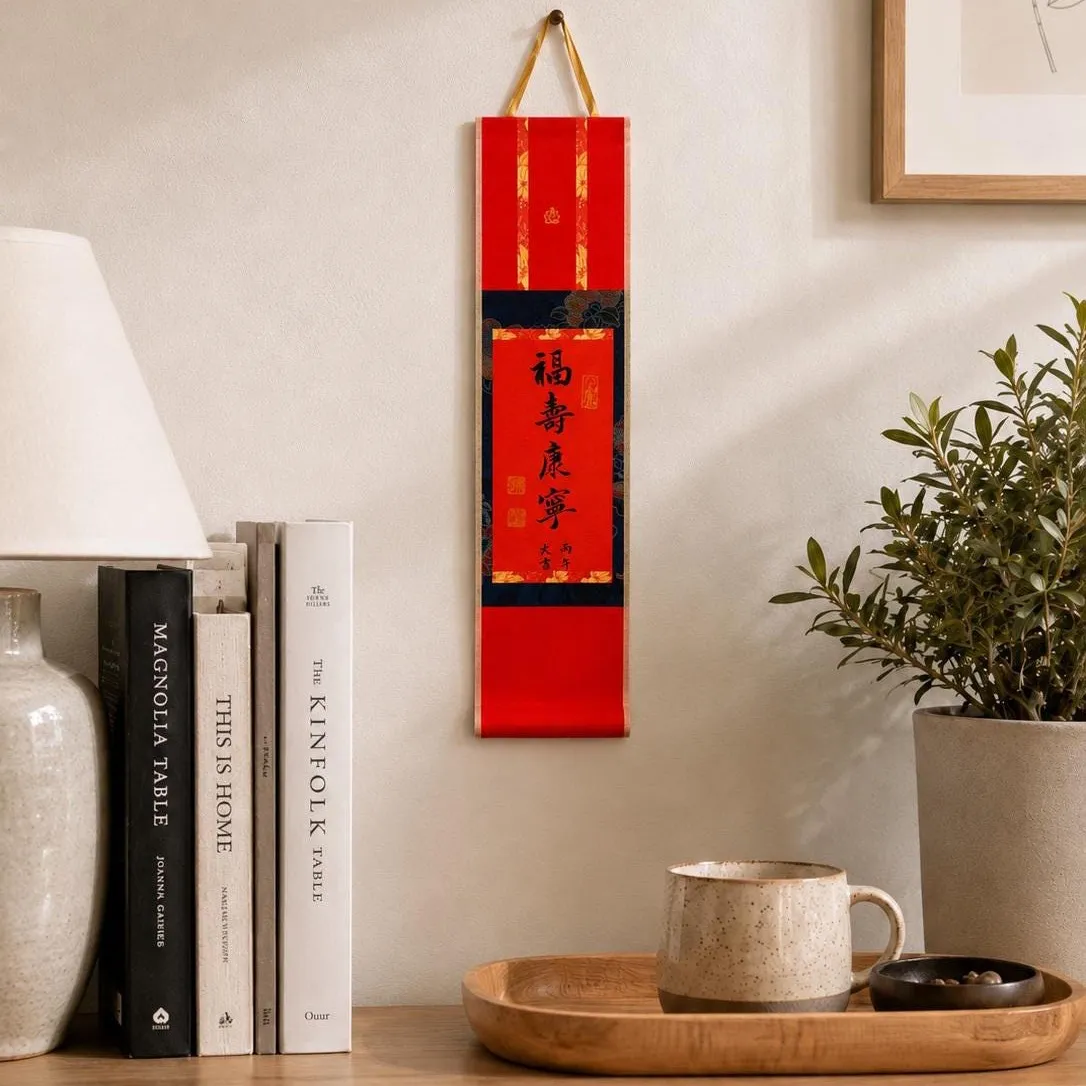
Photo shows a sample — yours will be brushed with 安康, or any character you choose.
Wall Scroll — for walls & housewarmingsfrom $38→ -
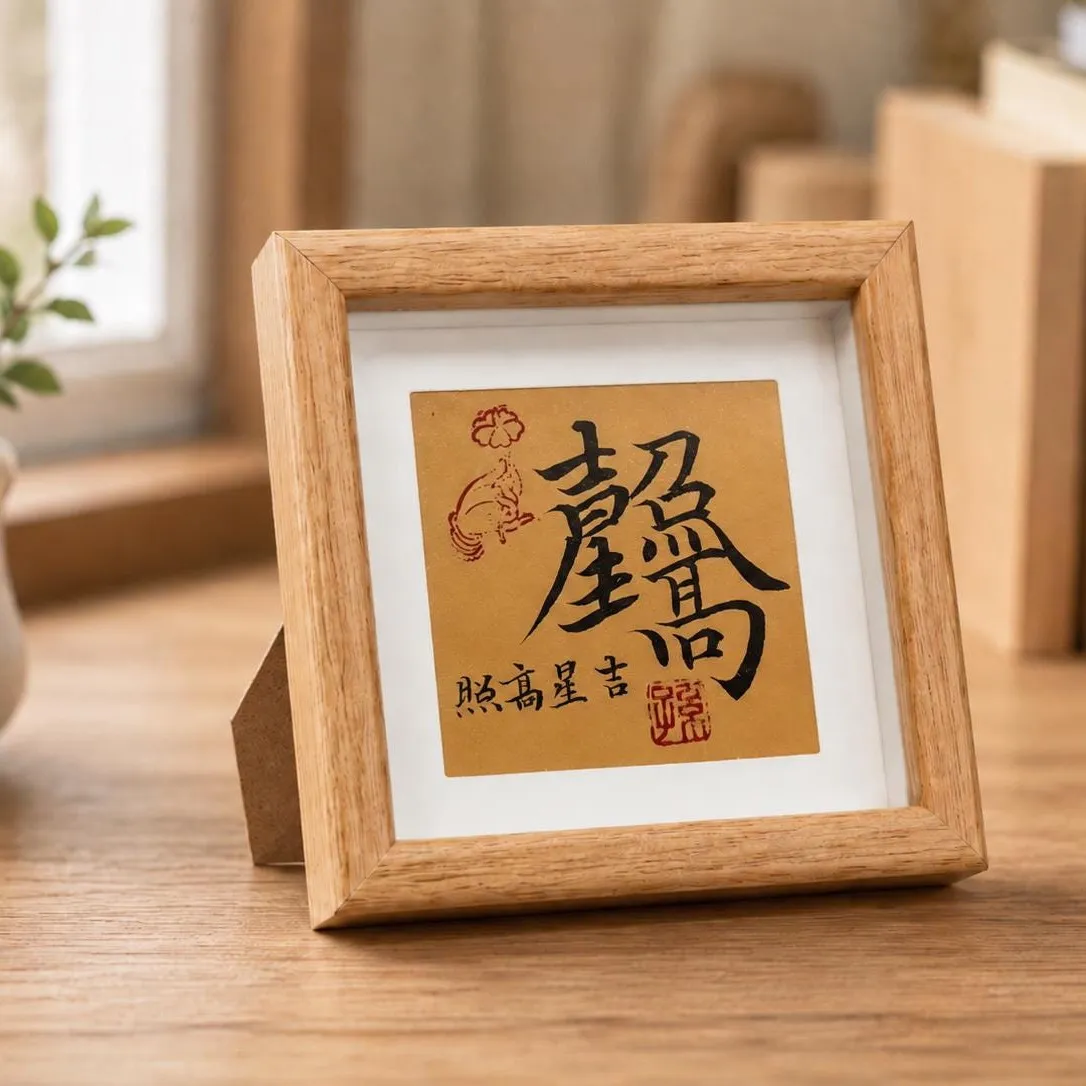
Photo shows a sample — yours will be brushed with 安康, or any character you choose.
Desk Frame — for desks, studies & studiosfrom $44→ -
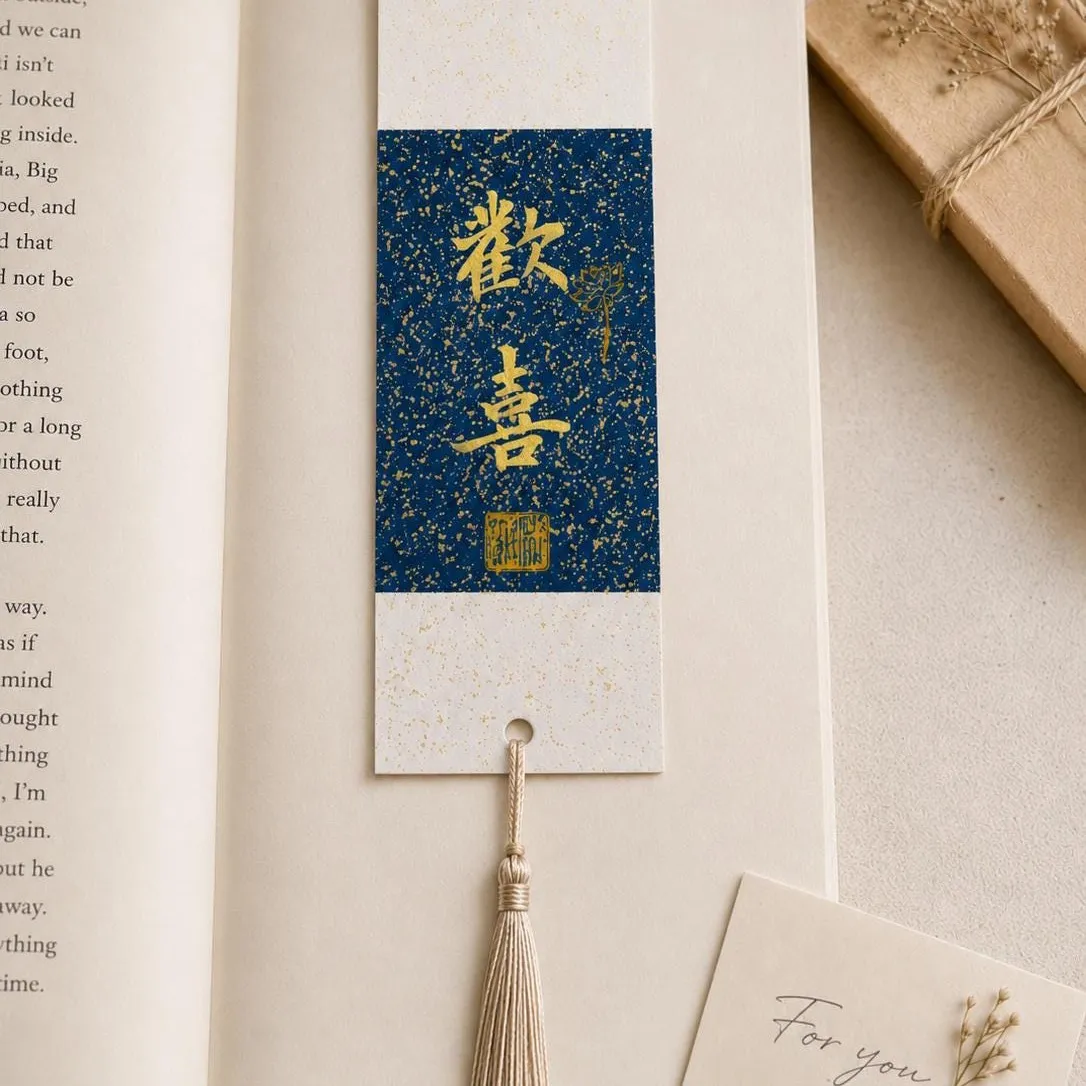
Photo shows a sample — yours will be brushed with 安康, or any character you choose.
Bookmark — for readers & small thank-yousfrom $14→
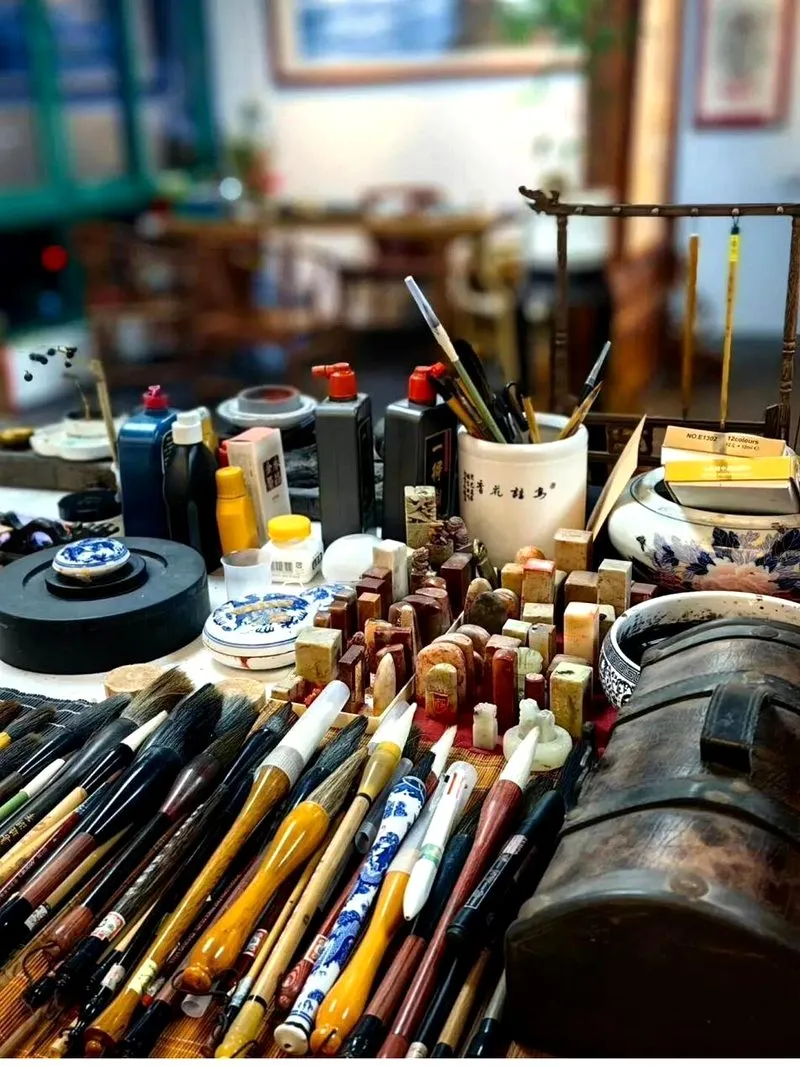
What people said after it arrived.
-
The item is fantastic. The customer service was genuine. Thanks!
— M.Verified purchase · from our Etsy shop reviews · -
They were great they gave me exactly what I asked for and then some. Thank you!!
— G.Verified purchase · from our Etsy shop reviews · -
It is well designed and customized. My daughter loves it. Amazing gift for family’s d friends
— S.Verified purchase · from our Etsy shop reviews ·
Each "安康" is hand-brushed by FuBlessings on rice paper.
See 安康 (Ān Kāng) on Etsy →