福寿 (fú shòu) — Blessing · Longevity · A Long and Happy Life
A two-character word, not a single character.
福寿 is the compound wish that Chinese culture considers the highest blessing for an elder — not health alone, not luck alone, not longevity alone, but the insistence that fortune and time arrive together. It answers the anxiety that runs through centuries of Chinese poetry and philosophy: the fear that life might be long but empty, or blessed but brief. 福寿 refuses both outcomes and demands the combination. See 福 → See 寿 →
The pairing is woven into Chinese visual culture through one of its most distinctive motifs: 五福捧寿, “Five Bats Encircling Longevity.” Five bats — 蝠 (fú) being a homophone of 福 — surround a central 寿 character, appearing on porcelain, furniture carvings, and embroidered textiles from the Ming dynasty onward. The pun is playful; the wish is serious. At milestone birthday banquets, 福寿 is the standard inscription on the scrolls hung behind the seat of honor, and 福寿双全 (“both blessing and longevity complete”) is the toast offered by children and grandchildren. The word 双全 is doing the essential work: it insists that both conditions be met, not one at the cost of the other.
A hand-brushed “福寿” by FuBlessings is the gift for the parent or grandparent at a milestone birthday — a single piece of calligraphy that carries the most considered wish in the tradition: that the years ahead are as full of good things as they are many.
- a long and good life
- blessing across many years
- fortune and time together
- the elder's complete wish
- happy birthday Too light. 福寿 is the formal milestone-birthday inscription — gravity matched to a life already long. Not the casual greeting for any birthday.
- long life Too narrow. 长寿 names duration alone. 福寿 insists the duration be filled with good things — years that are worth having.
The short arms are the point: these readings don’t reach it.
- 福 blessing / fortune across every registerThe most ubiquitous blessing character. Pasted upside-down on doors at New Year. Names what fills the years — luck, peace, family, the felt sense that life is going well.
- 寿 longevity / many yearsThe character of long life, with over a hundred calligraphic variants. Names what holds the years together — duration, continued presence, time itself. Without 寿, even the most blessed life is brief.
characters
- 福寿双全 fú shòu shuāng quán both blessing and longevity complete — the standard milestone-birthday formula
- 福寿安康 fú shòu ān kāng blessed, long-lived, and well — the full elder blessing
- 福寿绵长 fú shòu mián cháng blessing and longevity unbroken across the years
- 五福捧寿 wǔ fú pěng shòu five bats encircling longevity — the visual motif on porcelain and textiles
- 福寿无疆 fú shòu wú jiāng blessing and longevity without limit — the imperial-register version
The Story Behind the Character
福 and 寿 are each central pillars of the Chinese blessing vocabulary, and their pairing is arguably the most weighted of all two-character combinations. 福 — blessing, good fortune, the sense that life is going as it should — is the character pasted on every door at New Year, its oracle bone form showing hands presenting a wine vessel to the gods. 寿 — longevity, the wish for more years — is the character with over a hundred calligraphic variants, painted on peaches, carved into plaques, and inscribed on birthday scrolls. Each alone is already a complete gift. Together they make the compound wish that Chinese culture considers the ultimate blessing for an elder.
The logic of the pairing is not additive but conditional. A long life without blessing is endurance — years that accumulate without joy, health, or meaning. Blessing without longevity is a flash — good fortune that ends too soon to matter. 福寿 names both and insists on their coexistence: the years must be many, and they must be good. This is why the compound appears as the standard inscription at milestone birthday banquets, particularly the 60th, 70th, and 80th — the ages when the question of whether life has been both long and blessed is no longer theoretical.
Within the 福禄寿喜 framework — the four classical blessings — 福 and 寿 are the bookends, the first and third. Removing the middle terms (禄, prosperity through position, and 喜, joy) leaves the essential pair: fortune and time. 福寿 is the concentrated version of the four-blessing formula, the two that matter most when you stand in front of a parent or grandparent and search for the right word.
Classical lines
- roughly 1,600 years
- c. 800 BCE 《诗经·小雅·天保》
- c. 757 CE 杜甫《曲江二首》
One further source is quoted below without a date printed, so it stays off the rail.
如月之恒,如日之升。如南山之寿,不骞不崩。如松柏之茂,无不尔或承。 Like the moon at its full, like the sun on the rise. Like the Southern Mountains in their endurance
never failing, never crumbling. — The Book of Songs stacking images of permanence to build the most lavish longevity blessing in Chinese literature.
福兮祸所伏,祸兮福所倚。 Blessing hides within misfortune; misfortune leans against blessing.
Laozi's reminder that 福 is not a fixed state but a cycle, which makes the wish for 福寿 — sustained good fortune across a long life — all the more deliberate.
人生七十古来稀。 To live to seventy has been rare since olden times.
Du Fu naming the scarcity that makes 福寿 precious: in most of Chinese history, a long and blessed life was the exception, not the expectation.
Why This Character Matters
The phrase 福寿双全 ("both blessing and longevity complete") is one of the most common inscriptions on Chinese birthday gifts, embroidered textiles, and ceremonial objects. The word 双全 ("both complete") is doing important work — it is an explicit insistence that 福 and 寿 arrive together, not one at the expense of the other. The anxiety embedded in this phrase is real: Chinese culture has a long literary tradition of lamenting lives that were blessed but short (the talented poet who died young) or long but unblessed (the elder who outlived everyone they loved). 福寿双全 names the wish that neither tragedy applies.
In the visual language of Chinese art, the 福寿 pairing is encoded in a motif called 五福捧寿 ("Five Bats Encircling Longevity"). The design features five bats — 蝠 (fú) being a homophone of 福 — surrounding a central 寿 character. This image appears on porcelain, furniture, architectural carvings, and textile embroidery from the Ming dynasty onward. The playfulness of the pun (bats as blessings) coexists with the seriousness of the wish: may longevity be surrounded by good fortune on all sides.
A few characters live near "福寿" but mean something quieter, sharper, or more specific. Here's how to tell them apart.
blessing and longevity — what to wish at a 70th or 80th, when the question is whether the years have been good
peace and health — what to wish at any age, the wholeness of body and mind
blessing and longevity together — that the many years are also good years
long life alone — the prerequisite, stripped of conditions
blessing bounded by a long span — the elder's version
福寿 is the classical inscription for a milestone birthday — particularly the 60th, 70th, and 80th.
- A Milestone Birthday福寿 is the classical inscription for a milestone birthday — particularly the 60th, 70th, and 80th. Length of years means little without good things filling them; 福寿 names both at once.
- For the parents whose long lives have shaped your own. 福寿 is the wish that the years ahead are as full as they are many.
- Family ReunionWhen generations gather, 福寿 is the inscription children commission for the family elder — a tribute as much as a wish, hung where the family will see it for years to come.
Mom · Dad · Grandparent · Parent · Mother-in-law · Father-in-law · or yourself
Looking for a name? See Western names written in Chinese →
-
What does 福寿 (fú shòu) mean?
福寿 (fú shòu) is a two-character Chinese word for blessing, longevity, a long and happy life. 福寿 is the compound wish that Chinese culture considers the highest blessing for an elder — not health alone, not luck alone, not longevity alone, but the insistence that fortune and time arrive together. It answers the anxiety that runs through centuries of Chinese poetry and philosophy: the fear that life might be long but empty, or blessed but brief. 福寿 refuses both outcomes and demands the combination. See 福 → See 寿 → The phrase 福寿双全 ("both blessing and longevity complete") is one of the most common inscriptions on Chinese birthday gifts, embroidered textiles, and ceremonial objects. The word 双全 ("both complete") is doing important work — it is an explicit insistence that 福 and 寿 arrive together, not one at the expense of the other. The anxiety embedded in this phrase is real: Chinese culture has a long literary tradition of lamenting lives that were blessed but short (the talented poet who died young) or long but unblessed (the elder who outlived everyone they loved). 福寿双全 names the wish that neither tragedy applies.
-
What occasions is 福寿 given for?
福寿 is traditionally given for A Milestone Birthday, Mother's Day · Father's Day, Family Reunion. 福寿 is the classical inscription for a milestone birthday — particularly the 60th, 70th, and 80th. Length of years means little without good things filling them; 福寿 names both at once. For the parents whose long lives have shaped your own. 福寿 is the wish that the years ahead are as full as they are many.
-
Who brushes the 福寿 calligraphy?
FuBlessings hand-brushes each 福寿 (Fú Shòu) to order, in ink on rice paper — never printed, never repeated.
Bring 福寿 home — choose how you'd like it brushed.
-
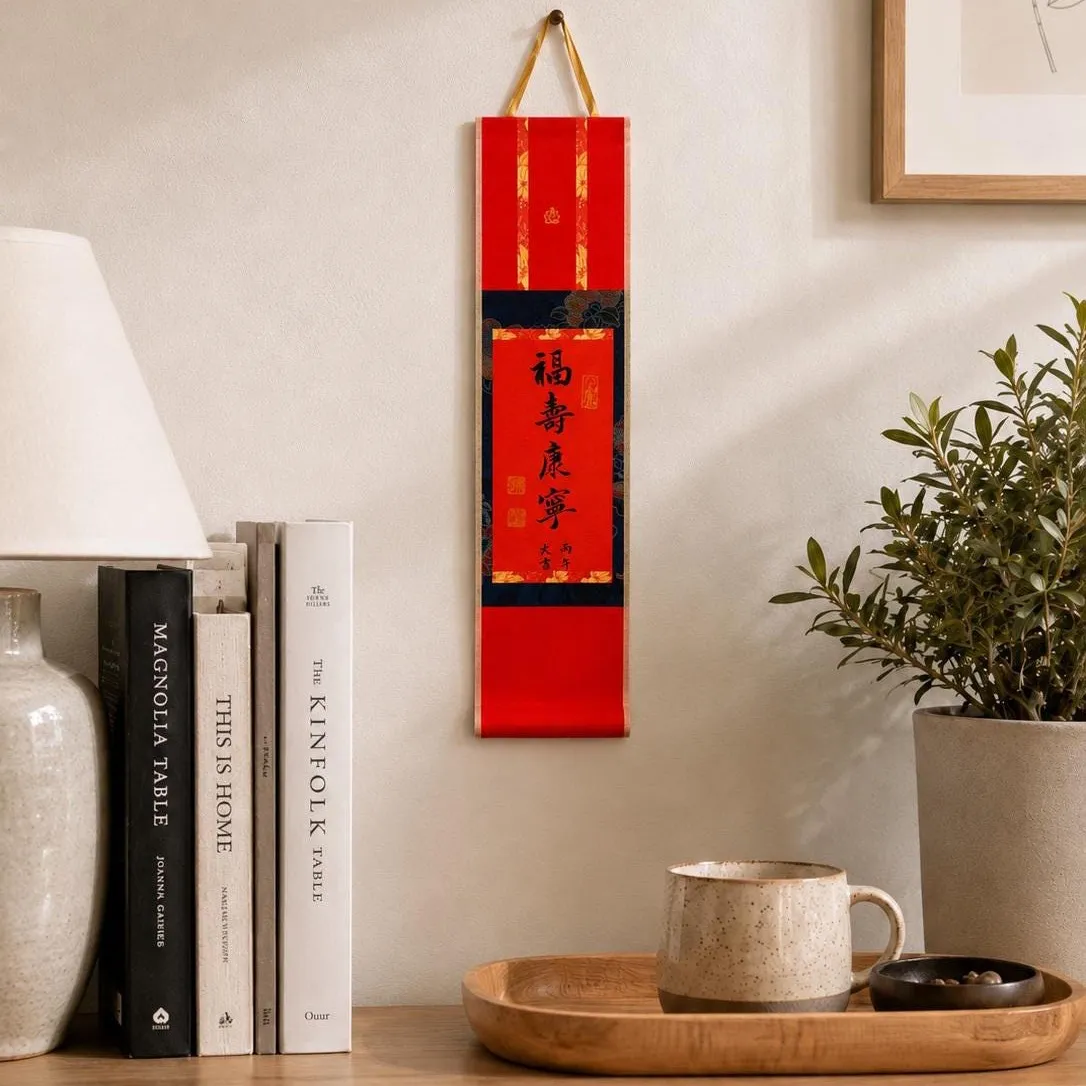
Photo shows a sample — yours will be brushed with 福寿, or any character you choose.
Wall Scroll — for walls & housewarmingsfrom $38→ -
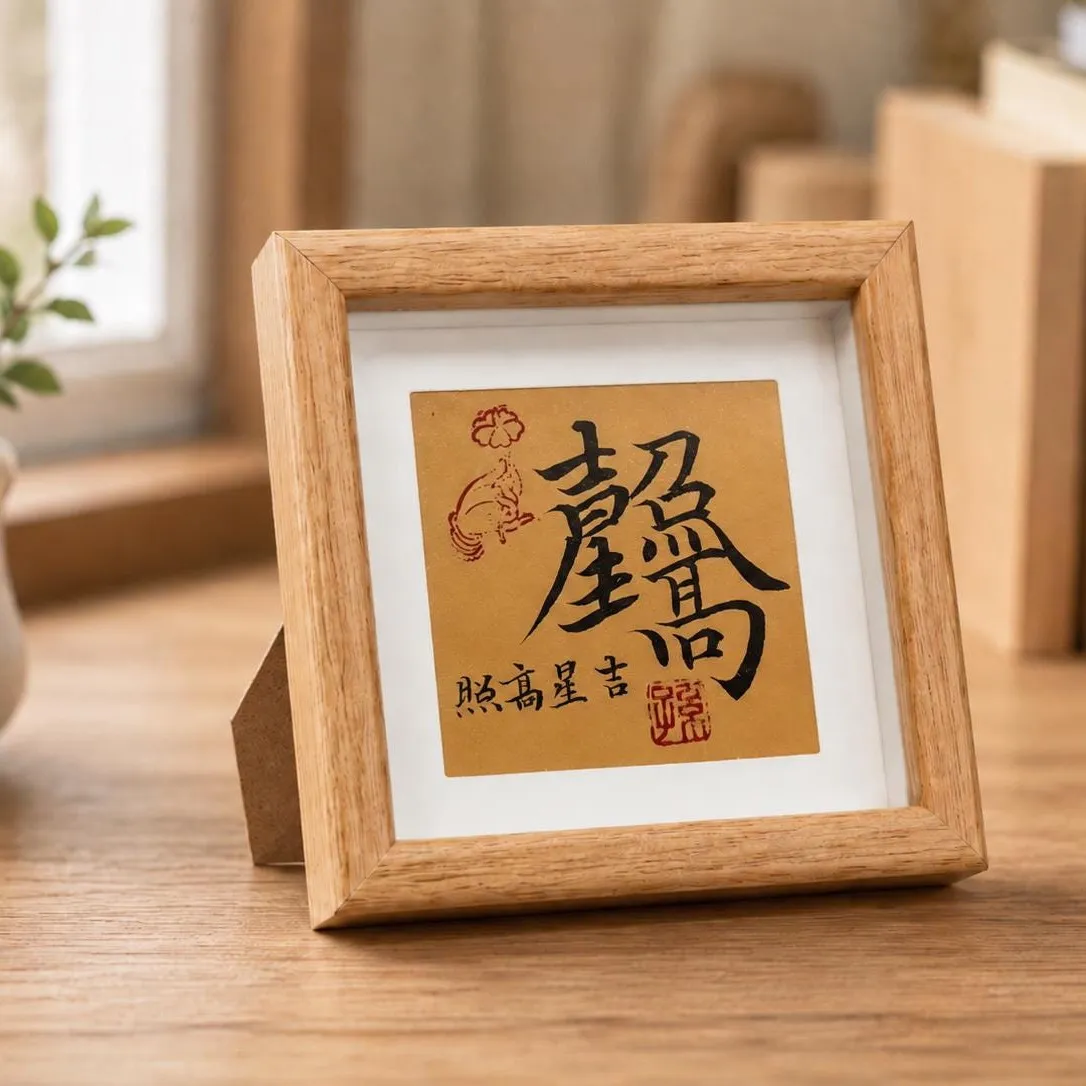
Photo shows a sample — yours will be brushed with 福寿, or any character you choose.
Desk Frame — for desks, studies & studiosfrom $44→ -
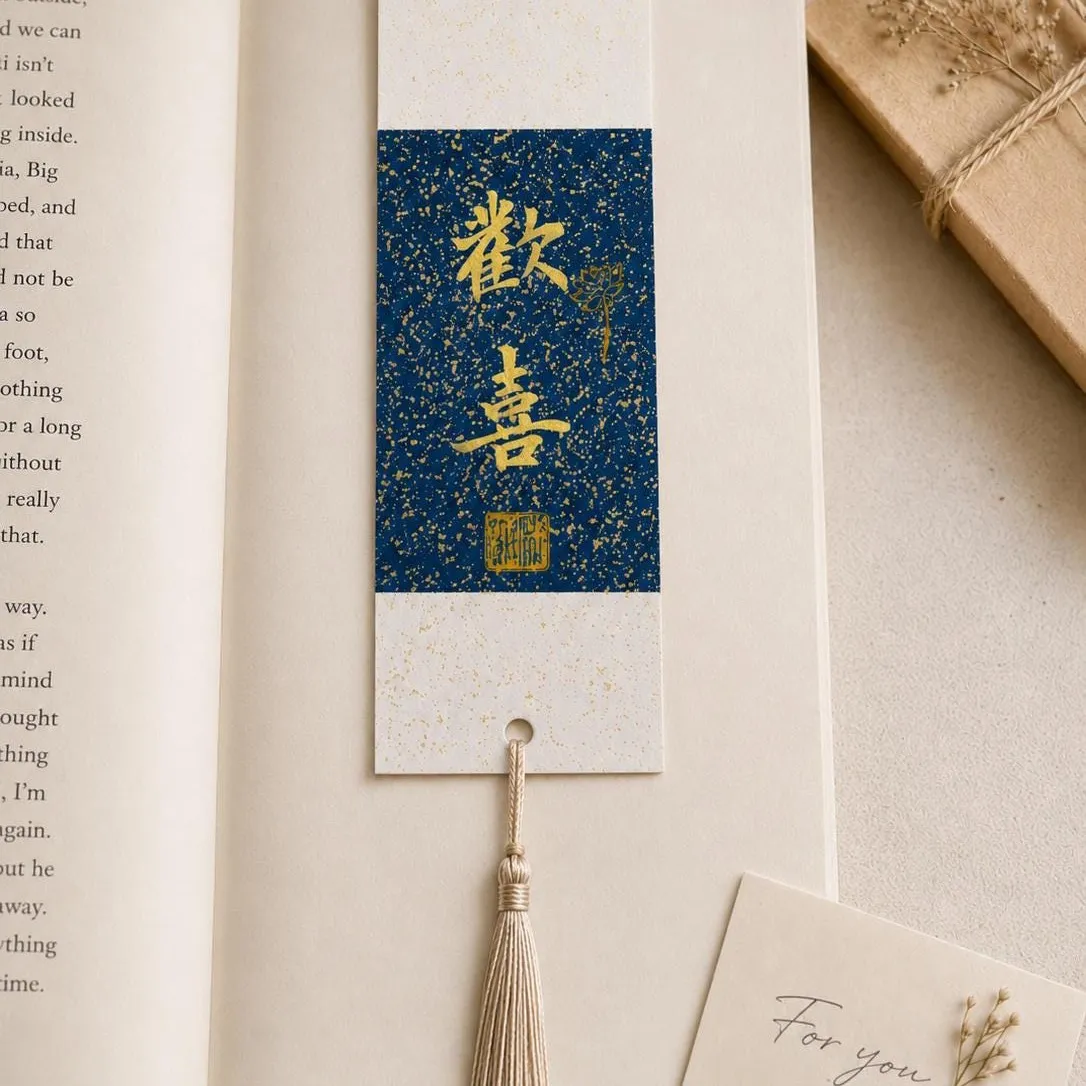
Photo shows a sample — yours will be brushed with 福寿, or any character you choose.
Bookmark — for readers & small thank-yousfrom $14→
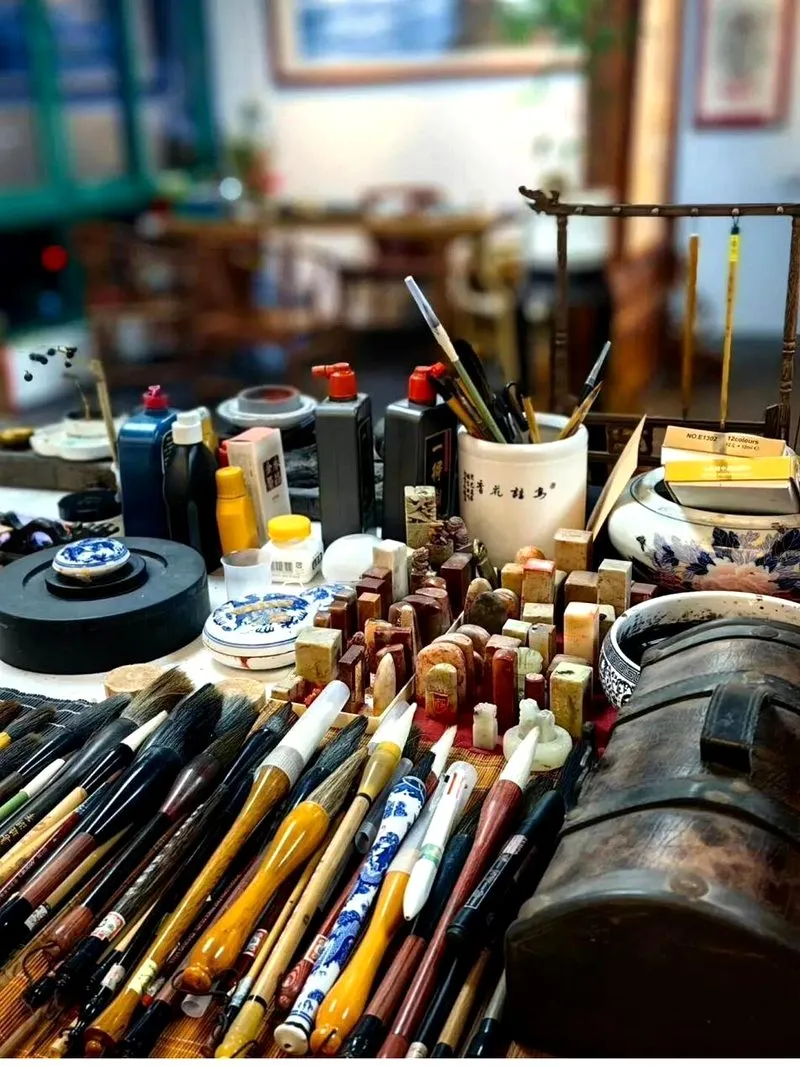
What people said after it arrived.
-
The item is fantastic. The customer service was genuine. Thanks!
— M.Verified purchase · from our Etsy shop reviews · -
They were great they gave me exactly what I asked for and then some. Thank you!!
— G.Verified purchase · from our Etsy shop reviews · -
It is well designed and customized. My daughter loves it. Amazing gift for family’s d friends
— S.Verified purchase · from our Etsy shop reviews ·
Each "福寿" is hand-brushed by FuBlessings on rice paper.
See 福寿 (Fú Shòu) on Etsy →