笃 (dǔ) — Density · How Much Is Actually There · Weight That Accumulated
One character, top over bottom, and the bamboo laid across the roof is there for the sound alone — 许慎 takes it apart as 从马,竹声. Everything the word means is in the horse underneath.
Written Chinese says 病笃 of an illness and means the patient may not recover. It says 交情甚笃 of two people and means they were closer than the record would otherwise show. The character is not switching meanings between those sentences — it is doing the same job in both, returning how much of something is there. That is all it does. It never says what is accumulating, only that the amount is high, which is why it nearly always travels with the noun attached: 笃信 is conviction with the reading taken, 笃学 is study with the reading taken, and 笃行 fixes the noun as conduct — what happens after the studying stops. See 笃行 → The single character leaves the noun out, and that turns out to be the interesting thing about hanging it.
段玉裁, working through 许慎’s entry, records a small extinction along the way. The word for thick was once written 竺; 笃 was borrowed to stand in for it — 古假借笃为竺字,以皆竹声也, both of them taking 竹 for their reading — and then the loan took the job over outright and the original went out of use. 竺 survives today as a surname — 竺可桢, the meteorologist, is the one most people could name — and inside 天竺, the old word for India, where it has no meaning left at all and is carrying a foreign syllable. What the surviving character kept is a range 段 reckoned two glosses could cover between them: 固 and 厚, firm and thick. Neither of them says what is firm or what is thick, and that gap is not a defect in the word — it is the entire reason one character can be laid over a belief, a friendship, a study habit and a fever without being asked to mean four different things.
A hand-brushed 笃 by Artist Lina Sun is a gift for a relationship old enough to have a reading. For a husband on an anniversary late enough that the obvious things have all been said, it makes the one claim still unsettled: not that the marriage held, which everyone present can see, but that the thing inside it kept getting denser. For the oldest friend, it is the sentence Chinese normally reserves for the third person, handed over in the one form that lets you say it to their face. For a father it does its best work, because he is the person least likely to have said out loud what he was committed to, and this character does not require him to — it reports the weight and lets the house supply the noun. 恒 answers whether the showing up kept repeating. See 恒 → This answers how much stood behind it each time it did.
- how much of a thing is actually there — 甚笃, 日笃, 益笃
- an attachment thick enough for an outsider to remark on it — 情笃, 交情甚笃
- conviction that has set hard enough to act from — 笃信, 笃志
- weight that accumulated rather than arrived — the reading rises without an event to raise it
- loyal 忠 answers a question about direction — who the heart is centred on — and the answer is yes or no. This one answers how much. A person can be unambiguously 忠 and thin about it, and the two sentences do not contradict each other.
- devoted Devotion in English has a direction and an object built into the word. 笃 supplies neither: it needs the noun written beside it — 笃信, 笃学, 情笃 — and returns only the reading. Which is how the same character does duty in 病笃, where nobody is devoted to anything.
- sincere 诚 is a person's inside matching their outside, a question of consistency that can be answered on any given day. This is a quantity, and a quantity takes time to collect. A new acquaintance can be entirely 诚 and could not possibly be 笃.
- strong The character is defined by a horse that has gone slow. Weight makes a thing harder to shift, but what is being measured is the load and not the animal, and the word has never made a claim about what the carrier is capable of.
The short arms are the point: these readings don’t reach it.
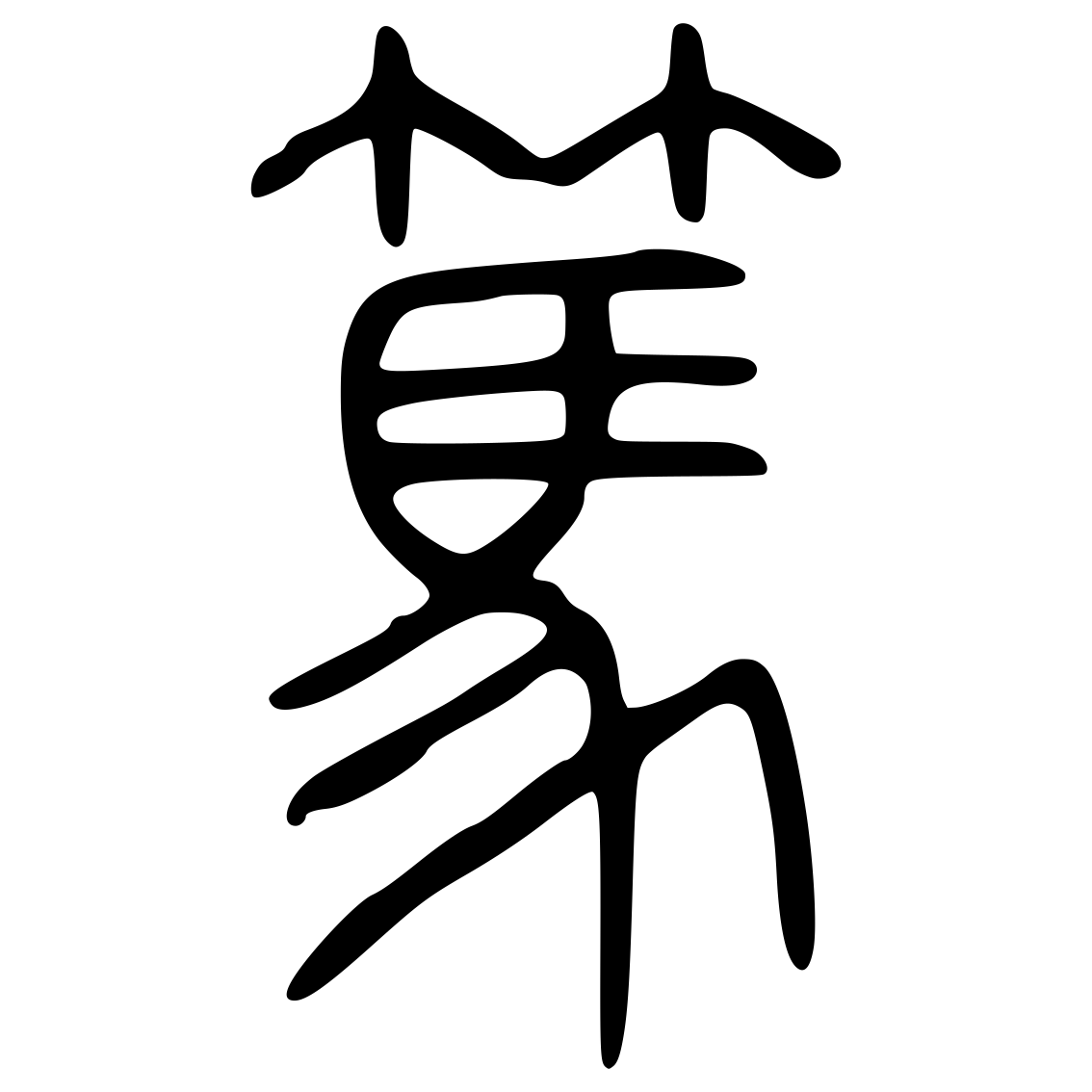
- 马 the horse — the sense half, and the whole of the meaning许慎 takes the character apart as 从马,竹声, and defines it by a step that lands hard and a pace that has dropped away. 段玉裁 glosses the definition 马行箸实而迟缓也 — the tread lands solid, and the going is slow. The full form 篤 runs sixteen strokes to the simplified 笃's nine, and every one of the seven is in the animal — the bamboo is identical in both.
- 竹 bamboo, laid across the top — present for a reading, not for a sense竹 (zhú) and 笃 (dǔ) have drifted apart in Mandarin, but they were close enough in Han-era pronunciation for the one to be written for the other, which is all 竹 was ever hired to do here. A reader who takes the bamboo as a clue about uprightness or resilience is reading a sound.
character
- 笃信 dǔ xìn belief set hard enough to be acted from — 孔子 pairs it with 好学 in 《论语·泰伯》
- 笃志 dǔ zhì a heading with weight behind it, rather than one recently chosen
- 情笃 qíng dǔ the attachment measured and found thick; almost always said about other people
- 病笃 bìng dǔ an illness that has crossed into serious. The same measurement pointed at something nobody wants more of, and the reason this character cannot be inflated
- 敦厚 dūn hòu thick-natured and unsharp. A relative with no character in common — 双声, sharing the headword's initial but not its rhyme, and sharing its sense outright: 敦 and 笃 stand together in 敦笃, a word 《左传》 already uses at 成公十三年, and 厚 is the one-word gloss the commentators have always given both
Cinnabar marks the characters 笃 actually contains. The dark row is a relative by meaning or by sound, not one shared stroke.
The Story Behind the Character
Load a horse and the first thing to change is not its speed but its footfall — each step lands harder and stays down longer. 许慎 built the character's definition on that footfall: 篤,马行顿迟也,从马,竹声 — the horse's step has gone heavy, its pace has fallen off — with 马 carrying the sense and 竹 supplying nothing but a reading. The two have come apart at the front rather than the back — 竹 took the retroflex initial Mandarin developed, 笃 kept the plain d- — but in the language 许慎 was describing they were close enough for one to spell the other, so the bamboo on the roof now points at something the word has never had anything to do with. Notice what the definition is not about. The slowness is in there, plainly, but it is being read as a symptom rather than asserted as the subject, and nothing in the entry says whether the animal is strong or weak. What is being measured is an amount — what it has on its back — through the only evidence of the load a bystander actually has.
The commentators settled on one word for it: 厚, thick. 毛传 puts that gloss on one of the character's oldest surviving appearances, 笃生武王 in 《诗经·大雅·大明》, and 郑玄 spells out what it is doing there: 天降气于大姒,厚生圣子武王 — heaven sent its breath down on the mother, and what came of it was a son produced thickly. The gloss held for two thousand years. When 朱熹 reached 君子笃恭而天下平 in the last chapter of 《中庸》 he wrote 笃,厚也 once more, then had to say what thick reverence could possibly consist of, given that the chapter's whole subject is virtue nobody can see working. That is the character's whole working life in one line. It fastens onto something else and returns that thing's density, carrying no content of its own — as an adverb on a verb in 笃信, believing hard enough to act from it, and 笃学, studying past the stage of being assigned; as a predicate on a noun in 情笃, an attachment thick enough that an outsider thought it worth writing down.
The proof that the word measures rather than approves is that it works just as well on things nobody wants more of. 病笃 says an illness has crossed into serious, and 李密 wrote 刘病日笃 — heavier by the day — of the grandmother he was refusing an imperial post to nurse. Chinese never needed a second character for that direction, because 笃 was never a compliment in the first place. It returns a quantity and stays silent on whether the quantity is good news, and the noun beside it decides.
Classical lines
- roughly 1,300 years
- c. 11th–10th c. BCE 《诗经·大雅·大明》
- c. 300 BCE 《中庸》第三十三章
- c. 267 CE 李密《陈情表》
笃生武王,保右命尔。 Thick-born was King Wu, guarded and given the mandate.
毛传 glosses the character here with a single word, 厚, thick, and 郑玄's 笺 unpacks it as 厚生圣子武王: heaven did not simply produce this son, it produced him with something laid on. 笃生 survives in literary Chinese as a fixed word for precisely that, being born with an unusual share. The earliest uses are less settled than the commentaries make them sound — the same gloss is applied to 笃公刘, which heads all six stanzas of 《大雅·公刘》 and there reads closer to an exclamation than to a measurement — but by the Han the reading 厚 was fixed, and every later sense descends from it.
君子笃恭而天下平。 The noble man's reverence is thick, and the world beneath heaven is at peace.
朱熹's 《中庸章句》 glosses the word here as 厚, thick, and explains 笃恭 as reverence that is not put on show. That gloss separates two things usually assumed to travel together: how much of a thing there is, and how much of it shows. This word has only ever measured the first.
臣欲奉诏奔驰,则刘病日笃。 I would set out at once to answer the summons, but Liu's illness grows heavier by the day.
李密 was declining a post at court to nurse the grandmother who had raised him, and the word he reached for is the same one that elsewhere measures a friendship or a conviction. 日笃, heavier by the day, is the clearest demonstration of what the character does: it returns a quantity that can keep rising, and it says nothing at all about whether the rise is welcome.
Why This Character Matters
The phrase Chinese reaches for when a marriage is being described from outside is 伉俪情笃 — the couple's attachment, measured and found thick. It belongs to the third person. 伉俪 is a formal honorific for somebody else's husband and wife — 贤伉俪 on the wedding invitation, never a word either of them would use of themselves — and the assessment that follows it is what a biographer, an obituary or a toast concludes about a pair. Friendship works the same way: 交情甚笃 and 相交甚笃 are what the record says about two people, and someone else is always doing the saying. That is worth knowing before brushing the character. It is not the word for declaring what you feel, and it does not sound like one. It is the word for what other people have worked out, which makes a gift about the only way of getting it said to the person's face.
The other thing to know is that nothing is 笃 on the day it starts. A friendship has to have run a while before anyone measures it; 笃信 is not the conviction you took up last month; even 病笃 is never the first symptom. 孔子 put the character in exactly that company — 笃信好学,守死善道, hold your belief thick and keep studying, hold to the good way until you die — pairing it with 守死 because both are claims about what has survived exposure to time rather than about what was declared at the outset. A word with that requirement built into it cannot be claimed in advance, which is why it makes an odd gift at a wedding or a first job and a very good one at year thirty, when there is finally something to take a reading of. It should be said that 笃 does not hang alone as readily as 厚 or 德 do — its usual form on a wall is 笃行, 笃学, or somebody's 斋号 — and the single is for a wall with a history behind it.
There is nothing unfortunate about 笃 in Chinese — no awkward homophone a reader would land on, no clash of register, no cheapened modern usage. Its difficulty is structural. The word is a reading taken of something else, so a single character on skin leaves a Chinese reader holding a number with no units: 笃什么, thick in what? The most likely guesses are 笃学 and 笃行, both of which come out of school and campus language and neither of which is usually the point. The character is also uncommon in given names, so it will not be mistaken for one — which means the reader goes looking for the missing noun rather than settling for a person. Two characters close it: 笃行 is the 《中庸》 phrase and placed on sight by anyone schooled in Chinese, and 笃信 works if the subject is conviction rather than conduct. The single character is better on paper than on skin, for the plain reason that a scroll hangs in a room that already knows what it is about.
Calligraphy Styles for Tattoos
- Regular script (楷书 kǎishū) Best for tattoos
Nine strokes in a plain top-over-bottom build: the flattened bamboo radical 竹 laid across the top, 马 standing underneath with its closing horizontal running the full width as the base. The whole legibility problem is the bamboo — six short strokes in two three-stroke groups set side by side, not reflected, which ink spreading over years will merge into two blobs. Regular script keeps the gaps between them open at wearable sizes. Minimum recommended size: 1.5 inches.
- Clerical script (隶书 lìshū) Worth considering
The Han clerical hand suits a character whose argument is weight: flat, wide, deliberately unhurried, with the base stroke drawn out into the long wave that clerical script is known for. It reads as settled rather than energetic, which is the right temperature for this word. Work from a calligrapher's original, never a font.
Common Mistakes to Avoid
- A lone 笃 where 笃行 or 笃信 was intendedIntended: 笃行 or 笃信 — the reading plus the thing being read
This character is a measurement with the subject left out, and a Chinese reader meeting it alone will start looking for the second character that says what was measured. On paper, hung in a house, the room supplies it. On an arm in a queue it does not, and the piece reads as half of something. If the tattoo needs to stand up unaccompanied, take the two-character version.
- Reading the 竹 on top as part of the meaningIntended: 笃 — 马 carries the sense, 竹 only the sound
Bamboo is the standard emblem for uprightness that bends without breaking, so the top of this character looks like it is saying something and is not. It is there because 竹 and 笃 once sounded close. Designing a piece around bamboo imagery on the strength of that radical builds it on a pun that stopped working centuries ago.
Notes for Your Tattoo Artist
Nine strokes, top over bottom, and the balance question is the bamboo. 竹 in its flattened radical form is two three-stroke groups repeated side by side across the top, the same shape twice rather than a mirror image; drawn too tall it crowds the horse, drawn too wide it overhangs the base and the character loses its column. 马 underneath needs its full height — this is not a squeezed component — and its final horizontal is the character's foundation line, drawn flat and slightly longer than the bamboo above it so the whole thing sits rather than hovers. The commonest failures are a 马 compressed to make room and a bamboo whose two downstrokes are drawn to the same length as each other and as the two 撇 above them, which flattens the top into a fence. Vary the execution; the structure really is the same shape twice. Minimum 1.5 inches.
A few characters live near "笃" but mean something quieter, sharper, or more specific. Here's how to tell them apart.
how much has accumulated behind the thing
whether it kept repeating — 恒 is answered by the pattern holding, this one by the weight behind each instance
the quantity
which way it faces — 忠 is settled by an orientation, and an orientation does not get any bigger once it has been established
how much is there, which takes years to establish
whether the inside and the outside match, which is checkable this afternoon
the amount
whether anything was mixed in — a thing can be perfectly unadulterated and still thin, which is the case these two characters separate
Whether it held was settled years ago. This is the one question left that can still come back with a higher number.
- Most of what gets said on an anniversary is answerable yes or no. The marriage held or it did not; he showed up or he did not. This character is one of the few that takes a degree instead — Chinese says 甚笃 (very), 日笃 (heavier by the day), 益笃 (more so than before), because it reports an amount rather than a verdict, and an amount can be higher this year than last without any event having raised it. 恒 names whether the showing up repeated and 忠 names the direction behind it; both of those are settled questions by year twenty. This one is not settled, and it is the question still worth asking that late: not whether the thing holds, but how much of it there is now. It suits the anniversary well past the round numbers, where nothing dramatic is being marked and the honest report is simply that the reading went up again.
- A father is seldom on record about what he is committed to. It has to be inferred — from which jobs got done without discussion, which standards never moved, what he kept turning up for across thirty years — and that inference is mostly available only to the people who lived in the house. This character fits that situation exactly, because it never names the commitment. It reports how much weight is behind one and leaves the noun to whoever is reading, which inside a family is a room full of people who already know. What it hands him on the day is therefore not thanks, and not credit for effort: it is a reading, taken by someone who watched the whole span and is in a position to say the amount kept going up.
Husband · Best Friend · Dad · or yourself
Looking for a name? See Western names written in Chinese →
-
What does 笃 (dǔ) mean?
笃 (dǔ) is the Chinese character for density, how much is actually there, weight that accumulated. Written Chinese says 病笃 of an illness and means the patient may not recover. It says 交情甚笃 of two people and means they were closer than the record would otherwise show. The character is not switching meanings between those sentences — it is doing the same job in both, returning how much of something is there. That is all it does. It never says what is accumulating, only that the amount is high, which is why it nearly always travels with the noun attached: 笃信 is conviction with the reading taken, 笃学 is study with the reading taken, and 笃行 fixes the noun as conduct — what happens after the studying stops. See 笃行 → The single character leaves the noun out, and that turns out to be the interesting thing about hanging it. The phrase Chinese reaches for when a marriage is being described from outside is 伉俪情笃 — the couple's attachment, measured and found thick. It belongs to the third person. 伉俪 is a formal honorific for somebody else's husband and wife — 贤伉俪 on the wedding invitation, never a word either of them would use of themselves — and the assessment that follows it is what a biographer, an obituary or a toast concludes about a pair. Friendship works the same way: 交情甚笃 and 相交甚笃 are what the record says about two people, and someone else is always doing the saying. That is worth knowing before brushing the character. It is not the word for declaring what you feel, and it does not sound like one. It is the word for what other people have worked out, which makes a gift about the only way of getting it said to the person's face.
-
What occasions is 笃 given for?
笃 is traditionally given for Anniversary, Father's Day. Most of what gets said on an anniversary is answerable yes or no. The marriage held or it did not; he showed up or he did not. This character is one of the few that takes a degree instead — Chinese says 甚笃 (very), 日笃 (heavier by the day), 益笃 (more so than before), because it reports an amount rather than a verdict, and an amount can be higher this year than last without any event having raised it. 恒 names whether the showing up repeated and 忠 names the direction behind it; both of those are settled questions by year twenty. This one is not settled, and it is the question still worth asking that late: not whether the thing holds, but how much of it there is now. It suits the anniversary well past the round numbers, where nothing dramatic is being marked and the honest report is simply that the reading went up again. A father is seldom on record about what he is committed to. It has to be inferred — from which jobs got done without discussion, which standards never moved, what he kept turning up for across thirty years — and that inference is mostly available only to the people who lived in the house. This character fits that situation exactly, because it never names the commitment. It reports how much weight is behind one and leaves the noun to whoever is reading, which inside a family is a room full of people who already know. What it hands him on the day is therefore not thanks, and not credit for effort: it is a reading, taken by someone who watched the whole span and is in a position to say the amount kept going up.
-
Is 笃 a good Chinese tattoo?
There is nothing unfortunate about 笃 in Chinese — no awkward homophone a reader would land on, no clash of register, no cheapened modern usage. Its difficulty is structural. The word is a reading taken of something else, so a single character on skin leaves a Chinese reader holding a number with no units: 笃什么, thick in what? The most likely guesses are 笃学 and 笃行, both of which come out of school and campus language and neither of which is usually the point. The character is also uncommon in given names, so it will not be mistaken for one — which means the reader goes looking for the missing noun rather than settling for a person. Two characters close it: 笃行 is the 《中庸》 phrase and placed on sight by anyone schooled in Chinese, and 笃信 works if the subject is conviction rather than conduct. The single character is better on paper than on skin, for the plain reason that a scroll hangs in a room that already knows what it is about.
-
Who brushes the 笃 calligraphy?
Each 笃 (Dǔ) is hand-brushed to order by Artist Lina Sun in ink on rice paper — never printed, never repeated.
Bring 笃 home — choose how you'd like it brushed.
-
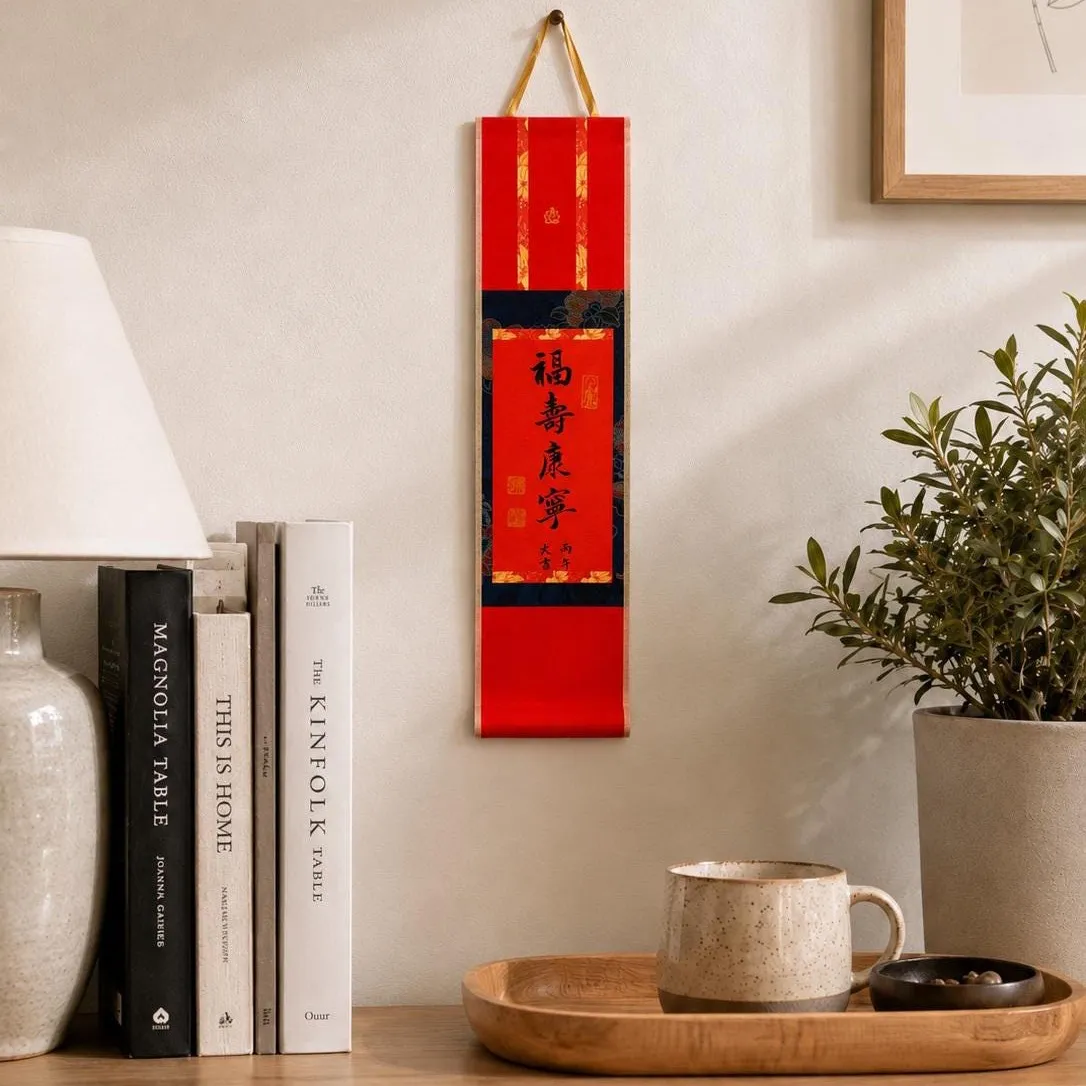
Photo shows a sample — yours will be brushed with 笃, or any character you choose.
Wall Scroll — for walls & housewarmingsfrom $38→ -
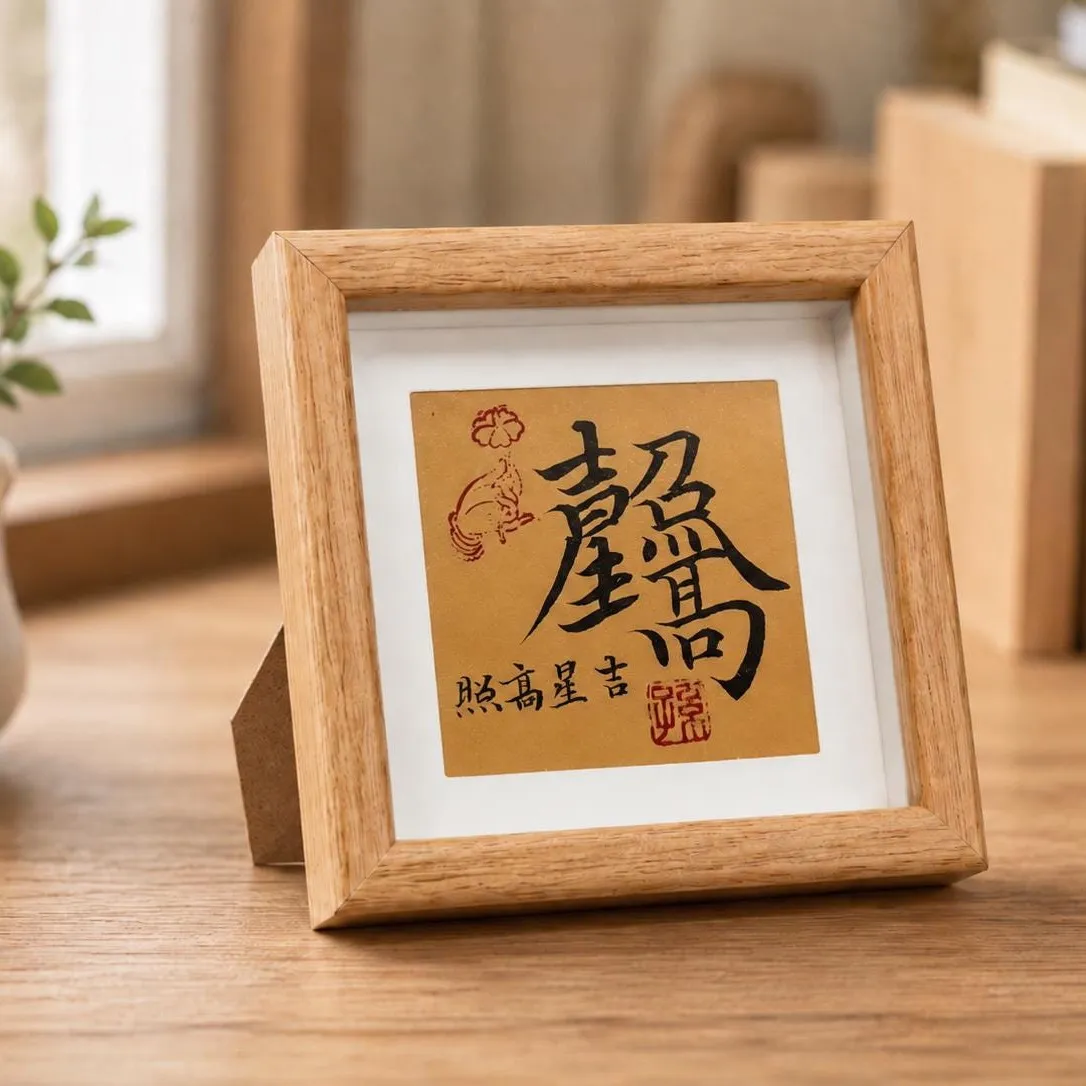
Photo shows a sample — yours will be brushed with 笃, or any character you choose.
Desk Frame — for desks, studies & studiosfrom $44→ -
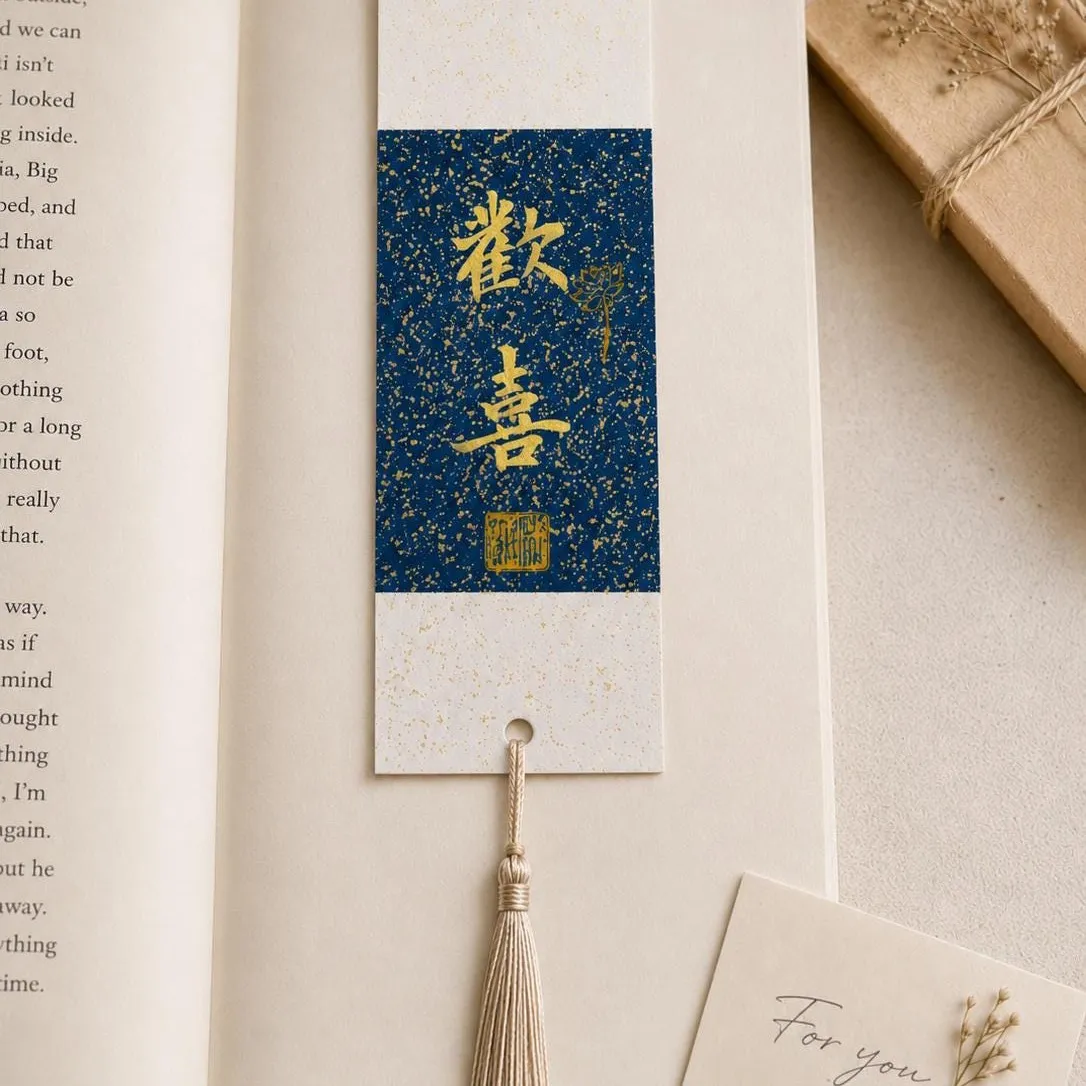
Photo shows a sample — yours will be brushed with 笃, or any character you choose.
Bookmark — for readers & small thank-yousfrom $17→
What people said after it arrived.
-
The item is fantastic. The customer service was genuine. Thanks!
— M.Verified purchase · from our Etsy shop reviews · -
They were great they gave me exactly what I asked for and then some. Thank you!!
— G.Verified purchase · from our Etsy shop reviews · -
It is well designed and customized. My daughter loves it. Amazing gift for family’s d friends
— S.Verified purchase · from our Etsy shop reviews ·
Each "笃" is hand-brushed by Artist Lina Sun on rice paper.
See 笃 (Dǔ) on Etsy →