Isabella in Chinese

Isabella in Chinese

美真
Měi Zhēn

Isabella is graceful and devoted. Its Chinese versions lean toward true, genuine beauty, beside the familiar — and very recognizable — sound.

3 ways to write Isabella
美真
Měi Zhēn
By meaning Recommended

'Bella' carries the Italian for beautiful; 美 means beauty and 真 means genuine and true. 'True beauty' — graceful and unforced, fitting Isabella's flowing elegance.

  • měi beauty, grace, flourishing

    The oldest known forms of 美 show a person standing upright with an elaborate headdress of feathers or horns — likely a dancer in…

    Read the full story of 美 →
  • zhēn genuine, true, authentic

    The early form of 真 in bronze inscriptions shows a figure being transformed — a person (人) placed inside a vessel or crucible…

    Read the full story of 真 →
伊莎贝拉 Yī Shā Bèi Lā By sound

The standard sound-for-sound writing of Isabella — instantly recognized by Chinese readers from film and print. Four syllables that spell out the name.

  • she; that one (literary, for the 'I' sound)
  • shā a fine grass (for the 'sa' sound)
  • bèi a treasured shell (for the 'be' sound)
  • the character used for the 'la' ending
伊美 Yī Měi Sound + meaning

伊 ('yī') is a soft, literary 'she' that opens on the 'I-' of Isabella; 美 means beauty, for the 'bella.' The name bookended in sound and sense.

  • she, that one (literary, for the 'I' sound)
  • měi beauty, grace

    The oldest known forms of 美 show a person standing upright with an elaborate headdress of feathers or horns — likely a dancer in…

    Read the full story of 美 →
About the name Isabella

Origin: Hebrew (a form of Elizabeth). Devoted to God; pledged.

Isabella grew out of Elizabeth and means pledged or devoted to God — a flowing, romantic name that has been a favorite across Europe for centuries. The “bella” in it also carries the Italian word for beautiful.

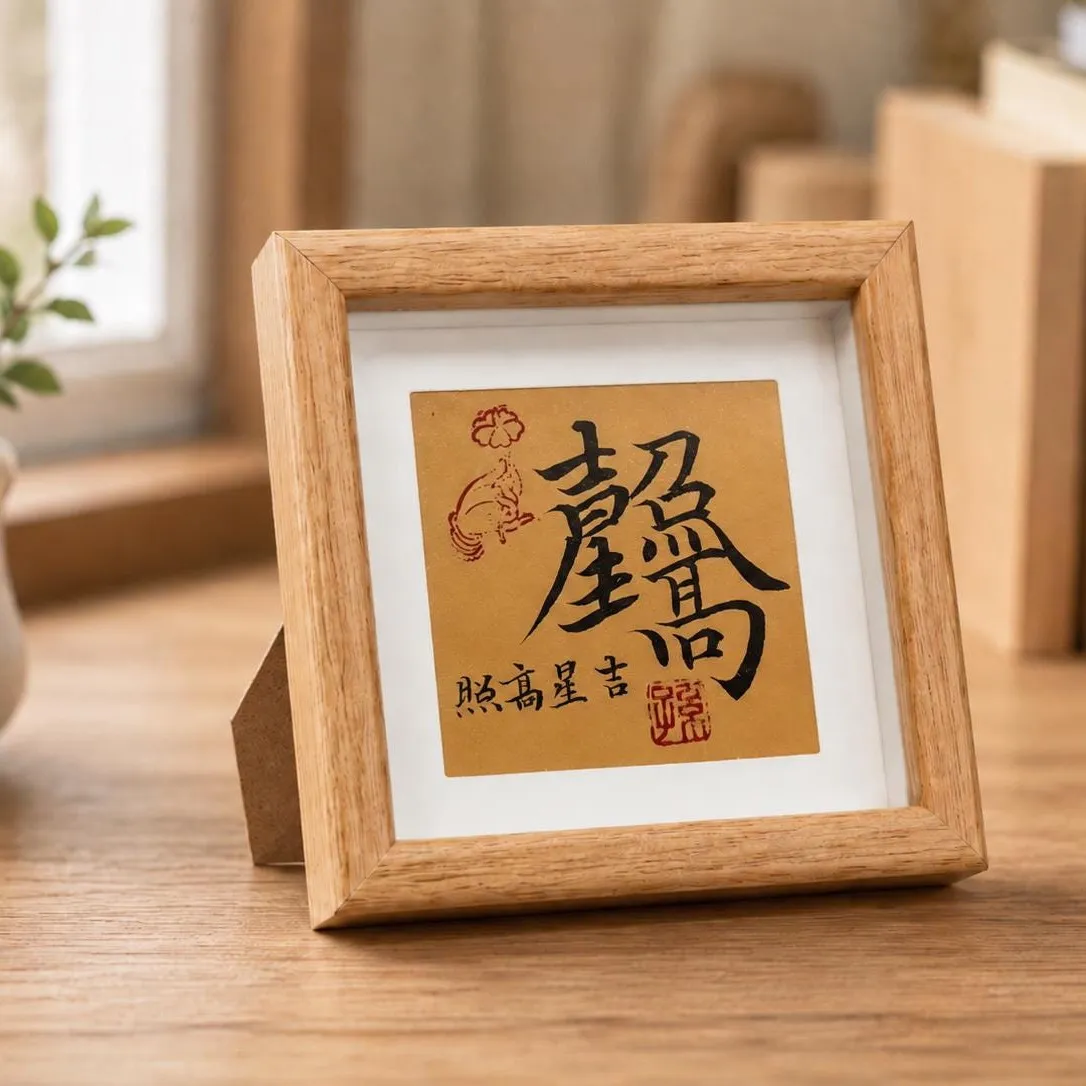
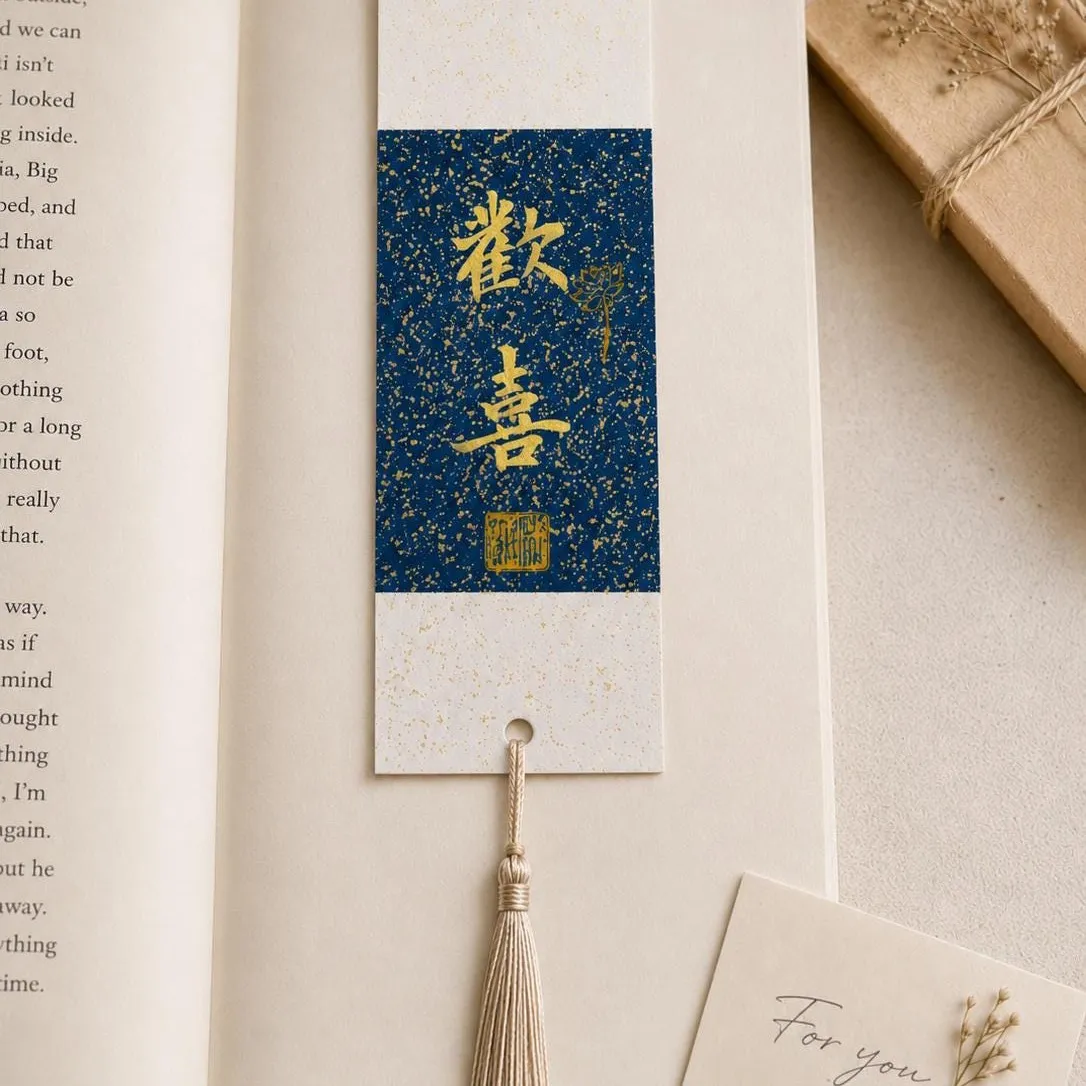
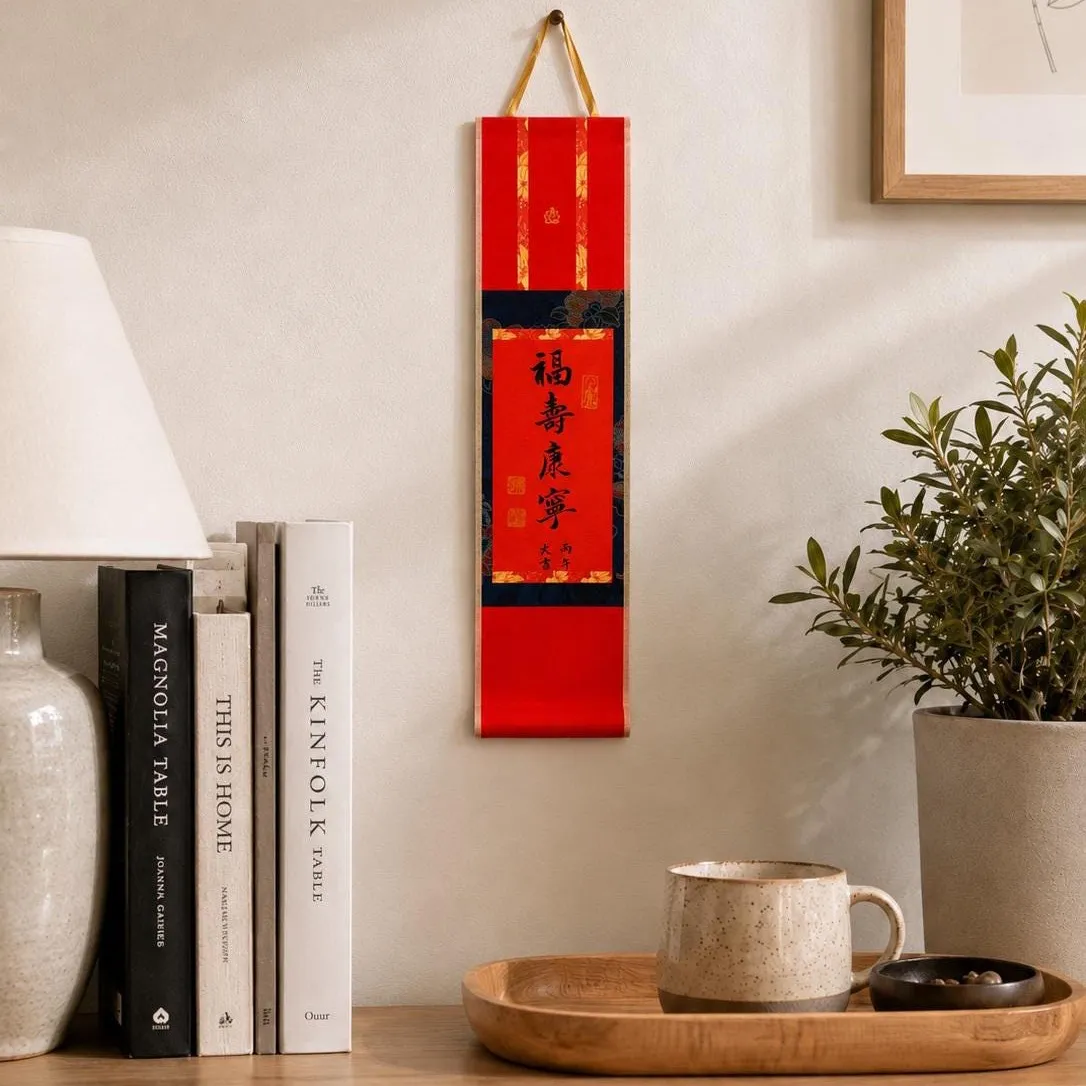
In Chinese, Isabella suits characters of genuine, unforced beauty — loveliness paired with truth. The standard sound-for-sound writing, instantly recognized by Chinese readers, is here too. Each character is brushed by hand on rice paper.

The characters in these names

Each of these characters has its own story — etymology, cultural weight, and how a native speaker reads it. Tap through to the full entry.

Keep exploring

Any of these can be hand-brushed by Artist Lina Sun on rice paper — one character at a time, never printed, never repeated.

Order a hand-brushed name