稳 (wěn) — Steadiness · Firm Footing · Not Tipping
A single character.
A stool can be strong and still wobble. The Chinese word for the second problem is 稳. It does not ask whether something can take pressure without cracking — that is closer to See 坚 →. It asks whether the footing tips. The received dictionary entry begins in a grain pile pressed into place and then adds the gloss that matters for people: 安也, settled. When older books needed the same idea they often wrote 安隱; the dedicated graph 稳 is what later writing settled on for steadiness that does not rock.
You meet it in ordinary speech long before you meet it on a scroll. 站稳 is to get your feet under you. 稳重 is the person who does not lurch in a room. 稳健 is the judgment that holds without drama. 稳定 is the situation that stays put. None of these are cousins of See 温 →, the warmth character that shares the same letters once tones are stripped — different radical, different word. See 安 → names safety under a roof; See 恒 → names the heart that keeps going across years. 稳 is narrower and more physical: whether what you are standing on, or standing as, tips.
A hand-brushed 稳 by FuBlessings is for someone whose presence has been a place to stand. For a father on Father’s Day it credits the footing the household leaned on. For a friend at a birthday it names the settled weight they bring to a table. For a boss it points at 稳健 judgment rather than noise. At Chinese New Year it is a small wish that the year hold its shape — 安稳, not a fortune forecast. It does not promise calm seas. It names balance already shown, and the hope that it holds.
- steadiness — footing that does not tip or rock
- settled, fixed — 安定 / 固定
- a measured, unhasty manner — 稳重
- judgment that holds without lurching — 稳健
- warmth That is 温 (wēn) — a different character with the same tone-stripped spelling. 温 is the temperature of someone's manner; 稳 is whether their footing tips.
- peace / safety That is closer to 安 — a state of the world or person under shelter. 稳 asks whether the platform rocks; 安 asks whether one is safe inside. The compound 安稳 keeps both.
- constancy over time That is closer to 恒 — the heart that does not stop across days and years. 稳 can describe a single stance; 恒 names the habit of not quitting.
- firmness that does not crack That is closer to 坚 — structural integrity under pressure. A thing can be 坚 and still be badly balanced; 稳 is specifically about not tipping.
The short arms are the point: these readings don’t reach it.
- 禾 grain — meaning componentThe grain radical. The received 《说文》 definition begins with grain pressed into a pile (蹂榖聚也); dictionaries still treat 禾 as the meaning side of the graph.
- 隐省 abbreviated 隱 — sound component《说文》 writes 从禾,隱省: the right side is a shortened form of 隱, supplying the reading. Explaining the character as 'grain brings peace of mind' is a modern mnemonic, not the historical analysis.
character
- 稳定 wěn dìng stable — a situation or condition that holds
- 稳重 wěn zhòng steady and measured — said of a person's manner
- 稳健 wěn jiàn steady and sound — often of judgment or style
- 安稳 ān wěn safe and steady — peace plus footing
- 温 wēn warmth of manner — different character; same letters without tones
Cinnabar marks the characters 稳 actually contains. The dark row is a relative by meaning or by sound, not one shared stroke.
The Story Behind the Character
China's first dictionary keeps a short entry for 穩 under the grain radical. The received wording is four claims in a row: 蹂榖聚也 — grain gathered by trampling; 一曰安也 — also, settled, secure; 从禾,隱省 — built from 禾 with an abbreviated form of 隱; 古通用安隱 — in older writing the same idea was often spelled 安隱, without this dedicated graph. The reading given is 烏本切, today's wěn. So the character that now means steadiness starts in a grain pile that has been pressed into place, and only secondarily names the human quality of not rocking.
Modern dictionaries still lead with that second sense: 安定, 固定 — settled and fixed. 稳步, 稳定, 稳固, 稳健, 稳重, 安稳, 站稳, 稳如泰山 are the ordinary compounds. A common classroom mnemonic says that once there is grain, the heart is at ease; that story is useful for memory and is not how the graph was historically built. The left side is the meaning component 禾; the right side supplies the sound through abbreviated 隱.
What the word measures is footing, not temperature and not duration. [See 温 →](/library/wen/) is a different character that romanizes to the same letters without tones — warmth of manner, water beside a bowl of care. [See 安 →](/library/an/) is peace and safety as a state of the world under a roof; 稳 is whether the thing you are standing on tips. The old spelling 安隱 shows how close the two once sat; modern Chinese keeps both in the compound 安稳 and still lets each character do different work alone.
Classical lines
- roughly 600 years
- c. 430–440 CE 《世说新语·排调》
- c. 8th–9th c. CE 《江行无题》
- c. 1073 CE 苏轼《僧清顺新作垂云亭》
地名破冢,真破冢而出。行人安稳,布帆无恙。 The place is called Broken Tomb
and we truly broke out of a tomb. The travelers are steady; the cloth sail is unharmed. — Gu Kaizhi, writing to Yin Zhongkan after a storm wrecked his boat at Pozhong. The joke is in the place-name; the report that mattered was 安稳: the people on board had not been thrown.
睡稳叶舟轻,风微浪不惊。 Asleep and steady, the leaf-boat light; the wind slight, the waves unalarmed.
One of the hundred river-travel quatrains preserved in the Complete Tang Poems. Steadiness here is a body at rest on water that is not trying to tip the boat.
江山虽有余,亭榭苦难稳。 The rivers and mountains have more than enough; pavilions and terraces are hard to seat firmly.
Su Shi at a new hillside pavilion in Hangzhou. The landscape does not need help; what is difficult is making a built platform that holds.
Why This Character Matters
The living word for a person who does not tip is 稳重; for a judgment that holds, 稳健; for a situation that stays put, 稳定; for a household that feels secure, 安稳. None of these belong to a secret register. They are how Chinese describes a chair that does not wobble, a plan that does not lurch, and a person whose presence settles a room. The New Year compound people actually say when they want the year to hold is closer to 安稳 than to any wealth slogan — a report about footing, not a forecast of fortune.
As a gift, 稳 makes an editorial claim: that someone has been a steady place to stand. It is not a wish that trouble will miss them. It is credit for balance already shown — and a quiet hope, at the turn of a year, that the ground under a household or a team will keep its shape.
稳 is everyday vocabulary in 稳定, 稳重, 稳健, 安稳, and 站稳. On skin it reads as a claim of steadiness — someone who does not tip easily — and native readers usually take it positively. Expect some to ask whether you meant 温 if they only heard the romanization.
Calligraphy Styles for Tattoos
- Regular script (楷书 kǎishū) Best for tattoos
Simplified 稳 is 14 strokes: 禾 (5) on the left and a compressed form of 急/隐's right-hand mass on the right. Regular script keeps the grain radical tall and the right side's 心-like strokes distinct — if the right side collapses, the character can drift toward unfamiliar shapes. Traditional 穩 (19 strokes) needs more width.
- Running script (行书 xíngshū) Good for larger pieces
Running script can link the strokes of 禾 and still read clearly at moderate sizes. The right side is dense; ask for a sample at the intended size before committing to a small placement.
- Cursive script (草书 cǎoshū) Only with an expert calligrapher
Cursive compressions of the right side vary widely, and a hasty 稳 can be misread. Without a calligrapher who knows the cursive habits of both simplified and traditional forms, readers may not recover the character.
Common Mistakes to Avoid
- 温 (wēn) — water + the bowl-of-care componentIntended: 稳 (wěn) — grain radical beside the abbreviated sound component
The two share a tone-stripped spelling (wen) and are easy to mix up in romanization. 温 is warmth of manner; 稳 is steadiness of footing. Check the left radical: 氵 vs 禾.
- Writing the right side so loosely that it resembles 隐 without the grainIntended: 稳 with 禾 clearly present on the left
Without 禾 the graph is no longer 稳. The grain radical is what the dictionaries treat as the meaning side.
- Confusing it with 急 (jí) because the right side looks busyIntended: 稳 wěn, dipping tone
急 is urgency — almost the opposite mood. Confirm the full character and the reading before inking.
Notes for Your Tattoo Artist
Simplified count is 14 strokes; traditional 穩 is 19. Confirm simplified vs traditional with the client. Traditional needs more horizontal room. No oracle-bone or bronze form is attested on Commons to borrow; do not present a seal form as oracle-bone script.
A few characters live near "稳" but mean something quieter, sharper, or more specific. Here's how to tell them apart.
footing that does not tip — the platform itself
peace and safety as a state under shelter
balance — not rocking when the load shifts
firmness that resists pressure and does not crack
a stance that holds still in the moment
constancy that keeps going across time
A birthday can credit the footing someone kept — the judgments that did not tip when the room got loud, the plans that held their shape.
- A birthday can credit the footing someone kept — the judgments that did not tip when the room got loud, the plans that held their shape. 稳 names that steadiness without promising the next year will be calm. For a father, a friend whose presence settles a table, or a manager known for 稳健 calls rather than dramatic ones.
- Father's Day shelves already carry 坚 (firmness under pressure), 刚 (principle that does not bend to inducement), and 毅 (resolve reaffirmed in crisis). 稳 is narrower: the footing itself — 稳重 without drama, the household's sense that the ground under him did not rock. For the father whose defining credit is that people could lean on where he stood.
- New Year door vocabulary is crowded with wealth wishes and grand peace. 稳 is smaller and more physical: that the year ahead hold its footing — 安稳 rather than spectacular. It does not promise fortune. It names the quality of not tipping when the calendar turns, for a household, a friend, or a team that wants the year to stand.
Looking for a name? See Western names written in Chinese →
-
What does 稳 (wěn) mean?
稳 (wěn) is the Chinese character for steadiness, firm footing, not tipping. A stool can be strong and still wobble. The Chinese word for the second problem is 稳. It does not ask whether something can take pressure without cracking — that is closer to See 坚 →. It asks whether the footing tips. The received dictionary entry begins in a grain pile pressed into place and then adds the gloss that matters for people: 安也, settled. When older books needed the same idea they often wrote 安隱; the dedicated graph 稳 is what later writing settled on for steadiness that does not rock. The living word for a person who does not tip is 稳重; for a judgment that holds, 稳健; for a situation that stays put, 稳定; for a household that feels secure, 安稳. None of these belong to a secret register. They are how Chinese describes a chair that does not wobble, a plan that does not lurch, and a person whose presence settles a room. The New Year compound people actually say when they want the year to hold is closer to 安稳 than to any wealth slogan — a report about footing, not a forecast of fortune.
-
What occasions is 稳 given for?
稳 is traditionally given for Birthday, Father's Day, Chinese New Year. A birthday can credit the footing someone kept — the judgments that did not tip when the room got loud, the plans that held their shape. 稳 names that steadiness without promising the next year will be calm. For a father, a friend whose presence settles a table, or a manager known for 稳健 calls rather than dramatic ones. Father's Day shelves already carry 坚 (firmness under pressure), 刚 (principle that does not bend to inducement), and 毅 (resolve reaffirmed in crisis). 稳 is narrower: the footing itself — 稳重 without drama, the household's sense that the ground under him did not rock. For the father whose defining credit is that people could lean on where he stood.
-
Is 稳 a good Chinese tattoo?
稳 is everyday vocabulary in 稳定, 稳重, 稳健, 安稳, and 站稳. On skin it reads as a claim of steadiness — someone who does not tip easily — and native readers usually take it positively. Expect some to ask whether you meant 温 if they only heard the romanization.
-
Who brushes the 稳 calligraphy?
FuBlessings hand-brushes each 稳 (Wěn) to order, in ink on rice paper — never printed, never repeated.
Bring 稳 home — choose how you'd like it brushed.
-
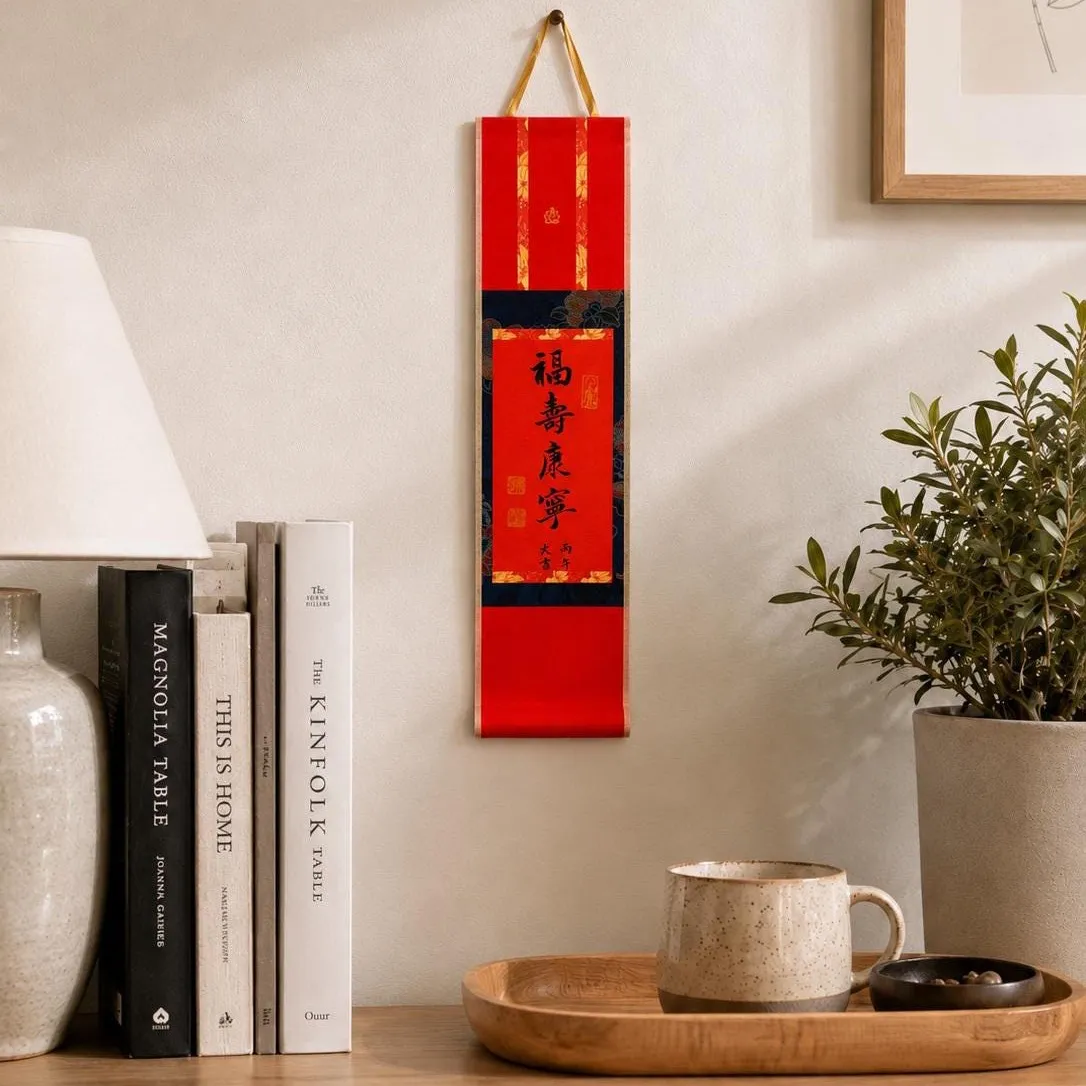
Photo shows a sample — yours will be brushed with 稳, or any character you choose.
Wall Scroll — for walls & housewarmingsfrom $38→ -
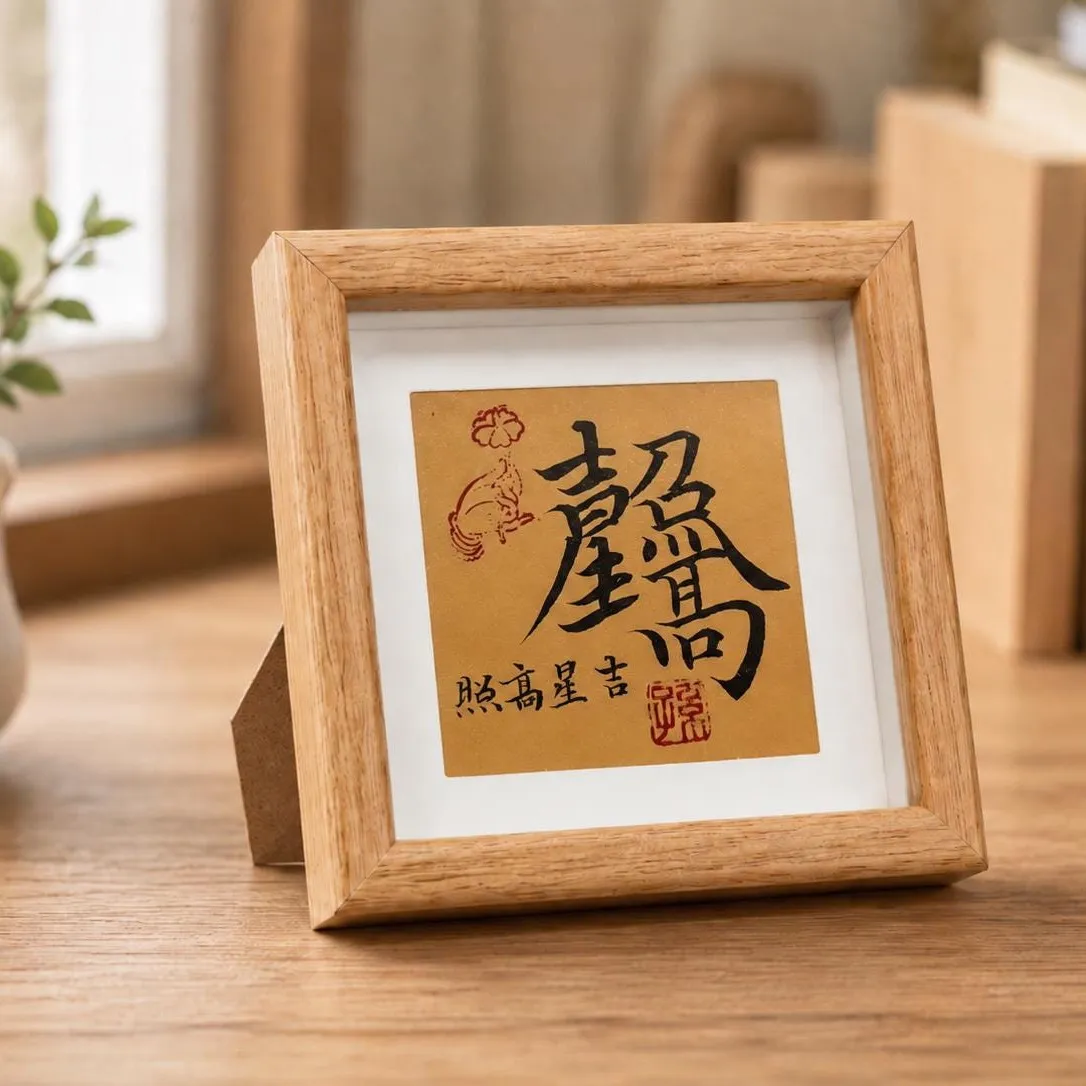
Photo shows a sample — yours will be brushed with 稳, or any character you choose.
Desk Frame — for desks, studies & studiosfrom $44→ -
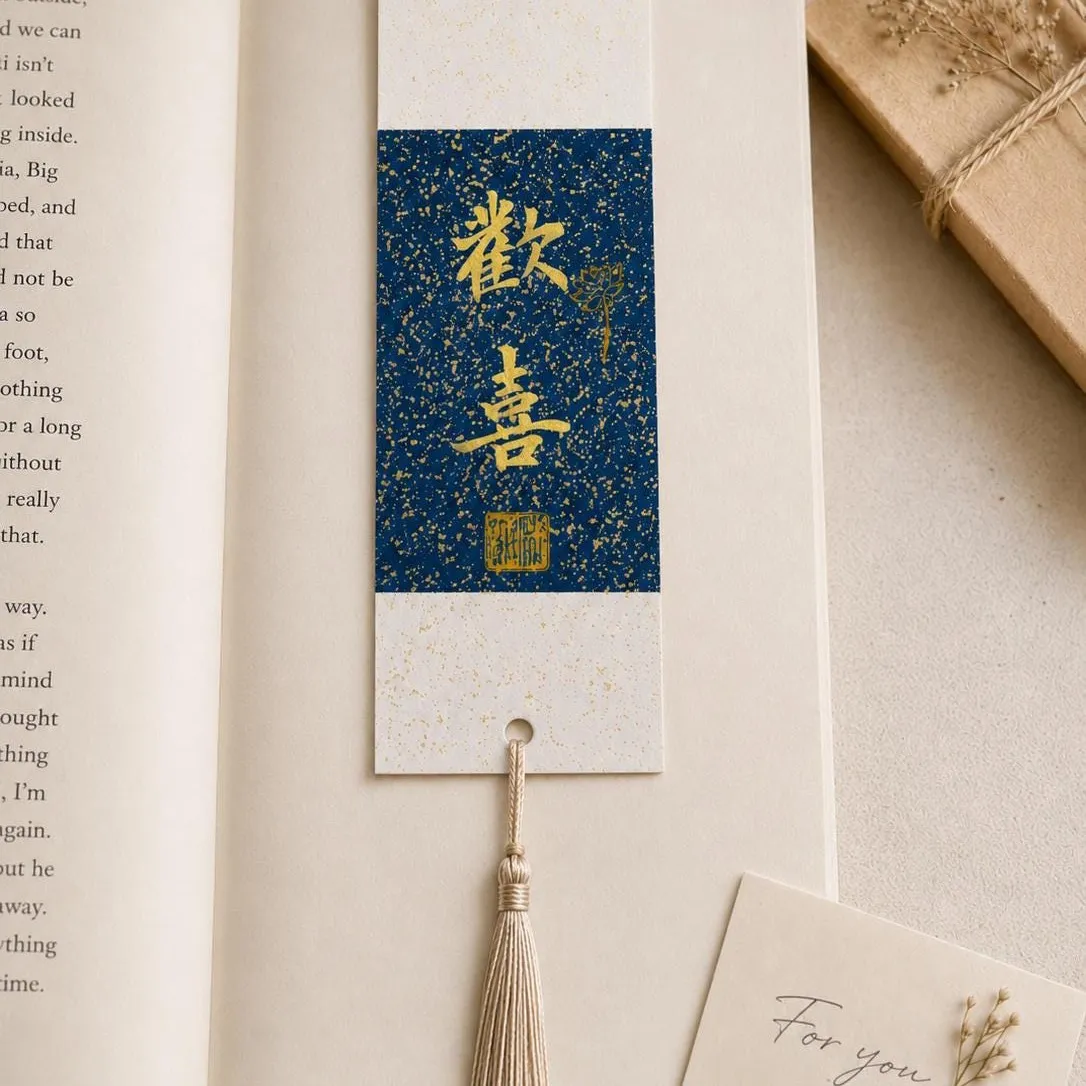
Photo shows a sample — yours will be brushed with 稳, or any character you choose.
Bookmark — for readers & small thank-yousfrom $14→
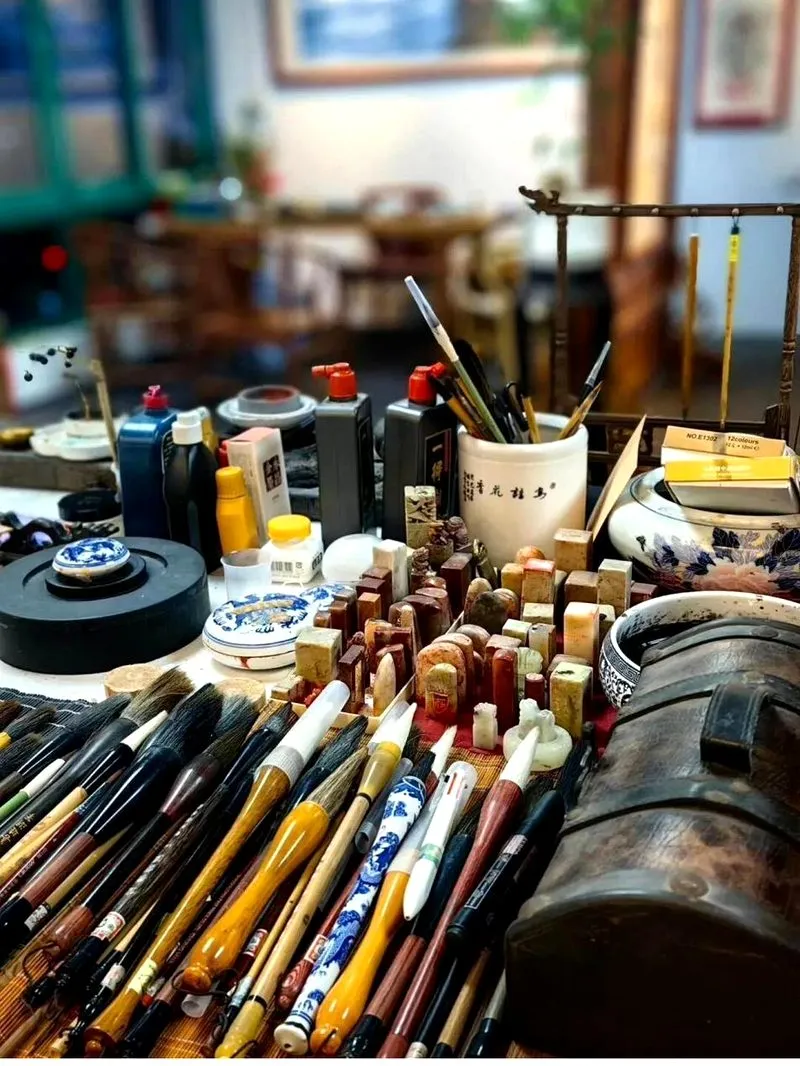
What people said after it arrived.
-
The item is fantastic. The customer service was genuine. Thanks!
— M.Verified purchase · from our Etsy shop reviews · -
They were great they gave me exactly what I asked for and then some. Thank you!!
— G.Verified purchase · from our Etsy shop reviews · -
It is well designed and customized. My daughter loves it. Amazing gift for family’s d friends
— S.Verified purchase · from our Etsy shop reviews ·
Each "稳" is hand-brushed by FuBlessings on rice paper.
See 稳 (Wěn) on Etsy →