坚 (jiān) — Tenacity · Solid Firmness · The Strength That Does Not Crack
A single character.
Chinese has several characters in the firmness family. 恒 (héng) names the steady return to difficult work — constancy as a practice. 毅 (yì) names the resolve that reaffirms commitment when adversity arrives — determination as an active decision. 刚 (gāng) names the interior that does not bend under external inducement — principled firmness in the face of temptation. 坚 (jiān) names something distinct from all three: the quality of not breaking under sustained pressure. It is a material property before it is a moral one — the quality of bamboo root in cracked rock, of earth pressed into the material that holds. What it names in a person is not the moment of deciding to hold firm but the condition of having held, across what accumulated against them: time, force, unrewarded effort, the sustained weight of what was asked without being answered.
In Chinese life, 坚 shows up most directly in the compounds that name this quality in practice. 坚持 (jiān chí, to persist, to keep going) is one of the most common words in Mandarin for sustained effort — the student who finishes at midnight, the colleague who keeps working the problem after everyone else has moved on. 坚韧 (jiān rèn, firm as tough leather) names the specific combination of firmness and flexibility that holds under force without snapping. The standard image for 坚 in Chinese cultural memory is bamboo: the plant whose roots grip cracked rock, whose stalk bends under storms from any direction without breaking, whose 千磨万击 (qiān mó wàn jī, thousand rubs and ten thousand blows) leave it still standing. What 坚 names is bamboo’s property — not the rigidity that breaks at the load limit but the structural integrity that holds through accumulated force.
A hand-brushed 坚 by FuBlessings is the recognition for the father whose commitment held across the unrewarded years, the husband whose presence in the marriage persisted through difficult stretches without requiring the difficulty to be acknowledged, the colleague whose work continued after the outcome stopped being clear. Not the dramatic reaffirmation of resolve in crisis (毅) or the interior unmoved by temptation (刚), but the foundational quality that time reveals — what the bamboo poem names as the roots in cracked rock: still standing, after the thousand rubs and ten thousand blows.
- tenacity — the quality of not breaking under sustained pressure
- the strength that holds through what accumulates against it over time
- structural integrity — not rigidity, but the firmness of roots in cracked rock
- 持久 (chí jiǔ, lasting) quality, demonstrated by duration
- stubbornness Stubbornness resists change regardless of its merit. 坚 is the quality that holds under pressure — it is not the refusal to update when the evidence changes.
- rigidity Rigidity breaks under sufficient force. 坚 names the quality of bamboo, not stone — flexible enough to accommodate what it cannot control, firm enough not to be swept away.
- persistence Persistence (坚持) describes the behavior of continuing. 坚 names the interior quality that makes continued effort possible when stopping would be reasonable — the source, not the pattern.
The short arms are the point: these readings don’t reach it.
- 臤 a hand gripping firmlyCombines 臣 (an eye looking downward, representing submission or close attention) and 又 (a hand). The composite image is of a firm grip — grasping and holding. Gives 坚 its sound (xiān, related to jiān) and the action of pressing tight.
- 土 earthBelow the hand: earth that has been gripped into consolidation. The whole character is the image of earth pressed firm — the moment loose soil becomes the material that holds.
character
- 坚持 jiān chí to persist, to keep going — the most common compound; the active exercise of 坚 over time
- 坚强 jiān qiáng firm and strong, resilient — 坚 combined with strength; the quality of holding under force
- 坚韧 jiān rèn firm as tough leather — the combination of structural firmness and the flexibility that prevents breaking
- 坚定 jiān dìng resolute, firm in determination — steady purpose, not shaken by what surrounds it
- 坚守 jiān shǒu to hold one's ground — the military metaphor that became a general virtue: holding a position under sustained force
The Story Behind the Character
The traditional character 堅 shows 臤 (xiān) — a hand gripping firmly — set above 土 (tǔ, earth). The image is precise: not loose soil but earth that has been pressed into consolidation, the moment when soft clay becomes the material that holds its shape under force. China's first dictionary (说文解字, c. 100 CE) defined 堅 as 剛也 — the same word used for 刚 — but the two characters diverged in practice. 刚 moved toward the quality that does not bend to external inducement; 坚 moved toward the quality that does not crack under sustained pressure. In modern Mandarin, the distinction is active: 刚强 (gāng qiáng) names firmness of principle; 坚强 (jiān qiáng) names resilience — the quality of holding under force.
The most precise cultural image for 坚 is bamboo, not stone. Stone is hard but brittle — it breaks when the load exceeds it. Bamboo root grows into cracked rock, holds against storms from any direction, and bends under force without snapping. This is the meaning 坚 carries as a character quality: not the rigidity that cannot accommodate pressure but the structural integrity that holds through it. The compound 坚韧 (jiān rèn, firm as tough leather) names this distinction explicitly — 韧 (rèn) is the quality of leather or bamboo that bends without breaking, and 坚韧 pairs it with firmness to name the one quality that lasts.
In Chinese ethical thought, 坚 operates differently from 刚 because it is tested differently. 刚 is tested when something is offered — wealth, praise, accommodation, the shortcut. 坚 is tested by what continues to press against over time: the sustained difficulty, the unrewarded stretch, the commitment that keeps asking without resolving. Confucius observed that he had never seen a truly 刚 person because desire is universal. The difficulty with 坚 is different: time reveals it. The thousand rubs and ten thousand blows that wear out stone leave bamboo standing — and what is left standing after that is what 坚 names.
Classical lines
- roughly 2,200 years
- c. 500 BCE 《论语·子罕》
- c. 300 BCE 《孟子·告子下》
- c. 1750 郑燮《竹石》
咬定青山不放松,立根原在破岩中。千磨万击还坚劲,任尔东西南北风。 Biting into the green mountain, never letting go
its roots planted in cracked rock. A thousand rubs and ten thousand blows, still firm and strong; let the winds come from east, west, south, or north. — Zhèng Xiè's poem on bamboo is the most frequently cited image of 坚 in Chinese literary culture. 坚劲 (jiān jìn, firm and forceful) in line three is the specific compound: the bamboo's roots don't hold despite the cracked rock — they hold because the rock required them to grip harder. 坚 is the quality demonstrated by sustained force applied over time.
天将降大任于是人也,必先苦其心志,劳其筋骨,饿其体肤,空乏其身,行拂乱其所为,所以动心忍性,曾益其所不能。 When Heaven is about to entrust a great task to someone, it first makes their mind suffer and their will tested, tires their body and bones, starves their flesh, hollows out their resources, and throws disorder into their purposes
so as to stir their heart-mind, toughen their nature, and remedy their incapacities. — Mencius on how 坚 is made. The passage describes the process that produces structural firmness: not a single decisive trial but sustained difficulty from every direction. The person who has been through this and held — not broken, not redirected — is what 坚 names.
岁寒,然后知松柏之后凋也。 Only when the year turns cold do we know that the pine and cypress are the last to wither.
Confucius's most precise observation about the quality that only sustained hardship reveals. The pine and cypress appear unremarkable in a warm season — no brighter than other trees. Their particular quality becomes visible only when the cold holds long enough for other trees to fail first. 坚 names exactly this: the character that time and sustained pressure reveal. The person who was steady before the difficult stretch is not yet shown to be 坚; the person who held through it is.
Why This Character Matters
The compound 坚持 (jiān chí, to persist, to keep going) is among the most common words in Mandarin for sustained effort — used for the student who finishes the assignment at midnight, the athlete who returns after injury, the worker who keeps at the problem after everyone else has moved on. 坚持 appears so frequently because 坚 captures the specific quality of effort that continues despite duration: not the initial energy or the one-time decision but the property of not stopping when stopping would be reasonable. To tell someone 坚持下去 (jiān chí xià qù, "keep going") is to name what you have observed in them — that the quality is already there — and to say it should continue.
The philosophical tradition consistently returned to bamboo as the image for 坚 because bamboo resolves the tension that stone cannot. A stone is 坚 until the load exceeds it; then it breaks. Bamboo's root system works into cracks and holds, and the stalk bends under wind rather than resisting it. This combination — hard enough to hold, flexible enough not to snap — is what 坚韧 (jiān rèn) names as a character ideal: the resilience that comes from structural integrity combined with the ability to accommodate what cannot be controlled. The person praised as 坚韧 has these properties together: they have not been broken, and they have not become rigid.
坚 is a resilient, grounded choice that a Chinese person immediately connects to 坚持 (jiān chí, to keep going) and 坚强 (jiān qiáng, resilient) — words used every day for someone who holds under pressure without breaking. As a tattoo it reads as quiet endurance rather than aggression: the strength of bamboo roots in cracked rock, not the hardness of a fist. Native readers tend to find it meaningful and sincere — a personal reminder to hold steady, closely tied to the most-used word for persistence in the language.
Calligraphy Styles for Tattoos
- Regular script (楷书 kǎishū) Best for tattoos
The simplified 坚 has 7 strokes in a top-over-bottom structure — a compact upper element sitting on 土 (earth) below. Regular script keeps the 土 base wide and stable, which visually echoes the meaning of something pressed firm into the ground. Clean and legible even at moderate sizes.
- Clerical script (隶书 lìshū) Excellent for tattoos
Clerical script broadens the 土 base into a strong horizontal foundation and gives the whole character a planted, solid weight — a natural fit for a character about firmness that holds under pressure. The flared final stroke of 土 reads beautifully in this style. Works well at 2+ inches.
- Seal script (篆书 zhuànshū) Good for larger pieces
Seal script renders 坚 with rounded, even-width lines that emphasize the gripping hand over the earth. It can be striking at 3+ inches, but the stacked structure means small versions lose the boundary between the upper element and the 土 below.
Common Mistakes to Avoid
- Writing the bottom 土 (earth) as 士 (scholar) by making the lower horizontal longer than the upper oneIntended: 坚 with 土 at the base — upper horizontal short, lower horizontal long
土 (earth) and 士 (scholar) differ only in which horizontal stroke is longer. In 土 the bottom stroke is the long one. Reversing them swaps the component for a different character and changes what the tattoo means.
- Cramming the upper element so it sits too small on top of an oversized baseIntended: A balanced 坚 where the top component and the 土 base share the height roughly evenly
坚 is a stacked character, and the proportion between the two halves carries its stability. If the top is shrunk, the character looks top-light and unsteady — the opposite of the grounded firmness it names.
Notes for Your Tattoo Artist
7 strokes (simplified 坚) or 11 strokes (traditional 堅). The top-over-bottom structure is the key challenge: the upper gripping-hand element and the 土 base should split the height roughly evenly, with the bottom horizontal of 土 as the widest, most grounding line. Minimum size 1.5 inches for simplified; 2.5 inches for traditional, whose upper 臤 is dense. Keep the final long horizontal of 土 flat and confident — it is the visual foundation of the character.
A few characters live near "坚" but mean something quieter, sharper, or more specific. Here's how to tell them apart.
structural integrity under sustained pressure — the quality of not cracking under accumulated force
principled firmness under inducement — the interior that does not bend when offered what compromise would provide
the condition of not having been broken — structural quality revealed by time
resolve that actively reaffirms commitment when adversity arrives — a decision, not a condition
the property of not cracking under what presses against; the firmness of roots
constancy as a long-duration behavioral pattern — the steady return to difficult work
For Father's Day when the gift should name the quality that sustained the commitment through years of ordinary and extraordinary pressure alike — not the resolve that reaffirmed itself in moments of crisis (that is 毅, yì) or the interior that didn't bend to temptation (that is 刚, gāng), but the foundational solidity that simply held under accumulated force.
- For Father's Day when the gift should name the quality that sustained the commitment through years of ordinary and extraordinary pressure alike — not the resolve that reaffirmed itself in moments of crisis (that is 毅, yì) or the interior that didn't bend to temptation (that is 刚, gāng), but the foundational solidity that simply held under accumulated force. 坚 is the character for the father whose continued presence has been the household's quiet demonstration of this quality: the roots in cracked rock that held against whatever came.
- For the father, husband, or colleague at a birthday when the gift should name sustained firmness demonstrated across years — through difficult stretches, unrewarded effort, the weight of long commitments that kept asking without explaining themselves. 坚 names the property of not having cracked under what accumulated against it. Most specific when the relationship is close enough to have watched this quality demonstrated across enough circumstances to recognize it as structural, not occasional.
坚 is one of the characters we use to write Western names in Chinese. See it at work:
-
What does 坚 (jiān) mean?
坚 (jiān) is the Chinese character for tenacity, solid firmness, the strength that does not crack. Chinese has several characters in the firmness family. 恒 (héng) names the steady return to difficult work — constancy as a practice. 毅 (yì) names the resolve that reaffirms commitment when adversity arrives — determination as an active decision. 刚 (gāng) names the interior that does not bend under external inducement — principled firmness in the face of temptation. 坚 (jiān) names something distinct from all three: the quality of not breaking under sustained pressure. It is a material property before it is a moral one — the quality of bamboo root in cracked rock, of earth pressed into the material that holds. What it names in a person is not the moment of deciding to hold firm but the condition of having held, across what accumulated against them: time, force, unrewarded effort, the sustained weight of what was asked without being answered. The compound 坚持 (jiān chí, to persist, to keep going) is among the most common words in Mandarin for sustained effort — used for the student who finishes the assignment at midnight, the athlete who returns after injury, the worker who keeps at the problem after everyone else has moved on. 坚持 appears so frequently because 坚 captures the specific quality of effort that continues despite duration: not the initial energy or the one-time decision but the property of not stopping when stopping would be reasonable. To tell someone 坚持下去 (jiān chí xià qù, "keep going") is to name what you have observed in them — that the quality is already there — and to say it should continue.
-
What occasions is 坚 given for?
坚 is traditionally given for Father's Day, Birthday. For Father's Day when the gift should name the quality that sustained the commitment through years of ordinary and extraordinary pressure alike — not the resolve that reaffirmed itself in moments of crisis (that is 毅, yì) or the interior that didn't bend to temptation (that is 刚, gāng), but the foundational solidity that simply held under accumulated force. 坚 is the character for the father whose continued presence has been the household's quiet demonstration of this quality: the roots in cracked rock that held against whatever came. For the father, husband, or colleague at a birthday when the gift should name sustained firmness demonstrated across years — through difficult stretches, unrewarded effort, the weight of long commitments that kept asking without explaining themselves. 坚 names the property of not having cracked under what accumulated against it. Most specific when the relationship is close enough to have watched this quality demonstrated across enough circumstances to recognize it as structural, not occasional.
-
Is 坚 a good Chinese tattoo?
坚 is a resilient, grounded choice that a Chinese person immediately connects to 坚持 (jiān chí, to keep going) and 坚强 (jiān qiáng, resilient) — words used every day for someone who holds under pressure without breaking. As a tattoo it reads as quiet endurance rather than aggression: the strength of bamboo roots in cracked rock, not the hardness of a fist. Native readers tend to find it meaningful and sincere — a personal reminder to hold steady, closely tied to the most-used word for persistence in the language.
-
Who brushes the 坚 calligraphy?
FuBlessings hand-brushes each 坚 (Jiān) to order, in ink on rice paper — never printed, never repeated.
Bring 坚 home — choose how you'd like it brushed.
-
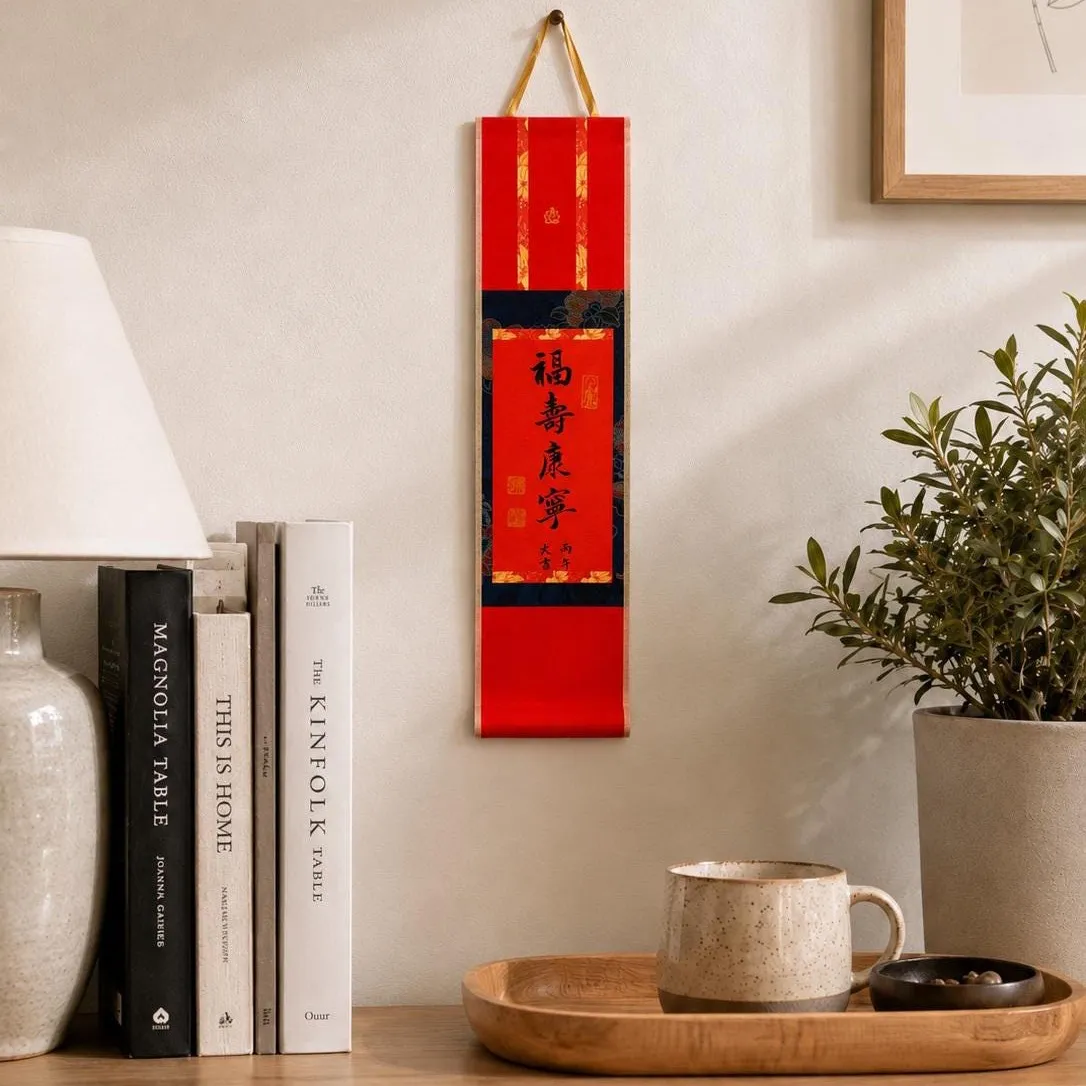
Photo shows a sample — yours will be brushed with 坚, or any character you choose.
Wall Scroll — for walls & housewarmingsfrom $38→ -
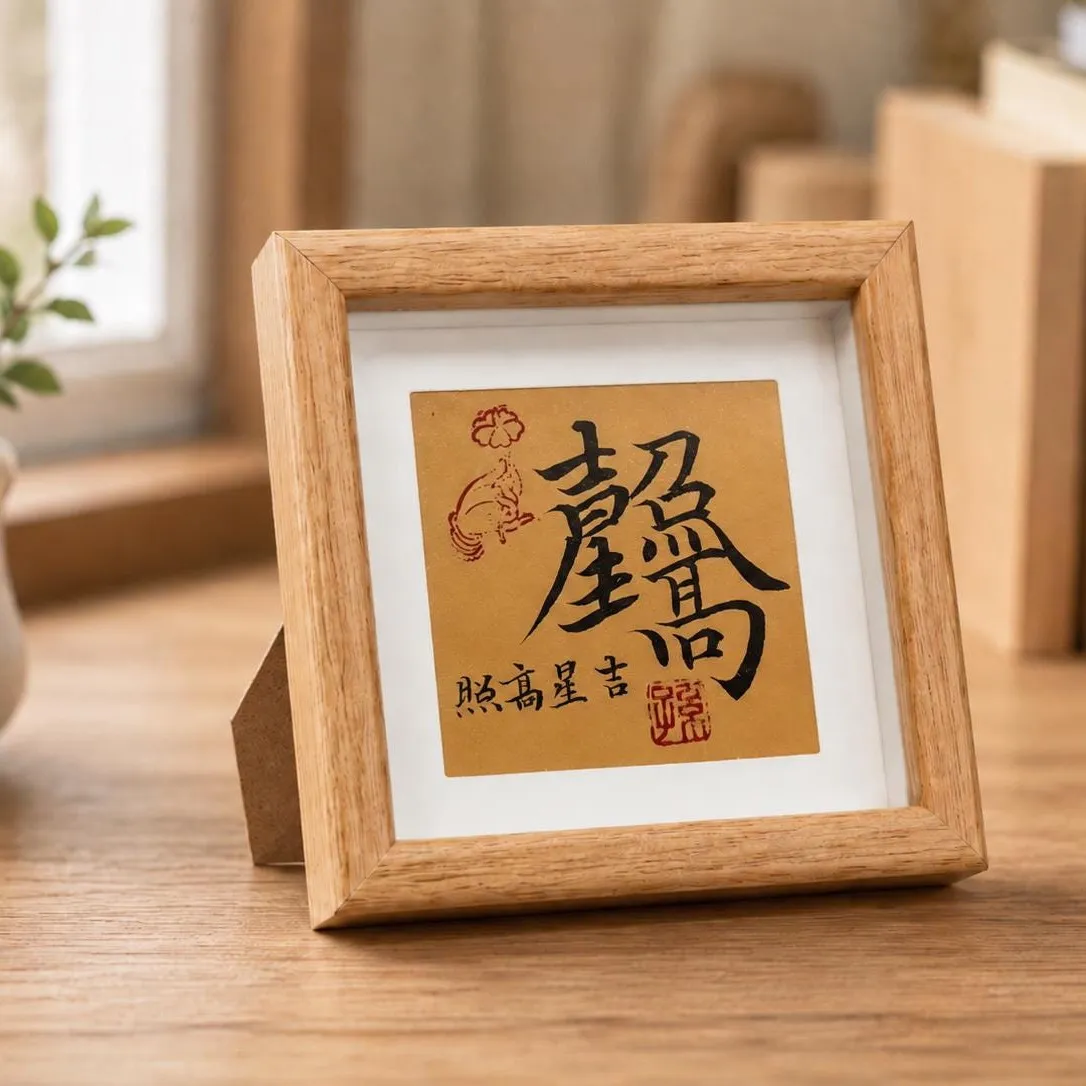
Photo shows a sample — yours will be brushed with 坚, or any character you choose.
Desk Frame — for desks, studies & studiosfrom $44→ -
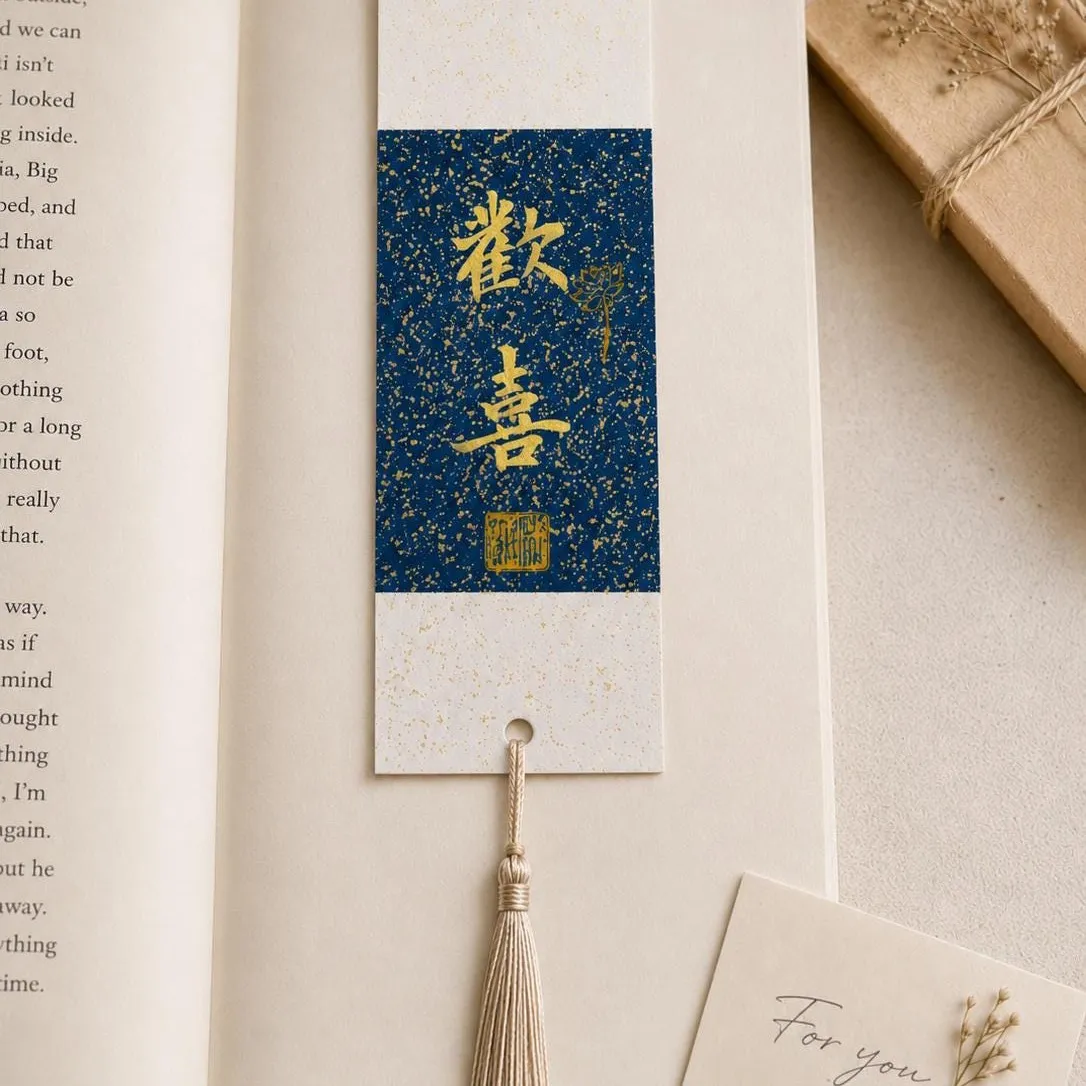
Photo shows a sample — yours will be brushed with 坚, or any character you choose.
Bookmark — for readers & small thank-yousfrom $14→
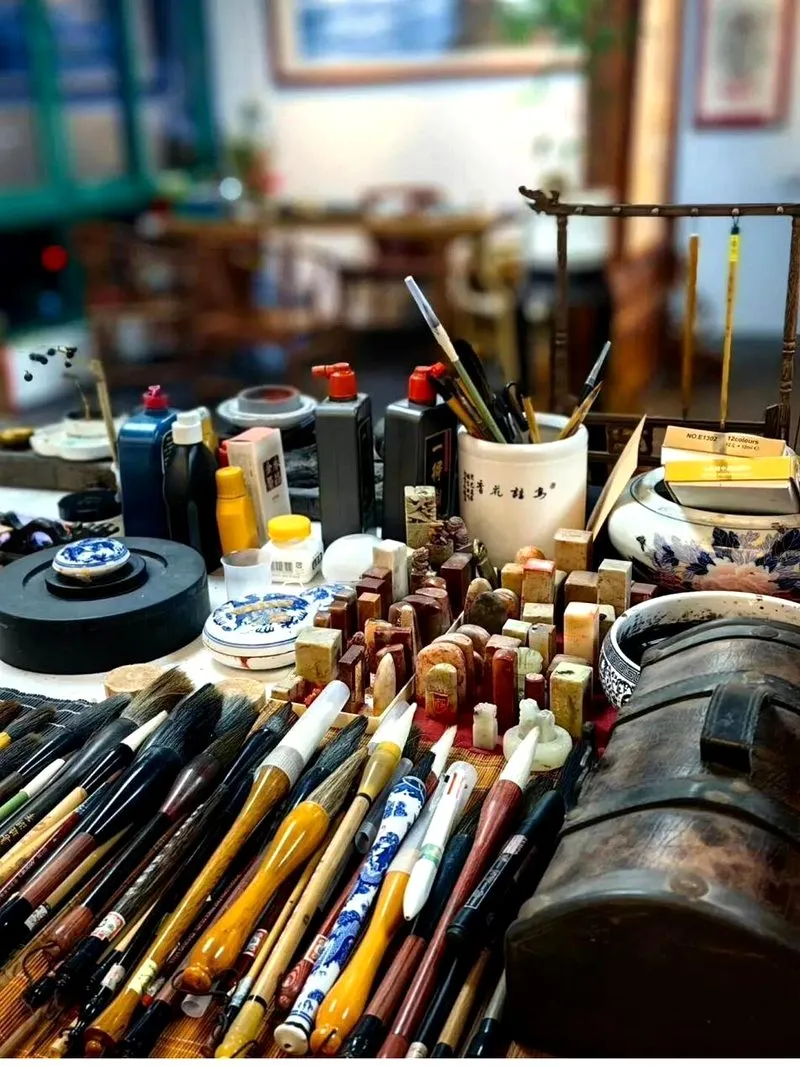
What people said after it arrived.
-
The item is fantastic. The customer service was genuine. Thanks!
— M.Verified purchase · from our Etsy shop reviews · -
They were great they gave me exactly what I asked for and then some. Thank you!!
— G.Verified purchase · from our Etsy shop reviews · -
It is well designed and customized. My daughter loves it. Amazing gift for family’s d friends
— S.Verified purchase · from our Etsy shop reviews ·
Each "坚" is hand-brushed by FuBlessings on rice paper.
See 坚 (Jiān) on Etsy →