岁岁平安 (suì suì píng ān) — Peace Year After Year
A 4-character phrase, not a single character.
岁岁平安 is the only major Chinese blessing built on a pun — and the pun makes it unforgettable. When something breaks at the New Year table, the family calls out 碎碎(岁岁)平安, turning the sound of shattering into the sound of years continuing. It is folk linguistics at its most elegant: a moment of mishap alchemized, through nothing but sound, into a renewed prayer for safety. No other four-character blessing carries this kind of origin story — a phrase born not in a book but in the split second after a plate hits the floor. See 安 →
The blessing lives in a specific emotional lane: it is what children give to parents, what the young wish for the old. Where 心想事成 blesses ambition and 万事如意 covers the full range of life’s business, 岁岁平安 asks for something far simpler and far harder — that ordinary days keep arriving, unmarked by crisis, undisturbed by event. For a parent entering their seventies, for grandparents whose health you track with quiet concern, the wish is not for achievement or excitement. It is for continuation. The repetition of 岁岁 — year, year — is itself the message: the same thing, again and again, stretching forward without end.
A hand-brushed “岁岁平安” by FuBlessings is the gift for the people whose uneventful safety is the thing you value most — a parent, a grandparent, the household you want to see whole not just this year, but in every year that follows. Hung near an entryway or above a family table, it does what the phrase has always done: it turns presence into a blessing, and asks for it to continue.
- peace, repeating
- continuation without crisis
- the same uneventful year, again
- long life Too direct. 岁岁平安 does not name years of life — it names the quality of years passing, one after another.
- every year Missing the weight. 岁岁 is not a frequency claim — it is the wish that the doubling continues without end.
The short arms are the point: these readings don’t reach it.
- 岁岁 year after year, repeatedDoubling for emphasis. Not one year, not a few — year upon year stretching forward. Also a homophone for 碎碎 (shattered), the pun that lets families turn a broken dish into a renewed blessing.
- 平安 level and undisturbed平 (level, even) plus 安 (settled, safe). Not excitement, not achievement — just the absence of crisis. The condition you want repeated.
characters
- 平安 píng ān peace and safety — the condition being wished, year after year
- 岁 suì year — also a homophone for 碎 (to shatter), the source of the pun
- 碎碎平安 suì suì píng ān shattered-shattered, peace — the spoken alchemy at the broken dish
- 除夕 chú xī New Year's Eve — the night when 岁岁平安 is invoked
Cinnabar marks the characters 岁岁平安 actually contains. The dark row is a relative by meaning or by sound, not one shared stroke.
The Story Behind the Character
The phrase 岁岁平安 did not emerge from a classical text — it was born from a sound. In spoken Chinese, 岁 (suì, year) and 碎 (suì, to shatter) are perfect homophones. During the Spring Festival, when a dish or glass inevitably slips from someone's hands and breaks on the floor, the family does not scold or fret. Instead, someone — usually the eldest — calls out 碎碎平安, turning the sound of "shattered, shattered" into "year after year, peace." The blessing was literally invented to transform a bad omen into a good one, and it has been doing that job for centuries.
Structurally, the phrase is built on doubling and stability. 岁岁 repeats the word for "year" to create a sense of rhythmic continuation — not one year, not a few years, but year upon year stretching forward. 平安 (píng ān) combines 平 (level, even, without disturbance) and 安 (peace, safety, settled). Together the four characters make a single, slow-breathing sentence: may things stay level, and may they stay level again, and again.
Over time, 岁岁平安 settled into a specific lane among Chinese blessings. It became the phrase you give to elders — the people for whom you no longer wish excitement or ambition, only the continuation of ordinary days. It appears on the red paper pasted above doorways at New Year, on the plaques hung in grandparents' living rooms, on the calligraphy scrolls exchanged between families who have known each other long enough that quiet years are the highest compliment.
Classical lines
- about a century
- c. 1070 《元日》王安石
- 1076 《水调歌头》苏轼
One further source is quoted below without a date printed, so it stays off the rail.
爆竹声中一岁除,春风送暖入屠苏。 In the sound of firecrackers, one more year passes; spring wind carries warmth into the tusu wine.
Wang Anshi's New Year poem captures the moment 岁岁平安 inhabits: the turn of the year, the old one safely behind, the new one beginning with warmth.
但愿人长久,千里共婵娟。 May we both live long, sharing the bright moon though a thousand miles apart.
Su Shi's wish for enduring presence echoes the same quiet hope behind 岁岁平安: not that life be extraordinary, but that the people you love remain in it.
平安二字值千金。 The two words 'peace and safety' are worth a thousand gold pieces.
A folk saying that names what every family already knows: when you have lived long enough, ordinary safety becomes the most expensive blessing.
Why This Character Matters
In many Chinese households, dishes are deliberately broken on New Year's Eve — not by accident, but on purpose. The custom works because the language makes it possible: the sound of shattering (碎) is the sound of years (岁), and calling out 岁岁平安 at the moment of breakage is a form of spoken alchemy, converting destruction into renewal. This is one of the rare blessings in any language that was engineered around a pun — and the pun is so deeply embedded in the culture that most people who say it no longer think of it as wordplay at all.
岁岁平安 also occupies a specific emotional register that other blessings do not. It is the phrase children give to parents, not the other way around. Young people wish each other 心想事成 or 万事如意 — blessings full of ambition and possibility. But for the generation above, the wish narrows to something more honest: we do not need you to achieve anything new. We need you to still be here next year, and the year after that. In Chinese gift culture, giving someone 岁岁平安 is an act of quiet devotion — an admission that their continued, uneventful presence is the thing you value most.
A few characters live near "岁岁平安" but mean something quieter, sharper, or more specific. Here's how to tell them apart.
peace stretched across time — repeated year after year, without end
peace as an immediate state — undisturbed right now, this moment
asks for nothing more than the same uneventful year, repeated
the formal four-fold elder inscription — fortune, longevity, peace, health
asks for continuation, not achievement — uneventful years
asks for vigor and exceptional length — the more ambitious elder wish
岁岁平安 is a staple of New Year inscriptions for elders — particularly fitting because of the folk pun: when something breaks at the New Year (碎, suì), the family says 岁岁(碎碎)平安, turning the mishap into a renewed wish.
- 岁岁平安 is a staple of New Year inscriptions for elders — particularly fitting because of the folk pun: when something breaks at the New Year (碎, suì), the family says 岁岁(碎碎)平安, turning the mishap into a renewed wish.
- A Milestone BirthdayFor a parent or grandparent at a significant birthday, 岁岁平安 asks not for one good year but for the steady continuation of safety — a quieter, longer-horizon blessing.
- For the parents whose well-being you most want to last, 岁岁平安 names exactly that — peace, repeating, year by year.
- Just BecauseThe wish you keep returning to for the people you love most: not anything dramatic, just the same thing, every year.
Mom · Dad · Grandparent · Parent · Family · Mother-in-law · Father-in-law · or yourself
Looking for a name? See Western names written in Chinese →
-
What does 岁岁平安 (suì suì píng ān) mean?
岁岁平安 (suì suì píng ān) is a 4-character Chinese phrase for peace year after year. 岁岁平安 is the only major Chinese blessing built on a pun — and the pun makes it unforgettable. When something breaks at the New Year table, the family calls out 碎碎(岁岁)平安, turning the sound of shattering into the sound of years continuing. It is folk linguistics at its most elegant: a moment of mishap alchemized, through nothing but sound, into a renewed prayer for safety. No other four-character blessing carries this kind of origin story — a phrase born not in a book but in the split second after a plate hits the floor. See 安 → In many Chinese households, dishes are deliberately broken on New Year's Eve — not by accident, but on purpose. The custom works because the language makes it possible: the sound of shattering (碎) is the sound of years (岁), and calling out 岁岁平安 at the moment of breakage is a form of spoken alchemy, converting destruction into renewal. This is one of the rare blessings in any language that was engineered around a pun — and the pun is so deeply embedded in the culture that most people who say it no longer think of it as wordplay at all.
-
What occasions is 岁岁平安 given for?
岁岁平安 is traditionally given for Chinese New Year, A Milestone Birthday, Mother's Day · Father's Day, Just Because. 岁岁平安 is a staple of New Year inscriptions for elders — particularly fitting because of the folk pun: when something breaks at the New Year (碎, suì), the family says 岁岁(碎碎)平安, turning the mishap into a renewed wish. For a parent or grandparent at a significant birthday, 岁岁平安 asks not for one good year but for the steady continuation of safety — a quieter, longer-horizon blessing.
-
Who brushes the 岁岁平安 calligraphy?
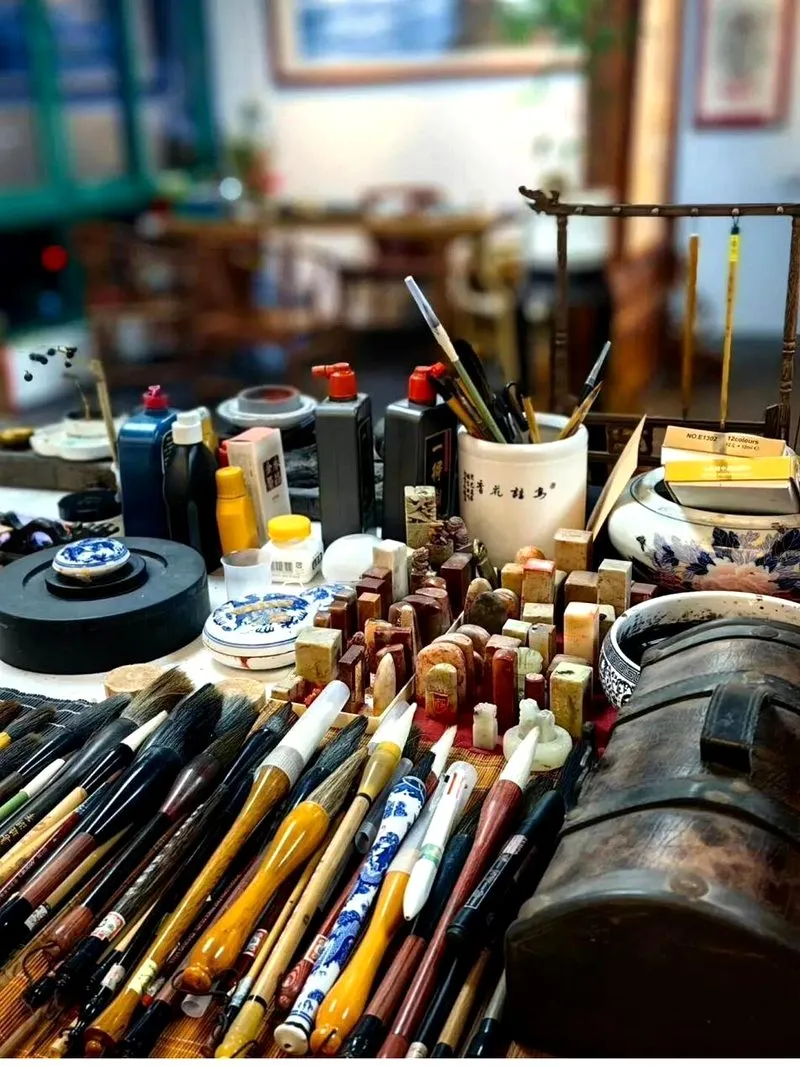
FuBlessings hand-brushes each 岁岁平安 (Suì Suì Píng Ān) to order, in ink on rice paper — never printed, never repeated.
Bring 岁岁平安 home — choose how you'd like it brushed.
-
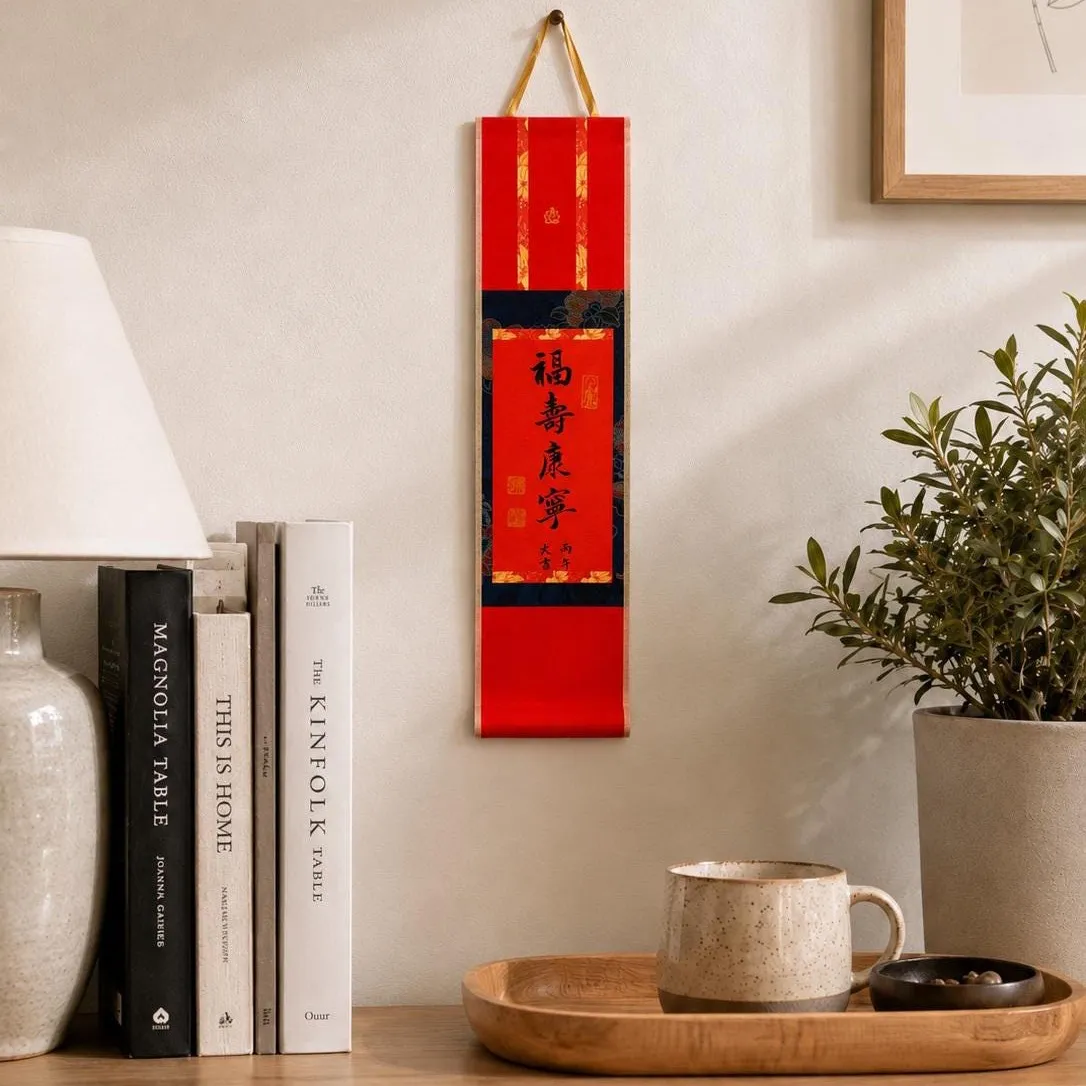
Photo shows a sample — yours will be brushed with 岁岁平安, or any character you choose.
Wall Scroll — for walls & housewarmingsfrom $38→ -
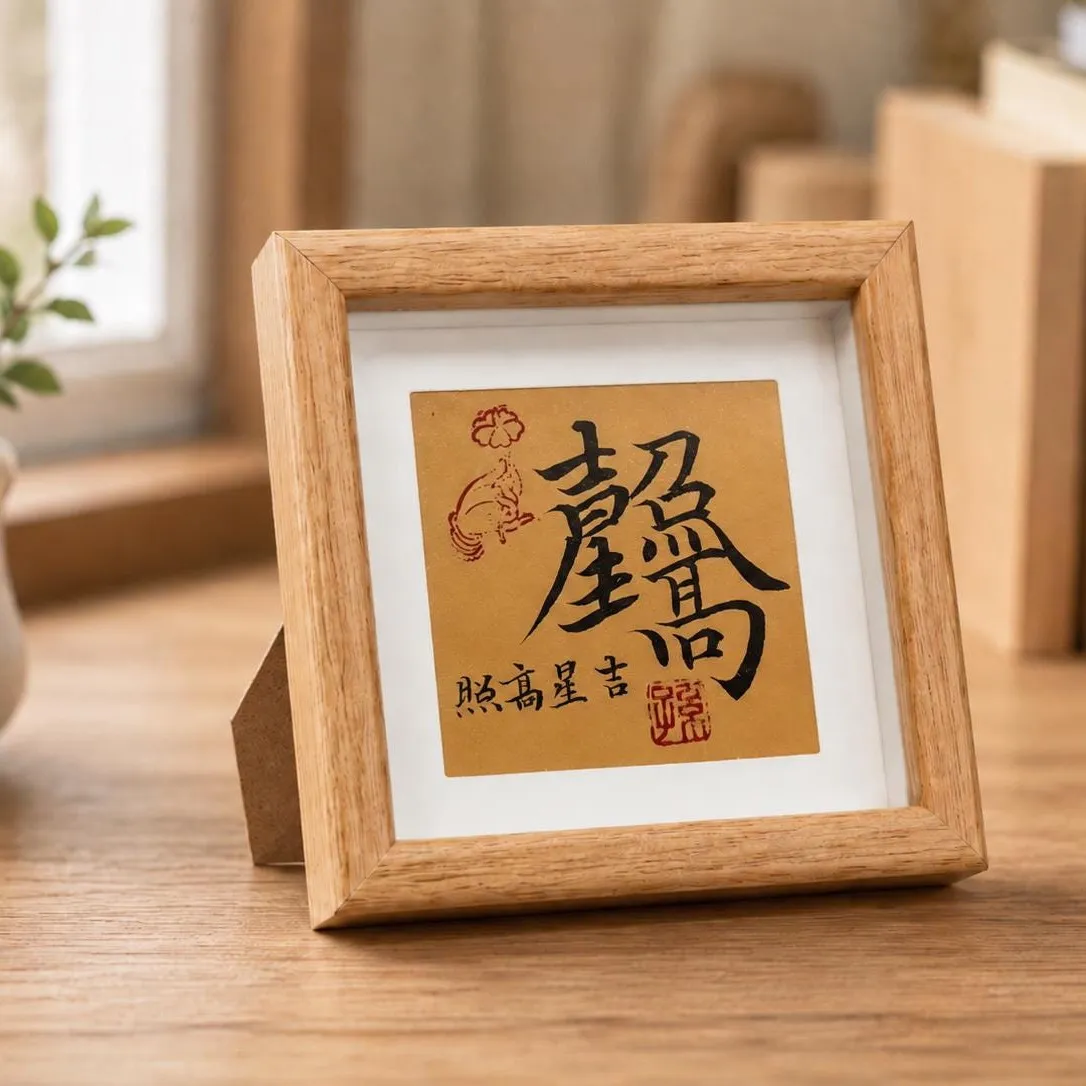
Photo shows a sample — yours will be brushed with 岁岁平安, or any character you choose.
Desk Frame — for desks, studies & studiosfrom $44→ -
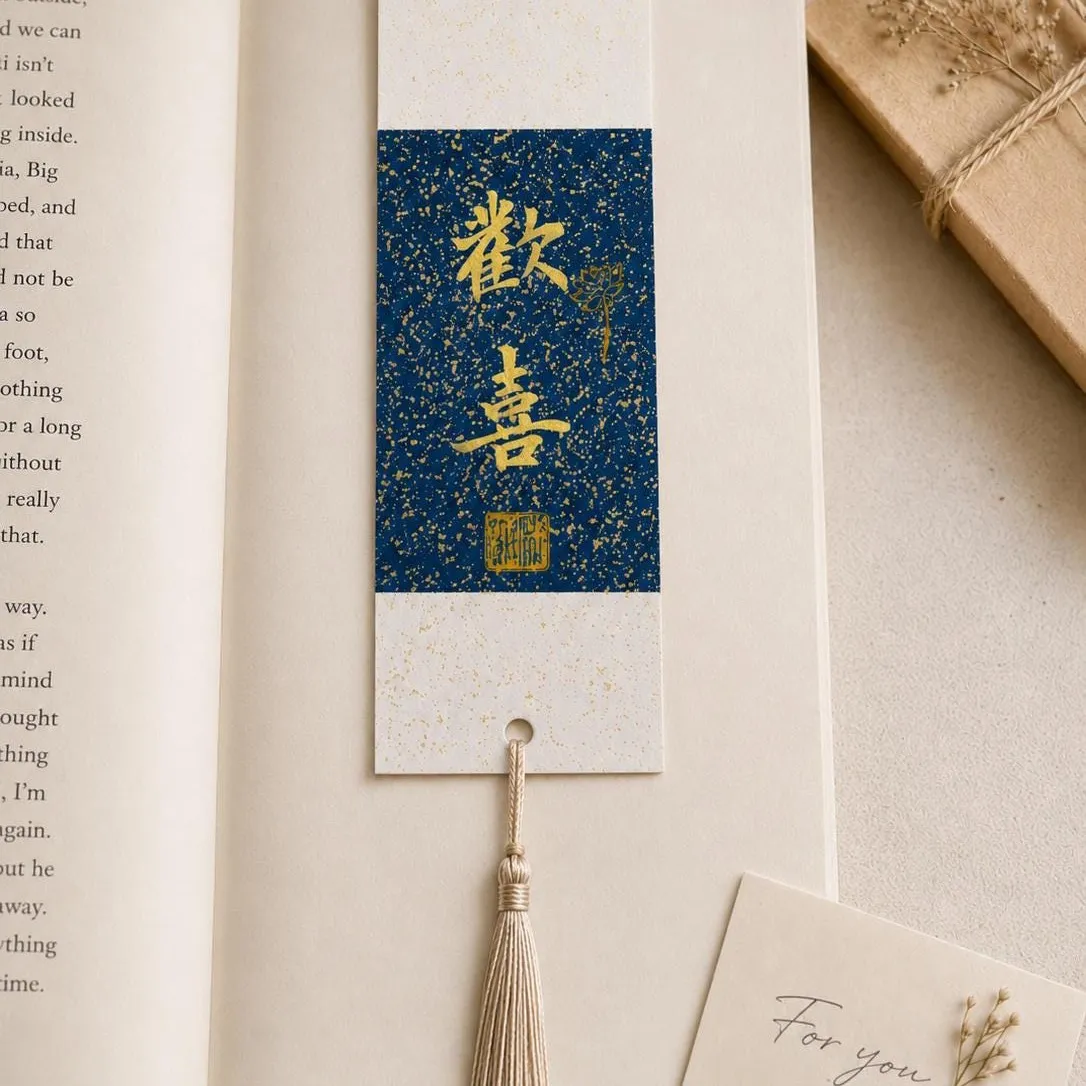
Photo shows a sample — yours will be brushed with 岁岁平安, or any character you choose.
Bookmark — for readers & small thank-yousfrom $14→
What people said after it arrived.
-
The item is fantastic. The customer service was genuine. Thanks!
— M.Verified purchase · from our Etsy shop reviews · -
They were great they gave me exactly what I asked for and then some. Thank you!!
— G.Verified purchase · from our Etsy shop reviews · -
It is well designed and customized. My daughter loves it. Amazing gift for family’s d friends
— S.Verified purchase · from our Etsy shop reviews ·
Each "岁岁平安" is hand-brushed by FuBlessings on rice paper.
See 岁岁平安 (Suì Suì Píng Ān) on Etsy →