Ping An (平安): Peace · Safety · Well-being
A two-character word, not a single character.
平安 is not the most dramatic blessing in Chinese. It is the most necessary one. Where other characters wish for wealth, longevity, or success, 平安 asks for the condition that makes all of those mean anything: that the person is safe, whole, and undisturbed. The four-character proverb 平安是福 — “peace is the greatest blessing” — is not a cliche in Chinese culture. It is a ranking. It says: before you wish someone prosperity, make sure you have wished them this first. See 安 →
The phrase saturates Chinese daily life in ways that reveal its priority. Parents say 一路平安 (“peace for the whole road”) at every departure — at airports, train stations, and front doors. On Christmas Eve, Chinese families exchange apples wrapped in cellophane because 苹果 (apple) shares its first syllable with 平安 — a holiday tradition that exists nowhere else on earth, invented entirely because the sound of safety was too important to leave unwrapped. During Chinese New Year, 平安 is the first inscription hung above the door — before 福 (fortune), before 财 (wealth) — because the family’s first hope for the year is not that it be extraordinary, but that everyone in it stays whole.
A hand-brushed “平安” by FuBlessings is for the person whose safety is your first thought — a parent traveling, a grandparent entering a new year, a friend moving to a new city, a child starting a life you cannot supervise. It is the wish underneath every other wish: before anything else, that they stay settled, unharmed, and at rest.
- safety
- wellbeing
- wholeness
- the world without disturbance
- happy Too positive. 平安 does not wish for highs — it wishes for the absence of harm, the baseline that makes everything else possible.
- peaceful Misses the safety half. 平安 includes physical safety, not just inner peace. A house in a war zone may be inwardly peaceful but not 平安.
The short arms are the point: these readings don’t reach it.
- 平 level / balanced / without disturbanceBalanced scales — two pans level with each other, nothing tipping. The physical equilibrium that became the abstract sense of calm: the world outside without disturbance, no storm coming.
- 安 settled / sheltered / at restA woman under a roof — the image of a person indoors, at rest. Names safety as domestic fact: shelter from threat, the interior condition of being unworried.
characters
- 一路平安 yī lù píng ān peace for the whole road — the standard Chinese farewell
- 岁岁平安 suì suì píng ān year after year, peace — the New Year inscription on doorways
- 平安是福 píng ān shì fú peace is the greatest blessing — the proverb that ranks all other wishes
- 平安夜 píng ān yè Peace Night — the Chinese name for Christmas Eve, with apples wrapped as 平安果
- 出入平安 chū rù píng ān peace coming and going — the door inscription for safe passage · chu ru ping an meaning
The Story Behind the Character
平 (píng) in its earliest oracle bone form depicts a set of balanced scales — two pans level with each other, nothing tipping to one side. The character carried the meaning "even, level, without disturbance" long before it took on the abstract sense of "peace." Its root image is physical equilibrium: a surface so flat that water would not run off it. 安 (ān) is even more vivid in its earliest construction: a woman (女) under a roof (宀). The Shuowen Jiezi (c. 100 CE) defined it simply — 靜也, "stillness" — but the pictographic logic is warmer than that: a person sheltered, indoors, at rest. Safety as domestic fact.
The two characters together create something neither achieves alone. 平 without 安 is calm without shelter — the open field that happens to be quiet but offers no protection. 安 without 平 is shelter without calm — the home where the roof holds but the people inside are unsettled. 平安 names the compound state: the world outside is not threatening, and the world inside is at rest. This is why the phrase became the default Chinese blessing for departure and arrival alike — it covers both the external condition (no danger) and the internal one (no fear).
The combination appears as early as the Book of Documents (尚书), where the ideal ruler produces 平安 across the land — not prosperity or glory, but the baseline condition that makes everything else possible. Two thousand years later, the Christmas Eve greeting across Chinese-speaking Christianity is 平安夜 — "peaceful night" — using the same compound to translate what English calls "Silent Night." The phrase has crossed every boundary of dynasty, religion, and century because what it names never goes out of need.
Classical lines
岁岁平安。 Year after year, peace and safety.
The most common New Year inscription on doorways across China: not a wish for a single good year, but for the pattern to hold.
平安是福。 Peace is the greatest blessing.
Four characters that rank all of Chinese blessing culture: wealth, success, fame — none of them matter if the person is not safe and whole.
归来平安。 Return safely.
The two words every Chinese parent has said at every departure for a thousand years. Not 'succeed' or 'prosper' — just come back whole.
Why This Character Matters
Every year on Christmas Eve, over sixty million Chinese Christians greet each other with the words 平安夜 — and millions of non-Christian Chinese have adopted the phrase simply because the wish resonates. The holiday has become known colloquially as "Peace Night" (平安夜) across China, and the apple — because 苹果 (píngguǒ, apple) shares its first syllable with 平安 — has become a Christmas Eve gift: people wrap apples in colored cellophane and give them as "peace fruits" (平安果). It is a holiday tradition that exists nowhere else in the world, born entirely from the sound of two characters.
In Chinese travel culture, 一路平安 ("peace for the whole road") is what you say at every departure — at the airport, at the train station, at the front door when your child leaves for college. It is not a casual goodbye. It is a compressed prayer. The fact that Chinese culture built its most universal farewell around 平安 rather than around success or fortune tells you where the hierarchy of wishes sits: safety first, everything else after.
A few characters live near "平安" but mean something quieter, sharper, or more specific. Here's how to tell them apart.
external safety plus internal calm — the compound, world and mind both undisturbed
safety from harm — the wish that nothing bad arrives
wholeness in body and mind — the holistic health version
the absence of disturbance — the baseline, the wish underneath every other wish
平安 is the foundational New Year wish — under the firecrackers and red envelopes, the first thing every parent quietly hopes for is that everyone makes it through the year whole.
- 平安 is the foundational New Year wish — under the firecrackers and red envelopes, the first thing every parent quietly hopes for is that everyone makes it through the year whole. Hung above a doorway, it sets the tone for the year.
- Housewarming · A New HomeFor a new home, 平安 is the wish that the threshold welcomes only good things. It is the inscription Chinese families have hung in entranceways for centuries — a small piece of calligraphy doing the work of a blessing.
- Get Well SoonFor someone recovering, 平安 is gentler than 'get well' — it does not demand a return to anything, only that the storm pass and the person stay whole.
- Just BecauseFor the friend traveling, the parent driving home in winter, the family member you worry about. 平安 is the wish you keep returning to because it is the one underneath everything else.
Family · Mom · Dad · Grandparent · Friend · Best Friend · New Parent · New Homeowner · or yourself
Looking for a name? See Western names written in Chinese →
-
What does 平安 (píng ān) mean?
平安 (píng ān) is a two-character Chinese word for peace, safety, well-being. 平安 is not the most dramatic blessing in Chinese. It is the most necessary one. Where other characters wish for wealth, longevity, or success, 平安 asks for the condition that makes all of those mean anything: that the person is safe, whole, and undisturbed. The four-character proverb 平安是福 — "peace is the greatest blessing" — is not a cliche in Chinese culture. It is a ranking. It says: before you wish someone prosperity, make sure you have wished them this first. See 安 → Every year on Christmas Eve, over sixty million Chinese Christians greet each other with the words 平安夜 — and millions of non-Christian Chinese have adopted the phrase simply because the wish resonates. The holiday has become known colloquially as "Peace Night" (平安夜) across China, and the apple — because 苹果 (píngguǒ, apple) shares its first syllable with 平安 — has become a Christmas Eve gift: people wrap apples in colored cellophane and give them as "peace fruits" (平安果). It is a holiday tradition that exists nowhere else in the world, born entirely from the sound of two characters.
-
What occasions is 平安 given for?
平安 is traditionally given for Chinese New Year, Housewarming · A New Home, Get Well Soon, Just Because. 平安 is the foundational New Year wish — under the firecrackers and red envelopes, the first thing every parent quietly hopes for is that everyone makes it through the year whole. Hung above a doorway, it sets the tone for the year. For a new home, 平安 is the wish that the threshold welcomes only good things. It is the inscription Chinese families have hung in entranceways for centuries — a small piece of calligraphy doing the work of a blessing.
-
Who brushes the 平安 calligraphy?
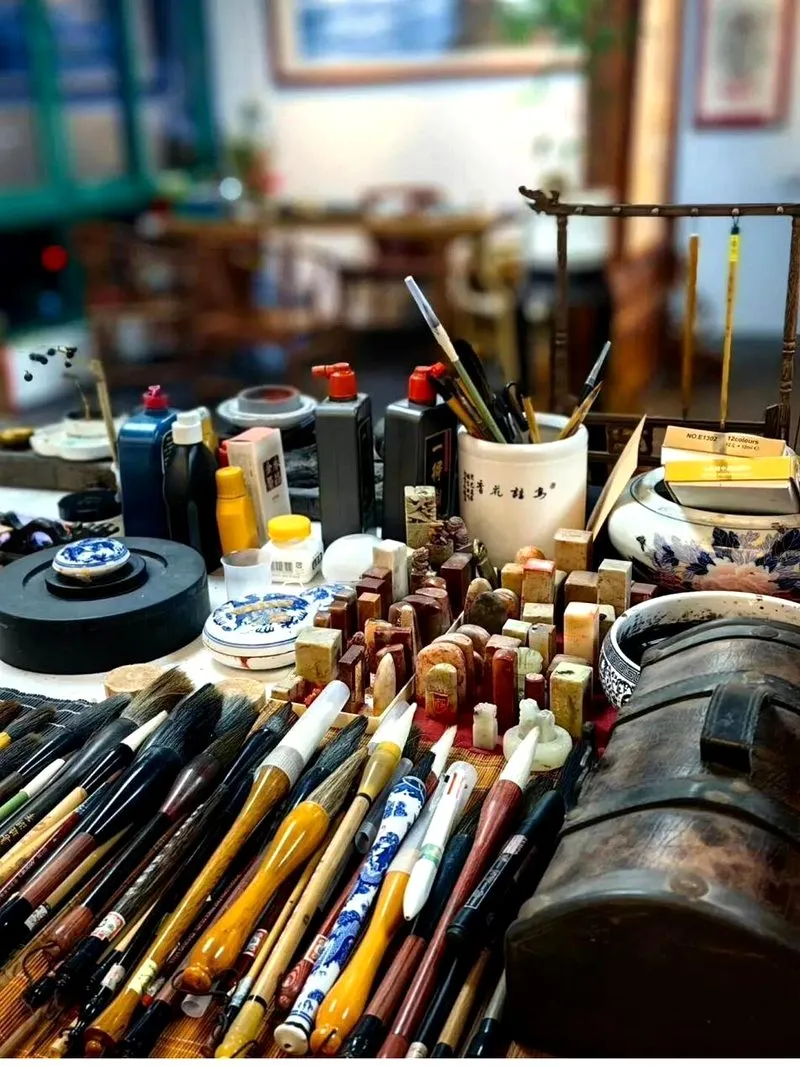
FuBlessings hand-brushes each 平安 (Píng Ān) to order, in ink on rice paper — never printed, never repeated.
Bring 平安 home — choose how you'd like it brushed.
-
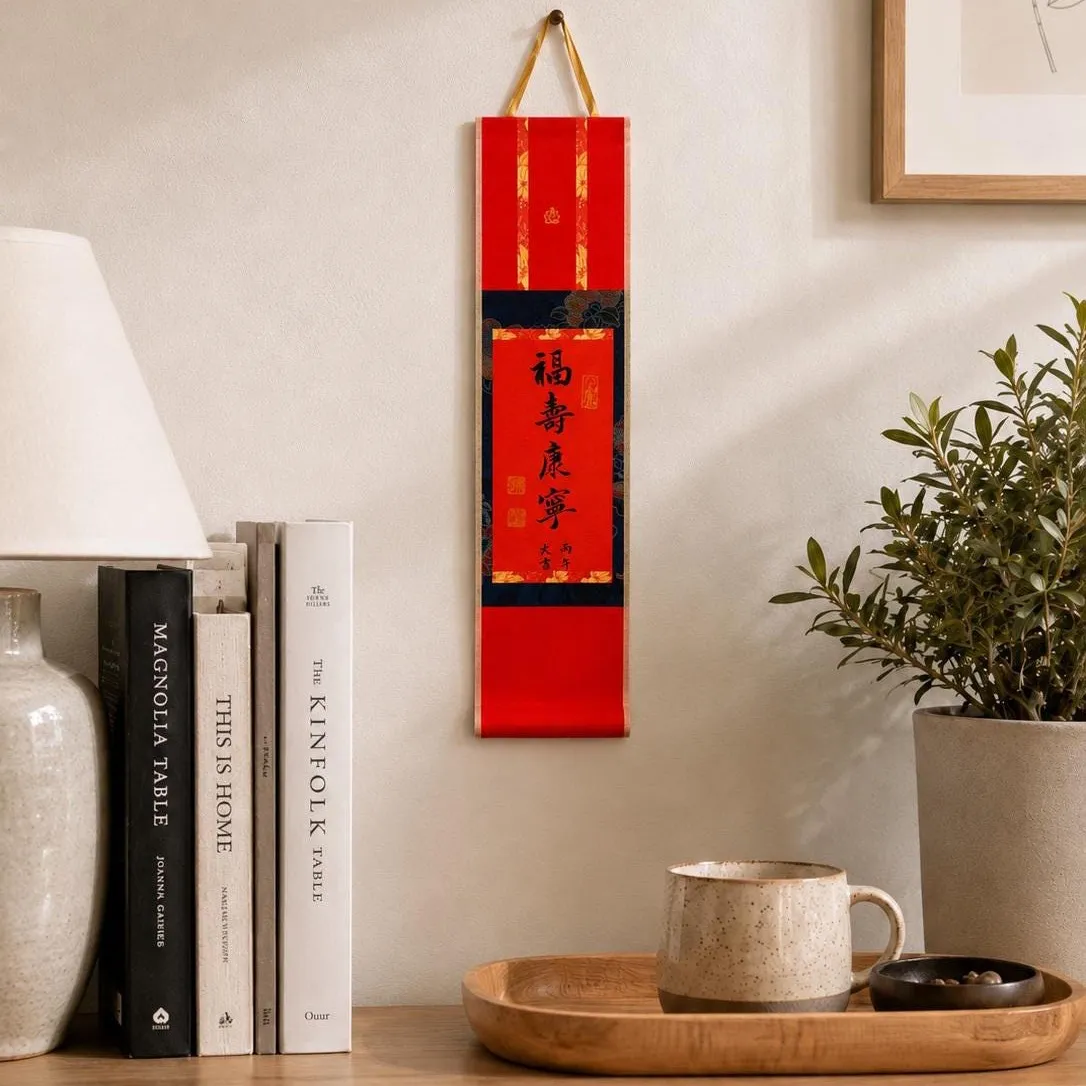
Photo shows a sample — yours will be brushed with 平安, or any character you choose.
Wall Scroll — for walls & housewarmingsfrom $38→ -
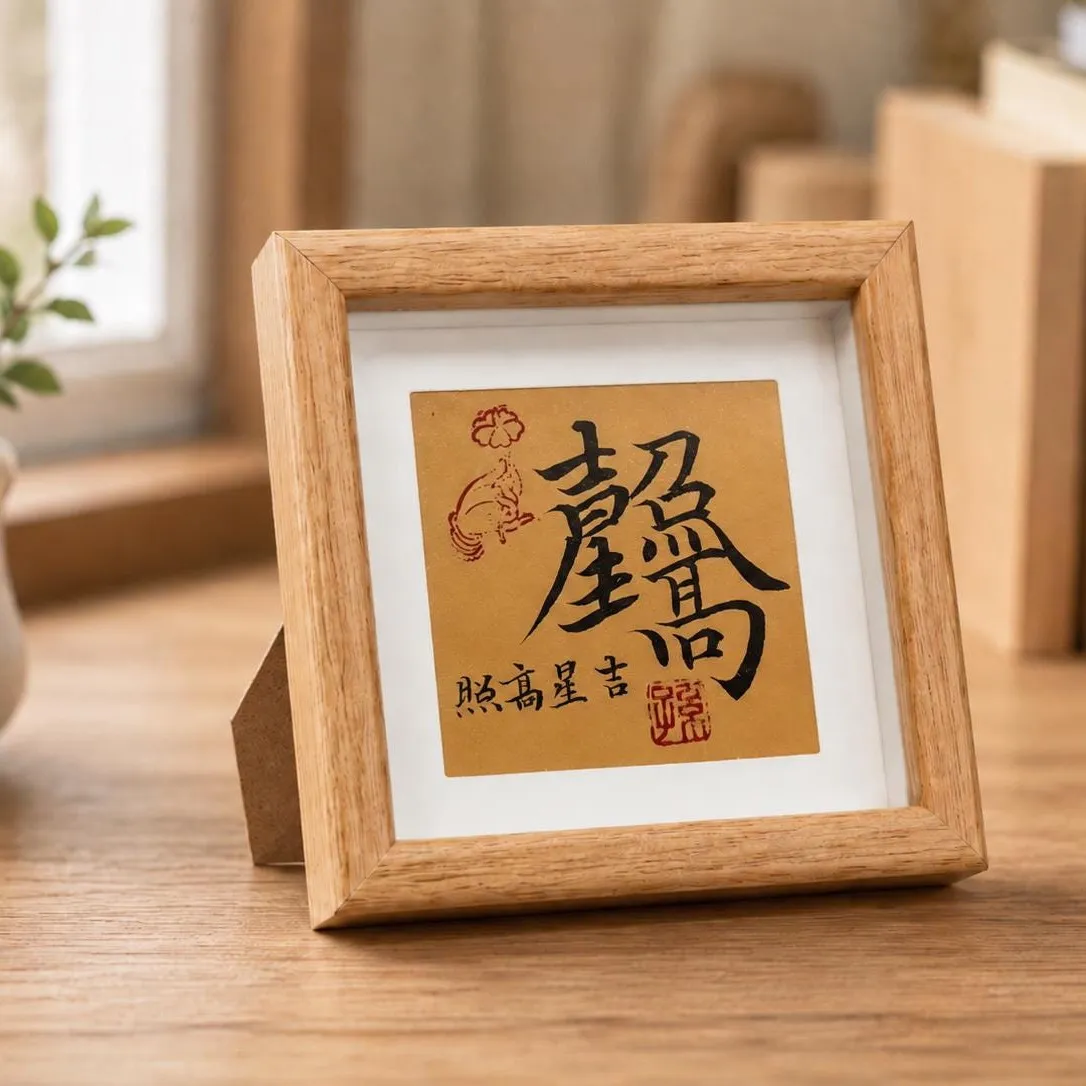
Photo shows a sample — yours will be brushed with 平安, or any character you choose.
Desk Frame — for desks, studies & studiosfrom $44→ -
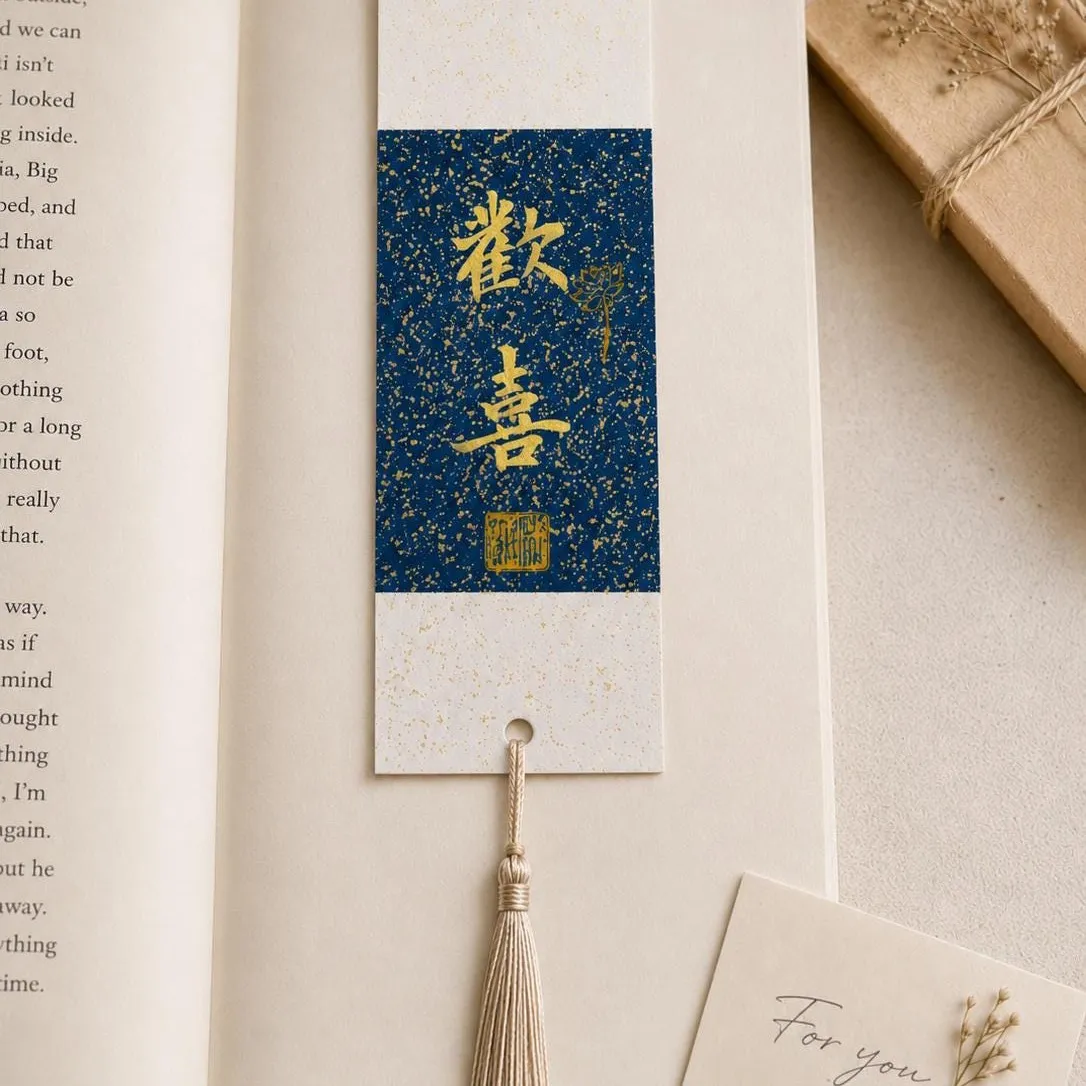
Photo shows a sample — yours will be brushed with 平安, or any character you choose.
Bookmark — for readers & small thank-yousfrom $14→
What people said after it arrived.
-
The item is fantastic. The customer service was genuine. Thanks!
— M.Verified purchase · from our Etsy shop reviews · -
They were great they gave me exactly what I asked for and then some. Thank you!!
— G.Verified purchase · from our Etsy shop reviews · -
It is well designed and customized. My daughter loves it. Amazing gift for family’s d friends
— S.Verified purchase · from our Etsy shop reviews ·
Each "平安" is hand-brushed by FuBlessings on rice paper.
See 平安 (Píng Ān) on Etsy →