如意 (rú yì) — As You Wish · Aligned with the Heart
A two-character word, not a single character.
如意 is the most generous blessing in Chinese — because it does not presume to know what the other person needs. Where other wishes name a specific outcome (wealth, health, longevity), 如意 defers to the recipient’s own heart. It says: I do not know what you are quietly hoping for, but whatever it is, I hope it comes. This quality of trust — the refusal to project your own hopes onto someone else — is what makes 如意 the blessing of choice for transitions: graduations, weddings, new careers, new years. It honors the other person’s will without trying to direct it.
The phrase also names one of the most distinctive objects in Chinese material culture: the 如意 scepter, an S-curved wand made of jade, gold, or carved wood, with a head shaped like the lingzhi mushroom of immortality. The Qing imperial collection held thousands of them. Emperors gave them to empresses on wedding days; officials presented them at New Year audiences; scholars exchanged them as tokens of mutual respect. The scepter’s form — a curved reach ending in a cloud-shaped head — embodies the blessing’s meaning: it extends toward what you cannot quite grasp on your own. The motif is so pervasive that the repeating cloud patterns on Chinese roof eaves are stylized 如意 shapes, the wish made architectural.
A hand-brushed “如意” by FuBlessings is a fitting gift for the person at a turning point — a graduate stepping into a future only they can map, a friend changing direction, a couple building a life on their own terms. It is the blessing that says: I trust where you are heading, and I hope the road agrees.
- as the heart wishes
- alignment with intention
- what you quietly hoped for, arriving
- the road agreeing with you
- wish granted Too transactional. 如意 is not about a request fulfilled but about a deeper alignment between life and the heart's direction.
- good luck Too random. 如意 is specifically about what the recipient hopes for — not blanket luck, but luck shaped to fit.
The short arms are the point: these readings don’t reach it.
- 如 according to / in accord withA woman beside a mouth — to follow, to go along with. Names the alignment: the matching of one thing to another, circumstance shaped to fit the contour of intention.
- 意 intention / the heart's willSound (音) above heart (心) — what the heart sounds like when it speaks honestly. Not surface desire but underlying intention, the direction a person is quietly oriented toward.
characters
- 万事如意 wàn shì rú yì may ten thousand things go as you wish — the second most common New Year greeting
- 吉祥如意 jí xiáng rú yì auspicious and aligned — favorable signs meeting personal will
- 称心如意 chèn xīn rú yì fitting the heart, matching the will — internal satisfaction
- 心想事成 xīn xiǎng shì chéng what the heart imagines, comes to pass — the active version
- 如意算盘 rú yì suàn pán the ruyi abacus — to make plans assuming things will go your way
Cinnabar marks the characters 如意 actually contains. The dark row is a relative by meaning or by sound, not one shared stroke.
The Story Behind the Character
如 (rú) means "according to, in accordance with, as" — the character of alignment. Its oldest forms show a woman (女) beside a mouth (口), and the Shuowen Jiezi reads it as 从随也 — "to follow, to go along with." 意 (yì) is one of the richest characters in Chinese: it combines 音 (sound) over 心 (heart), and means "intention, meaning, the will beneath the words." What the heart sounds like when it speaks honestly. Together, 如意 does not mean "getting what you want" in any grasping sense. It means alignment between circumstance and intention — the rare condition where what happens and what you hoped for turn out to be the same thing.
The compound first appears in early Buddhist texts translated into Chinese, where 如意 described a state of spiritual fruition — the practitioner whose practice and inner life had come into accord. But the phrase quickly escaped its religious origins. By the Han dynasty, 如意 had become a common blessing inscribed on jade, silk, and bronze, and it had also become the name of a physical object: the 如意 scepter, an S-curved ceremonial wand made of jade, gold, or ruyi-shaped wood that emperors held and scholars exchanged as gifts. The scepter's head is shaped like the lingzhi mushroom (灵芝), the legendary fungus of immortality, and its curved form is said to represent the shape of a back-scratcher — an object that reaches the spot you cannot reach yourself. The metaphor is deliberate: 如意 is the condition where life reaches the places your own effort alone cannot.
What makes the compound greater than its parts is its generosity. 如 without 意 is mere conformity — things going along without direction. 意 without 如 is intention without fulfillment — wanting clearly but not arriving. 如意 names the marriage of the two: a life that unfolds in the direction the heart was quietly pointing. It is the blessing that trusts the other person to know what they need.
Classical lines
万事如意。 May ten thousand things go as you wish.
The most expansive form of the blessing: not one thing, not some things, but everything aligned with the heart's intention.
吉祥如意。 Auspicious fortune, aligned with your will.
The pairing of heaven's favor (吉祥) with personal fulfillment (如意): both cosmic luck and intimate satisfaction, together.
称心如意。 Fitting the heart, matching the will.
A phrase that insists on internal measure: the standard is not the world's opinion but the person's own sense of what is right.
Why This Character Matters
The 如意 scepter is one of the most recognizable objects in Chinese imperial art — and one of the least understood in the West. The Qing dynasty palace collection at the National Palace Museum in Taipei holds over three thousand 如意 scepters, more than any other single category of ceremonial object. Emperors gave them to empresses on wedding days. Officials presented them to the throne at New Year. The object's distinctive S-curve, ending in a cloud-shaped or mushroom-shaped head, appears in architecture, textiles, and furniture across East Asia. When you see the repeating cloud motif on a Chinese building's eaves, you are looking at a stylized 如意 — the wish, made architectural.
In everyday Chinese life, 万事如意 ("may ten thousand things go as you wish") is the second most common New Year greeting after 恭喜发财 — and arguably the more personal one. 恭喜发财 wishes for wealth. 万事如意 wishes for alignment. It does not presume to know what you want; it only hopes you get it. This is what makes 如意 a particularly graceful gift for someone at a transition — a graduate, a newlywed, a friend changing careers. You are not projecting your hopes onto them. You are honoring theirs.
A few characters live near "如意" but mean something quieter, sharper, or more specific. Here's how to tell them apart.
outcome aligned with intention — the heart's content arriving
smooth flow itself — moving with the current, no obstruction
alignment between life and inner direction — the deeper condition
joy from a specific event — the felt celebration, the bright moment
the recipient's own heart honored — not projecting hopes, hoping theirs come true
an auspicious omen — a specific positive sign from outside
如意 is among the gentlest of New Year wishes — not for any specific outcome, but that what the recipient quietly hopes for, comes.
- 如意 is among the gentlest of New Year wishes — not for any specific outcome, but that what the recipient quietly hopes for, comes. It assumes the other person knows their own heart.
- For the graduate stepping into a future they alone can map, 如意 is a precise blessing: I trust where you are heading, and I hope it goes the way you want it to.
- 如意 is a traditional wedding inscription — a wish that the life being built unfolds the way the couple themselves are hoping, not the way anyone else expects.
- For a friend at a turning point, 如意 honors what they want without naming it for them — a small, generous wish.
Friend · Best Friend · Family · Coworker · New Couple · Self · or yourself
Looking for a name? See Western names written in Chinese →
-
What does 如意 (rú yì) mean?
如意 (rú yì) is a two-character Chinese word for as you wish, aligned with the heart. 如意 is the most generous blessing in Chinese — because it does not presume to know what the other person needs. Where other wishes name a specific outcome (wealth, health, longevity), 如意 defers to the recipient's own heart. It says: I do not know what you are quietly hoping for, but whatever it is, I hope it comes. This quality of trust — the refusal to project your own hopes onto someone else — is what makes 如意 the blessing of choice for transitions: graduations, weddings, new careers, new years. It honors the other person's will without trying to direct it. The 如意 scepter is one of the most recognizable objects in Chinese imperial art — and one of the least understood in the West. The Qing dynasty palace collection at the National Palace Museum in Taipei holds over three thousand 如意 scepters, more than any other single category of ceremonial object. Emperors gave them to empresses on wedding days. Officials presented them to the throne at New Year. The object's distinctive S-curve, ending in a cloud-shaped or mushroom-shaped head, appears in architecture, textiles, and furniture across East Asia. When you see the repeating cloud motif on a Chinese building's eaves, you are looking at a stylized 如意 — the wish, made architectural.
-
What occasions is 如意 given for?
如意 is traditionally given for Chinese New Year, Graduation, Wedding, Birthday. 如意 is among the gentlest of New Year wishes — not for any specific outcome, but that what the recipient quietly hopes for, comes. It assumes the other person knows their own heart. For the graduate stepping into a future they alone can map, 如意 is a precise blessing: I trust where you are heading, and I hope it goes the way you want it to.
-
Who brushes the 如意 calligraphy?
FuBlessings hand-brushes each 如意 (Rú Yì) to order, in ink on rice paper — never printed, never repeated.
Bring 如意 home — choose how you'd like it brushed.
-
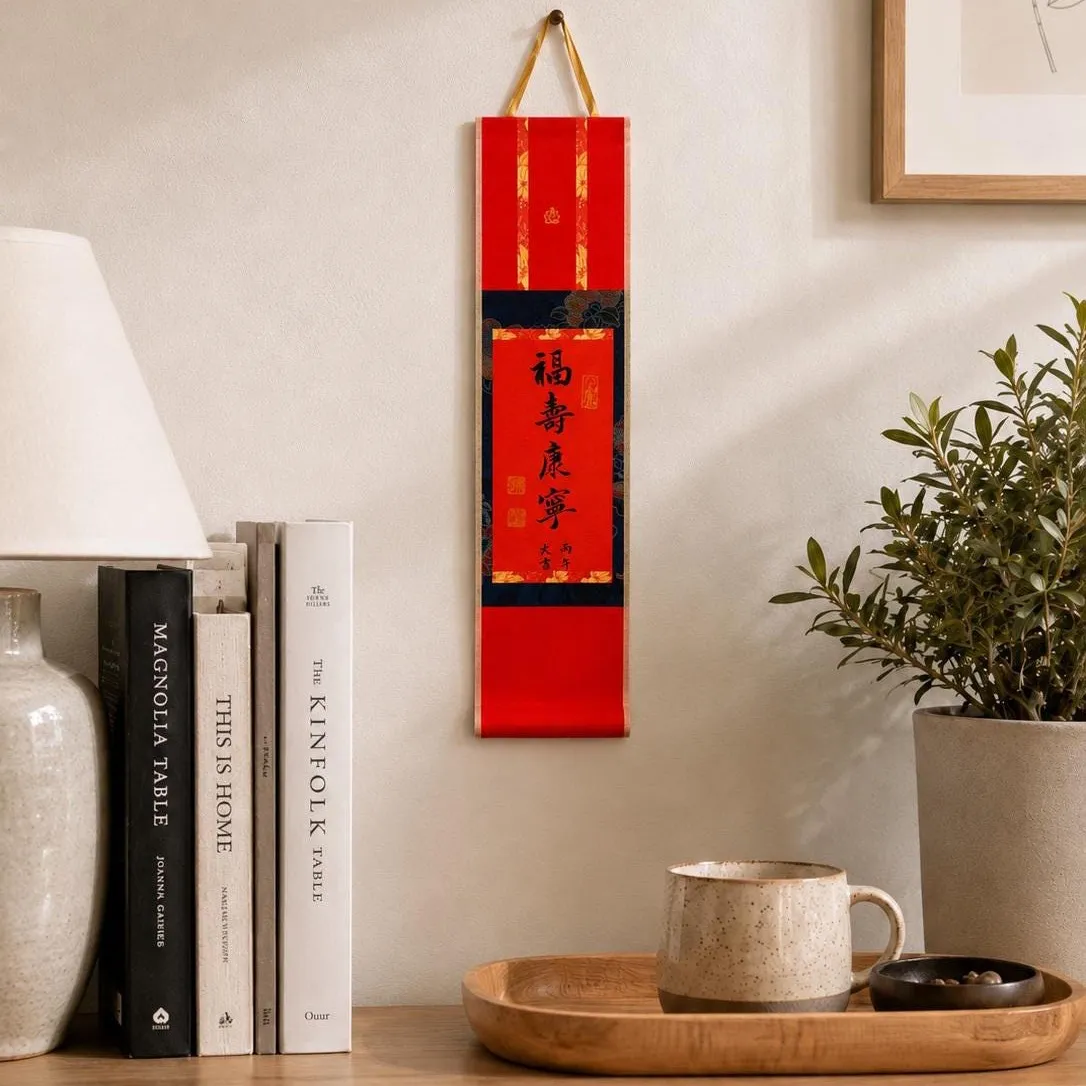
Photo shows a sample — yours will be brushed with 如意, or any character you choose.
Wall Scroll — for walls & housewarmingsfrom $38→ -
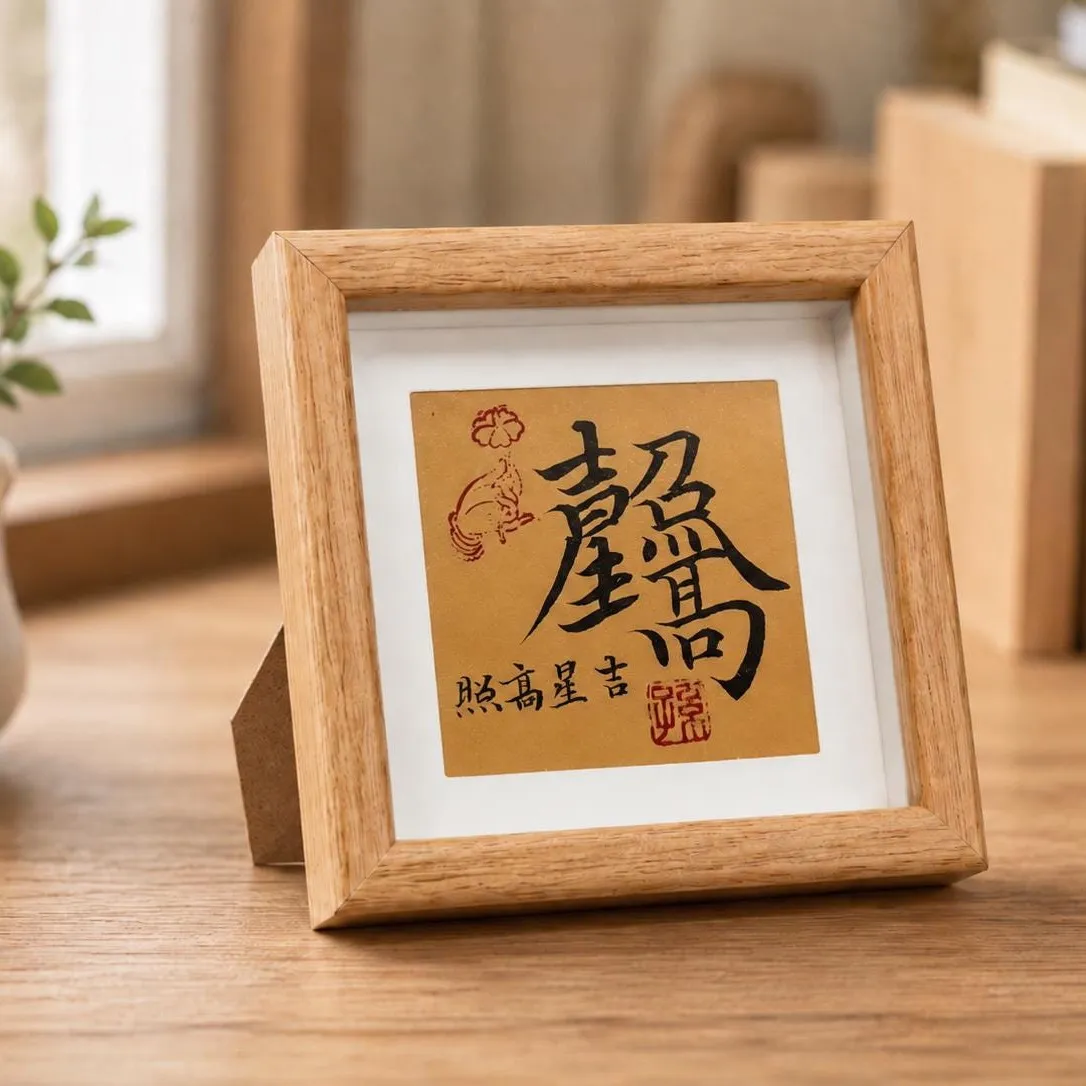
Photo shows a sample — yours will be brushed with 如意, or any character you choose.
Desk Frame — for desks, studies & studiosfrom $44→ -
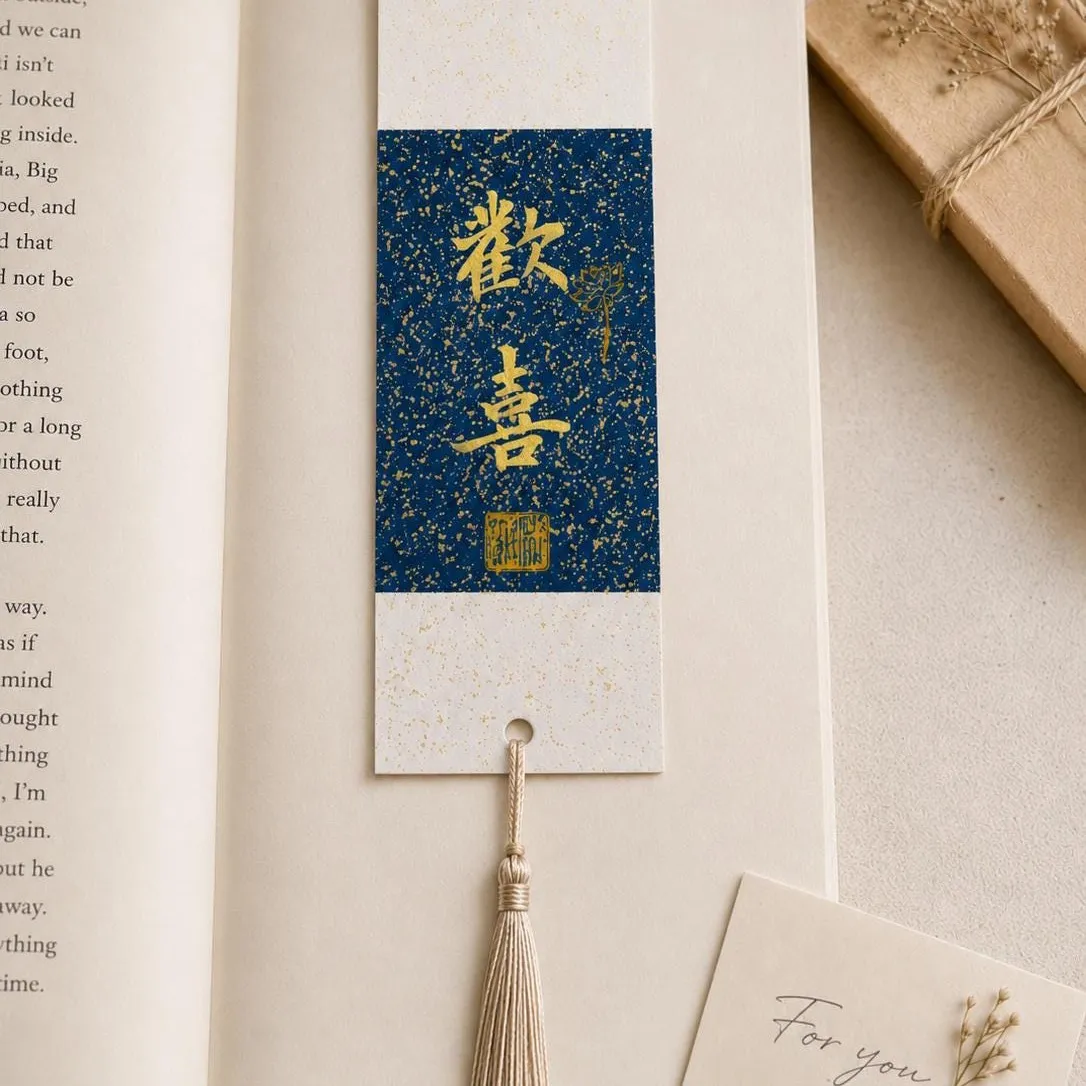
Photo shows a sample — yours will be brushed with 如意, or any character you choose.
Bookmark — for readers & small thank-yousfrom $14→
What people said after it arrived.
-
The item is fantastic. The customer service was genuine. Thanks!
— M.Verified purchase · from our Etsy shop reviews · -
They were great they gave me exactly what I asked for and then some. Thank you!!
— G.Verified purchase · from our Etsy shop reviews · -
It is well designed and customized. My daughter loves it. Amazing gift for family’s d friends
— S.Verified purchase · from our Etsy shop reviews ·
Each "如意" is hand-brushed by FuBlessings on rice paper.
See 如意 (Rú Yì) on Etsy →