顺 (shùn) — Smooth Going · Flowing Well · Without Obstruction
A single character.
Every other blessing character wishes for something to arrive — luck, health, prosperity. 顺 wishes for something to stay away: the obstacle you didn’t see coming, the friction that turns a good year into an exhausting one. It is the most practical wish in the Chinese blessing vocabulary.
The character shows up everywhere transitions happen. It’s in the New Year couplets on front doors — 一帆风顺, smooth sailing with a fair wind. It’s the word families reach for when a couple moves into a new home, when a child starts a new school, when someone launches a business. 顺 doesn’t promise the destination will be wonderful. It promises the road there won’t fight you.
A hand-brushed 顺 by FuBlessings is the gift for someone standing at a beginning — the friend about to move, the couple settling into a new home, the person whose year ahead depends on things going as planned. Where 福 blesses broadly, this character blesses precisely: may your path be clear.
- smooth going
- without obstruction
- flowing well
- in accord with the current
- easy Too passive. 顺 isn't about avoiding effort — it's about effort that meets no friction because it's aligned with how things actually work.
- lucky Too random. 顺 names a specific absence — the obstacle that doesn't appear, the sideways turn that never happens. That's not luck, it's clear passage.
- successful Too result-focused. 顺 describes the quality of the road, not the size of the destination. A modest plan can go 顺; an ambitious one can succeed without going 顺 at all.
The short arms are the point: these readings don’t reach it.
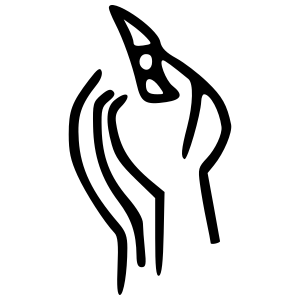
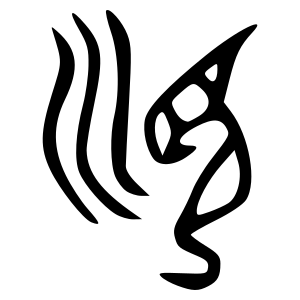
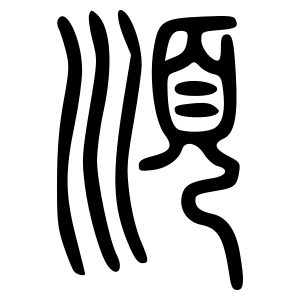
- 川 a river currentOriginally a picture of water flowing in parallel lines. It names the direction things are already going — the current that exists whether or not you cooperate with it.
- 页 a head turningA pictograph of a human head, often signaling direction or orientation. Together with 川, it shows someone turning to face the way the water flows — not fighting it, but going with it.
character
- 一帆风顺 yī fán fēng shùn smooth sailing with a fair wind — the most common New Year wish in Chinese
- 顺利 shùn lì going smoothly, without setbacks
- 顺心 shùn xīn going as one wishes — life unfolding the way the heart hoped
- 孝顺 xiào shùn filial — moving in accord with one's parents, the original 顺 in Chinese ethics
- 顺其自然 shùn qí zì rán let things take their natural course
The Story Behind the Character
The oldest forms of 顺 show a river current running in one direction beside a figure following it — not fighting the flow, but moving with it. The character combines 川 (chuān, river) with 頁 (yè, head), painting a picture of someone turning their head to follow the water's course.
By the time the first dictionary recorded it (说文解字, c. 100 CE), the definition had crystallized: "顺,理也" — to be in accord with the natural order of things. The river image had become a principle: 顺 is what happens when you stop pushing against the grain and let things proceed as they want to.
What makes 顺 unusual among Chinese blessing characters is its specificity. It doesn't ask for good fortune in general — it asks for the absence of a particular kind of bad luck: the unexpected obstacle, the sideways turn, the friction that makes even a good situation exhausting. Its opposite, 逆 (nì), means "against the current." 顺 is the current at your back.
Classical lines
一帆风顺年年好,万事如意步步高。 Smooth winds fill the sail year after year; all things go as wished, step by step climbing higher.
The New Year couplet hung on millions of doors, turning a maritime metaphor into an annual prayer.
顺天者存,逆天者亡。 Those who follow heaven's way survive; those who go against it perish.
Mencius arguing that working with natural forces, not against them, is the difference between thriving and being destroyed.
Why This Character Matters
During Chinese New Year, one of the most common phrases people exchange is 一帆风顺 — "smooth sailing with a fair wind." It shows up on red banners, in text messages, and in toasts at family dinners. The phrase captures something specific about what Chinese people wish for at the start of a new year: not necessarily wealth or fame, but the simpler hope that plans will actually work out the way they were drawn up.
顺 sits alongside 福, 禄, and 寿 in the constellation of traditional blessing characters, but it plays a different role. Where the others ask for big abstract goods — fortune, prosperity, long life — 顺 asks for something practical: that the path between here and there be clear. That pragmatism is why Chinese families reach for it at transitions — new homes, new marriages, new ventures — moments when the stakes are real and the wish for smooth passage is the most useful thing anyone can offer.
顺 is a warm, practical blessing that Chinese people use constantly — 一帆风顺 is one of the most common New Year greetings. Seeing it as a tattoo, a native speaker would find it pleasant and well-intentioned, though slightly unusual as a tattoo choice. It reads as someone who values life going smoothly over dramatic ambition.
Calligraphy Styles for Tattoos
- Regular script (楷书 kǎishū) Best for tattoos
顺 has 9 strokes with a left-right split between 川 and 页. Regular script keeps the river strokes parallel and the right side structured. Clean and balanced at moderate sizes.
- Running script (行书 xíngshū) Excellent for tattoos
Running script brings out the flowing-water quality embedded in 顺's meaning. The left side 川 naturally lends itself to fluid brushwork, and the right 页 softens without losing form. Works beautifully at 2+ inches.
Common Mistakes to Avoid
- Writing the left side as three identical vertical strokes instead of the proper 川 formIntended: 顺 with 川 (river) showing natural variation in stroke length
川 is not three equal lines — the strokes vary in length and curve. Making them identical and rigidly parallel loses the river imagery and makes the character look mechanical rather than calligraphic.
- Confusing 顺 (smooth) with 须 (must/beard) due to similar right componentIntended: 顺 meaning smooth passage
顺 and 须 both contain the 页 radical on the right, but their left sides are completely different (川 vs 彡). A sloppy left component can turn your 'smooth sailing' tattoo into 'beard.' Always verify the complete character.
Notes for Your Tattoo Artist
9 strokes. The left side 川 should take about one-third of the width, with the right 页 taking two-thirds. The three strokes of 川 need slight variation — they're a river, not a barcode. Minimum size 1.5 inches. Key challenge: balancing the sparse left side against the denser right side.
A few characters live near "顺" but mean something quieter, sharper, or more specific. Here's how to tell them apart.
movement that meets no resistance — the road is open
stillness that holds no threat — the place is safe
alignment with the current of events — things proceed as drawn
alignment between people — the harmony of a room without conflict
the specific wish for a clear path ahead
the whole life that works — the wish that holds every other wish
顺 at New Year names a specific hope: that the year ahead unfolds as planned, without the sideways turns that knock even good years off course.
- 顺 at New Year names a specific hope: that the year ahead unfolds as planned, without the sideways turns that knock even good years off course. The right choice for the friend whose new year carries real stakes.
- Housewarming · A New HomeA new home is the start of something — and 顺 is the wish that the start proceeds without friction. Where 安 asks for peace and 福 asks for blessing, 顺 asks specifically that the new chapter goes the way they intend.
Friend · New Couple · Grandparent · or yourself
Looking for a name? See Western names written in Chinese →
-
What does 顺 (shùn) mean?
顺 (shùn) is the Chinese character for smooth going, flowing well, without obstruction. Every other blessing character wishes for something to arrive — luck, health, prosperity. 顺 wishes for something to stay away: the obstacle you didn't see coming, the friction that turns a good year into an exhausting one. It is the most practical wish in the Chinese blessing vocabulary. During Chinese New Year, one of the most common phrases people exchange is 一帆风顺 — "smooth sailing with a fair wind." It shows up on red banners, in text messages, and in toasts at family dinners. The phrase captures something specific about what Chinese people wish for at the start of a new year: not necessarily wealth or fame, but the simpler hope that plans will actually work out the way they were drawn up.
-
What occasions is 顺 given for?
顺 is traditionally given for Chinese New Year, Housewarming · A New Home. 顺 at New Year names a specific hope: that the year ahead unfolds as planned, without the sideways turns that knock even good years off course. The right choice for the friend whose new year carries real stakes. A new home is the start of something — and 顺 is the wish that the start proceeds without friction. Where 安 asks for peace and 福 asks for blessing, 顺 asks specifically that the new chapter goes the way they intend.
-
Is 顺 a good Chinese tattoo?
顺 is a warm, practical blessing that Chinese people use constantly — 一帆风顺 is one of the most common New Year greetings. Seeing it as a tattoo, a native speaker would find it pleasant and well-intentioned, though slightly unusual as a tattoo choice. It reads as someone who values life going smoothly over dramatic ambition.
-
Who brushes the 顺 calligraphy?
FuBlessings hand-brushes each 顺 (Shùn) to order, in ink on rice paper — never printed, never repeated.
Bring 顺 home — choose how you'd like it brushed.
-
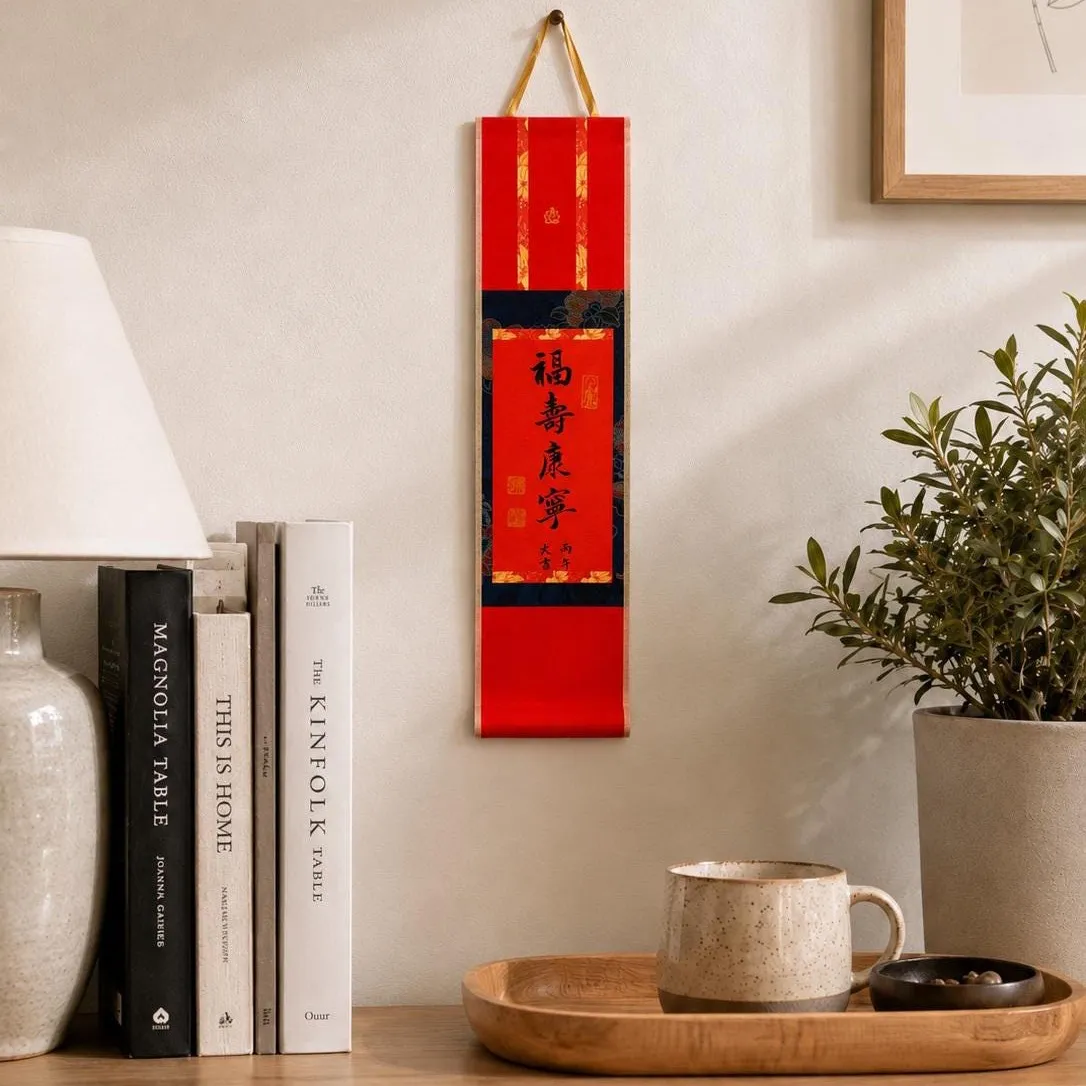
Photo shows a sample — yours will be brushed with 顺, or any character you choose.
Wall Scroll — for walls & housewarmingsfrom $38→ -
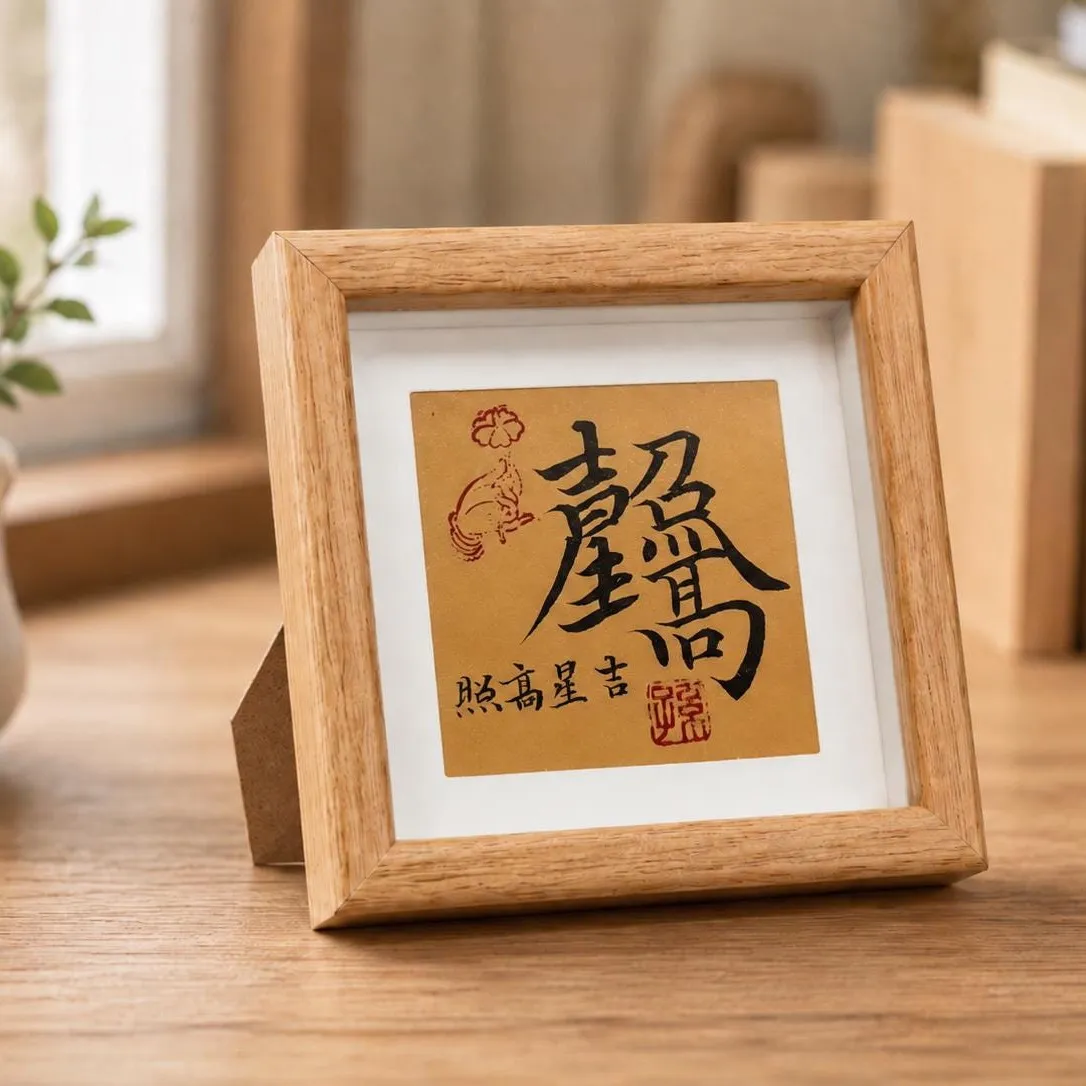
Photo shows a sample — yours will be brushed with 顺, or any character you choose.
Desk Frame — for desks, studies & studiosfrom $44→ -
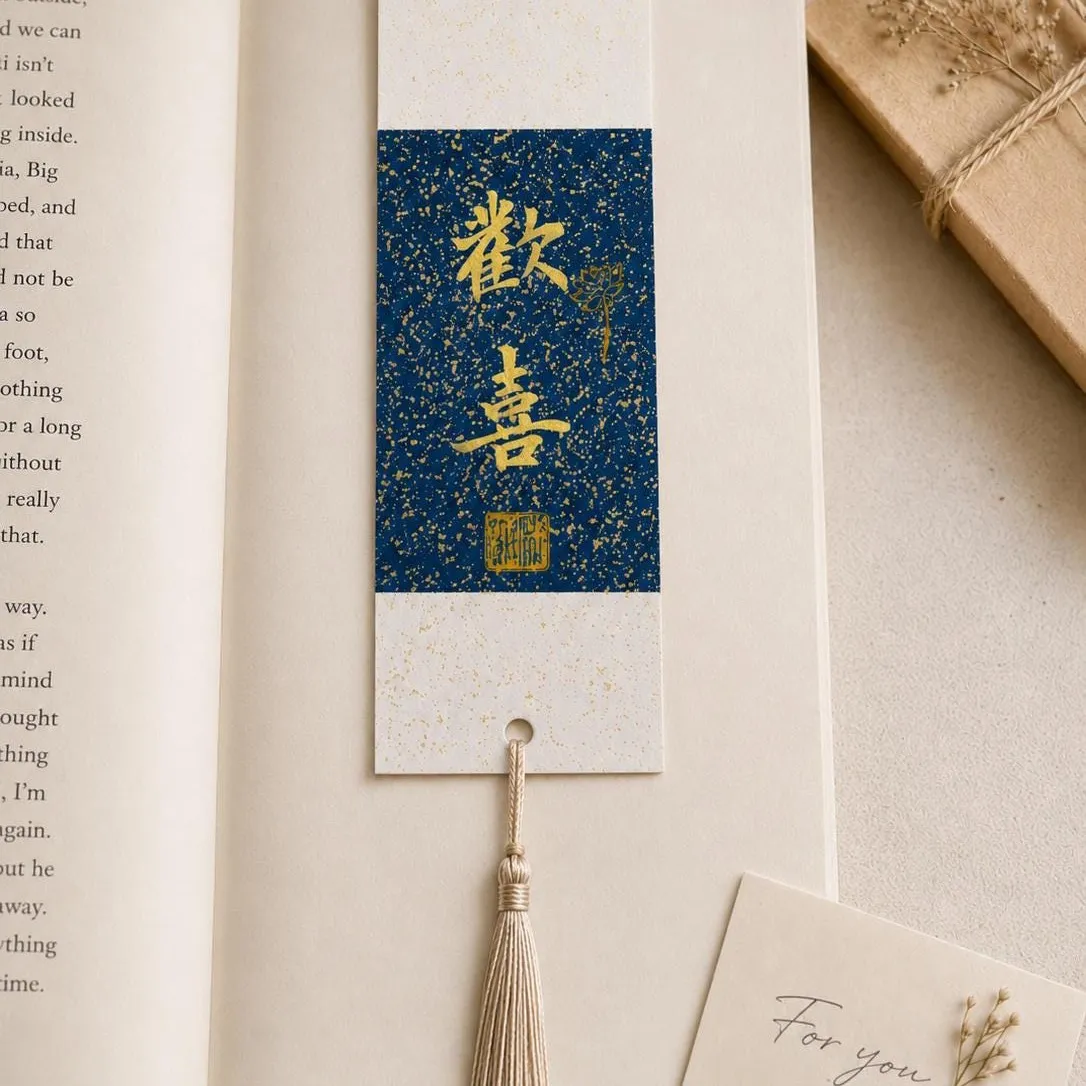
Photo shows a sample — yours will be brushed with 顺, or any character you choose.
Bookmark — for readers & small thank-yousfrom $14→
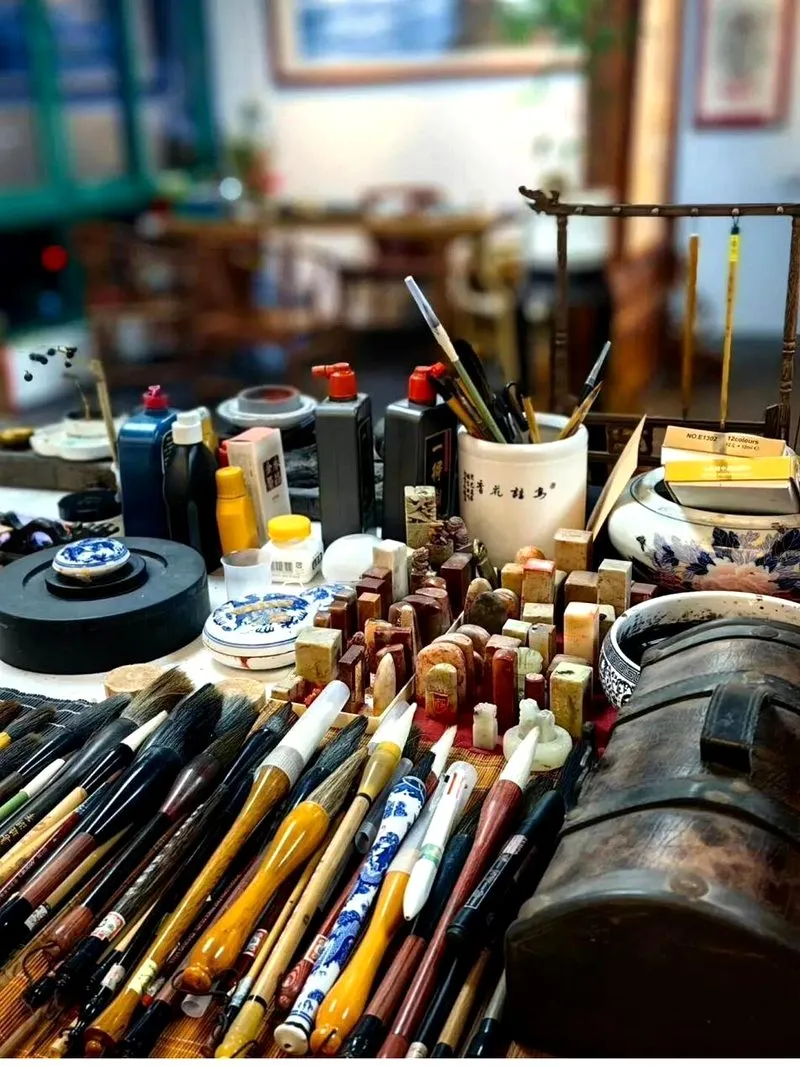
What people said after it arrived.
-
The item is fantastic. The customer service was genuine. Thanks!
— M.Verified purchase · from our Etsy shop reviews · -
They were great they gave me exactly what I asked for and then some. Thank you!!
— G.Verified purchase · from our Etsy shop reviews · -
It is well designed and customized. My daughter loves it. Amazing gift for family’s d friends
— S.Verified purchase · from our Etsy shop reviews ·
Each "顺" is hand-brushed by FuBlessings on rice paper.
See 顺 (Shùn) on Etsy →