强 (qiáng) — Strength · Vigorous Capacity · The Power to Act
A single character.
Laozi’s distinction is worth beginning with: 胜人者有力,自胜者强 — he who overcomes others has force; he who overcomes himself is strong. The observation separates 强 from every adjacent virtue in the catalog. 力 (force) and 勇 (courage) are both directed outward, at opposition. 刚 (principled firmness) names what the interior does not do — yield. 强 names the active, constitutive power that a person has built and continues building — what Mencius called capacity (能) joined to will, the combination that makes genuine action possible rather than merely admirable. In Chinese ethical life, the phrase this produces is 自强不息: ceaseless self-strengthening. Not strength as an attribute possessed, but as a practice returned to.
In Chinese life, 强 has been the character behind the most consequential modern aspirations. 自强不息 appears on the Tsinghua University crest, paired with 厚德载物 — strong capacity alongside moral formation. Naming a son 强 has been among the most common parental choices for generations: not 力强 (brute force) but 强 as the quality built through the multiplication of effort the Zhongyong describes, the strength that reaches even those who did not start strong. At a father’s milestone, it names the underlying power — physical and moral together — that made the years of provision and protection possible, the foundation on which everything else was built.
A hand-brushed 强 by FuBlessings works at two registers simultaneously. For the father or husband whose years have demanded genuine capacity and whose record proves it, it names the source: not the character accumulated (德) nor the firmness that held (刚), but the power itself. For the new graduate, it is less retrospective and more precise — the recognition that something has been built, tested, and is now ready to act. 自强不息: the work continues, but the foundation is now in place.
- strength
- vigorous capacity
- the power to act
- potency
- force Force (力) is raw and directed outward at what opposes you. 强 is built capacity joined to will — Laozi's point that overcoming others takes force, but overcoming yourself takes 强.
- toughness Toughness suggests merely taking a beating without breaking. 强 is active — the power to do, not just to absorb.
- dominance Dominance is power exercised over others. 强 is the capacity itself, which 自强不息 (ceaseless self-strengthening) aims inward, at building rather than ruling.
The short arms are the point: these readings don’t reach it.
- 弓 bowA bow, on the left. A bow at full draw is concentrated force held in readiness — the same image scholars saw in the arched back of the beetle the character originally named. It carries the sense of stored, directed power.
- 口 upper right elementThe small enclosed shape at the top right. In the modern character it is a structural component carried down from the older form rather than a meaning of its own.
- 虫 insectThe insect radical, beneath the 口. It preserves the character's origin: 强 in the first Chinese dictionary named a hard-shelled beetle whose mandibles pressed with a force that did not yield.
character
- 坚强 jiān qiáng firm and strong — resilient strength that holds under pressure
- 自强不息 zì qiáng bù xī ceaseless self-strengthening — to build one's strength without stopping
- 强大 qiáng dà powerful and great — strength joined to scale
- 富强 fù qiáng prosperous and strong — the classic pairing for a thriving nation
- 强健 qiáng jiàn robust and vigorous — physical strength and good health
The Story Behind the Character
China's first dictionary traces 強 to a beetle: "蚚也,从虫,弘声" — it names a specific insect, from the 虫 (insect) radical, with 弘 as the phonetic. The 蚚 was known for its hard carapace and the powerful pressing force of its mandibles — a creature that did not yield to what pressed against it because it was structurally built not to. The character for one of the language's most important virtues began, in other words, as a close observation of an insect's body.
The 弓 (bow) component in the modern simplified form 强 overlaps with this origin: a bow at full draw and a beetle's arched back are the same image — concentrated force held in readiness. The Shuowen Jiezi's 强/強 eventually shed its insect-specific meaning and generalized: powerful, capable, constitutively difficult to overcome. Classical Chinese then began the long project of distinguishing 强 from its neighbors. 力 (lì) names raw force. 勇 (yǒng) names the courage that acts in the presence of fear. 刚 (gāng) names the interior firmness that does not bend to external pressure. 强 names the combination of capacity and directed will — what a person can bring to bear, consistently, in the direction they choose.
The phrase that most clearly names 强's ideal form comes from the Great Commentary on the Yi Jing: 自强不息 (zì qiáng bù xī) — ceaseless self-strengthening. The first hexagram, 乾 (Heaven), produces a single instruction for the person of character: the movement of heaven is vigorous and constant; make yourself strong without ceasing. Not strength as a possession but as an ongoing practice — the active, returning effort to build what is needed and continue building it.
Classical lines
- roughly 500 years
- c. 800 BCE 《周易·乾卦·大象》
- c. 500 BCE 《老子》第三十三章
- c. 300 BCE 《礼记·中庸》第二十章
胜人者有力,自胜者强。 He who overcomes others has force. He who overcomes himself is strong.
Laozi's most precise definition of the distinction between 力 and 强. Force is directed outward, at what opposes you; 强 is directed inward, at the habits and limitations that keep you from your full capacity. A father or graduate demonstrating genuine 强 has won a harder contest than any external competition.
天行健,君子以自强不息。 The movement of heaven is constant and vigorous; the person of character makes themselves strong without ceasing.
The opening hexagram of the Yi Jing, and the sentence that generated 自强不息 — one of the most used four-character phrases in Chinese ethical life. The image is astronomical: heaven's revolution is the most reliable motion observable from earth. The standard for human 强 is set against that constancy.
人一能之,己百之;人十能之,己千之。果能此道矣,虽愚必明,虽柔必强。 Where others do it once, do it a hundred times; where others do it ten times, do it a thousand. Follow this path and, though you were dull, you will become clear; though you were weak, you will become strong.
The Zhongyong's answer to the question of whether 强 can be built by someone who does not start with it. The answer is yes — but the path is relentless multiplication of effort, not a shortcut.
Why This Character Matters
自强不息 — four characters from the Yi Jing — became the motto of Tsinghua University (清华大学) in 1914, paired with 厚德载物 from the same source. The pairing is deliberate: 强 as active capacity, 德 as the moral formation that directs it. Tsinghua's original couplet was not a motivational slogan but a diagnosis: the country had failed not because it lacked effort but because effort alone, without the moral direction of 厚德, tended to produce force (力) rather than genuine strength (强). A university that graduated people strong in 强 but empty of 德 had not done its work.
In Chinese speech, 强大 (qiáng dà) names the combination of power and scale that nations or institutions can achieve; 强健 (qiáng jiàn) names physical vigor; 强悍 (qiáng hàn) names a more aggressive, untamed strength; 顽强 (wán qiáng) names the tenacity that persists against all opposition. The gift character is 强 alone — the foundational quality from which all these compounds take their power, and the one that Laozi and the Zhongyong agree can only be measured by what it overcomes in the person who holds it.
强 is a strong, common word and a very common given name for men (as in 国强, 志强), so a Chinese viewer reads it as direct and grounded rather than poetic. As a tattoo it clearly signals personal strength and self-betterment, especially with the well-known phrase 自强不息 behind it. It reads as confident and earnest; it does not come across as boastful unless the calligraphy is heavy-handed.
Calligraphy Styles for Tattoos
- Regular script (楷书 kǎishū) Best for tattoos
强 is 12 strokes with a left-right build — the bow 弓 beside a stacked 口 over 虫. Regular script keeps the three parts distinct and the 虫 legible. Minimum recommended size: 2 inches.
- Running script (行书 xíngshū) Good for larger pieces
Running script gives 强 a sense of coiled motion that suits its meaning. But the right side packs two components vertically, so at small sizes the 虫 can blur. Best at 2.5+ inches.
- Cursive script (草书 cǎoshū) Only with an expert calligrapher
Cursive 强 can fuse the bow and the right-side stack into a shape that no longer reads clearly. Only attempt with a calligrapher experienced in cursive, who can keep the 弓 and 虫 distinguishable.
Common Mistakes to Avoid
- Tattooing the traditional 強 and the simplified 强 inconsistently across a phraseIntended: Either simplified 强 or traditional 強 throughout, not mixed
强 and 強 differ mainly in the lower-right element. If a tattoo sets 强 next to other characters in one form and 強 in another, the line looks inconsistent to a reader. Pick one system before the stencil is drawn.
- Writing the bow radical 弓 with an extra horizontal strokeIntended: 弓 as a clean three-stroke bow
弓 is three strokes — two turns and a hook. Adding a stroke pushes it toward unrelated shapes and unbalances the left side, which should stay narrow so the right-side stack has room.
Notes for Your Tattoo Artist
12 strokes. Built on a left-right balance: keep 弓 narrow and upright on the left, and let the right side carry the 口-over-虫 stack with the 虫 sitting squarely beneath. The most common error is letting the right side dominate so the bow gets squeezed, or crowding the 虫 so its legs lose definition. Plan for at least 2 inches to keep the insect radical clean.
A few characters live near "强" but mean something quieter, sharper, or more specific. Here's how to tell them apart.
the active power to act — capacity joined to directed will
the interior firmness that does not bend to outside pressure
built capacity aimed by will — strength as an ongoing practice
raw physical force — power before it is shaped or directed
the power that is ready to act, fear or no fear
the courage that acts in the presence of fear — the willingness to face it
For Father's Day when the gift should name the underlying capacity — the combined physical and moral power — that made the years of provision and protection possible.
- For Father's Day when the gift should name the underlying capacity — the combined physical and moral power — that made the years of provision and protection possible. 强 does not name a quality of character (that is 德) or an interior condition (that is 刚); it names the actual power of the person that those qualities required. For the father whose presence demanded, and demonstrated, genuine strength across the life of the family.
- For graduation when the gift should name what the graduate has actually built, not what they might develop. 强 is the active capacity now ready to be deployed — the combination of tested ability and directed will that a course of serious study produces. Distinguished from 毅 (the resolve demonstrated in difficulty) or 恒 (the constancy that sustained the work): 强 names the power itself, the foundation now in place.
强 is one of the characters we use to write Western names in Chinese. See it at work:
-
What does 强 (qiáng) mean?
强 (qiáng) is the Chinese character for strength, vigorous capacity, the power to act. Laozi's distinction is worth beginning with: 胜人者有力,自胜者强 — he who overcomes others has force; he who overcomes himself is strong. The observation separates 强 from every adjacent virtue in the catalog. 力 (force) and 勇 (courage) are both directed outward, at opposition. 刚 (principled firmness) names what the interior does not do — yield. 强 names the active, constitutive power that a person has built and continues building — what Mencius called capacity (能) joined to will, the combination that makes genuine action possible rather than merely admirable. In Chinese ethical life, the phrase this produces is 自强不息: ceaseless self-strengthening. Not strength as an attribute possessed, but as a practice returned to. 自强不息 — four characters from the Yi Jing — became the motto of Tsinghua University (清华大学) in 1914, paired with 厚德载物 from the same source. The pairing is deliberate: 强 as active capacity, 德 as the moral formation that directs it. Tsinghua's original couplet was not a motivational slogan but a diagnosis: the country had failed not because it lacked effort but because effort alone, without the moral direction of 厚德, tended to produce force (力) rather than genuine strength (强). A university that graduated people strong in 强 but empty of 德 had not done its work.
-
What occasions is 强 given for?
强 is traditionally given for Father's Day, Graduation. For Father's Day when the gift should name the underlying capacity — the combined physical and moral power — that made the years of provision and protection possible. 强 does not name a quality of character (that is 德) or an interior condition (that is 刚); it names the actual power of the person that those qualities required. For the father whose presence demanded, and demonstrated, genuine strength across the life of the family. For graduation when the gift should name what the graduate has actually built, not what they might develop. 强 is the active capacity now ready to be deployed — the combination of tested ability and directed will that a course of serious study produces. Distinguished from 毅 (the resolve demonstrated in difficulty) or 恒 (the constancy that sustained the work): 强 names the power itself, the foundation now in place.
-
Is 强 a good Chinese tattoo?
强 is a strong, common word and a very common given name for men (as in 国强, 志强), so a Chinese viewer reads it as direct and grounded rather than poetic. As a tattoo it clearly signals personal strength and self-betterment, especially with the well-known phrase 自强不息 behind it. It reads as confident and earnest; it does not come across as boastful unless the calligraphy is heavy-handed.
-
Who brushes the 强 calligraphy?
FuBlessings hand-brushes each 强 (Qiáng) to order, in ink on rice paper — never printed, never repeated.
Bring 强 home — choose how you'd like it brushed.
-
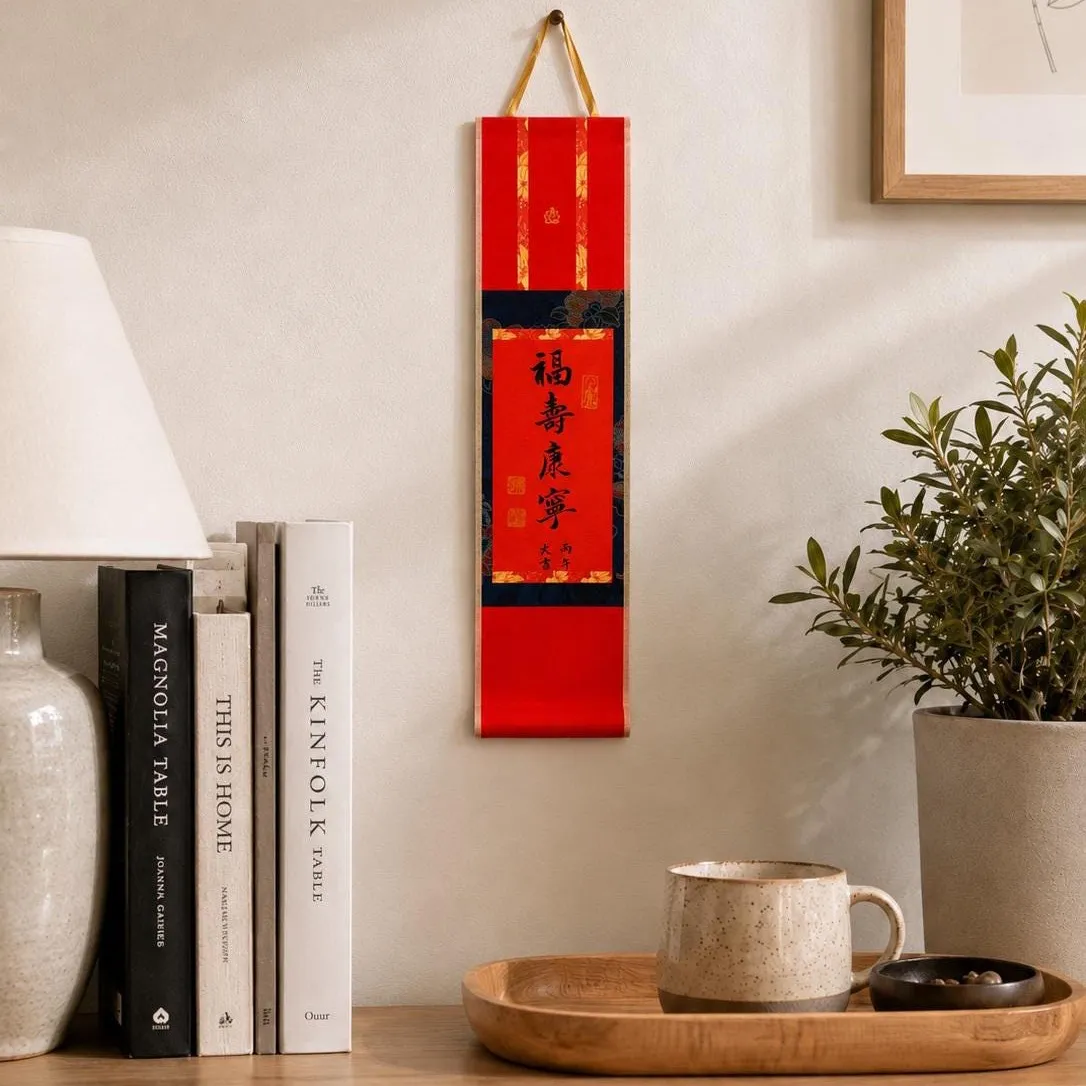
Photo shows a sample — yours will be brushed with 强, or any character you choose.
Wall Scroll — for walls & housewarmingsfrom $38→ -
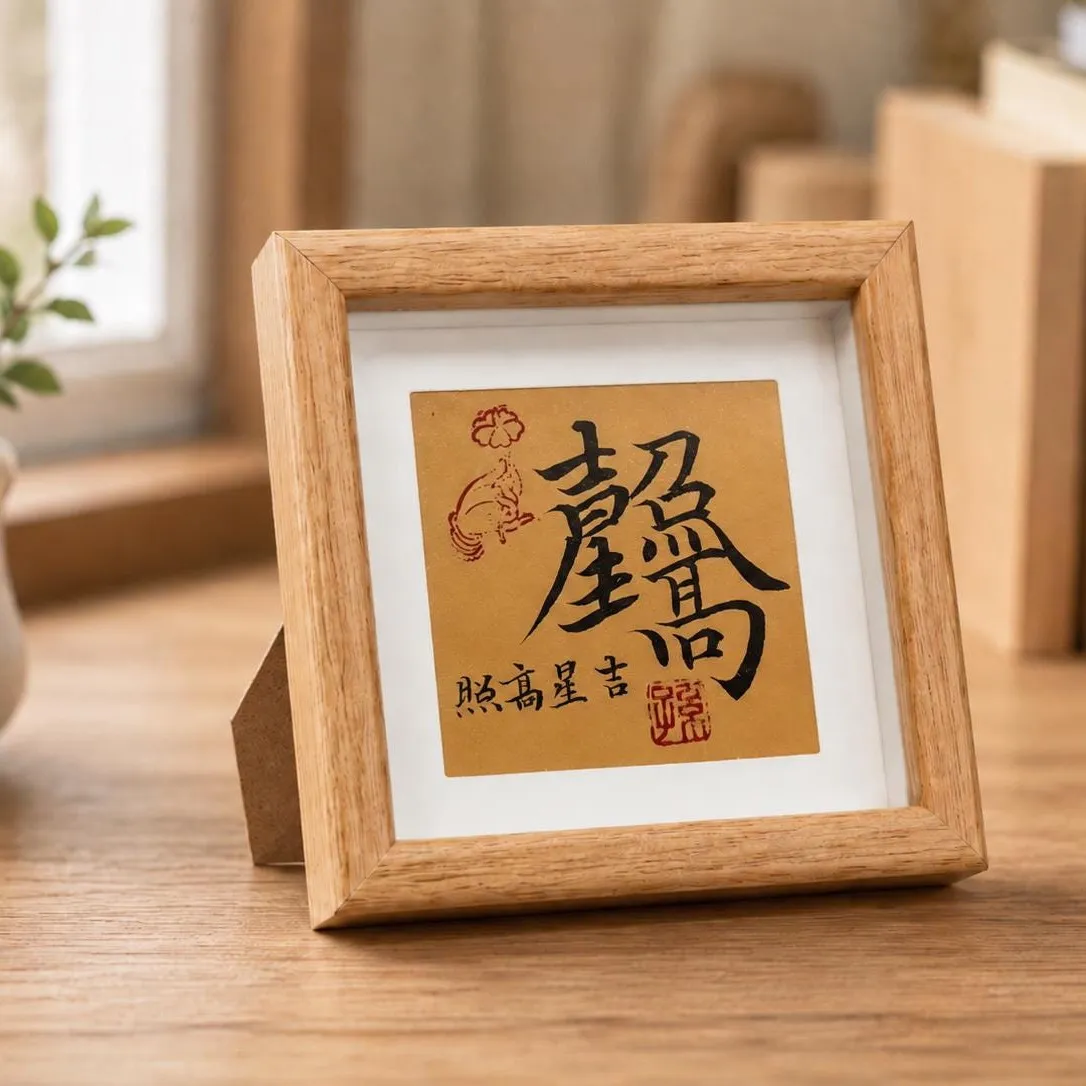
Photo shows a sample — yours will be brushed with 强, or any character you choose.
Desk Frame — for desks, studies & studiosfrom $44→ -
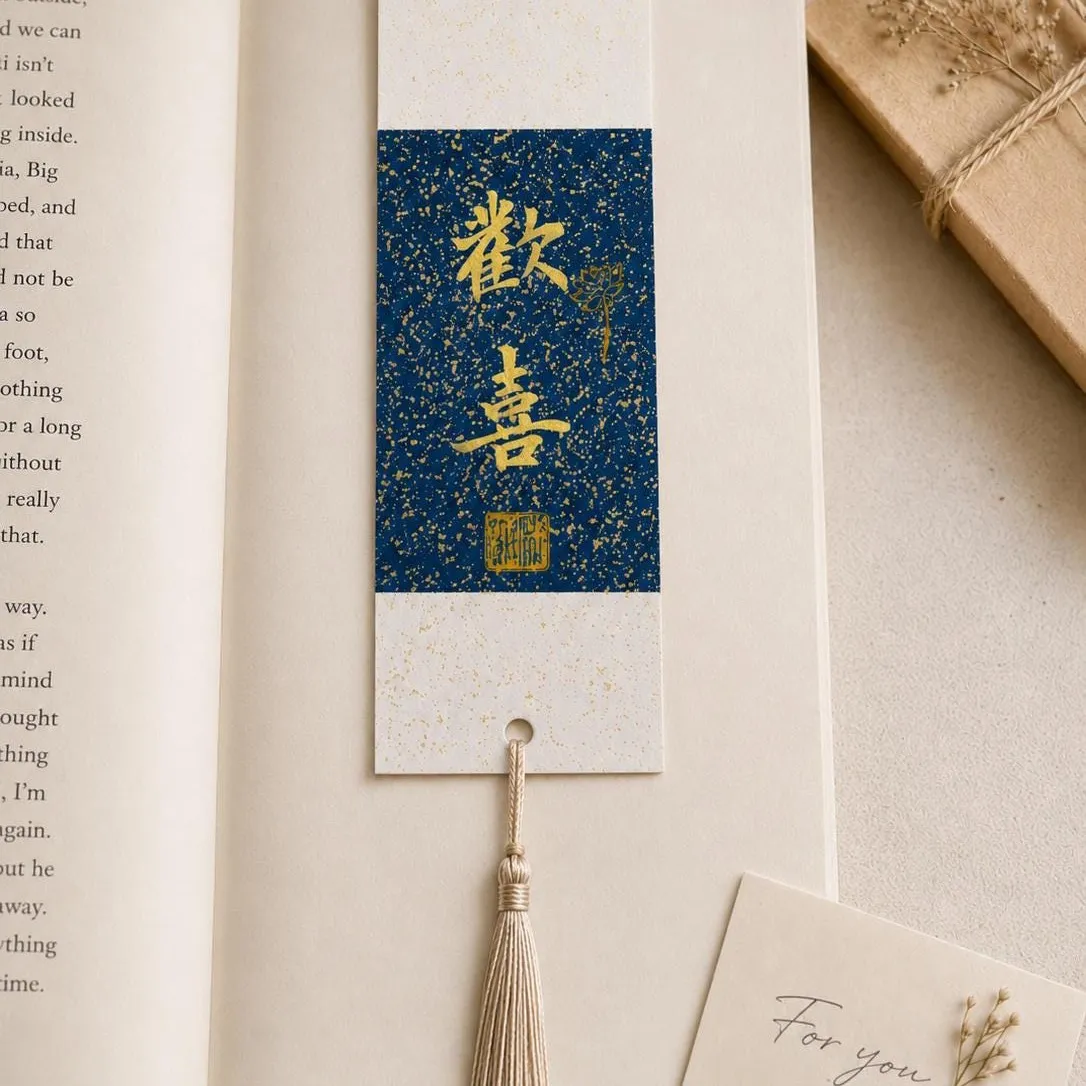
Photo shows a sample — yours will be brushed with 强, or any character you choose.
Bookmark — for readers & small thank-yousfrom $14→
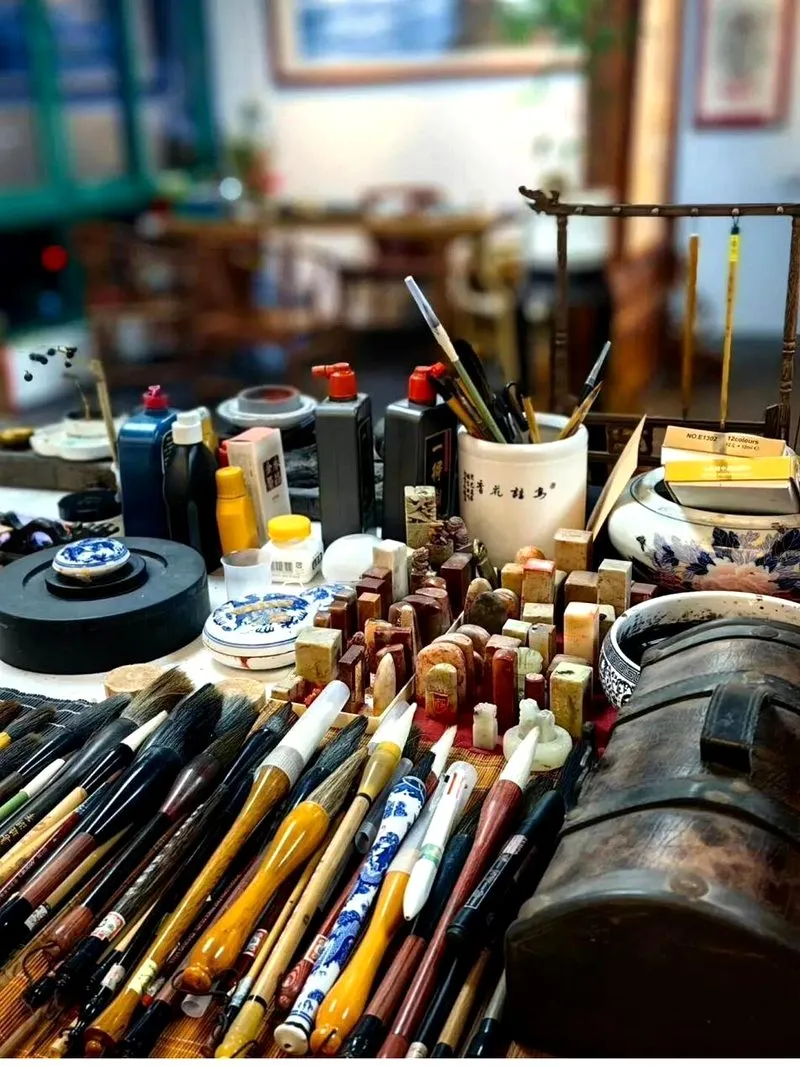
What people said after it arrived.
-
The item is fantastic. The customer service was genuine. Thanks!
— M.Verified purchase · from our Etsy shop reviews · -
They were great they gave me exactly what I asked for and then some. Thank you!!
— G.Verified purchase · from our Etsy shop reviews · -
It is well designed and customized. My daughter loves it. Amazing gift for family’s d friends
— S.Verified purchase · from our Etsy shop reviews ·
Each "强" is hand-brushed by FuBlessings on rice paper.
See 强 (Qiáng) on Etsy →