谦 (qiān) — Humility · Modesty · Unassuming Strength
A single character.
Chinese has no shortage of words for being good, but 谦 is the rare one aimed entirely at yourself — specifically, at how much room you leave around your own ability. 强 is strength made visible; 德 is the whole of a person’s character; 谦 is the single discipline of holding real capability and declining to advertise it. The 尚书 reduced its logic to four characters every schoolchild still copies out: 满招损,谦受益 — fullness invites loss, modesty receives gain. The promise is not that modesty makes you smaller. It is that staying low leaves you the only thing a full cup cannot hold: room to keep taking more in.
You hear it whenever Chinese praises someone genuinely capable. 谦虚 is the modest person who keeps asking questions; 谦让 is the instinct to yield the credit or the last word; 谦和 is the warmth of someone who holds rank lightly. To be called 谦谦君子 — a phrase the 周易 gave the language — is to be told your character stands on its own, with nothing propped up by self-praise. It is no accident that of all sixty-four hexagrams in the 周易, only 谦 carries good fortune in every line: a mountain that chooses to sit beneath the flat earth, the tallest thing in the landscape keeping itself low.
A hand-brushed 谦 by FuBlessings is the gift for the person whose strength is that it stays quiet — the boss who lets competence be discovered rather than displayed, the new graduate whose best protection against real talent is the habit of staying teachable, the father whose authority never needed announcing. It does not wish them success they already have. It names the harder thing they kept: the room to keep growing into it.
- humility
- modesty
- unassuming restraint
- keeping oneself low on purpose
- shyness Shyness (羞 / 腼腆) is a temperament you did not choose. 谦 is a choice — the 谦 person may be fully capable and sure of it, and simply declines to announce it.
- self-deprecation To run yourself down is to misjudge yourself. 谦 doesn't lower the estimate; it lowers the volume. 满招损,谦受益 — it is strategic restraint, not low self-worth.
- humble (humility as lowness) English 'humble' can shade into being beneath others. 谦 stays level — the mountain is still a mountain; it has simply chosen to sit under the earth, not to stop being tall.
The short arms are the point: these readings don’t reach it.
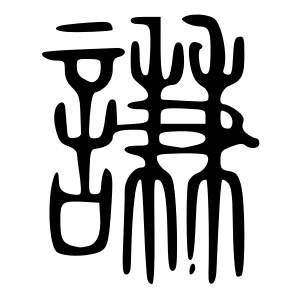
- 言 speechThe speech radical. Of all the places humility could be located, the character puts it in how a person talks about themselves — the modest person declines to make the claim their ability would justify.
- 兼 to hold two at once (sound + sense)A hand grasping two stalks of grain (contrast 秉, one stalk) — to manage more than your share. The one who can hold much yet speaks as if holding little. Supplies the sound qiān and the quiet logic of the whole character.
character
- 谦虚 qiān xū modest — literally 'modest and empty,' leaving room to take more in
- 谦逊 qiān xùn humble and deferential — modesty in how you carry yourself toward others
- 谦让 qiān ràng to yield modestly — to give up the seat, the credit, or the last word
- 谦和 qiān hé modest and amiable — unassuming without being cold or distant
- 谦谦君子 qiān qiān jūn zǐ a thoroughly modest gentleman — from the 周易, among the highest compliments to a person's character
The Story Behind the Character
The character hides a small picture of a hand and a harvest. The right-hand element, 兼 (jiān), shows a single hand reaching to grasp two stalks of grain at once — set it beside 秉 (bǐng), a hand holding just one stalk, and the difference is exact: 兼 is to hold two things together, to manage more than your share. It became the word for "both," for doing several things at once.
Put the speech radical 言 beside it and you get 谦. China's first dictionary (说文解字, c. 100 CE) glossed it in one word — 敬也, reverence — and built it as 从言兼声, meaning carried by 言, sound supplied by 兼. The choice of the speech radical is the whole point: of all the places humility could live, the character locates it in how a person talks. The 谦 person is the one who can hold two stalks but speaks as if holding one — who declines to make the claim their ability would justify.
The 周易 then lifted 谦 from a manner of speaking into a law of how the world balances itself: 天道亏盈而益谦 — heaven drains what is full and pours into what is low. By the time the 尚书 distilled it into four characters that every Chinese schoolchild still copies — 满招损,谦受益 — the meaning had settled for good. 谦 is not a small estimate of yourself. It is the disposition that stays low on purpose, because low ground is the only ground with room left to fill.
Classical lines
满招损,谦受益。 Fullness invites loss; modesty receives gain.
Six characters that became one of the most-copied lines in Chinese moral teaching. The logic is practical, not pious: the person who already feels full has no room to take anything in, while the one who stays modest keeps the space — and the appetite — to keep growing.
谦谦君子,卑以自牧也。 The thoroughly modest gentleman keeps himself low, and so tends his own character.
卑以自牧 borrows the image of herding: you keep your own pride in check the way a herdsman keeps cattle to the pasture. Modesty here is not passive — it is the daily, deliberate work of staying low enough to grow.
以能问于不能,以多问于寡;有若无,实若虚。 Able, yet asking the less able; knowing much, yet asking those who know little; having, as if having nothing; full, as if empty.
Zengzi's portrait of a friend he admired. It is the most precise description of 谦 in the classics: not pretending to be small, but staying open enough to learn from anyone, no matter how much you already hold.
Why This Character Matters
Of the sixty-four hexagrams in the 周易, exactly one has nothing but good fortune in all six of its lines — and it is 谦, hexagram 15. Its structure is a riddle made visual: the trigram for mountain (艮) placed beneath the trigram for earth (坤). The single tallest thing in the landscape, tucked under flat ground. That image — greatness that keeps itself lower than the plain around it — is why the line 满招损,谦受益 ended up brushed onto so many study walls and copybooks: a culture that prized achievement wanted, right beside it, the one virtue that keeps achievement from spoiling the person who earns it.
In daily speech 谦 is still everywhere a compliment lives. 谦虚 is the modest person, 谦逊 the deferential one, 谦让 the instinct to yield the seat, the credit, or the last word. To be called 谦谦君子 is to be told your character holds without needing to be propped up by your own praise. The nuance worth keeping is that Chinese modesty was never meant as false humility or self-erasure — 谦受益 is a promise of gain, not a vow of smallness. The 谦 person comes out ahead precisely because they left themselves room to.
A few characters live near "谦" but mean something quieter, sharper, or more specific. Here's how to tell them apart.
lowering yourself — keeping your own claims small
raising the other — treating them with reverence and care
one specific virtue — the restraint that keeps a person teachable
the whole of moral character — every virtue gathered together
strength that keeps itself quiet — power that declines to announce itself
strength made visible — capability you can see and feel directly
Most graduation wishes push outward — 前程似锦, may the road ahead shine.
- Most graduation wishes push outward — 前程似锦, may the road ahead shine. 谦 turns the other way. 满招损,谦受益: pride invites loss, modesty keeps the gains coming. The graduate who keeps saying 'I still have a lot to learn' is the one who keeps learning. For the new graduate whose talent is real and whose best protection against it is the habit of staying teachable — the door an achievement could quietly close, humility keeps open.
- For the father whose authority never needed announcing. 谦谦君子 — the thoroughly modest man — is among the highest things Chinese can say about someone, and it fits the dad who absorbed credit instead of claiming it, who let his competence be discovered rather than displayed. 谦 names what you may have measured only years later: that the steadiness you grew up inside was never loud about itself.
Looking for a name? See Western names written in Chinese →
-
What does 谦 (qiān) mean?
谦 (qiān) is the Chinese character for humility, modesty, unassuming strength. Chinese has no shortage of words for being good, but 谦 is the rare one aimed entirely at yourself — specifically, at how much room you leave around your own ability. 强 is strength made visible; 德 is the whole of a person's character; 谦 is the single discipline of holding real capability and declining to advertise it. The 尚书 reduced its logic to four characters every schoolchild still copies out: 满招损,谦受益 — fullness invites loss, modesty receives gain. The promise is not that modesty makes you smaller. It is that staying low leaves you the only thing a full cup cannot hold: room to keep taking more in. Of the sixty-four hexagrams in the 周易, exactly one has nothing but good fortune in all six of its lines — and it is 谦, hexagram 15. Its structure is a riddle made visual: the trigram for mountain (艮) placed beneath the trigram for earth (坤). The single tallest thing in the landscape, tucked under flat ground. That image — greatness that keeps itself lower than the plain around it — is why the line 满招损,谦受益 ended up brushed onto so many study walls and copybooks: a culture that prized achievement wanted, right beside it, the one virtue that keeps achievement from spoiling the person who earns it.
-
What occasions is 谦 given for?
谦 is traditionally given for Graduation, Father's Day. Most graduation wishes push outward — 前程似锦, may the road ahead shine. 谦 turns the other way. 满招损,谦受益: pride invites loss, modesty keeps the gains coming. The graduate who keeps saying 'I still have a lot to learn' is the one who keeps learning. For the new graduate whose talent is real and whose best protection against it is the habit of staying teachable — the door an achievement could quietly close, humility keeps open. For the father whose authority never needed announcing. 谦谦君子 — the thoroughly modest man — is among the highest things Chinese can say about someone, and it fits the dad who absorbed credit instead of claiming it, who let his competence be discovered rather than displayed. 谦 names what you may have measured only years later: that the steadiness you grew up inside was never loud about itself.
-
Who brushes the 谦 calligraphy?
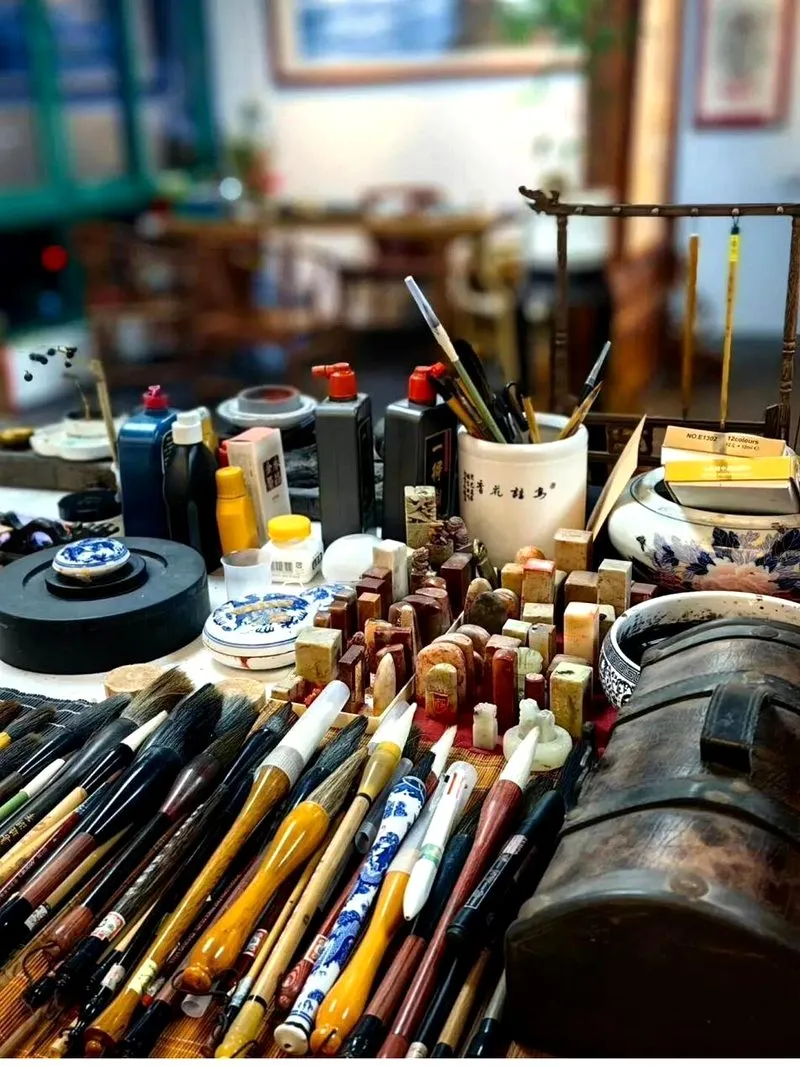
FuBlessings hand-brushes each 谦 (Qiān) to order, in ink on rice paper — never printed, never repeated.
Bring 谦 home — choose how you'd like it brushed.
-
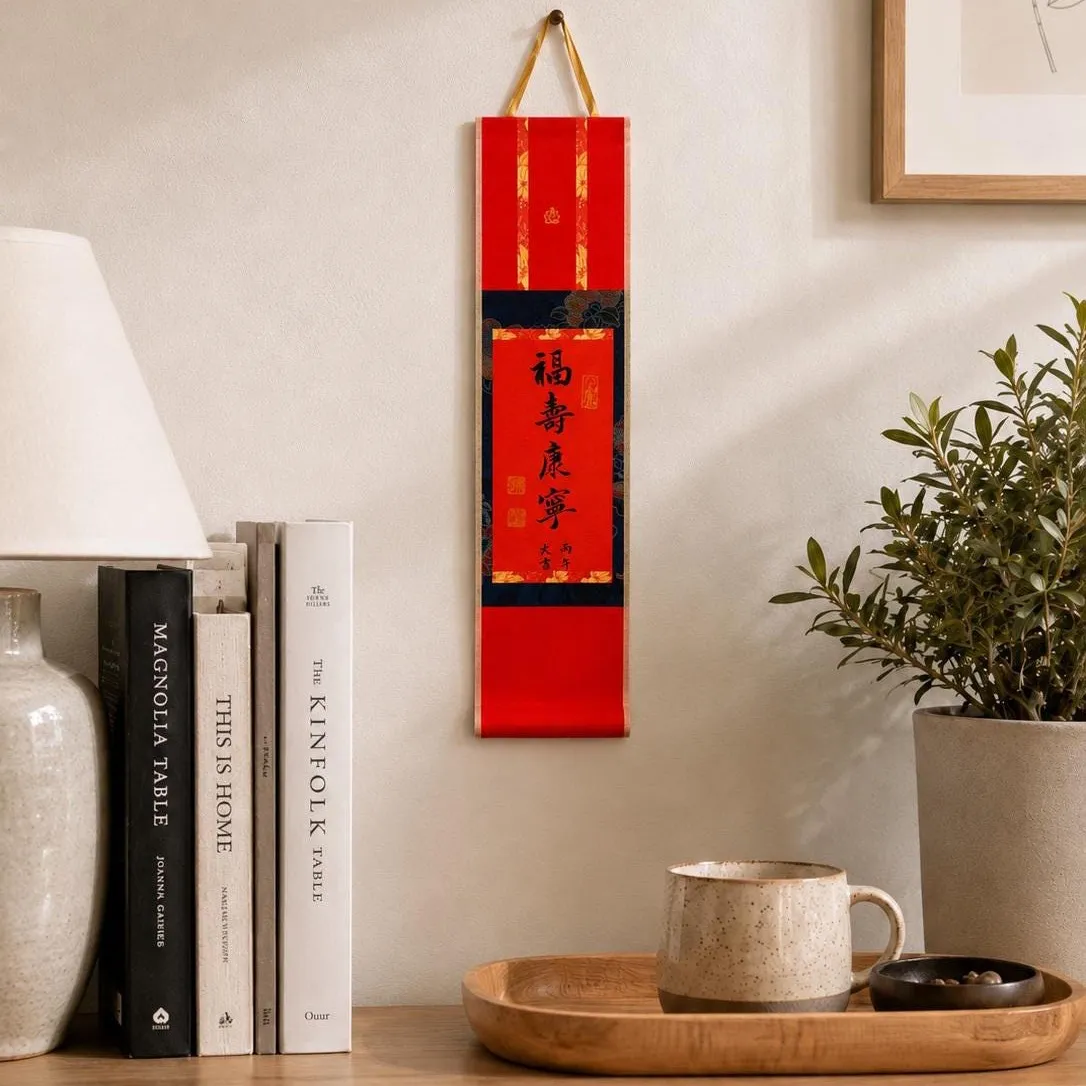
Photo shows a sample — yours will be brushed with 谦, or any character you choose.
Wall Scroll — for walls & housewarmingsfrom $38→ -
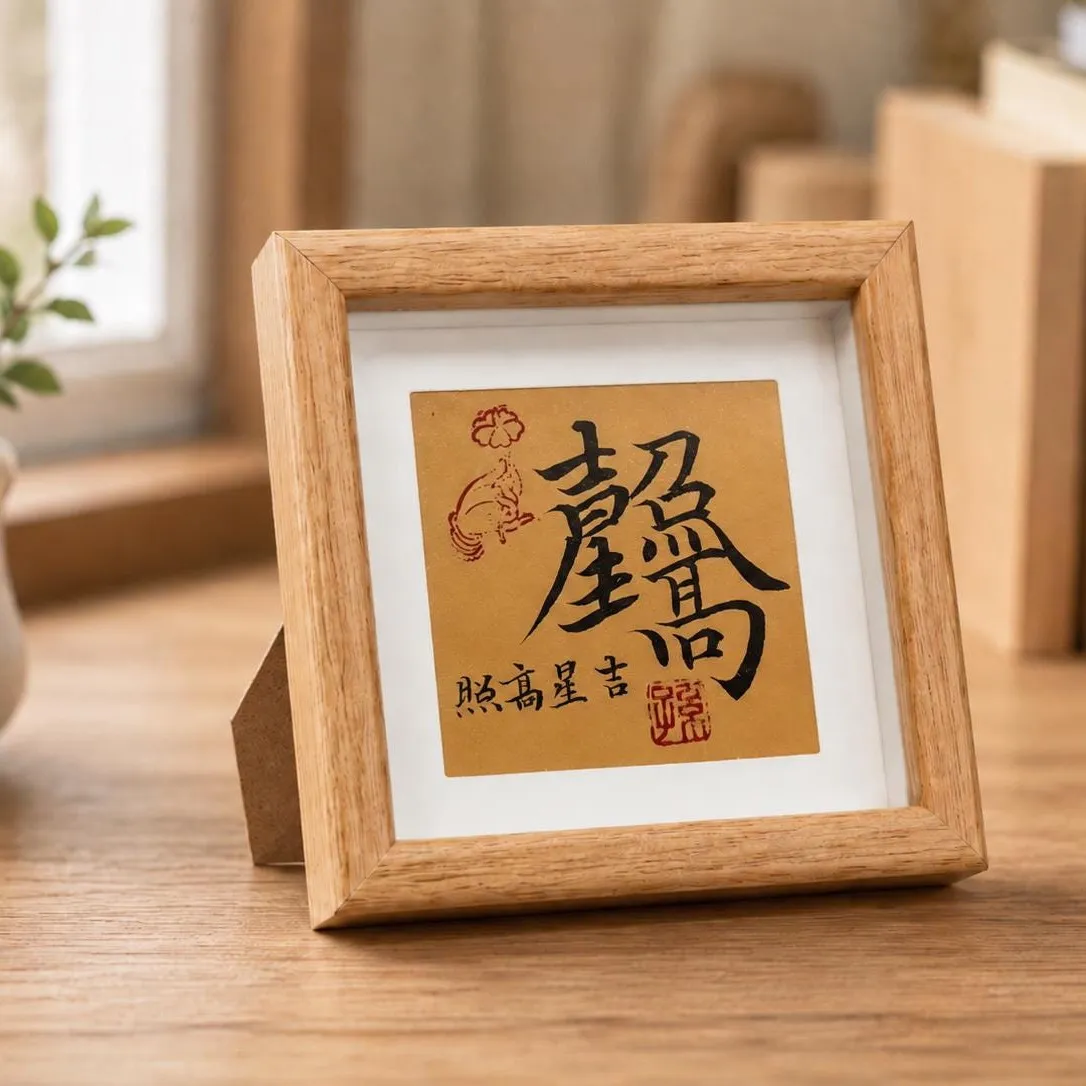
Photo shows a sample — yours will be brushed with 谦, or any character you choose.
Desk Frame — for desks, studies & studiosfrom $44→ -
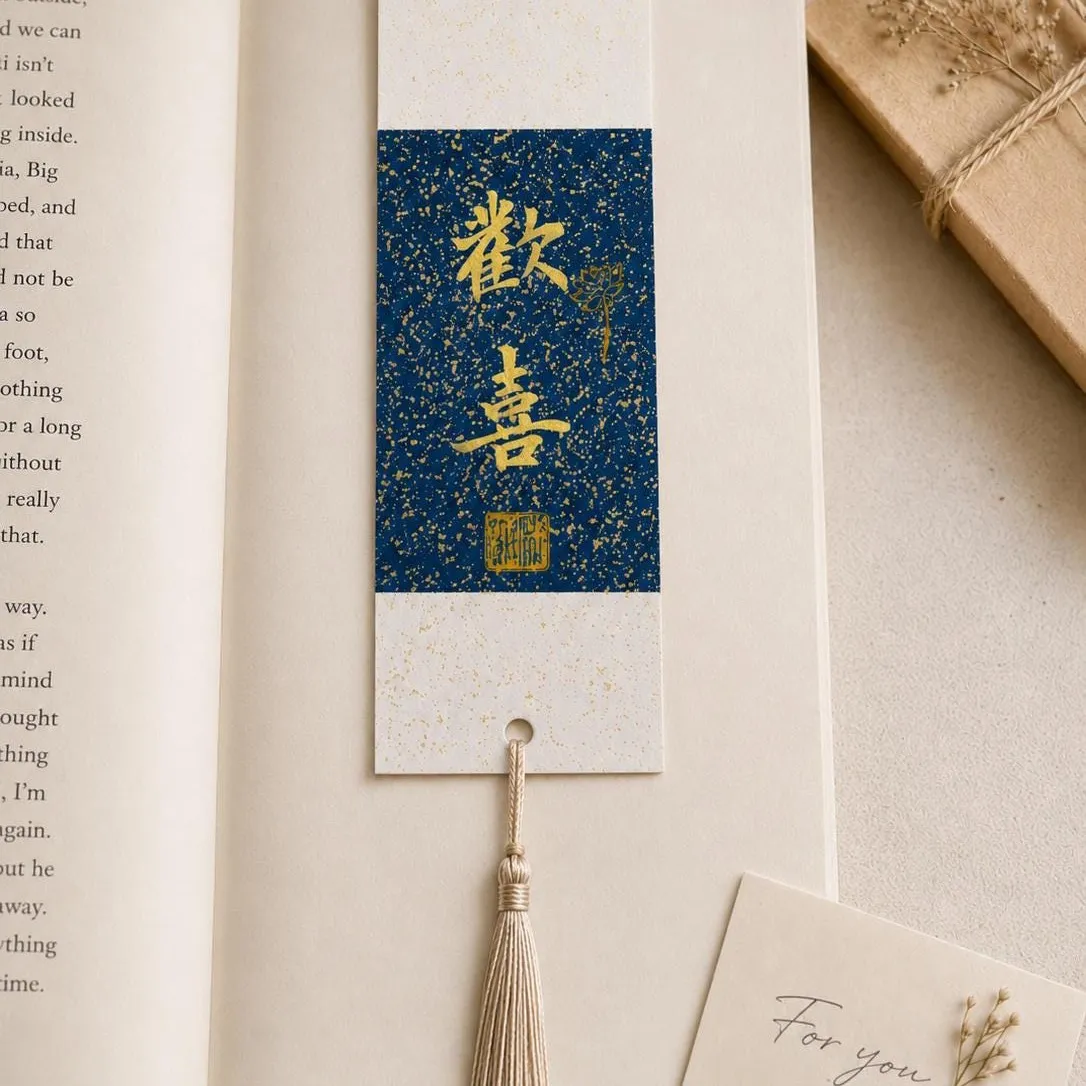
Photo shows a sample — yours will be brushed with 谦, or any character you choose.
Bookmark — for readers & small thank-yousfrom $14→
What people said after it arrived.
-
The item is fantastic. The customer service was genuine. Thanks!
— M.Verified purchase · from our Etsy shop reviews · -
They were great they gave me exactly what I asked for and then some. Thank you!!
— G.Verified purchase · from our Etsy shop reviews · -
It is well designed and customized. My daughter loves it. Amazing gift for family’s d friends
— S.Verified purchase · from our Etsy shop reviews ·
Each "谦" is hand-brushed by FuBlessings on rice paper.
See 谦 (Qiān) on Etsy →