德 (dé) — Virtue · Character · Moral Excellence
A single character.
德 is the heaviest character in the Chinese blessing vocabulary. Where other blessings wish someone health, luck, or happiness, 德 says something harder to earn: you have become a person worth learning from. It is not given lightly, and it is not given often. The character’s own structure — a step, a straight gaze, a heart — describes what it honors: someone who has walked a long road with their eyes open and their conscience intact.
The character anchors some of the most quoted lines in Chinese civilization. Laozi built half his philosophy around it: the Dao De Jing is literally “the classic of the Way and its Virtue.” Confucius promised that a person of 德 would never stand alone. The Book of Changes compared deep virtue to the earth — supporting everything, complaining about nothing. That last image now greets students at the gate of Tsinghua University, carved in stone as a daily reminder that intelligence without character is incomplete.
A hand-brushed 德 by FuBlessings is for the person whose influence runs deeper than advice. For a father, it acknowledges the example you absorbed before you knew you were watching. For a mentor or grandparent, it names the formation that happened slowly, over years, through their conduct rather than their words. It is not a wish for who someone might become. It is recognition of who they already are.
- virtue
- moral character
- integrity
- the kind of person worth learning from
- goodness Too soft. 德 is not pleasantness or niceness — it is the harder discipline of right conduct sustained over years.
- morality Too abstract. 德 is not a code or a rulebook. It is how a specific person walks through specific decisions.
- ethics Too academic. 德 lives in the body and the daily life, not in the seminar room.
The short arms are the point: these readings don’t reach it.
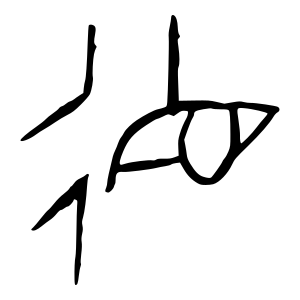
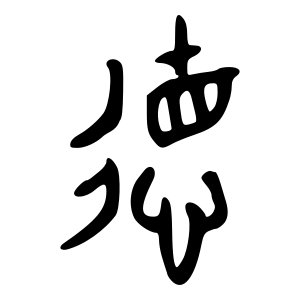
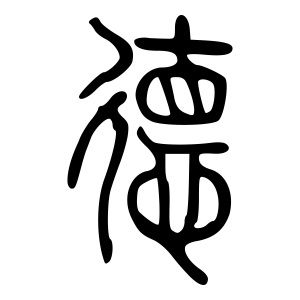
- 彳 step / conductThe step radical — the same component found in 行 (to go) and 往 (to head toward). Its presence makes a quiet claim: virtue is not a state you reach but a way you move.
- 直 straight gazeThe upper component carries an eye looking forward over a vertical line. The earliest oracle-bone forms showed an eye above a crossroads — seeing the road clearly, not looking away.
- 心 heart / inner lifeAdded in later bronze forms. The step and the gaze were not enough — virtue had to be grounded in what the heart was actually doing while the feet moved.
character
- 道德 dào dé morality — the Way (道) and the virtue that walks it
- 品德 pǐn dé moral character — the quality of a person's conduct
- 美德 měi dé a beautiful virtue — a specific admirable trait
- 德行 dé xíng virtuous conduct — character as it shows up in action
- 厚德 hòu dé thick virtue — deep, weight-bearing moral character
The Story Behind the Character
The earliest known forms of 德, carved into Shang dynasty oracle bones (甲骨文), show a striking image: an eye looking straight ahead above a crossroads. The message was not abstract — it depicted a person walking a road with clear, forward-facing vision. Virtue, in its oldest form, was about seeing where you were going and not looking away.
As the character evolved through bronze inscriptions and into the script cataloged by Shuowen Jiezi (c. 100 CE), it gathered three components into its modern form: 彳 (a step, representing movement and conduct), 直 (straight or upright, with the eye-on-the-road meaning preserved), and 心 (heart). The dictionary's definition was direct: 德,升也 — "to ascend, to rise." Virtue was not passive goodness. It was active climbing — the continuous effort to become better than you were.
The most revealing detail is the step radical on the left. 彳 appears in characters about walking, roads, and journeys: 行 (to go), 往 (to head toward), 径 (a path). Its presence in 德 makes a claim that Chinese philosophy would repeat for millennia: virtue is not a quality you have. It is how you move. It shows up in your steps, your decisions, your conduct over years — and it is always in motion.
Classical lines
- roughly 400 years
- c. 800 BCE 《周易·坤卦》
- c. 400 BCE 《论语·里仁》
One further source is quoted below without a date printed, so it stays off the rail.
上德不德,是以有德。 The highest virtue does not call itself virtue
that is why it is real. — Laozi's paradox: the moment you announce your goodness, you have lost it. True virtue has no audience.
德不孤,必有邻。 A person of virtue is never alone
neighbors will always come. — Confucius making a quiet promise: character draws company. You may feel isolated doing the right thing, but not for long.
厚德载物。 Thick virtue carries all things.
The Book of Changes comparing deep moral character to the earth itself: it holds everything up without complaining. Now the motto of Tsinghua University.
Why This Character Matters
The phrase 厚德载物 ("thick virtue carries all things") is not just a proverb — it is the motto of Tsinghua University, one of China's two most elite schools, and it appears carved in stone at the campus entrance. The phrase comes from the Book of Changes, where it describes the earth: endlessly patient, supporting everything without fanfare. For a character to land on a university gate alongside the engineering labs tells you where Chinese culture ranks moral formation — right next to technical mastery, and arguably above it.
In Chinese gift tradition, 德 is the character reserved for weight. You do not give it casually. It is for the father whose example you have been absorbing your whole life without quite realizing it. It is for the teacher who shaped how you think, not just what you know. It is for the elder whose composure under pressure taught you something you could not learn from a book. Giving 德 is making a specific statement: this person's character is the kind that holds other people up.
德 is a character of real weight in Chinese culture. Seeing it as a tattoo, a Chinese person would think the wearer is either deeply philosophical or overreaching — this is the character on Tsinghua University's motto and in the core Confucian canon. It commands respect but also invites scrutiny. The calligraphy quality had better be excellent.
Calligraphy Styles for Tattoos
- Regular script (楷书 kǎishū) Best for tattoos
德 is 15 strokes and structurally complex — the step radical 彳 on the left, with 直 and 心 stacked on the right. Regular script is essential to keep all three components legible and properly proportioned.
- Running script (行书 xíngshū) Good for larger pieces
Running script can give 德 a sense of the walking motion embedded in its meaning, but the dense right side needs space. The 心 at the bottom is easily lost. Best at 3+ inches.
- Cursive script (草书 cǎoshū) Only with an expert calligrapher
Cursive 德 is extremely challenging — the right side (直 over 心) can collapse into an unreadable mass. Only attempt with a calligrapher who has specific experience with this character in cursive.
Common Mistakes to Avoid
- Omitting the 心 (heart) at the bottom right, reducing the character to something meaninglessIntended: Complete 德 with 直 (straight) and 心 (heart) on the right side
The heart radical 心 is small and sits at the very bottom of the right side. Inexperienced artists sometimes crop it or forget it, which removes the entire philosophical foundation of the character — virtue without heart is just walking.
- Writing the step radical 彳 as 亻 (single person radical)Intended: 德 with the double-stroke step radical 彳
彳 has three strokes (two short falling strokes followed by a short vertical). The person radical 亻 has only two strokes (one falling, one vertical). The difference is subtle — 彳 is slightly wider with an extra stroke — but using 亻 instead creates a non-standard character.
Notes for Your Tattoo Artist
15 strokes. One of the most complex characters in this set. The left side 彳 is narrow (about 25% of width), and the right side is a vertical stack of three elements. The key challenge is the vertical compression of 直 and 心 — they must be distinct, not merged. Minimum size: 2.5 inches. Below that, the heart radical becomes illegible.
A few characters live near "德" but mean something quieter, sharper, or more specific. Here's how to tell them apart.
sustained character that has been formed over a lifetime
a single act of kindness or goodness in the moment
the whole moral life — character that holds across every situation
one dimension of that life: being truthful, not performing
who a person has become — what their conduct reveals over time
how one person treats another — the regard offered, not the character behind it
德 names not what a father has given but what he has become, consistently and over time.
- 德 names not what a father has given but what he has become, consistently and over time. The Confucian tradition places 德 at the center of paternal legacy: the father worth emulating is one whose conduct you have internalized without always being aware of it. A recognition of character, not a celebration of role.
- At graduation, 德 names what a professional life needs beyond skill or diligence. Character is what makes achievement worth having and judgment trustworthy when it is difficult. Given to a graduate, 德 is not a wish for success but a hope for the kind of person that difficulty and success alike will not diminish.
Dad · Boss · Grandparent · or yourself
德 is one of the characters we use to write Western names in Chinese. See it at work:
-
What does 德 (dé) mean?
德 (dé) is the Chinese character for virtue, character, moral excellence. 德 is the heaviest character in the Chinese blessing vocabulary. Where other blessings wish someone health, luck, or happiness, 德 says something harder to earn: you have become a person worth learning from. It is not given lightly, and it is not given often. The character's own structure — a step, a straight gaze, a heart — describes what it honors: someone who has walked a long road with their eyes open and their conscience intact. The phrase 厚德载物 ("thick virtue carries all things") is not just a proverb — it is the motto of Tsinghua University, one of China's two most elite schools, and it appears carved in stone at the campus entrance. The phrase comes from the Book of Changes, where it describes the earth: endlessly patient, supporting everything without fanfare. For a character to land on a university gate alongside the engineering labs tells you where Chinese culture ranks moral formation — right next to technical mastery, and arguably above it.
-
What occasions is 德 given for?
德 is traditionally given for Father's Day, Graduation. 德 names not what a father has given but what he has become, consistently and over time. The Confucian tradition places 德 at the center of paternal legacy: the father worth emulating is one whose conduct you have internalized without always being aware of it. A recognition of character, not a celebration of role. At graduation, 德 names what a professional life needs beyond skill or diligence. Character is what makes achievement worth having and judgment trustworthy when it is difficult. Given to a graduate, 德 is not a wish for success but a hope for the kind of person that difficulty and success alike will not diminish.
-
Is 德 a good Chinese tattoo?
德 is a character of real weight in Chinese culture. Seeing it as a tattoo, a Chinese person would think the wearer is either deeply philosophical or overreaching — this is the character on Tsinghua University's motto and in the core Confucian canon. It commands respect but also invites scrutiny. The calligraphy quality had better be excellent.
-
Who brushes the 德 calligraphy?
FuBlessings hand-brushes each 德 (Dé) to order, in ink on rice paper — never printed, never repeated.
Bring 德 home — choose how you'd like it brushed.
-
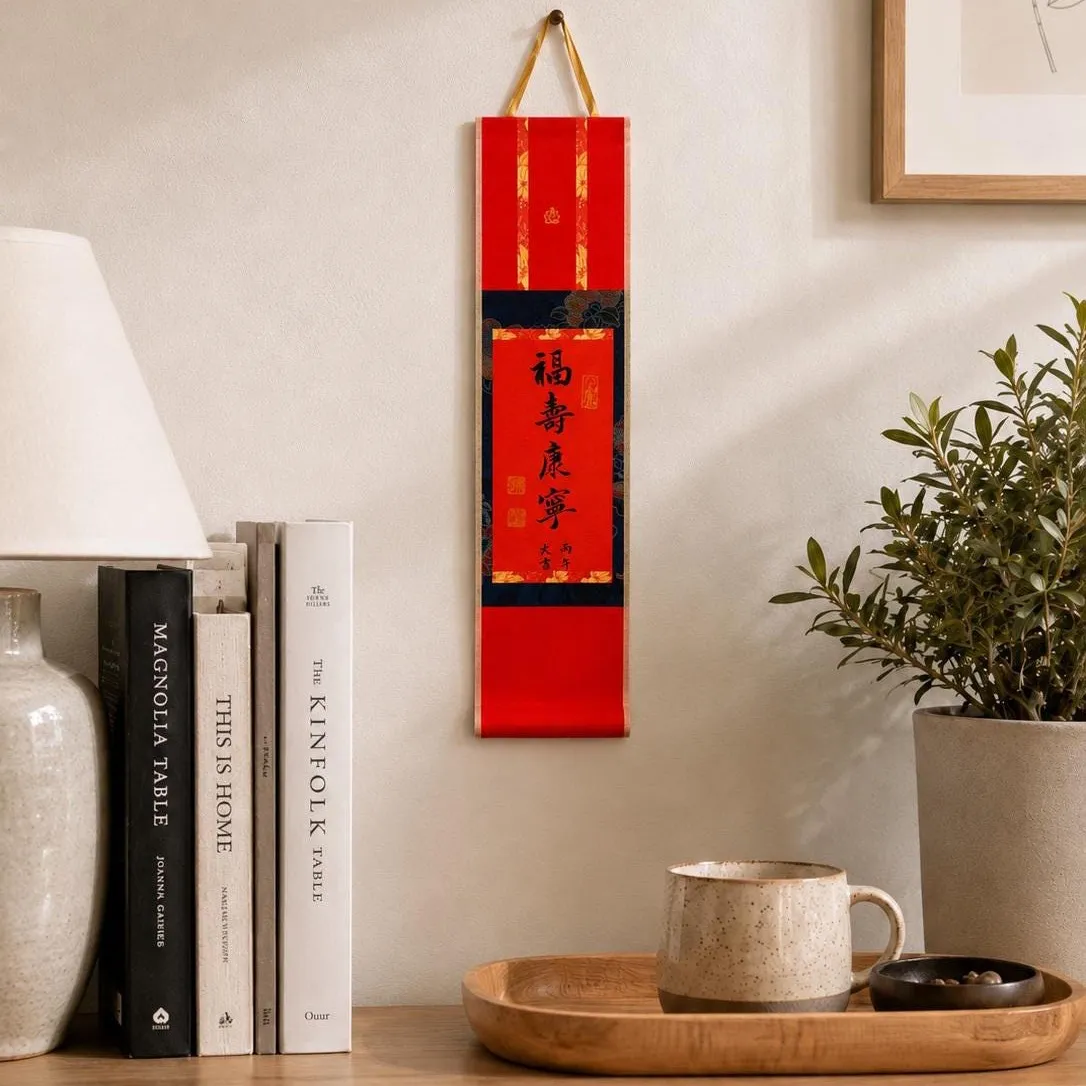
Photo shows a sample — yours will be brushed with 德, or any character you choose.
Wall Scroll — for walls & housewarmingsfrom $38→ -
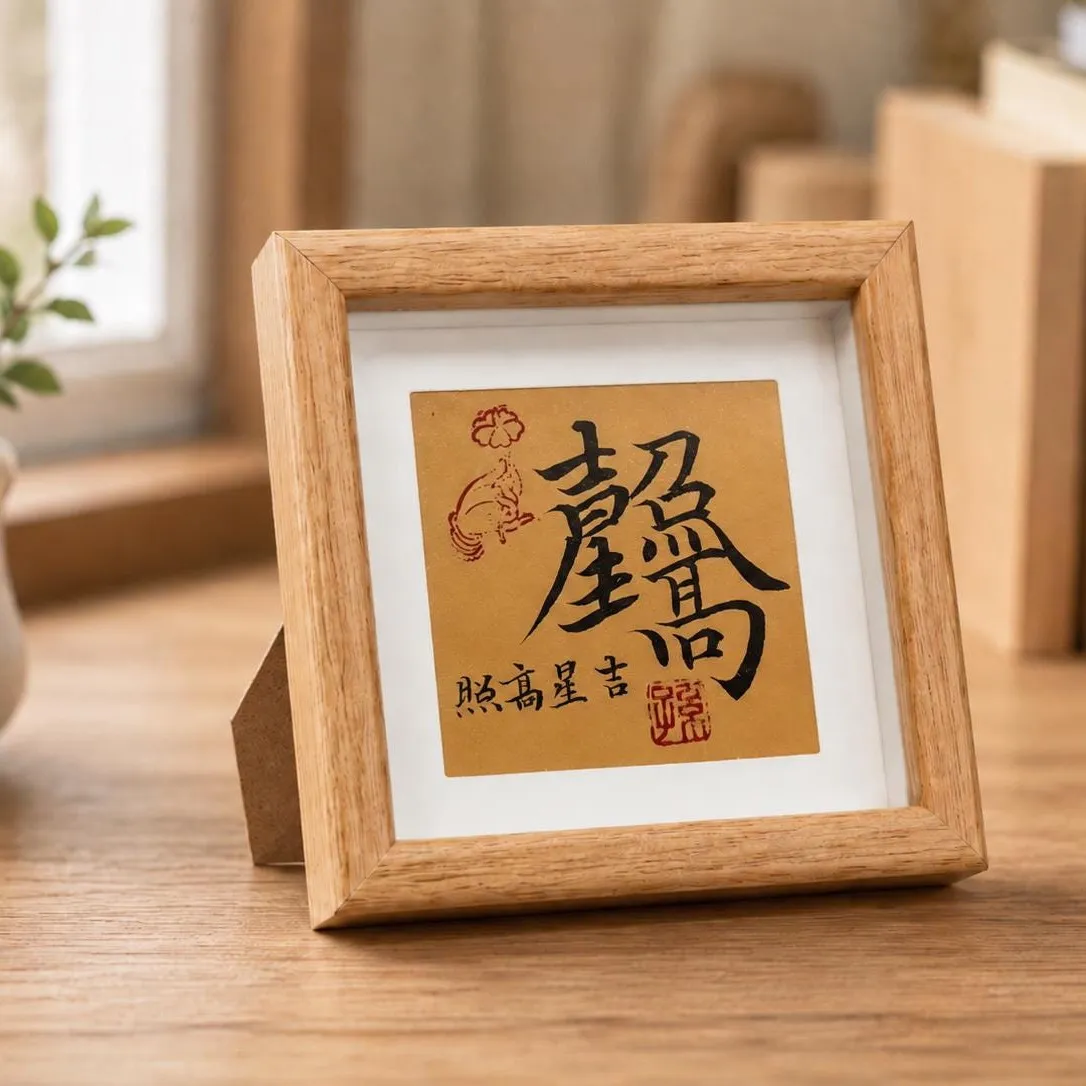
Photo shows a sample — yours will be brushed with 德, or any character you choose.
Desk Frame — for desks, studies & studiosfrom $44→ -
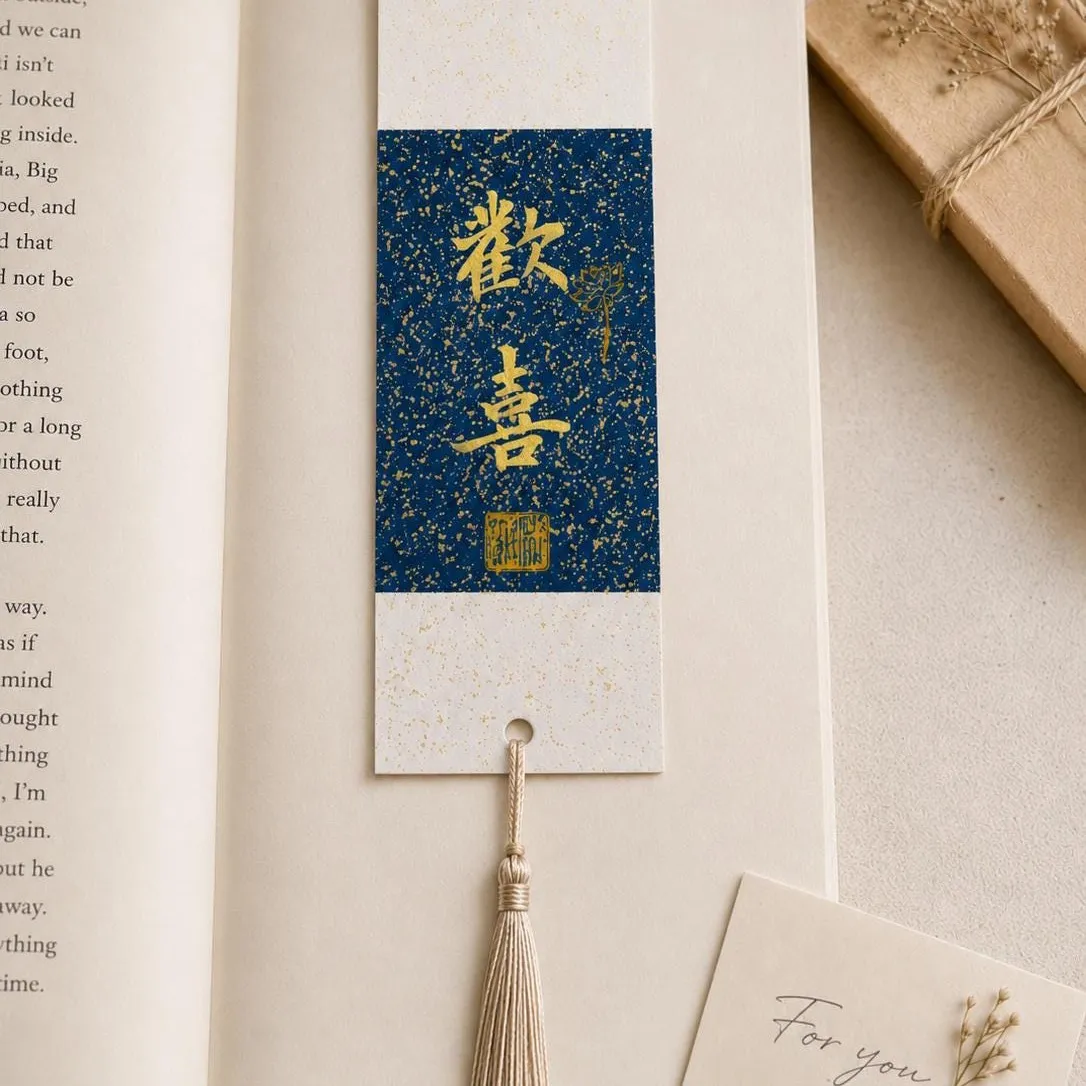
Photo shows a sample — yours will be brushed with 德, or any character you choose.
Bookmark — for readers & small thank-yousfrom $14→
What people said after it arrived.
-
The item is fantastic. The customer service was genuine. Thanks!
— M.Verified purchase · from our Etsy shop reviews · -
They were great they gave me exactly what I asked for and then some. Thank you!!
— G.Verified purchase · from our Etsy shop reviews · -
It is well designed and customized. My daughter loves it. Amazing gift for family’s d friends
— S.Verified purchase · from our Etsy shop reviews ·
Each "德" is hand-brushed by FuBlessings on rice paper.
See 德 (Dé) on Etsy →