敬 (jìng) — Respect · Reverence · Honor
A single character.
敬 is the only character in the library that isn’t a wish for the recipient — it’s a statement about the giver. Every other character hopes for something: health, fortune, peace. 敬 doesn’t hope. It declares. To give someone 敬 is to say: this is how I hold you in my daily life, and I want you to know it.
In Chinese homes, 敬 appears at the moments where relationships are formalized and made visible. The wedding tea ceremony. The formal letter to a teacher that opens with 敬爱的 — “to you, whom I both respect and love.” The toast at a banquet where a younger person stands, holds the glass lower than the elder’s, and drinks. These are not empty gestures. In each case, 敬 is the mechanism that turns private feeling into public conduct — the bridge between what you feel and what you do about it.
A hand-brushed 敬 by FuBlessings is a Father’s Day or birthday gift that does something no card can. For a father, it names the specific quality of regard that Confucian tradition considers the highest a child can offer — not affection, which is easy, but sustained reverence, which takes a lifetime. For a boss or grandparent, it says: your authority was never just positional. It was earned, and I have been paying attention.
- respect
- reverence
- sustained regard
- the way you hold someone in daily conduct
- admiration Too internal. Admiration is what you feel; 敬 is what you do — how you show up, how you speak, how you sit.
- politeness Too thin. Politeness is the surface; 敬 is the seriousness underneath that gives politeness its weight.
- deference Too submissive. 敬 is not lowering yourself — it is taking another person seriously enough to give them your full attention.
The short arms are the point: these readings don’t reach it.
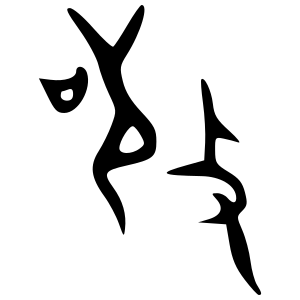
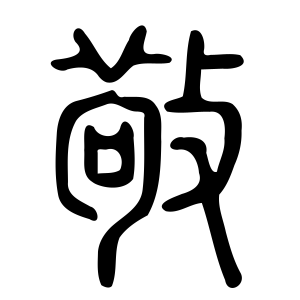
- 苟 watchful attentionThe left side carries the older sense of cautious, careful watchfulness — an eye held open, a body held alert. Not anxiety, but the quality of being fully present to what is happening.
- 攵 a hand in actionThe right side is the action radical — a hand holding a stick or tool. Its presence reframes the whole character: respect is not a feeling carried inside, it is something performed in conduct.
character
- 尊敬 zūn jìng to respect deeply — the standard compound for held regard
- 敬爱 jìng ài respect-and-love — the formal opening to a letter to a teacher or parent
- 敬业 jìng yè reverent toward one's work — the Chinese version of professional dedication
- 敬意 jìng yì a sense of regard — what one expresses through tone and conduct
- 敬重 jìng zhòng to hold in heavy regard — the warmest form of respect between adults
The Story Behind the Character
The oldest versions of 敬 show a figure kneeling with both hands raised and eyes wide open — the posture of someone paying full, deliberate attention to another person. On the right side, a hand holding a rod or stick: not striking, but directing, the way a ritual officiant guided a ceremony. The whole image is alertness made physical — the body held in a way that says: I am here, and I am watching carefully.
China's first dictionary (Shuowen Jiezi, c. 100 CE) defined it as "肃也" — solemnity, the quality of taking something seriously. But the character's internal structure says more than the dictionary does. The left component, 苟, originally meant cautious or watchful, not careless. Combined with the action radical 攵 (a hand in motion), the character describes respect as something you do, not something you feel.
That distinction is the key insight. In English, "respect" is primarily an emotion — you feel it or you don't. In classical Chinese, 敬 is primarily a practice. You demonstrate it through sustained attentiveness, careful conduct, and daily consistency. Whether or not you feel reverent on a given morning is beside the point. What matters is how you show up.
Classical lines
- roughly 1,600 years
- c. 500 BCE 《论语·子路》
- c. 300 BCE 《孟子·离娄下》
- c. 1080 CE 程颐
执事敬,与人忠。 Handle your work with reverence; treat people with loyalty.
Confucius's entire work ethic, compressed into eight characters. He said this when asked what matters most in conduct.
敬人者,人恒敬之。 Those who respect others are always respected in return.
Mencius's version of the golden rule, but sharper: he's not talking about niceness. He means the sustained, visible kind of regard that changes how people treat you back.
主一无适谓之敬。 To focus on one thing without distraction
that is reverence. — A Song dynasty philosopher's radical redefinition: respect isn't about bowing. It's about giving something your undivided attention.
Why This Character Matters
In Chinese tea culture, the act of pouring tea for an elder is called 敬茶 — literally, "to serve tea with reverence." At traditional weddings, the bride and groom kneel and offer tea to each set of parents in a ceremony that is the emotional center of the day. The parents' acceptance of the tea is their formal acceptance of the new family member. The entire ritual runs on 敬: not just politeness, but the visible, physical demonstration of regard between generations.
敬 occupies a unique position in Confucian ethics because it bridges the private and the public. Unlike 仁 (benevolence, an inner quality) or 礼 (ritual propriety, an outer form), 敬 is the force that connects the two — the inner seriousness that makes outer ritual meaningful rather than empty. Confucius taught that 礼 without 敬 is just going through the motions. This is why giving someone 敬 as a gift carries more weight than a general blessing: it names the specific quality of your relationship with them, not just a hope for their future.
敬 carries serious Confucian weight. A Chinese person seeing this tattoo would think of filial piety, tea ceremonies, and formal respect for elders. It's an unusual tattoo choice — most young Chinese people wouldn't pick it for themselves, but they'd respect someone who did. It says 'I value tradition and hierarchy,' which is a strong cultural statement.
Calligraphy Styles for Tattoos
- Regular script (楷书 kǎishū) Best for tattoos
敬 is 12 strokes with a left-right structure — 苟 on the left and the action radical 攵 on the right. Regular script gives each component clarity, and the character's upright, formal appearance matches its meaning of reverence.
- Running script (行书 xíngshū) Good for larger pieces
Running script can soften 敬's formality, which suits contexts where respect is warmly felt rather than rigidly performed. The 攵 component flows naturally. Works well at 2+ inches.
Common Mistakes to Avoid
- Confusing 敬 (respect) with 警 (alert/police)Intended: 敬 with 苟 on the left and 攵 on the right
警 adds 言 (speech) beneath 敬, creating a character that means 'to warn' or 'police.' It's a common character in China but carries a very different connotation. Make sure the tattoo stops at 敬 and doesn't accidentally include extra elements.
- Making the left component too cramped, losing the top strokesIntended: Clear left component with all strokes distinct
The left side of 敬 has dense internal structure. If the top strokes are compressed or merged with the strokes below, the component becomes unrecognizable, and the character loses its visual logic.
Notes for Your Tattoo Artist
12 strokes. Left-right composition where the left 苟 takes about 55% of the width and the right 攵 about 45%. The grass radical 艹 at the top left must be clearly separated from the 句 below it — this is the main legibility challenge. Minimum size: 2 inches.
A few characters live near "敬" but mean something quieter, sharper, or more specific. Here's how to tell them apart.
how I treat you — the conduct directed outward from giver to recipient
who you have become — the character that earned the regard in the first place
the sustained attention you give a person across years
how you conduct yourself toward someone — visible, disciplined, daily
The most pointed Father's Day choice for a specific reason: in Confucian thought, 敬 names the particular virtue in how a son or daughter is expected to treat a parent — active, sustained regard, not merely affection.
- The most pointed Father's Day choice for a specific reason: in Confucian thought, 敬 names the particular virtue in how a son or daughter is expected to treat a parent — active, sustained regard, not merely affection. Where 爱 names what you feel, 敬 names how you conduct yourself. Giving it on Father's Day is the statement that he has earned something beyond feeling.
- A birthday for an elder or superior is the occasion to give something that lasts on the wall. 敬 does not wish for the year ahead — it names who this person is to the giver and how they are held in daily life. For a boss or grandparent whose accumulated years of authority you have benefited from, 敬 is the more considered choice than a general blessing character.
Boss · Dad · Grandparent · or yourself
Looking for a name? See Western names written in Chinese →
-
What does 敬 (jìng) mean?
敬 (jìng) is the Chinese character for respect, reverence, honor. 敬 is the only character in the library that isn't a wish for the recipient — it's a statement about the giver. Every other character hopes for something: health, fortune, peace. 敬 doesn't hope. It declares. To give someone 敬 is to say: this is how I hold you in my daily life, and I want you to know it. In Chinese tea culture, the act of pouring tea for an elder is called 敬茶 — literally, "to serve tea with reverence." At traditional weddings, the bride and groom kneel and offer tea to each set of parents in a ceremony that is the emotional center of the day. The parents' acceptance of the tea is their formal acceptance of the new family member. The entire ritual runs on 敬: not just politeness, but the visible, physical demonstration of regard between generations.
-
What occasions is 敬 given for?
敬 is traditionally given for Father's Day, Birthday. The most pointed Father's Day choice for a specific reason: in Confucian thought, 敬 names the particular virtue in how a son or daughter is expected to treat a parent — active, sustained regard, not merely affection. Where 爱 names what you feel, 敬 names how you conduct yourself. Giving it on Father's Day is the statement that he has earned something beyond feeling. A birthday for an elder or superior is the occasion to give something that lasts on the wall. 敬 does not wish for the year ahead — it names who this person is to the giver and how they are held in daily life. For a boss or grandparent whose accumulated years of authority you have benefited from, 敬 is the more considered choice than a general blessing character.
-
Is 敬 a good Chinese tattoo?
敬 carries serious Confucian weight. A Chinese person seeing this tattoo would think of filial piety, tea ceremonies, and formal respect for elders. It's an unusual tattoo choice — most young Chinese people wouldn't pick it for themselves, but they'd respect someone who did. It says 'I value tradition and hierarchy,' which is a strong cultural statement.
-
Who brushes the 敬 calligraphy?
FuBlessings hand-brushes each 敬 (Jìng) to order, in ink on rice paper — never printed, never repeated.
Bring 敬 home — choose how you'd like it brushed.
-
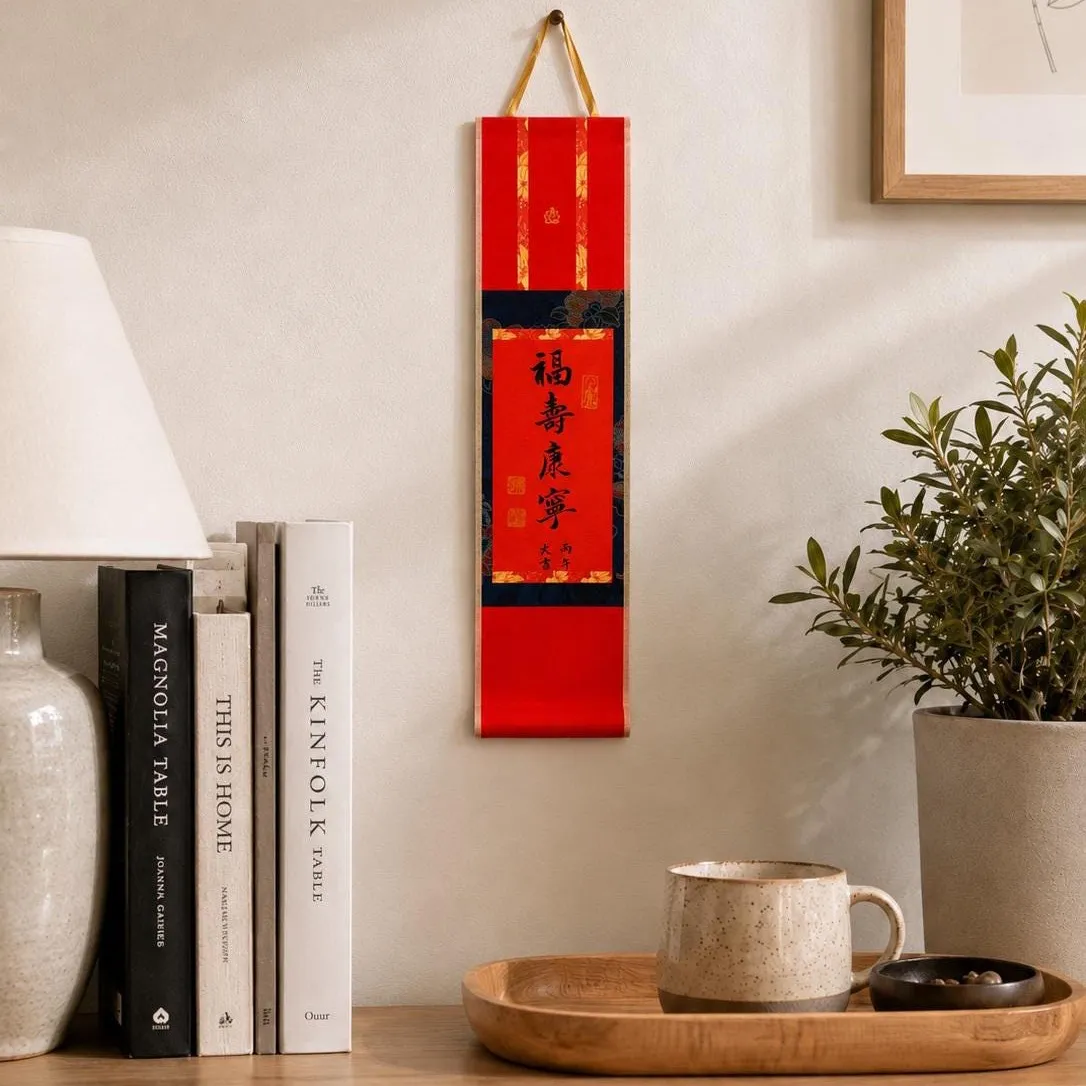
Photo shows a sample — yours will be brushed with 敬, or any character you choose.
Wall Scroll — for walls & housewarmingsfrom $38→ -
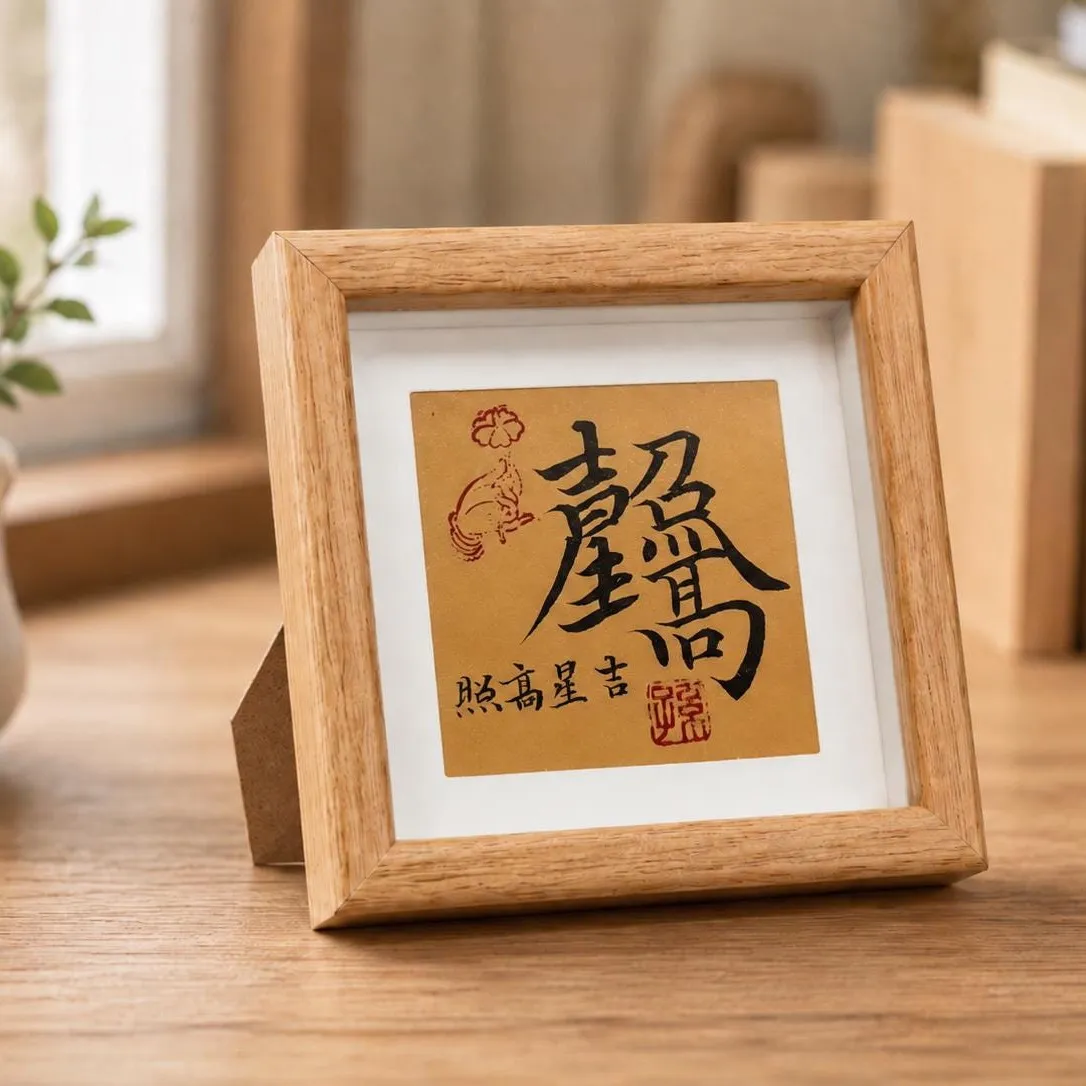
Photo shows a sample — yours will be brushed with 敬, or any character you choose.
Desk Frame — for desks, studies & studiosfrom $44→ -
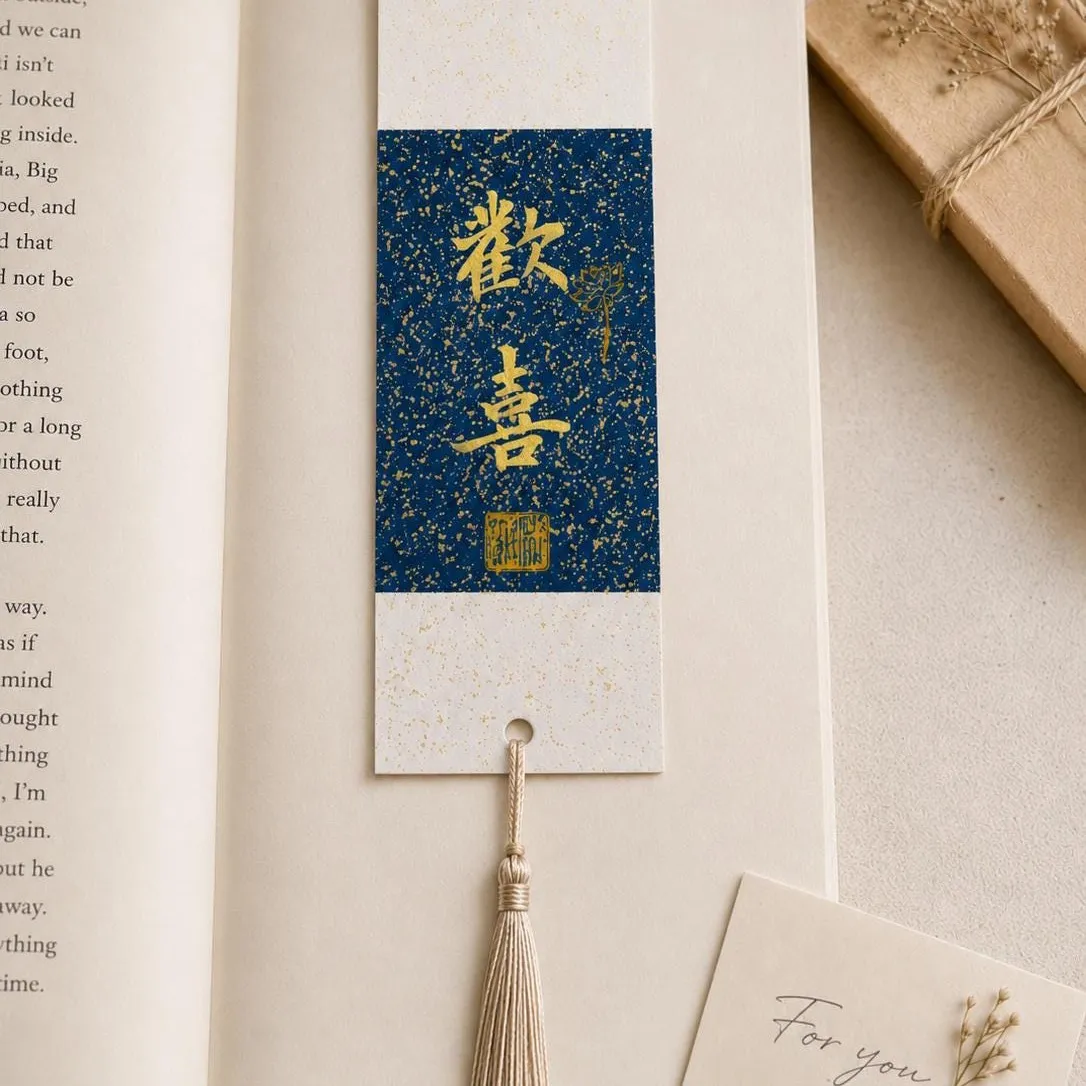
Photo shows a sample — yours will be brushed with 敬, or any character you choose.
Bookmark — for readers & small thank-yousfrom $14→
What people said after it arrived.
-
The item is fantastic. The customer service was genuine. Thanks!
— M.Verified purchase · from our Etsy shop reviews · -
They were great they gave me exactly what I asked for and then some. Thank you!!
— G.Verified purchase · from our Etsy shop reviews · -
It is well designed and customized. My daughter loves it. Amazing gift for family’s d friends
— S.Verified purchase · from our Etsy shop reviews ·
Each "敬" is hand-brushed by FuBlessings on rice paper.
See 敬 (Jìng) on Etsy →