平安喜乐 (píng ān xǐ lè) — Peace · Safety · Joy · Gladness
A 4-character phrase, not a single character.
平安喜乐 is unusual among Chinese blessings in what it refuses to name: not wealth, not longevity, not success, but the two conditions that make those things matter. 平安 (peace and safety) covers the baseline everything else depends on — that the person is not threatened, not disrupted, not in danger. 喜乐 (joy and gladness) covers the positive experience that transforms a safe life into a full one. See 安 → See 喜 → Most Chinese blessings address one register or the other. 平安喜乐 insists on both, in order: first, be safe; then, be glad. See 乐 →
The phrase runs through Chinese life in ways that reflect its priority. 平安 goes above doorways and onto jade pendants for children; 喜乐 fills family scrolls and living room calligraphy. At Chinese New Year, families use 平安喜乐 in the same breath as 万事如意, but with a different emphasis — the former names how the year should feel from the inside, the latter names how it should go from the outside. In Chinese baby-naming practice, combining 安 and 乐 or 喜 in a child’s name is one of the most common patterns, parents encoding the wish before the child can understand it.
A hand-brushed “平安喜乐” by FuBlessings is the gift for the friend whose year you want to be both safe and genuinely glad — for the new parents whose home should hold the stability a new life needs and the joy it produces — for the grandparent whose years you want undisturbed and worth having. It names what a good year actually feels like.
- safe and genuinely glad
- undisturbed plus full
- the felt quality of a good year
- happiness Too thin. 平安喜乐 insists on both the negative baseline (safety) and the positive experience (joy). Happiness alone misses the first half.
- well-being Too clinical. 平安喜乐 names experience, not condition — what a year feels like from the inside, not what it scores on an audit.
The short arms are the point: these readings don’t reach it.
- 平安 the negative condition — absence of disruptionThe baseline. 平 (level, undisturbed) plus 安 (settled, at peace). Not the presence of something good but the absence of threat. The condition every other blessing rests on.
- 喜乐 the positive condition — presence of gladnessThe fullness. 喜 is the felt joy of specific moments — a wedding, a homecoming. 乐 is the settled gladness that fills ordinary days. Together: the experience that makes safety worth having.
characters
- 平安 píng ān peace and safety — the baseline condition
- 喜乐 xǐ lè joy and gladness — the positive experience
- 安乐 ān lè settled and glad — a common name pattern combining the two
- 平安是福 píng ān shì fú peace is the greatest blessing — the proverb behind the priority
The Story Behind the Character
平安喜乐 divides into two pairs whose individual weights are already established in Chinese life — and yet the phrase is more than their sum. 平安 (píng ān) names a negative condition: the absence of disruption, threat, and harm. 喜乐 (xǐ lè) names a positive experience: the presence of celebration and daily gladness. Together they cover the full range of what a good year requires — not only undisturbed, but genuinely glad. Most Chinese blessings name one side of this inventory. 平安喜乐 is the phrase that insists on both.
The compound gathered its current form through two channels. In Chinese Christian communities, 平安 became the established translation for the Hebrew shalom and Greek eirene (peace), and 喜乐 for the Greek chara (joy) — two separate decisions that gave the combined greeting 平安喜乐 a scriptural resonance that spread it into wider use as a New Year and blessing phrase. In parallel, folk tradition had long placed 安 and 喜 alongside each other in the same breath — two qualities a mother holds for her child, two things a traveler's family waits for at the door. The formal compound crystallized what had always been intuitive.
What distinguishes 平安喜乐 from 万事如意 (may all things go as you wish) or 福寿安康 (blessing, longevity, peace, health) is its emotional directness. It does not name outcomes. It names experience. A family can have wealth and lack 平安; they can have health and lack 喜乐. The phrase asks for the two conditions that cannot be purchased or achieved, only lived.
Classical lines
- roughly 400 years
- c. 700 BCE 《诗经·小雅·南山有台》
- c. 400 BCE 《论语·述而》
- c. 300 BCE 《周易·系辞上》
乐只君子,邦家之基。乐只君子,万寿无期。 The joy of the noble person is the foundation of household and state; the joy of the noble person knows no end of days.
One of the few classical texts where 乐 (gladness) is placed at the structural center of what makes a life hold together — not virtue or achievement, but the capacity for genuine joy.
乐天知命,故不忧。 Take joy in Heaven and accept what is given, and so be free of worry.
The Book of Changes joining the two halves of 平安喜乐 in a single clause: the gladness (乐) that comes with a mind no longer anxious. Peace and joy were never separate conditions.
君子坦荡荡,小人长戚戚。 The settled person is calm and at ease; the small-minded one is forever anxious.
Confucius drawing the line between a heart at peace and one that cannot rest. 平安喜乐 wishes a person the first condition: undisturbed enough that gladness has room to live.
Why This Character Matters
When Chinese parents name their children 安乐, 乐安, 喜安, or similar combinations, they are often encoding exactly this pairing — safety and gladness — into an identity the child carries for life. The two characters appear together in Chinese personal names more frequently than almost any other blessing combination, for the same reason they appear in 平安喜乐: Chinese culture understands them as a set, not alternatives. Neither is sufficient alone.
The two pairs that make up this phrase — 平安 and 喜乐 — each carry deep weight in Chinese life. [See 平安 →](/library/ping-an/) [See 喜乐 →](/library/xi-le/) 平安 is the inscription above doorways, the farewell spoken at every departure, the word carved on jade pendants for children. 喜乐 is the warmth that holds between celebrations — what fills a household on an ordinary evening without needing occasion. 平安喜乐 asks that a person has both: the stability to move through the world safely and the gladness that makes the movement worth making.
A few characters live near "平安喜乐" but mean something quieter, sharper, or more specific. Here's how to tell them apart.
safety plus gladness — both halves of what a good year requires
only the baseline — undisturbed, intact, no threat. Foundational but incomplete.
gladness anchored by safety — joy that rests on a stable foundation
gladness alone — joy in any setting, without insisting on the precondition
names how the year should feel from the inside — safe and glad
names how the year should go from the outside — ten thousand things going your way
平安喜乐 asks for both conditions the new year requires: that everyone stays safe and whole (平安) and that the year holds genuine joy (喜乐) — not prosperity or luck but two things that make the year worth having.
- 平安喜乐 asks for both conditions the new year requires: that everyone stays safe and whole (平安) and that the year holds genuine joy (喜乐) — not prosperity or luck but two things that make the year worth having. It covers the baseline and the positive in four characters.
- 平安 asks that the child arrives safely and grows up whole; 喜乐 asks that the household fills with the particular joy a new life produces. The phrase fits the moment precisely because it addresses both the vulnerability of a birth (safety is not guaranteed) and the fullness of it (joy is already present).
- For a grandparent at a milestone birthday, 平安喜乐 names the two conditions that make additional years worth having: that the body and daily life remain undisturbed (平安), and that the family's gathering produces real gladness (喜乐). More personal than 福寿安康's formal catalogue — this names the felt quality of the year.
Friend · New Parent · Grandparent · or yourself
Looking for a name? See Western names written in Chinese →
-
What does 平安喜乐 (píng ān xǐ lè) mean?
平安喜乐 (píng ān xǐ lè) is a 4-character Chinese phrase for peace, safety, joy, gladness. 平安喜乐 is unusual among Chinese blessings in what it refuses to name: not wealth, not longevity, not success, but the two conditions that make those things matter. 平安 (peace and safety) covers the baseline everything else depends on — that the person is not threatened, not disrupted, not in danger. 喜乐 (joy and gladness) covers the positive experience that transforms a safe life into a full one. See 安 → See 喜 → Most Chinese blessings address one register or the other. 平安喜乐 insists on both, in order: first, be safe; then, be glad. See 乐 → When Chinese parents name their children 安乐, 乐安, 喜安, or similar combinations, they are often encoding exactly this pairing — safety and gladness — into an identity the child carries for life. The two characters appear together in Chinese personal names more frequently than almost any other blessing combination, for the same reason they appear in 平安喜乐: Chinese culture understands them as a set, not alternatives. Neither is sufficient alone.
-
What occasions is 平安喜乐 given for?
平安喜乐 is traditionally given for Chinese New Year, Baby Shower, Birthday. 平安喜乐 asks for both conditions the new year requires: that everyone stays safe and whole (平安) and that the year holds genuine joy (喜乐) — not prosperity or luck but two things that make the year worth having. It covers the baseline and the positive in four characters. 平安 asks that the child arrives safely and grows up whole; 喜乐 asks that the household fills with the particular joy a new life produces. The phrase fits the moment precisely because it addresses both the vulnerability of a birth (safety is not guaranteed) and the fullness of it (joy is already present).
-
Who brushes the 平安喜乐 calligraphy?
FuBlessings hand-brushes each 平安喜乐 (Píng Ān Xǐ Lè) to order, in ink on rice paper — never printed, never repeated.
Bring 平安喜乐 home — choose how you'd like it brushed.
-
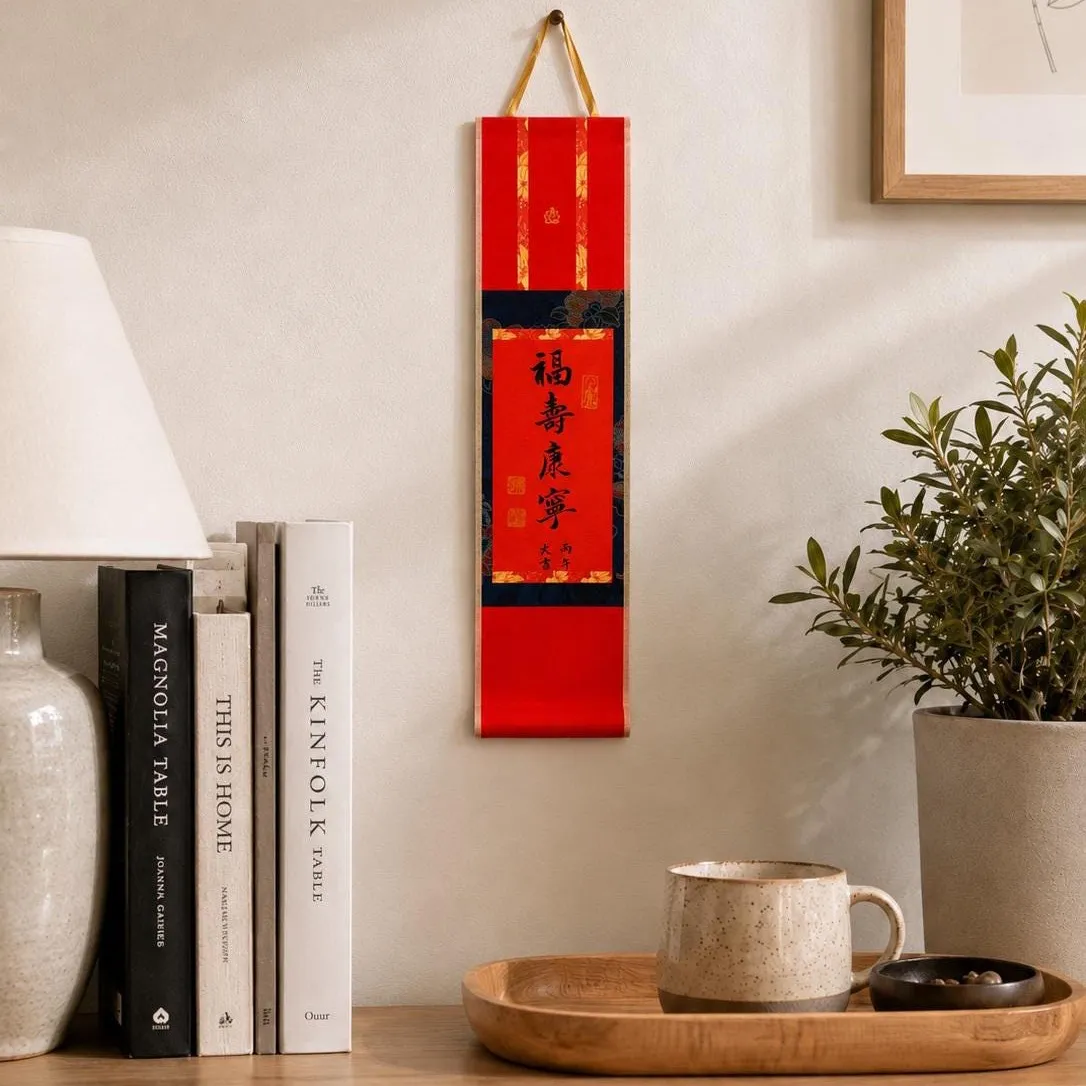
Photo shows a sample — yours will be brushed with 平安喜乐, or any character you choose.
Wall Scroll — for walls & housewarmingsfrom $38→ -
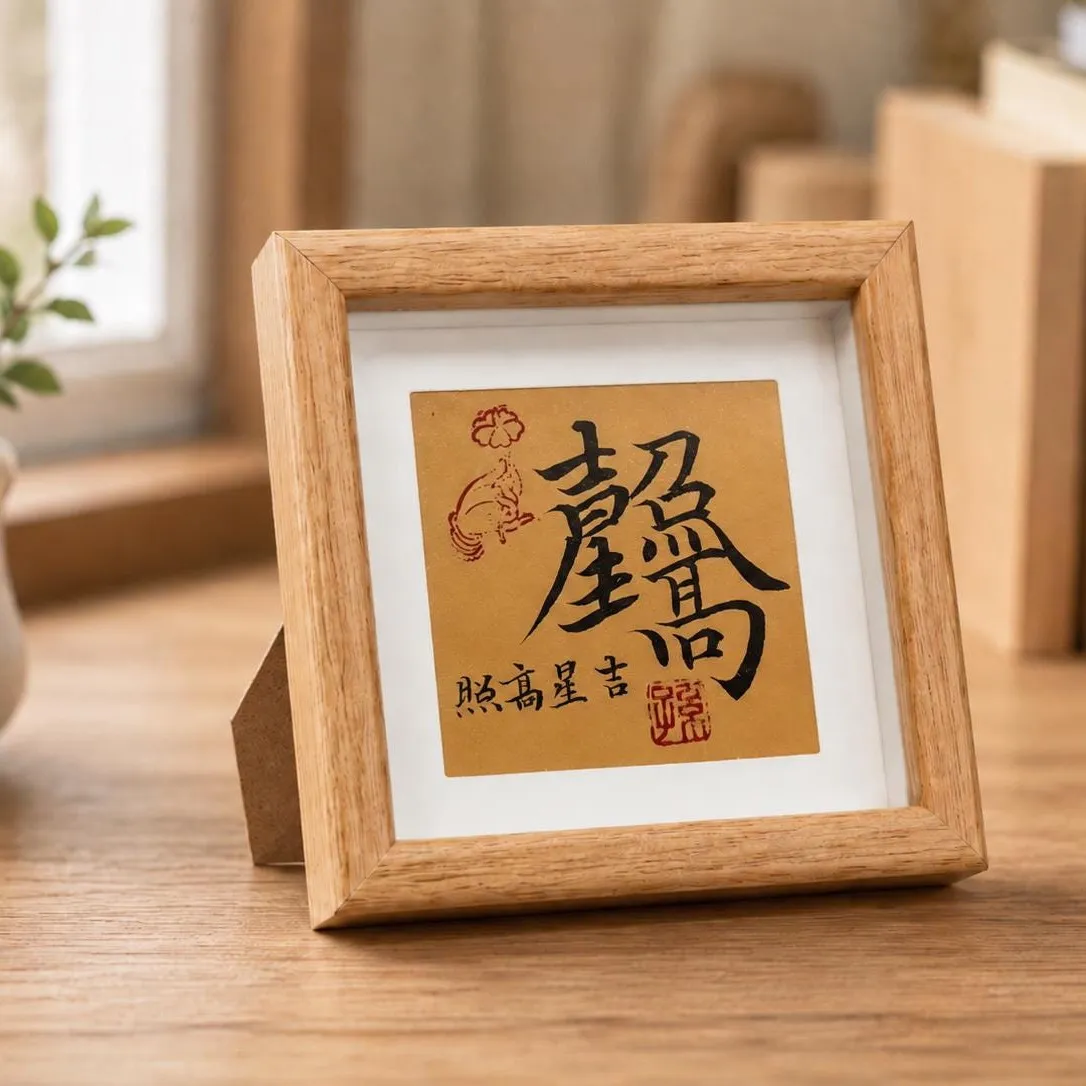
Photo shows a sample — yours will be brushed with 平安喜乐, or any character you choose.
Desk Frame — for desks, studies & studiosfrom $44→ -
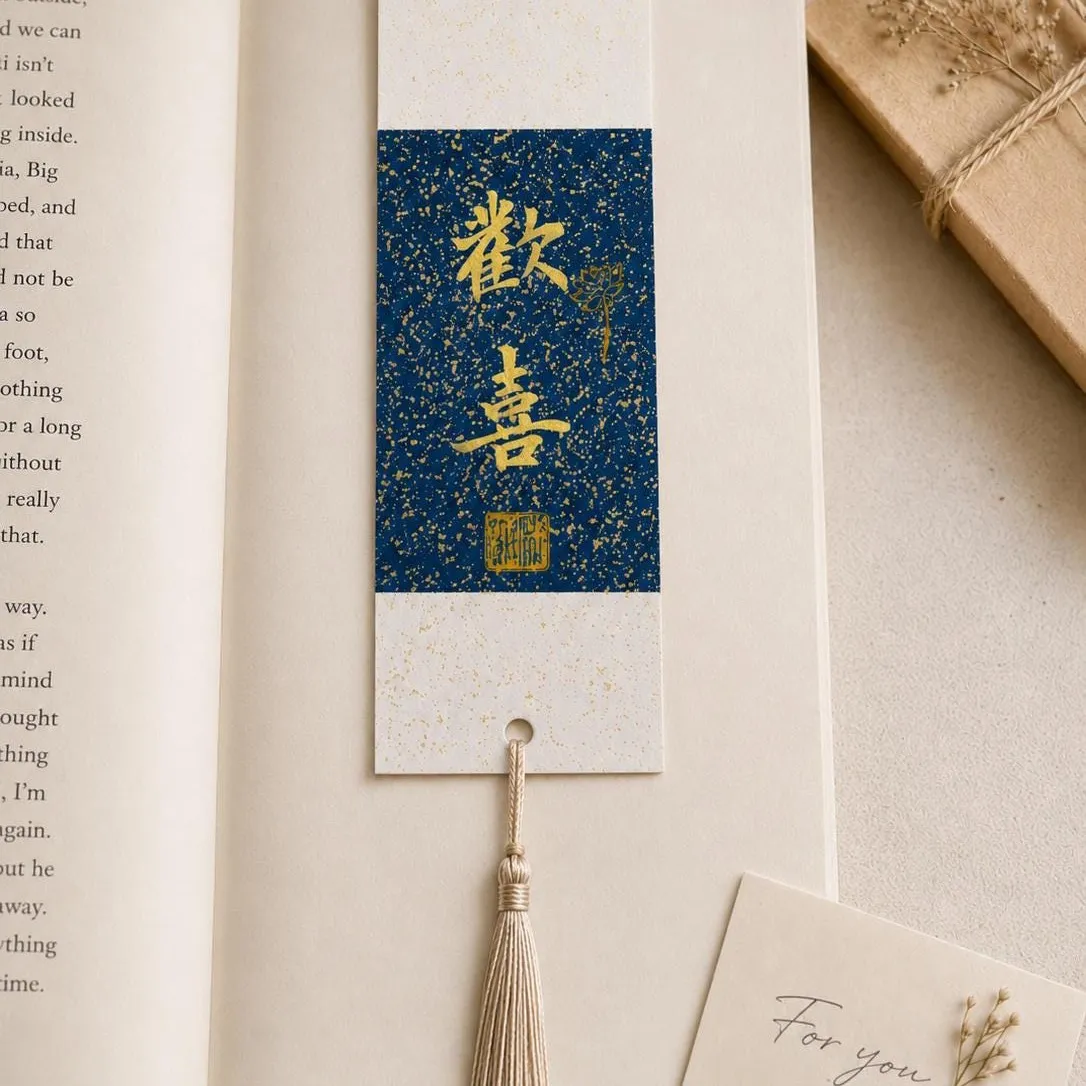
Photo shows a sample — yours will be brushed with 平安喜乐, or any character you choose.
Bookmark — for readers & small thank-yousfrom $14→
What people said after it arrived.
-
The item is fantastic. The customer service was genuine. Thanks!
— M.Verified purchase · from our Etsy shop reviews · -
They were great they gave me exactly what I asked for and then some. Thank you!!
— G.Verified purchase · from our Etsy shop reviews · -
It is well designed and customized. My daughter loves it. Amazing gift for family’s d friends
— S.Verified purchase · from our Etsy shop reviews ·
Each "平安喜乐" is hand-brushed by FuBlessings on rice paper.
See 平安喜乐 (Píng Ān Xǐ Lè) on Etsy →