万事如意 (wàn shì rú yì) — May All Things Go As You Wish
A 4-character phrase, not a single character.
万事如意 is the widest-angle blessing in the Chinese repertoire — the one that refuses to limit itself to a single outcome. Where 招财进宝 names wealth and 一帆风顺 names a smooth journey, 万事如意 steps back and covers the entire field: the promotion, the health checkup, the family reunion, the daily commute, the small email that arrives bearing good news. Ten thousand matters, each one going the way you hoped. Its breadth is not vagueness — it is generosity. The blessing trusts the recipient to know what they need, and wishes for all of it at once.
The phrase shares its second half — 如意 — with one of the most prized objects in Chinese imperial culture: the 如意 scepter, a curved jade or gold ornament held by emperors and exchanged between aristocrats as a gift of the highest order. The Qing imperial collection contains over three thousand of them. When you say 万事如意, you are etymologically handing someone a royal scepter and saying: may your authority over your own life be complete. That imperial echo gives the phrase a weight that its everyday ubiquity might otherwise obscure — this is not a casual greeting, even when it is casually spoken.
A hand-brushed “万事如意” by FuBlessings is the gift for the person whose life you want to bless comprehensively — a friend entering a new chapter, a colleague you genuinely respect, a family member whose year you want to go well in every dimension. It covers the big moments and the quiet ones, the headlines and the footnotes, because a good year is made of all of them.
- everything going your way
- every matter conforming to your hope
- the widest-angle blessing
- good luck Too narrow. 万事如意 is not about chance — it is about specific matters, ten thousand of them, each one going as the recipient wishes.
- best wishes Too soft. The phrase has weight: an imperial scepter behind it, plus the explicit promise of fulfillment across the full range of life.
The short arms are the point: these readings don’t reach it.
- 万事 ten thousand matters — every dimension of life万 is the number that means 'all.' Not literally ten thousand but the entire field — the work, the family, the small daily things, the headlines and the footnotes.
- 如意 as you wish如 (according to) + 意 (intention). Borrowed from the curved jade scepter held by emperors. The promise: not one cosmic wish, but ten thousand daily ones, each conforming to what you hope.
characters
- 万事 wàn shì ten thousand matters — the full field of affairs
- 如意 rú yì as you wish — also the ceremonial scepter
- 心想事成 xīn xiǎng shì chéng may the heart's wishes come true — the intimate counterpart
- 吉祥如意 jí xiáng rú yì auspicious and as you wish — the cosmic counterpart
The Story Behind the Character
万事如意 is assembled from two components that each carry significant weight in classical Chinese. 万事 (wàn shì) means "ten thousand matters" — and in Chinese, 万 has always been the number that stands for "all," the way English uses "everything" without literally counting. 如意 (rú yì) means "as wished" or "as the heart desires," and it shares its name with the 如意 scepter — a curved jade or gold ornament that emperors held in court and that Buddhist monks carried as a symbol of fulfilled intention. The phrase, then, is not casual. It borrows the weight of an imperial object to say: may every single matter in your life go the way you hoped.
The combination likely crystallized as a spoken blessing during the Ming dynasty, when four-character greetings became the standard currency of New Year courtesy. But its roots go deeper. The concept of 如意 — things conforming to intention — runs through Buddhist scripture and Daoist philosophy alike. The 如意宝珠 (wish-fulfilling jewel) appears in sutras as an object that grants whatever the holder desires. By attaching 万事 to 如意, the folk tradition took a high-register concept and made it practical: not one cosmic wish, but ten thousand daily ones.
What distinguishes 万事如意 from other blessings is its refusal to specify. 招财进宝 names wealth. 一帆风顺 names a smooth journey. 心想事成 names the heart's deepest wish. But 万事如意 names everything at once — the promotion, the health, the parking spot, the family dinner that goes well, the email that arrives with good news. It is the broadest blessing in the Chinese repertoire, and its breadth is the point.
Classical lines
- roughly 1,700 years
- c. 150 BCE 《韩诗外传》
- c. 1592 《西游记》
One further source is quoted below without a date printed, so it stays off the rail.
如意金箍棒。 The As-You-Wish Golden-Banded Staff.
Sun Wukong's legendary weapon is named 如意 because it changes size, weight, and form to match its wielder's intention. The same word that blesses your New Year also named the Monkey King's most famous possession.
万事劳其形,百忧撼其心。 Ten thousand matters exhaust the body; a hundred worries shake the heart.
The phrase 万事 appears early in Chinese literature as shorthand for the full weight of human affairs. 万事如意 inverts this burden: may all ten thousand matters, instead of exhausting you, go your way.
但行好事,莫问前程。 Just do good work; don't interrogate the future.
A folk proverb that captures the spirit behind 万事如意: trust the process, and let the ten thousand matters resolve themselves.
Why This Character Matters
The 如意 scepter — the physical object that gives this blessing half its name — was once among the most prized possessions in Chinese court culture. Made of jade, gold, or lacquered wood, curved at the head like a cloud or a mushroom, it was held by emperors during audiences and exchanged between aristocrats as a gift of supreme goodwill. The Qing dynasty imperial collection at the Palace Museum in Beijing contains over 3,000 如意 scepters — more than almost any other category of ceremonial object. When you say 万事如意 to someone at New Year, you are, etymologically, handing them a royal scepter and saying: may your authority over your own life be complete.
In modern Chinese gift culture, 万事如意 occupies the role of the "safe but sincere" blessing — the one you can give to anyone without risk of misjudging the relationship. It appears on red envelopes given to colleagues, on WeChat greetings sent to distant relatives, on the closing line of formal New Year messages. Its universality is not a weakness but a feature: precisely because it does not presume to know what someone most wants, it respects the full range of what they might be hoping for.
A few characters live near "万事如意" but mean something quieter, sharper, or more specific. Here's how to tell them apart.
every matter going your way — fulfillment applied to ten thousand things
fulfillment in the abstract — what the scepter symbolizes, not the scale of its reach
covers the entire field of outward matters — promotion, health, commute, family
starts inside — the private, unspoken wish, the heart's specific hope
names the ten thousand specific outcomes directly
names the precondition — favorable cosmic alignment plus personal fulfillment
万事如意 is the most encompassing of New Year phrases — covering not just the big wishes but the day-to-day.
- 万事如意 is the most encompassing of New Year phrases — covering not just the big wishes but the day-to-day. The standard greeting on red envelopes, the closing line of New Year cards, the toast at the family table.
- For the friend or family member entering a new year of life, 万事如意 covers the whole field of what the year will hold — the work, the family, the small daily things, all of it.
- New Job · PromotionA frequent inscription for someone starting a significant new chapter — the wish that not only the headline goes well, but every quiet matter underneath it.
- Just BecauseFor the friend you want to send genuine, broad goodwill — 万事如意 is the wish that does not narrow itself, the kind you send when you mean all of it.
Family · Friend · Best Friend · Coworker · Boss · Parent · Mentor · or yourself
Looking for a name? See Western names written in Chinese →
-
What does 万事如意 (wàn shì rú yì) mean?
万事如意 (wàn shì rú yì) is a 4-character Chinese phrase for may all things go as you wish. 万事如意 is the widest-angle blessing in the Chinese repertoire — the one that refuses to limit itself to a single outcome. Where 招财进宝 names wealth and 一帆风顺 names a smooth journey, 万事如意 steps back and covers the entire field: the promotion, the health checkup, the family reunion, the daily commute, the small email that arrives bearing good news. Ten thousand matters, each one going the way you hoped. Its breadth is not vagueness — it is generosity. The blessing trusts the recipient to know what they need, and wishes for all of it at once. The 如意 scepter — the physical object that gives this blessing half its name — was once among the most prized possessions in Chinese court culture. Made of jade, gold, or lacquered wood, curved at the head like a cloud or a mushroom, it was held by emperors during audiences and exchanged between aristocrats as a gift of supreme goodwill. The Qing dynasty imperial collection at the Palace Museum in Beijing contains over 3,000 如意 scepters — more than almost any other category of ceremonial object. When you say 万事如意 to someone at New Year, you are, etymologically, handing them a royal scepter and saying: may your authority over your own life be complete.
-
What occasions is 万事如意 given for?
万事如意 is traditionally given for Chinese New Year, Birthday, New Job · Promotion, Just Because. 万事如意 is the most encompassing of New Year phrases — covering not just the big wishes but the day-to-day. The standard greeting on red envelopes, the closing line of New Year cards, the toast at the family table. For the friend or family member entering a new year of life, 万事如意 covers the whole field of what the year will hold — the work, the family, the small daily things, all of it.
-
Who brushes the 万事如意 calligraphy?
FuBlessings hand-brushes each 万事如意 (Wàn Shì Rú Yì) to order, in ink on rice paper — never printed, never repeated.
Bring 万事如意 home — choose how you'd like it brushed.
-
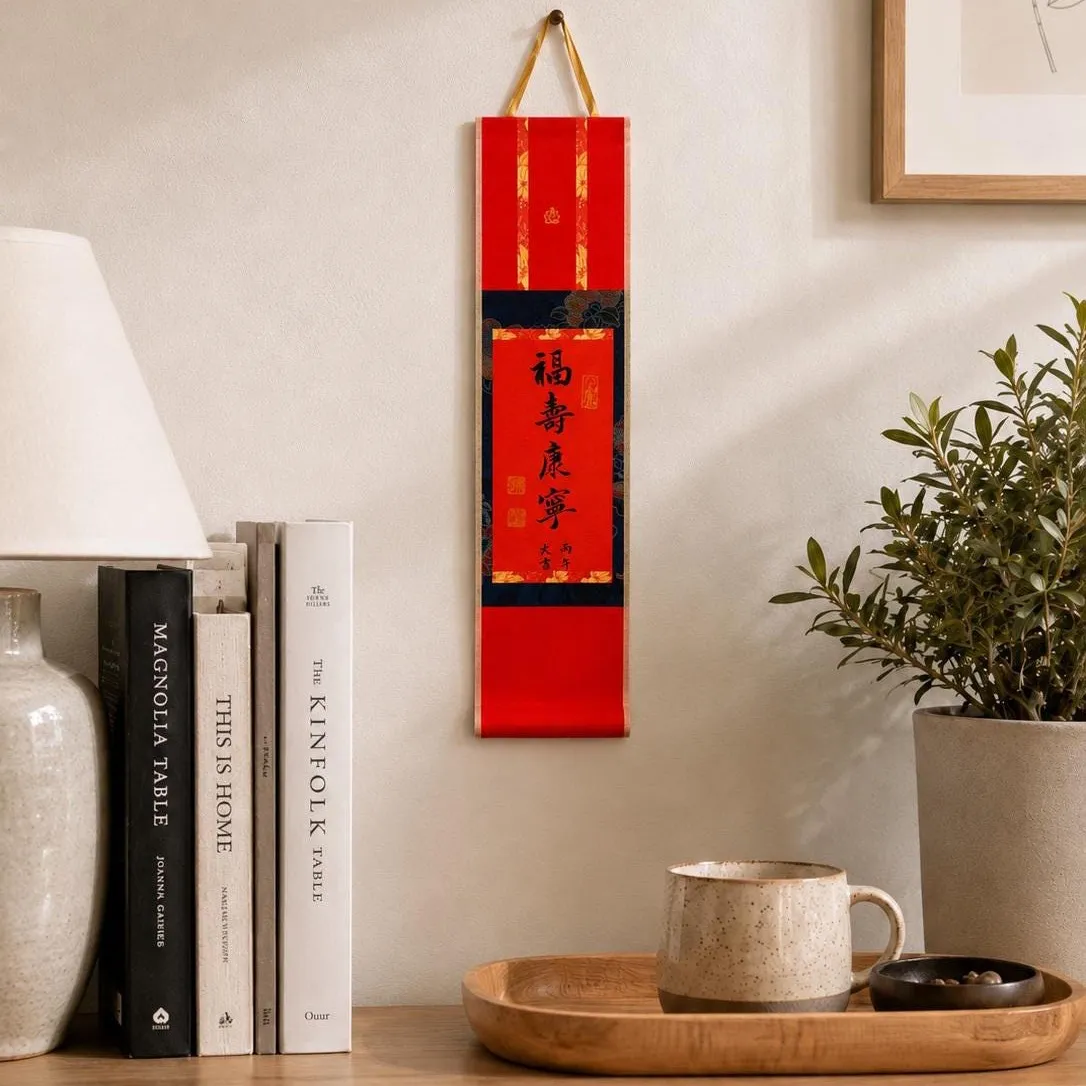
Photo shows a sample — yours will be brushed with 万事如意, or any character you choose.
Wall Scroll — for walls & housewarmingsfrom $38→ -
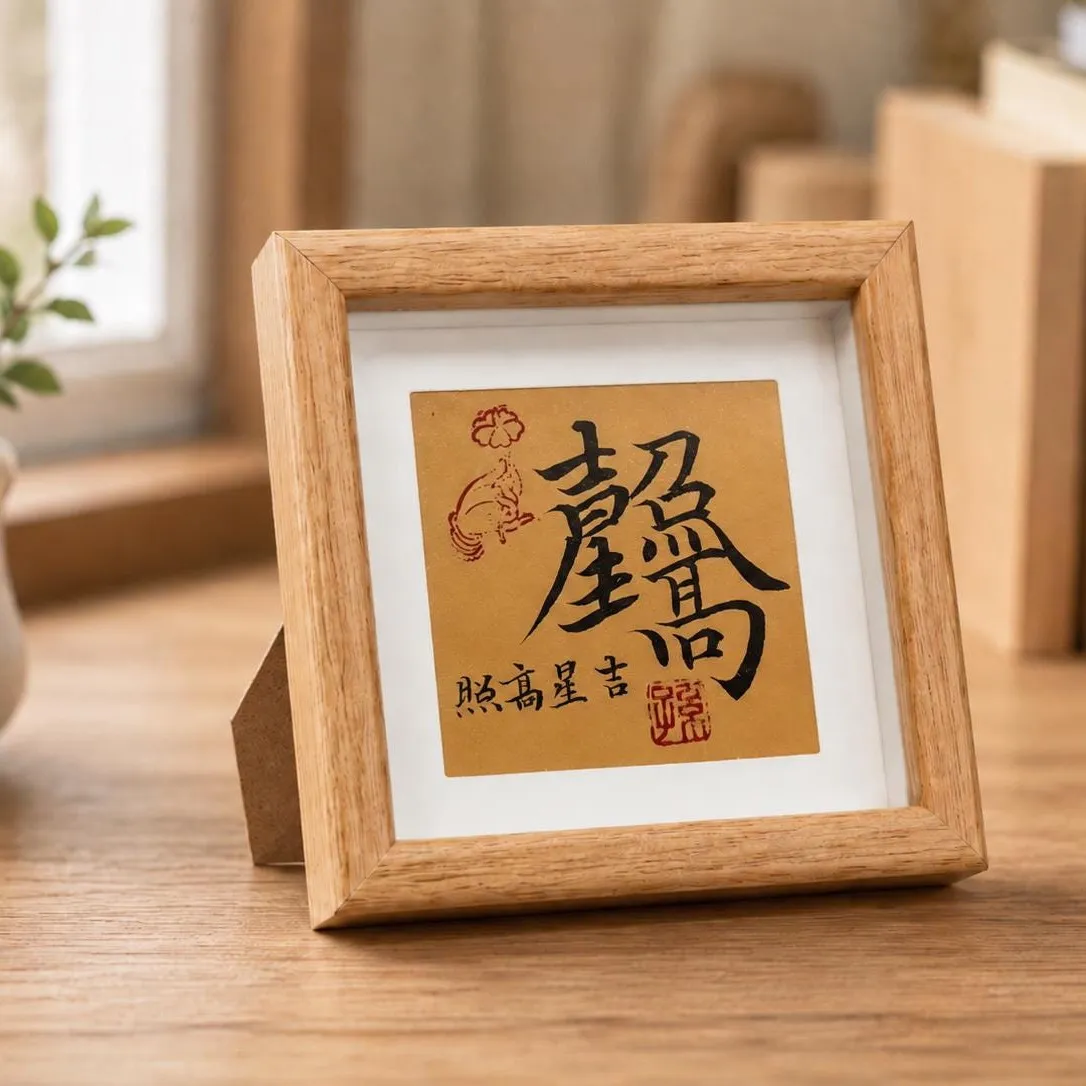
Photo shows a sample — yours will be brushed with 万事如意, or any character you choose.
Desk Frame — for desks, studies & studiosfrom $44→ -
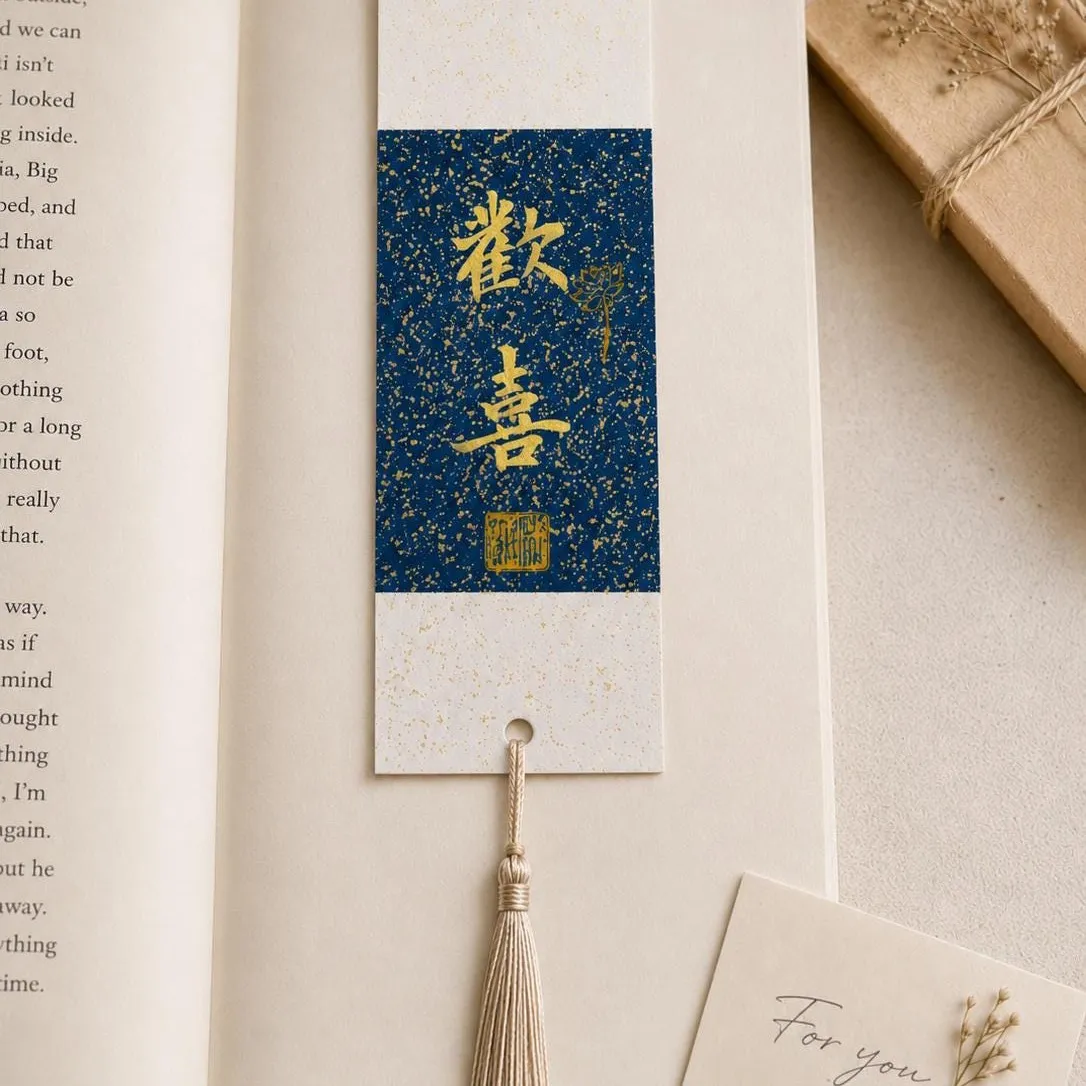
Photo shows a sample — yours will be brushed with 万事如意, or any character you choose.
Bookmark — for readers & small thank-yousfrom $14→

What people said after it arrived.
-
The item is fantastic. The customer service was genuine. Thanks!
— M.Verified purchase · from our Etsy shop reviews · -
They were great they gave me exactly what I asked for and then some. Thank you!!
— G.Verified purchase · from our Etsy shop reviews · -
It is well designed and customized. My daughter loves it. Amazing gift for family’s d friends
— S.Verified purchase · from our Etsy shop reviews ·
Each "万事如意" is hand-brushed by FuBlessings on rice paper.
See 万事如意 (Wàn Shì Rú Yì) on Etsy →