礼 (lǐ) — Propriety · Courtesy · The Form That Fits
A single character.
A room goes quiet for a second when someone who has 礼 walks into it — not because they demanded silence, but because the distances rearrange themselves without a speech. Who is greeted first, where the guest sits, which joke is left unsaid: none of that is written on the wall, and all of it is 礼. The character began at an altar. 《说文》 says it is what you walk, the means of serving the spirits; 王国维 saw two jades in a dish in the older graph. From that rite the word widened until it named every form that keeps people from colliding — courtesy, ceremony, the small grammar of a visit. It sits in the Five Constants between 义 and 智, and Confucius put it at the middle of how a person is built: steadied by 礼 after the Odes have raised you and before music finishes the work.
In ordinary speech the layers stay separate enough to argue about. 礼貌 is the hello and the tone. 礼节 is the seating and the gift. 礼仪 is the wedding and the funeral. 礼尚往来 is the rule that a kindness unanswered is not 礼 at all. The danger is the hollow form: 礼 performed without 敬, the regard 敬 names, which is how the word hardens into a rulebook people resent. That is why a gift of 礼 needs a sentence from the giver. Without it, the character can be read as etiquette-as-enforcement rather than as the form that made a particular friendship, workplace, or household easy to live in.
A hand-brushed 礼 by Artist Lina Sun is five strokes in the simplified form, altar radical beside a single curve; the traditional 禮 keeps the vessel. For a friend it is the return that makes 往来 complete. For a colleague it is the form that lets a team share a room without friction. For a father it is what he taught you about standing among other people, or the bearing he kept so the house did not need to shout. On a birthday it names a habit of returning to the form; at graduation, the standing the certificate cannot confer; on Father’s Day, the quiet standard the children copied. Say which layer you mean.
- the form that fits a person, a room, and a moment
- courtesy between people — 礼貌, 礼节
- ceremony and its choreography — 礼仪, 典礼
- reciprocity of kindness — 礼尚往来
- what steadies a person among others — 立于礼
- force That is 力 (lì), strength applied. 礼 is not power. It is the measured form that keeps power from colliding with other people.
- righteousness That is 义, what a situation turns out to require of you. 礼 is the shared form already in place before the situation is judged. Confucius set the two in order: the 君子 takes 义 as the substance and carries it out through 礼.
- respect That is 敬, the regard turned toward someone. 礼 is the conduct that regard is supposed to take. You can perform 礼 without 敬, which is the hollow form the tradition warned against.
- a gift 礼物 is one modern sense, and a lone 礼 on a card can mean the present itself. The older and wider sense is the form of conduct. A gift of the character is asking for that wider reading.
The short arms are the point: these readings don’t reach it.
- 礻 / 示 spirit altarThe left side of both 礼 and 禮. 《说文》 files the character under 示 because, as 徐铉 notes, of the five kinds of 礼 none is weightier than sacrifice. In the simplified form the altar is written as the compressed radical 礻 (点, 横撇, 竖, 点).
- 豊 ritual vessel; also the soundThe right side of traditional 禮. 《说文》 calls 豊 the vessel used in the rite and also the phonetic. 王国维 read the older graph as two jades in a stemmed dish. Do not confuse 豊 (lǐ) with 豐 (fēng, abundance); the two shapes were mixed in some Han and Wei inscriptions, but they are different words.
- 乚 the right stroke of simplified 礼Simplified 礼 follows the 《说文》 古文 form: altar radical plus a single curved stroke (竖弯钩). Five strokes in all (笔顺 45245). The short form drops the vessel picture and keeps the altar and the sound.
character
- 礼貌 lǐ mào everyday courtesy — the visible manner of greeting, thanking, and making way
- 礼仪 lǐ yí ceremony and its correct form — weddings, funerals, state rites, formal visits
- 礼节 lǐ jié the smaller grammar of visits, gifts, and seating — etiquette in pieces
- 礼尚往来 lǐ shàng wǎng lái 礼 values coming and going — answer a kindness with a kindness
- 规矩 guī ju the rules and proper ways of a household or a trade — sense neighbor without sharing a character
Cinnabar marks the characters 礼 actually contains. The dark row is a relative by meaning or by sound, not one shared stroke.
The Story Behind the Character
The traditional graph 禮 puts the spirit-altar radical 示 beside 豊, and 《说文解字》 defines the whole in one job: 履也。所以事神致福也 — it is what you walk, the means by which you serve the spirits and bring the blessing home. 徐铉's note on the same entry is blunt about the priority: of the five kinds of 礼, none weighs more than sacrifice, which is why the character is filed under 示. 豊, he adds, is the vessel itself; the dictionary's own text had already said that 豊 also carries the sound.
Earlier writing makes the vessel clearer than the dictionary could. The scholar 王国维 read the older graph 豊 as two pieces of jade set in a stemmed dish — 像二玉在器之形 — and argued that the word for the vessel, the sweet wine offered in it, and the service done with it were once the same writing, later split into 豊, 醴, and 禮. Modern simplified 礼 is not a modern invention. 《说文》 already lists 礼 as an 古文 form of 禮, and that short shape — the altar radical with a single curved stroke — is the one the 1956 reform made standard.
From the altar the word widened to every measured form between people. 《礼记·曲礼上》 says 礼 fixes who is near and who is far, settles what is doubtful, sorts same from different, and makes right and wrong plain. Confucius put the same word at the middle of how a person is assembled: raised by the Odes, steadied by 礼, finished in music. The character that began as a way to serve the spirits became the name for the form that lets people share a room without colliding.
Classical lines
- about a century
- c. 400 BCE 《论语·季氏》
- c. 400 BCE 《论语·颜渊》
- c. 300 BCE 《礼记·曲礼上》
不学礼,无以立。 If you do not study 礼, you will have nothing to stand on.
孔子's son 鲤 reports the lesson to 陈亢: his father had asked whether he had studied the Odes, then whether he had studied 礼, and closed each question with the same test. Without the Odes you have nothing to say; without 礼 you cannot stand. 立 here is not a promotion. It is the capacity to hold your place among other people.
克己复礼为仁。一日克己复礼,天下归仁焉。为仁由己,而由人乎哉? To restrain yourself and return to 礼 is 仁. Let that be done for a single day and the world will turn toward 仁. Being 仁 starts from oneself
how could it start from someone else? — Asked for the details, 孔子 gave four refusals: what is not 礼, do not look at; what is not 礼, do not listen to; what is not 礼, do not say; what is not 礼, do not do. 礼 is the form; 克己 is the work of matching yourself to it.
太上贵德,其次务施报。礼尚往来。往而不来,非礼也;来而不往,亦非礼也。 In the highest age, what counted was virtue; in the next, giving and return were attended to. 礼 values coming and going. To go and not have a return is not 礼; to receive a coming and make no return is not 礼 either.
The chapter that opens the 《礼记》 treats reciprocity not as warmth but as the minimum form. The same paragraph adds that people with 礼 are at ease, and people without it are at risk.
Why This Character Matters
Modern Chinese keeps every layer the old graph earned. 礼貌 is the everyday courtesy of a greeting and a tone. 礼仪 is the choreography of a ceremony. 礼节 is the smaller grammar of visits and gifts. 礼物 is the object handed over, and in speech a 礼 can mean that object alone. 礼尚往来 is still the ordinary phrase for answering a kindness with a kindness, taken straight from the 《曲礼》. The four-character banner 礼义廉耻, one of 《管子》's four cords of a state, still turns up on school walls.
The word also marks a danger the tradition never stopped naming. 礼 can harden into 礼教, a system of forms enforced without the regard that was supposed to fill them, and twentieth-century writing used that compound as a charge. A gift of 礼 therefore goes best with a word from the giver about which layer is meant: the courtesy, the ceremony, or the measured form that keeps a household and a workplace at ease. Without that word, the character on the wall can be read as a rulebook.
礼 is one of the Five Constants (仁义礼智信), so a lone 礼 on skin can read as a virtue mark rather than a decoration. The same character also means a gift (礼物), so some readers will ask whether you meant courtesy or a present. Saying the sense up front — propriety, not package — keeps the reading where you want it. Compounds such as 礼貌 or 礼仪 are clearer in speech but rarely tattooed; the single character is the usual choice.
Calligraphy Styles for Tattoos
- Regular script (楷书 kǎishū) Best for tattoos
Simplified 礼 is 5 strokes: the altar radical 礻, then 竖弯钩. Regular script keeps the radical's four strokes distinct from the curve so the character does not collapse into a mark. Legible down to about 1 inch. Traditional 禮 at 17 strokes needs 2+ inches for the vessel side to stay clear.
- Running script (行书 xíngshū) Good for traditional 禮; thin for simplified 礼
Traditional 禮 has enough material for running script to move without erasing the vessel. Simplified 礼 has so few strokes that running script barely changes it — choose 禮 if you want flow.
- Cursive script (草书 cǎoshū) Only with an expert calligrapher
In cursive, simplified 礼 can drift toward an unreadable hook beside a mark. Traditional 禮 holds more structure but packs 示 and 豊 tightly; needs a specialist and a clear brief about which form you want.
Common Mistakes to Avoid
- Writing 衤 (the clothing radical) instead of 礻 (the altar radical)Intended: 礼 / 禮 with 示 on the left
衤 and 礻 look alike in small sizes. 衤 belongs to clothing characters (袖, 衫). 礼 belongs to the altar series (社, 神, 福). A Chinese reader spots the swap at once.
- Mixing simplified 礼 and traditional 禮 in one designIntended: one form for the whole piece
礼 and 禮 are the same word in two scripts. Pairing traditional 義 beside simplified 礼, or the reverse, reads as unfinished to anyone who knows both.
Notes for Your Tattoo Artist
5 strokes simplified, 17 traditional — settle the form first. For 礼, keep 礻's second stroke (横撇) from merging into the vertical, and let the 竖弯钩 finish with a clear hook rather than a straight drop. For 禮, compress 豊's upper 曲 so the 豆 below still reads as a vessel; the left 示 should stay slightly shorter than the right so the character does not tip.
A few characters live near "礼" but mean something quieter, sharper, or more specific. Here's how to tell them apart.
the shared form already in place — how a room is supposed to be entered and left
what this situation turns out to require of you — rightness judged in the act
the conduct and the ceremony — what regard looks like when it is done
the regard itself — active, sustained respect turned toward someone
the form you return to when you restrain yourself — 复礼
the standing orientation toward other people that makes the form worth keeping
颜渊 asked what 仁 looked like in practice, and 孔子 answered 克己复礼: restrain yourself and return to 礼.
- 颜渊 asked what 仁 looked like in practice, and 孔子 answered 克己复礼: restrain yourself and return to 礼. The answer was not a mood and not a one-day vow. It was a habit of checking the form — what you look at, listen to, say, and do — against a standard outside the urge of the moment. On a birthday that habit is worth naming in someone who already keeps it, because the years do not invent the form; they only show whether it held.
- 孔子 told his son that without 礼 a person cannot 立, stand up in the world. Graduation is the day the standing begins in public. The certificate names what was finished; 礼 names the bearing that has to carry the next room — how to enter it, when to speak, and how far to claim. It is a sharper gift than a wish for success, because it names the condition under which success stays fit to keep.
- A household that runs on 礼 rarely has to raise its voice. The children learn the distances — who is greeted first, which jokes stop at the door, how a guest is seated — by watching the father keep them without announcing the rule. Father's Day gifts often reach for strength or sacrifice. This one names the quieter work: the form he kept so the house could stay at ease.
Looking for a name? See Western names written in Chinese →
-
What does 礼 (lǐ) mean?
礼 (lǐ) is the Chinese character for propriety, courtesy, the form that fits. A room goes quiet for a second when someone who has 礼 walks into it — not because they demanded silence, but because the distances rearrange themselves without a speech. Who is greeted first, where the guest sits, which joke is left unsaid: none of that is written on the wall, and all of it is 礼. The character began at an altar. 《说文》 says it is what you walk, the means of serving the spirits; 王国维 saw two jades in a dish in the older graph. From that rite the word widened until it named every form that keeps people from colliding — courtesy, ceremony, the small grammar of a visit. It sits in the Five Constants between 义 and 智, and Confucius put it at the middle of how a person is built: steadied by 礼 after the Odes have raised you and before music finishes the work. Modern Chinese keeps every layer the old graph earned. 礼貌 is the everyday courtesy of a greeting and a tone. 礼仪 is the choreography of a ceremony. 礼节 is the smaller grammar of visits and gifts. 礼物 is the object handed over, and in speech a 礼 can mean that object alone. 礼尚往来 is still the ordinary phrase for answering a kindness with a kindness, taken straight from the 《曲礼》. The four-character banner 礼义廉耻, one of 《管子》's four cords of a state, still turns up on school walls.
-
What occasions is 礼 given for?
礼 is traditionally given for Birthday, Graduation, Father's Day. 颜渊 asked what 仁 looked like in practice, and 孔子 answered 克己复礼: restrain yourself and return to 礼. The answer was not a mood and not a one-day vow. It was a habit of checking the form — what you look at, listen to, say, and do — against a standard outside the urge of the moment. On a birthday that habit is worth naming in someone who already keeps it, because the years do not invent the form; they only show whether it held. 孔子 told his son that without 礼 a person cannot 立, stand up in the world. Graduation is the day the standing begins in public. The certificate names what was finished; 礼 names the bearing that has to carry the next room — how to enter it, when to speak, and how far to claim. It is a sharper gift than a wish for success, because it names the condition under which success stays fit to keep.
-
Is 礼 a good Chinese tattoo?
礼 is one of the Five Constants (仁义礼智信), so a lone 礼 on skin can read as a virtue mark rather than a decoration. The same character also means a gift (礼物), so some readers will ask whether you meant courtesy or a present. Saying the sense up front — propriety, not package — keeps the reading where you want it. Compounds such as 礼貌 or 礼仪 are clearer in speech but rarely tattooed; the single character is the usual choice.
-
Who brushes the 礼 calligraphy?
Each 礼 (Lǐ) is hand-brushed to order by Artist Lina Sun in ink on rice paper — never printed, never repeated.
Bring 礼 home — choose how you'd like it brushed.
-
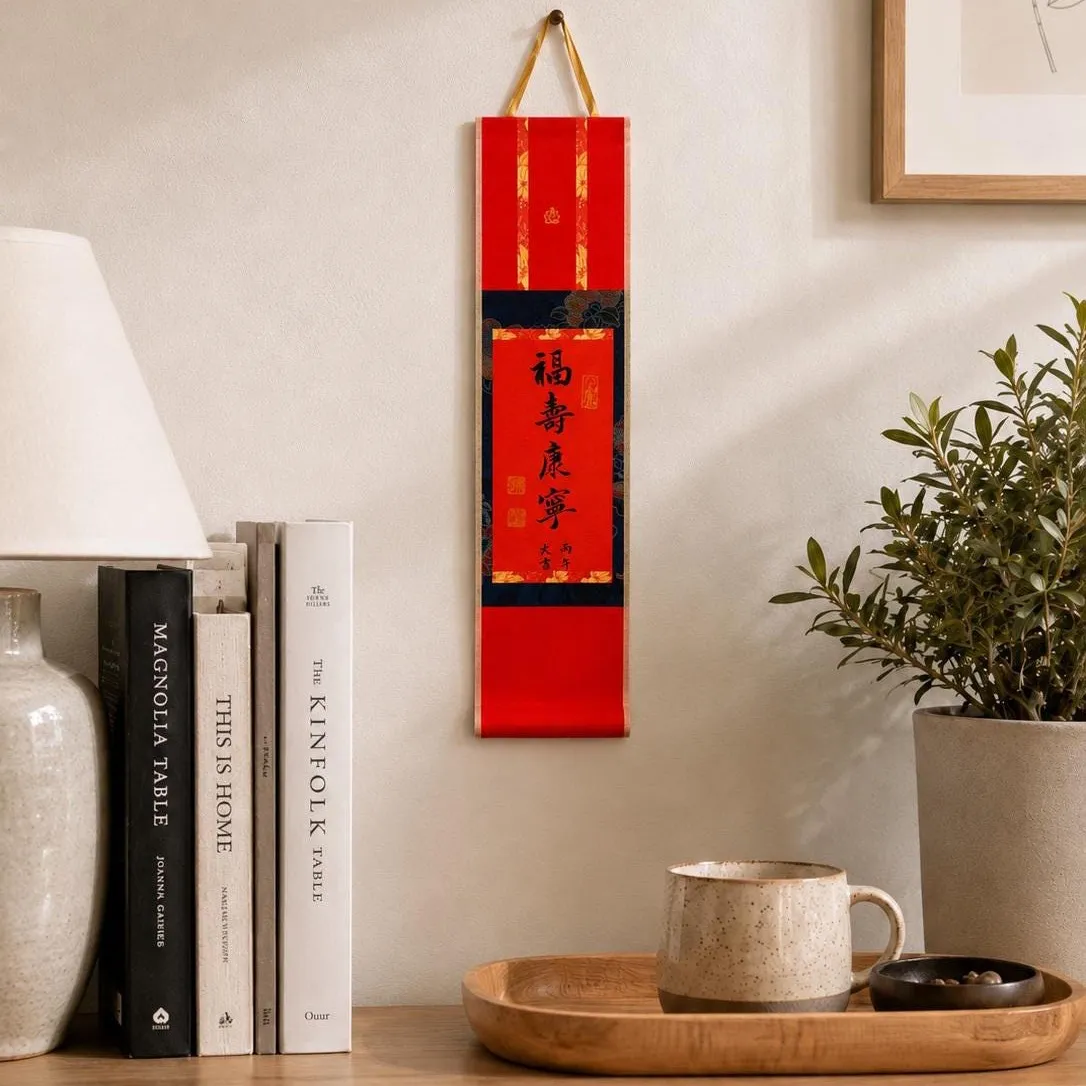
Photo shows a sample — yours will be brushed with 礼, or any character you choose.
Wall Scroll — for walls & housewarmingsfrom $38→ -
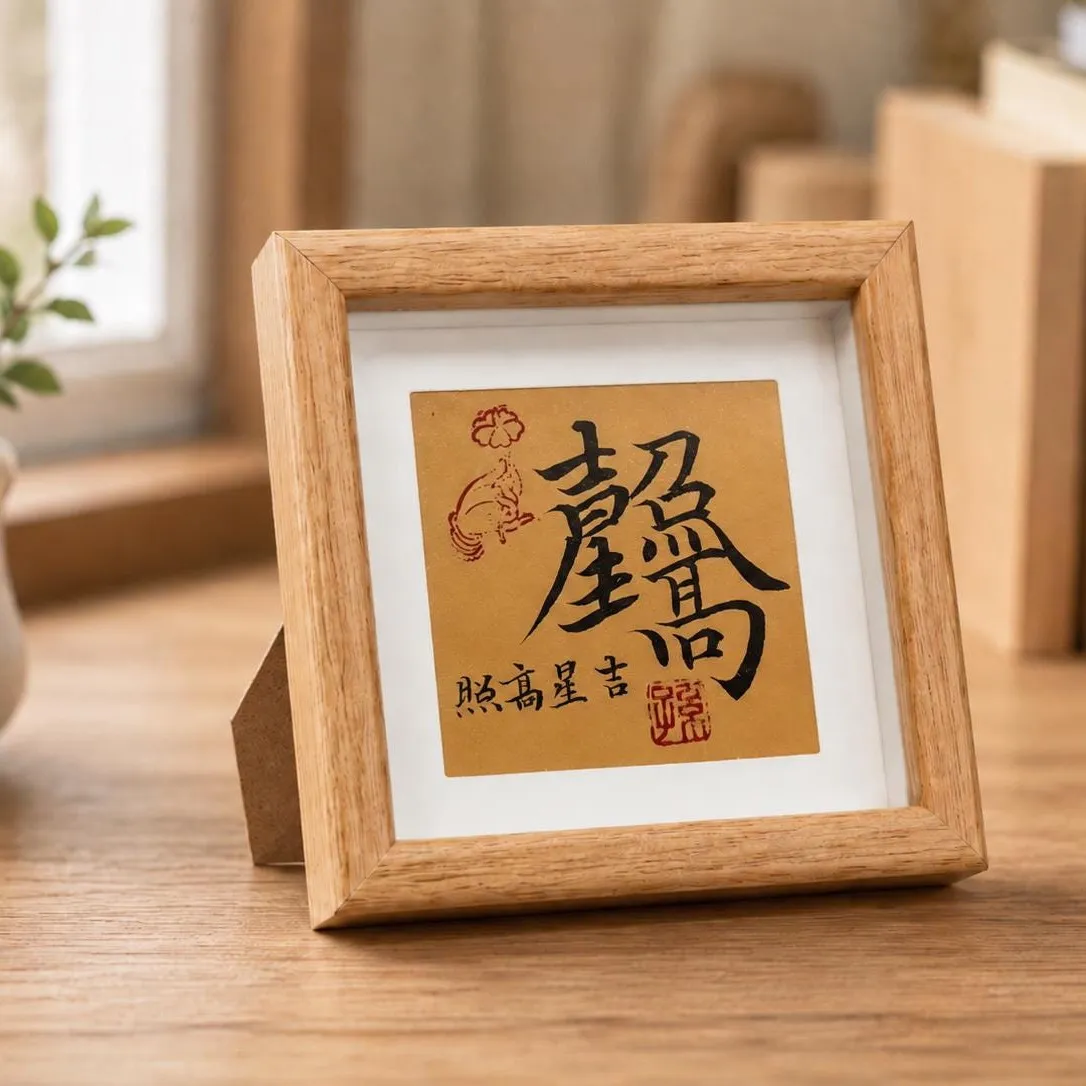
Photo shows a sample — yours will be brushed with 礼, or any character you choose.
Desk Frame — for desks, studies & studiosfrom $44→ -
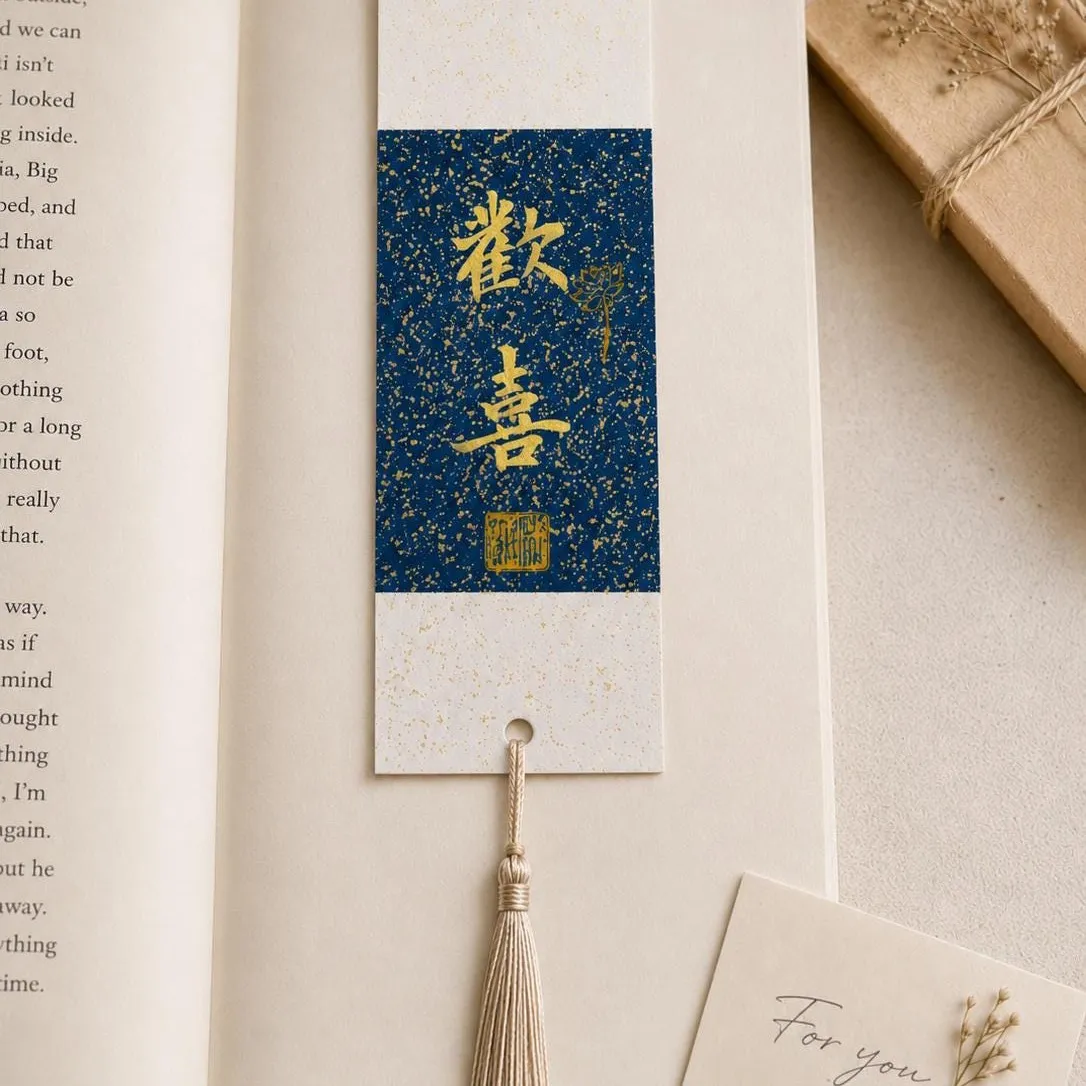
Photo shows a sample — yours will be brushed with 礼, or any character you choose.
Bookmark — for readers & small thank-yousfrom $17→
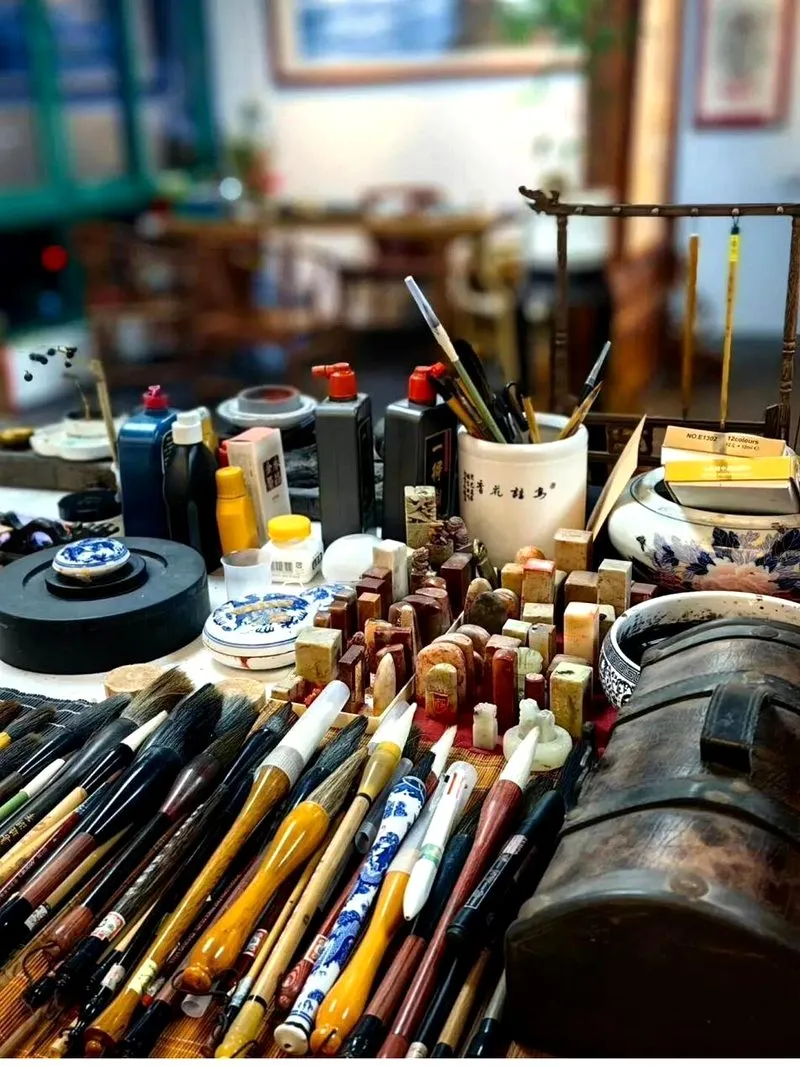
What people said after it arrived.
-
The item is fantastic. The customer service was genuine. Thanks!
— M.Verified purchase · from our Etsy shop reviews · -
They were great they gave me exactly what I asked for and then some. Thank you!!
— G.Verified purchase · from our Etsy shop reviews · -
It is well designed and customized. My daughter loves it. Amazing gift for family’s d friends
— S.Verified purchase · from our Etsy shop reviews ·
Each "礼" is hand-brushed by Artist Lina Sun on rice paper.
See 礼 (Lǐ) on Etsy →