长寿 (cháng shòu) — Longevity · Long Life
A two-character word, not a single character.
长寿 is the most direct wish in the Chinese blessing vocabulary — no qualifiers about how the years should feel, no conditions about health or virtue, just the foundational demand: more time. Where 安康 asks that life be sound and 福寿 asks that it be both blessed and long, 长寿 strips down to the single thing that makes every other wish possible. A parent cannot enjoy wealth, health, or grandchildren if they are not here. 长寿 names that prerequisite and refuses to dress it up.
The wish lives at the center of Chinese milestone birthdays. At a 60th birthday banquet — marking the completion of one full cycle of the traditional calendar — the hall is draped in red, the table features 寿桃 (longevity peaches), and the scrolls on the wall bear 长寿 or 寿 in calligraphy. The same scene repeats at 70 and 80, each decade making the wish more urgent and more earned. The character 寿 itself has over a hundred documented calligraphic variants, more than any other Chinese character — a proliferation that happened precisely because so many calligraphers across so many centuries needed to write it on so many birthday gifts.
A hand-brushed “长寿” by FuBlessings carries that tradition forward — a gift for the parent or grandparent whose continued presence is the thing the family values most. It says the essential thing without softening or elaboration: the wish for more years, in ink.
- long life
- many years
- continued presence
- an extended span
- immortality Overreaches. 长寿 is a wish for more years within human limits, not a wish to escape mortality.
- old age Names only the destination. 长寿 names the duration — the full arc, lived through to a late age.
The short arms are the point: these readings don’t reach it.
- 长 long / extended durationModifies and intensifies. Originally a figure with streaming hair, the character stretches from physical length to temporal duration. Converts a general wish into a specific demand: not just life, but more of it.
- 寿 longevity / a full span of yearsThe classical character of longevity, listed first among the Five Blessings. Has over a hundred calligraphic variants — more than any other Chinese character — because it appears on so many birthday objects.
characters
- 长寿百岁 cháng shòu bǎi suì a life of a hundred years — the classical maximum birthday wish
- 健康长寿 jiàn kāng cháng shòu healthy and long-lived — the modern birthday formula
- 福如东海,寿比南山 fú rú dōng hǎi, shòu bǐ nán shān fortune like the Eastern Sea, longevity like the Southern Mountains — the most lavish elder birthday couplet
- 长命百岁 cháng mìng bǎi suì long-lived to a hundred — said to children and elders alike
- 万寿无疆 wàn shòu wú jiāng ten thousand years without limit — the formal imperial-register longevity wish
The Story Behind the Character
长 and 寿 are each complete ideas on their own, but their combination creates something more insistent than either. 长 is one of the oldest spatial words in Chinese — its oracle bone form shows a figure with long, streaming hair, and its meaning stretches from physical length to temporal duration: a long road, a long year, a long life. 寿 carries its own deep history as the character of longevity — the inscription on birthday banners, the shape painted onto peaches, the word carved into red lacquer at milestone celebrations. [See 寿 →](/library/shou/)
When 长 modifies 寿, it adds emphasis that changes the register. 寿 alone is a wish for longevity — graceful, classical, contained. 长寿 is a wish for extended longevity — a life that continues past what anyone specifically planned on. The modifier 长 converts a general hope into a specific demand: not just long life, but longer. More years. The insistence is the point.
The compound appears in the Book of Documents (《尚书·洪范》), where 寿 is listed as the first of the 五福 (Five Blessings) — before wealth, health, virtue, or a peaceful end. That priority is not decorative. In the Confucian understanding, a parent or grandparent alive and present is the condition for everything else the family can build. 长寿 names that foundational wish without qualification or hedge.
Classical lines
- roughly 1,100 years
- c. 400 BCE 《论语·颜渊》
- c. 300 BCE 《庄子·逍遥游》
- c. 675 CE 王勃《滕王阁序》
上古有大椿者,以八千岁为春,八千岁为秋。 In high antiquity there was a great toon tree that counted eight thousand years as a single spring, and eight thousand more as an autumn.
Zhuangzi's image of life on an unimaginable scale. The 大椿 became the emblem of longevity itself — which is why an elder's birthday is still called 椿龄, the age of the great tree.
老当益壮,宁移白首之心;穷且益坚,不坠青云之志。 Older, one should only grow stronger
why would a white head change its heart? Pressed, one only hardens — never letting go of its highest aim. — Wang Bo, writing in his twenties, on what age ought to do to a person. 长寿 is the wish for years like these: not merely added, but met with an undiminished spirit.
死生有命,富贵在天。 Life and death are a matter of destiny; wealth and rank rest with Heaven.
Confucius acknowledging that longevity is ultimately beyond human control, which is precisely why it is wished for so fervently.
Why This Character Matters
At Chinese milestone birthdays — particularly the 60th (花甲), 70th (古稀), and 80th (耄耋) — 长寿 is not just a greeting but an organizing principle. The banquet table features 寿桃 (longevity peaches), the hall is draped in red banners bearing 寿 in calligraphy, and the gifts — from scrolls to jewelry to jade carvings — almost universally carry 长寿 or 寿 as their central inscription. The number 60 has particular weight: it marks the completion of one full cycle of the Chinese sexagenary calendar (天干地支), making the 60th birthday literally a second birth.
The character 寿 itself has more calligraphic variants than any other Chinese character — over a hundred documented forms, from the angular seal script (篆书) version to flowing cursive (草书) renditions. This proliferation is not accidental. Because 寿 appears on so many birthday gifts, banners, and plaques, calligraphers across centuries competed to create distinctive versions, turning longevity into an art form. A 长寿 scroll is therefore both a wish and an entry into a tradition of visual invention that stretches back millennia.
A few characters live near "长寿" but mean something quieter, sharper, or more specific. Here's how to tell them apart.
extended longevity — adds emphasis, the demand for more years
longevity itself — the foundational character, contained and classical
long life alone — the prerequisite, stripped of conditions
blessing and longevity together — the years must be many and good
duration — that the life continues
soundness — that the life feels well, body and mind together
长寿 is the birthday wish for a parent or grandparent entering another year — direct and specific: more years, continuing past what was counted on.
- 长寿 is the birthday wish for a parent or grandparent entering another year — direct and specific: more years, continuing past what was counted on. Most apt at the milestone birthdays (60th, 70th, 80th) when families gather specifically to honor continued presence.
- For the father whose continued presence is the gift itself. 长寿 doesn't elaborate — it names the foundational wish that underlies every other blessing you might give him: that he stays.
- For the mother whose years have been the sustaining structure of the family. 长寿 makes the plainest longevity wish: more years, unspecified, extending past what anyone counted on.
Grandparent · Dad · Mom · or yourself
Looking for a name? See Western names written in Chinese →
-
What does 长寿 (cháng shòu) mean?
长寿 (cháng shòu) is a two-character Chinese word for longevity, long life. 长寿 is the most direct wish in the Chinese blessing vocabulary — no qualifiers about how the years should feel, no conditions about health or virtue, just the foundational demand: more time. Where 安康 asks that life be sound and 福寿 asks that it be both blessed and long, 长寿 strips down to the single thing that makes every other wish possible. A parent cannot enjoy wealth, health, or grandchildren if they are not here. 长寿 names that prerequisite and refuses to dress it up. At Chinese milestone birthdays — particularly the 60th (花甲), 70th (古稀), and 80th (耄耋) — 长寿 is not just a greeting but an organizing principle. The banquet table features 寿桃 (longevity peaches), the hall is draped in red banners bearing 寿 in calligraphy, and the gifts — from scrolls to jewelry to jade carvings — almost universally carry 长寿 or 寿 as their central inscription. The number 60 has particular weight: it marks the completion of one full cycle of the Chinese sexagenary calendar (天干地支), making the 60th birthday literally a second birth.
-
What occasions is 长寿 given for?
长寿 is traditionally given for Birthday, Father's Day, Mother's Day. 长寿 is the birthday wish for a parent or grandparent entering another year — direct and specific: more years, continuing past what was counted on. Most apt at the milestone birthdays (60th, 70th, 80th) when families gather specifically to honor continued presence. For the father whose continued presence is the gift itself. 长寿 doesn't elaborate — it names the foundational wish that underlies every other blessing you might give him: that he stays.
-
Who brushes the 长寿 calligraphy?
FuBlessings hand-brushes each 长寿 (Cháng Shòu) to order, in ink on rice paper — never printed, never repeated.
Bring 长寿 home — choose how you'd like it brushed.
-
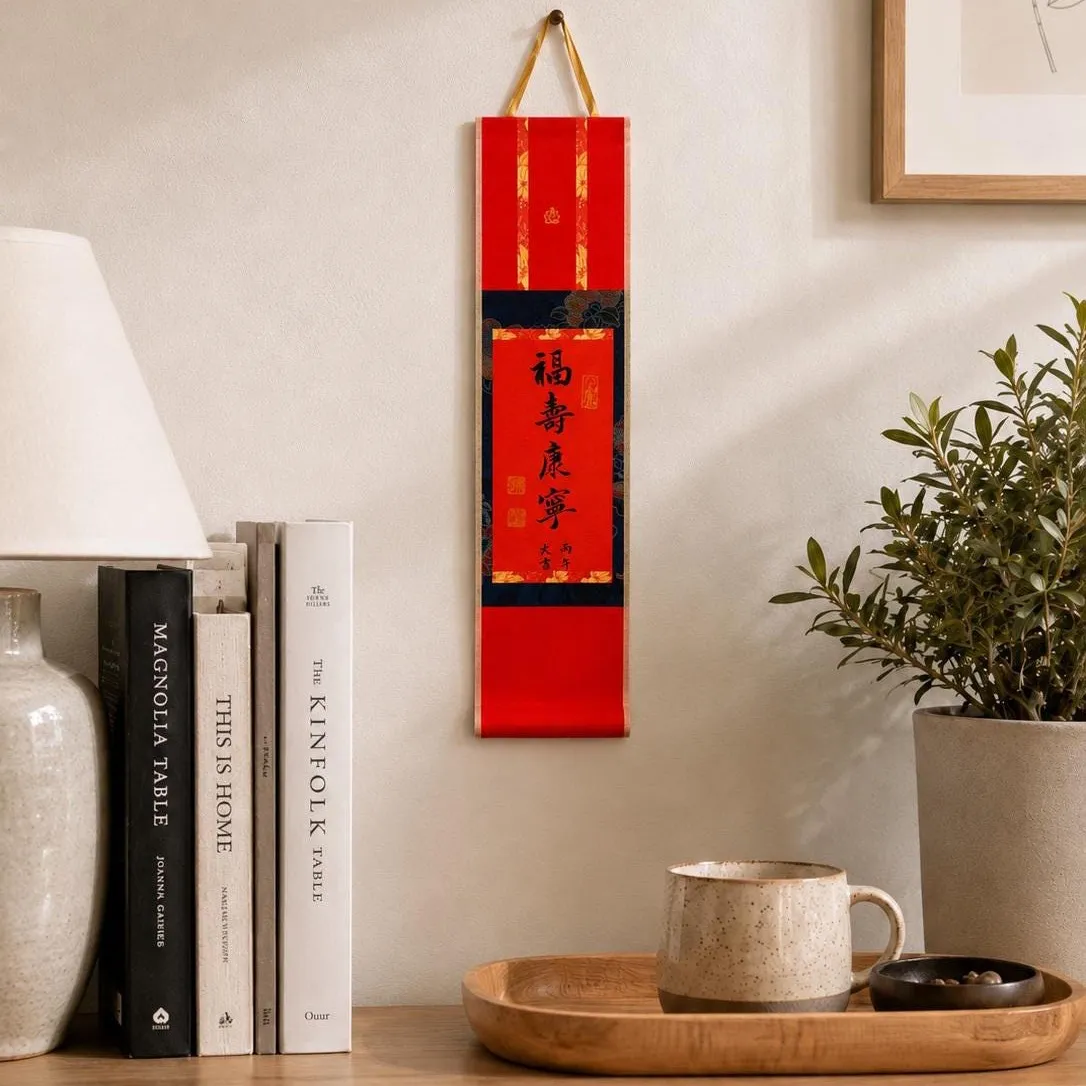
Photo shows a sample — yours will be brushed with 长寿, or any character you choose.
Wall Scroll — for walls & housewarmingsfrom $38→ -
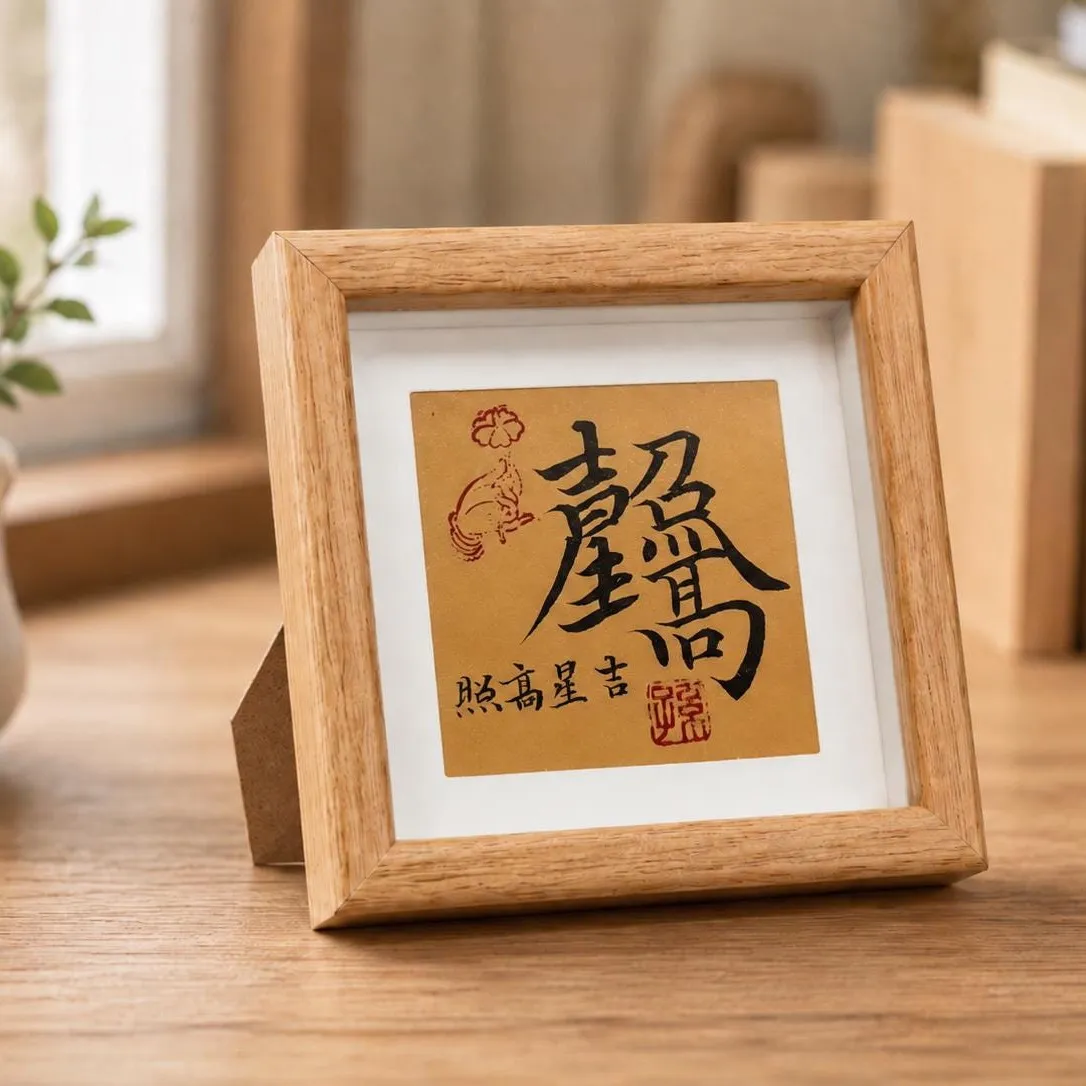
Photo shows a sample — yours will be brushed with 长寿, or any character you choose.
Desk Frame — for desks, studies & studiosfrom $44→ -
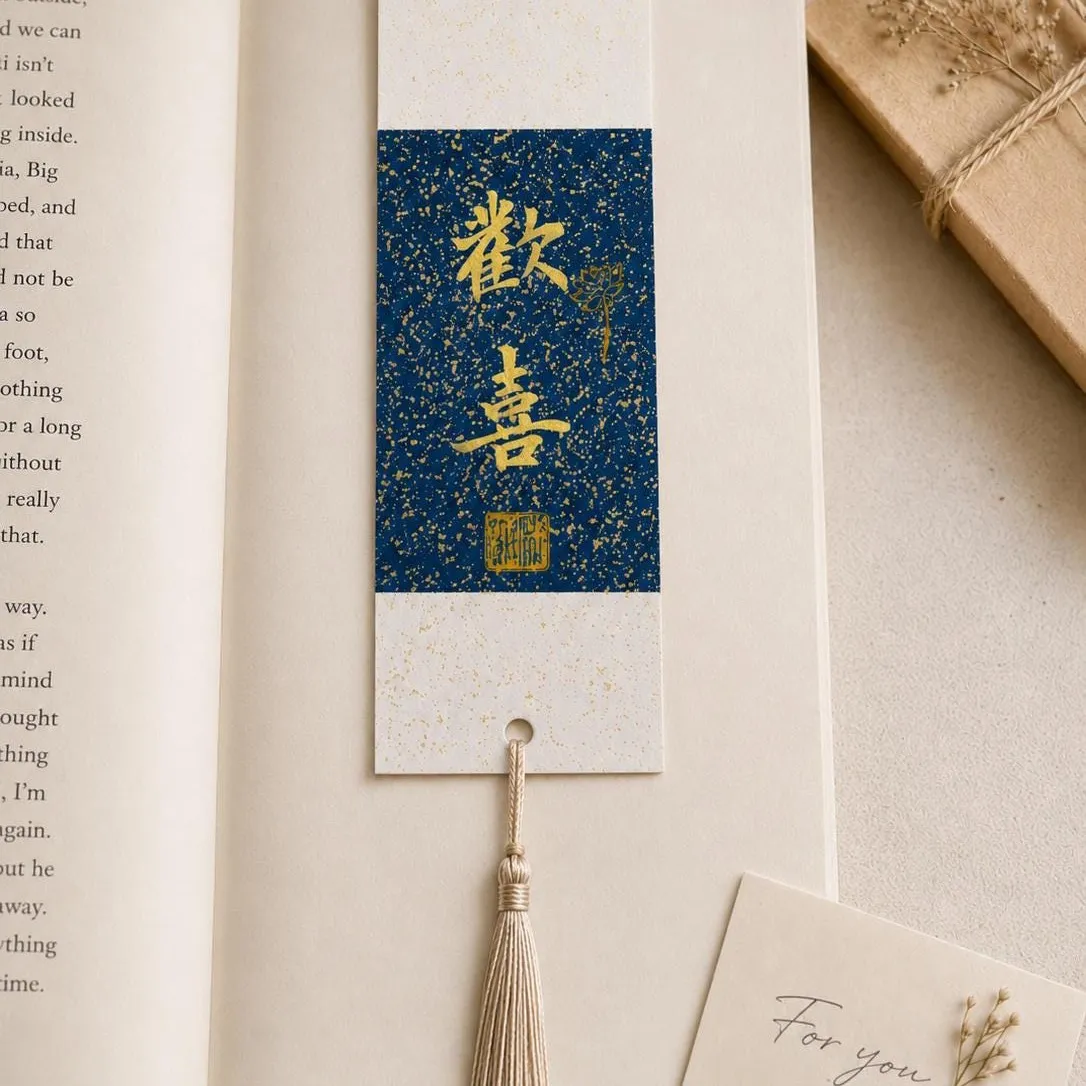
Photo shows a sample — yours will be brushed with 长寿, or any character you choose.
Bookmark — for readers & small thank-yousfrom $14→
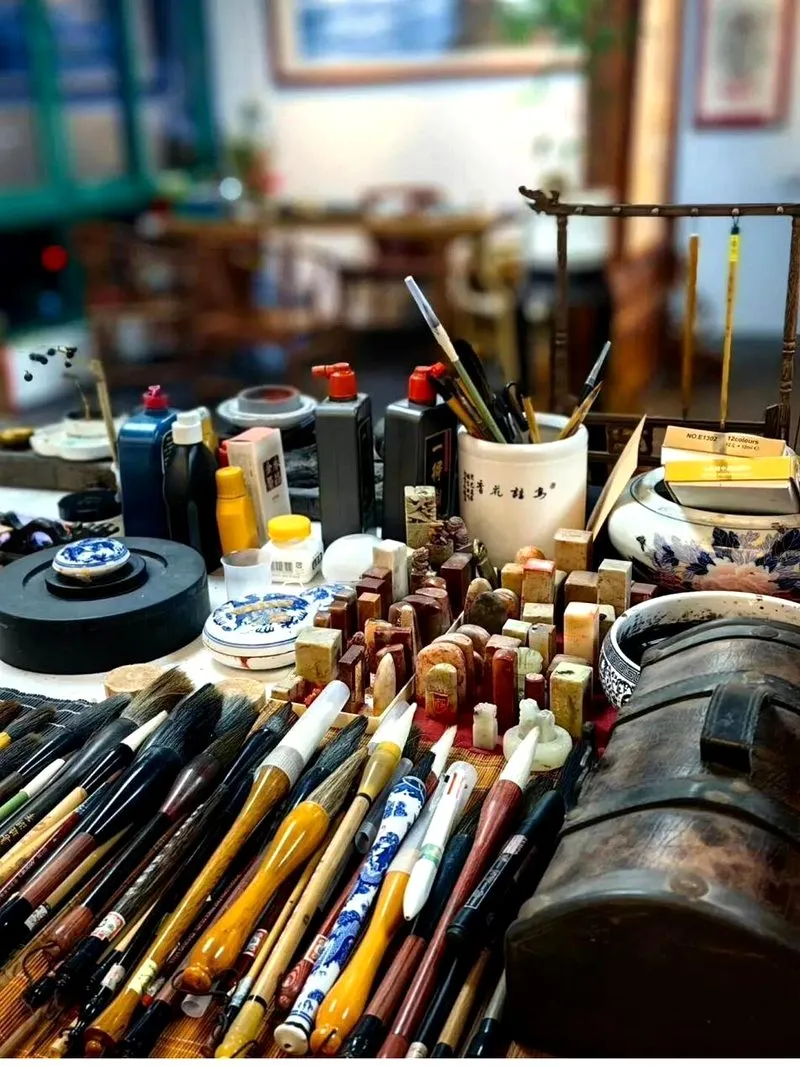
What people said after it arrived.
-
The item is fantastic. The customer service was genuine. Thanks!
— M.Verified purchase · from our Etsy shop reviews · -
They were great they gave me exactly what I asked for and then some. Thank you!!
— G.Verified purchase · from our Etsy shop reviews · -
It is well designed and customized. My daughter loves it. Amazing gift for family’s d friends
— S.Verified purchase · from our Etsy shop reviews ·
Each "长寿" is hand-brushed by FuBlessings on rice paper.
See 长寿 (Cháng Shòu) on Etsy →