勤 (qín) — Diligence · Industriousness · Steady Effort
A single character.
Confucians, Daoists, Mao — three thousand years of Chinese thinkers who overturned nearly everything the others believed, and they agreed on almost nothing. They agreed on 勤. Diligence never once fell from favor, which makes it unusual among the characters in this library: most of them hope for something to arrive, while 勤 simply names something already true about the person receiving it. To give someone 勤 is to say: I have been watching you work, and I know exactly what got you here. Not luck, not connections, not talent alone — just the accumulated weight of showing up, every day, and doing the thing.
In Chinese culture, 勤 is the virtue that opens every other door. The proverb 勤能补拙 — “diligence makes up for lack of talent” — is something Chinese parents tell their children at kitchen tables the way American parents say “practice makes perfect,” except they mean it more literally. The character shows up on classroom walls, in commencement speeches, in the calligraphy scrolls hung above a new employee’s desk. It is China’s most democratic value: you don’t need to be born with anything special to have it. You just have to keep going.
A hand-brushed 勤 by FuBlessings is a graduation or birthday gift that does what a diploma cannot. For the graduate, it names the engine behind the achievement — not the school, not the degree, but the thousands of hours of effort that preceded them. For a colleague or boss whose daily discipline you’ve witnessed up close, it’s the acknowledgment that matters more than any award: someone noticed, and they thought it was worth putting on a wall.
- diligence
- steady effort
- industriousness
- sustained discipline
- hard work Too generic. 勤 is not just exertion — it's effort that keeps showing up, day after day, when no one is watching.
- grit Close, but grit is about pushing through one hard thing. 勤 is about the long arc — the practice of effort as a way of life.
- hustle Too frantic. 勤 is calm and patient. It is the tortoise's virtue, not the hare's.
The short arms are the point: these readings don’t reach it.
- 堇 labor under difficultyAn old image scholars connect to fire and toil — a figure working through hard conditions, sometimes read as a torch held through the dark, sometimes as clay that must be worked again and again before it yields.
- 力 strength / applied forceA picture of a plow cutting into soil. The character for raw effort — the muscle put behind the work.
character
- 勤奋 qín fèn diligent and driven — effort paired with motivation
- 勤劳 qín láo hardworking — the national self-description of the Chinese people
- 辛勤 xīn qín toiling diligently — the effort of those who labor without complaint
- 勤俭 qín jiǎn diligent and thrifty — the household virtue of working hard and spending little
- 勤勉 qín miǎn diligent and self-encouraging — effort sustained by inner resolve
The Story Behind the Character
The left side of 勤 is 堇, an image that early scholars connected to fire and labor — some interpret it as a torch held through difficult conditions, others as a type of clay that must be worked repeatedly before it's useful. On the right stands 力, the character for strength or effort, drawn as the image of a plow cutting into soil. Together, the picture is unmistakable: effort applied under difficulty, sustained by raw physical force.
China's first dictionary (Shuowen Jiezi, c. 100 CE) defined 勤 as "劳也" — toil, the expenditure of energy over time. But 勤 was never just about sweating. The character distinguished itself early from 苦 (bitterness, suffering) and 累 (exhaustion). Where 苦 describes pain endured and 累 describes energy spent, 勤 describes something chosen — effort as a practice, not a punishment.
The most telling detail is that 勤 survived every shift in Chinese values over three millennia while keeping its positive charge. Dynasties rose and fell, philosophies competed, revolutions overturned everything — but diligence never fell from favor. Confucians praised it as the foundation of character. Daoists, who questioned nearly everything, left 勤 alone. Mao made it a national virtue. It is the one quality that every era of Chinese thought has agreed on.
Classical lines
- roughly 1,300 years
- c. 500 BCE 《左传·宣公十二年》
- c. 803 CE 韩愈《进学解》
One further source is quoted below without a date printed, so it stays off the rail.
业精于勤,荒于嬉。 Mastery is refined through diligence and ruined by play.
One of China's greatest prose writers, explaining why talent without discipline goes nowhere. This line has been on classroom walls for over a thousand years.
补拙莫如勤。 Nothing patches clumsiness like diligence. The four-character proverb 勤能补拙 is later. Shao Yong's own line is 将勤补拙总输勤.
民生在勤,勤则不匮。 A people's livelihood depends on diligence; with diligence, there is never scarcity.
One of the earliest recorded arguments that national prosperity comes not from resources or luck but from the steady effort of ordinary people.
Why This Character Matters
The phrase 勤劳勇敢 — "diligent, hardworking, and brave" — is how the Chinese nation officially describes its own people. It appears in government documents, school textbooks, and national slogans. Of the four characters, 勤 always comes first. Ask a Chinese person what defines their culture and the answer, more often than not, starts with diligence. It's not a stereotype they resist — it's a value they claim with pride, the way Americans claim freedom or the French claim taste.
In Chinese gift culture, 勤 occupies an unusual position: it's a recognition character, not a blessing character. You don't wish someone diligence — you acknowledge it. Giving 勤 says "I've watched you work, and this is what I see." That's why it hits differently from 福 or 财, which hope for the future. 勤 honors the past — the hours already spent, the discipline already maintained, the results already earned through sustained effort rather than circumstance.
勤 is a respected character — it names China's most universally praised virtue. A Chinese person seeing this tattoo would think the wearer is serious and grounded, not flashy. It reads as someone who values hard work, which earns quiet respect. Not cliché, not unusual — just solid.
Calligraphy Styles for Tattoos
- Regular script (楷书 kǎishū) Best for tattoos
勤 has 13 strokes with the dense left component 堇 requiring clear stroke separation. Regular script ensures each element stays legible, especially the internal horizontal strokes that distinguish 堇 from similar radicals.
- Running script (行书 xíngshū) Good for larger pieces
Running script adds a sense of continuous effort to the character, fitting its meaning. At 3+ inches the left side 堇 can flow without losing structure, and the right 力 gains dynamic energy.
Common Mistakes to Avoid
- Writing the left side as 勤 with 廿 (twenty) on top instead of the correct upper strokes of 堇Intended: 勤 with the full 堇 component
The left component 堇 has a specific internal structure with horizontal strokes that are easy to simplify incorrectly. Each horizontal line matters — collapsing them turns the character into nonsense.
- Confusing 勤 with 勒 (to rein in) by altering the left componentIntended: 勤 meaning diligence
勤 and 勒 share the right radical 力 but have completely different left sides and meanings. A sloppy left component can make 勤 (diligence) look like 勒 (to compel/strangle), which is not the tattoo you want.
Notes for Your Tattoo Artist
13 strokes. The left component 堇 is significantly denser than the right 力, so balance is the main challenge. Give 堇 about two-thirds of the horizontal space. Minimum size 2 inches — the internal horizontal strokes of 堇 will merge at anything smaller.
A few characters live near "勤" but mean something quieter, sharper, or more specific. Here's how to tell them apart.
the steady effort that adds up over years
one specific virtue — the habit of effort
the full picture of character — every virtue together
勤 is a pointed graduation gift because it names what actually carried the person across the finish line — the hours put in, the discipline maintained when the deadline was distant.
- 勤 is a pointed graduation gift because it names what actually carried the person across the finish line — the hours put in, the discipline maintained when the deadline was distant. It is recognition as much as wish, and it will still read clearly when the certificate is framed and the decade has passed.
- For the person who earns rather than waits — the colleague or friend whose results come from consistent effort. 勤 on a birthday is a specific acknowledgment: you have been watching them work, and this is what you see.
Looking for a name? See Western names written in Chinese →
-
What does 勤 (qín) mean?
勤 (qín) is the Chinese character for diligence, industriousness, steady effort. Confucians, Daoists, Mao — three thousand years of Chinese thinkers who overturned nearly everything the others believed, and they agreed on almost nothing. They agreed on 勤. Diligence never once fell from favor, which makes it unusual among the characters in this library: most of them hope for something to arrive, while 勤 simply names something already true about the person receiving it. To give someone 勤 is to say: I have been watching you work, and I know exactly what got you here. Not luck, not connections, not talent alone — just the accumulated weight of showing up, every day, and doing the thing. The phrase 勤劳勇敢 — "diligent, hardworking, and brave" — is how the Chinese nation officially describes its own people. It appears in government documents, school textbooks, and national slogans. Of the four characters, 勤 always comes first. Ask a Chinese person what defines their culture and the answer, more often than not, starts with diligence. It's not a stereotype they resist — it's a value they claim with pride, the way Americans claim freedom or the French claim taste.
-
What occasions is 勤 given for?
勤 is traditionally given for Graduation, Birthday. 勤 is a pointed graduation gift because it names what actually carried the person across the finish line — the hours put in, the discipline maintained when the deadline was distant. It is recognition as much as wish, and it will still read clearly when the certificate is framed and the decade has passed. For the person who earns rather than waits — the colleague or friend whose results come from consistent effort. 勤 on a birthday is a specific acknowledgment: you have been watching them work, and this is what you see.
-
Is 勤 a good Chinese tattoo?
勤 is a respected character — it names China's most universally praised virtue. A Chinese person seeing this tattoo would think the wearer is serious and grounded, not flashy. It reads as someone who values hard work, which earns quiet respect. Not cliché, not unusual — just solid.
-
Who brushes the 勤 calligraphy?
FuBlessings hand-brushes each 勤 (Qín) to order, in ink on rice paper — never printed, never repeated.
Bring 勤 home — choose how you'd like it brushed.
-
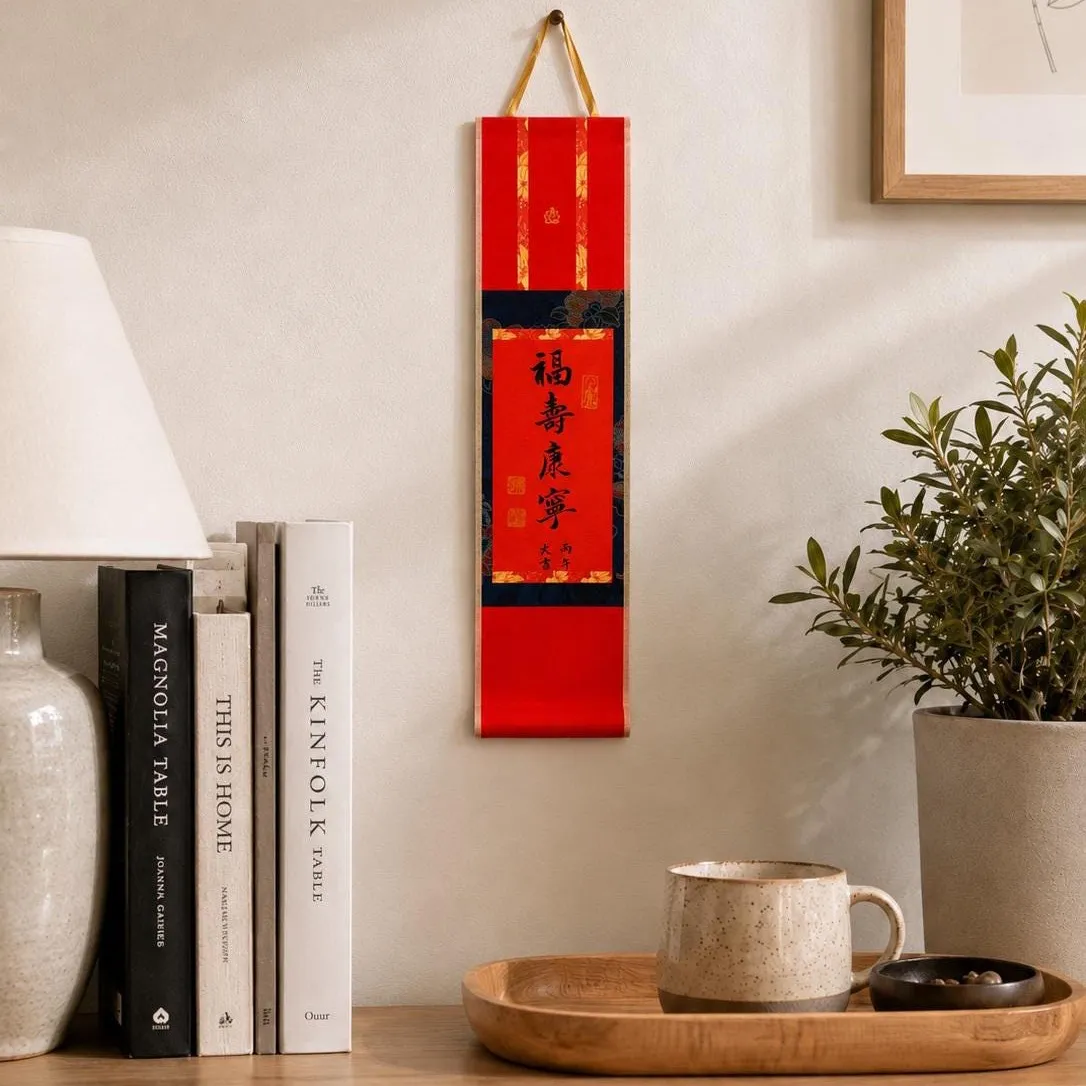
Photo shows a sample — yours will be brushed with 勤, or any character you choose.
Wall Scroll — for walls & housewarmingsfrom $38→ -
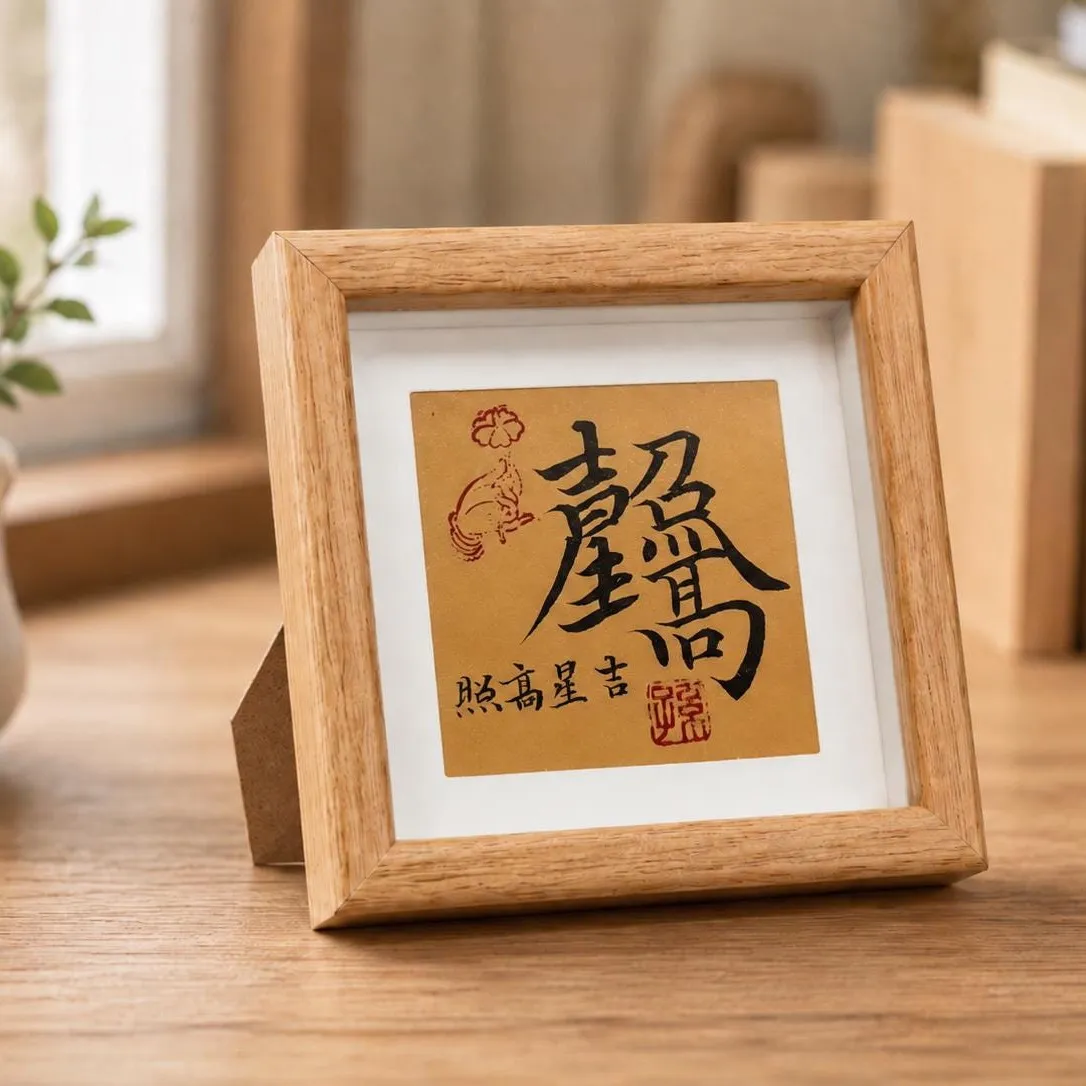
Photo shows a sample — yours will be brushed with 勤, or any character you choose.
Desk Frame — for desks, studies & studiosfrom $44→ -
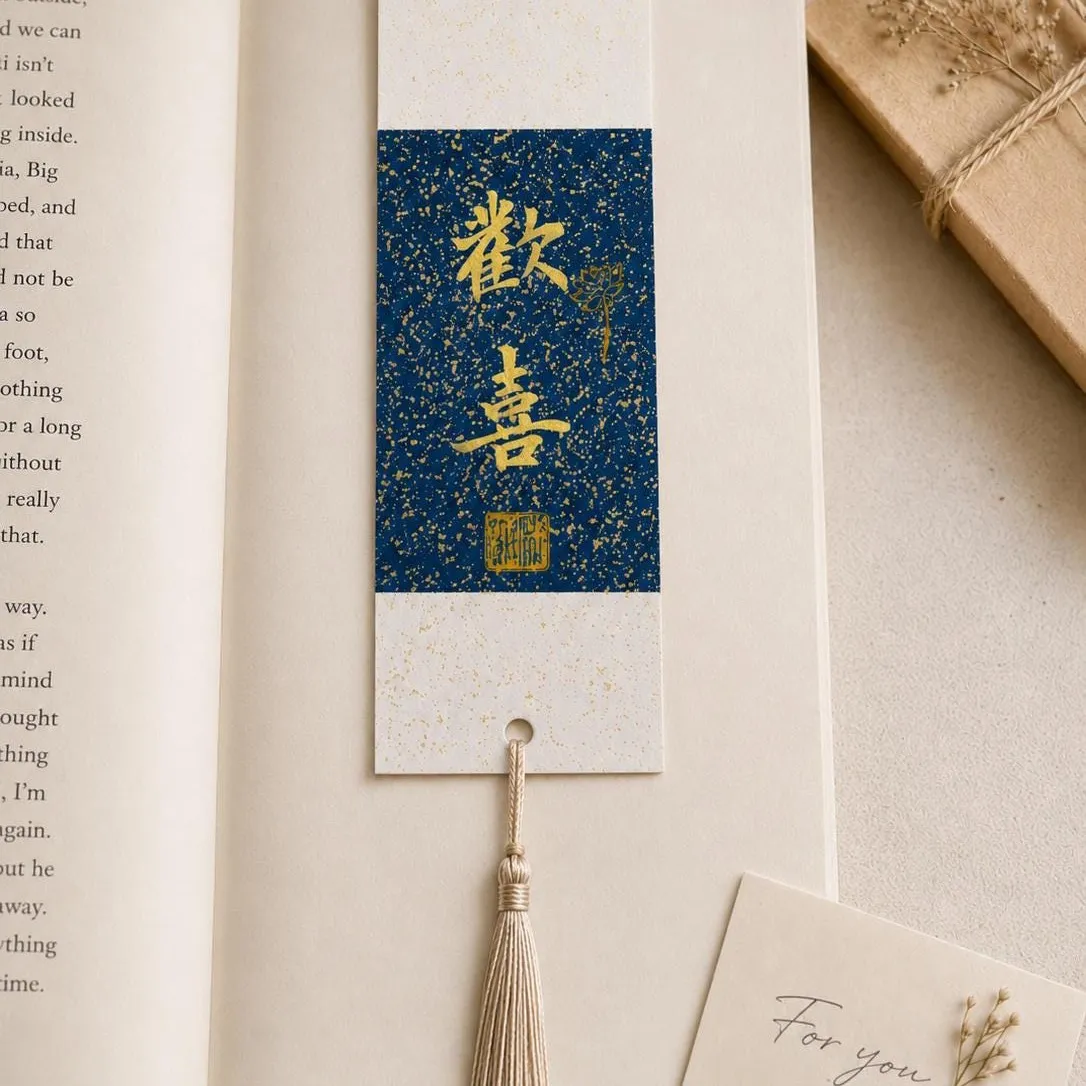
Photo shows a sample — yours will be brushed with 勤, or any character you choose.
Bookmark — for readers & small thank-yousfrom $14→

What people said after it arrived.
-
The item is fantastic. The customer service was genuine. Thanks!
— M.Verified purchase · from our Etsy shop reviews · -
They were great they gave me exactly what I asked for and then some. Thank you!!
— G.Verified purchase · from our Etsy shop reviews · -
It is well designed and customized. My daughter loves it. Amazing gift for family’s d friends
— S.Verified purchase · from our Etsy shop reviews ·
Each "勤" is hand-brushed by FuBlessings on rice paper.
See 勤 (Qín) on Etsy →