毅 (yì) — Resolve · Steadfast Determination · Inner Grit
A single character.
“The burden is heavy, and the road is long.” Zengzi, Confucius’s most disciplined disciple, said it of the scholar who takes benevolence as his lifelong charge and lays it down only at death — and the word he reached for was 毅. That phrase marks the exact territory the character covers. 恒 names the quality that returns to difficult work day after day without flinching; 勤 names the industriousness that produces results across good years and hard ones alike. But 毅 only becomes visible in the conditions those words do not quite reach — when the setbacks arrive, when the cost becomes plain, when a graceful exit would be entirely understandable. 毅 is what holds the commitment intact once the burden and the distance both become undeniable.
The character encodes this. 豕, the wild boar, was known in Chinese classical natural description as an animal that charges without turning — that does not redirect when wounded. Beside it, 殳, the striking lance. The composite is an image of resolve as a directional force: the will that presses against what stands in the way rather than yielding. In Chinese, the compound 毅力 — resolve-strength — is the word used specifically for the long-duration determination that holds against real adversity. The Book of Documents listed 毅 among the Nine Virtues of leadership, and specifically paired it with gentleness: the point was that resolve without warmth is just rigidity. The virtue is what holds firm without losing the quality it is protecting.
A hand-brushed 毅 by FuBlessings is the gift for someone whose commitment you have watched hold in conditions where holding it was not convenient — the colleague whose professional resolve has been demonstrated under real pressure, not just reported, the mentor whose example has been available precisely in the years when it was most needed, the father whose determination behind the years of work has been the thing you have been studying longest. Given at a graduation or Father’s Day, it names what the occasion has confirmed: that the quality is real and its source is visible.
- resolve under adversity
- the determination that holds when conditions are genuinely hard
- inner grit — not toughness, but the willingness to reaffirm a commitment
- the quality that makes 恒 possible in extraordinary conditions
- courage Courage (勇, yǒng) fires in a moment of danger. 毅 operates in slow time — the determination that sustains itself over months and years without the clarity of emergency.
- stubbornness Stubbornness holds because it cannot change. 毅 holds because it has decided not to — the Book of Documents paired it specifically with gentleness to make this distinction.
- persistence Persistence (坚持) describes continued effort. 毅 names the interior quality that makes persistence possible under genuine difficulty — the source, not the pattern.
The short arms are the point: these readings don’t reach it.
- 豕 wild boarAn animal described in Chinese classical texts as charging directly forward without turning aside, even when mortally wounded. The image beneath 毅 is of an unstoppable forward direction — resolve as a physical force that does not redirect.
- 殳 lance, striking weaponA striking implement used in early Chinese warfare. Combined with the boar, it gives 毅 its quality of forceful forward commitment — the will that presses against resistance rather than yielding to it.
character
- 毅力 yì lì resolve-strength — the sustained determination that holds against real adversity
- 弘毅 hóng yì breadth and resolve — the classical pairing from the Analects; large-minded and unwavering
- 刚毅 gāng yì firm and resolute — unyielding resolve combined with strength of character
- 坚毅 jiān yì firm resolve — tenacity that does not soften under pressure
- 果毅 guǒ yì decisive resolve — the quality of having made up one's mind and acting on it
The Story Behind the Character
The character 毅 contains 豕 (shǐ, wild boar) in its lower portion — an animal that early Chinese observers described as one that charges directly, without veering, even when wounded. Combined with 殳 (shū, a striking lance or weapon), the composite described a quality of spirit: the force that does not flinch or turn aside regardless of what stands in the way. China's first dictionary (说文解字, c. 100 CE) defined 毅 as 决也 — the quality of decisive commitment, of having made up one's mind and not retreating from it.
The character found its classical anchor in the words of Zengzi, Confucius's most disciplined disciple, who used 毅 in what became one of the most quoted sentences in the Analects: 士不可以不弘毅,任重而道远 — "A scholar cannot lack breadth and resolve; the burden is heavy and the road is long." The pairing 弘毅 (hóng yì) — generosity of mind combined with resolve — names two things that must travel together. 弘 names the willingness to take on large and difficult work; 毅 names the refusal to put it down when it turns out to be genuinely heavy. Zengzi was describing not an ideal but an observation — what he had watched Confucius model across decades of effort that produced no clear reward until late.
What 毅 names is not the same as courage (勇, yǒng), which fires in the moment of danger. 毅 operates in slow time, without the clarity and adrenaline of emergency: the determination that holds across a difficult project, a year that offers no progress, a professional life that has asked more than was agreed to. The Book of Documents listed it as one of the Nine Virtues (九德) of leadership — and specifically paired it with gentleness: 扰而毅 (gentle yet resolute). The point was deliberate. Resolve without gentleness is rigidity; the virtue is what holds together under pressure without losing the human quality it is protecting.
Classical lines
- roughly 500 years
- c. 1000 BCE 《尚书·皋陶谟》
- c. 500 BCE 《论语·泰伯》
- c. 500 BCE 《论语·子罕》
士不可以不弘毅,任重而道远。仁以为己任,不亦重乎?死而后已,不亦远乎? A scholar cannot lack breadth and resolve; the burden is heavy and the road is long. To make benevolence your own burden
is that not heavy? To lay it down only at death — is that not far? — Zengzi, in what became one of the most cited sentences in Chinese letters. 弘毅 is the compound that 毅 is most known through: generosity of mind that takes on large work, resolve that refuses to put it down.
三军可夺帅也,匹夫不可夺志也。 You can seize the commander of a great army, but you cannot seize the will of a single ordinary person.
Confucius locating the one thing force cannot reach. An army has a general who can be captured; a person's resolve has no such weak point. That inviolable interior is precisely what 毅 names — the determination no external pressure can take away.
扰而毅。 Gentle yet resolute.
The fifth of the Nine Virtues (九德) enumerated in the Counsels of Gao Yao, one of the oldest texts in the Book of Documents. The full Nine Virtues are each stated as a paired tension: 宽而栗,柔而立,愿而恭,乱而敬,扰而毅,直而温,简而廉,刚而塞,强而义. 毅 is paired with 扰 (accommodating, gentle) deliberately — the document is naming something harder than stubbornness: the resolve that holds firm without losing the warmth that makes it worth holding.
Why This Character Matters
Zengzi's phrase 任重而道远 — "the burden is heavy and the road is long" — traveled further than any other sentence that contains 毅. Mao Zedong cited it repeatedly in the 1940s and 1950s to describe the revolutionary task, and it appeared in political speeches, inscribed on institutional buildings, and taught in schools through a century of ideological upheaval. It survived because the image is too accurate to belong to any one program: there are always burdens, and the road is always longer than expected. The sentence is quoted today in graduation addresses, business retreats, and eulogies — still working.
What 毅 names in Chinese thought is more specific than the English "determination" or "grit" suggests. The compound 毅力 (yì lì, resolve-strength) is used specifically for long-duration effort that faces actual adversity: not the steady showing-up of comfortable habit (that is 恒心, héng xīn) but the determination that reaffirms itself when things become genuinely hard. The distinction matters. 恒 describes the daily return to difficult work under ordinary conditions. 毅 describes what holds the commitment intact when the conditions become extraordinary — when the setbacks arrive, when the cost becomes visible, when a graceful exit would be understandable. Chinese family and professional culture has words for both because they are different things, and one is harder.
毅 is used as a given name for men in China — it is a prestige character, associated with the kind of strength that is internal rather than physical. A Chinese person seeing it as a tattoo would read it as a serious statement about personal character — not a generic blessing (like 福) but a claim about the wearer's own quality. That makes it appropriate as a gift character from someone who has observed the quality, and unusually meaningful if accurate.
Calligraphy Styles for Tattoos
- Regular script (楷书 kǎishū) Best for tattoos
毅 has 15 strokes — a complex left-right-right structure with dense components. Regular script is the only style that keeps 豕 and 殳 legible at tattoo scale. Minimum recommended size: 2.5 inches.
- Running script (行书 xíngshū) For larger pieces only
At 3+ inches, running script gives 毅 a sense of forward movement that suits its meaning. At smaller sizes the dense right-side components blur together. Not recommended under 3 inches.
- Cursive script (草书 cǎoshū) Only with a specialist
15 strokes in cursive risks becoming an unreadable mark. The distinct 豕 (boar) component — which carries the character's etymological weight — can disappear entirely. Only with a calligrapher who has worked specifically with this character in cursive form.
Common Mistakes to Avoid
- Confusing 毅 with 毅然 (as if the 然 is part of the character) and writing extra strokesIntended: 毅 alone, without 然
毅然 is a common compound meaning 'resolutely' — native speakers often process 毅 and 然 as a unit. In calligraphy, this means some tattoo artists add strokes from 然, making the character look wrong. 毅 stands alone with 15 strokes; confirm the character count before inking.
- Placing the 豕 (boar) component in the wrong position, making it look like an unrelated characterIntended: 毅 with 豕 in the lower-right position
The component arrangement in 毅 is specific: the boar (豕) is in the lower right, and 殳 is to its upper right. Swapping or misplacing these produces a character that most Chinese readers will not recognize. Reference the standard character before beginning.
Notes for Your Tattoo Artist
15 strokes. The densest character in this catalog by stroke count. The structure has three major components stacked left and right; the 豕 (boar) in the lower right has 7 strokes of its own and needs room. Minimum 2.5 inches. The stroke order and component proportions are complex enough that the calligrapher should practice the character specifically rather than working from general 毅 memory.
A few characters live near "毅" but mean something quieter, sharper, or more specific. Here's how to tell them apart.
resolve that holds under genuine adversity — what the commitment does when tested
constancy as a long-duration pattern — the steady return to difficult work under ordinary conditions
the interior quality that reaffirms commitment when it becomes hard
diligence as a habit of sustained effort — industriousness across good and difficult conditions alike
For the graduate whose record demonstrates not just success but the ability to stay under genuine difficulty — who has shown, in conditions that tested commitment rather than just capability, that they will not look for a graceful way out.
- For the graduate whose record demonstrates not just success but the ability to stay under genuine difficulty — who has shown, in conditions that tested commitment rather than just capability, that they will not look for a graceful way out. 毅 is the graduation character for the person whose quality has already been proven in hard conditions, not merely hoped for. A sharper alternative to 恒 (constancy as steady practice) for the graduate whose particular test was adversity, not duration.
- For Father's Day when the gift should name the quality of resolve behind the years — what kept the commitment intact when it would have been reasonable to scale back, and what made the standard hold when holding it was not comfortable. 毅 is the specific complement to 恒 for the father whose constancy was sustained through genuine difficulty: the determination that reaffirmed itself in conditions that tested rather than just required it.
毅 is one of the characters we use to write Western names in Chinese. See it at work:
-
What does 毅 (yì) mean?
毅 (yì) is the Chinese character for resolve, steadfast determination, inner grit. "The burden is heavy, and the road is long." Zengzi, Confucius's most disciplined disciple, said it of the scholar who takes benevolence as his lifelong charge and lays it down only at death — and the word he reached for was 毅. That phrase marks the exact territory the character covers. 恒 names the quality that returns to difficult work day after day without flinching; 勤 names the industriousness that produces results across good years and hard ones alike. But 毅 only becomes visible in the conditions those words do not quite reach — when the setbacks arrive, when the cost becomes plain, when a graceful exit would be entirely understandable. 毅 is what holds the commitment intact once the burden and the distance both become undeniable. What 毅 names in Chinese thought is more specific than the English "determination" or "grit" suggests. The compound 毅力 (yì lì, resolve-strength) is used specifically for long-duration effort that faces actual adversity: not the steady showing-up of comfortable habit (that is 恒心, héng xīn) but the determination that reaffirms itself when things become genuinely hard. The distinction matters. 恒 describes the daily return to difficult work under ordinary conditions. 毅 describes what holds the commitment intact when the conditions become extraordinary — when the setbacks arrive, when the cost becomes visible, when a graceful exit would be understandable. Chinese family and professional culture has words for both because they are different things, and one is harder.
-
What occasions is 毅 given for?
毅 is traditionally given for Graduation, Father's Day. For the graduate whose record demonstrates not just success but the ability to stay under genuine difficulty — who has shown, in conditions that tested commitment rather than just capability, that they will not look for a graceful way out. 毅 is the graduation character for the person whose quality has already been proven in hard conditions, not merely hoped for. A sharper alternative to 恒 (constancy as steady practice) for the graduate whose particular test was adversity, not duration. For Father's Day when the gift should name the quality of resolve behind the years — what kept the commitment intact when it would have been reasonable to scale back, and what made the standard hold when holding it was not comfortable. 毅 is the specific complement to 恒 for the father whose constancy was sustained through genuine difficulty: the determination that reaffirmed itself in conditions that tested rather than just required it.
-
Is 毅 a good Chinese tattoo?
毅 is used as a given name for men in China — it is a prestige character, associated with the kind of strength that is internal rather than physical. A Chinese person seeing it as a tattoo would read it as a serious statement about personal character — not a generic blessing (like 福) but a claim about the wearer's own quality. That makes it appropriate as a gift character from someone who has observed the quality, and unusually meaningful if accurate.
-
Who brushes the 毅 calligraphy?
FuBlessings hand-brushes each 毅 (Yì) to order, in ink on rice paper — never printed, never repeated.
Bring 毅 home — choose how you'd like it brushed.
-
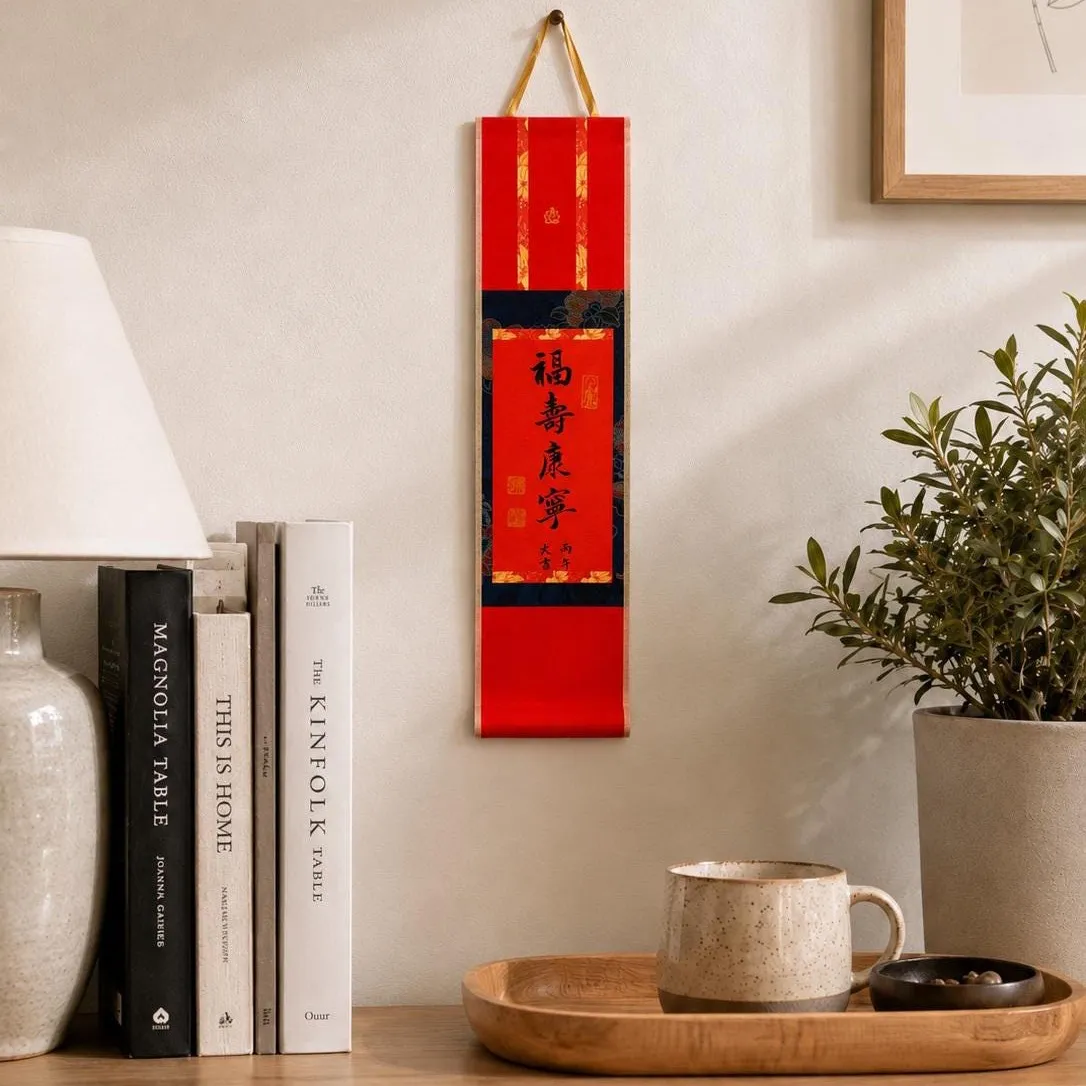
Photo shows a sample — yours will be brushed with 毅, or any character you choose.
Wall Scroll — for walls & housewarmingsfrom $38→ -
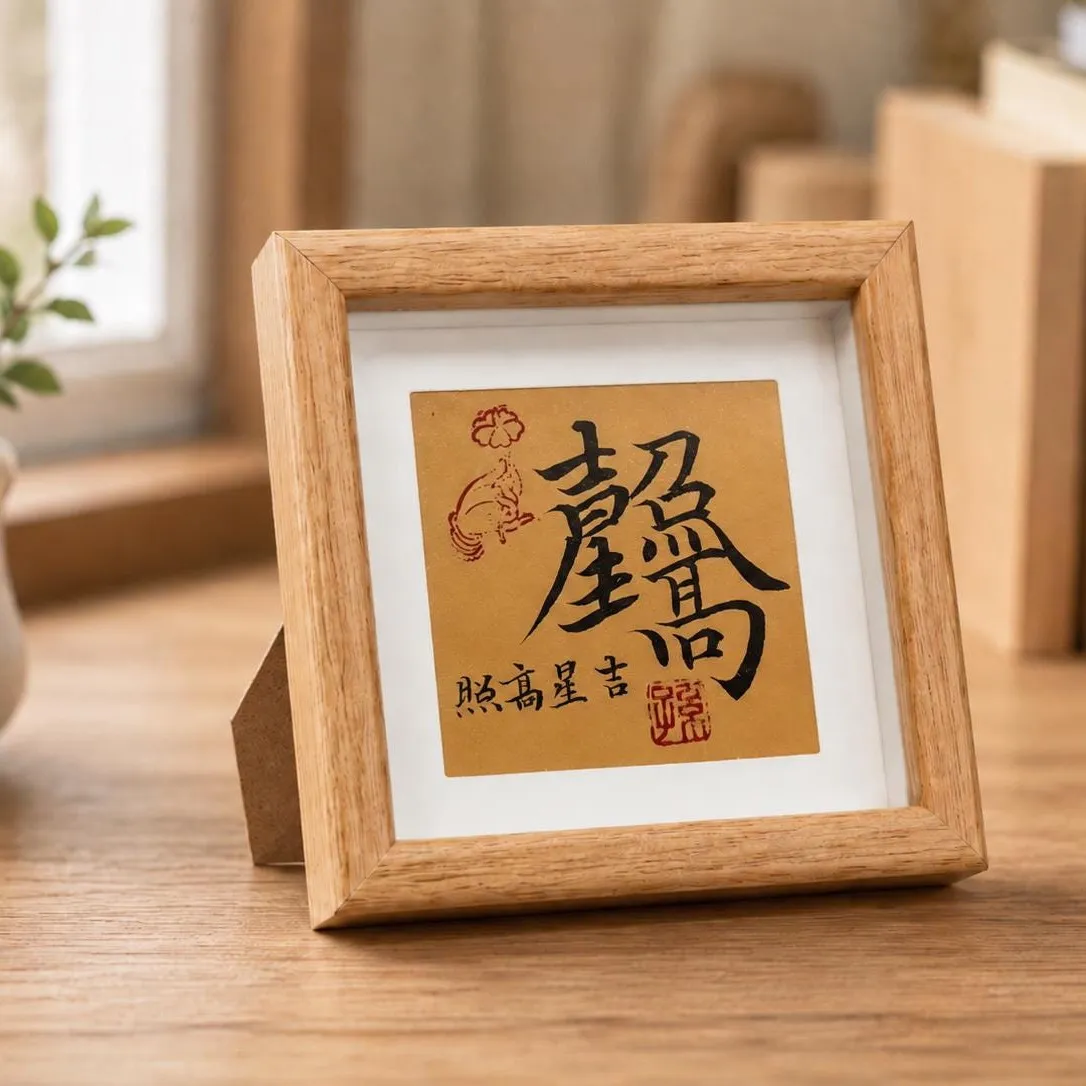
Photo shows a sample — yours will be brushed with 毅, or any character you choose.
Desk Frame — for desks, studies & studiosfrom $44→ -
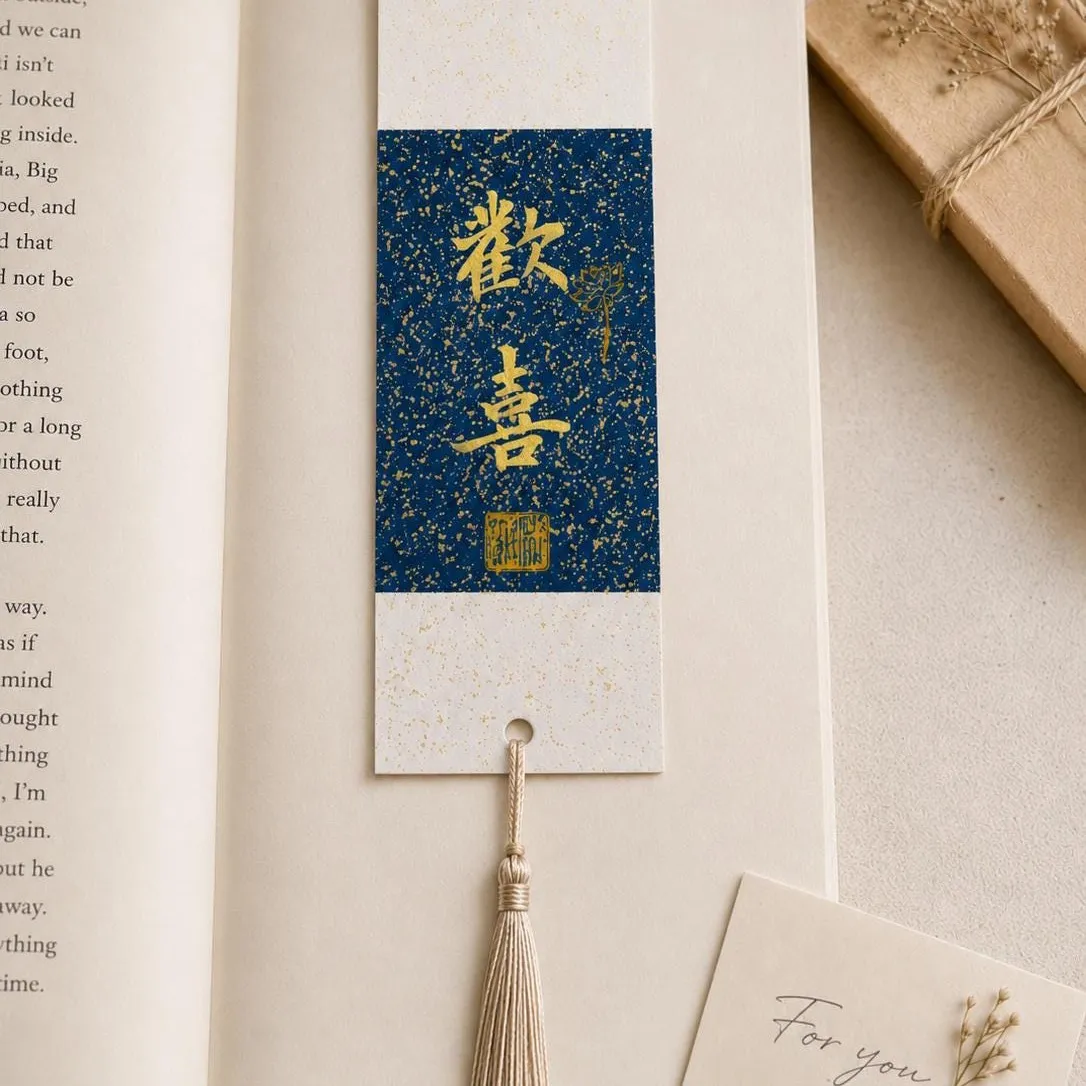
Photo shows a sample — yours will be brushed with 毅, or any character you choose.
Bookmark — for readers & small thank-yousfrom $14→

What people said after it arrived.
-
The item is fantastic. The customer service was genuine. Thanks!
— M.Verified purchase · from our Etsy shop reviews · -
They were great they gave me exactly what I asked for and then some. Thank you!!
— G.Verified purchase · from our Etsy shop reviews · -
It is well designed and customized. My daughter loves it. Amazing gift for family’s d friends
— S.Verified purchase · from our Etsy shop reviews ·
Each "毅" is hand-brushed by FuBlessings on rice paper.
See 毅 (Yì) on Etsy →