善 (shàn) — Goodness · Kindness · Moral Virtue
A single character.
Scratched into a three-thousand-year-old oracle bone, the oldest form of 善 shows a sheep standing over a pair of eyes — an image of looking at something and recognizing the good in it. The character has pointed outward ever since; it never took a radical for the self. So when you give someone 善, you are not hoping good things befall them. You are saying you have watched them long enough to know what they are, and what they are is good.
善 shows up wherever Chinese culture talks about character. It opens the first textbook Chinese children memorized for centuries. It anchors Laozi’s metaphor about water. It drives Mencius’s great philosophical bet — that people are born inclined toward goodness the way water flows downhill. In daily life, calling someone 善良 is the kind of compliment that makes a room go quiet for a moment, because everyone knows it means something.
A hand-brushed 善 by FuBlessings is the gift for the person whose goodness has been so consistent it became invisible — the parent who treats strangers like family, the friend who shows up before being asked. This character doesn’t wish them well. It names what they already are.
- goodness
- kindness
- good-hearted nature
- moral virtue
- nice Too thin. Nice is a surface behavior. 善 is the disposition underneath — a person's default setting toward the world.
- moral Too rule-bound. 善 is not about following the right code — it is the natural inclination to help, present before any rules are taught.
- saintly Too grand. 善 is ordinary goodness — the parent who treats strangers kindly, the friend who shows up unasked. Quiet, not heroic.
The short arms are the point: these readings don’t reach it.
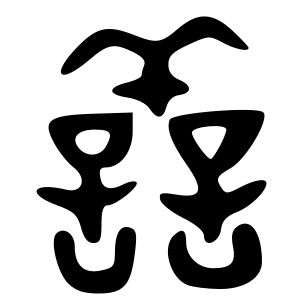
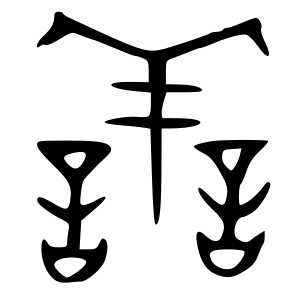
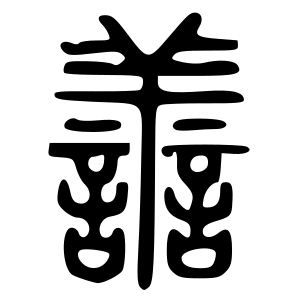
- 羊 sheep — the gentleIn early Chinese thought, the sheep was the standard image of what is gentle, harmonious, and pleasing. Placed on top of the character, it sets the tone: this is goodness seen with a soft eye.
- 言 / 口 speech / mouthThe lower component shifted between eyes and 言 (speech) as the script evolved. Read as speech: words shaped by gentleness. Read as the mouth or eye: the act of recognizing and naming what is good in the world.
character
- 善良 shàn liáng good-natured — the highest compliment for a person's character
- 慈善 cí shàn charity — kindness extended outward to those in need
- 善意 shàn yì good intent — the kindness behind a word or act
- 友善 yǒu shàn friendly — goodness expressed in everyday interaction
- 行善 xíng shàn to do good — the practice of kindness as a way of living
The Story Behind the Character
The oldest form of 善 shows a sheep standing above a pair of eyes. Not a pastoral scene — a judgment. In early China, sheep were the standard for what was gentle, harmonious, and pleasing. To look at something and see the sheep-quality in it was to see goodness. That's what the earliest scribes carved into oracle bones (甲骨文): a picture of recognizing the good.
As the character evolved through bronze inscriptions and into standard script, the eyes shifted into a form resembling 言 (speech), and scholars debated whether 善 originally meant "good speech" or "the gentleness of a sheep." China's first dictionary (说文解字, c. 100 CE) sided with the sheep: "善,吉也" — goodness is what is auspicious, what is right. The sheep radical stayed on top through every transformation.
But the most revealing detail is structural: 善 never included a radical for the self. From its very first scratching on bone, this character pointed outward — goodness as it appears to others, as it is received. Not a private virtue, but one that exists only in how you treat the world around you.
Classical lines
- roughly 1,500 years
- c. 300 BCE 《孟子·告子上》
- c. 1200 CE 《三字经》
One further source is quoted below without a date printed, so it stays off the rail.
人之初,性本善。 At birth, a person's nature is fundamentally good.
The opening line of the text every Chinese child memorized for seven centuries. Three words in, and it has already taken a side in philosophy's oldest debate.
上善若水。水善利万物而不争。 The highest goodness is like water. Water benefits all things and contends with none.
Laozi's argument that real goodness doesn't compete or announce itself — it just flows where it's needed.
人性之善也,犹水之就下也。人无有不善,水无有不下。 Human nature tends toward goodness the way water tends downhill. No person is without goodness, just as no water fails to flow down.
Mencius betting his entire philosophy on one claim: goodness is not learned, it is innate.
Why This Character Matters
In Chinese, calling someone 善良 (shànliáng, good-natured) is not faint praise — it's one of the highest things you can say about a person's character. It means they default to kindness without being asked, that their first instinct is to help rather than calculate. Parents hope their children will grow up to be 善良 before they hope for almost anything else.
善 sits at the heart of a long philosophical argument. Mencius argued that goodness is built into human nature; Xunzi countered that humans are born selfish and must be taught virtue. That debate ran for centuries, but in daily Chinese life, Mencius won. The culture treats goodness as something people return to, not something imposed on them. When a family gives someone 善, they are saying: we have watched you, and what we see is the real thing.
善 is a deeply respected character in Chinese culture — it carries the weight of Mencius and Laozi behind it. A Chinese person seeing this tattoo would think the wearer has genuine cultural awareness, not just a decorative choice. It's not common as a tattoo, which makes it feel more personal and considered.
Calligraphy Styles for Tattoos
- Regular script (楷书 kǎishū) Best for tattoos
善 has 12 strokes stacked vertically — 羊 on top and the mouth components below. Regular script keeps the vertical alignment clean and the three horizontal strokes of 羊 evenly spaced.
- Running script (行书 xíngshū) Good for larger pieces
Running script softens 善 in a way that matches its meaning — the strokes gain a gentle, unhurried quality. Works well at 3+ inches where the upper and lower halves can breathe.
- Cursive script (草书 cǎoshū) Only with an expert calligrapher
Cursive 善 simplifies the stacked structure dramatically. The three horizontal strokes of 羊 merge and the lower components compress. Legibility drops quickly — only attempt with a calligrapher who can maintain the character's identity.
Common Mistakes to Avoid
- Writing the top component with only two horizontal strokes instead of threeIntended: 善 with the full 羊 (sheep) radical on top
The sheep radical 羊 has three horizontal strokes crossed by one vertical stroke. Dropping one creates a character that looks incomplete. Each stroke matters — count carefully when reviewing the stencil.
- Confusing 善 with 喜 (joy) due to similar vertical stackingIntended: 善 meaning goodness
善 and 喜 are both vertically stacked characters with components on top and mouth-like elements below. At small sizes or with loose brushwork, the tops (羊 vs 壴) can look similar. Verify the top radical is clearly 羊, not a drum.
Notes for Your Tattoo Artist
12 strokes. The character is tall and narrow — resist the urge to widen it. The three horizontal strokes of the upper 羊 must be evenly spaced and clearly distinct. Minimum size 1.5 inches. The main challenge is keeping the vertical alignment true — if the center axis drifts, the whole character looks unbalanced.
A few characters live near "善" but mean something quieter, sharper, or more specific. Here's how to tell them apart.
the innate goodness a person was born with
the full character cultivated through a lifetime of practice
the warmth of how you treat others
the honesty of who you are inside
善 on a birthday names a quality rather than wishing for one.
- 善 on a birthday names a quality rather than wishing for one. For the friend or parent whose good-heartedness has been the defining constant of their year — and every year before it — this is the more considered gift: recognition before a wish.
- For the mother whose kindness toward others — not only her own children — you have spent a life observing. 善 does not wish her health or peace; it names what she has already been.
Friend · Best Friend · Mom · or yourself
Looking for a name? See Western names written in Chinese →
-
What does 善 (shàn) mean?
善 (shàn) is the Chinese character for goodness, kindness, moral virtue. Scratched into a three-thousand-year-old oracle bone, the oldest form of 善 shows a sheep standing over a pair of eyes — an image of looking at something and recognizing the good in it. The character has pointed outward ever since; it never took a radical for the self. So when you give someone 善, you are not hoping good things befall them. You are saying you have watched them long enough to know what they are, and what they are is good. In Chinese, calling someone 善良 (shànliáng, good-natured) is not faint praise — it's one of the highest things you can say about a person's character. It means they default to kindness without being asked, that their first instinct is to help rather than calculate. Parents hope their children will grow up to be 善良 before they hope for almost anything else.
-
What occasions is 善 given for?
善 is traditionally given for Birthday, Mother's Day. 善 on a birthday names a quality rather than wishing for one. For the friend or parent whose good-heartedness has been the defining constant of their year — and every year before it — this is the more considered gift: recognition before a wish. For the mother whose kindness toward others — not only her own children — you have spent a life observing. 善 does not wish her health or peace; it names what she has already been.
-
Is 善 a good Chinese tattoo?
善 is a deeply respected character in Chinese culture — it carries the weight of Mencius and Laozi behind it. A Chinese person seeing this tattoo would think the wearer has genuine cultural awareness, not just a decorative choice. It's not common as a tattoo, which makes it feel more personal and considered.
-
Who brushes the 善 calligraphy?
FuBlessings hand-brushes each 善 (Shàn) to order, in ink on rice paper — never printed, never repeated.
Bring 善 home — choose how you'd like it brushed.
-
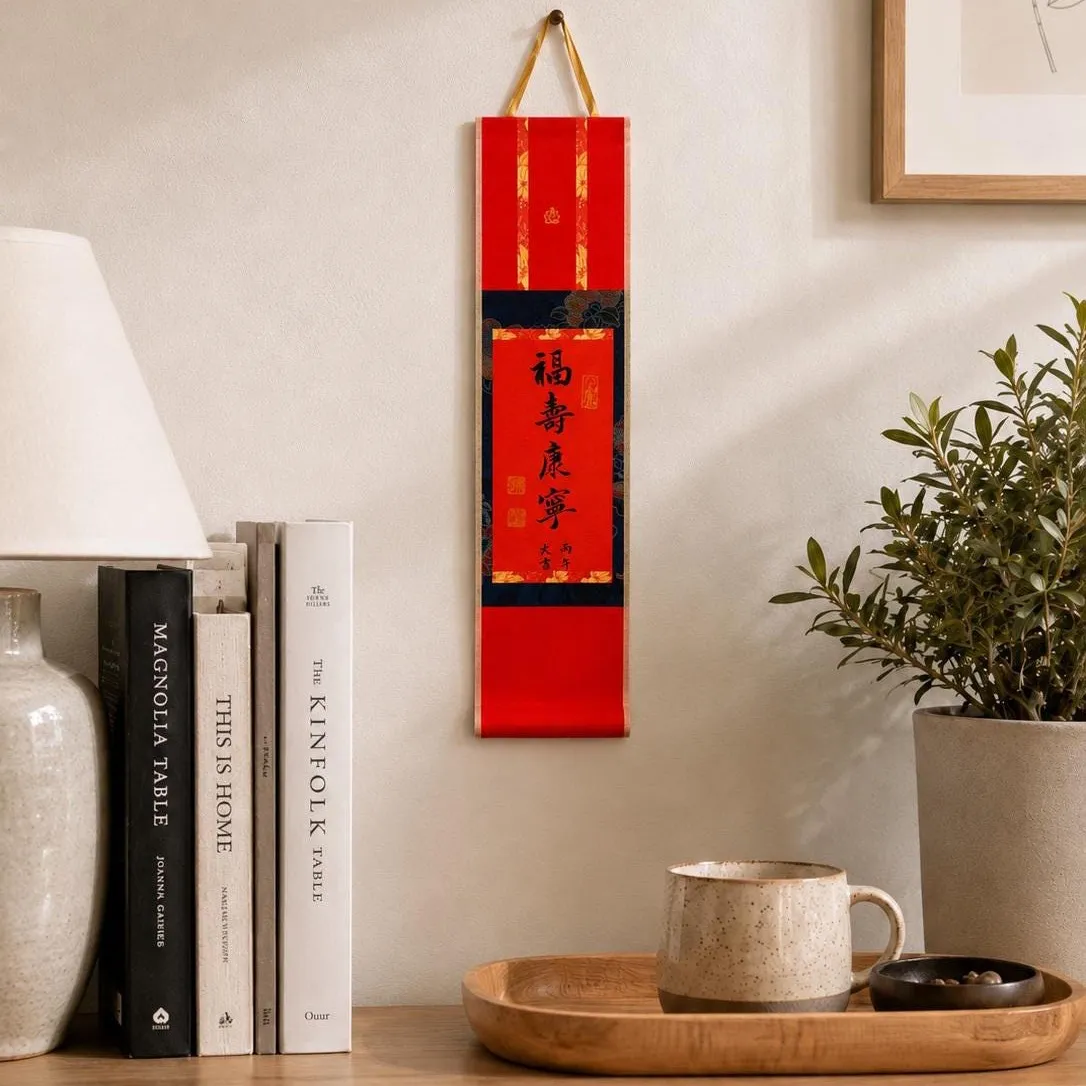
Photo shows a sample — yours will be brushed with 善, or any character you choose.
Wall Scroll — for walls & housewarmingsfrom $38→ -
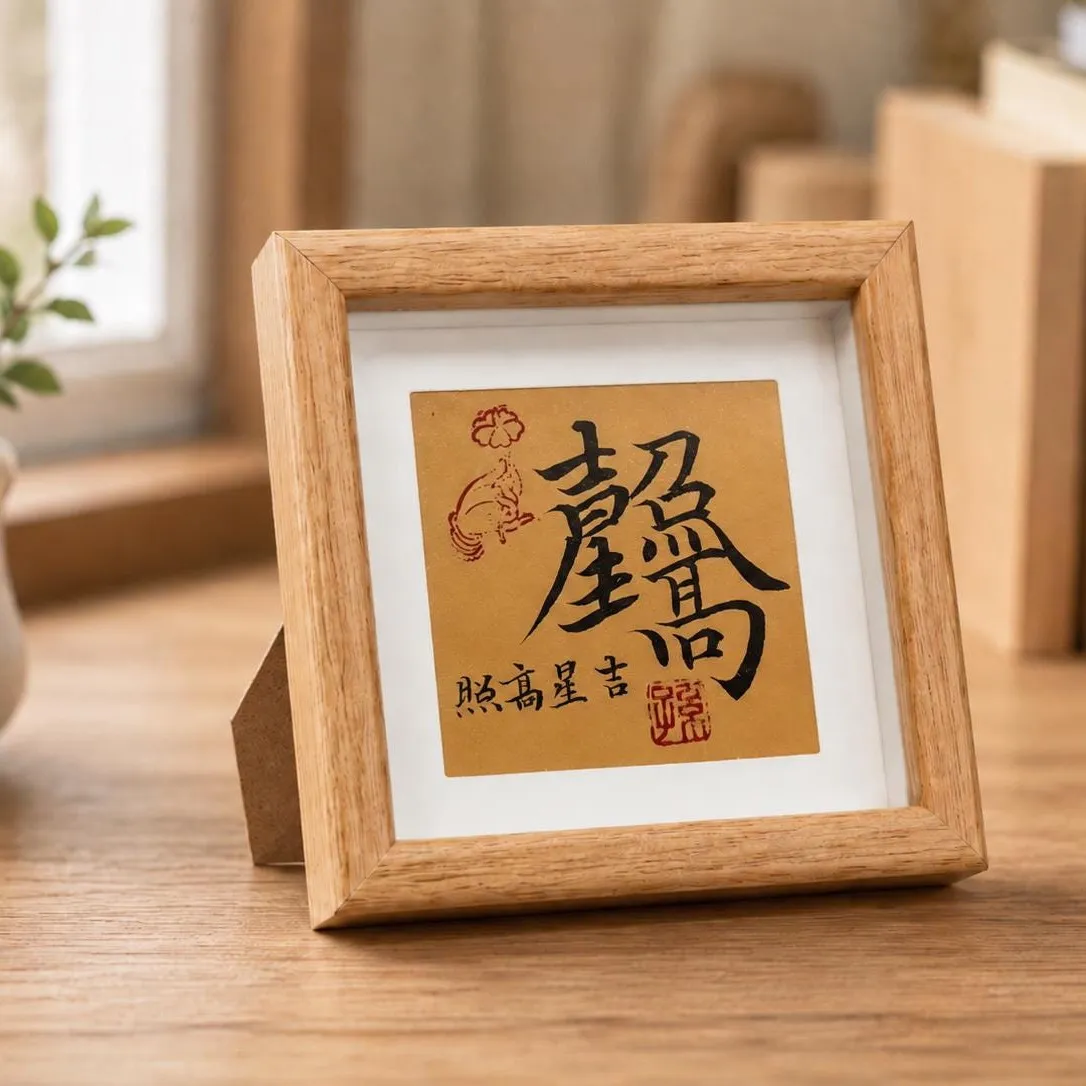
Photo shows a sample — yours will be brushed with 善, or any character you choose.
Desk Frame — for desks, studies & studiosfrom $44→ -
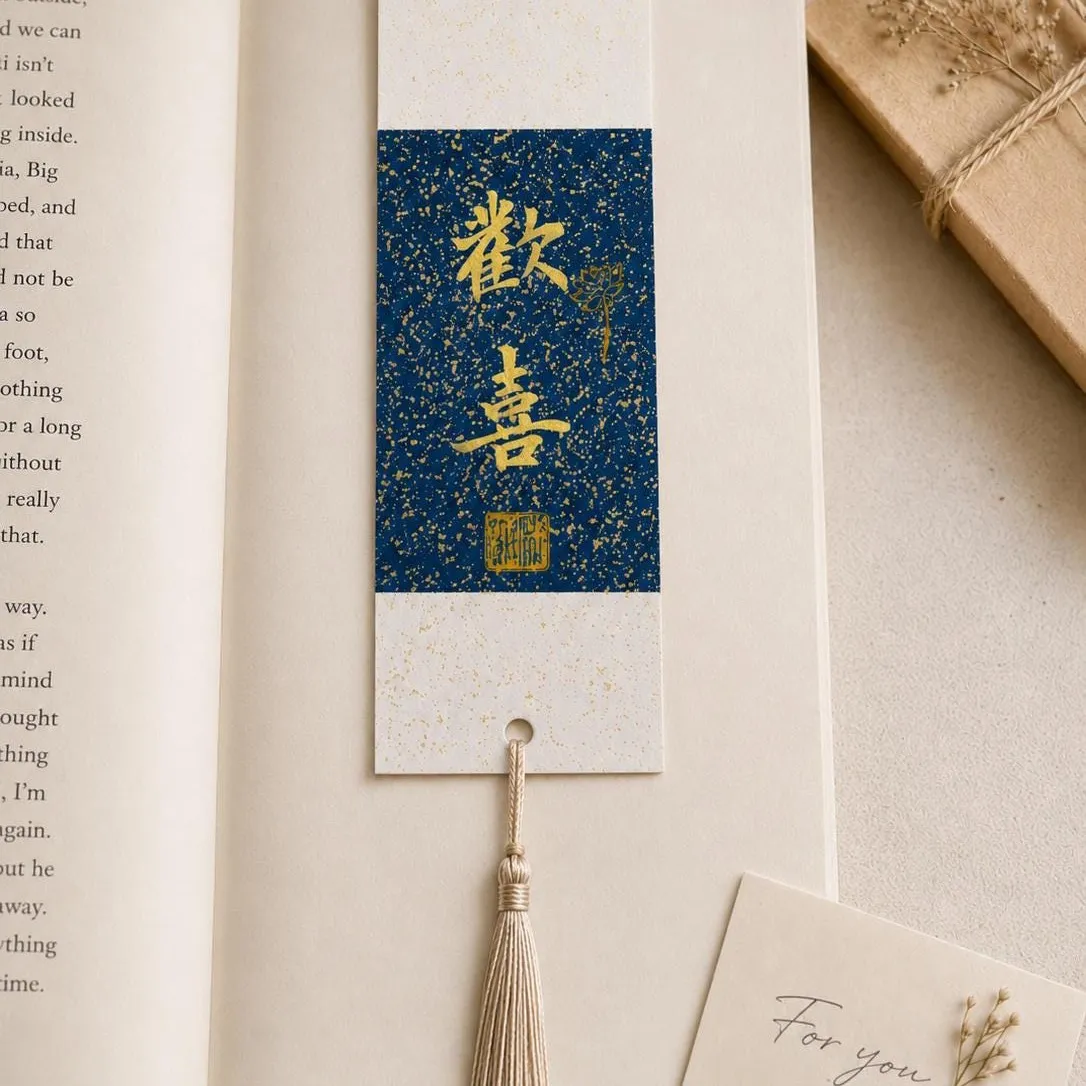
Photo shows a sample — yours will be brushed with 善, or any character you choose.
Bookmark — for readers & small thank-yousfrom $14→
What people said after it arrived.
-
The item is fantastic. The customer service was genuine. Thanks!
— M.Verified purchase · from our Etsy shop reviews · -
They were great they gave me exactly what I asked for and then some. Thank you!!
— G.Verified purchase · from our Etsy shop reviews · -
It is well designed and customized. My daughter loves it. Amazing gift for family’s d friends
— S.Verified purchase · from our Etsy shop reviews ·
Each "善" is hand-brushed by FuBlessings on rice paper.
See 善 (Shàn) on Etsy →