安详 (ān xiáng) — Composed · Unhurried Bearing · Settled Poise
A two-character word, not a single character.
Cai Yong, recommending a young scholar to a general who could make or break a career, opened with talent — 天授逸才, a rare gift from heaven — and argued that a man that able was wasted in a junior post. Partway down the list, after the learning and the eloquence, he set down four characters about how the man held himself: 安详审固 — composed, careful, firm in what he kept inside. That is still what the word does for the living. 安详 is not a wish aimed at the coming year. It is a report on bearing — the pace that does not hurry, the face that does not brace, the way someone sits when the room has every reason to fidget. See 安 →
The second character is where the gift can go wrong. 祥 (xiáng), auspicious, is the New Year lookalike with the same sound and tone; 详 (xiáng) is speech beside a sheep, Shuowen’s word for careful deliberation, later extended into manner. 慈祥 uses 祥 and names kindness visible in an elder’s face. 安详 uses 详 and names composure. Swap the radical and you have ordered the wrong scroll. What the compound adds to plain 安 is exactly that visible register: not peace as a place under a roof, but peace as something a family can watch across a table. See 慈祥 →
Before ordering, know the word’s other everyday job. Chinese obituaries use it for a peaceful death — 安详离世, 安详辞世 — and a bare 安详 on the wall of an elderly or unwell relative can be read that way, however it was meant. That is why this page does not suggest it for a grandparent or for an elder’s birthday. For those, 安康 (well in body and mind) or 慈祥 (kindness in an elder’s face) says the warm thing without that reading. See 安康 →
Where a hand-brushed 安详 by Artist Lina Sun does fit is a parent still carrying the household — the mother or father whose steadiness everyone has been borrowing for years without a short name for it. Even then, ask the family first, and consider the four-character 举止安详, which ties the word to how someone carries themselves rather than to a last moment.
- composed — calm you can see in how someone moves
- unhurried bearing
- settled poise
- the face and pace that do not brace
- peaceful Too broad, and too often about a place or a mood. 安详 is specifically a person's bearing — manner, face, pace — not the quiet of a room.
- calm Calm can be invisible. 安详 is the calm other people can watch: 举止安详, composure as something performed in the body.
- serene Close in English, but it often drifts toward atmosphere or mystique. 安详 stays ordinary and observational — how someone sits, walks, answers.
- auspicious That is 祥, the lookalike. In modern usage 安详 is not about omens or New Year prints; swapping the radical changes the word.
The short arms are the point: these readings don’t reach it.
- 安 settled peace / unshaken groundThe woman under a roof: a place that works, a person who has somewhere to stop. In this compound it is not a verb aimed at someone else's worry (that is 安心) and not a medical half (that is 安康). It is the settled base the composure stands on.
- 详 composed bearing / unhurried careFrom 讠 + 羊: Shuowen's 审议也, careful deliberation. Extended into manner — 详雅, 详妍 — so that the looking-closely became an unhurried way of being seen. Not 祥 (auspicious). There is no library page for 详 alone.
characters
- 举止安详 jǔ zhǐ ān xiáng a composed manner — the most common living frame for the word
- 神态安详 shén tài ān xiáng a composed bearing — face and presence together
- 详雅 xiáng yǎ composed and refined — 详 carrying the manner sense on its own
- 慈祥 cí xiáng kindly warmth in an elder's face — uses 祥, not 详; neighbouring gift, different character
Cinnabar marks the characters 安详 actually contains. The dark row is a relative by meaning or by sound, not one shared stroke.
The Story Behind the Character
The second character is the one people miswrite. 祥 (xiáng), auspicious, sits in every New Year print and shares the same sound, tone included; 详 (xiáng) puts the speech radical 讠 beside the same sheep and means something else in modern usage, though older texts sometimes write one for the other. The Shuowen Jiezi (c. 100 CE) defines it in three characters: 详,审议也 — to examine, to deliberate carefully. From that careful looking, Chinese extended 详 into a quality of manner: not the report of a good omen, but the bearing of someone who has already looked, and is no longer rushing to look again. Tao Yuanming's 闲情赋 shows the extension at work in four characters — 举止详妍, a manner that is composed and fair — and that is the 详 that enters this compound.
安 supplies the settled ground that 详 alone cannot name. The picture under 安 is still the woman under a roof: a household that works, a place where a person can stop moving. Put that roof-peace next to the deliberative composure of 详, and the compound stops being about either stillness of place or care of speech. It becomes visible steadiness in a person — the pace of the walk, the way the hands rest, the face that does not tighten when the room tightens. The Ministry of Education dictionary keeps both halves of the living sense: 平静, calm; and 举止从容不迫, a manner that is unhurried and unforced. Its book-proof comes from a Ming story collection, from a county magistrate's letter to his daughter's future father-in-law about a maid bought to go with her at the wedding: 见其颜色端丽,举止安详 — her looks upright and fair, her manner composed. His next words are 心窃异之: it struck him as unusual in a maid, and he looked into where she came from.
The compound is older than that story. When Cai Yong recommended the young scholar Bian Rang to the general He Jin in the late Eastern Han, he opened with talent — 天授逸才,聪明贤智, a rare talent given by heaven, quick and wise — and argued that a man that able was wasted in a junior post, an ox-sized cauldron set to boil a chicken (函牛之鼎以烹鸡). Partway down his list, after the learning and the eloquence, he set down four characters about how Bian Rang held himself: 安详审固 — composed, careful, and firm in what he held. Centuries later Shao Yong, riding his small cart through Luoyang, wrote the instruction that still sounds like advice for living: 水际尤宜稳审,花间更要安详 — take care at the water's edge; among the flowers, be even more composed. In these early lines the word is not a report about the world. It is a report about how a person moves through one.
Classical lines
- roughly 900 years
- c. 184 CE 蔡邕《荐边文礼书》
- c. 400 CE 陶渊明《闲情赋》
- 11th c. CE 邵雍《小车六言吟》
安详审固,守持内定。 Composed, careful, and firm
he keeps what he holds settled within. — Cai Yong's letter to He Jin opens with Bian Rang's talent and argues he is wasted in a junior post; this line, set after his learning and eloquence, is the one about bearing. Some received copies print the near-homograph 安祥; dictionaries and modern editions standardize 安详.
神仪妩媚,举止详妍。 Her presence is lovely; her manner is composed and fair.
A line where 详 already names a quality of bearing rather than of speech. 详妍 is composure made graceful — the same semantic path that lets 详 enter 安详.
水际尤宜稳审,花间更要安详。 At the water's edge, take especial care; among the flowers, be even more composed.
Shao Yong on his small cart through Luoyang: the poem's own pace is the definition. 稳审 is caution where the ground can fail; 安详 is the unhurried register the pleasant stretch still requires.
Why This Character Matters
Speakers reach for 安详 when they are watching someone, not when they are wishing something at them. 举止安详 and 神态安详 — manner, bearing — are the ordinary frames for a living person, and they describe what is already visible. As a gift that makes it recognition rather than instruction.
The word has a second everyday home, and a buyer should know it before ordering a scroll: Chinese obituaries and death notices. 安详离世 and 安详辞世 are standard ways to say someone died peacefully; funeral-home guides offer 安详辞世 as the neutral wording any family can use, and the Taiwan Ministry of Education dictionary's only example for the sense "calm" is 安详仙逝, passed away peacefully. 面容安详 is said of the living and of the dead. So a bare 安详 brushed for an elderly or ailing relative can be read as funeral language, whatever the giver meant. For a parent, ask the family first, or have it brushed as 举止安详, which keeps the word on manner. For a grandparent or an elder's birthday, 安康 or 慈祥 says the warm thing without that reading.
The lookalike 祥 is the trap every learner hits and every calligrapher has to watch for. 慈祥 uses 祥 and names kindness made visible in an elder's face; 吉祥 uses 祥 and names a favorable reading. 安详 uses 详 and names composure. Swap the left-hand radical and you have changed the gift. Chinese also keeps 详雅 and 安详 as near neighbours for cultivated manner, but 详 alone is no longer the everyday word for that bearing — the compound took the job and kept it.
A few characters live near "安详" but mean something quieter, sharper, or more specific. Here's how to tell them apart.
settled peace made visible as composure in a person's bearing
peace as a place — a roof, a latched door, a household that runs
composure others can watch in how someone moves
inner quiet — the settled mind, often without a public manner attached
unhurried bearing in a person who is still in the room
stillness — the quiet of a scene or a stilled self, not specifically manner
composed and unforced — ease inside the uprightness
upright, proper bearing — dignity with a straighter spine, less about ease
For the mother whose calm is the thing the house still leans on.
- For the mother whose calm is the thing the house still leans on. 慈祥 names the kindness visible in her face; 安详 names the composure underneath it — the unhurried way she handles a crisis, a phone call, a kitchen with too many people in it. Before ordering, know that Chinese death notices use the same word for a peaceful passing (安详离世), so a bare 安详 can be read as funeral language, more so the older she is. Ask the family first, or have it brushed as 举止安详, which keeps it on her manner; for an elderly or ailing mother, 慈祥 or 安康 is the kinder gift.
- For the father whose silence was never emptiness, only a refusal to flail: the man who did not raise his voice when the news was bad, who finished one thing before starting the next. 安详 credits that bearing — settled peace made visible in how he moves through a room. The same caution applies: obituaries describe a peaceful death as 安详辞世, so the bare word can read as funeral language on an older father's wall. Check with the family, or ask for 举止安详; for a father who is elderly or unwell, 安康 says the warm thing without that reading.
Looking for a name? See Western names written in Chinese →
-
What does 安详 (ān xiáng) mean?
安详 (ān xiáng) is a two-character Chinese word for composed, unhurried bearing, settled poise. Cai Yong, recommending a young scholar to a general who could make or break a career, opened with talent — 天授逸才, a rare gift from heaven — and argued that a man that able was wasted in a junior post. Partway down the list, after the learning and the eloquence, he set down four characters about how the man held himself: 安详审固 — composed, careful, firm in what he kept inside. That is still what the word does for the living. 安详 is not a wish aimed at the coming year. It is a report on bearing — the pace that does not hurry, the face that does not brace, the way someone sits when the room has every reason to fidget. See 安 → Speakers reach for 安详 when they are watching someone, not when they are wishing something at them. 举止安详 and 神态安详 — manner, bearing — are the ordinary frames for a living person, and they describe what is already visible. As a gift that makes it recognition rather than instruction.
-
What occasions is 安详 given for?
安详 is traditionally given for Mother's Day, Father's Day. For the mother whose calm is the thing the house still leans on. 慈祥 names the kindness visible in her face; 安详 names the composure underneath it — the unhurried way she handles a crisis, a phone call, a kitchen with too many people in it. Before ordering, know that Chinese death notices use the same word for a peaceful passing (安详离世), so a bare 安详 can be read as funeral language, more so the older she is. Ask the family first, or have it brushed as 举止安详, which keeps it on her manner; for an elderly or ailing mother, 慈祥 or 安康 is the kinder gift. For the father whose silence was never emptiness, only a refusal to flail: the man who did not raise his voice when the news was bad, who finished one thing before starting the next. 安详 credits that bearing — settled peace made visible in how he moves through a room. The same caution applies: obituaries describe a peaceful death as 安详辞世, so the bare word can read as funeral language on an older father's wall. Check with the family, or ask for 举止安详; for a father who is elderly or unwell, 安康 says the warm thing without that reading.
-
Who brushes the 安详 calligraphy?
Each 安详 (Ān Xiáng) is hand-brushed to order by Artist Lina Sun in ink on rice paper — never printed, never repeated.
Bring 安详 home — choose how you'd like it brushed.
-
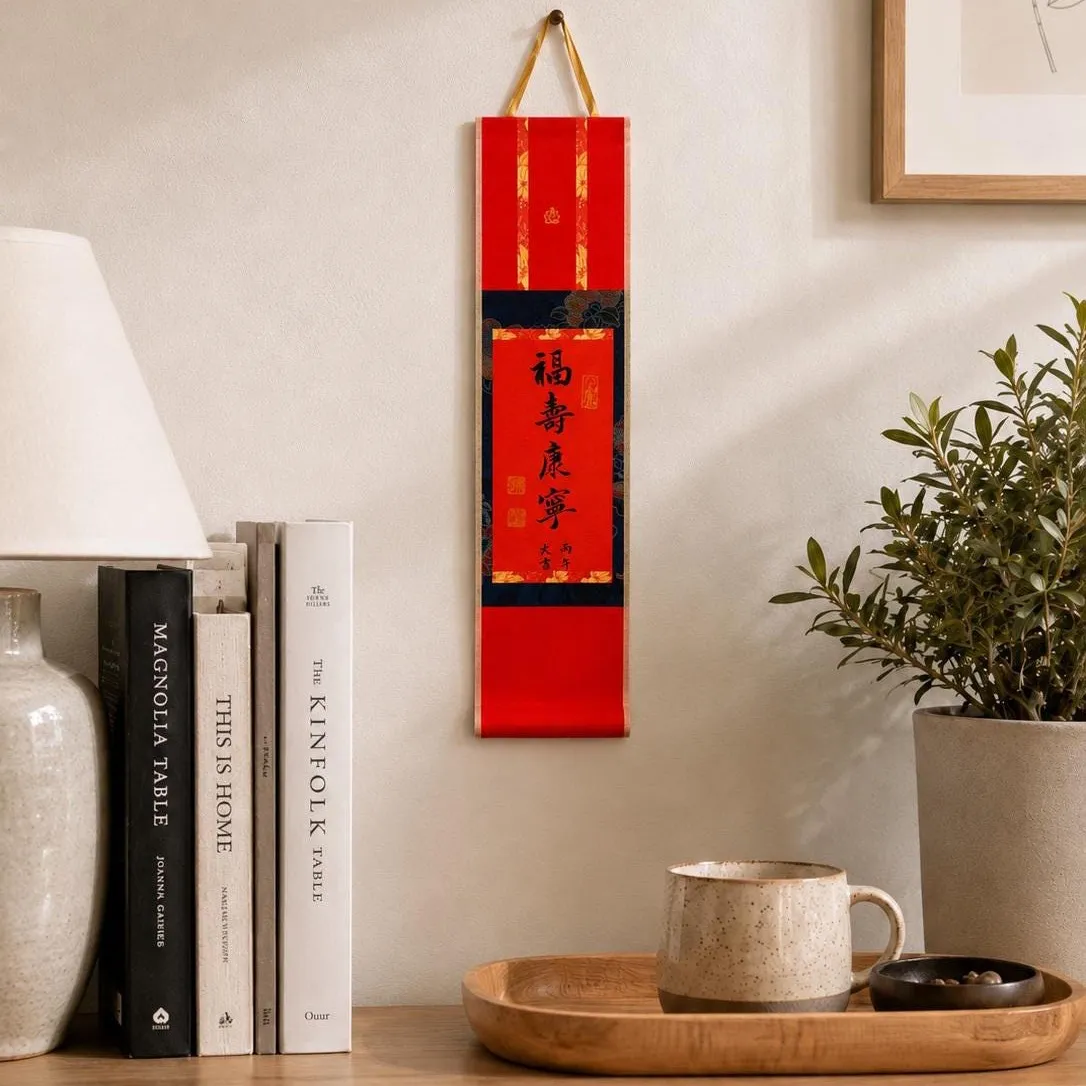
Photo shows a sample — yours will be brushed with 安详, or any character you choose.
Wall Scroll — for walls & housewarmingsfrom $38→ -
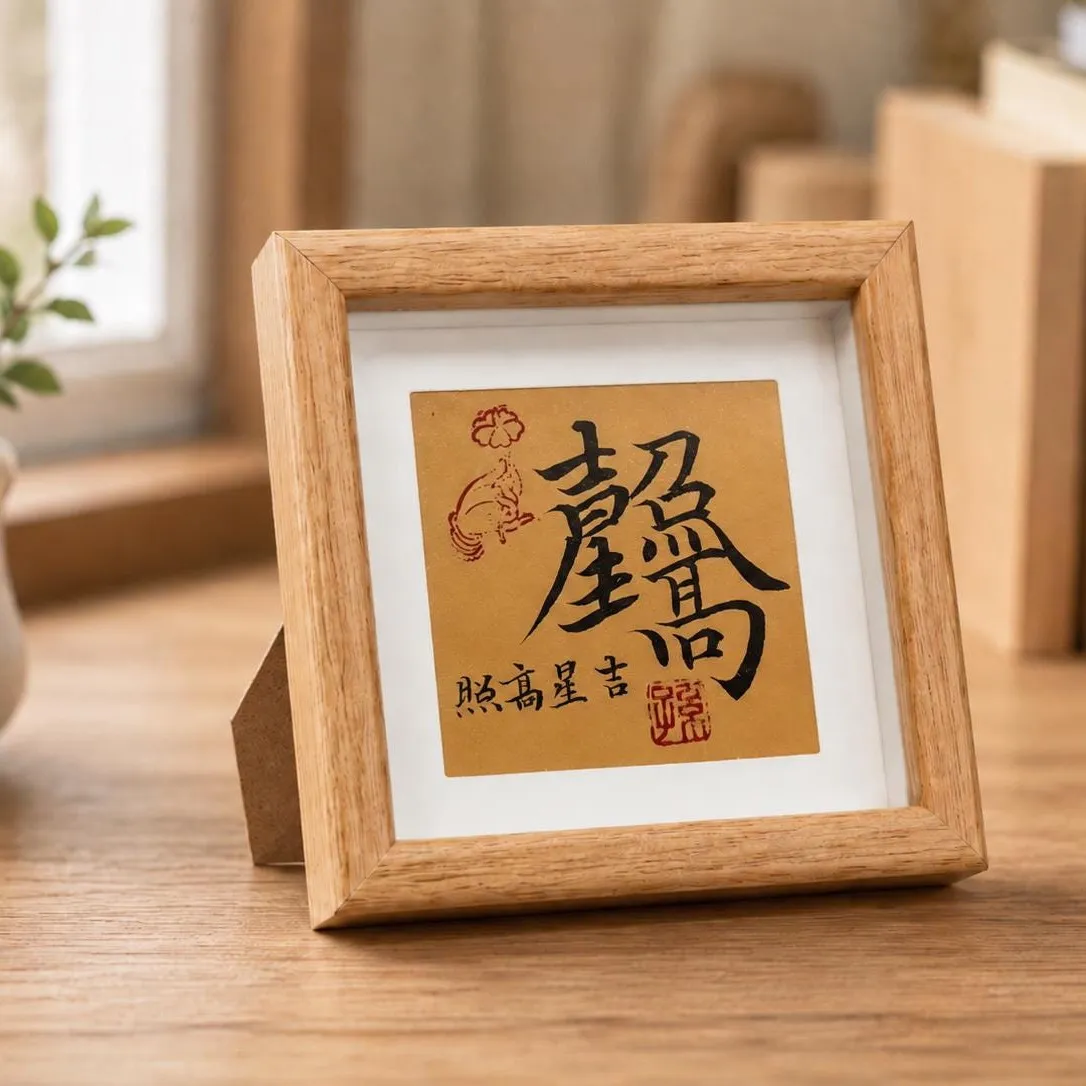
Photo shows a sample — yours will be brushed with 安详, or any character you choose.
Desk Frame — for desks, studies & studiosfrom $44→ -
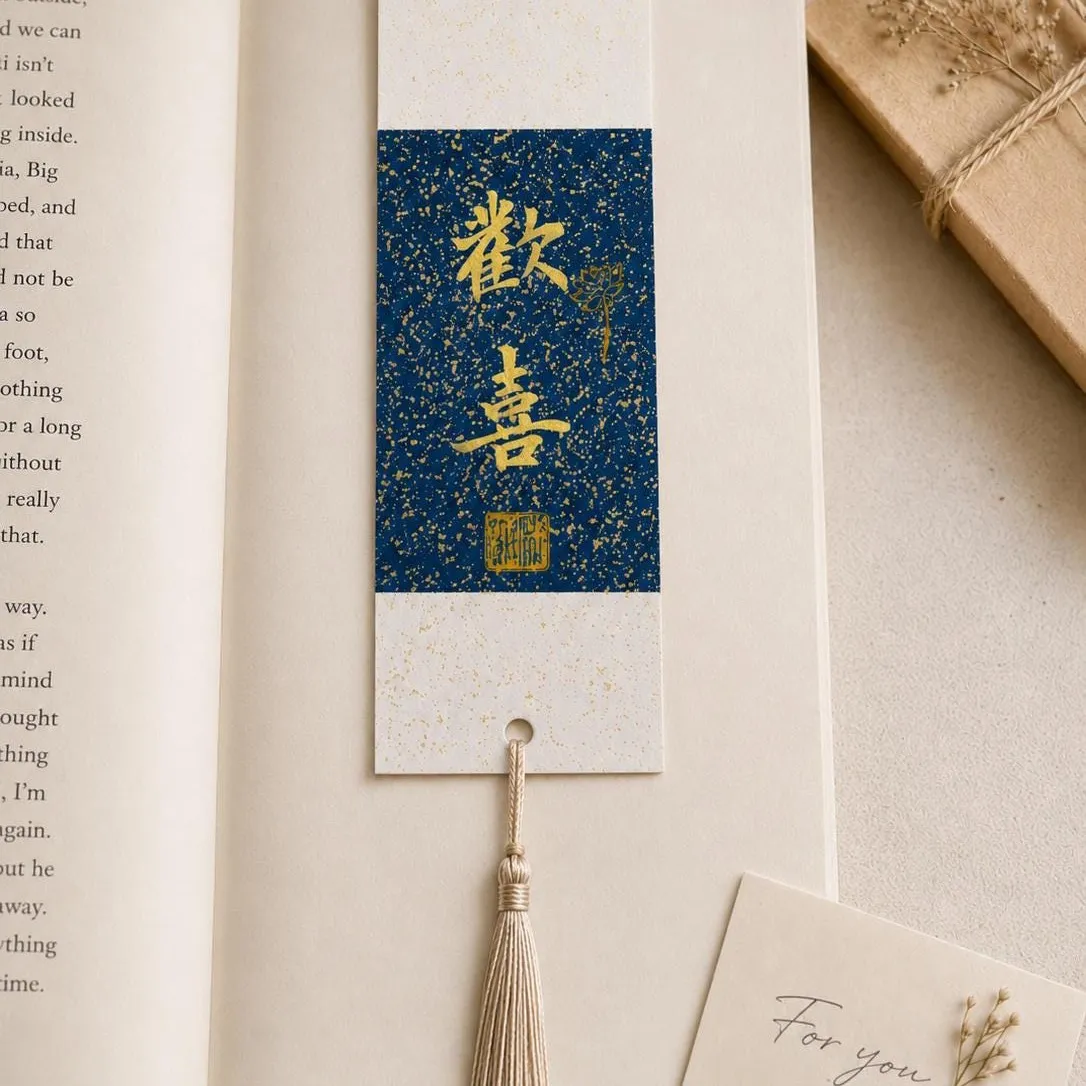
Photo shows a sample — yours will be brushed with 安详, or any character you choose.
Bookmark — for readers & small thank-yousfrom $17→
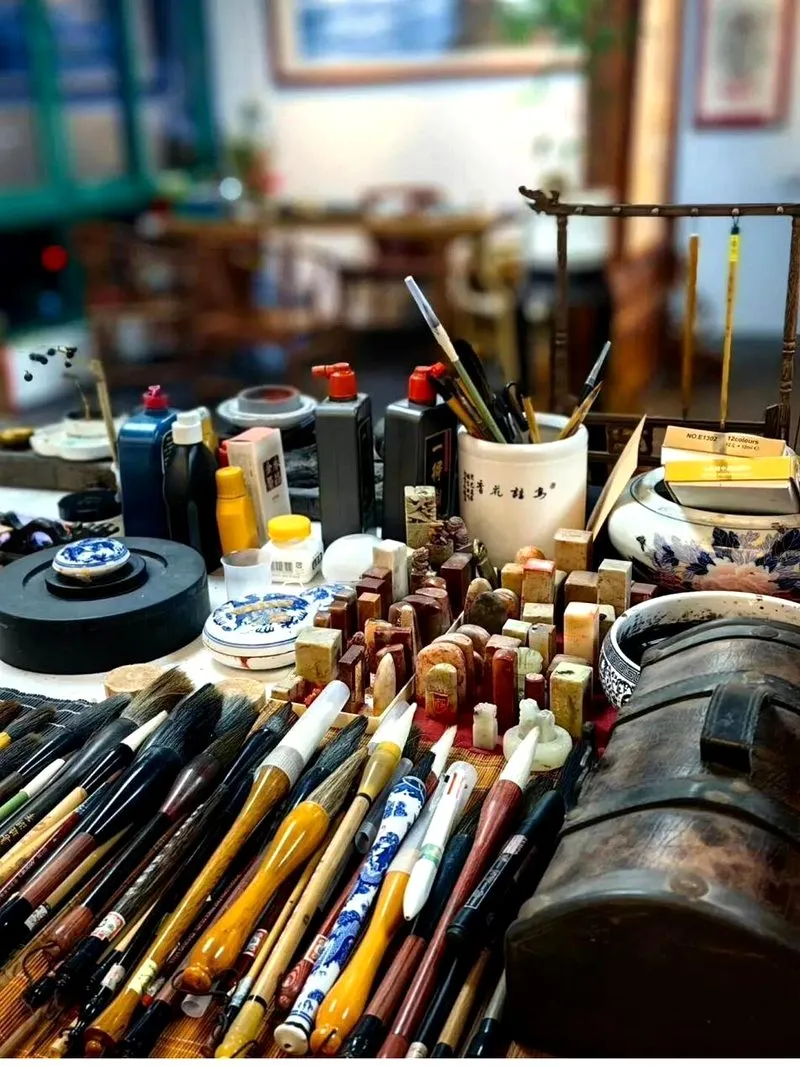
What people said after it arrived.
-
The item is fantastic. The customer service was genuine. Thanks!
— M.Verified purchase · from our Etsy shop reviews · -
They were great they gave me exactly what I asked for and then some. Thank you!!
— G.Verified purchase · from our Etsy shop reviews · -
It is well designed and customized. My daughter loves it. Amazing gift for family’s d friends
— S.Verified purchase · from our Etsy shop reviews ·
Each "安详" is hand-brushed by Artist Lina Sun on rice paper.
See 安详 (Ān Xiáng) on Etsy →