静 (jìng) — Stillness · Tranquility · Quiet
A single character.
Most Chinese blessing characters wish for something to arrive — health, wealth, good luck. 静 is the opposite. It wishes for something to stop. The noise, the overscheduling, the mental tabs that never close. In a culture that produced a hundred characters for prosperity, 静 is the rare one that says: you already have enough. Now be still long enough to feel it.
The character shows up wherever the Chinese tradition values calm over action. Meditation halls. Scholars’ studios. The walls of tea rooms where the whole point is to sit and do nothing productive for an hour. During exam season, parents hang 静 in their children’s study rooms — not as decoration but as a functional instruction: settle your mind, or the books won’t help you. In hospitals, 静 appears on signs outside recovery wards. In temples, it’s carved above doorways. It is the one character that works as both a wish and a command.
A hand-brushed 静 by FuBlessings is a specific gift for the person whose life has no quiet in it — the mother who hasn’t sat down since morning, the friend whose phone never stops, the wife who manages everyone else’s calm but rarely her own. Hung on a wall, it does what the best calligraphy does: it changes the room it enters.
- stillness
- interior quiet
- a settled mind
- clarity that comes from not moving
- silence Too literal. 静 isn't about the absence of sound — it's about the quality of attention that a quiet mind makes possible.
- calm Close, but calm is a mood. 静 is a discipline — the trained capacity to settle, not a feeling that happens to arrive.
- peace Peace describes a state of the world. 静 describes a state of the self that holds even when the world doesn't.
The short arms are the point: these readings don’t reach it.
- 青 clear / uncloudedThe color of a cloudless sky, undyed silk, and pigments fine enough to settle in water. In classical Chinese, 青 names the quality of things that are pure and settled — the visual root of stillness.
- 争 contention / struggleTo contend, to push against. The character's quiet argument: stillness is not the absence of conflict but what remains after contention has ceased.
character
- 安静 ān jìng quiet and at ease — the everyday word for a settled environment or person
- 宁静 níng jìng tranquility — the deeper, warmer cousin, a heart at rest within the quiet
- 平静 píng jìng level and still — used of water, weather, and minds that have stopped churning
- 静心 jìng xīn to still the heart — the meditation instruction in two characters
- 冷静 lěng jìng cool-headed — the composure that holds when others react
The Story Behind the Character
In the earliest bronze inscriptions, 静 was written as two images side by side: on the left, the character 青 — the color of a clear, unclouded sky — and on the right, 争, meaning to contend or struggle. The juxtaposition is striking: stillness, the early scribes suggested, is not the absence of conflict but what remains after contention has ceased.
By the time of China's first comprehensive dictionary (Shuowen Jiezi, c. 100 CE), 静 was defined with a single word: "审也" — to examine clearly, to see things as they actually are. The dictionary's author, Xu Shen, understood that stillness was not about silence but about a particular quality of perception. A still mind is a clear one.
The most revealing detail is the 青 component. In classical Chinese, 青 didn't just mean blue or green — it described the color of things that are pure and settled: a cloudless sky, undyed silk, mineral pigment ground fine enough to hold still in water. The character's creators chose the color of clarity itself as the root of stillness.
Classical lines
- roughly 600 years
- c. 4th c. BCE 《老子》第十六章
- c. 3rd c. BCE 《庄子·天道》
- c. 234 CE 诸葛亮《诫子书》
致虚极,守静笃。万物并作,吾以观复。 Reach the furthest emptiness. Hold to stillness firmly. All things rise and move
I watch them return. — A meditation instruction from the Laozi, some twenty-four centuries old: the still mind doesn't withdraw from the world but watches it more closely than anyone else can.
非淡泊无以明志,非宁静无以致远。 Without detachment from gain, purpose stays unclear; without stillness, nothing far can be reached.
A dying military strategist writing his final advice to his son. Not a warrior's command but a father's quiet wish: slow down enough to see where you're going.
水静犹明,而况精神! Still water is clear
how much more so the spirit! — The simplest argument for inner calm in the Zhuangzi: if a pond turns clear when it stops moving, imagine what a mind can do. The lines that follow make the still water a mirror to heaven and earth.
Why This Character Matters
In traditional Chinese painting, the highest compliment is not that a work is beautiful but that it possesses 静气 — the "breath of stillness." It means the painter's hand was calm enough that nothing in the brushwork feels rushed or forced. The concept extends beyond art: a calligrapher, a tea master, even a doctor is judged by whether their movements carry 静气. It's the Chinese equivalent of saying someone makes the difficult look effortless.
静 holds a central place in Chinese philosophical life because Daoism and Confucianism — traditions that agree on almost nothing else — both treat stillness as a prerequisite for wisdom. For Laozi, a still mind perceives the way things actually are. For Confucius, a still mind resists impulsive action that leads to regret. The character quietly sits at the intersection of China's two great traditions, which is why it has never gone out of fashion in over two millennia of gift-giving and wall calligraphy.
静 is a genuinely beautiful tattoo choice. The famous phrase 宁静致远 ('from serenity, far-reaching achievement') makes this character feel aspirational rather than passive. A Chinese person would see it as tasteful and philosophical — the kind of character that belongs on a scholar's wall. It's also a common element in women's names (静 is one of the most popular name characters), so some may read it as a name.
Calligraphy Styles for Tattoos
- Regular script (楷书 kǎishū) Best for tattoos
静 is 14 strokes with a balanced left-right structure — 青 on the left and 争 on the right. Regular script preserves the architectural symmetry that makes this character visually striking.
- Running script (行书 xíngshū) Excellent for tattoos
Running script 静 is a natural fit — the flowing brushwork mirrors the meaning of settled calm. The two halves blend gracefully without losing readability. One of the better characters for running script tattoos at 2+ inches.
- Cursive script (草书 cǎoshū) Good for larger pieces
Cursive 静 can be beautiful — the irony of a dynamic, flowing script writing 'stillness' adds artistic tension. But the 青 and 争 components can merge. Best at 3+ inches with an experienced calligrapher.
Common Mistakes to Avoid
- Confusing 静 (stillness) with 净 (clean/pure)Intended: 静 with 青 on the left and 争 on the right
净 uses the water radical 冫 on the left instead of 青 and means 'clean' or 'pure.' Both are positive, but your stillness tattoo accidentally saying 'clean' is a different message. Verify the left component carefully.
- Writing the 争 component with incorrect stroke order, making the hook unclearIntended: Properly formed 争 with a clear upward hook
The right side 争 has a distinctive vertical stroke with an upward hook. If the hook is weak or absent, the component can be mistaken for other elements. The hook gives the right side its visual anchor.
Notes for Your Tattoo Artist
14 strokes. Left-right composition with roughly equal width on each side. The 青 component has a distinctive top (three horizontal strokes capped by a vertical) that requires precision — uneven spacing makes it look sloppy. The 争 component's hook is the visual anchor of the right side. Minimum size: 2 inches.
A few characters live near "静" but mean something quieter, sharper, or more specific. Here's how to tell them apart.
the discipline of settling — a mind that learns to stop
interior training — the calm a person carries with them
For the mother who has not stopped moving since before you can remember.
- For the mother who has not stopped moving since before you can remember. 静 is the wish that is rarely spoken and almost never given — not for health or another good year, but for the interior stillness that would let her experience those things. The most specific Mother's Day character in the library.
- For the person navigating a life that leaves little room for quiet. 静 on a birthday is not a general wish but a pointed one: that somewhere in the year ahead they find the interior calm that sustains everything else, rather than the other way around.
静 is one of the characters we use to write Western names in Chinese. See it at work:
-
What does 静 (jìng) mean?
静 (jìng) is the Chinese character for stillness, tranquility, quiet. Most Chinese blessing characters wish for something to arrive — health, wealth, good luck. 静 is the opposite. It wishes for something to stop. The noise, the overscheduling, the mental tabs that never close. In a culture that produced a hundred characters for prosperity, 静 is the rare one that says: you already have enough. Now be still long enough to feel it. In traditional Chinese painting, the highest compliment is not that a work is beautiful but that it possesses 静气 — the "breath of stillness." It means the painter's hand was calm enough that nothing in the brushwork feels rushed or forced. The concept extends beyond art: a calligrapher, a tea master, even a doctor is judged by whether their movements carry 静气. It's the Chinese equivalent of saying someone makes the difficult look effortless.
-
What occasions is 静 given for?
静 is traditionally given for Mother's Day, Birthday. For the mother who has not stopped moving since before you can remember. 静 is the wish that is rarely spoken and almost never given — not for health or another good year, but for the interior stillness that would let her experience those things. The most specific Mother's Day character in the library. For the person navigating a life that leaves little room for quiet. 静 on a birthday is not a general wish but a pointed one: that somewhere in the year ahead they find the interior calm that sustains everything else, rather than the other way around.
-
Is 静 a good Chinese tattoo?
静 is a genuinely beautiful tattoo choice. The famous phrase 宁静致远 ('from serenity, far-reaching achievement') makes this character feel aspirational rather than passive. A Chinese person would see it as tasteful and philosophical — the kind of character that belongs on a scholar's wall. It's also a common element in women's names (静 is one of the most popular name characters), so some may read it as a name.
-
Who brushes the 静 calligraphy?
FuBlessings hand-brushes each 静 (Jìng) to order, in ink on rice paper — never printed, never repeated.
Bring 静 home — choose how you'd like it brushed.
-
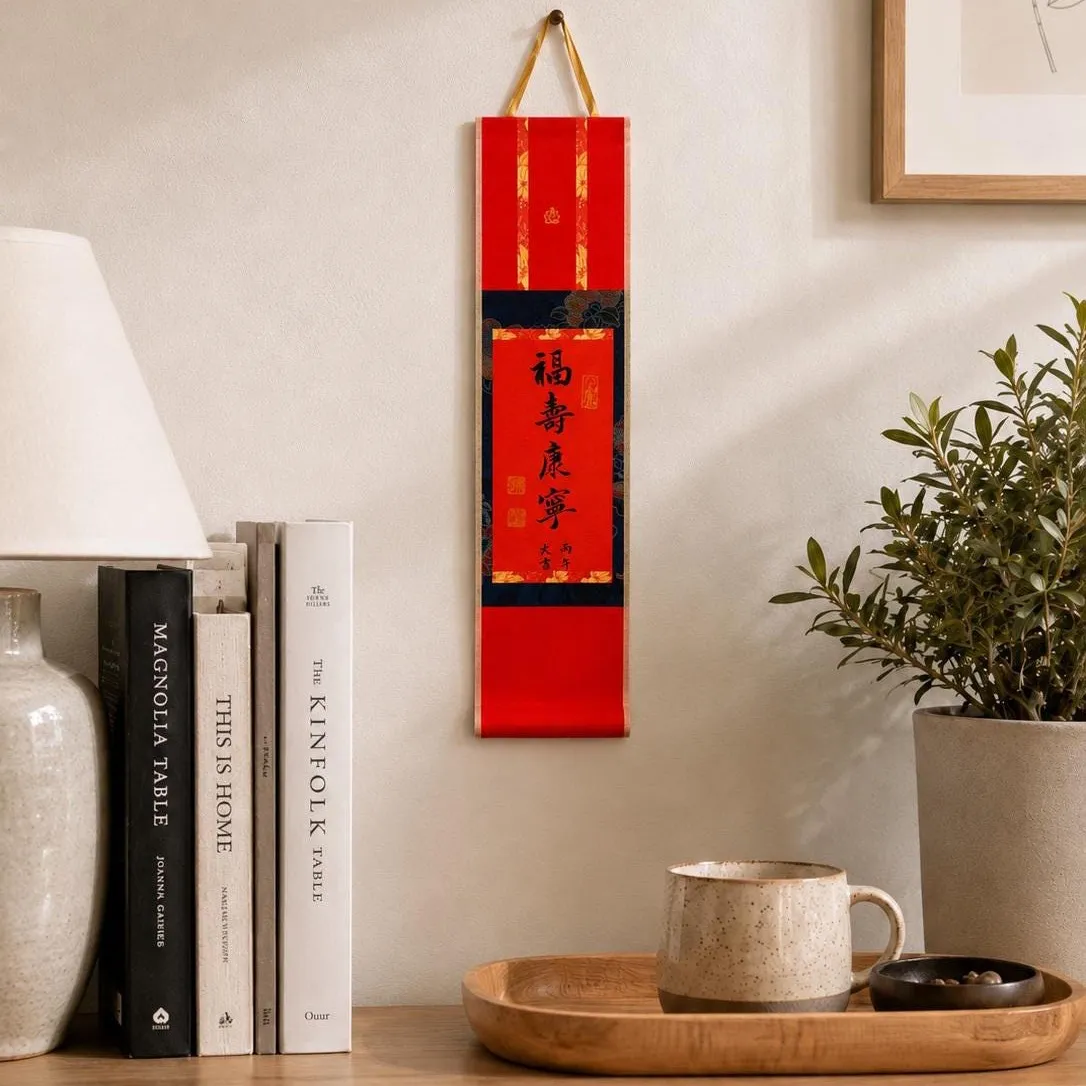
Photo shows a sample — yours will be brushed with 静, or any character you choose.
Wall Scroll — for walls & housewarmingsfrom $38→ -
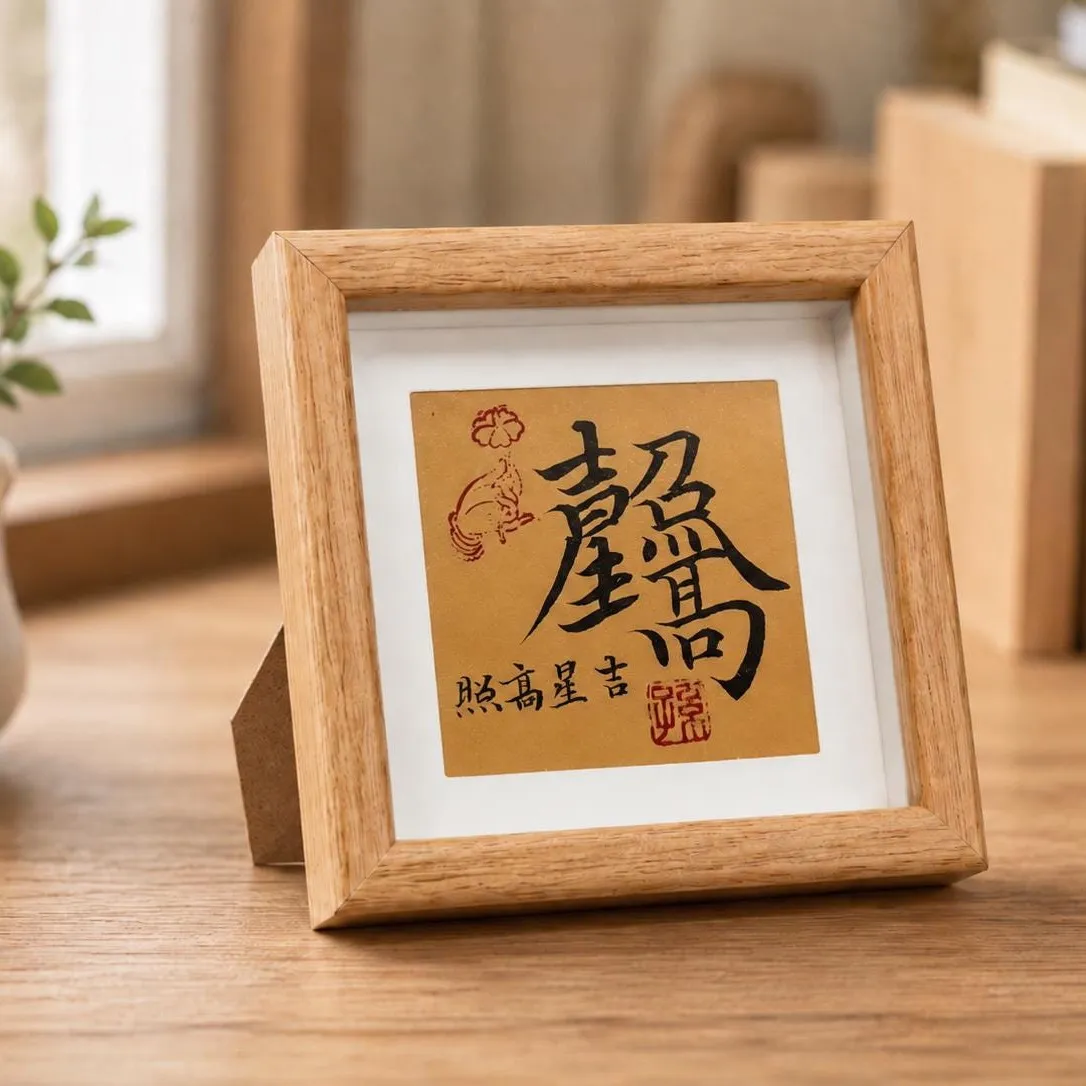
Photo shows a sample — yours will be brushed with 静, or any character you choose.
Desk Frame — for desks, studies & studiosfrom $44→ -
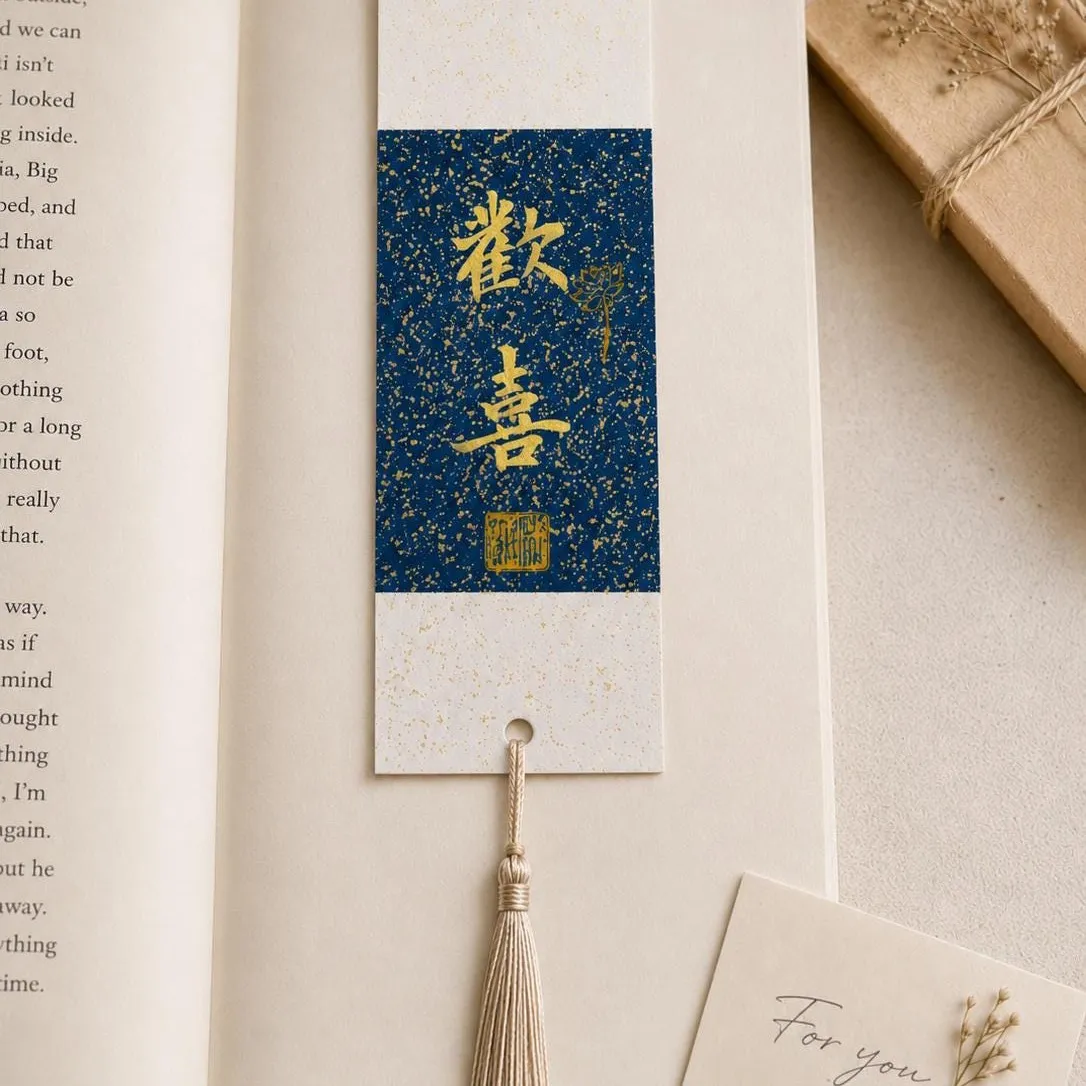
Photo shows a sample — yours will be brushed with 静, or any character you choose.
Bookmark — for readers & small thank-yousfrom $14→

What people said after it arrived.
-
The item is fantastic. The customer service was genuine. Thanks!
— M.Verified purchase · from our Etsy shop reviews · -
They were great they gave me exactly what I asked for and then some. Thank you!!
— G.Verified purchase · from our Etsy shop reviews · -
It is well designed and customized. My daughter loves it. Amazing gift for family’s d friends
— S.Verified purchase · from our Etsy shop reviews ·
Each "静" is hand-brushed by FuBlessings on rice paper.
See 静 (Jìng) on Etsy →