自强不息 (zì qiáng bù xī) — Strengthen Yourself Without Rest
A 4-character phrase, not a single character.
自强不息 is unusual among Chinese blessings of strength because it does not name a state — it names a refusal to stop. Where See 强 → names the capacity a person has built and 坚强 names the firmness that holds under pressure, 自强不息 names the verb that keeps both alive: the daily, unglamorous decision to strengthen yourself again, with no breath taken in between. Its source is the opening 乾 hexagram of the Book of Changes, where the standard for human effort is set against the one thing in nature that never rests — the turning of heaven itself.
The phrase entered modern life as half of a deliberately balanced pair. After Liang Qichao’s November 1914 lecture at Tsinghua it was paired with See 厚德载物 → — “deep virtue carries all things” — and 自强不息 supplies the active instruction: drive yourself forward like heaven, without rest. It hangs on the plaques in studies and offices, it is recited at graduations, and it is given to the people whose strength was mostly their persistence — because the phrase, alone among Chinese blessings, treats not-stopping as the achievement worth honoring.
A hand-brushed “自强不息” by FuBlessings is for the person who kept going when stopping would have been understandable — a father, a mentor, a colleague who simply outlasted the hard years. It puts into ink the thing that is hardest to say to someone who never asked for credit: that the not-stopping was seen, and that the quiet refusal to quit, repeated for years, is the strength the phrase has named for three thousand years.
The Story Behind the Character
The first hexagram of the Book of Changes is drawn as six unbroken lines, one stacked on the next — pure 乾, the sign of heaven. To it the Image commentary (象传) attaches a single instruction for the person of character: 天行健,君子以自强不息 — the movement of heaven is constant and tireless; so the noble person strengthens the self without rest. The phrase 自强不息 is lifted whole from that line. Everything in it points back to the sky's one observable certainty: that it never stops turning.
Read as four parts, the phrase folds a verb back onto its own subject. 自 is the reflexive — oneself; 强 here is not the adjective "strong" but the verb "to make strong"; together 自强 is the uncommon construction where the thing being strengthened and the one doing the strengthening are the same person. 不息 supplies the condition. 息 (xī) is built from 自, an old pictograph of a nose, set over 心, the heart — it first named the breath that rises from the chest, and from there came to mean rest, the pause between breaths. 不息, then, is more literal than it looks: not even the space of one drawn breath in which to stop. [See 强 →](/library/qiang/) names the capacity; 自强不息 names the discipline of never letting it sit idle.
For most of two thousand years the line lived quietly inside the 乾 hexagram, read by scholars who took the 周易 as a guide to conduct. Its modern life began on a specific afternoon — November 1914, when Liang Qichao (梁启超) lectured at Tsinghua College on the theme of the 君子 and held up two lines from the Book of Changes as the bearing a young person should aim for: 自强不息 from the 乾 hexagram, and 厚德载物 from the 坤. The school adopted both as its motto and has carried them ever since. The pairing is deliberate and opposite: one half tells you to drive yourself forward like heaven; [See 厚德载物 →](/library/hou-de-zai-wu/), its companion, tells you to become like the earth that bears every weight. 自强不息 is the half about motion that does not stop.
Classical lines
君子进德修业。忠信,所以进德也。 The noble person advances in virtue and cultivates the work; it is loyalty and good faith that carry the virtue forward.
Confucius's own commentary on the same 乾 hexagram that gives us 自强不息, glossing what ceaseless self-strengthening is actually made of: not raw willpower but the daily advance of character and craft together.
譬如为山,未成一篑,止,吾止也;譬如平地,虽覆一篑,进,吾往也。 It is like building up a mountain: if I stop one basketful short of finishing, the stopping is mine. It is like leveling ground: though I have poured in only one basket, if I go on, the going on is mine.
Confucius placing the whole weight of progress on whether you continue. 自强不息 is this sentence turned into a motto: the only thing that ever stops you is your own decision to rest.
不积跬步,无以至千里;不积小流,无以成江海。 Without piling up small steps there is no reaching a thousand li; without gathering small streams there is no making a river or a sea.
Xunzi's argument for why ceaselessness outweighs intensity: distance is built out of steps too small to feel, and the person who keeps taking them arrives where bursts of effort never reach.
Why This Character Matters
At Tsinghua University in Beijing the four characters sit in the school emblem: 自强不息,厚德载物. Liang Qichao held them up in a November 1914 lecture; they first appeared in public on a 1916 military flag, and the 1917 yearbook printed that emblem. Liang Shiqiu recorded the circular emblem carved above the Auditorium stage on 28 April 1923. The badge format was formalized on 25 November 1926. Walk through the old Second Gate and the stone reads 清华园 — not the motto. It is among the most quoted couplets in modern Chinese education — recited at the start of careers and inscribed on the diplomas of one of the country's most competitive institutions. What students absorb along with it is the structure Liang Qichao intended: that self-strengthening (自强不息) and the capacity to bear weight (厚德载物) are two halves of one person, and that effort without the second half tends to produce force rather than character.
Outside the campus, 自强不息 hangs on the walls of studies and offices as the phrase you give to someone whose defining trait is that they did not stop. It is not a wish for ease or fortune — the opposite. To give 自强不息 is to recognize a person's refusal to coast: the parent who kept providing through years that offered every excuse to slow down, the colleague who outlasted more talented peers by simply continuing, the person who rebuilt after each setback. The phrase honors the discipline rather than the result, which is why it reads as earned respect and not flattery.
自强不息 names the part of a father's life that looked like nothing from the outside: the not-stopping.
- 自强不息 names the part of a father's life that looked like nothing from the outside: the not-stopping. Where 强 names the capacity he built and 父爱如山 names the steadiness of his love, 自强不息 names the verb beneath both — the years of getting up and continuing when slowing down would have been understandable and no one would have blamed him. The Father's Day gift for the man whose strength was mostly his refusal to quit.
- 自强不息 is the half of the Tsinghua motto that speaks straight to the graduate: once the structure of school is gone — the deadlines, the grades, the people checking your work — what carries you forward is your own decision to keep strengthening yourself, with no one assigning it. Given at graduation, it is the wish that the drive proven over four years becomes self-sustaining now that nothing external requires it.
Looking for a name? See Western names written in Chinese →
-
What does 自强不息 (zì qiáng bù xī) mean?
自强不息 (zì qiáng bù xī) is a 4-character Chinese phrase for strengthen yourself without rest. 自强不息 is unusual among Chinese blessings of strength because it does not name a state — it names a refusal to stop. Where See 强 → names the capacity a person has built and 坚强 names the firmness that holds under pressure, 自强不息 names the verb that keeps both alive: the daily, unglamorous decision to strengthen yourself again, with no breath taken in between. Its source is the opening 乾 hexagram of the Book of Changes, where the standard for human effort is set against the one thing in nature that never rests — the turning of heaven itself. At Tsinghua University in Beijing the four characters sit in the school emblem: 自强不息,厚德载物. Liang Qichao held them up in a November 1914 lecture; they first appeared in public on a 1916 military flag, and the 1917 yearbook printed that emblem. Liang Shiqiu recorded the circular emblem carved above the Auditorium stage on 28 April 1923. The badge format was formalized on 25 November 1926. Walk through the old Second Gate and the stone reads 清华园 — not the motto. It is among the most quoted couplets in modern Chinese education — recited at the start of careers and inscribed on the diplomas of one of the country's most competitive institutions. What students absorb along with it is the structure Liang Qichao intended: that self-strengthening (自强不息) and the capacity to bear weight (厚德载物) are two halves of one person, and that effort without the second half tends to produce force rather than character.
-
What occasions is 自强不息 given for?
自强不息 is traditionally given for Father's Day, Graduation. 自强不息 names the part of a father's life that looked like nothing from the outside: the not-stopping. Where 强 names the capacity he built and 父爱如山 names the steadiness of his love, 自强不息 names the verb beneath both — the years of getting up and continuing when slowing down would have been understandable and no one would have blamed him. The Father's Day gift for the man whose strength was mostly his refusal to quit. 自强不息 is the half of the Tsinghua motto that speaks straight to the graduate: once the structure of school is gone — the deadlines, the grades, the people checking your work — what carries you forward is your own decision to keep strengthening yourself, with no one assigning it. Given at graduation, it is the wish that the drive proven over four years becomes self-sustaining now that nothing external requires it.
-
Who brushes the 自强不息 calligraphy?
FuBlessings hand-brushes each 自强不息 (Zì Qiáng Bù Xī) to order, in ink on rice paper — never printed, never repeated.
Bring 自强不息 home — choose how you'd like it brushed.
-
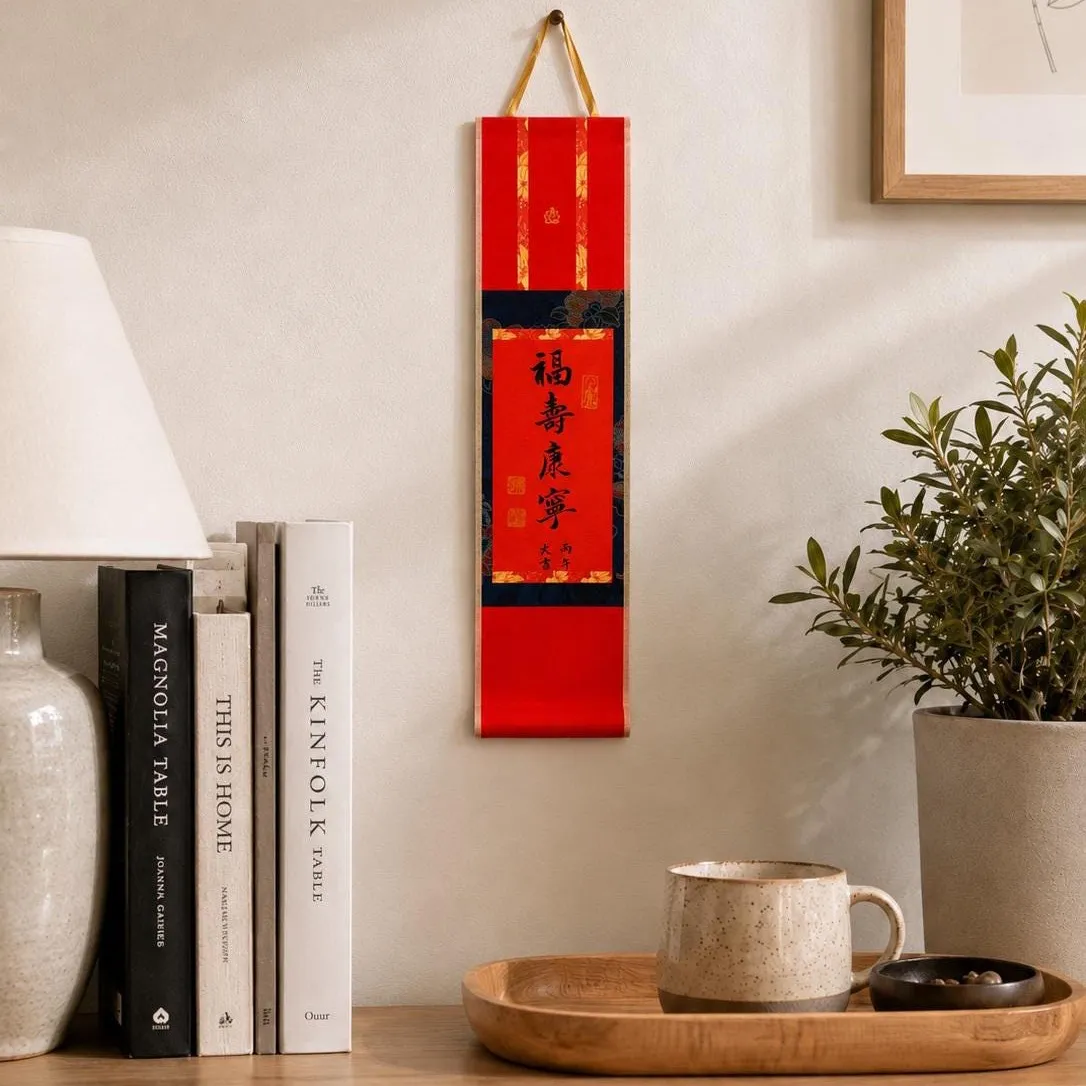
Photo shows a sample — yours will be brushed with 自强不息, or any character you choose.
Wall Scroll — for walls & housewarmingsfrom $38→ -
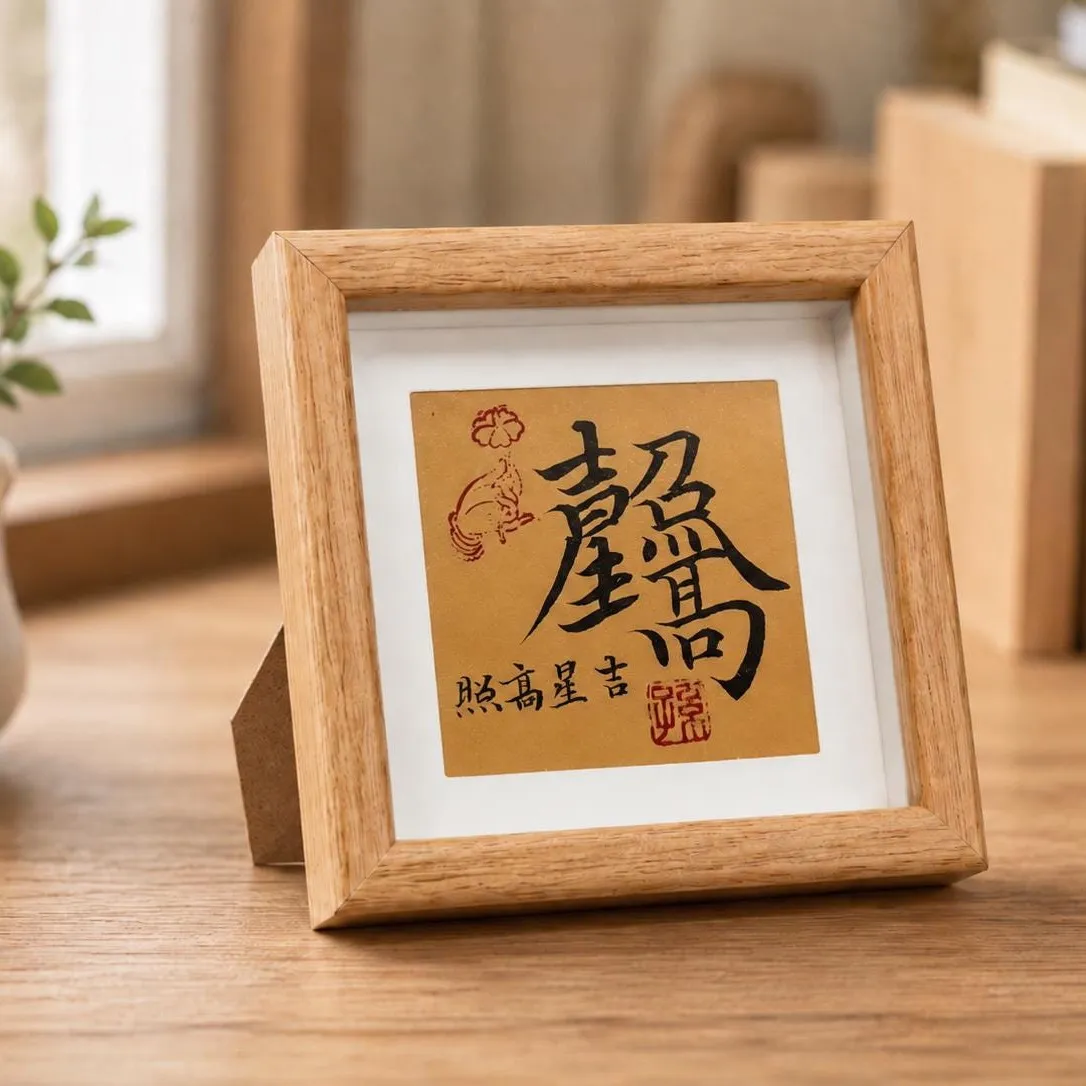
Photo shows a sample — yours will be brushed with 自强不息, or any character you choose.
Desk Frame — for desks, studies & studiosfrom $44→ -
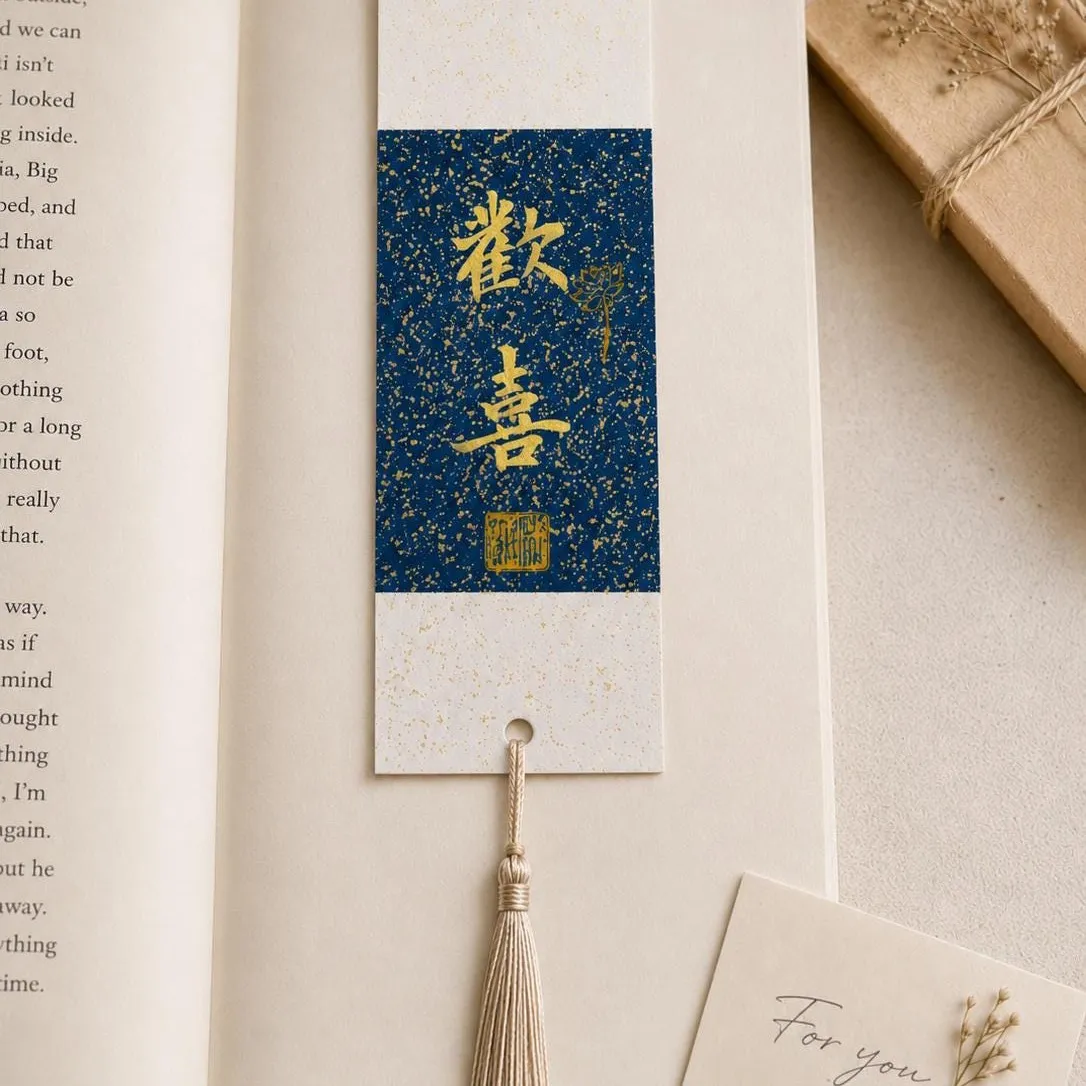
Photo shows a sample — yours will be brushed with 自强不息, or any character you choose.
Bookmark — for readers & small thank-yousfrom $14→
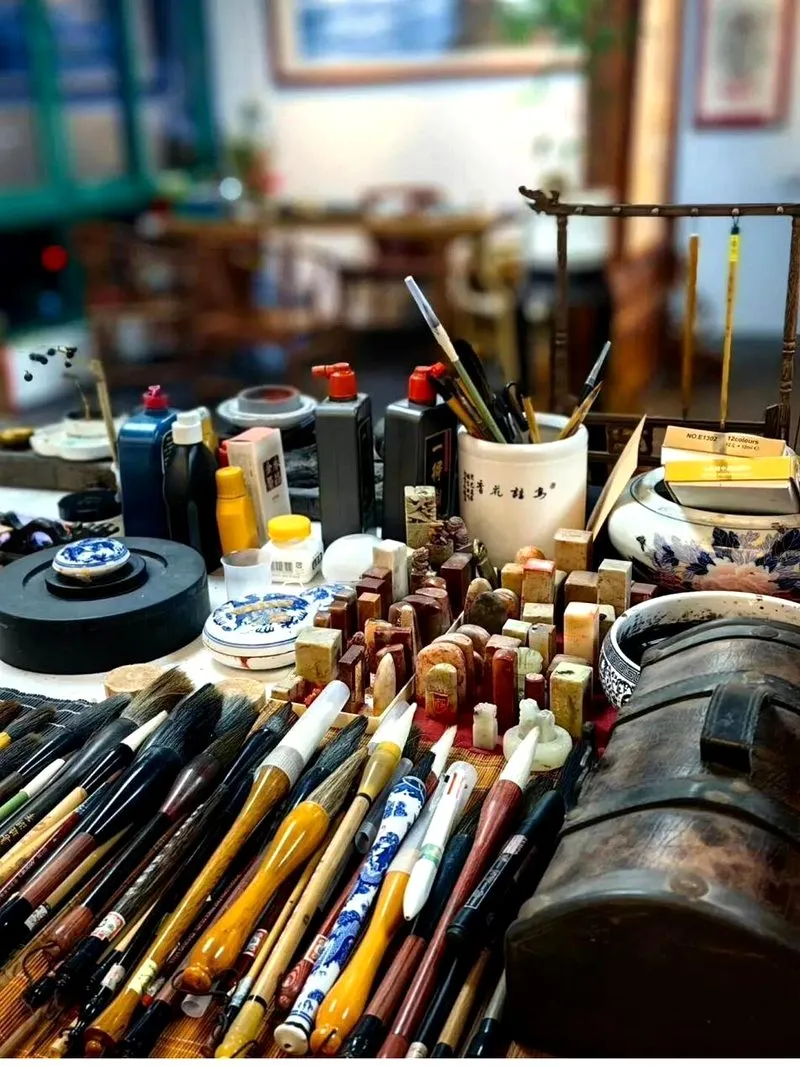
What people said after it arrived.
-
The item is fantastic. The customer service was genuine. Thanks!
— M.Verified purchase · from our Etsy shop reviews · -
They were great they gave me exactly what I asked for and then some. Thank you!!
— G.Verified purchase · from our Etsy shop reviews · -
It is well designed and customized. My daughter loves it. Amazing gift for family’s d friends
— S.Verified purchase · from our Etsy shop reviews ·
Each "自强不息" is hand-brushed by FuBlessings on rice paper.
See 自强不息 (Zì Qiáng Bù Xī) on Etsy →