厚德载物 (hòu dé zài wù) — Deep Virtue Carries All Things
A 4-character phrase, not a single character.
厚德载物 is not a wish for what will arrive but a recognition of what is already being held. Among the ways Chinese honors a person of weight, it is distinct in naming a capacity rather than a quality. See 德 → names a person’s moral character; See 厚德 → names the depth of that character. 厚德载物 names what the depth is for — the carrying. It comes from the 坤 hexagram of the Book of Changes, where the earth, not heaven, is held up as the model: the ground that takes mountains and seas and the lives of everyone upon it and holds them all without choosing, without buckling, and without asking to be thanked.
The line entered modern Chinese life as half of a deliberately balanced pair. Carved at the gate of one of China’s most competitive universities beside 自强不息 — “heaven moves ceaselessly; strive without rest” — 厚德载物 supplies the opposite and completing instruction: become the kind of ground others can stand on. It hangs on the plaques in offices and family halls, it is recited at graduations, and it is given to the people whose role is to bear weight — because the phrase, alone among Chinese blessings, treats the act of carrying as the highest form of virtue rather than a burden to be wished away.
A hand-brushed “厚德载物” by FuBlessings is for the person who carries others and rarely hears it acknowledged — a father, a mentor, the head of a family or a team. It puts into ink the thing that is hardest to say to the person holding everyone up: that the weight was seen all along, and that holding it, year after year without complaint, is the virtue the phrase has named for three thousand years.
The Story Behind the Character
The Book of Changes (周易) opens with two hexagrams set against each other: 乾 (Qián, the creative, heaven) and 坤 (Kūn, the receptive, earth). To heaven it gives ceaseless motion; to earth it gives the harder, quieter work of bearing. 厚德载物 is distilled from the line the 坤 hexagram's Image commentary (象传) gives to name that work — 地势坤,君子以厚德载物, “the earth's condition is receptive; the noble person, through deep virtue, carries all things.” The verb at its center, 载 (zài), is a plain, physical word: it meant to load a cart or a boat, to pile freight onto something built to carry it. The phrase takes that loading-dock word and hands it to moral character. Virtue, it claims, is measured not by how high it rises but by how much weight can be set on it before it gives way.
Read as grammar, the phrase is means and result. 厚德 (deep virtue) is the subject and the instrument; 载物 (carries the ten thousand things) is what that depth does. [See 厚德 →](/library/hou-de/) names the quality; the full phrase names the function the quality makes possible. The image behind it is the earth itself, which the 坤 hexagram describes without flattery: the ground does not choose what it will support. Mountains, rivers, cities, the worthy and the worthless alike — it takes the load of all of them and neither buckles nor complains. [See 德 →](/library/de/) supplies the moral term; 物 supplies the scale: everything there is.
For most of its history the line lived inside the Confucian classics, recited by scholars who read the 周易 as a manual of conduct rather than divination. Its sharpest modern life began in the early twentieth century, when it was chosen as half of the motto of one of China's most competitive universities and paired with 自强不息 — heaven's ceaseless self-strengthening set deliberately beside earth's patient bearing. The two halves are opposites by design. One tells you to drive yourself forward; the other tells you to become the kind of ground that holds everyone else up. 厚德载物 is the half most people only grow into late.
Classical lines
坤厚载物,德合无疆。含弘光大,品物咸亨。 The earth, in its depth, carries all things; its virtue matches the boundless. Holding, vast, luminous, and great
and so the ten thousand creatures all come through. — The 彖 commentary on the 坤 hexagram, sister line to the Image commentary that supplies the set phrase itself (地势坤,君子以厚德载物). It praises the earth not for power but for sheer capacity: the ability to bear everything and bring it all through to flourishing.
必有忍,其乃有济;有容,德乃大。 There must be forbearance, and then things come through; there must be room to hold, and then virtue grows great.
The Book of Documents tying greatness of character directly to capacity. To carry all things, a person must first be able to take them in and bear with what is difficult — depth before breadth.
江海所以能为百谷王者,以其善下之,故能为百谷王。 The rivers and the sea can be kings of the hundred valleys because they are good at keeping below them
and so every valley flows into them. — Laozi's image of how the receptive becomes that which bears everything: not by rising above, but by lying beneath. The ground carries all things precisely by staying under them, never over them.
Why This Character Matters
Among the phrases brushed onto the wooden plaques (牌匾) that hang in Chinese offices, studies, and reception halls, 厚德载物 is one of the most common — and it is almost always hung by or for someone in charge. The reason sits in the second half. 载物, to carry the load, is the unglamorous reality of being at the top of an organization or a family: you are the one onto whom everything gets loaded — the worries, the failures, the people who cannot yet hold themselves up. The phrase flatters none of that. It simply names the job and insists that the bearing itself is the virtue.
This is what separates 厚德载物 from a wish for fortune or long life. You do not give it to wish someone a lighter load; you give it to honor the load they already carry, and to tell them you have watched them carry it without letting anyone fall. It is the inscription for the father who held a family steady through a hard decade, the leader who absorbed the blame so the team kept its footing, the elder whose composure under weight you understood only once you had weight of your own. To receive 厚德载物 is to be told: I see what you are bearing, and I know what it costs.
厚德载物 names the part of fatherhood that is rarely thanked: the carrying.
- 厚德载物 names the part of fatherhood that is rarely thanked: the carrying. Where 德 names a father's character and 父爱如山 names the shape of his love, 厚德载物 names the function — that his depth existed in order to bear weight, the family's worries and failures and the people who could not yet carry themselves, loaded onto him for years without comment. The Father's Day gift for the man who held everything up and called it nothing.
- 厚德载物 is the half of the Tsinghua University motto that names what a career will actually ask for once the diplomas are filed: not brilliance but bearing — the capacity to be loaded with responsibility, other people's trust, and hard decisions, and to hold under it without dropping anyone. Given to a graduate, it is a wish not for an easy road but for the depth of character that makes a heavy one survivable.
Dad · Boss · Grandparent · or yourself
Looking for a name? See Western names written in Chinese →
-
What does 厚德载物 (hòu dé zài wù) mean?
厚德载物 (hòu dé zài wù) is a 4-character Chinese phrase for deep virtue carries all things. 厚德载物 is not a wish for what will arrive but a recognition of what is already being held. Among the ways Chinese honors a person of weight, it is distinct in naming a capacity rather than a quality. See 德 → names a person's moral character; See 厚德 → names the depth of that character. 厚德载物 names what the depth is for — the carrying. It comes from the 坤 hexagram of the Book of Changes, where the earth, not heaven, is held up as the model: the ground that takes mountains and seas and the lives of everyone upon it and holds them all without choosing, without buckling, and without asking to be thanked. Among the phrases brushed onto the wooden plaques (牌匾) that hang in Chinese offices, studies, and reception halls, 厚德载物 is one of the most common — and it is almost always hung by or for someone in charge. The reason sits in the second half. 载物, to carry the load, is the unglamorous reality of being at the top of an organization or a family: you are the one onto whom everything gets loaded — the worries, the failures, the people who cannot yet hold themselves up. The phrase flatters none of that. It simply names the job and insists that the bearing itself is the virtue.
-
What occasions is 厚德载物 given for?
厚德载物 is traditionally given for Father's Day, Graduation. 厚德载物 names the part of fatherhood that is rarely thanked: the carrying. Where 德 names a father's character and 父爱如山 names the shape of his love, 厚德载物 names the function — that his depth existed in order to bear weight, the family's worries and failures and the people who could not yet carry themselves, loaded onto him for years without comment. The Father's Day gift for the man who held everything up and called it nothing. 厚德载物 is the half of the Tsinghua University motto that names what a career will actually ask for once the diplomas are filed: not brilliance but bearing — the capacity to be loaded with responsibility, other people's trust, and hard decisions, and to hold under it without dropping anyone. Given to a graduate, it is a wish not for an easy road but for the depth of character that makes a heavy one survivable.
-
Who brushes the 厚德载物 calligraphy?
FuBlessings hand-brushes each 厚德载物 (Hòu Dé Zài Wù) to order, in ink on rice paper — never printed, never repeated.
Bring 厚德载物 home — choose how you'd like it brushed.
-
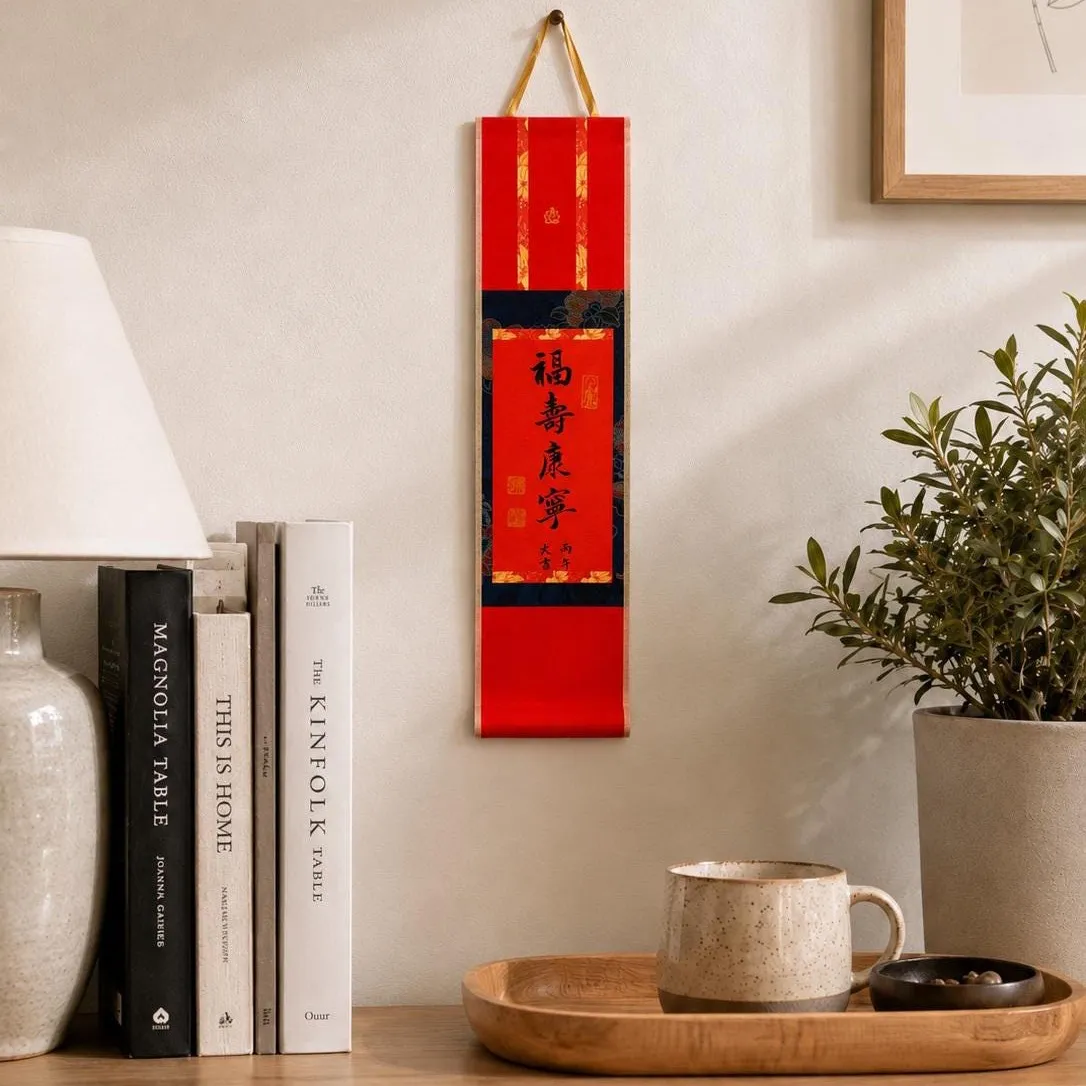
Photo shows a sample — yours will be brushed with 厚德载物, or any character you choose.
Wall Scroll — for walls & housewarmingsfrom $38→ -
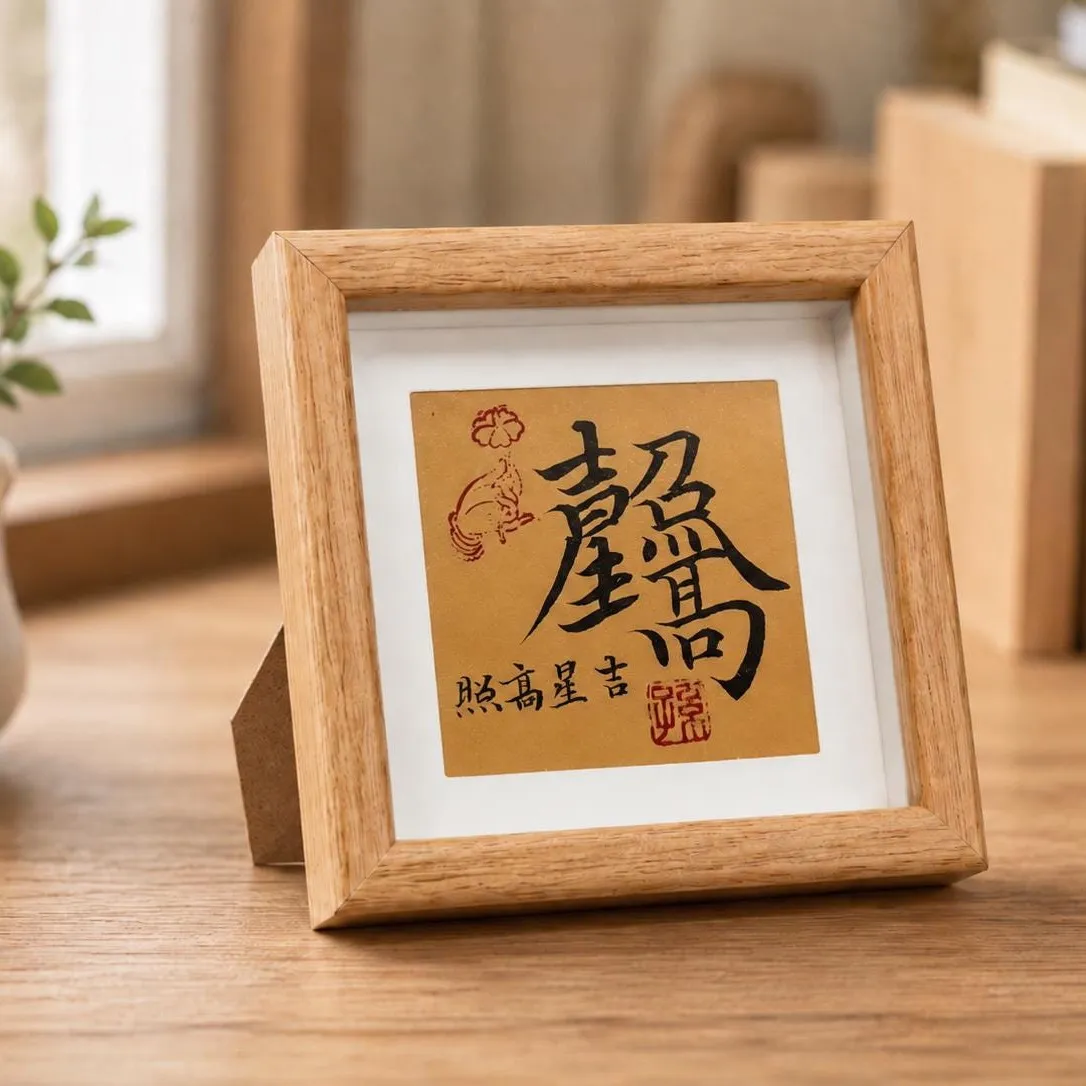
Photo shows a sample — yours will be brushed with 厚德载物, or any character you choose.
Desk Frame — for desks, studies & studiosfrom $44→ -
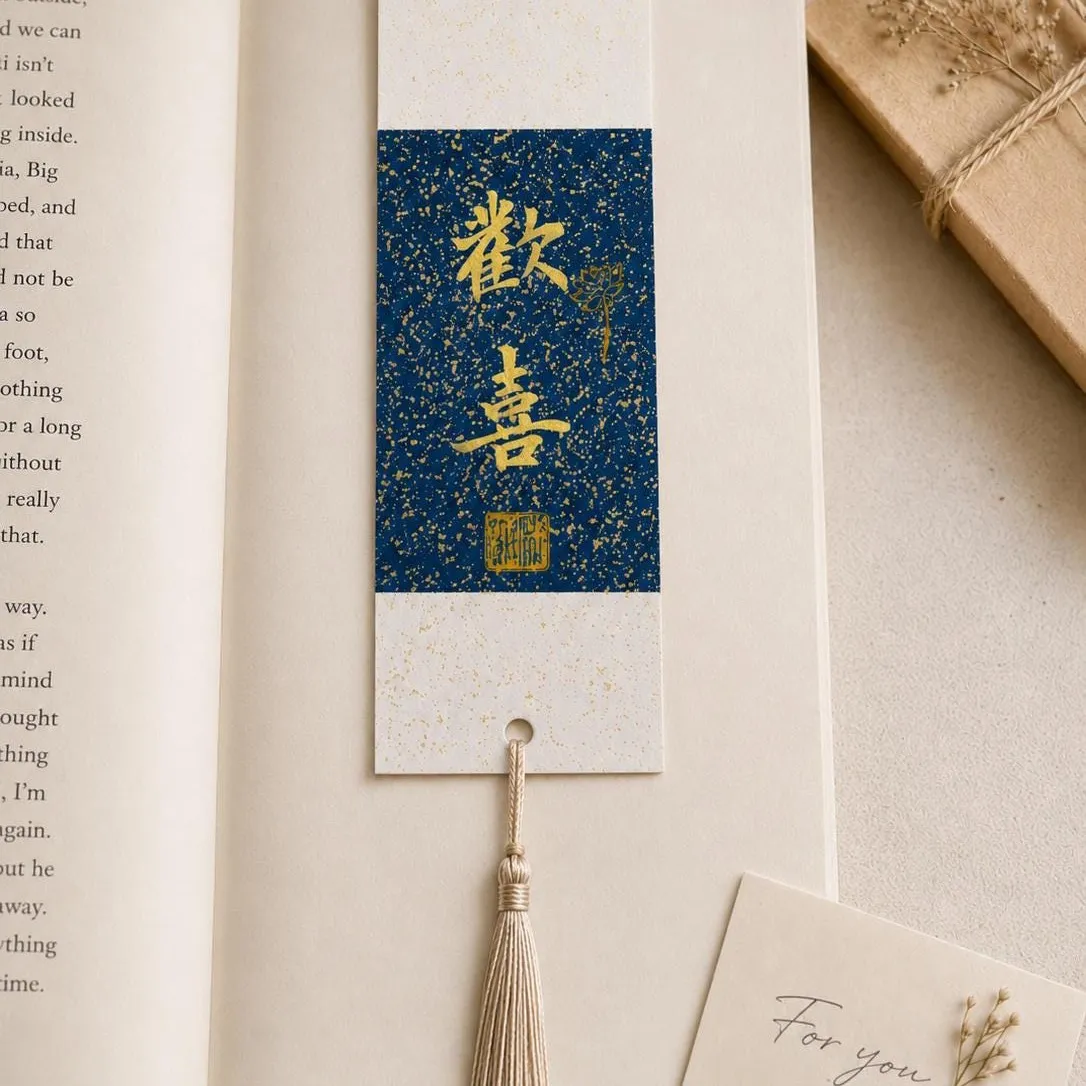
Photo shows a sample — yours will be brushed with 厚德载物, or any character you choose.
Bookmark — for readers & small thank-yousfrom $14→
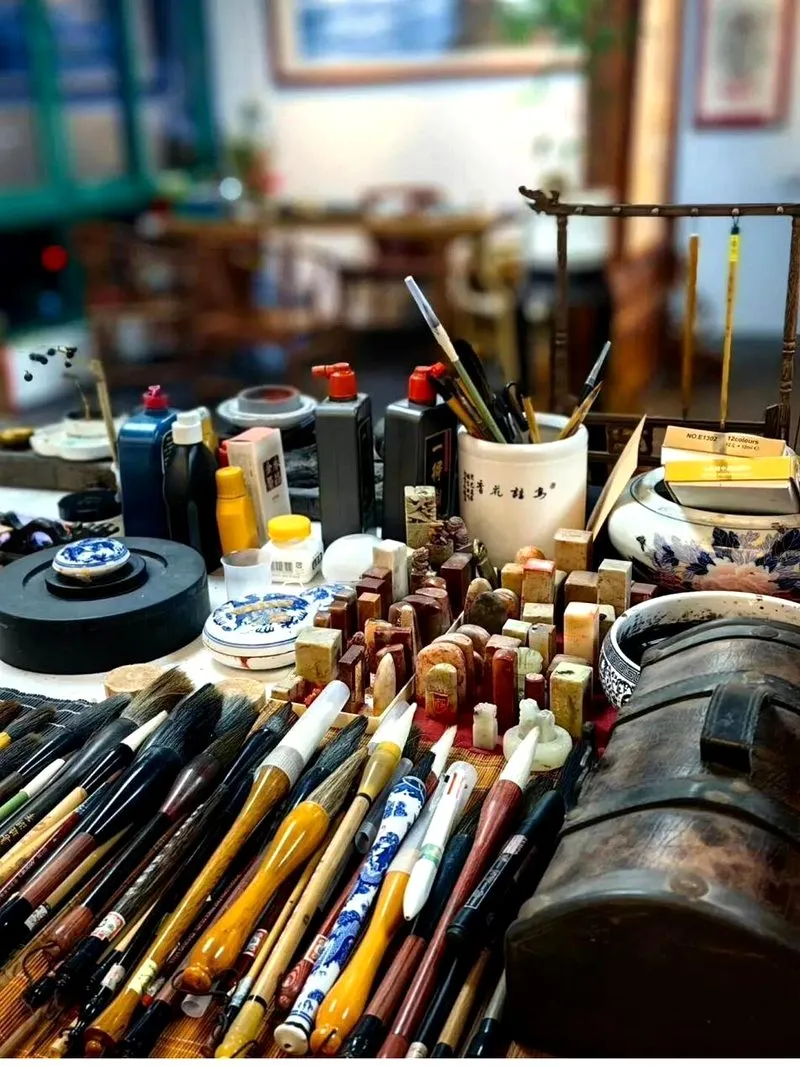
What people said after it arrived.
-
The item is fantastic. The customer service was genuine. Thanks!
— M.Verified purchase · from our Etsy shop reviews · -
They were great they gave me exactly what I asked for and then some. Thank you!!
— G.Verified purchase · from our Etsy shop reviews · -
It is well designed and customized. My daughter loves it. Amazing gift for family’s d friends
— S.Verified purchase · from our Etsy shop reviews ·
Each "厚德载物" is hand-brushed by FuBlessings on rice paper.
See 厚德载物 (Hòu Dé Zài Wù) on Etsy →