招财进宝 (zhāo cái jìn bǎo) — Summon Wealth · Draw In Treasure
A 4-character phrase, not a single character.
招财进宝 is the blessing that does not hedge. Where other four-character wishes deal in abstractions — peace, auspiciousness, fulfillment — this one names what it wants and asks for it plainly: wealth, coming in, through the door. The verb 招 (to beckon) is the same gesture the famous 招财猫 (fortune cat) makes with its raised paw — an active, waving invitation for money to cross the threshold. In a Confucian culture that historically ranked scholars above merchants, the directness of 招财进宝 was itself a small revolution: the commercial class refusing to be embarrassed about wanting prosperity and asking for it out loud. See 财 → · See 宝 →
The phrase produced one of the most remarkable artifacts in Chinese writing: a decorative 合体 that compresses all four characters into a single square glyph. This folk ligature is unencoded — it has no Unicode slot and is not a dictionary character. It was invented purely for display — a visual talisman designed to hang above shop doors, restaurant entrances, and cash registers across the Chinese-speaking world. It may be the only case in the history of Chinese writing where a four-character phrase was deliberately collapsed into one glyph, and it was done not for literary reasons but for commerce. For Chinese American families who built laundries, restaurants, and shops in Chinatowns across the United States, 招财进宝 above the register was not decorative. It was functional — a daily reminder that the business needed to pull in enough to justify the crossing.
A hand-brushed “招财进宝” by FuBlessings is the gift for the entrepreneur, the business owner, the friend opening a new venture — or the household that wants to enter the new year with a frank, traditional wish for what flows through the door. It carries twenty-six centuries of Chinese commercial confidence, from Guan Zhong’s argument that full granaries create moral citizens to the shop signs that still hang in every Chinatown today.
- wealth, coming in, through the door
- an active invitation to prosperity
- the unembarrassed commercial wish
- good fortune Too soft. 招财进宝 is specific — it names money, coming in, by name. Not auspiciousness in general.
- prosperity Missing the verbs. The phrase is two actions (beckon, bring in), not a state. It describes a flow, not a status.
The short arms are the point: these readings don’t reach it.
- 招财 to beckon wealth招 is the active gesture of calling something toward you with a wave — the same motion the 招财猫 (fortune cat) makes with its raised paw. Not passive luck but an explicit invitation.
- 进宝 to bring in treasure进 carries the sense of entering, crossing a threshold, flowing inward. 宝 is treasure — coins, jewels, the tangible wealth you can store. The completion: what was summoned now arrives, through the door.
characters
- 财 cái wealth — the substance being summoned
- 招财猫 zhāo cái māo the fortune cat — the icon that makes the 招 gesture in physical form
- 合体 zhāo cái jìn bǎo the unencoded composite glyph — all four characters compressed into one square, designed for shop doors
- 财源广进 cái yuán guǎng jìn may sources of wealth flow widely in — a frequent companion phrase
Cinnabar marks the characters 招财进宝 actually contains. The dark row is a relative by meaning or by sound, not one shared stroke.
The Story Behind the Character
招财进宝 is built from two parallel actions. 招财 (zhāo cái) means "to beckon wealth" — 招 being the gesture of calling something toward you with a wave of the hand, the same motion that the famous 招财猫 (fortune cat) makes with its raised paw. 进宝 (jìn bǎo) means "to bring in treasure" — 进 carrying the sense of entering, crossing a threshold, flowing inward. The four characters together describe a two-part process: first you summon wealth, then it arrives. The verb structure matters — this is not passive luck. It is an active invitation.
The phrase became a cornerstone of Chinese commercial culture during the Ming and Qing dynasties, when the merchant class rose in influence and shop owners adopted four-character blessings as both decoration and incantation. 招财进宝 was pasted on doorframes, carved into counter displays, and printed on the paper wrappings of coins. But the most remarkable cultural artifact is the composite character: a single square glyph (合体) that stacks all four characters — 招、财、进、宝 — into one. This calligraphic invention, found nowhere else in the Chinese writing system for any other phrase, was designed to be hung above shop entrances as a kind of visual talisman. The fact that someone took the trouble to invent a new character for this blessing tells you how seriously Chinese commercial culture took the link between language and fortune.
Unlike blessings that hedge — 万事如意 covering "everything," 吉祥如意 wishing for vague auspiciousness — 招财进宝 is specific and unabashed. It names what it wants: money, coming in, through the door. In a Confucian culture that historically elevated scholars over merchants, this directness was itself a small act of defiance. The merchants who hung 招财进宝 above their shops were saying: we are not embarrassed about wanting prosperity, and we will ask for it out loud.
Classical lines
日中为市,致天下之民,聚天下之货,交易而退,各得其所。 At midday they opened the market, drawing the people of the world and gathering its goods; they traded, then withdrew, each having gotten what they needed.
The Book of Changes' account of how commerce itself was invented. The wish behind 招财进宝 is exactly this: not luck, but a marketplace where goods flow in and everyone leaves better off.
君子爱财,取之有道。 A gentleman loves wealth, but acquires it through proper means.
The Chinese tradition's answer to any discomfort about wishing for money: wanting prosperity is fine; how you pursue it is what matters.
仓廪实而知礼节,衣食足而知荣辱。 When granaries are full, people learn propriety; when they have enough food and clothing, they understand honor and shame.
Guan Zhong's argument, twenty-six centuries old, that material security is the foundation of moral life. Wealth first, then virtue becomes possible.
Why This Character Matters
The unencoded 合体 — all four characters of 招财进宝 compressed into a single square — is one of the most recognizable visual symbols in Chinese commercial culture, yet it does not exist in any standard dictionary and has no Unicode code point. It was invented purely for display: a calligraphic talisman designed to hang above shop doors, restaurant entrances, and the cash registers of businesses across the Chinese-speaking world. The character appears on everything from embroidered wall hangings to paper cutouts pasted on windows during the Spring Festival. It may be the only case in Chinese writing history where a full four-character phrase was deliberately collapsed into a single glyph — and it was done not for literary or scholarly reasons, but for commerce.
In the Chinese American context, 招财进宝 carries a specific immigrant resonance. For the generations that built laundries, restaurants, and shops in Chinatowns across the United States, the phrase was not decorative. It was functional — a daily reminder, posted above the register or beside the door, that the business needed to pull in enough to justify the crossing. Today, 招财进宝 calligraphy in a Chinese American home or office often carries that dual weight: it is a traditional blessing, yes, but it is also an acknowledgment that prosperity was never guaranteed, and that asking for it openly is itself a form of courage.
A few characters live near "招财进宝" but mean something quieter, sharper, or more specific. Here's how to tell them apart.
the active two-step — summon, then receive
the substance itself — wealth as a noun, without specifying how it arrives
wealth in motion — money flowing in through the door, the merchant's frank wish
wealth at rest — the established standing of the prosperous household, achieved over generations
names money plainly and asks for it without ceremony
names blessing and official salary — prosperity tied to status and virtue
招财进宝 is the iconic inscription for shop and office openings — the unsentimental, traditional wish that the new venture pulls in customers and revenue from day one.
- Business Opening招财进宝 is the iconic inscription for shop and office openings — the unsentimental, traditional wish that the new venture pulls in customers and revenue from day one.
- A staple of New Year couplets pasted to entranceways — particularly for households hoping the year ahead is a year of inflow rather than effort alone.
- New HomeHung near the entryway, 招财进宝 is the traditional Chinese homeowner's wish: that what crosses the threshold into the new home is always good for the household.
- Just BecauseFor the entrepreneur friend, the small-business owner, or the hard worker you believe in — a direct, traditional blessing for what they're building.
Boss · Coworker · Friend · Best Friend · Entrepreneur · New Homeowner · or yourself
Looking for a name? See Western names written in Chinese →
-
What does 招财进宝 (zhāo cái jìn bǎo) mean?
招财进宝 (zhāo cái jìn bǎo) is a 4-character Chinese phrase for summon wealth, draw in treasure. 招财进宝 is the blessing that does not hedge. Where other four-character wishes deal in abstractions — peace, auspiciousness, fulfillment — this one names what it wants and asks for it plainly: wealth, coming in, through the door. The verb 招 (to beckon) is the same gesture the famous 招财猫 (fortune cat) makes with its raised paw — an active, waving invitation for money to cross the threshold. In a Confucian culture that historically ranked scholars above merchants, the directness of 招财进宝 was itself a small revolution: the commercial class refusing to be embarrassed about wanting prosperity and asking for it out loud. See 财 → · See 宝 → The unencoded 合体 — all four characters of 招财进宝 compressed into a single square — is one of the most recognizable visual symbols in Chinese commercial culture, yet it does not exist in any standard dictionary and has no Unicode code point. It was invented purely for display: a calligraphic talisman designed to hang above shop doors, restaurant entrances, and the cash registers of businesses across the Chinese-speaking world. The character appears on everything from embroidered wall hangings to paper cutouts pasted on windows during the Spring Festival. It may be the only case in Chinese writing history where a full four-character phrase was deliberately collapsed into a single glyph — and it was done not for literary or scholarly reasons, but for commerce.
-
What occasions is 招财进宝 given for?
招财进宝 is traditionally given for Business Opening, Chinese New Year, New Home, Just Because. 招财进宝 is the iconic inscription for shop and office openings — the unsentimental, traditional wish that the new venture pulls in customers and revenue from day one. A staple of New Year couplets pasted to entranceways — particularly for households hoping the year ahead is a year of inflow rather than effort alone.
-
Who brushes the 招财进宝 calligraphy?
FuBlessings hand-brushes each 招财进宝 (Zhāo Cái Jìn Bǎo) to order, in ink on rice paper — never printed, never repeated.
Bring 招财进宝 home — choose how you'd like it brushed.
-
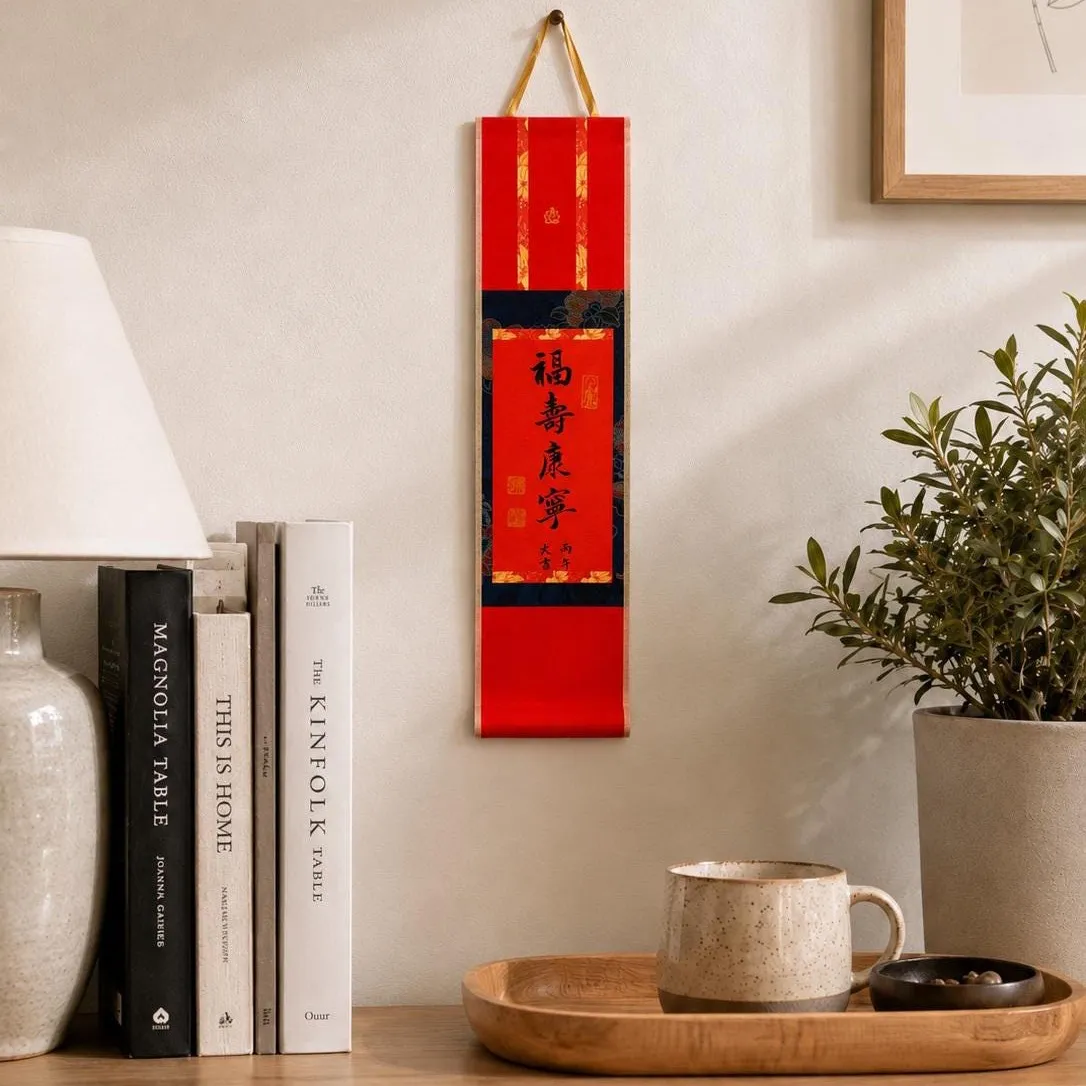
Photo shows a sample — yours will be brushed with 招财进宝, or any character you choose.
Wall Scroll — for walls & housewarmingsfrom $38→ -
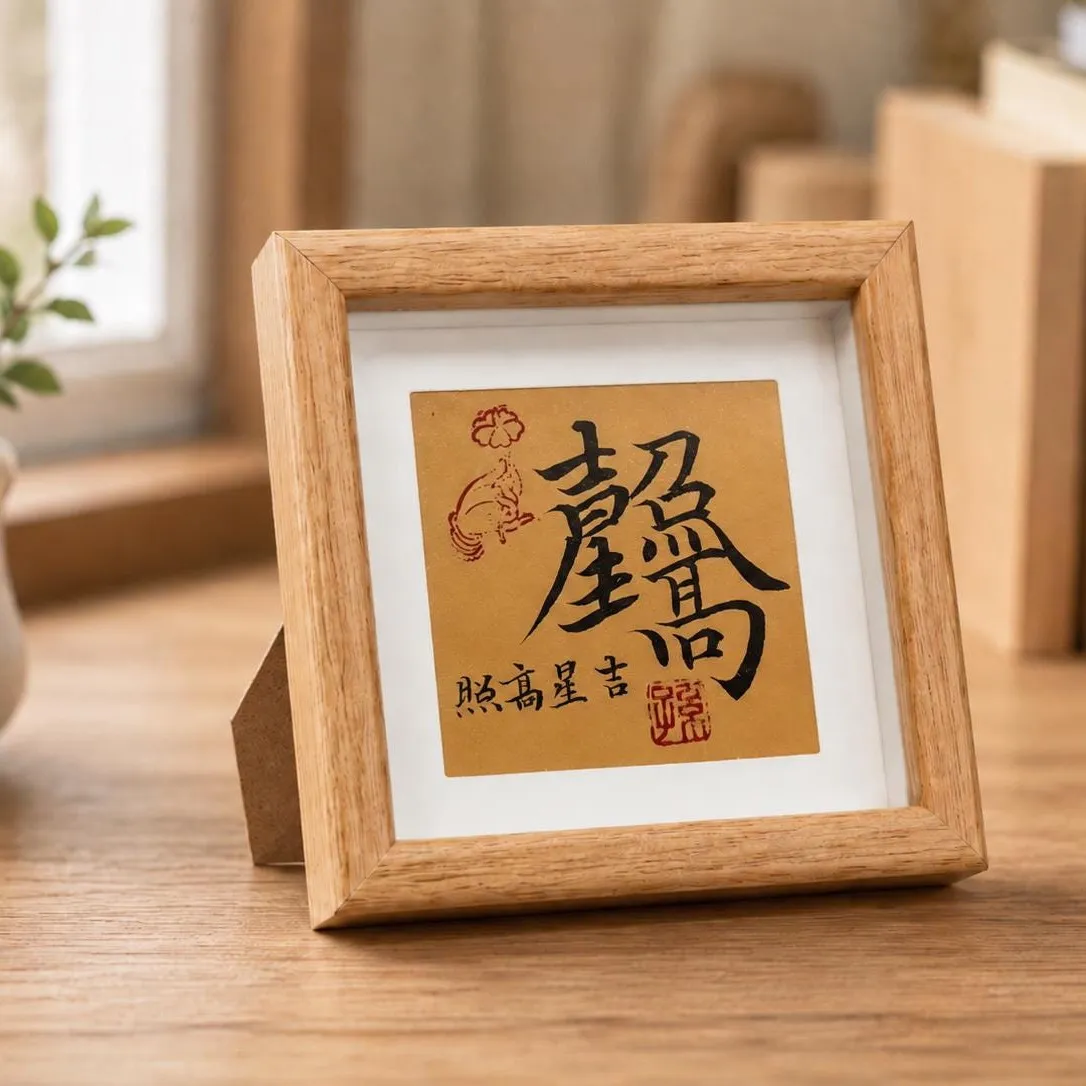
Photo shows a sample — yours will be brushed with 招财进宝, or any character you choose.
Desk Frame — for desks, studies & studiosfrom $44→ -
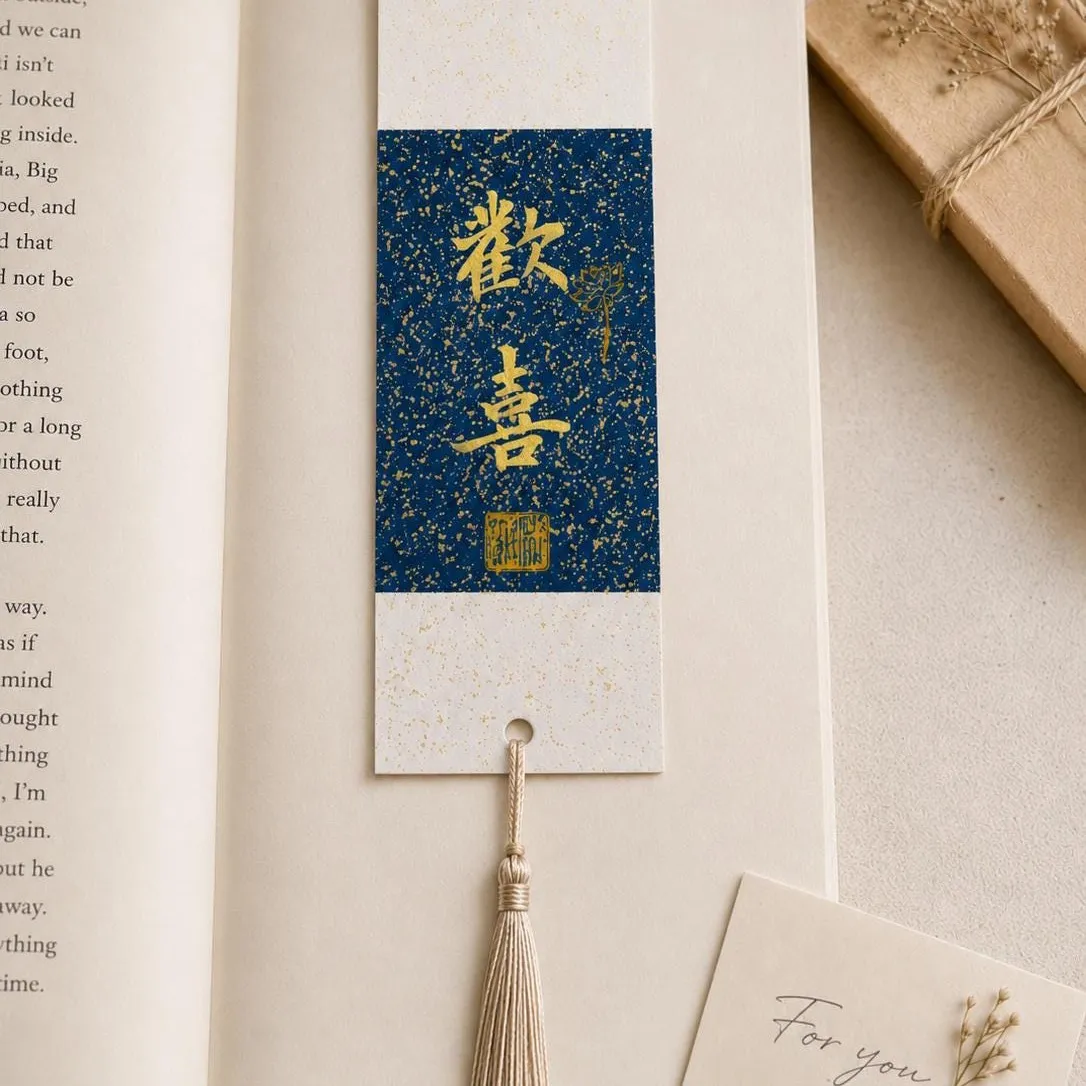
Photo shows a sample — yours will be brushed with 招财进宝, or any character you choose.
Bookmark — for readers & small thank-yousfrom $14→
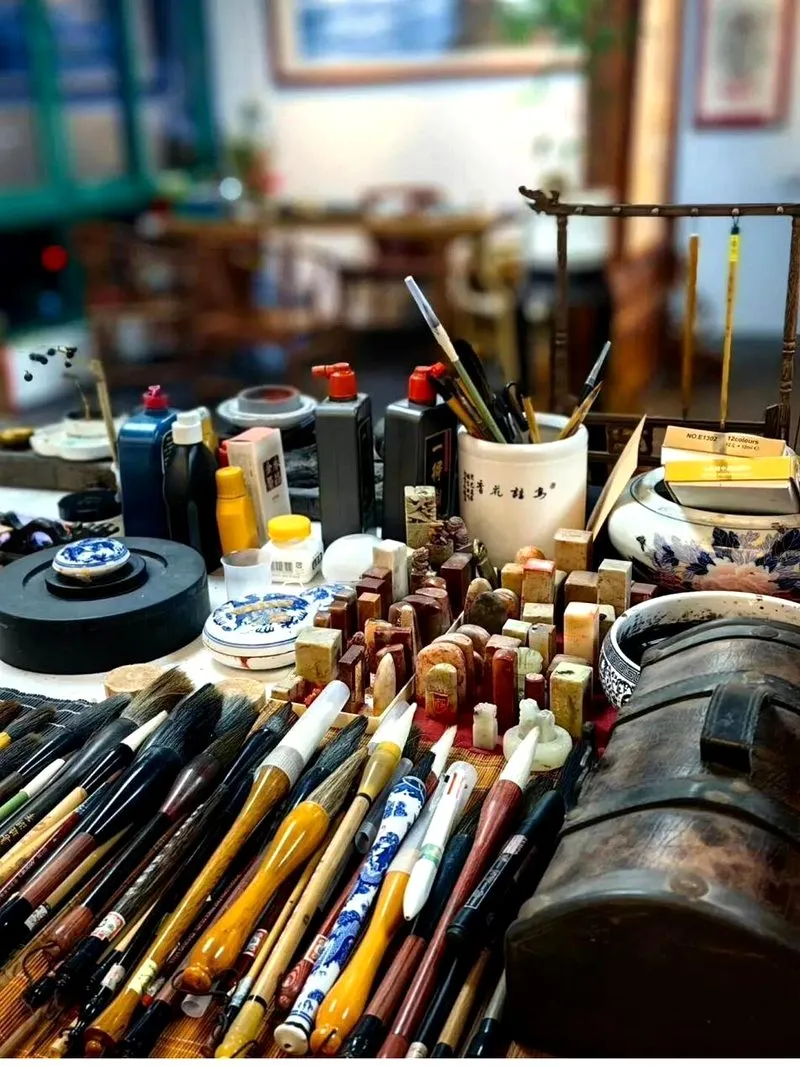
What people said after it arrived.
-
The item is fantastic. The customer service was genuine. Thanks!
— M.Verified purchase · from our Etsy shop reviews · -
They were great they gave me exactly what I asked for and then some. Thank you!!
— G.Verified purchase · from our Etsy shop reviews · -
It is well designed and customized. My daughter loves it. Amazing gift for family’s d friends
— S.Verified purchase · from our Etsy shop reviews ·
Each "招财进宝" is hand-brushed by FuBlessings on rice paper.
See 招财进宝 (Zhāo Cái Jìn Bǎo) on Etsy →