Fu Gui (富贵): Wealth · Honor · Prosperity with Standing
A two-character word, not a single character.
富贵 is Chinese culture’s answer to a question that 发财 (“get rich”) never asks: what kind of prosperity is worth having? The answer encoded in this pairing is specific — abundance that arrives with standing, wealth that carries respect rather than just comfort. A person who has 富 alone has a full granary but no seat at the table. A person who has 贵 alone has a title but empty stores. 富贵 demands both, and the demand is the point: it is the wish for prosperity that the world recognizes as earned.
The pairing runs through Chinese visual culture like a thread. The peony — called 富贵花 since the Tang dynasty — is its botanical emblem: a flower so extravagantly beautiful that entire cities once gathered to view it, and a single rare bloom could command the price of a house. Paintings of peonies still hang in Chinese homes and businesses as invitations for prosperity. On New Year couplets, 富贵 appears alongside wishes for the coming year. At business openings, it is the inscription on congratulatory plaques. The word is never casual — it belongs to contexts where dignity matters as much as abundance.
A hand-brushed “富贵” by FuBlessings is a gift for the person whose success deserves the fuller word — the friend opening a business, the colleague reaching a milestone, the entrepreneur whose ambition includes not just wealth but the standing that makes wealth worth having.
- prosperity
- wealth with standing
- abundance and honor
- earned success
- rich Too transactional. 发财 covers raw wealth. 富贵 demands that the wealth arrive together with the dignity that makes it meaningful.
- fancy Too superficial. 富贵 is not about display — it is about the substance behind display: real abundance and real recognition.
The short arms are the point: these readings don’t reach it.
- 富 abundance / a full householdProsperity from below — a full vessel under a roof. Wealth as fullness, the granary that does not run empty. The Shuowen defines it simply as 备也, 'to have enough.'
- 贵 honor / recognized standingValue from above — hands holding something precious, elevated, deemed worthy. Not about having more, but about being regarded as more. The status that wealth alone cannot buy.
characters
- 荣华富贵 róng huá fù guì glory, splendor, wealth and honor — the four-character summit of worldly success
- 大富大贵 dà fù dà guì great wealth and great honor — the most direct prosperity blessing
- 富贵花 fù guì huā the flower of wealth and honor — the peony, the botanical emblem of 富贵
- 富贵双全 fù guì shuāng quán both wealth and honor complete — insists that neither arrive alone
- 富贵荣华 fù guì róng huá wealth, honor, glory — the worldly success Confucius said must be earned by right means
The Story Behind the Character
富 and 贵 each describe prosperity, but from opposite directions — and their union is what makes 富贵 the most complete prosperity word in Chinese. 富 is abundance from below: its earliest forms show a full vessel under a roof, depicting a household with stores. The Shuowen Jiezi (《说文解字》, c. 100 CE) defines it simply as 备也 — "to have enough, to be provided for." It is wealth as fullness, the granary that does not run empty.
贵, by contrast, is value recognized from above. Its oracle bone form shows a pair of hands holding something precious — an object elevated, presented, deemed worthy. In classical usage, 贵 described not just expensive goods but honored status: the official whose rank carried weight, the person whose opinion others sought. 贵 is not about having more. It is about being regarded as more.
When the two fuse into 富贵, they create a concept that neither can achieve alone. Wealth without standing is the merchant who has stores but no seat at the table. Standing without wealth is the impoverished noble whose title buys nothing. 富贵 demands both — material abundance and social recognition arriving together, each reinforcing the other. This is why the peony, China's most celebrated flower, earned the title 富贵花: it is not just beautiful, but conspicuously, undeniably, publicly beautiful. Its prosperity is the kind that everyone can see.
Classical lines
- roughly 800 years
- c. 400 BCE 《论语·里仁》
- c. 300 BCE 《孟子·滕文公下》
- c. 400 CE 陶渊明《五柳先生传》
富与贵,是人之所欲也;不以其道得之,不处也。 Wealth and rank
everyone desires them. But if they come by improper means, the noble person will not accept them. — Confucius setting the condition: 富贵 is good, but only if you earned it right.
富贵不能淫,贫贱不能移,威武不能屈。 Wealth and rank cannot corrupt him, poverty and low station cannot sway him, power and force cannot bend him.
Mencius defining the great man as someone who holds his center regardless of 富贵 or its absence.
不汲汲于富贵,不戚戚于贫贱。 He does not chase anxiously after wealth and rank, nor grieve bitterly over poverty.
Tao Yuanming's self-portrait: a man at peace with 富贵 as something that may or may not come, but will not define him.
Why This Character Matters
The peony (牡丹) has been called 富贵花 — "the flower of wealth and honor" — since at least the Tang dynasty, when it became the obsession of the imperial capital Chang'an. During peak peony season, the entire city would gather to view the blooms, and a single rare variety could sell for the price of a house. The flower's association with 富贵 is not metaphorical — it is literal: peonies were luxury goods, status symbols, and diplomatic gifts. To this day, Chinese paintings of peonies are hung in homes and businesses as invitations for prosperity, and the flower appears on porcelain, textiles, and New Year decorations alongside the characters 富贵.
In gift culture, 富贵 occupies a specific register that 发财 (fā cái, "get rich") does not. 发财 is the boisterous New Year wish — shouted, laughed, printed on red envelopes. 富贵 is the inscription on a calligraphic scroll given to a business partner or hung in a study. The difference is dignity. 发财 celebrates the arrival of money. 富贵 celebrates the arrival of money together with the respect that makes money meaningful.
A few characters live near "富贵" but mean something quieter, sharper, or more specific. Here's how to tell them apart.
wealth with standing — the dignified version, what a scroll inscription names
wealth and recognized status — visible, public, undeniable
blessing and respected position — luck meeting a deserved seat in the structure
prosperity that everyone can see — material abundance with the standing to match
blessing across every register — fortune, peace, family, a whole life that works
Full comparison →富贵 is the classical inscription for a new shop, studio, or office — the wish that prosperity arrive with the kind of standing that makes it last.
- Business Opening富贵 is the classical inscription for a new shop, studio, or office — the wish that prosperity arrive with the kind of standing that makes it last. The peony, called 富贵花, is the same idea rendered in petals.
- New Job · PromotionFor the friend stepping into a more senior role, 富贵 names what 财 alone cannot: not just money, but the dignity and standing that come with the position.
- 富贵 is a frequent New Year couplet for households hoping the year ahead is one of both means and recognition — the kind of prosperity neighbors notice.
- RetirementAfter a lifetime of work, 富贵 honors the abundance someone has built — material, yes, but also the standing that came with it.
Boss · Coworker · Friend · Best Friend · Entrepreneur · or yourself
Looking for a name? See Western names written in Chinese →
-
What does 富贵 (fù guì) mean?
富贵 (fù guì) is a two-character Chinese word for wealth, honor, prosperity with standing. 富贵 is Chinese culture's answer to a question that 发财 ("get rich") never asks: what kind of prosperity is worth having? The answer encoded in this pairing is specific — abundance that arrives with standing, wealth that carries respect rather than just comfort. A person who has 富 alone has a full granary but no seat at the table. A person who has 贵 alone has a title but empty stores. 富贵 demands both, and the demand is the point: it is the wish for prosperity that the world recognizes as earned. The peony (牡丹) has been called 富贵花 — "the flower of wealth and honor" — since at least the Tang dynasty, when it became the obsession of the imperial capital Chang'an. During peak peony season, the entire city would gather to view the blooms, and a single rare variety could sell for the price of a house. The flower's association with 富贵 is not metaphorical — it is literal: peonies were luxury goods, status symbols, and diplomatic gifts. To this day, Chinese paintings of peonies are hung in homes and businesses as invitations for prosperity, and the flower appears on porcelain, textiles, and New Year decorations alongside the characters 富贵.
-
What occasions is 富贵 given for?
富贵 is traditionally given for Business Opening, New Job · Promotion, Chinese New Year, Retirement. 富贵 is the classical inscription for a new shop, studio, or office — the wish that prosperity arrive with the kind of standing that makes it last. The peony, called 富贵花, is the same idea rendered in petals. For the friend stepping into a more senior role, 富贵 names what 财 alone cannot: not just money, but the dignity and standing that come with the position.
-
Who brushes the 富贵 calligraphy?
FuBlessings hand-brushes each 富贵 (Fù Guì) to order, in ink on rice paper — never printed, never repeated.
Bring 富贵 home — choose how you'd like it brushed.
-
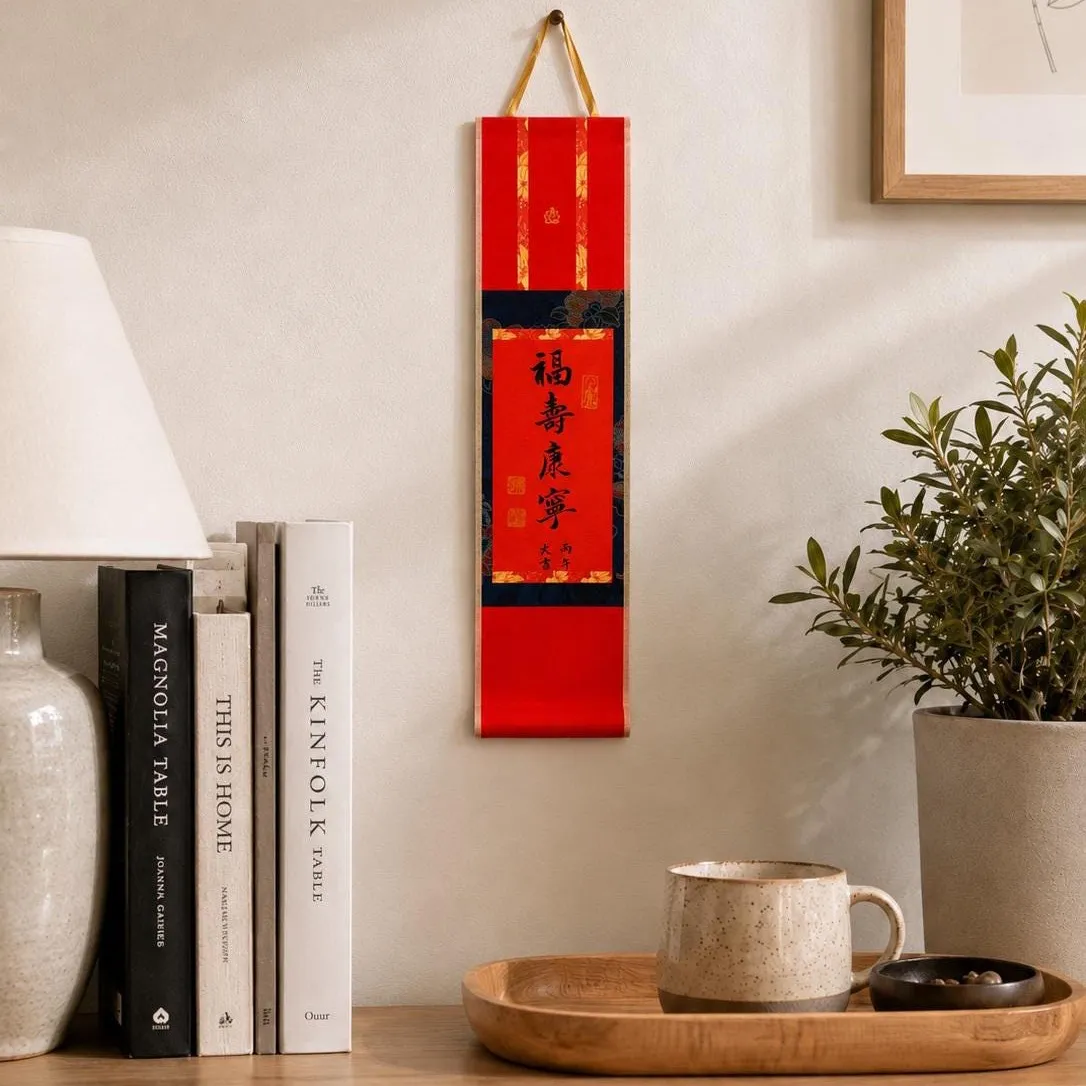
Photo shows a sample — yours will be brushed with 富贵, or any character you choose.
Wall Scroll — for walls & housewarmingsfrom $38→ -
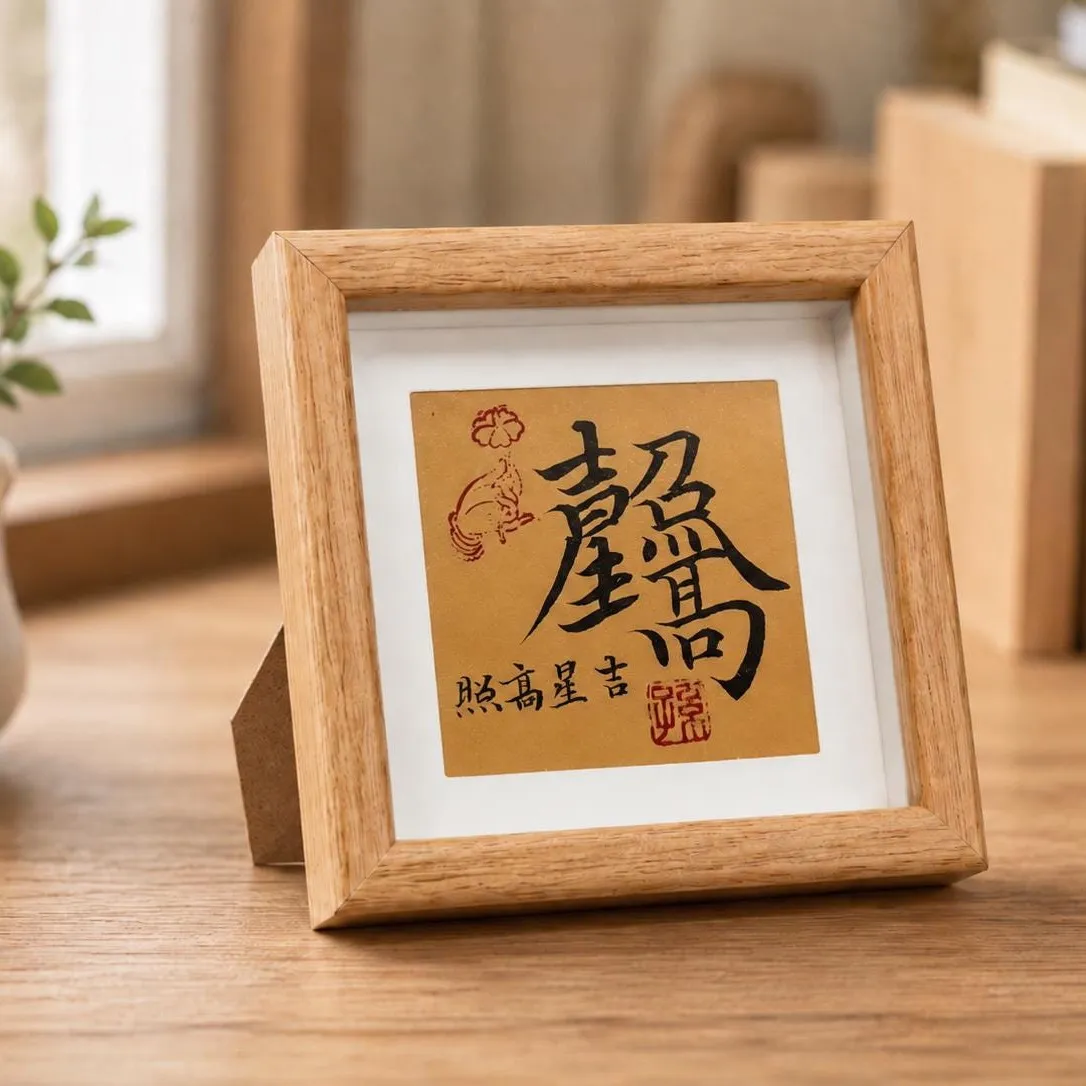
Photo shows a sample — yours will be brushed with 富贵, or any character you choose.
Desk Frame — for desks, studies & studiosfrom $44→ -
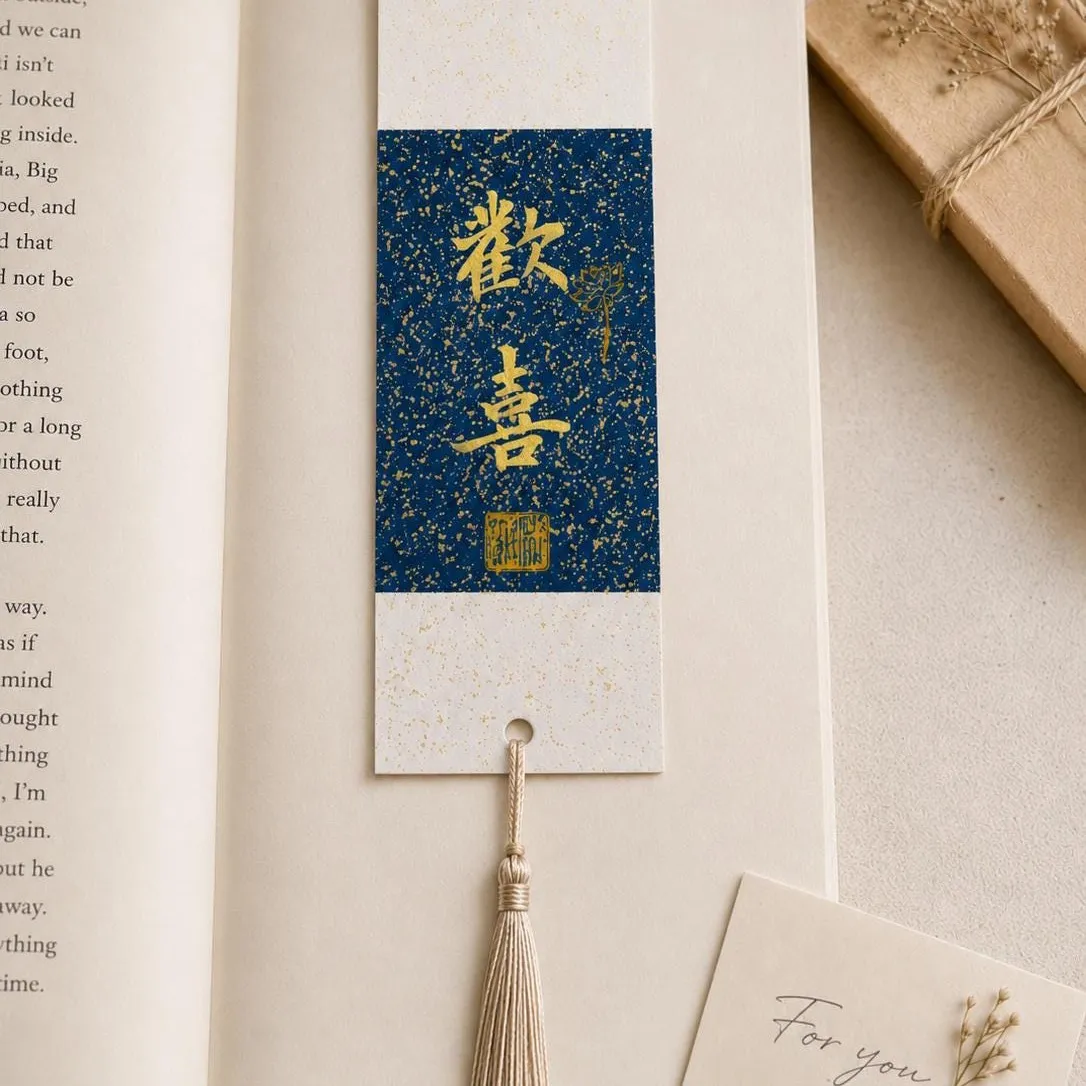
Photo shows a sample — yours will be brushed with 富贵, or any character you choose.
Bookmark — for readers & small thank-yousfrom $14→
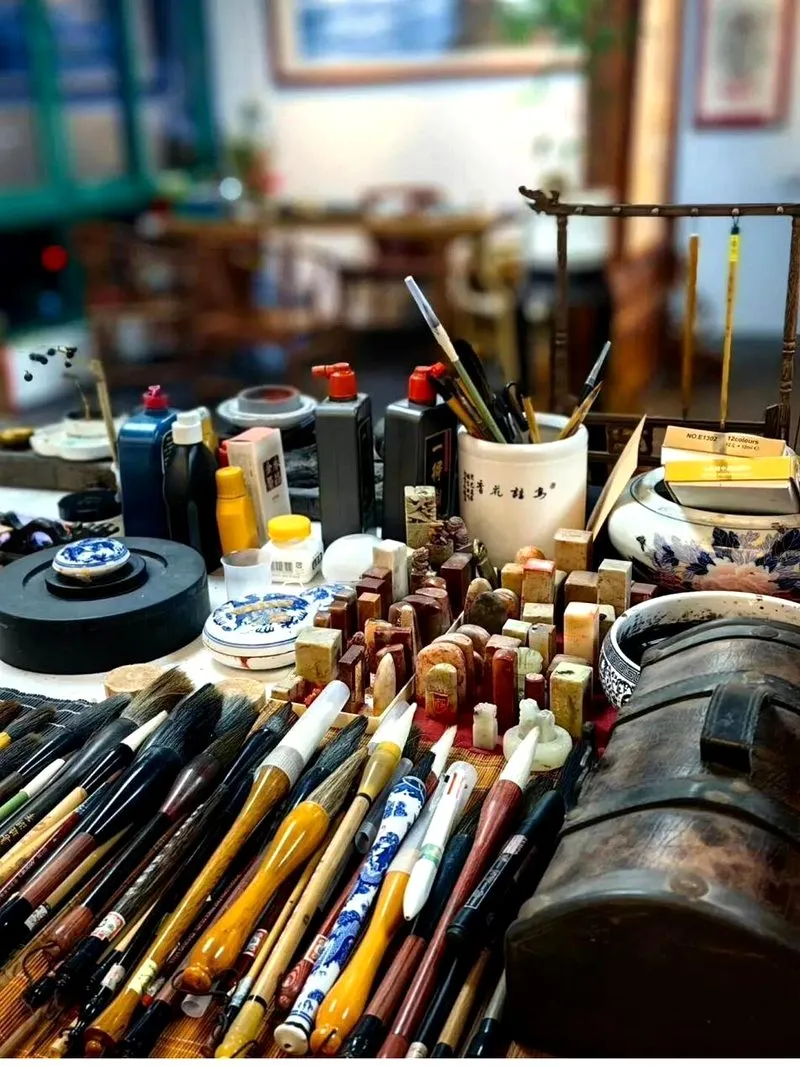
What people said after it arrived.
-
The item is fantastic. The customer service was genuine. Thanks!
— M.Verified purchase · from our Etsy shop reviews · -
They were great they gave me exactly what I asked for and then some. Thank you!!
— G.Verified purchase · from our Etsy shop reviews · -
It is well designed and customized. My daughter loves it. Amazing gift for family’s d friends
— S.Verified purchase · from our Etsy shop reviews ·
Each "富贵" is hand-brushed by FuBlessings on rice paper.
See 富贵 (Fù Guì) on Etsy →