福禄 (fú lù) — Blessing · Prosperity · Abundance Through a Respected Place
A two-character word, not a single character.
福禄 is the wish that bridges luck and position — the blessing that covers both the fortune you cannot engineer and the standing you earn through work. Where 福 alone casts a wide net over general good fortune, and 禄 alone names the specific abundance of a respected career, the pairing insists on both. It is the Chinese version of the wish that your talent meets its opportunity, that what you deserve actually arrives. On its own, 禄 is narrower and more literal — the grain stipend of a specific post, allotted by rank and lasting only as long as the post does — and pairing it with 福 is what opens it back out. See 福 → · See 禄 →
The pairing is anchored in one of the most recognizable images in Chinese culture: the Three Star Gods (福禄寿). These porcelain figurines appear in homes and businesses across the Chinese-speaking world — 福星 holding a child or ruyi scepter, 禄星 dressed in the robes of a court official, 寿星 unmistakable with his elongated forehead and peach. That 福 and 禄 each received their own star god, separately named and individually invoked, tells you the tradition considers them distinct blessings, not variations on a theme. Together with 寿 and 喜, they form the four classical blessings 福禄寿喜 — the standard iconography on New Year couplets, birthday banners, and red envelopes.
A hand-brushed “福禄” by FuBlessings is the gift for someone at a career turning point — the colleague stepping into a new role, the friend launching a venture, the family member whose professional life is about to change. It names the wish that both blessing and position arrive together, each amplifying the other.
- prosperity
- career blessing
- luck meeting position
- deserved abundance
- salary Too literal. 禄 began as a stipend, but 福禄 is the broader wish — that the career produces both income and the felt sense of being well placed.
- luck Too random. 福禄 is half luck, half structure — fortune that finds you in the role you have earned.
The short arms are the point: these readings don’t reach it.
- 福 blessing / general good fortuneThe most ubiquitous blessing character — hands presenting wine to an altar. Covers the cosmic, the lucky, the felt sense that life is going well. The fortune you cannot engineer.
- 禄 stipend / abundance through positionOriginally the official's salary in the Zhou court system — the grain granted in recognition of service. Blessing that arrives through having a recognized place, a deserved seat in the structure.
characters
- 福禄寿喜 fú lù shòu xǐ the four classical blessings — blessing, prosperity, longevity, joy
- 福禄双全 fú lù shuāng quán both blessing and prosperity complete — career fully favored
- 高官厚禄 gāo guān hòu lù high office and generous stipend — the classical career summit
- 福禄绵长 fú lù mián cháng blessing and prosperity unbroken — that the favorable conditions continue
- 三星高照 sān xīng gāo zhào the Three Stars shining high — invoking 福星, 禄星, 寿星 together
Cinnabar marks the characters 福禄 actually contains. The dark row is a relative by meaning or by sound, not one shared stroke.
The Story Behind the Character
福 is the most ubiquitous blessing character in Chinese — the one pasted upside-down on doors at New Year (倒福, a pun meaning "blessing has arrived"), the one embroidered on children's caps, the one that anchors the entire vocabulary of good fortune. Its oracle bone form shows a pair of hands presenting a wine vessel to an altar: blessing as something offered to the gods and returned to the household. Over time, 福 broadened from religious ritual to general good fortune — luck, happiness, the sense that life is going well.
禄 is narrower and older in a specific way. In the Zhou dynasty court system, 禄 was the official's salary — the grain stipend granted to those who served the state. It was not earned through commerce or inherited through family; it was granted by authority in recognition of service. The Shuowen Jiezi defines 禄 as 福也 — linking it directly to 福 — but with a crucial distinction: 禄 is blessing that comes through position, through having a recognized place in the structure.
When 福 and 禄 combine, they create a wish that covers both the cosmic and the structural. 福 asks that fortune smile on you — the blessings you cannot control. 禄 asks that you find your place — the abundance that comes from being recognized, positioned, and compensated for what you contribute. Together they form half of the classical four-blessing formula 福禄寿喜, and they name a particularly Chinese ideal: prosperity that arrives not from luck alone, but from luck meeting a deserved position.
Classical lines
- roughly 400 years
- c. 800 BCE 《诗经·小雅·瞻彼洛矣》
- c. 400 BCE 《论语·卫灵公》
- c. 400 BCE 《中庸》
君子至止,福禄如茨。 The noble one arrives, and blessing and bounty lie piled thick as thatch.
The king has come down to the Luo to review his six armies, and 郑玄's gloss on the line divides the pair exactly as the characters do: 爵命为福,赏赐为禄 — the appointment is the 福, what the appointment pays is the 禄. Both are counted from the moment he takes his place.
君子谋道不谋食。耕也,馁在其中矣;学也,禄在其中矣。 The noble person pursues the Way, not a meal. Farm, and hunger may still find you; cultivate yourself, and a stipend (禄) lies within reach.
Confucius on where 禄 actually comes from: not chased directly, but arriving as the natural fruit of becoming worth a position. Exactly the logic of 福禄 — abundance that meets a deserved place.
天命之谓性,率性之谓道,修道之谓教。 What Heaven decrees is called one's nature; following one's nature is called the Way.
The Doctrine of the Mean grounding 福 in the idea that blessing flows from alignment with one's given nature and proper role.
Why This Character Matters
The Three Star Gods — 福星, 禄星, 寿星 (the Star Gods of Blessing, Prosperity, and Longevity) — are among the most recognizable figures in Chinese folk religion. Porcelain figurines of the three appear in homes, restaurants, and businesses across the Chinese-speaking world. 福星 holds a child or a ruyi scepter; 禄星 wears the robes of a court official and often holds a jade tablet; 寿星 carries a peach and leans on a staff, his elongated forehead unmistakable. The fact that 福 and 禄 each have their own star god — separate, named, individually worshipped — tells you that Chinese tradition considers them distinct blessings, not synonyms.
In modern usage, 福禄 appears on gifts for career milestones and business occasions precisely because it bridges the personal and the professional. 福 alone would be too vague — mere good luck. 禄 alone would be too transactional — just salary. Together they form the wish that someone's career carries both the intangible sense that life is going well (福) and the tangible rewards that come from a respected position (禄).
A few characters live near "福禄" but mean something quieter, sharper, or more specific. Here's how to tell them apart.
blessing meeting position — softer, cosmic luck plus a deserved place
wealth meeting honor — harder, material abundance with public standing
blessing channeled through career and structure — career-specific
blessing in its widest sense — a whole life that works, across every register
Full comparison →the dignified, structural form of abundance — a respected place
wealth as material — the raw resource, without the position around it
福禄 names what 财 alone cannot — abundance that comes with standing.
- New Job · Promotion福禄 names what 财 alone cannot — abundance that comes with standing. For the friend stepping into a more senior role, it is a precise wish: not just more, but more in the right form.
- Business OpeningA traditional inscription for shop and office openings — 福禄 wishes the venture both blessing and the position from which to make the most of it.
- Together with 寿 and 喜, 福禄 forms half of the four classical blessings 福禄寿喜 — the standard New Year iconography that appears on couplets, cards, and red envelopes.
- RetirementAfter a long career, 福禄 is a fitting tribute — naming both the abundance someone has built and the standing they earned along the way.
Boss · Coworker · Friend · Best Friend · Family · Entrepreneur · or yourself
Looking for a name? See Western names written in Chinese →
-
What does 福禄 (fú lù) mean?
福禄 (fú lù) is a two-character Chinese word for blessing, prosperity, abundance through a respected place. 福禄 is the wish that bridges luck and position — the blessing that covers both the fortune you cannot engineer and the standing you earn through work. Where 福 alone casts a wide net over general good fortune, and 禄 alone names the specific abundance of a respected career, the pairing insists on both. It is the Chinese version of the wish that your talent meets its opportunity, that what you deserve actually arrives. On its own, 禄 is narrower and more literal — the grain stipend of a specific post, allotted by rank and lasting only as long as the post does — and pairing it with 福 is what opens it back out. See 福 → · See 禄 → The Three Star Gods — 福星, 禄星, 寿星 (the Star Gods of Blessing, Prosperity, and Longevity) — are among the most recognizable figures in Chinese folk religion. Porcelain figurines of the three appear in homes, restaurants, and businesses across the Chinese-speaking world. 福星 holds a child or a ruyi scepter; 禄星 wears the robes of a court official and often holds a jade tablet; 寿星 carries a peach and leans on a staff, his elongated forehead unmistakable. The fact that 福 and 禄 each have their own star god — separate, named, individually worshipped — tells you that Chinese tradition considers them distinct blessings, not synonyms.
-
What occasions is 福禄 given for?
福禄 is traditionally given for New Job · Promotion, Business Opening, Chinese New Year, Retirement. 福禄 names what 财 alone cannot — abundance that comes with standing. For the friend stepping into a more senior role, it is a precise wish: not just more, but more in the right form. A traditional inscription for shop and office openings — 福禄 wishes the venture both blessing and the position from which to make the most of it.
-
Who brushes the 福禄 calligraphy?
FuBlessings hand-brushes each 福禄 (Fú Lù) to order, in ink on rice paper — never printed, never repeated.
Bring 福禄 home — choose how you'd like it brushed.
-
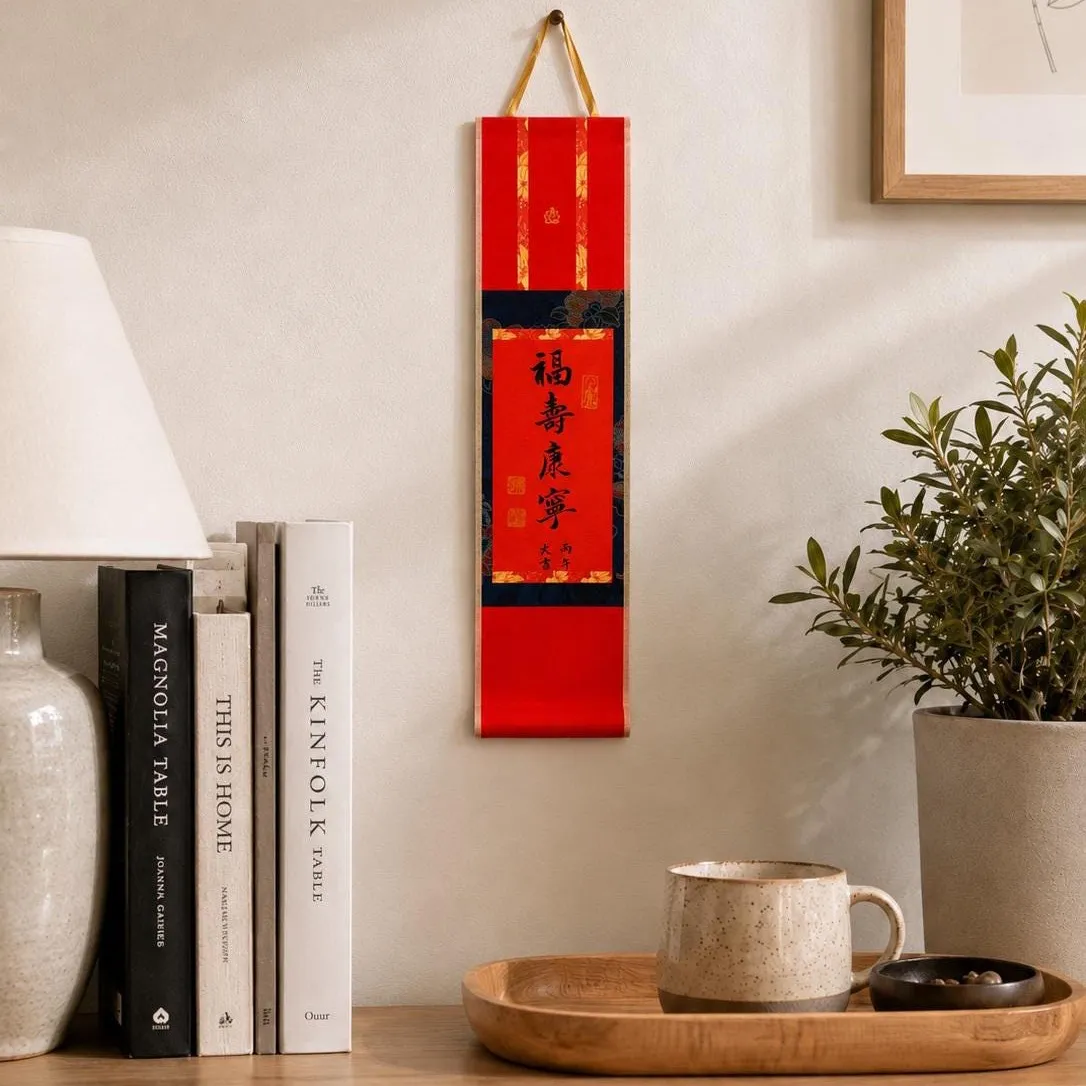
Photo shows a sample — yours will be brushed with 福禄, or any character you choose.
Wall Scroll — for walls & housewarmingsfrom $38→ -
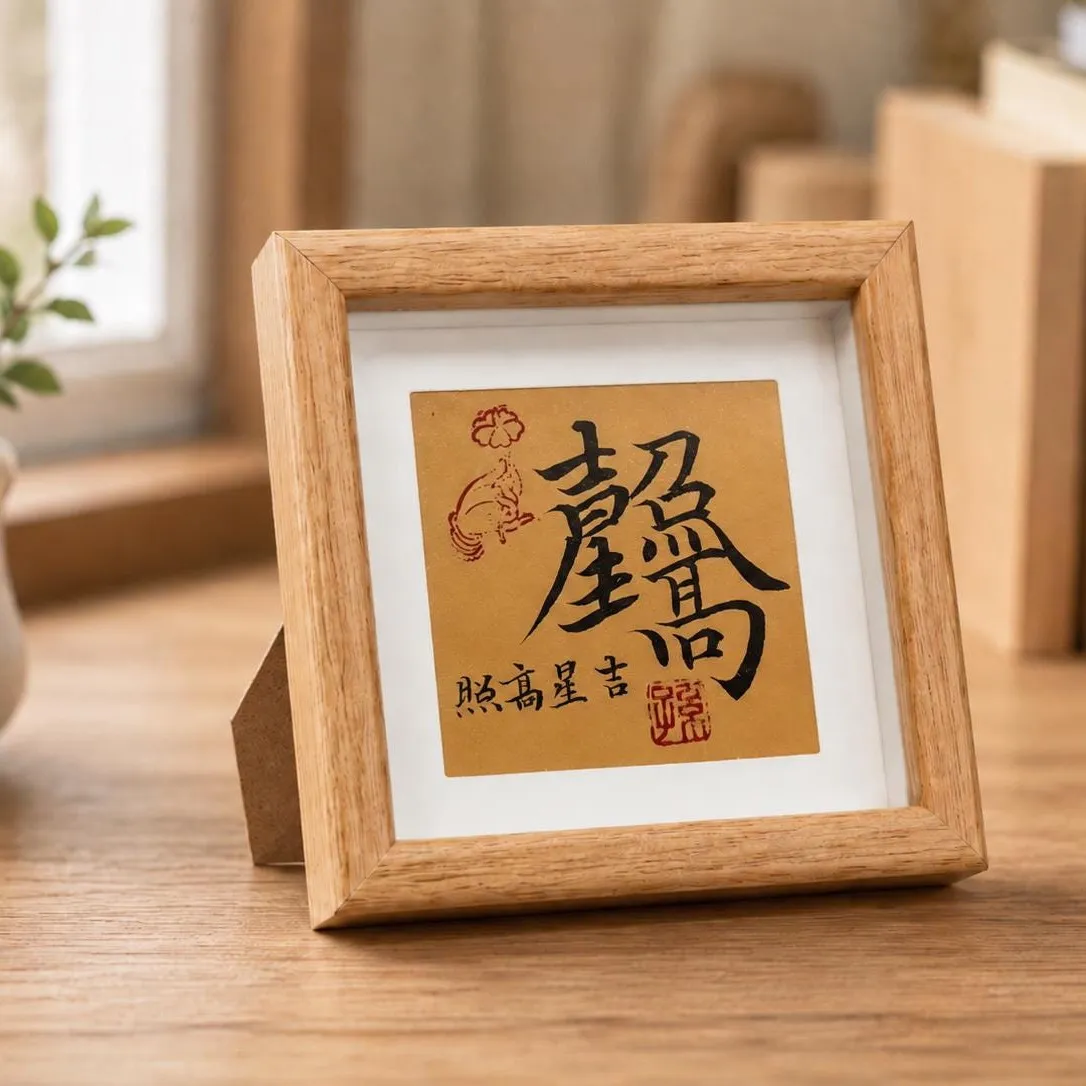
Photo shows a sample — yours will be brushed with 福禄, or any character you choose.
Desk Frame — for desks, studies & studiosfrom $44→ -
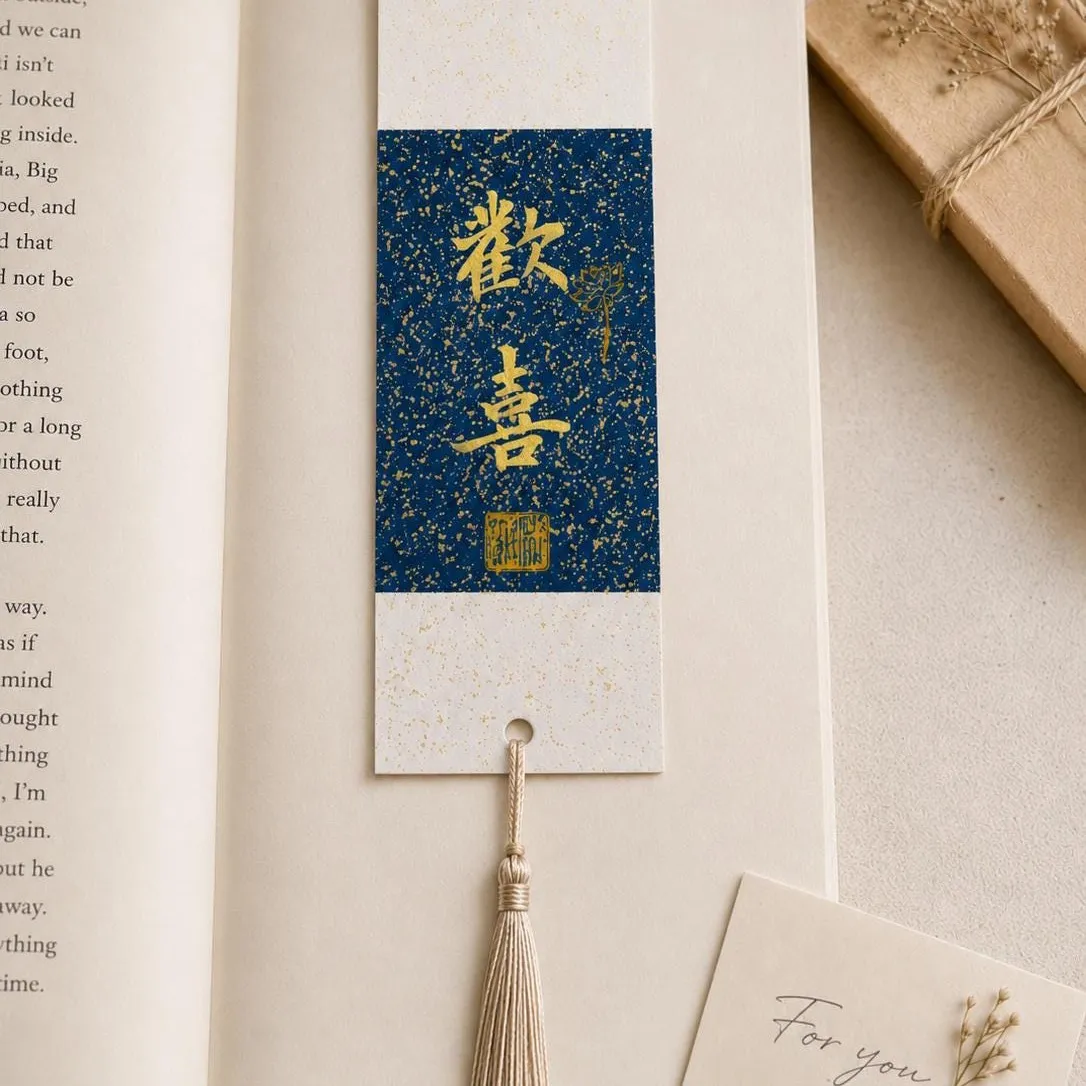
Photo shows a sample — yours will be brushed with 福禄, or any character you choose.
Bookmark — for readers & small thank-yousfrom $14→
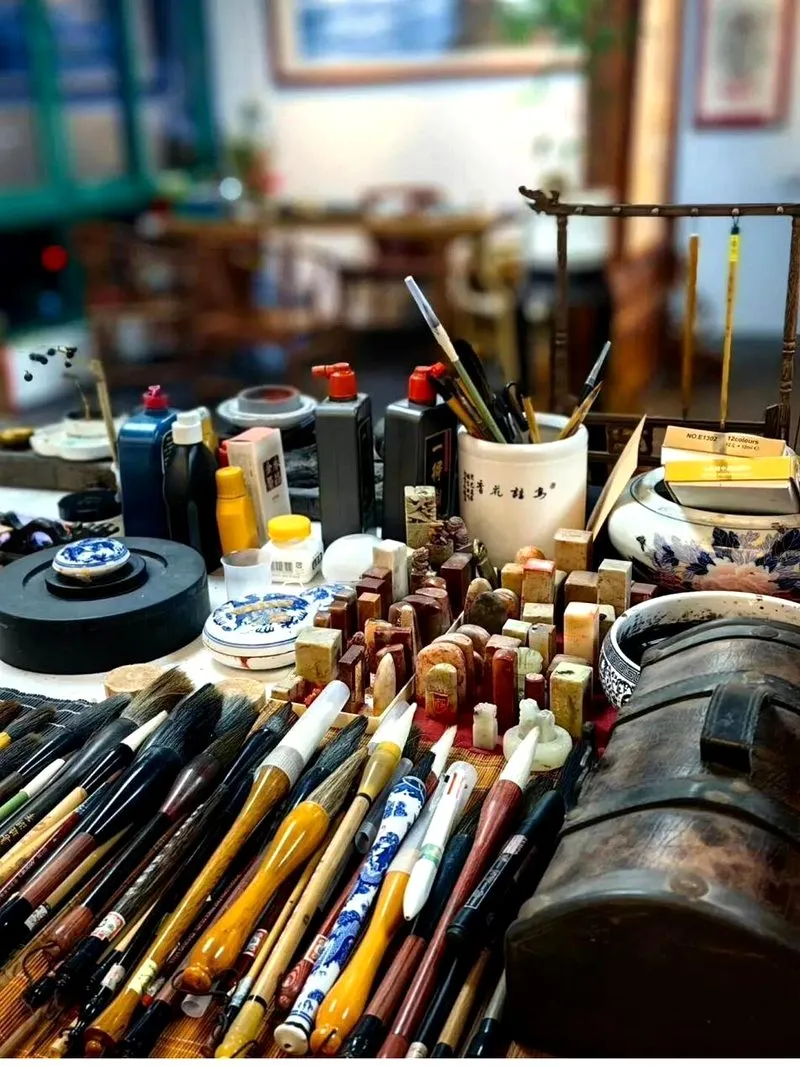
What people said after it arrived.
-
The item is fantastic. The customer service was genuine. Thanks!
— M.Verified purchase · from our Etsy shop reviews · -
They were great they gave me exactly what I asked for and then some. Thank you!!
— G.Verified purchase · from our Etsy shop reviews · -
It is well designed and customized. My daughter loves it. Amazing gift for family’s d friends
— S.Verified purchase · from our Etsy shop reviews ·
Each "福禄" is hand-brushed by FuBlessings on rice paper.
See 福禄 (Fú Lù) on Etsy →